Reviewed by our editorial team Updated
Why Visit Cologne?
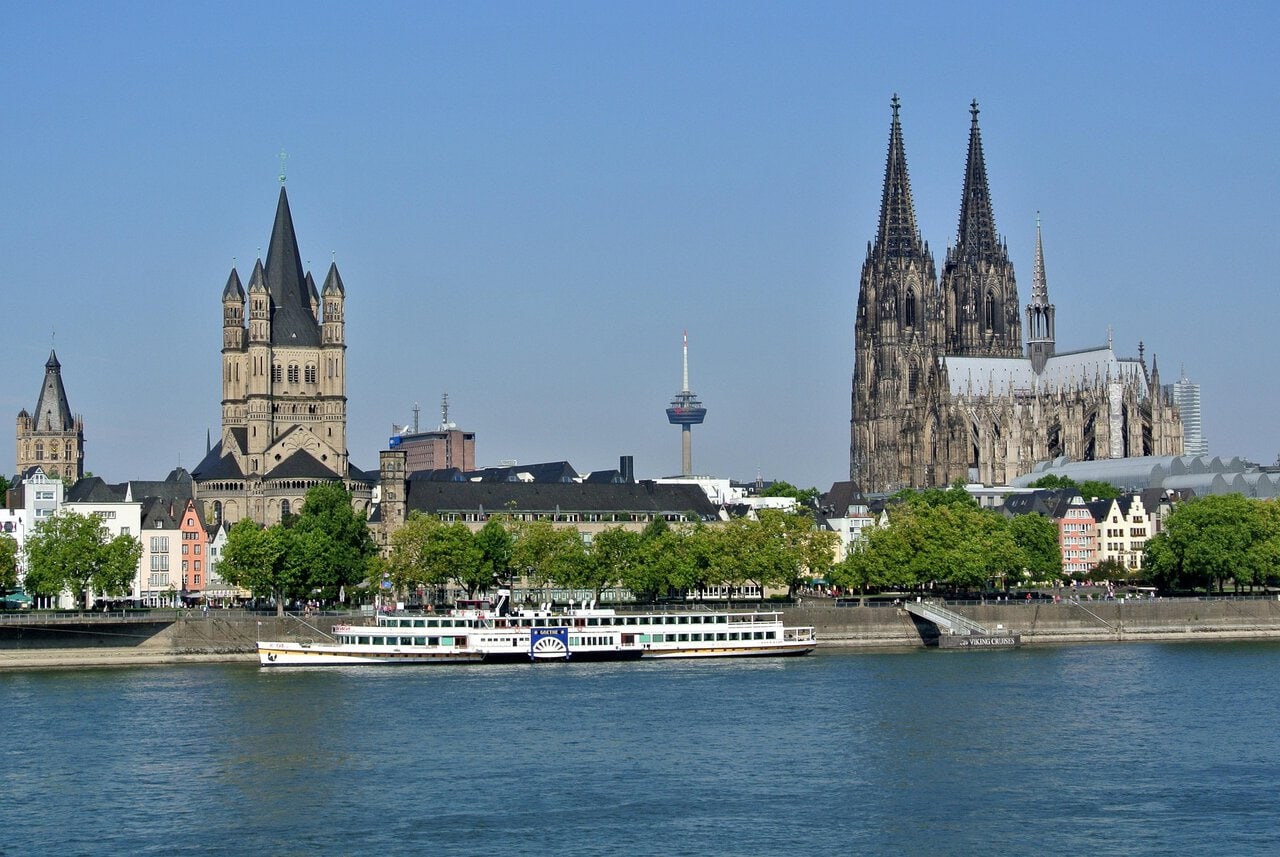
When people think of German city breaks, destinations such as Berlin, Munich, or Hamburg often dominate the conversation. Yet Cologne (Köln) quietly ranks among the most rewarding cities in the country, combining over 2,000 years of history, a spectacular riverside setting, world-class museums, lively neighbourhoods, and one of Europe’s most recognisable landmarks, the magnificent Cologne Cathedral.
Located on the banks of the River Rhine, Cologne has been an important trading centre since Roman times. Today, it remains one of Germany’s largest cities and serves as the cultural heart of North Rhine-Westphalia. Visitors can spend the morning exploring Roman ruins, the afternoon cruising along the Rhine, and the evening enjoying local beer in centuries-old taverns overlooking medieval streets. Few cities combine such a diverse mix of attractions within such a compact and walkable centre.
One of Cologne’s greatest strengths is the variety of experiences available. History lovers can explore the city’s Roman heritage, Gothic churches, and Second World War sites. Art enthusiasts can spend hours inside renowned institutions such as Museum Ludwig, while families can enjoy attractions including Cologne Zoo, the Chocolate Museum, and scenic river cruises. The city also acts as an excellent base for exploring nearby destinations such as Bonn, Aachen, Düsseldorf, and the beautiful Rhine Valley.
Unlike some major European cities, Cologne feels approachable. The compact Old Town, extensive public transport network, and welcoming atmosphere make it easy to navigate even for first-time visitors. Whether you’re arriving for a weekend break, a Christmas market trip, a Rhine cruise, or a longer German adventure, you’ll quickly discover why so many travellers return to Cologne again and again.
| Category | Information |
|---|---|
| Country | Germany |
| State | North Rhine-Westphalia |
| Population | Approximately 1.1 million |
| River | Rhine |
| Main Railway Station | Köln Hauptbahnhof |
| Airport | Cologne Bonn Airport (CGN) |
| Famous Landmark | Cologne Cathedral |
| Founded | Roman era, around 38 BC |
| Best Known For | Cathedral, Rhine, museums, Carnival |
| Typical Visit Length | 2–3 days |
Explore Cologne Cathedral
No visit to Cologne is complete without seeing the extraordinary Cologne Cathedral (Kölner Dom). Rising dramatically above the city’s skyline, this UNESCO World Heritage Site is not only the most famous attraction in Cologne but also one of the most remarkable Gothic buildings ever constructed. Its twin spires reach a height of 157 metres, making it one of the tallest cathedrals in the world and a landmark visible from miles away.
Construction began in 1248, yet the cathedral was not fully completed until 1880, creating one of the longest building projects in European history. Despite the centuries that passed during its construction, the cathedral maintains a remarkably consistent Gothic design. The intricate stonework, soaring arches, vast stained-glass windows, and elaborate façade ensure that visitors continue to be impressed before they even step inside.
The interior is equally spectacular. Sunlight streams through colourful stained glass, illuminating one of Europe’s largest church interiors. Among the cathedral’s most important treasures is the Shrine of the Three Kings, a magnificent gilded reliquary believed to contain relics associated with the Biblical Magi. Pilgrims have travelled here for centuries, helping establish Cologne as one of the most important religious destinations in Europe.
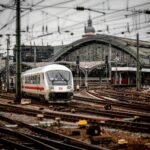
The cathedral’s location directly beside Köln Hauptbahnhof means it is often the first sight visitors encounter upon arriving in the city. Whether viewed from the station platforms, from the banks of the Rhine, or from a passing river cruise, the building dominates the cityscape and provides a constant point of reference throughout your stay.
For many travellers, the cathedral alone justifies a trip to Cologne. However, it also serves as the perfect starting point for exploring the city’s wider collection of museums, historic districts, riverside attractions, and cultural landmarks.
See hotel options and places to stay in Cologne.
Browse hotelsBrowse apartments, homes and self-catering accommodation in Cologne.
Browse rentalsCompare hotel deals in Cologne from multiple booking sites.
Compare pricesSee the City by Hop-On Hop-Off Bus
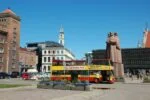
For first-time visitors, one of the easiest ways to understand the layout of Cologne is aboard the city’s popular Hop-On Hop-Off sightseeing bus. While many of Cologne’s most famous attractions are concentrated around the cathedral and Old Town, the city stretches well beyond the historic centre. The sightseeing bus provides an excellent overview while helping visitors identify places they may wish to explore in greater detail later.
The route covers many of the city’s major attractions, including Cologne Cathedral, the Old Town, the Chocolate Museum, Cologne Zoo, Lanxess Arena, KölnTriangle, MediaPark, and several important historic districts. With 14 stops spread across the city, visitors can choose whether to remain on board for the full circuit or hop off and explore individual attractions before rejoining a later service.
The complete route takes approximately 90 minutes, making it an efficient introduction to Cologne. Audio commentary is available in multiple languages and provides useful context about the city’s history, architecture, and cultural development. For visitors arriving with limited time, the bus offers an excellent way to maximise sightseeing opportunities without needing to navigate unfamiliar public transport systems.
One of the biggest advantages of the service is flexibility. Rather than committing to a rigid guided tour, passengers can create their own itinerary throughout the day. This allows travellers to spend extra time at attractions that interest them while skipping locations that may be less relevant to their interests.
For anyone visiting Cologne for the first time, particularly those planning a short city break, the Hop-On Hop-Off Bus Tour provides an excellent introduction to the city and helps bring together many of the attractions featured throughout this guide.
Take a Rhine River Cruise
The River Rhine is the reason Cologne exists. For almost 2,000 years, this mighty waterway has served as the city’s economic lifeline, trade route, and defining geographical feature. While many visitors spend their time exploring the streets around Cologne Cathedral, one of the very best things to do in Cologne is to step aboard a boat and see the city from the water.
The most popular option is the Cologne Panoramic City Cruise, a relaxing one-hour journey operated by KD Deutsche Rheinschiffahrt. Departing from the city centre, the cruise provides uninterrupted views of many of Cologne’s most famous landmarks. As the vessel glides along the Rhine, passengers enjoy spectacular perspectives of Cologne Cathedral, the colourful waterfront buildings of the Old Town, the modern architecture of Rheinauhafen, and the distinctive structure housing the Chocolate Museum.
One of the biggest highlights is passing beneath several of Cologne’s famous bridges. The iconic Hohenzollern Bridge, covered with thousands of love locks, is particularly impressive from the water. Other engineering landmarks include the Deutz Bridge and the elegant South Bridge, both of which help define Cologne’s skyline. Seeing these structures from river level allows visitors to appreciate their scale in a way that is impossible from the streets above.
The cruise also offers some of the best photographic opportunities in the city. The towering spires of Cologne Cathedral dominate the skyline and are particularly striking when viewed from the middle of the Rhine. Many visitors discover that their favourite photographs of Cologne are taken from the boat rather than from land.
Throughout the journey, audio commentary provides insight into Cologne’s history, architecture, and riverside development, while the onboard bar allows passengers to enjoy a drink as the scenery unfolds. For first-time visitors, a Rhine River Cruise combines sightseeing, relaxation, history, and photography into a single experience and remains one of the most rewarding attractions in the city.
Walk Through Cologne’s Old Town
Exploring the Old Town (Altstadt) is one of the most enjoyable and atmospheric things to do in Cologne. Located between Cologne Cathedral and the River Rhine, this historic district forms the heart of the city and contains many of its most famous streets, squares, churches, and traditional breweries.
Although large parts of Cologne were damaged during the Second World War, extensive reconstruction has helped preserve the character of the historic centre. Today, visitors wander through a maze of cobbled streets, colourful façades, historic taverns, and lively public squares that reflect centuries of Cologne’s development as one of Germany’s most important cities.
Two of the most important gathering places are Alter Markt and Heumarkt. These historic squares are surrounded by restaurants, cafés, and traditional beer halls serving local Kölsch beer. The atmosphere here changes throughout the day, from relaxed mornings to lively evenings when locals and visitors fill the outdoor terraces.
The Old Town is also home to some of Cologne’s most significant religious buildings. Beyond the famous cathedral, visitors will encounter landmarks such as Great St Martin Church, St Maria Lyskirchen, and St Kunibert. Their distinctive towers rise above the rooftops and provide constant reminders of Cologne’s rich medieval heritage.
Perhaps the greatest pleasure comes from simply wandering without a fixed itinerary. Hidden courtyards, riverside viewpoints, historic buildings, and independent shops appear around every corner. Walking along the Rhine Promenade provides particularly impressive views of Cologne Cathedral, the city’s bridges, and the constant flow of river traffic that continues to shape life in Cologne today.
For many visitors, the combination of history, architecture, food, beer, and riverside scenery makes the Old Town the most memorable part of their visit.
Visit the Chocolate Museum
Among all the attractions in Cologne, few are as universally popular as the famous Chocolate Museum (Schokoladenmuseum). Located on a striking peninsula projecting into the River Rhine, this unique attraction combines history, science, manufacturing, culture, and of course plenty of chocolate.
Since opening in 1993, the museum has become one of Germany’s most visited tourist attractions. The experience begins by exploring the origins of chocolate, tracing the story of cocoa from its roots in Central America through to its transformation into one of the world’s favourite foods. Visitors learn about cocoa cultivation, harvesting, transportation, and production while discovering how chocolate evolved from a luxury product into a global industry.
One of the most fascinating parts of the museum is the fully operational production area. Here visitors can watch chocolate being manufactured in real time, observing the machinery and techniques used to create modern chocolate products. The famous Chocolate Fountain remains one of the museum’s biggest attractions, offering visitors the opportunity to sample freshly prepared chocolate while learning about the manufacturing process.
The museum’s location adds another dimension to the experience. Large panoramic windows provide spectacular views across the Rhine, the Old Town, and the wider Cologne skyline. The modern architecture contrasts beautifully with the city’s historic buildings, creating one of Cologne’s most distinctive cultural attractions.
Families particularly enjoy the interactive exhibits, while adults often appreciate the detailed historical displays and production demonstrations. Whether you’re travelling with children, interested in food history, or simply love chocolate, the Chocolate Museum consistently ranks among the very best things to do in Cologne.
Climb the Cologne Cathedral Tower
While Cologne Cathedral is impressive from every angle, climbing the Cathedral Tower provides an entirely different perspective and one of the most unforgettable experiences in the city. The ascent is challenging, but the reward is access to what many consider the finest viewpoint in Cologne.
The climb involves approximately 533 steps, taking visitors through narrow stone staircases that wind upwards inside one of the most famous Gothic buildings in the world. Along the route, occasional openings reveal glimpses of the city below, while the immense scale of the cathedral becomes increasingly apparent.
A particularly fascinating highlight is the opportunity to see the cathedral’s enormous bells up close. The famous St Peter’s Bell, often known as the Dicke Pitter, is among the largest free-swinging church bells in the world. Standing near this remarkable piece of engineering gives visitors a new appreciation for the scale and ambition behind the cathedral’s construction.
Upon reaching the viewing platform, the effort of the climb is immediately rewarded. The panoramic views extend across Cologne, the River Rhine, and much of the surrounding North Rhine-Westphalia region. From this elevated vantage point, visitors can clearly identify landmarks such as the Hohenzollern Bridge, the Chocolate Museum, KölnTriangle, numerous historic churches, and the sprawling urban landscape beyond.
The tower also offers the best opportunity to understand Cologne’s geography. The winding course of the Rhine, the concentration of historic buildings around the cathedral, and the modern developments along the waterfront all become visible at once. Photographers, architecture enthusiasts, and first-time visitors consistently rank the Cathedral Tower Climb among the absolute highlights of any trip to Cologne.
For travellers seeking the ultimate Cologne viewpoint, few experiences can compete with standing high above the city beside the soaring spires of Cologne Cathedral itself.
Explore the Hohenzollern Bridge
Few landmarks are as instantly recognisable in Cologne as the magnificent Hohenzollern Bridge (Hohenzollernbrücke). Stretching across the River Rhine beside Cologne Cathedral, this vast railway bridge has become one of the city’s most photographed attractions and an essential stop for visitors exploring the waterfront.
Originally opened in 1911, the bridge has survived wars, reconstruction, and dramatic changes in the city’s development. Today it carries hundreds of trains each day and serves as one of the busiest railway bridges in Germany. However, for most visitors, it is not the trains that attract attention but the extraordinary collection of love locks attached to the bridge’s railings.
Over the years, couples from around the world have attached thousands upon thousands of padlocks to the bridge before throwing the keys into the Rhine below. The result is a colourful and ever-growing display that has transformed the bridge into one of Cologne’s most romantic landmarks. Walking across the bridge allows visitors to admire this unique tradition while enjoying some of the finest views in the city.
The location is particularly impressive. Looking west, visitors enjoy spectacular views of Cologne Cathedral, whose twin Gothic spires dominate the skyline. Looking east, the modern KölnTriangle Tower rises above the opposite bank, creating a striking contrast between historic and contemporary Cologne.
The bridge is especially beautiful during the evening when the illuminated Cathedral, the shimmering waters of the Rhine, and the city lights combine to create one of the most memorable scenes in Cologne. For photographers, couples, and first-time visitors alike, the Hohenzollern Bridge ranks among the city’s most rewarding attractions.
Search flights and useful route combinations for your trip.
View flightsChoose an Airalo eSIM and arrange mobile data before you arrive.
Browse eSIMsArrange a private airport pickup for your trip to Cologne.
Check transfersDiscover Museum Ludwig
Located beside Cologne Cathedral and overlooking the River Rhine, Museum Ludwig houses one of the most important collections of modern and contemporary art in Europe. Even visitors who would not normally consider themselves art enthusiasts often find the museum surprisingly engaging due to the quality and diversity of its collection.
The museum is particularly famous for its extensive collection of Pablo Picasso works, one of the largest collections of Picasso art anywhere outside Spain. Visitors can trace the development of his artistic career through paintings, drawings, and graphic works spanning several decades. For many art lovers, this collection alone justifies a visit.
Beyond Picasso, the museum also contains important works from major artistic movements including Pop Art, Expressionism, Surrealism, and contemporary art. Visitors will encounter pieces by internationally renowned artists such as Andy Warhol, Roy Lichtenstein, Salvador Dalí, and numerous German artists who helped shape twentieth-century art.
The building itself deserves attention. Its modern architecture contrasts dramatically with the nearby Gothic Cathedral, symbolising the coexistence of Cologne’s ancient history and modern cultural identity. Large windows provide occasional views of the cathedral and river, creating a unique relationship between the artworks inside and the city outside.
For visitors seeking a break from sightseeing, Museum Ludwig offers several hours of exploration and remains one of the finest cultural attractions in Cologne. Whether you’re an experienced gallery visitor or simply curious about modern art, it provides a fascinating contrast to the city’s historic landmarks.
Visit Cologne’s Roman History Sites
Long before Cologne became famous for its cathedral, Christmas markets, or Rhine cruises, it was one of the most important cities in the Roman Empire. Founded as Colonia Claudia Ara Agrippinensium in the first century AD, Cologne developed into a major administrative and commercial centre, and traces of that Roman heritage remain visible throughout the city today.
One of the most fascinating places to explore this history is the Roman-Germanic Heritage Trail, which links several archaeological sites across the city centre. Walking through Cologne often reveals unexpected reminders of its Roman past, from fragments of ancient walls to preserved foundations hidden beneath modern buildings.
Among the highlights are the remains of the Roman City Walls, sections of which can still be seen today. These fortifications once protected one of the empire’s most important settlements north of the Alps. Visitors can also discover the remains of Roman roads, towers, and defensive structures that illustrate the scale and sophistication of ancient Cologne.
Another significant site is the Roman Praetorium, which served as the headquarters of the provincial governor. Although much of the structure lies beneath modern Cologne, archaeological discoveries continue to reveal new details about life in the city nearly two thousand years ago.
Exploring Cologne’s Roman heritage adds an entirely different dimension to a city often associated primarily with medieval and modern attractions. It reminds visitors that beneath the churches, museums, and shopping streets lies one of the oldest continuously inhabited urban centres in Germany.
See the Great St Martin Church
While Cologne Cathedral understandably dominates most itineraries, many visitors consider Great St Martin Church (Groß St. Martin) to be one of the most beautiful buildings in the entire city. Rising above the rooftops of the Old Town, its distinctive tower has become one of Cologne’s defining landmarks and forms an essential part of the city’s historic skyline.
The church dates largely from the Romanesque period and was built on the foundations of earlier Roman structures, reflecting Cologne’s long and complex history. Its massive crossing tower, elegant proportions, and prominent riverside location make it instantly recognisable from many points across the city.
Situated close to the Rhine Promenade, the church is often encountered while exploring the Old Town. The surrounding streets contain some of Cologne’s most attractive historic buildings, creating a particularly atmospheric area for walking and photography. Many visitors find the church’s setting among colourful riverside buildings even more appealing than the structure itself.
Inside, the atmosphere is markedly different from that of the cathedral. The simpler Romanesque architecture creates a quieter, more intimate environment that encourages reflection and appreciation of the building’s historical significance. The contrast between the vast Gothic scale of Cologne Cathedral and the more restrained beauty of Great St Martin Church highlights the architectural diversity found throughout the city.
Viewed from the water during a Rhine River Cruise, illuminated at night from the riverbank, or explored on foot as part of an Old Town walk, Great St Martin Church remains one of Cologne’s most rewarding historic attractions and an essential stop for anyone interested in the city’s architectural heritage.

Explore the Belgian Quarter
If you’re looking for a side of Cologne that feels modern, creative, and distinctly local, spend some time exploring the Belgian Quarter (Belgisches Viertel). Located just west of the city centre, this vibrant neighbourhood has developed a reputation as Cologne’s trendiest district and offers a completely different atmosphere from the historic streets of the Old Town.
The area takes its name from its street names, many of which reference Belgian cities and regions. Today, however, it is best known for its collection of independent boutiques, designer stores, coffee shops, art galleries, and some of the city’s most popular bars and restaurants. Unlike the heavily visited tourist areas around Cologne Cathedral, the Belgian Quarter provides an opportunity to experience everyday life in one of Germany’s most fashionable urban districts.
Walking through the neighbourhood reveals a fascinating mix of historic architecture and contemporary culture. Attractive nineteenth-century buildings line the streets, while creative businesses occupy ground-floor spaces throughout the district. The result is a neighbourhood that feels lively and authentic without becoming overwhelming.
One of the most famous streets is Brüsseler Platz, a popular gathering place for both locals and visitors. Throughout the warmer months, people fill the cafés, terraces, and public spaces surrounding the square, creating one of the most vibrant social atmospheres in Cologne. It is an excellent place to stop for coffee, lunch, or an evening drink while watching daily life unfold around you.
For visitors seeking something beyond traditional sightseeing, the Belgian Quarter offers one of the best opportunities to experience modern Cologne. It demonstrates that the city is not only about cathedrals and history but also about creativity, culture, and contemporary urban life.
Visit the NS Documentation Centre
Among the most important historical attractions in Cologne is the NS Documentation Centre (NS-Dokumentationszentrum), often known simply as the EL-DE House. While many attractions focus on Cologne’s Roman, medieval, or cultural heritage, this museum confronts one of the darkest chapters in German history and provides a powerful educational experience.
The building served as the headquarters of the Gestapo in Cologne during the Nazi era. Remarkably, much of the original structure survived the war, allowing visitors to see authentic spaces used during this period. The preserved prison cells in the basement are particularly moving, containing original inscriptions left behind by prisoners who were held there.
The museum presents detailed exhibitions examining the rise of National Socialism, the persecution of minorities, wartime life in Cologne, and the impact of the Nazi regime on both the city and wider Germany. Through photographs, documents, personal testimonies, and artefacts, visitors gain a deeper understanding of how ordinary lives were affected during this period.
What makes the museum especially effective is its local focus. Rather than presenting history solely through national events, it shows how political decisions affected specific communities and individuals within Cologne itself. This creates a much more personal and powerful connection to the historical events being discussed.
Although it can be an emotionally challenging experience, the NS Documentation Centre remains one of the most important museums in Cologne. Visitors interested in twentieth-century history, politics, human rights, or Germany’s past will find it one of the most thought-provoking attractions in the city.
Discover Cologne Zoo
Founded in 1860, Cologne Zoo is one of the oldest and most respected zoological gardens in Germany. Located north of the city centre beside the Rhine, the zoo combines historic character with modern conservation facilities and remains one of the best family attractions in Cologne.
Home to hundreds of animal species from around the world, the zoo offers visitors the opportunity to see everything from elephants, giraffes, and big cats to primates, penguins, and exotic birds. The spacious enclosures and carefully designed habitats help create a more natural environment for the animals while improving the visitor experience.
One of the most popular areas is the Elephant Park, one of Europe’s largest elephant facilities. The impressive enclosure allows visitors to observe these remarkable animals in a setting specifically designed to support their welfare and social behaviour. The zoo’s primate exhibits are also highly regarded and attract significant attention throughout the year.
Families particularly appreciate the combination of educational exhibits, open spaces, playgrounds, and interactive experiences. The zoo can comfortably occupy several hours and provides an excellent change of pace from the churches, museums, and historic sites found elsewhere in Cologne.
The nearby Flora Botanical Garden makes a natural companion attraction. Many visitors combine the two locations into a single day, enjoying both wildlife and beautifully landscaped gardens within one of the city’s most attractive green spaces.
For travellers visiting Cologne with children, Cologne Zoo consistently ranks among the most popular attractions in the city and offers something enjoyable for visitors of all ages.
Compare hostels and lower-cost places to stay in Cologne.
Search hostelsAccess compensation support, eligible lounge benefits and faster payouts when flights go wrong.
See the benefitsArriving before check-in or leaving later? Store your luggage and make more of your time in Cologne.
Store your bagsRide the Ferris Wheel at the Chocolate Museum
Standing beside the Chocolate Museum and overlooking the River Rhine, the giant Cologne Ferris Wheel provides one of the most enjoyable short attractions in the city. While it may not have the fame of Cologne Cathedral or the scale of a Rhine cruise, it offers spectacular views and a unique perspective on the surrounding waterfront.
The wheel rises above the riverside promenade and gives visitors panoramic views across many of Cologne’s most famous landmarks. As the gondolas slowly rotate, passengers can admire Cologne Cathedral, the Hohenzollern Bridge, the Old Town, the Rhine, and the modern developments of Rheinauhafen. The elevated position creates excellent photography opportunities and allows visitors to appreciate the layout of the city from above.
One of the attraction’s biggest strengths is accessibility. The ride is suitable for visitors of all ages, and facilities are designed to accommodate wheelchair users, making it one of the more inclusive attractions in Cologne. The gentle pace also means that even those who dislike more adventurous rides can comfortably enjoy the experience.
The location beside the Chocolate Museum makes it particularly easy to include as part of a wider sightseeing day. Many visitors explore the museum, enjoy a walk along the waterfront, and then finish with a ride on the Ferris wheel before continuing towards the Old Town or a river cruise departure point.
Although relatively simple, the attraction provides excellent value as a viewpoint and is especially enjoyable during the late afternoon or early evening when the light across the Rhine becomes particularly attractive. For visitors seeking a different perspective on Cologne, the Ferris wheel is a worthwhile addition to any itinerary.
Enjoy an Evening Rhine River Cruise
While Cologne is impressive during the day, the city takes on a completely different character after sunset. One of the most memorable things to do in Cologne is to board an Evening Rhine River Cruise and watch the city’s landmarks gradually illuminate as darkness falls across the river.
The popular 2-Hour Evening Cruise operated by KD Deutsche Rheinschiffahrt offers a relaxing and atmospheric way to experience Cologne after dark. As the vessel leaves the waterfront, passengers are treated to views of the city’s historic churches, modern skyline, and famous bridges reflected in the waters of the Rhine.
The highlight is undoubtedly Cologne Cathedral. During daylight hours, its Gothic architecture dominates the skyline, but after dark the illuminated cathedral becomes even more dramatic. Seen from the middle of the river, the building appears to float above the city, creating one of Cologne’s most iconic nighttime views.
The cruise also passes landmarks including Great St Martin Church, St Kunibert, St Maria Lyskirchen, the Hohenzollern Bridge, and sections of the modern Rheinauhafen waterfront development. The contrast between medieval architecture and contemporary urban design becomes particularly striking when viewed beneath the city lights.
Unlike the daytime sightseeing cruise, the evening voyage focuses less on sightseeing and more on atmosphere. Comfortable seating, onboard refreshments, music, and panoramic views combine to create a relaxing experience that appeals to couples, families, and solo travellers alike. During warm weather, the open-air deck becomes one of the most pleasant places in the city to spend an evening.
For visitors looking to finish a day of sightseeing in style, few experiences can match drifting along the Rhine while the lights of Cologne shimmer across the water.
Enjoy Cologne’s Christmas Markets
Few European cities embrace the festive season quite like Cologne. Every winter, the city transforms into one of Germany’s most celebrated Christmas destinations, attracting visitors from across Europe with its collection of atmospheric Christmas Markets, festive decorations, and seasonal traditions.
Rather than operating a single market, Cologne hosts several distinct Christmas markets spread across the city. Each has its own character, allowing visitors to experience a variety of festive settings during their stay. The most famous is the Cathedral Christmas Market, located beneath the towering spires of Cologne Cathedral. With hundreds of decorated stalls and one of Germany’s most impressive festive backdrops, it consistently ranks among the country’s most beautiful Christmas markets.
Equally popular is the Old Town Christmas Market, where traditional wooden chalets line the historic squares and streets surrounding the Rhine. Visitors can browse handmade gifts, seasonal decorations, local crafts, and festive food while enjoying views of the city’s historic architecture.
The Harbour Christmas Market beside the Rhine offers a nautical theme, while other markets throughout the city provide everything from contemporary designs to traditional festive experiences. This variety makes Cologne particularly appealing for Christmas market enthusiasts who enjoy exploring multiple locations during a single trip.
Food and drink play a major role in the experience. Visitors can sample Glühwein, roasted almonds, gingerbread, sausages, regional specialities, and countless festive treats while enjoying live music and seasonal entertainment.
For many travellers, the festive season is the very best time to visit Cologne. The combination of illuminated streets, historic surroundings, riverside scenery, and world-class Christmas markets creates an atmosphere that few European cities can match.
For a full breakdown of each market, including opening dates, prices and which one suits your visit best, see our complete guide to Cologne’s Christmas markets.

Take a Day Trip to Bonn
Located just south of Cologne, Bonn is one of the easiest and most rewarding day trips available from the city. Frequent trains connect the two destinations in as little as 20 to 30 minutes, making Bonn an excellent addition to any Cologne itinerary.
Many visitors are surprised to discover how historically significant Bonn is. From 1949 until 1990, it served as the capital of West Germany, and numerous government buildings from that period remain visible throughout the city. Walking through Bonn provides a fascinating insight into modern German political history while offering a noticeably different atmosphere from neighbouring Cologne.
The city is perhaps best known as the birthplace of Ludwig van Beethoven. Music lovers can visit Beethoven House, one of Germany’s most important cultural museums, which preserves the composer’s birthplace and contains an extensive collection relating to his life and work.
Bonn’s historic centre is also highly attractive. Elegant squares, pedestrianised shopping streets, riverside promenades, and impressive churches create a pleasant environment for exploration. The city’s university buildings, many of which occupy former palaces and grand residences, add further architectural interest.
Visitors travelling during spring may encounter Bonn’s famous Cherry Blossom Avenue, when hundreds of flowering trees create one of Germany’s most photographed seasonal displays. Meanwhile, museum enthusiasts can explore the city’s excellent collection of cultural institutions, including the House of the History of the Federal Republic of Germany.
For travellers based in Cologne, Bonn offers a perfect combination of culture, history, architecture, and convenience, making it one of the region’s best day-trip destinations.
Explore Düsseldorf
Although Cologne and Düsseldorf have enjoyed a friendly rivalry for generations, visitors should not let local competition discourage them from exploring both cities. Located approximately 40 minutes away by train, Düsseldorf makes an outstanding day trip and offers a noticeably different experience from Cologne.
While Cologne is famous for its cathedral and Roman heritage, Düsseldorf is known for its modern architecture, elegant shopping streets, riverside atmosphere, and thriving arts scene. The city’s waterfront promenade along the River Rhine is widely regarded as one of the finest urban riverside walks in Germany and provides an excellent place to spend a relaxed afternoon.
One of Düsseldorf’s most famous attractions is the Königsallee, often referred to simply as the Kö. This tree-lined boulevard is one of Europe’s most prestigious shopping streets and is home to luxury boutiques, designer stores, and elegant cafés. Even visitors with no intention of shopping often enjoy strolling along its attractive canals and landscaped walkways.
The city’s Altstadt (Old Town) offers a completely different atmosphere. Packed with bars, breweries, and restaurants, it has earned the nickname “the longest bar in the world” due to the concentration of venues within a relatively small area. Visitors can sample traditional Altbier, Düsseldorf’s famous local beer, while exploring the historic streets.
Modern architecture enthusiasts will enjoy the striking buildings of the MedienHafen, where contemporary designs by internationally renowned architects contrast with the city’s historic districts. The area has become one of Düsseldorf’s most photographed locations and symbolises the city’s modern identity.
For visitors spending several days in Cologne, a day trip to Düsseldorf provides an excellent opportunity to experience another side of the Rhine-Ruhr region and compare two of western Germany’s most important cities.
Visit Drachenfels Castle
Perched high above the Rhine Valley near the town of Königswinter, Drachenfels Castle is one of the most popular day trips from Cologne and one of the most scenic destinations in western Germany. Located approximately 40 kilometres south of Cologne, it combines spectacular views, fascinating legends, historic ruins, and one of Germany’s most famous river landscapes.
The name Drachenfels, meaning Dragon’s Rock, comes from local legends that associate the hill with the dragon slain by the hero Siegfried in the medieval epic Nibelungenlied. Whether or not you believe the stories, the dramatic setting certainly feels worthy of myth. Rising above the Rhine, the hill dominates the surrounding landscape and provides panoramic views that stretch for miles in every direction.
Visitors have several ways to reach the summit. The most famous is the historic Drachenfels Railway, Germany’s oldest rack railway, which has been carrying passengers up the mountainside since 1883. Timetables and fares are published by the Drachenfelsbahn Königswinter, the railway’s own operator. The journey itself is an attraction, climbing through forests and vineyards while gradually revealing increasingly impressive views of the valley below. Those seeking a more active experience can instead follow one of several walking trails to the top.
At the summit, visitors encounter the ruins of Drachenfels Castle, whose dramatic position overlooking the Rhine has inspired travellers for centuries. The views are extraordinary. On clear days, it is possible to see far along the river towards both Bonn and Cologne, while the surrounding hills and vineyards create one of the most attractive landscapes in Germany.
The nearby Schloss Drachenburg, a lavish nineteenth-century palace built lower on the hillside, adds another dimension to the visit. Despite its fairy-tale appearance, the building is not a medieval castle but a grand private residence filled with elaborate interiors and fascinating history.
For visitors looking to experience castles, legends, river scenery, and some of Germany’s most famous views, Drachenfels ranks among the very best excursions from Cologne.

Discover Aachen
Located near the borders of Belgium, the Netherlands, and Germany, the historic city of Aachen offers one of the most rewarding day trips from Cologne. Frequent trains connect the two cities in around 40 minutes, making Aachen easily accessible even on a short visit.
Aachen’s greatest claim to fame is its association with Charlemagne, the ruler who helped shape medieval Europe. The city’s magnificent Aachen Cathedral served as his preferred residence and remains one of Germany’s most important historic buildings. Designated a UNESCO World Heritage Site, it was among the first locations anywhere in the world to receive UNESCO recognition.
The cathedral’s interior is remarkable. Golden mosaics, elaborate chapels, and centuries of royal history combine to create one of Europe’s most significant religious monuments. For hundreds of years, German kings were crowned here, giving the building a unique place in European history.
Beyond the cathedral, Aachen’s historic centre rewards exploration. Elegant squares, fountains, medieval buildings, and lively cafés create a welcoming atmosphere that differs noticeably from the larger cities of the Rhine-Ruhr region. The city’s famous thermal springs, which have attracted visitors since Roman times, continue to influence its identity today.
Food lovers should also seek out Aachener Printen, a traditional spiced biscuit that has become one of the city’s most famous culinary specialities. Available throughout the city, these treats make a popular souvenir as well as a delicious snack.
For visitors interested in history, architecture, UNESCO sites, and cross-border culture, Aachen provides an outstanding day trip and showcases another fascinating chapter of Germany’s past.
Family-Friendly Things to Do in Cologne
Cologne is one of Germany’s most family-friendly cities, offering a wide variety of attractions that appeal to children and adults alike. The combination of interactive museums, river cruises, parks, wildlife attractions, and easy public transport makes the city particularly well suited to family travel.
One of the most popular attractions is the Chocolate Museum, where children can learn about chocolate production, see working machinery, and sample freshly made chocolate from the famous fountain. The interactive exhibits help make the experience engaging for younger visitors while remaining interesting for adults.
Another major family favourite is Cologne Zoo. Home to hundreds of species and featuring extensive modern enclosures, the zoo provides several hours of entertainment while also promoting wildlife conservation and education. The nearby Flora Botanical Garden offers additional open space for families looking to relax outdoors.
Families often enjoy seeing the city from different perspectives. The Hop-On Hop-Off Bus Tour allows visitors to cover large distances without extensive walking, while a Rhine River Cruise offers a relaxing way to view Cologne’s landmarks from the water. The Ferris Wheel beside the Chocolate Museum is another simple but popular attraction that provides excellent views over the city and river.
Children are often fascinated by Cologne Cathedral, particularly when climbing the tower or viewing the enormous bells inside. The vast scale of the building makes a strong impression even on younger visitors, while the surrounding squares provide plenty of space to explore.
With its mixture of culture, history, wildlife, and interactive attractions, Cologne offers enough variety to keep families entertained for several days without difficulty.
Hidden Gems in Cologne
Beyond the cathedral, museums, and famous waterfront attractions, Cologne contains numerous lesser-known places that many visitors never discover. Exploring these hidden gems can provide a deeper understanding of the city and reveal a more authentic side of local life.
One overlooked attraction is the Cologne Triangle Observation Deck. Located across the Rhine from the cathedral, this modern tower offers one of the very best panoramic views in the city. Ironically, many visitors climb the cathedral tower while missing the viewpoint that actually provides the finest view of the cathedral itself.
Another fascinating location is the Flora Botanical Garden, situated beside Cologne Zoo. The beautifully landscaped gardens contain exotic plants, elegant glasshouses, and peaceful walking paths that feel surprisingly removed from the busy city centre.
History enthusiasts may enjoy seeking out the remains of Cologne’s Roman Walls and lesser-known archaeological sites scattered throughout the city. While often overshadowed by the cathedral, these remnants reveal the extraordinary age of Cologne and its importance within the Roman Empire.
The district of Ehrenfeld provides yet another perspective on the city. Known for its street art, independent cafés, creative spaces, and multicultural atmosphere, it offers a contrast to both the historic centre and the fashionable Belgian Quarter. Visitors willing to venture beyond the traditional tourist areas often discover some of Cologne’s most interesting restaurants, galleries, and local businesses here.
For travellers who enjoy looking beyond the obvious attractions, these hidden corners help demonstrate why Cologne rewards repeat visits. Beneath the surface of the famous landmarks lies a city filled with history, creativity, and unexpected discoveries.

Best Viewpoints in Cologne
One of the great pleasures of visiting Cologne is seeing how dramatically the city changes when viewed from above. The combination of the River Rhine, the twin spires of Cologne Cathedral, historic churches, modern waterfront developments, and numerous bridges creates a skyline unlike any other in Germany. Fortunately, the city offers several outstanding viewpoints that allow visitors to appreciate this landscape from different angles.
For many travellers, the most famous viewpoint is the top of the Cologne Cathedral Tower. After climbing 533 steps, visitors are rewarded with spectacular views across the city and surrounding region. The experience is particularly memorable because of the opportunity to stand beside one of Europe’s most famous Gothic structures while looking out over the Rhine.
However, the arguably best view in Cologne can be found at the KölnTriangle Observation Deck. Located on the opposite bank of the Rhine, this modern viewing platform provides the perfect perspective of the cathedral itself. Rather than looking out from the cathedral, visitors look back towards it, creating one of the most iconic views in Germany. Photographers frequently regard this as the city’s premier viewpoint.
The Ferris Wheel beside the Chocolate Museum offers another excellent perspective. While not as high as the cathedral tower or KölnTriangle, it provides constantly changing views across the waterfront, Old Town, and river. It is particularly attractive during the late afternoon when the sunlight reflects off the Rhine.
For a more relaxed experience, consider a Rhine River Cruise. While technically not a viewpoint in the traditional sense, seeing the city from the water provides some of Cologne’s finest panoramas. The cathedral, bridges, and waterfront developments appear particularly impressive from the middle of the river.
Finally, the Hohenzollern Bridge itself deserves inclusion. Standing midway across the bridge allows visitors to enjoy one of the classic postcard views of Cologne Cathedral rising above the Rhine. For sunrise, sunset, or evening photography, few locations can compete.
Suggested 1-Day Cologne Itinerary
If you only have a single day in Cologne, it is still possible to experience many of the city’s highlights while gaining a strong understanding of its history, culture, and atmosphere.
Begin your morning at Cologne Cathedral, arriving early before the largest crowds appear. Spend time exploring both the exterior and interior before climbing the Cathedral Tower for panoramic views across the city. After descending, take a short walk through the surrounding streets and begin exploring the Old Town, including Alter Markt, Heumarkt, and the historic riverside areas.
Around lunchtime, head towards the Chocolate Museum. Allow sufficient time to explore the exhibits, watch the production demonstrations, and sample some of the museum’s famous chocolate. Afterwards, take a leisurely walk along the Rhine Promenade, enjoying views of the river and city skyline.
During the afternoon, board a Rhine River Cruise. This provides a relaxing break while also allowing you to see many of Cologne’s most important landmarks from the water. Once back on land, walk across the Hohenzollern Bridge and visit the KölnTriangle Observation Deck for arguably the best view of the cathedral in the entire city.
Finish your day with dinner in the Old Town, sampling local dishes and a traditional glass of Kölsch beer. If time permits, an Evening Rhine Cruise provides a spectacular finale, with the illuminated cathedral and city skyline reflected in the waters of the Rhine.
Suggested 2-Day Cologne Itinerary
With two days available, visitors can enjoy the city’s major attractions at a more relaxed pace while also exploring museums, neighbourhoods, and cultural sites that are often missed during shorter visits.
On Day One, focus on Cologne’s iconic landmarks. Visit Cologne Cathedral, climb the Cathedral Tower, explore the Old Town, walk across the Hohenzollern Bridge, and enjoy a Rhine River Cruise. Include time for the Chocolate Museum and finish the evening with dinner beside the river or an Evening Rhine Cruise.
On Day Two, begin with either Museum Ludwig or the NS Documentation Centre, depending on your interests. Both provide excellent insight into different aspects of Cologne’s history and culture. Continue by exploring the creative atmosphere of the Belgian Quarter, where independent cafés, boutiques, and galleries showcase modern Cologne.
Families may wish to dedicate part of the day to Cologne Zoo and the neighbouring Flora Botanical Garden, while history enthusiasts can spend additional time exploring the city’s Roman heritage sites and historic churches such as Great St Martin Church.
During the afternoon, visit the KölnTriangle Observation Deck if you have not already done so, then explore lesser-known districts such as Ehrenfeld before returning to the city centre. Alternatively, use the second day to take a short excursion to Bonn, Düsseldorf, Aachen, or Drachenfels, all of which can be reached easily from Cologne.
Two days provides enough time to experience both the famous attractions and the lesser-known corners that make Cologne one of Germany’s most rewarding city-break destinations.

Rupert’s Handy Travel Tips
Planning a trip to Cologne? Rupert has a few tips that can help you make the most of your visit:
- Arrive at Cologne Cathedral early: The area around the cathedral becomes much busier later in the day, particularly during weekends and Christmas market season.
- Don’t skip the KölnTriangle: Many visitors climb the cathedral tower, but the best photograph of the cathedral itself is from the observation deck across the Rhine.
- Take at least one Rhine cruise: Cologne looks completely different from the water and the views of the cathedral are outstanding.
- Try traditional Kölsch beer: Cologne’s famous local beer is served in small glasses and forms an important part of the city’s culture.
- Use Cologne as a transport hub: Bonn, Düsseldorf, Aachen, Drachenfels and even Frankfurt are all easy day trips by train.
- Visit the Christmas markets if travelling in December: Cologne hosts some of Germany’s best festive markets, many set against spectacular historic backdrops.
Want to meet the reindeer behind our travel tips? Find out more in our page Who is Rupert?.





Frequently Asked Questions About Cologne
How many days do you need in Cologne?
Most visitors should allow 2 to 3 days to fully explore Cologne Cathedral, the Old Town, major museums, river cruises, and nearby day-trip destinations.
Is Cologne worth visiting?
Absolutely. Cologne combines a world-famous cathedral, Roman history, excellent museums, Rhine cruises, Christmas markets, and a lively local culture that makes it one of Germany’s most rewarding cities.
What is Cologne most famous for?
The city is best known for Cologne Cathedral, a UNESCO World Heritage Site and one of the most impressive Gothic buildings in the world.
Can you walk around Cologne?
Yes. Most of the major attractions are located within a relatively compact area around the Cathedral, Old Town, and River Rhine, making Cologne highly walkable.
Is Cologne expensive to visit?
Cologne is generally more affordable than cities such as Munich while offering a similar range of cultural attractions, restaurants, and accommodation options.
What is the best time to visit Cologne?
Spring and early autumn offer excellent sightseeing weather, while December is particularly popular due to the city’s famous Christmas Markets.
Are Rhine River Cruises worth it?
Yes. A Rhine River Cruise is one of the best ways to see Cologne’s skyline, bridges, cathedral, and waterfront developments from a unique perspective.
Can you visit Cologne as a day trip?
Yes. Cologne works well as a day trip, particularly from Frankfurt, Düsseldorf, or Bonn, although an overnight stay allows visitors to experience much more of the city.
What are the best day trips from Cologne?
Popular options include Bonn, Düsseldorf, Aachen, and Drachenfels, all of which can be reached easily by train.
What local beer should I try in Cologne?
Visitors should try Kölsch, the city’s traditional beer style, which is served in distinctive small glasses throughout Cologne’s breweries and beer halls.
Further Reading & Related Guides
If you’re arriving by air, our Cologne Airport Transfers Guide explains the fastest and easiest ways to reach the city centre, including train, bus, taxi, and private transfer options. Travellers exploring more of western Germany should also read our Düsseldorf Travel Guide, which covers one of Cologne’s most popular and accessible day trips.
Rail travellers can make the most of Germany’s excellent railway network with our Interrail Germany Pass Guide, while those planning a wider European adventure should also read our comprehensive Interrail Pass Guide. If you’re travelling across multiple countries, these guides explain routes, reservations, and how to maximise the value of your pass.
Visitors interested in other major German transport hubs may find our Frankfurt Airport Transfers Guide useful, particularly if continuing onwards by rail or air. For a broader look at the country, our Germany Travel Guide covers top destinations, rail travel, and practical planning tips nationwide. Finally, staying connected while travelling is essential, so our eSIM Apps Guide compares the best mobile data solutions for Germany and the rest of Europe, helping you stay online from the moment you arrive.