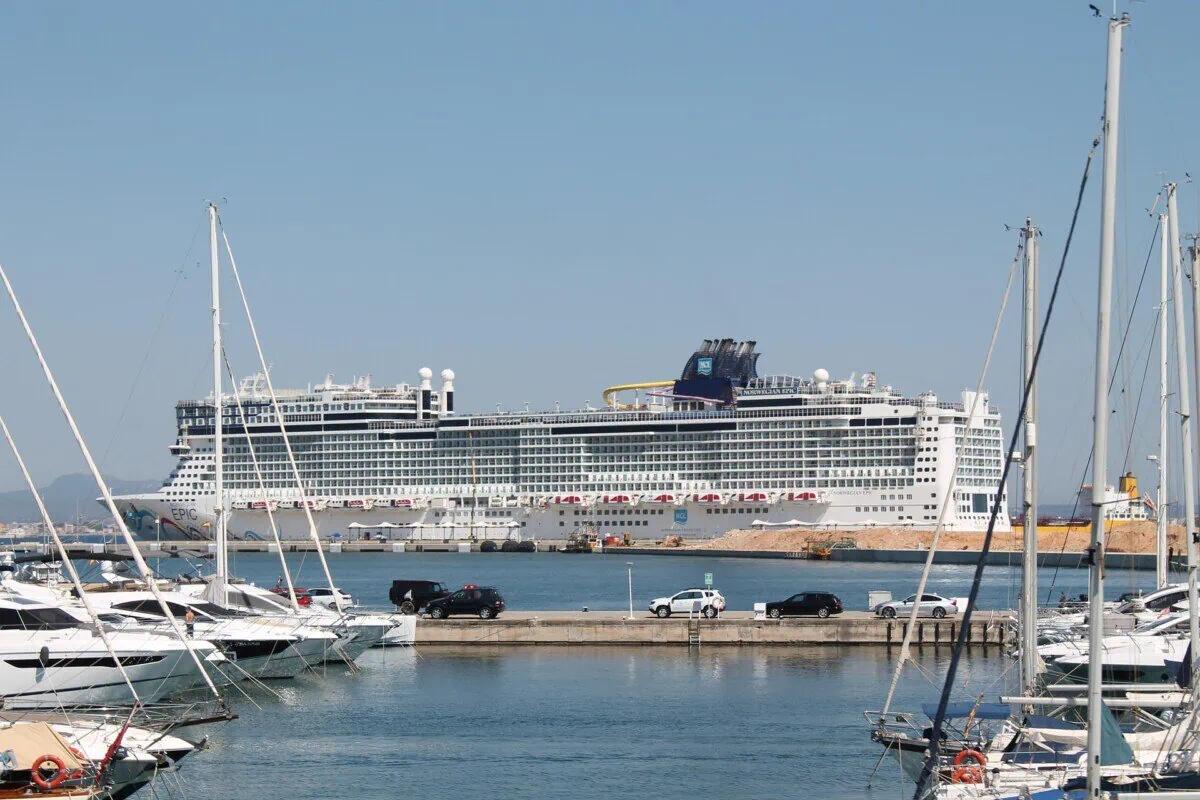
Mallorca is the busiest ferry hub in the Balearic Islands, and its ports connect the island both to mainland Spain and to its island neighbours. Two ports handle almost all of that traffic: the Port o...

Explore travel guides covering cities, countries, and destinations worldwide, with practical advice to help you plan and navigate each location.
These guides focus on what to see, how to get around, and how to structure your trip efficiently, making them useful whether you are planning a short visit or a longer journey across multiple destinations.
Mallorca is the busiest ferry hub in the Balearic Islands, and its ports connect the island both to mainland Spain and to its island neighbours. Two ports handle almost all of that traffic: the Port o...
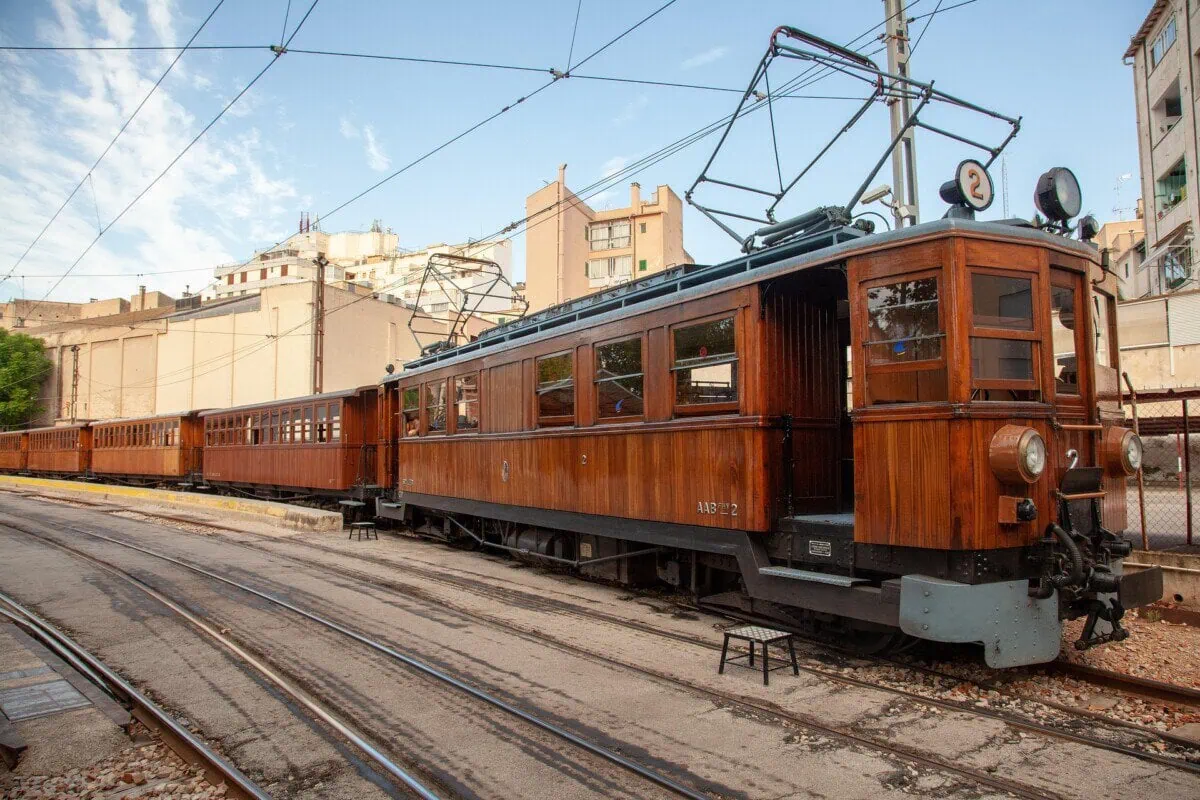
The Sóller Train (Ferrocarril de Sóller) is a genuine working railway rather than a theme-park replica, and its century-old wooden carriages still climb from Palma up into the Serra de Tramuntana on t...
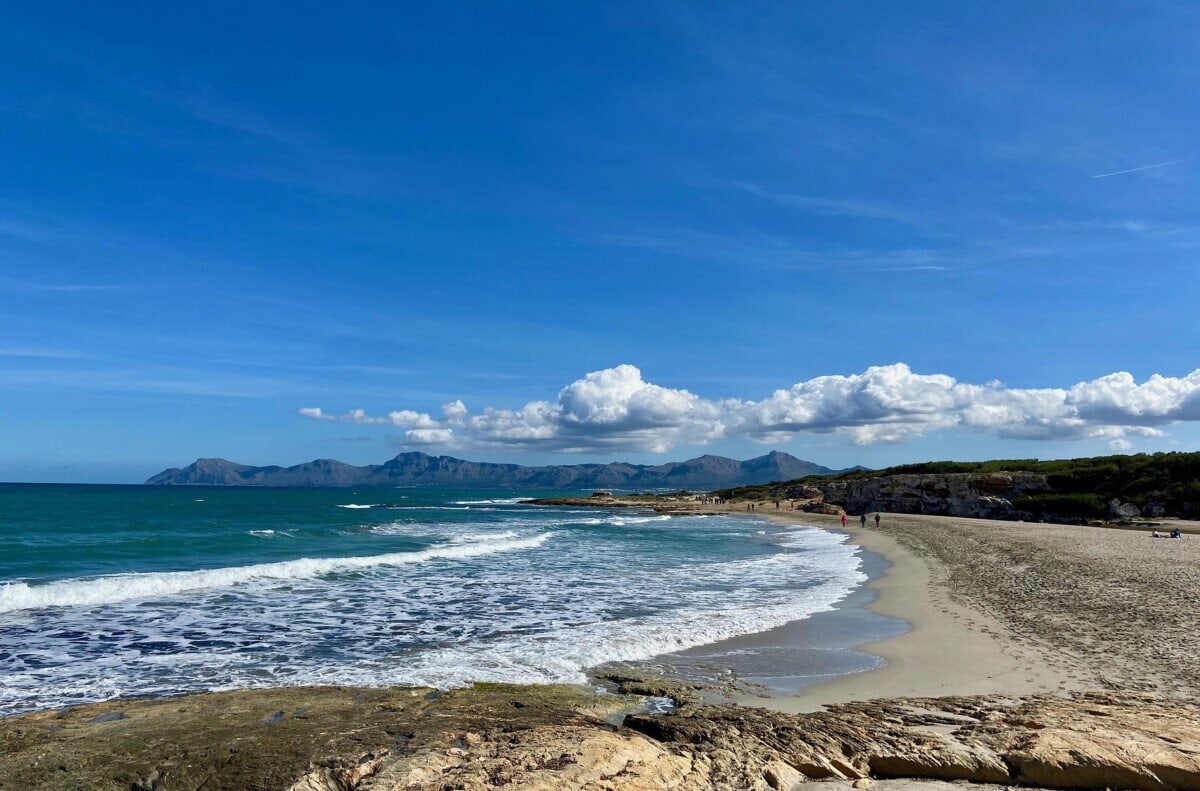
Mallorca has more than 200 official beaches and coves along its coastline, so picking a genuine shortlist from that number is no small task. This guide is the dedicated beach roundup for the whole Mal...
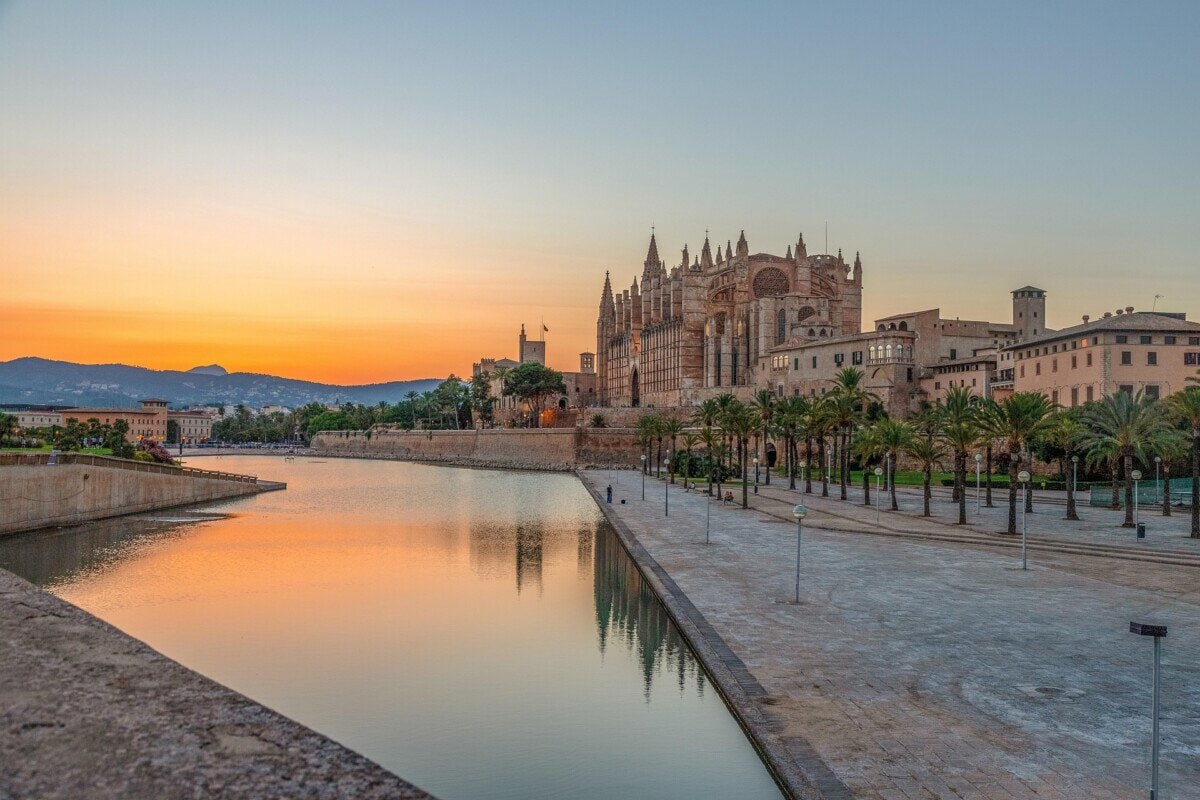
Plenty of people still picture Mallorca as Ibiza’s quieter, older sibling: a package-holiday island of pool bars and airport transfers. That picture survives on a narrow strip of coastline, whil...
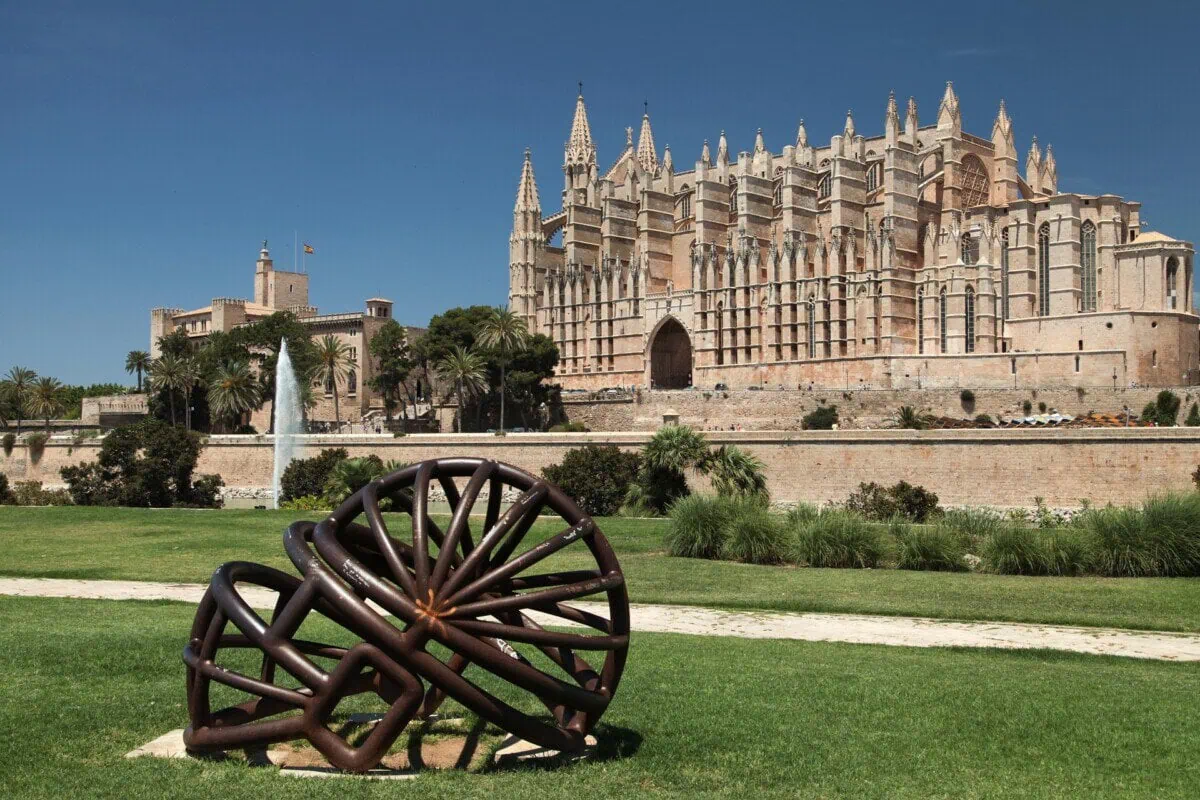
Palma de Mallorca rewards visitors who give it more than an afternoon between flights and beach days. The city’s compact old town, seafront promenade and contemporary art scene all sit within ea...
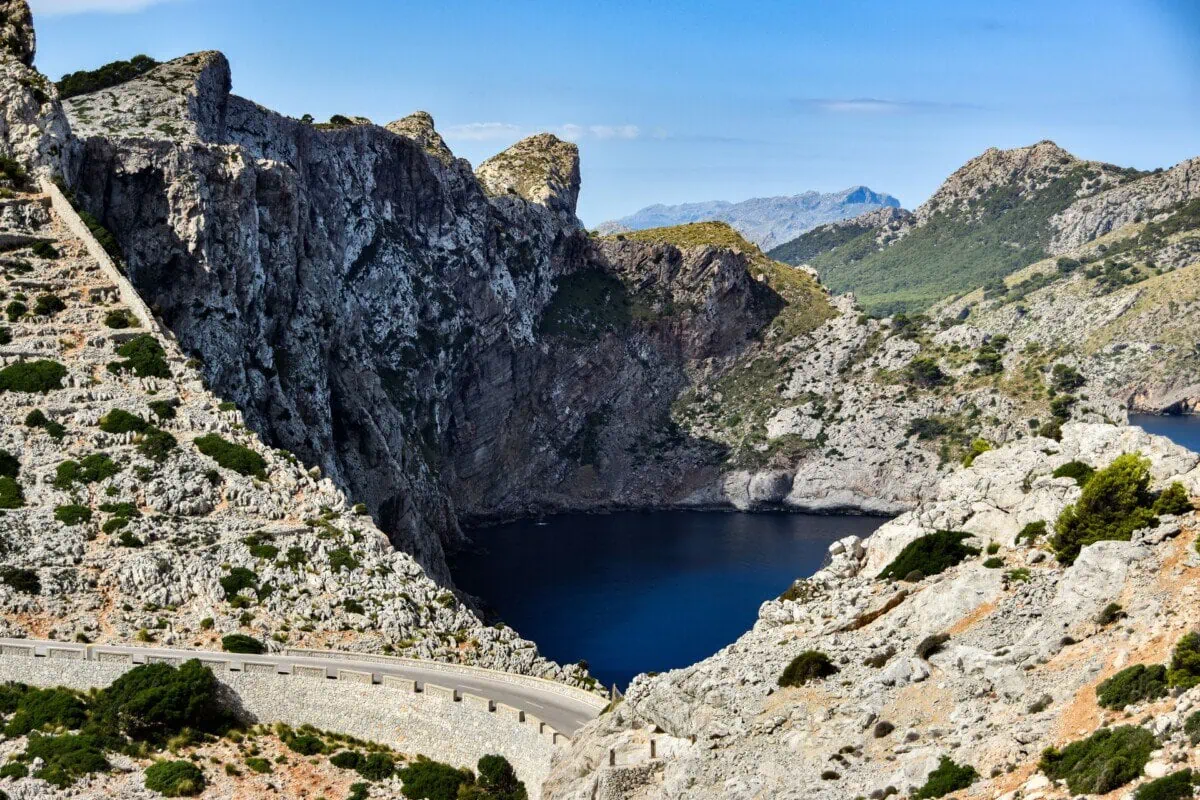
The Serra de Tramuntana is the mountain range that runs along Mallorca’s entire northwest coast, from Andratx in the south to the Formentor peninsula in the north. UNESCO listed the range as a W...
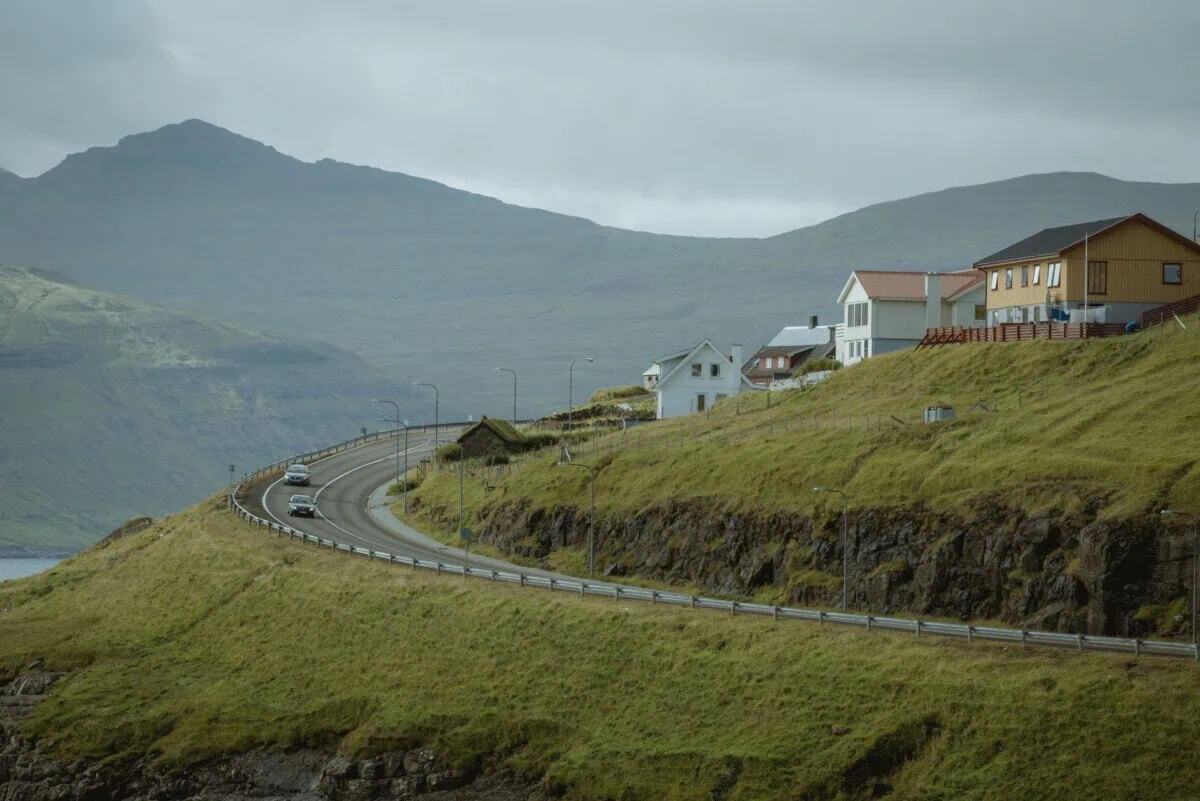
The Faroe Islands reward drivers in a way few other European destinations can match. This is an archipelago of eighteen islands scattered across the North Atlantic roughly halfway between Iceland and ...
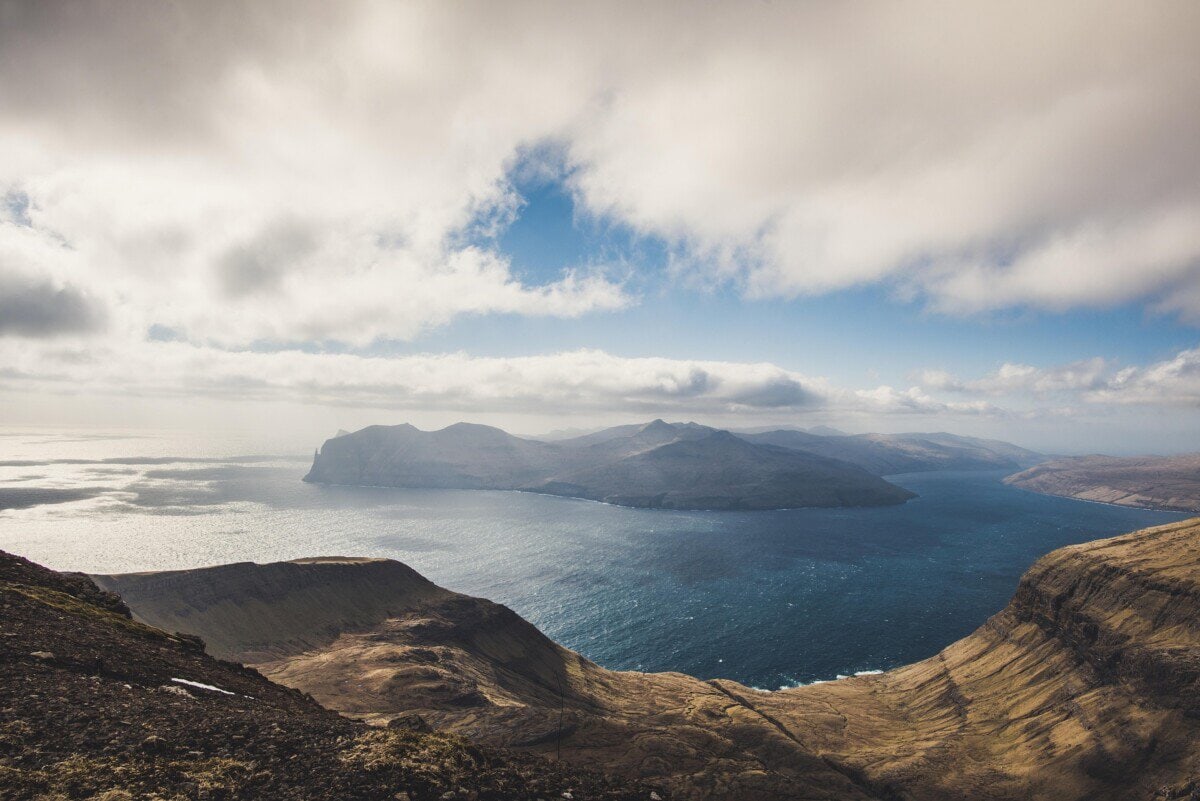
The Faroe Islands are a genuinely unusual place to plan a trip around: an eighteen-island archipelago in the middle of the North Atlantic, self-governing yet still part of the Kingdom of Denmark, reac...
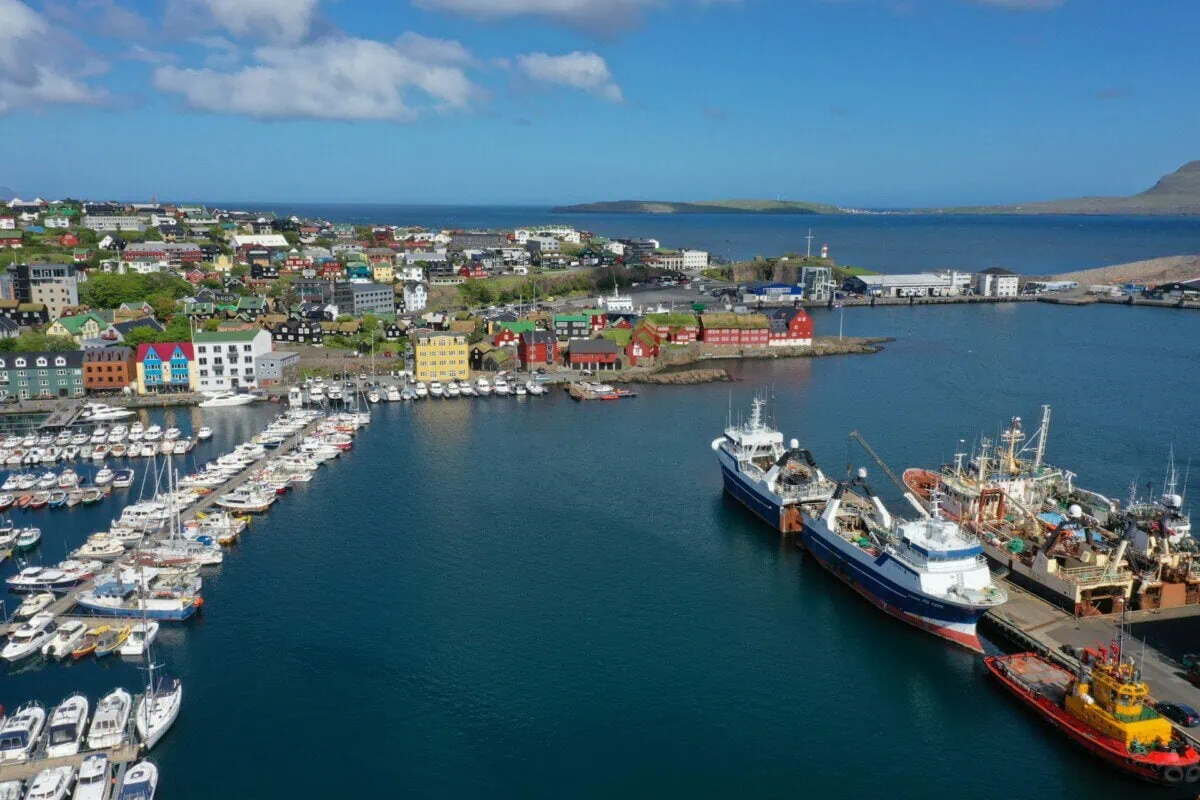
Why Planning Your Vágar Airport Transfer Really Matters The Faroe Islands are one of the most remote destinations in Europe, and Vágar Airport (FAE) is the only way almost every visitor arrives. Unlik...
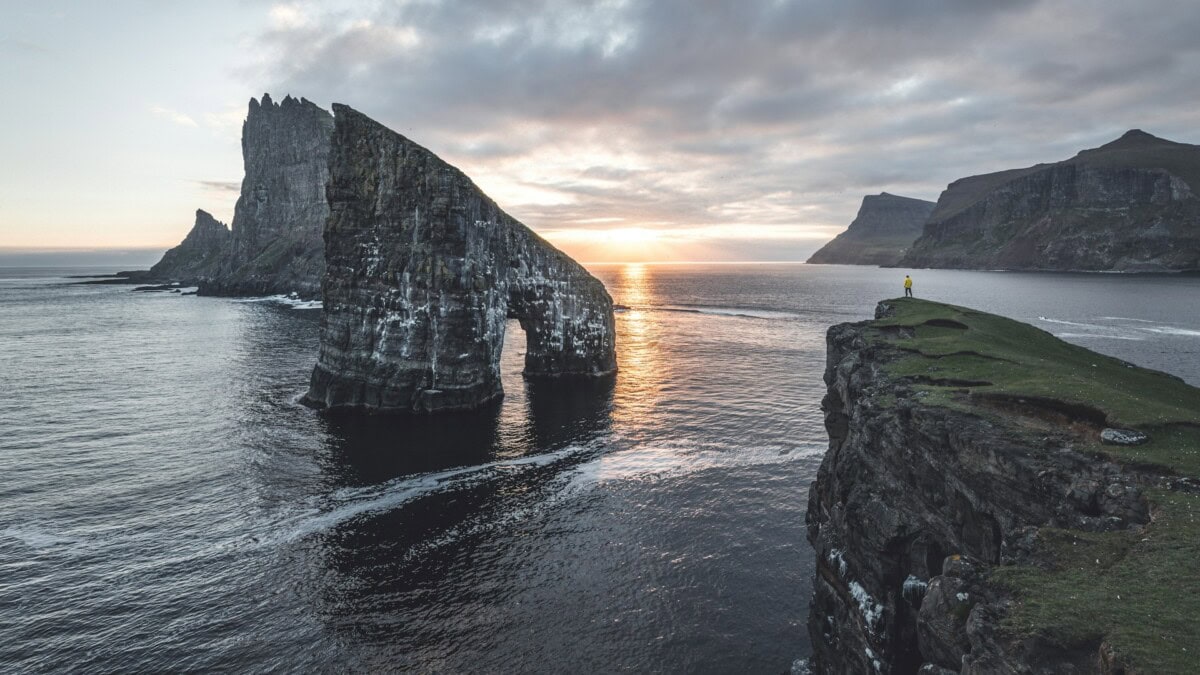
The Faroe Islands sit in the North Atlantic roughly halfway between Iceland and Norway, and for most of the last decade they have played a distant second to Iceland in the “raw Nordic scenery...
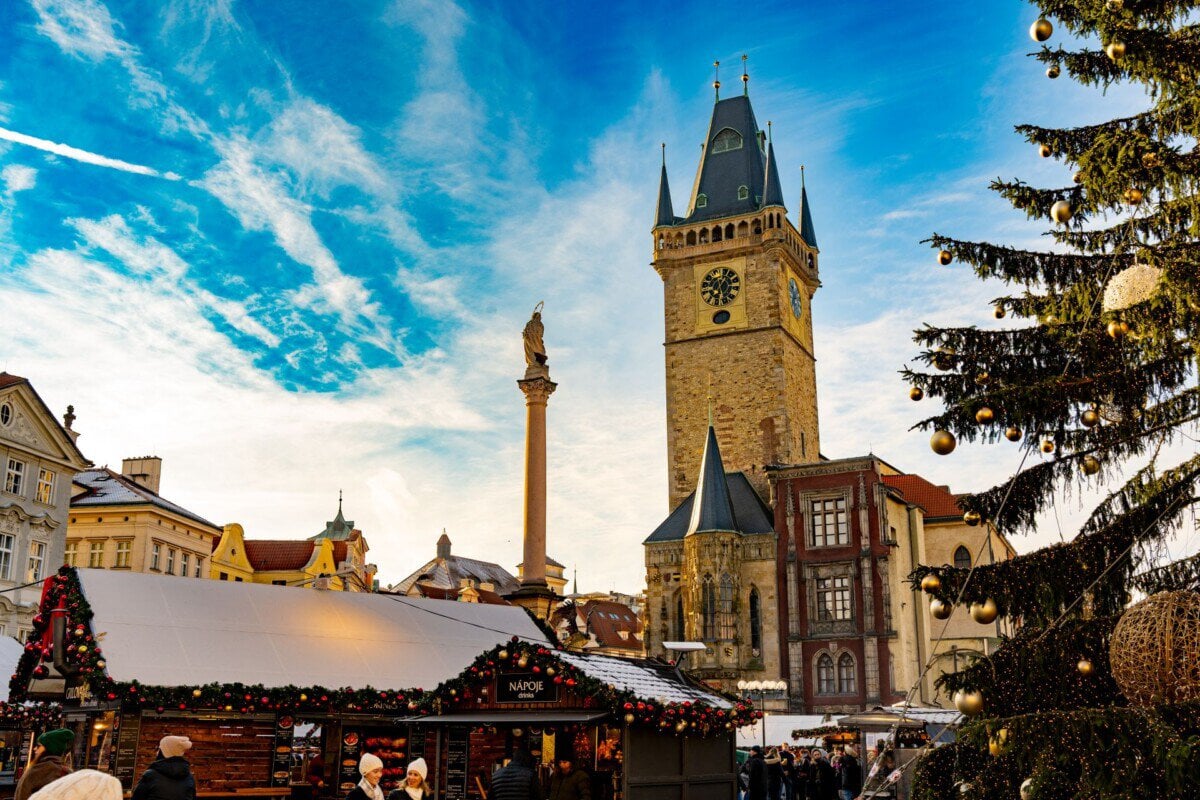
Christmas in Prague turns the city into one of Europe’s most photogenic winter destinations, and most of that magic radiates from a single square. From late November through the first week of Ja...
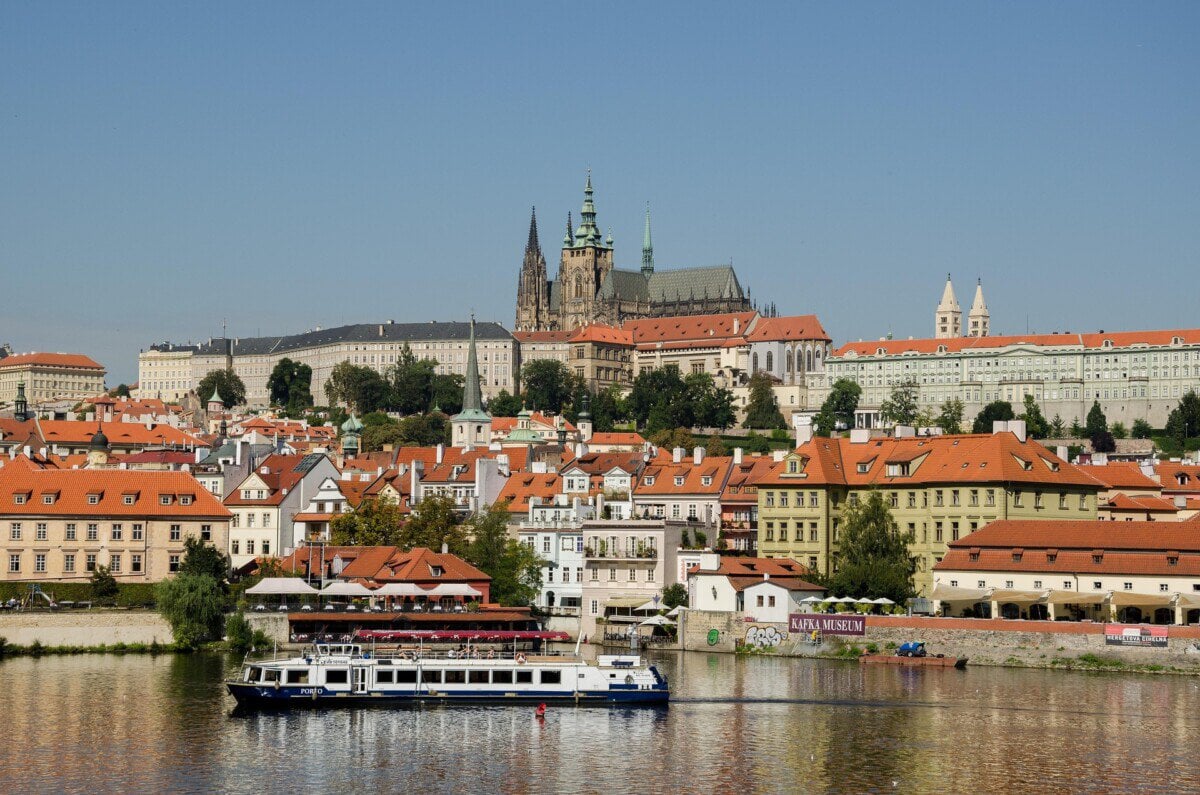
The Vltava River is the one vantage point in Prague that never gets crowded the way the streets do, and a river cruise remains one of the simplest ways to see the city’s skyline properly assembl...
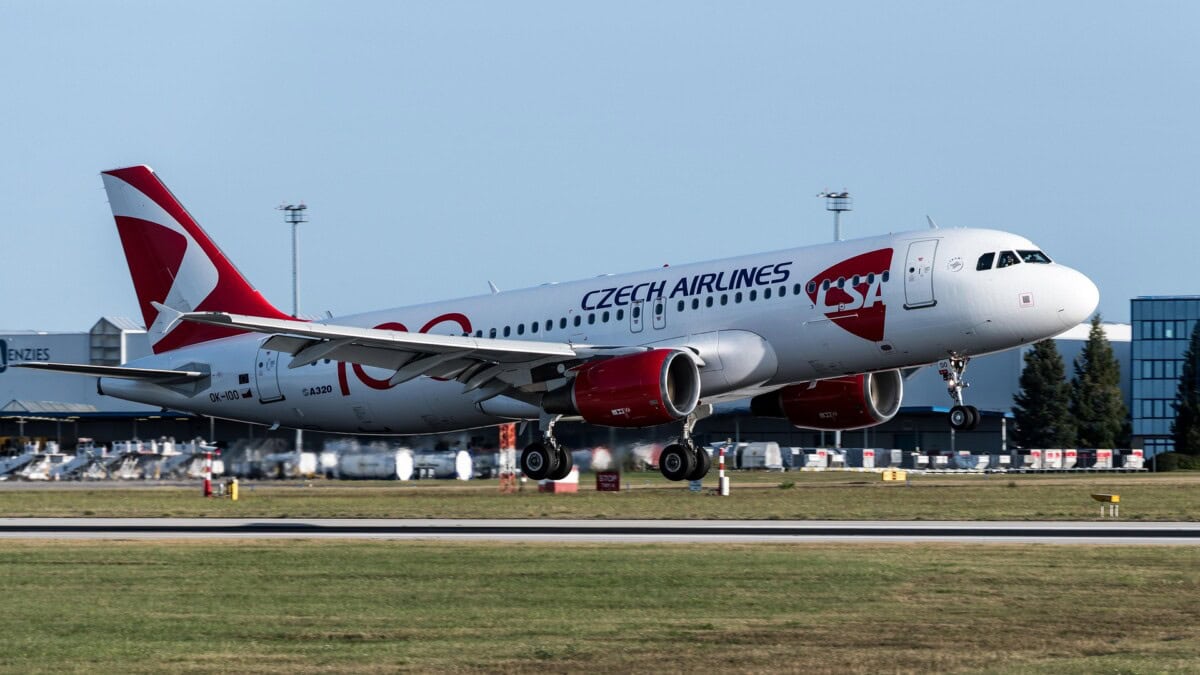
Václav Havel Airport Prague (airport code PRG) sits around 12 kilometres (7.5 miles) west of the historic centre, in the Ruzyně district, which puts it close enough that almost every transfer option g...
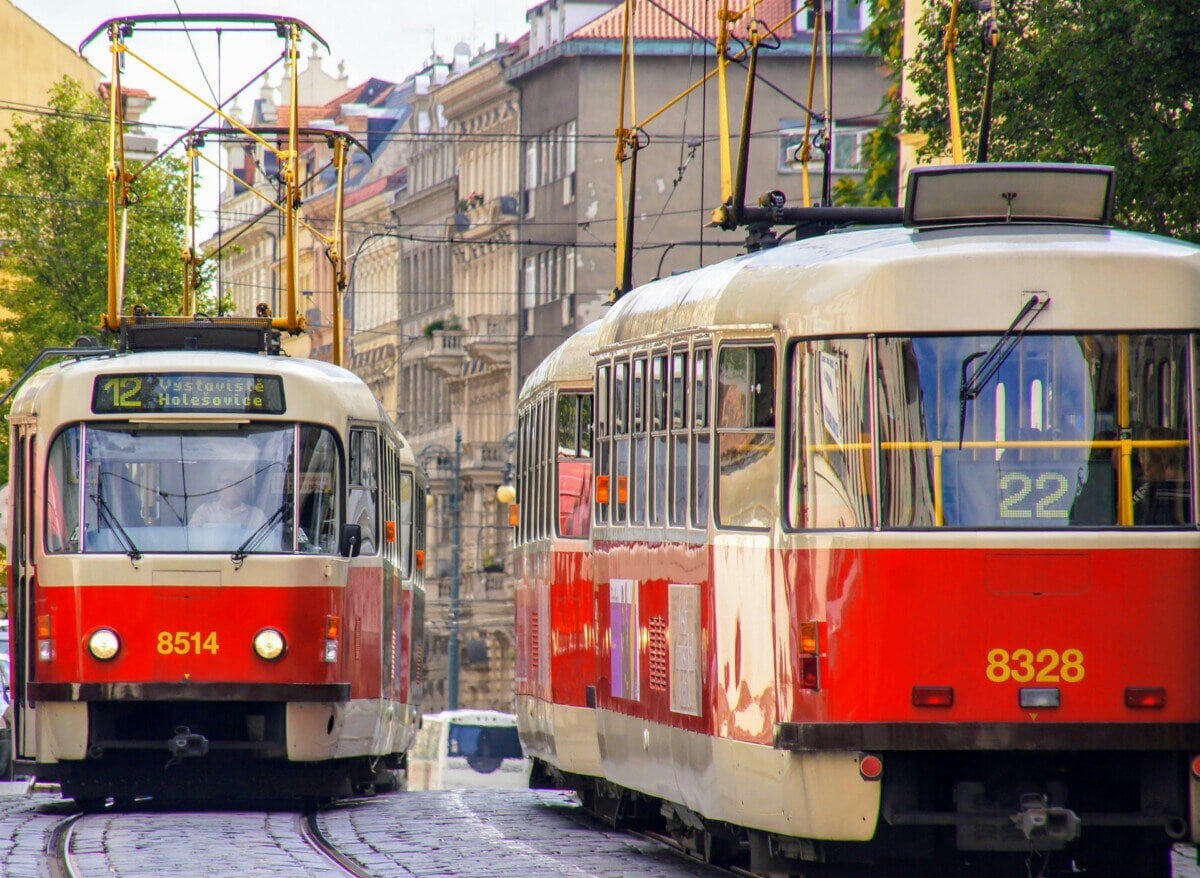
Prague’s public transport network is one of the most complete and easy to use in Europe, and understanding it properly will save visitors real money and real time. The whole system runs under on...
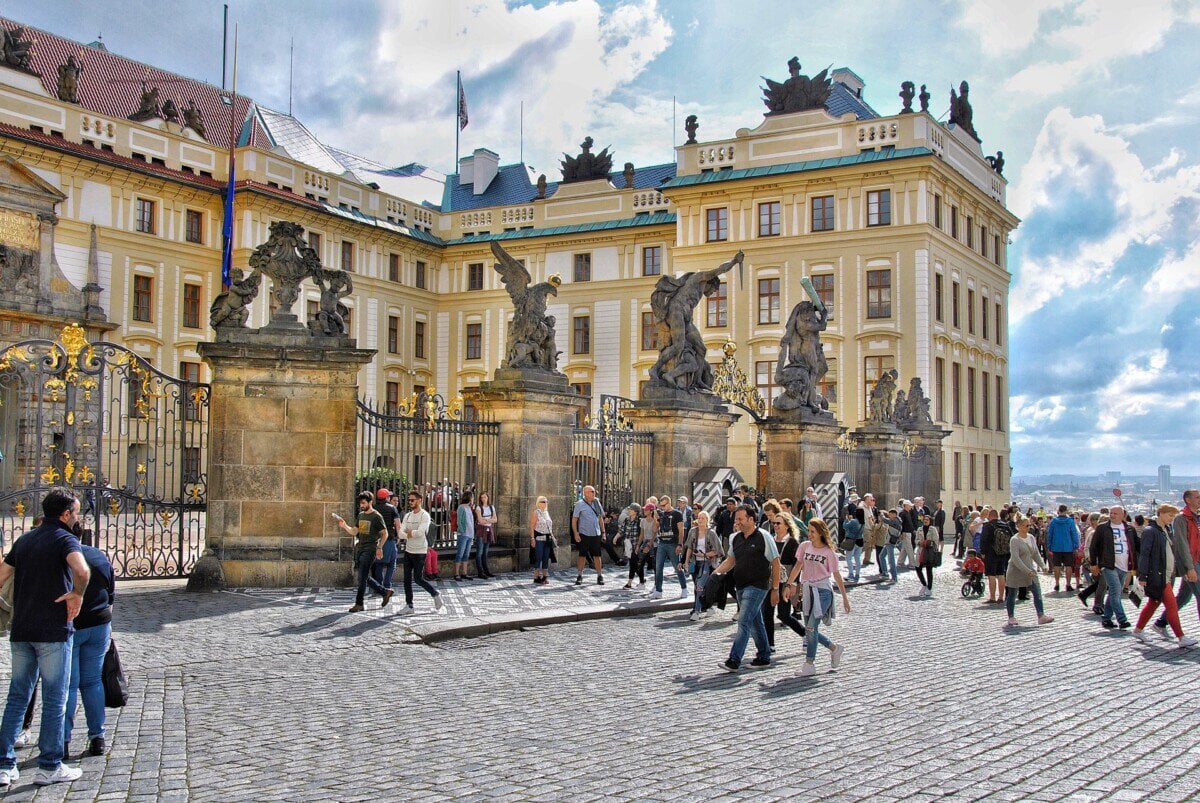
Prague rewards visitors who plan ahead, and one of the simplest ways to do that is deciding whether a city pass actually makes sense for your trip. The Czech capital has several genuinely different pa...
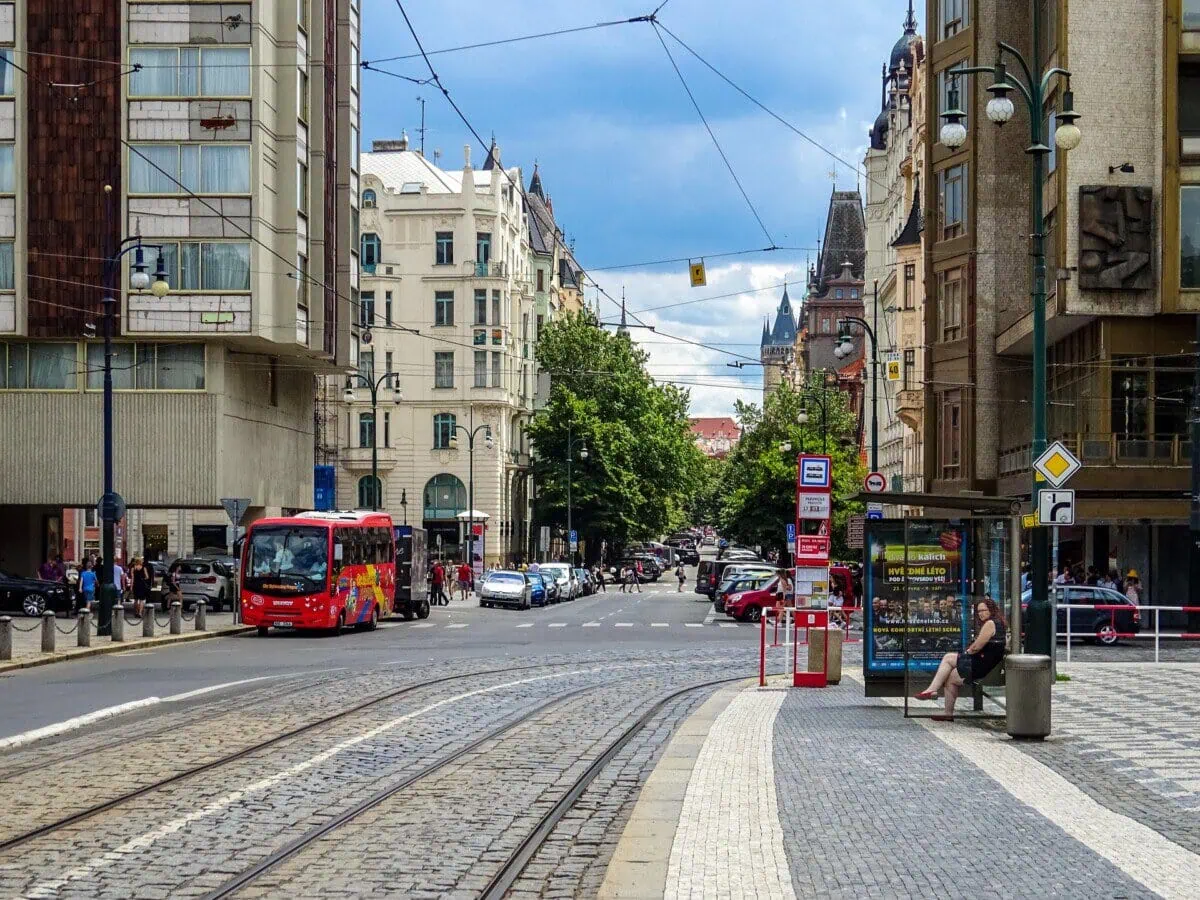
Prague’s Old Town is compact enough to explore on foot, but its hills, cobbled lanes and the sheer distance between Prague Castle and the Vltava riverside mean a hop-on hop-off ticket earns its ...
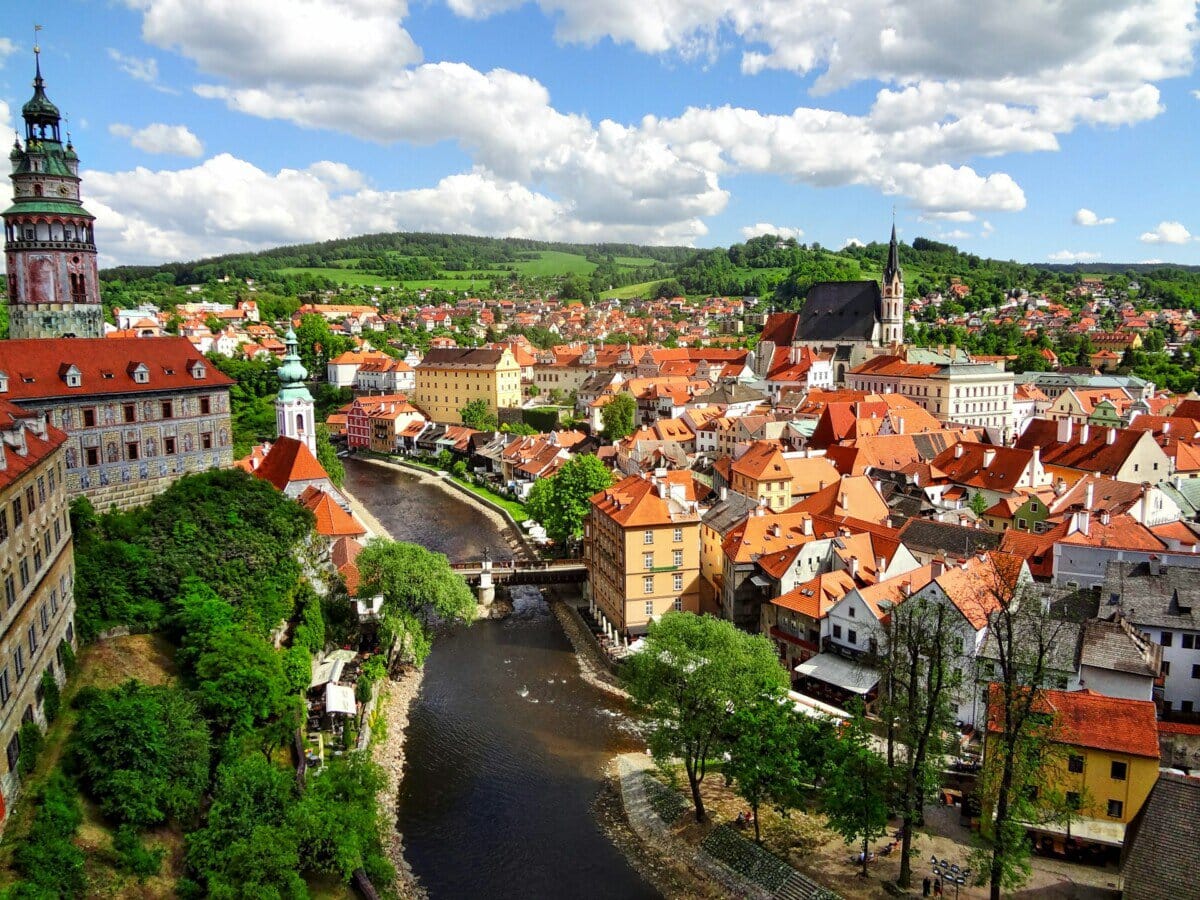
Prague’s Old Town and Castle District could easily fill a week on their own, but some of Bohemia’s best stories live outside the city limits entirely. Within roughly two hours of Praha hla...
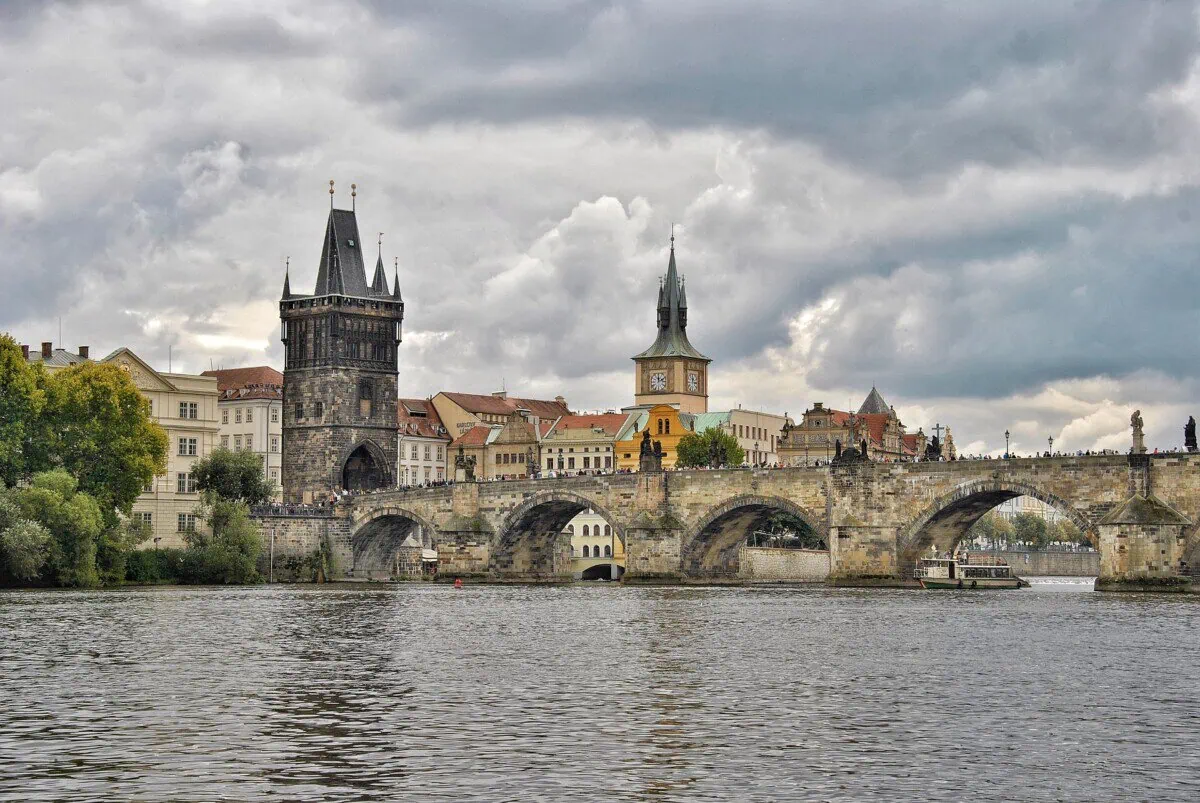
Prague is one of the few European capitals where the skyline itself is the main attraction. Red roofs, Gothic spires and a hilltop castle sit above a river looped with bridges, and almost everything o...
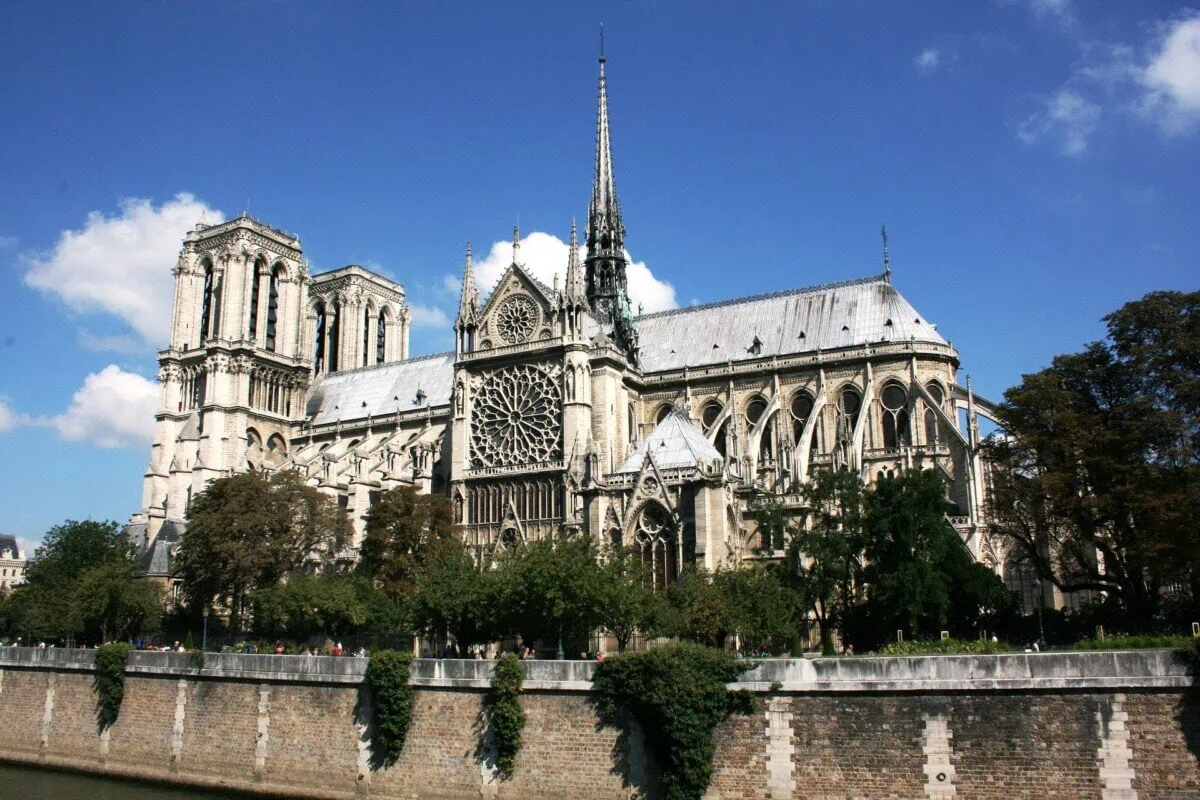
Paris has more sightseeing passes competing for your money than almost any other European capital, and that abundance is exactly the problem. Six different products promise to save you time and cash, ...
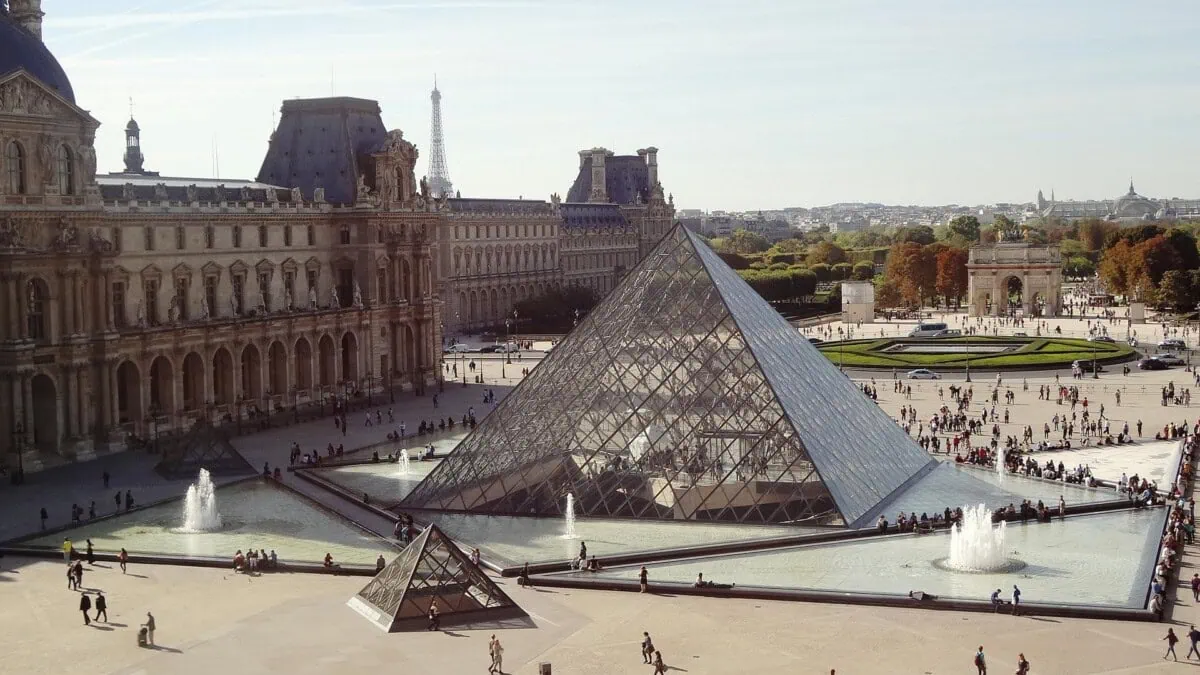
Paris holds more world-class museums per square mile than almost any other city on earth, and narrowing that down to a manageable list is already an exercise in restraint. This guide walks roughly wes...
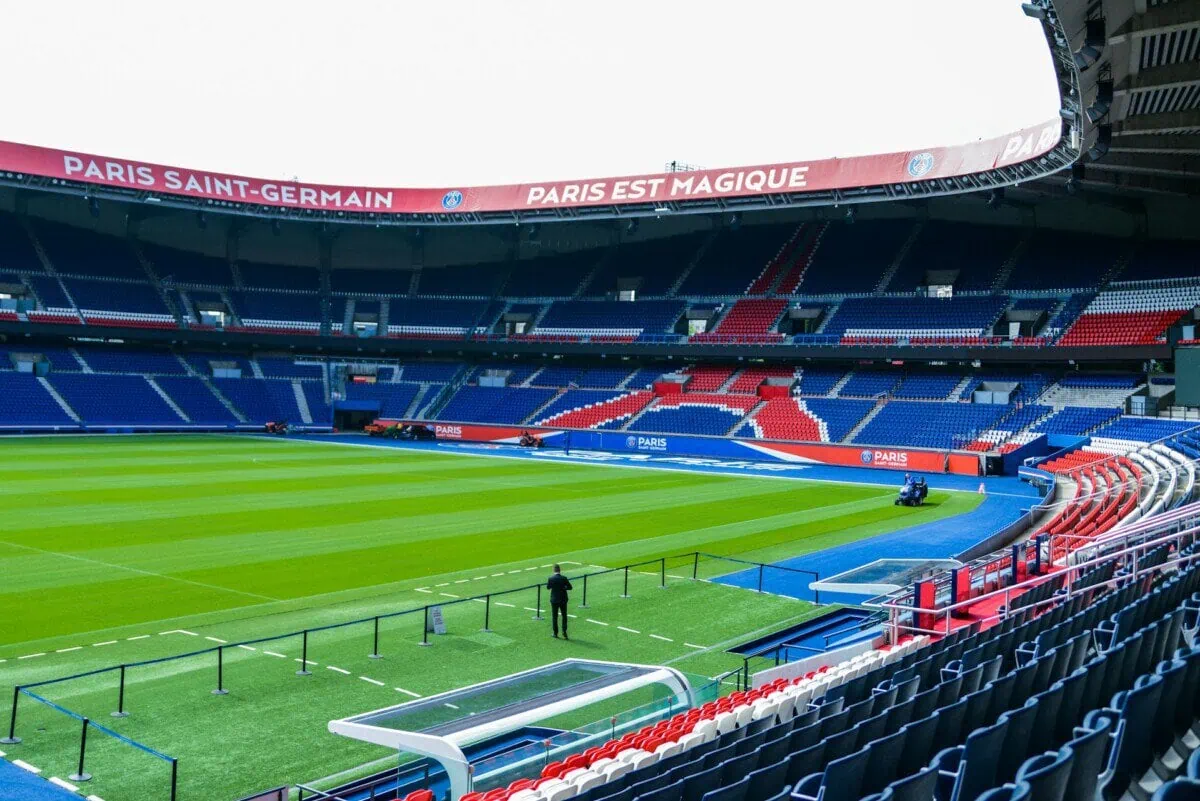
Paris Saint-Germain play their home matches at the Parc des Princes, a compact, fully covered stadium tucked into the city’s affluent 16th arrondissement on the western edge of Paris. Unlike man...
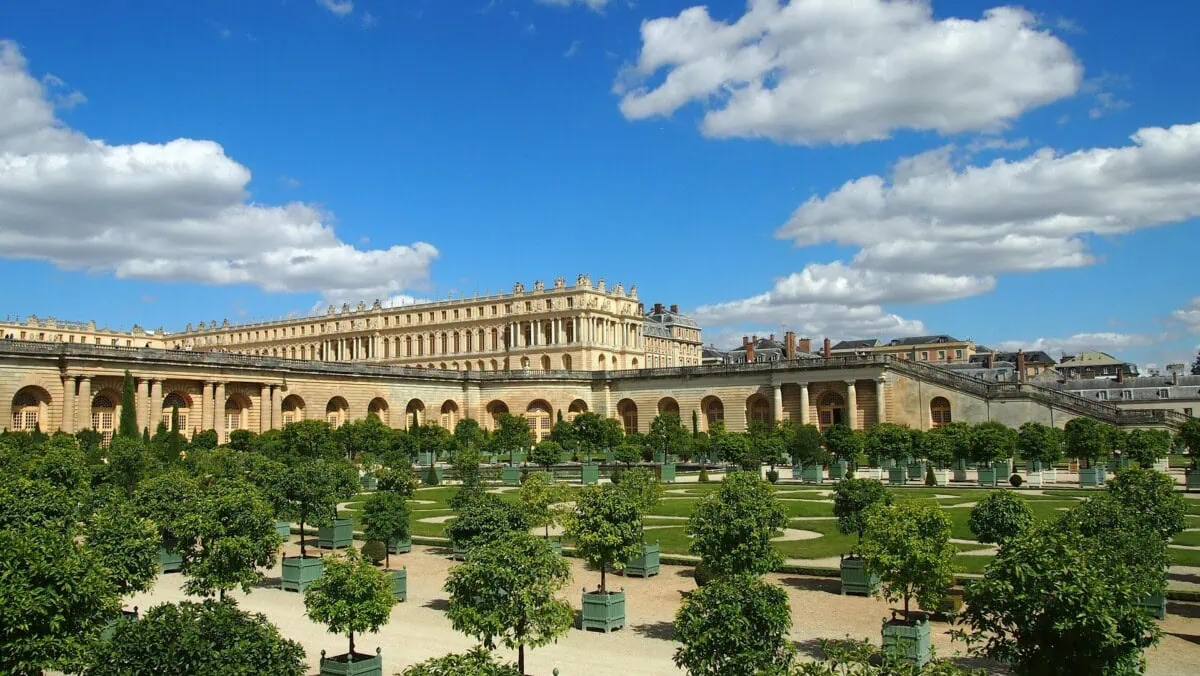
Paris sits at the centre of one of the densest and most reliable regional rail networks in Europe, and that turns a surprising number of destinations into genuine day trips rather than rushed half-mea...
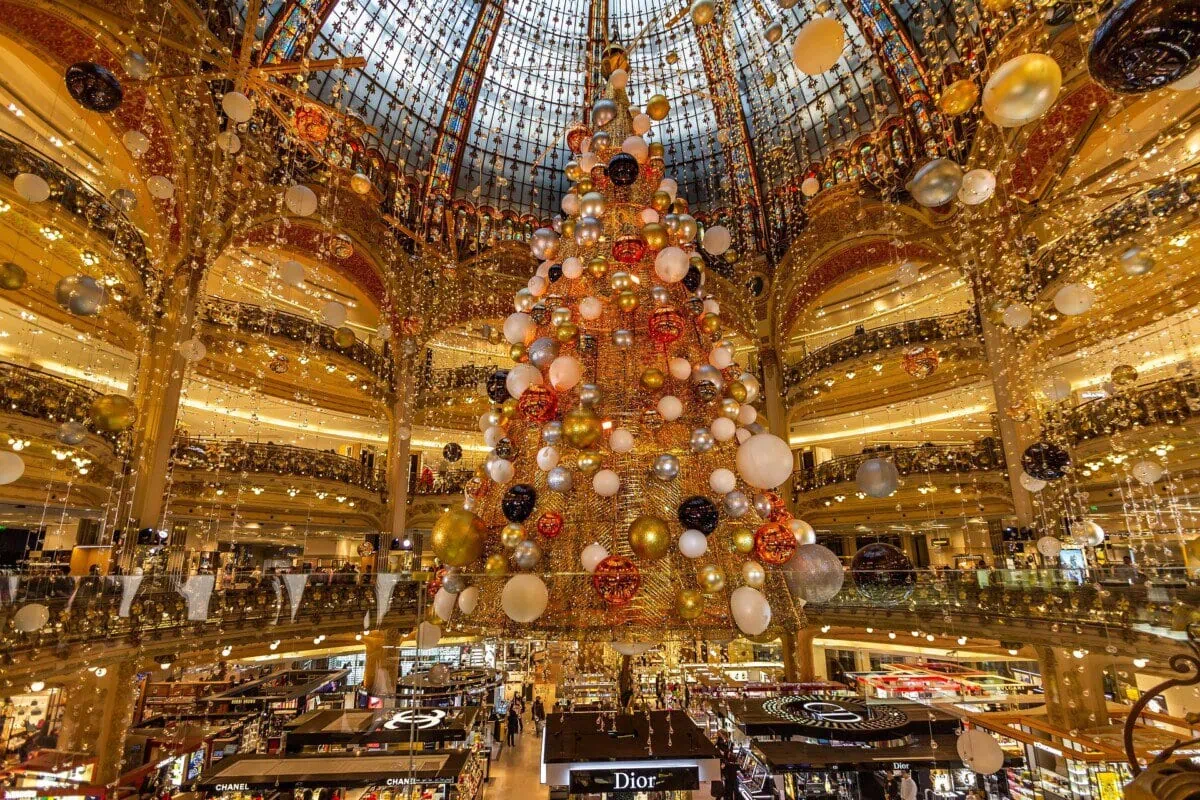
Paris does not build its festive season around one defining market the way Germany’s cities do. Illuminations, ice rinks and department store spectacle carry as much weight here as any single sq...
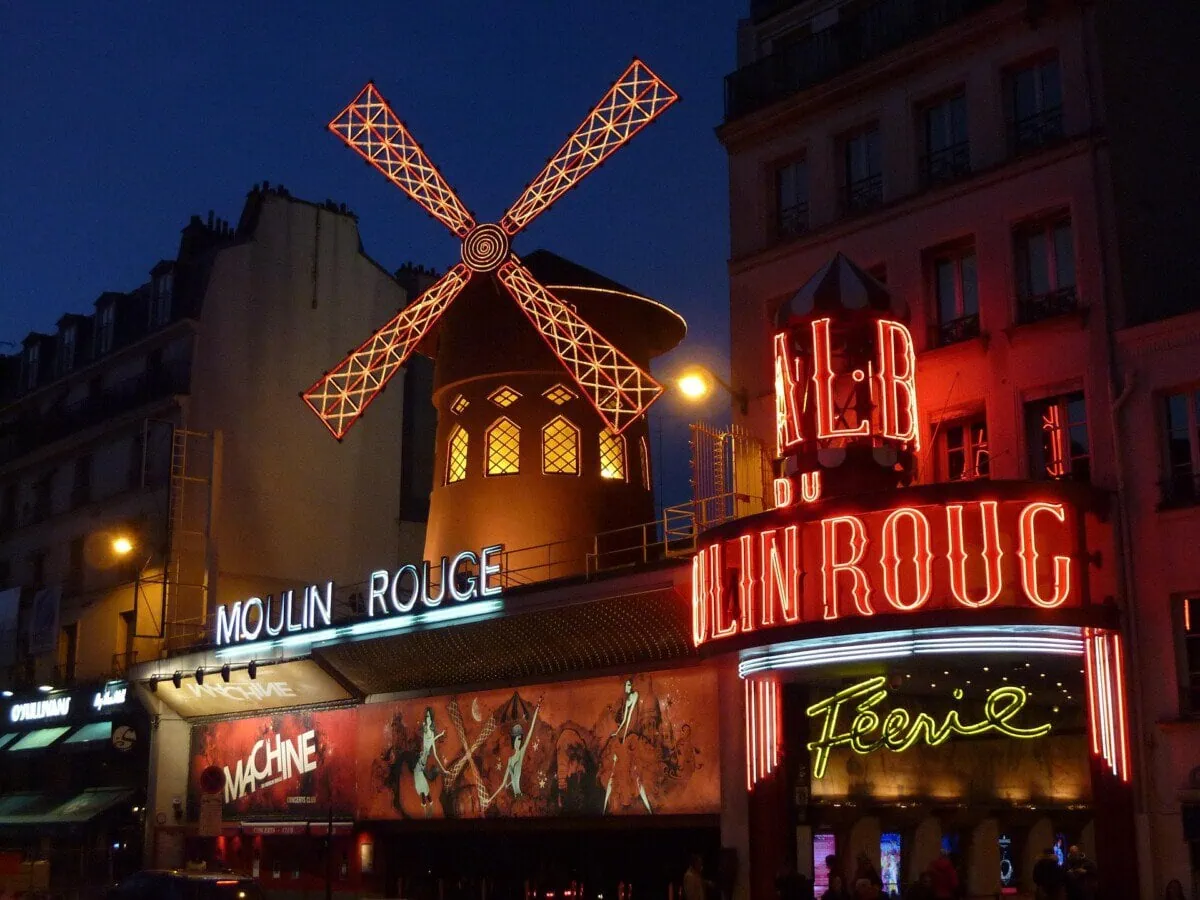
Moulin Rouge in Paris: An Icon of Montmartre At the foot of Montmartre, a red windmill has turned above the entrance to Paris’s most famous cabaret since 1889, and it has barely stopped since. T...
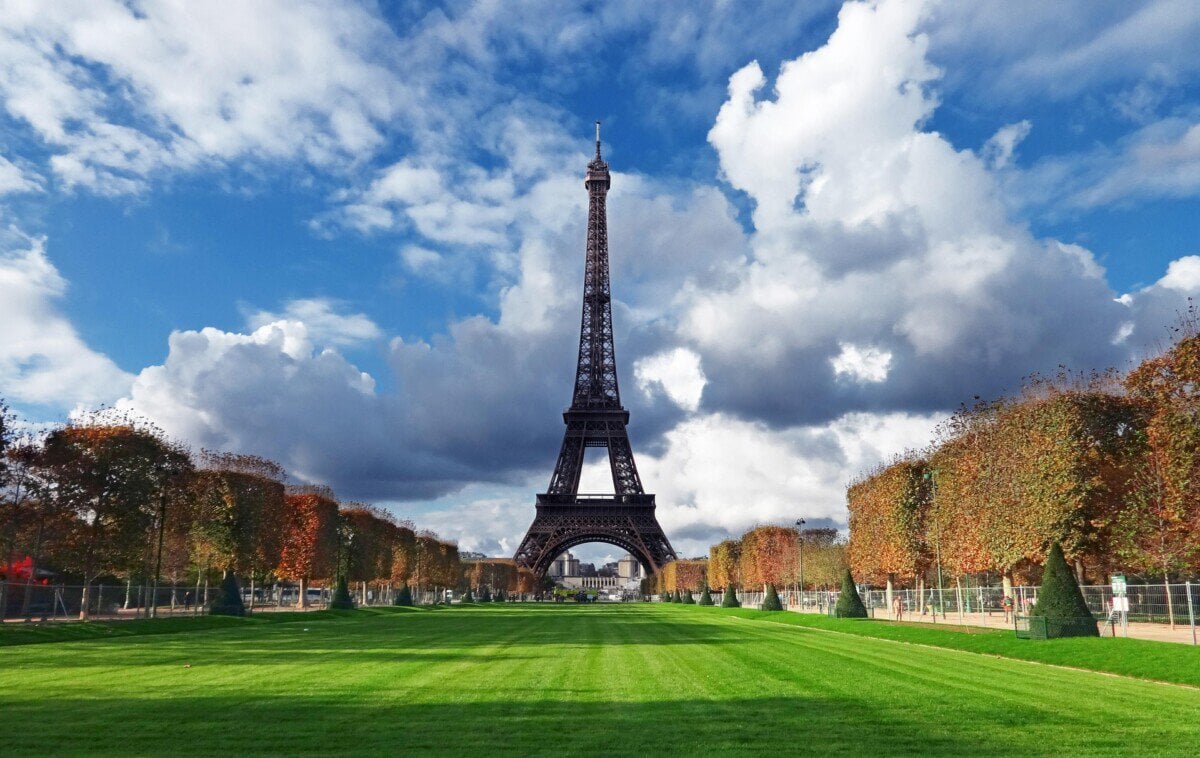
Paris earns its reputation as one of Europe’s greatest city breaks through sheer density of things worth seeing. World-class art, a river lined with landmarks, and a food and cabaret scene that ...
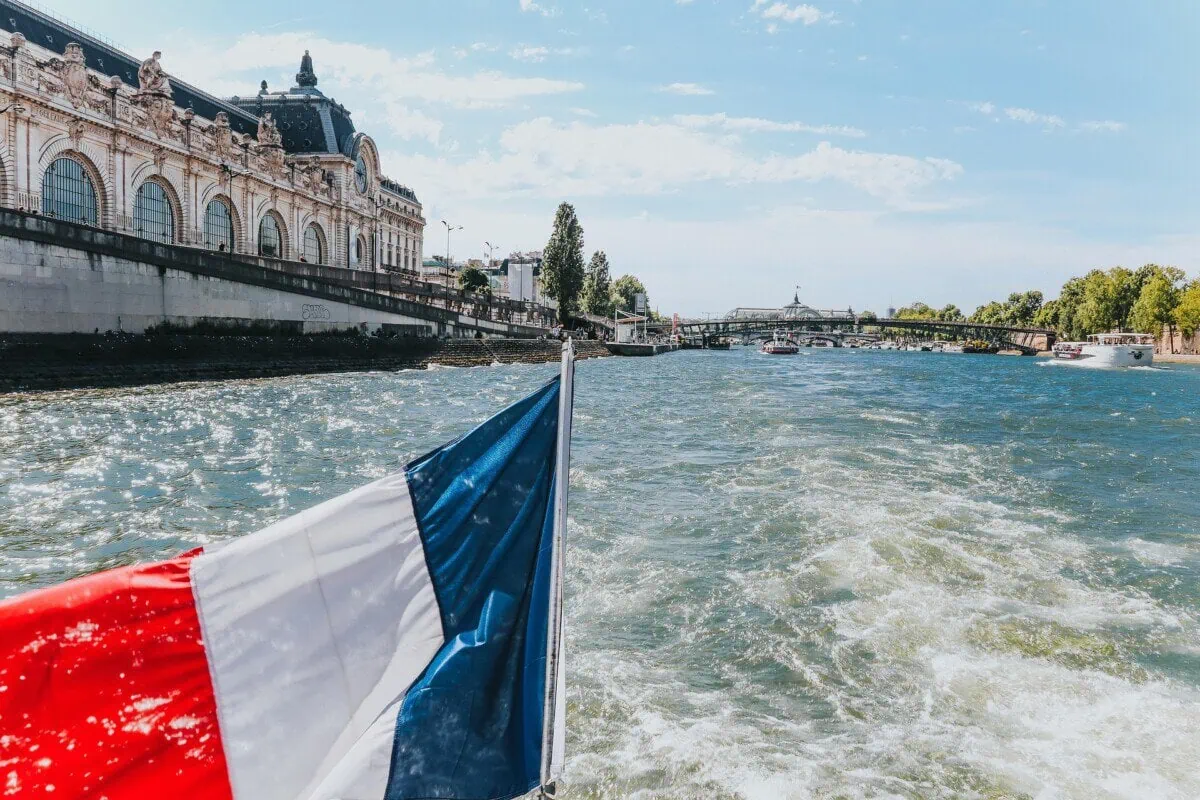
The Seine is the spine of Paris, and a boat is still the easiest way to see the city’s monuments line up exactly as their architects intended. Ten genuinely distinct Seine cruise products are bo...
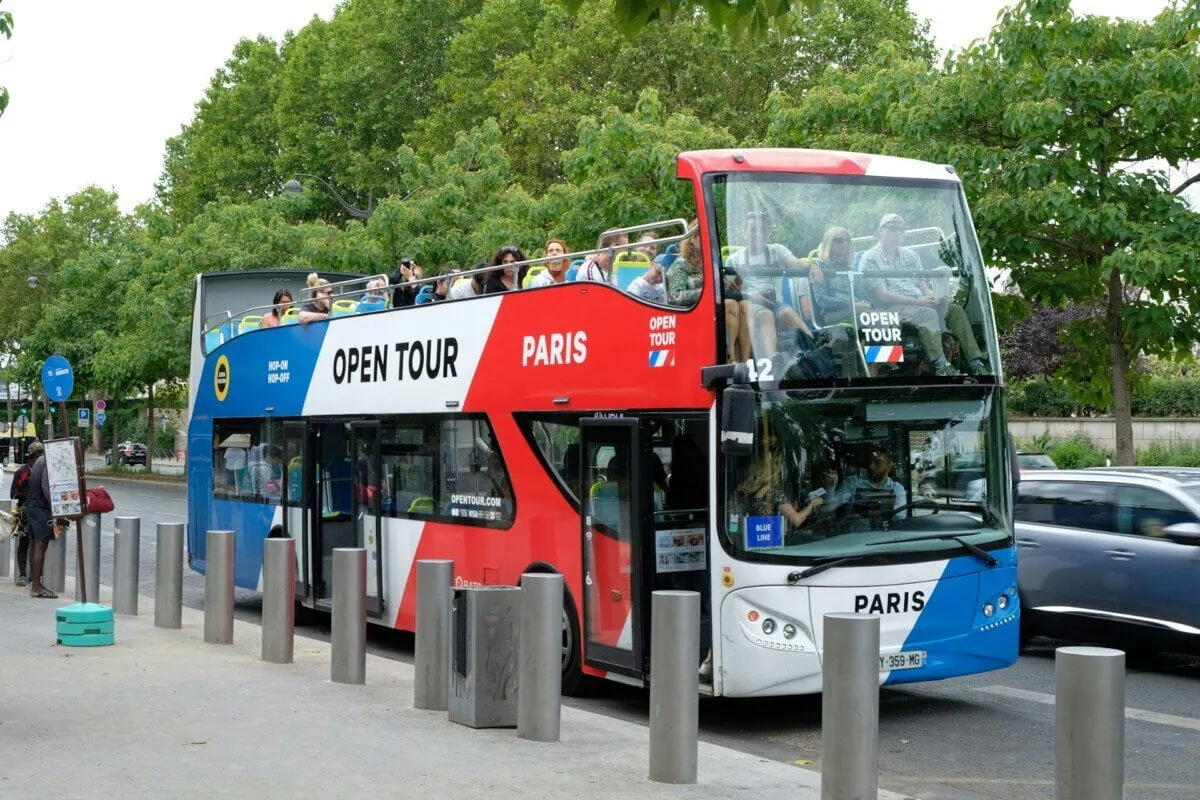
Paris keeps its hop-on hop-off scene to two established operators, but between them Tootbus and Big Bus Tours sell five genuinely different tickets worth comparing before booking. Both send open-top d...

The Stade de France sits in Saint-Denis, a commune just north of central Paris, and has been the country’s national stadium since it opened for the 1998 World Cup. With a capacity of just over 8...
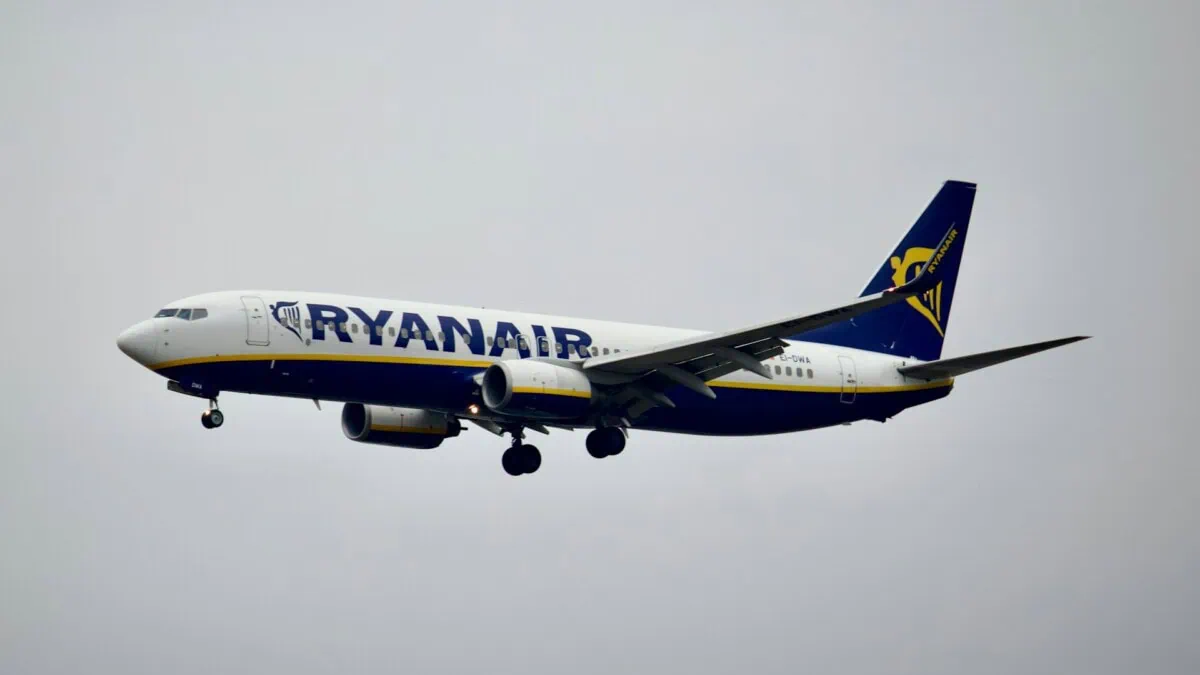
Not Really a Paris Airport at All Paris-Beauvais Airport, coded BVA, is where the phrase “Paris” on a cheap flight ticket needs the most caveats. It sits around 80 kilometres north of cent...
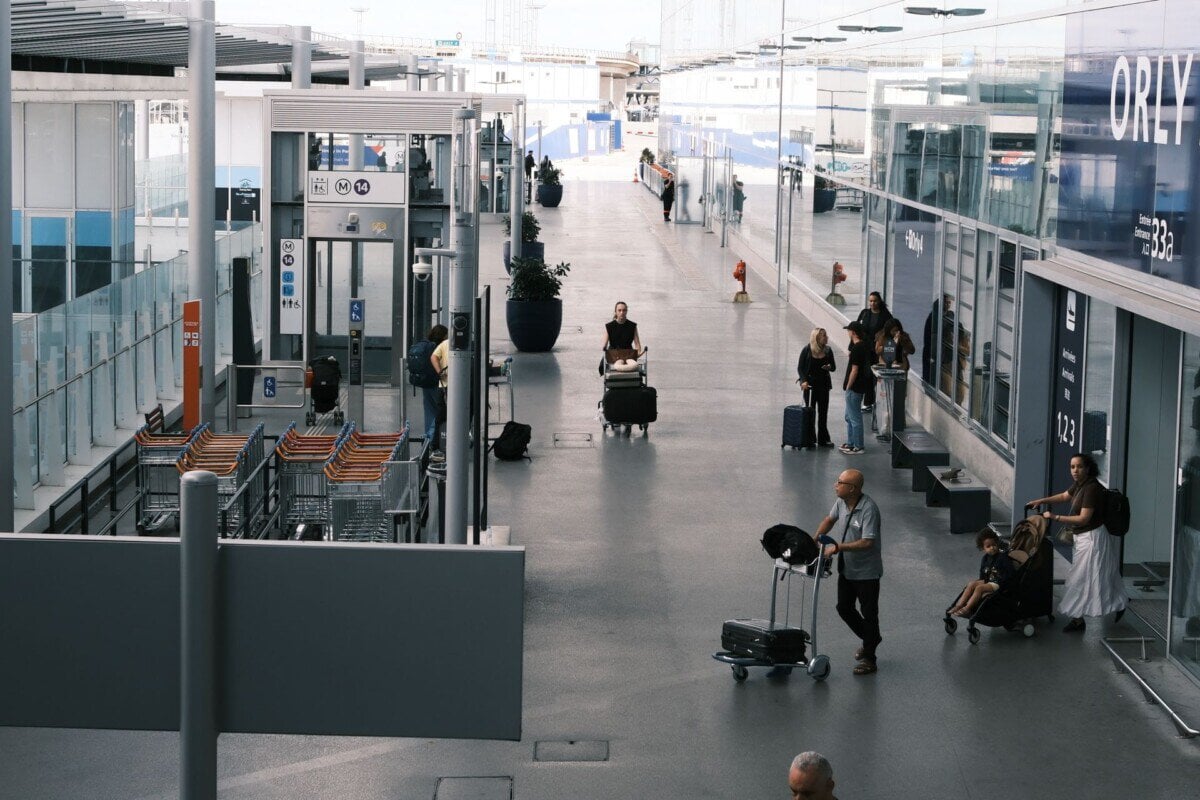
Paris’s Other Airport, and Why the Transfer Picture Just Changed Orly Airport, usually written as ORY, is Paris’s second airport and the closer of the two to the city centre. It sits aroun...
Travel discoveries, useful tips and behind-the-scenes moments from AppSavvyTraveller.


