Reviewed by our editorial team Published
Mallorca is the busiest ferry hub in the Balearic Islands, and its ports connect the island both to mainland Spain and to its island neighbours. Two ports handle almost all of that traffic: the Port of Palma, a major working harbour on the island’s south coast, and the smaller Port of Alcúdia in the north, which mostly serves the inter-island run to Menorca.
This guide focuses specifically on getting to and around Mallorca by sea, not the wider Balearic archipelago. Ibiza, Menorca and Formentera each have their own ferry networks and their own quirks, and this page only covers the routes that actually touch Mallorca, since that is the gap this site’s coverage is built to fill right now.
Three broad categories matter here. Mainland connections run from Barcelona, Valencia and Dénia into Palma; inter-island routes link Palma to Ibiza and Alcúdia to Menorca’s Ciutadella; and several of the longer mainland crossings run as overnight sailings, so a night in a cabin replaces a full day spent travelling.
Every one of these routes carries vehicles as well as foot passengers, which makes the ferry a genuine alternative to flying for anyone bringing a car, planning a road trip around the island, or simply travelling with more luggage than an airline allows. The sections below cover journey times, operators, frequency and how booking actually works, with a routes-at-a-glance table further down for quick reference.
Port of Palma: Mallorca’s Main Ferry Terminal
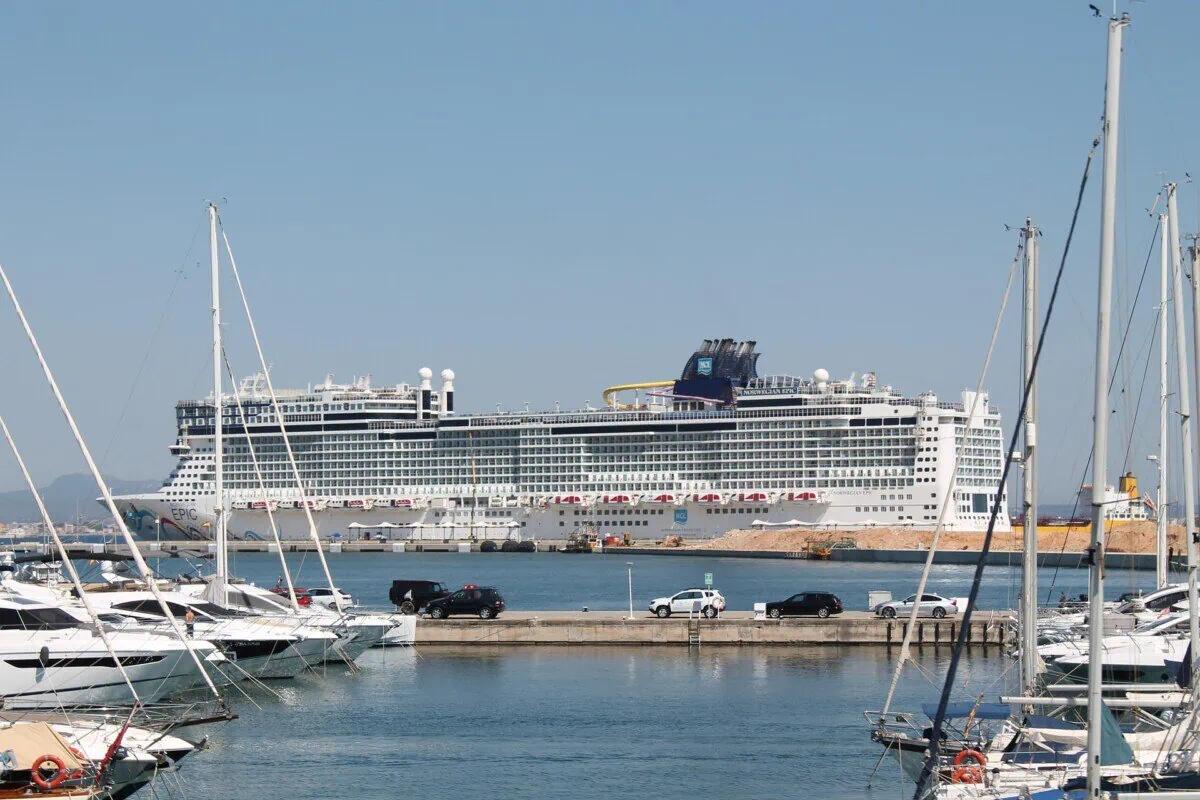
The Port of Palma sits right on the edge of the capital, within easy walking distance of the old town and a short taxi ride from Palma’s cruise terminals. It is genuinely huge, split across several numbered terminal stations (Estación Marítima) that handle everything from mainland ferries to inter-island crossings and cruise ships in the same working harbour.
Nearly every mainland route (Barcelona, Valencia, Dénia) and the Palma to Ibiza inter-island service dock here, which makes it the default arrival point for most ferry travellers. Signage between terminal stations can be confusing at peak times, so it is worth checking the specific station number on your ticket rather than assuming every operator uses the same building.
The port connects easily into central Palma on foot or by a short EMT city bus ride, and taxis wait outside most terminal buildings. Drivers picking up a hire car or their own vehicle should allow extra time to navigate the port’s one-way traffic system, particularly when a cruise ship is also in dock.
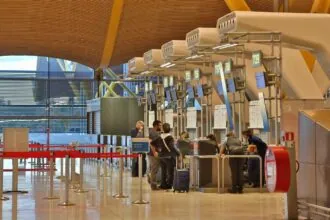
Check-in for foot passengers usually opens well before departure and is generally required around an hour beforehand, though operators recommend arriving earlier during busy periods. Each numbered terminal building has its own check-in desks and boarding gates, so match the station number printed on your ticket to the signage rather than heading for whichever building looks busiest.
Facilities vary a little by building, but most terminals have at least a small kiosk selling snacks and drinks, and the larger stations add a souvenir shop and a café serving light meals for anyone waiting around. Dedicated parking right outside the terminals is limited and mostly short-stay, so drivers dropping someone off or with time to kill often do better heading to the nearby Porto Pi shopping centre, which offers free short-term parking alongside a supermarket and a wider choice of places to eat.
Once you’re off the ferry, most onward journeys start right outside the terminal or a short hop into central Palma. The table below covers the routes and approximate travel times for the destinations travellers ask about most.
| Destination | How to Get There | Approx. Time |
|---|---|---|
| Palma Old Town & Cathedral | Walk from the terminal | 10-15 minutes |
| Palma Airport (PMI) | EMT bus line A1 | Around 20-25 minutes |
| Alcúdia & the north bay | EMT bus or walk to Plaça d’Espanya, then TIB bus line 302 | Around 1 hour 15 minutes total |
| Port de Sóller | TIB bus line 210/203 from Plaça d’Espanya | Around 1 hour |
| East coast resorts (Porto Cristo, Cala Millor) | TIB bus line 412 via Manacor, usually with a change | Around 1.5 hours |
Port of Alcúdia: The Terminal for Menorca Ferries
The Port of Alcúdia, on the north coast around 55km from Palma, is a much smaller and calmer terminal that exists almost entirely for the fast ferry to Ciutadella in Menorca. It sits a short drive from Alcúdia’s old town and the resort area around the bay, rather than inside a major city centre.
Because it only serves one real route, check-in and boarding here are usually far more straightforward than at Palma. There is no direct mainland Spain service from Alcúdia, so anyone travelling from Barcelona or Valencia will always arrive into Palma rather than the north of the island, even if their final destination is closer to Alcúdia itself.
The terminal itself is a single, fairly compact station rather than Palma’s sprawl of numbered buildings, with separate desks for each operator (Baleària, Corsica Ferries and Menorca Lines) inside the same hall. Facilities are basic but sufficient, covering ticket counters, seating and toilets, with restaurants and shops clustered in the resort area around the port rather than inside the terminal building itself.
Vehicle check-in here typically needs 90 to 120 minutes before departure in peak season, longer than the roughly hour recommended for foot passengers, since loading cars and motorbikes onto the ferry takes noticeably more time than walking passengers aboard. Parking near the terminal exists but fills up fast in July and August, so allow extra margin if you are driving to the port rather than arriving by bus or taxi.
The Port of Alcúdia sits within easy reach of the resort area itself, and onward connections from here mostly run through the bay or back towards Palma. The table below sets out the realistic routes and rough journey times.
| Destination | How to Get There | Approx. Time |
|---|---|---|
| Alcúdia Old Town | Short walk or local shuttle bus | 10-20 minutes |
| Port de Pollença | Local shuttle bus along the bay | 15-20 minutes |
| Palma | TIB bus line 302 | Around 1 hour |
| Palma Airport (PMI) | TIB bus line 302 to Palma, then EMT bus line A1 | Around 1 hour 30 minutes total |
| Port de Sóller | TIB bus line 231 (north-west link) | Around 1-1.5 hours, varies by stop |
Best for a short trip. Compare rooms by neighbourhood, price and guest rating before you book.
Compare hotelsBest for longer stays. Whole apartments and houses, so you are not eating out three times a day.
View rentalsBest for double-checking. Runs the same Spain search across several booking sites so you are not leaving money behind.
Compare pricesBarcelona to Mallorca Ferry: Times, Operators and Fares
Barcelona to Palma is the busiest mainland route into Mallorca, and it is genuinely useful for anyone happy to swap a short flight for a longer, more relaxed crossing. Baleària, Trasmediterranea and Grandi Navi Veloci (GNV) all run the route, between them offering around 16 sailings a week.
Baleària’s fast ferry covers the crossing in around 3 hours 30 minutes, while the conventional overnight sailings run closer to 7 to 8 hours depending on the operator. The slower boats are the ones worth booking with a cabin, since they typically leave Barcelona in the evening and dock in Palma the following morning.
Fares for foot passengers vary a good deal by date and demand, but tend to start from around €25 (£22/$29) each way in the off-season, rising sharply around Easter and through summer. All three operators carry cars, motorbikes and bicycles, so this route works well for a proper Mallorca road trip that begins on the mainland.
Barcelona’s ferry terminals sit in the Moll de Barcelona area near the foot of La Rambla, split across several numbered buildings rather than one shared hall, with Baleària generally sailing from its own dedicated terminal while GNV and Trasmediterranea share a separate international building nearby. Facilities across the terminals include seating, toilets, a catering point and wifi, and drivers heading to the port rather than arriving by taxi or metro can park at the World Trade Center car park on the quayside.
Mallorca (all ports) to Barcelona Ferry Times & Departures
Use Ferryhopper to check live sailings between Mallorca (all ports) and Barcelona in both directions. Select your travel date to compare scheduled ferry departures, sailing times and available tickets.
Select the date you want to travel. The times shown on the right-hand side are the scheduled departure and arrival times for each ferry.
Availability can change quickly, particularly during weekends and the summer season. Some sailings may stop accepting bookings a few hours before departure. If a timetable is blank, there may be no available sailings for today. Try moving to a later date to check future services.
This is the timetable for the outward direction. Use it to check sailings from Mallorca (all ports) to Barcelona for the date you plan to travel.
This is a separate timetable for the opposite direction. It does not select a return ticket for the journey above. Use it to check sailings from Barcelona to Mallorca (all ports).
Want to compare different routes and other ferry options?
Compare routes, operators, sailing times and prices with Ferryhopper or Direct Ferries.
Valencia to Mallorca Ferry: Times, Operators and Fares
Valencia to Palma is the other established mainland link, run by the same three operators (Baleària, Trasmediterranea and GNV) with a combined total of around 23 sailings a week, making it if anything slightly more frequent than the Barcelona route. Journey times sit between roughly 7 and 9 hours depending on operator and vessel.
This is squarely an overnight route for most travellers, since departures are timed to leave Valencia in the evening and arrive into Palma early the next morning. Baleària markets its newer “Smart Ship” vessels on this crossing specifically around the overnight experience, with private cabins designed for sleeping through the bulk of the journey rather than sitting up in a reclining seat.
Foot passenger fares typically start from around €45 (£39/$53) each way, with vehicle fares on top. As with the Barcelona route, all three operators take cars and motorbikes, and this is generally the cheaper mainland option for anyone driving from the south or centre of Spain rather than Catalonia.
Valencia’s port is larger and more spread out than Barcelona’s, and unlike Barcelona the three operators do not share one building: Baleària’s own Estació Marítima sits on the Moll de la Túria, while Trasmediterranea and GNV use separate terminals elsewhere in the port, so it genuinely pays to check the exact terminal named on your ticket. Dedicated parking is available close to the terminals, including a car park with electric charging points near Paseo Caro, which is useful for anyone driving down for an overnight sailing.
Mallorca (all ports) to Valencia Ferry Schedules & Tickets
Check the current Mallorca (all ports) to Valencia ferry schedule with Ferryhopper. Change the date to compare available crossings, departure times and bookable tickets for both directions.
Select the date you want to travel. The times shown on the right-hand side are the scheduled departure and arrival times for each ferry.
Availability can change quickly, particularly during weekends and the summer season. Some sailings may stop accepting bookings a few hours before departure. If a timetable is blank, there may be no available sailings for today. Try moving to a later date to check future services.
This is the timetable for the outward direction. Use it to check sailings from Mallorca (all ports) to Valencia for the date you plan to travel.
This is a separate timetable for the opposite direction. It does not select a return ticket for the journey above. Use it to check sailings from Valencia to Mallorca (all ports).
Want to compare alternative ferry routes and more sailing options?
Compare routes, operators, sailing times and prices with Ferryhopper or Direct Ferries.
Dénia to Mallorca Ferry: Times, Operators and Fares
Dénia, a smaller port south of Valencia, is a useful third mainland option run solely by Baleària. The crossing takes around 5 hours 15 minutes on the fast ferry, which is noticeably quicker than either Barcelona or Valencia despite Dénia being further south, and it runs with a brief technical stop in Ibiza en route.
The route operates year-round rather than as a strictly seasonal service, though Baleària adds extra summer departures on top of a leaner winter timetable. It suits travellers based in the Costa Blanca (Alicante, Dénia, Xàbia) far better than fighting traffic up to Valencia or Barcelona first.
Because it runs as a premium fast-ferry product with Smart Ship amenities, fares are generally higher than the slower mainland crossings, starting from roughly €80 (£69/$94) for a foot passenger, though lower promotional fares do appear on comparison sites outside peak season. Vehicles, motorbikes and bicycles can all be booked on board.
Dénia is Baleària’s home port rather than a shared commercial harbour, so the terminal (Estación Marítima de Dénia) is built specifically around passenger and vehicle traffic, with shops, a café and large on-site parking directly at the terminal itself. Check-in here tends to be more straightforward than at the bigger mainland ports, since only one operator runs the route rather than juggling several competing shipping lines under one roof.
Mallorca (all ports) to Dénia Ferry Crossings & Times
Compare ferry crossings between Mallorca (all ports) and Dénia with Ferryhopper. The live timetable shows scheduled departure and arrival times so you can choose a suitable sailing in either direction.
Select the date you want to travel. The times shown on the right-hand side are the scheduled departure and arrival times for each ferry.
Availability can change quickly, particularly during weekends and the summer season. Some sailings may stop accepting bookings a few hours before departure. If a timetable is blank, there may be no available sailings for today. Try moving to a later date to check future services.
This is the timetable for the outward direction. Use it to check sailings from Mallorca (all ports) to Dénia for the date you plan to travel.
This is a separate timetable for the opposite direction. It does not select a return ticket for the journey above. Use it to check sailings from Dénia to Mallorca (all ports).
Looking for different ferry routes or other ferry options?
Compare routes, operators, sailing times and prices with Ferryhopper or Direct Ferries.

Choosing Your Mainland Port: Barcelona, Valencia or Dénia
With three mainland ports all sailing to Palma, the right choice usually comes down to where you’re starting from rather than any single port being objectively best. Barcelona, Valencia and Dénia each suit a slightly different kind of traveller, and the table below lines up the three factors that matter most: how long the crossing takes, roughly what it costs, and whether the route suits a car-carrying trip or a foot-passenger one.
| Mainland Port | Crossing Time | Typical Price Level | Best Suited To |
|---|---|---|---|
| Barcelona | 3h30 fast ferry or 7-8h overnight | Lowest of the three, from around €25 (£22/$29) foot passenger | Both car-carrying and foot-passenger trips, and the best-value overnight option |
| Valencia | 7-9h, mostly overnight | Mid-range, from around €45 (£39/$53) foot passenger | Drivers coming from southern or central Spain, and a genuine overnight cabin trip |
| Dénia | Around 5h15 fast ferry via Ibiza | Highest of the three, from around €80 (£69/$94) foot passenger | Foot passengers based on the Costa Blanca who want the fastest crossing rather than the cheapest |
If cost matters more than anything else, Barcelona is the port to build a trip around, especially for anyone bringing a car, since it combines the lowest fares on this page with a genuine overnight option that saves a hotel night. Valencia suits the same overnight pattern but starts from further south, so it’s the more sensible pick if the drive up to Barcelona would eat up most of a day.
Dénia is the odd one out: it’s a premium fast-ferry product rather than a budget crossing, and it earns its higher fare through speed and a single operator’s polished Smart Ship service rather than through low prices. It makes most sense for a foot passenger already on the Costa Blanca who values a short crossing over a cheap one, while a car-carrying traveller is usually better served by Barcelona or Valencia’s larger vehicle capacity and lower relative cost.
Palma to Ibiza Ferry: Route, Times and Fares
Palma to Ibiza is the main inter-island route out of Mallorca, sailing between the Port of Palma and Ibiza Town’s Botafoc terminal. Baleària and Trasmediterranea both operate it, with Baleària’s fast ferry the quicker of the two at around 2 hours, against roughly 3 hours 45 minutes on Trasmediterranea’s conventional service.
Sailings run several times a week year-round rather than daily outside peak summer, so it is worth checking the specific date rather than assuming a departure every morning. The route is genuinely doable as a long day trip from Palma in summer, with an early outbound sailing and a late afternoon or evening return.
Foot passenger fares start from around €24 (£21/$28) each way, with cars, scooters and bicycles all accepted. Given that Ibiza has no dedicated guide of its own on this site yet, this route is best treated here purely as a way to visit for the day or move on, rather than the start of a wider Ibiza itinerary.
Mallorca (all ports) to Ibiza (all ports) Ferry Timetable & Tickets
View the Ferryhopper timetable for ferries between Mallorca (all ports) and Ibiza (all ports). Select a date to check sailing times, available departures and ticket options for the outbound and return journey.
Select the date you want to travel. The times shown on the right-hand side are the scheduled departure and arrival times for each ferry.
Availability can change quickly, particularly during weekends and the summer season. Some sailings may stop accepting bookings a few hours before departure. If a timetable is blank, there may be no available sailings for today. Try moving to a later date to check future services.
This is the timetable for the outward direction. Use it to check sailings from Mallorca (all ports) to Ibiza (all ports) for the date you plan to travel.
This is a separate timetable for the opposite direction. It does not select a return ticket for the journey above. Use it to check sailings from Ibiza (all ports) to Mallorca (all ports).
Compare other ferry routes, sailings and ticket options.
Compare routes, operators, sailing times and prices with Ferryhopper or Direct Ferries.
Alcúdia to Menorca Ferry: Route, Times and Fares
The Alcúdia to Ciutadella crossing is Mallorca’s other genuine inter-island link, and it is the busiest route out of the Port of Alcúdia by far. Baleària, Corsica Ferries and the Menorca-based operator Menorca Lines all run it, between them offering up to eight sailings a day in high summer.
Fast ferries cover the distance in around 1 hour, while conventional vessels take closer to 2 hours 30 minutes. The route runs year-round, though frequency drops outside summer to a handful of daily crossings rather than the full eight, and vehicles are carried on every sailing.
Fares are among the cheapest on this page, with foot passenger tickets starting from around €13 (£11/$15) each way on the fast service. This makes Alcúdia to Ciutadella a realistic option for a day trip from northern Mallorca into Menorca, not just a one-way relocation.
Best for finding routes the airlines do not sell as a single ticket. Combines carriers to bring the fare down.
Search flightsBest if you want maps and messaging working the moment you switch your phone on.
See eSIM plansBest after a long flight or a late landing. Price agreed before you travel, and no taxi queue.
Check transfersMallorca Ferry Routes at a Glance
The table below summarises every route covered on this page, so you can compare operators, journey times and frequency at a glance before booking. Durations and frequencies are approximate and vary by season, vessel and weather, so always check the operator’s own timetable for your exact travel date.
| From | To | Operator(s) | Approx. Duration | Approx. Frequency/Season |
|---|---|---|---|---|
| Barcelona | Palma | Baleària, Trasmediterranea, GNV | 3h30 (fast) / 7-8h (overnight) | ~16 sailings/week, year-round |
| Valencia | Palma | Baleària, Trasmediterranea, GNV | 7-9h (mostly overnight) | ~23 sailings/week, year-round |
| Dénia | Palma | Baleària | ~5h15 (via Ibiza) | Year-round, extra summer sailings |
| Palma | Ibiza | Baleària, Trasmediterranea | 2h (fast) / 3h45 (conventional) | Several sailings/week, year-round |
| Alcúdia | Ciutadella (Menorca) | Baleària, Corsica Ferries, Menorca Lines | 1h (fast) / 2h30 (conventional) | Up to 8/day in summer, year-round |
Overnight Crossings and Onboard Comfort
Both the Barcelona and Valencia routes are commonly sailed overnight, and the newer vessels on these crossings are built with that in mind rather than treated as an afterthought. Baleària’s Smart Ship generation offers private cabins with en-suite bathrooms, alongside communal lounges, a café or self-service restaurant, an outdoor terrace and a children’s play area.
A private cabin is worth the extra cost on any crossing over six hours, especially if you are travelling with children or simply want to arrive in Palma properly rested. Reclining “butaca” seats are the cheaper alternative and are perfectly usable for a shorter daytime sailing, but they are a harder sell for a genuine overnight leg.
Wifi is generally available fleet-wide, though it can be patchy mid-crossing away from the coast, so it is worth downloading anything you need offline beforehand. Pet-friendly cabins and kennel areas are increasingly common on the newer vessels too, which is worth checking specifically if you are travelling with an animal rather than assuming every ship offers it.
Cabin or Reclining Seat? What an Overnight Crossing Actually Costs
The overnight Barcelona to Palma crossing is where the cabin-versus-seat decision matters most, since it’s the shortest mainland overnight route and the easiest to talk yourself out of paying extra for. A private cabin typically adds somewhere in the region of €30 to €60 (£26 to £52/$34 to $68) each way on top of the standard foot passenger fare, depending on the operator and cabin size.
A reclining “butaca” seat is the default ticket and it’s a perfectly reasonable way to spend a shorter daytime sailing, but on a genuine overnight leg it means trying to sleep upright in a lit, fairly busy saloon rather than lying flat. Light sleepers and anyone travelling with young children get the most obvious benefit from a cabin, since a closed door and a proper bed make the difference between arriving in Palma rested and arriving exhausted before the day has even started.
Budget travellers who can sleep anywhere, or anyone treating the crossing as a short, one-off novelty, can reasonably skip the cabin and pocket the saving. The maths tips back towards a cabin once you’re travelling as a couple or family sharing one room, since splitting the cost between two or three people often lands close to a single upgraded seat’s price alone.
As a rough rule for this route, a cabin earns its cost whenever the alternative is genuinely trying to sleep rather than just resting your eyes. A short daytime hop barely needs one, but the evening Barcelona sailing that docks in Palma the next morning is exactly the crossing a cabin was designed for.

Taking a Car, Motorbike or Bike on the Ferry
Every route on this page carries vehicles, which is one of the strongest reasons to choose the ferry over flying in the first place. Bringing your own car (or a mainland hire car) removes the need to arrange a separate rental once you land, and it is the only realistic way to bring a car for a genuine Mallorca road trip without hiring locally.
Vehicle fares are booked and priced separately from passenger tickets, and they typically need to be added to the same booking rather than purchased on the day. Motorbikes and bicycles are cheaper again than cars and are commonly carried on every route covered here, including the shorter inter-island crossings.
Arrive at the port with enough time to queue and load, since vehicle check-in typically closes earlier than foot passenger check-in and boarding is directed by port staff rather than freely chosen. Luggage restrictions effectively don’t apply when travelling by car, which is a genuine advantage over flying with a budget airline’s cabin and hold baggage limits.
Vehicle fares are priced by length rather than a flat rate, and aggregator pricing data for the Barcelona to Palma crossing puts a typical car fare at around €125 (£108/$137) each way, against roughly €58 (£50/$63) for a foot passenger ticket on the same sailing. That is a useful rule of thumb across these routes generally, so budgeting close to double the passenger fare for a standard-sized car is sensible, though the exact figure depends on the vehicle’s length, the operator and how far ahead you book.
Vehicles need to check in well before foot passengers, and Baleària’s own guidance sets a standard 90 minutes before departure for cars on most of these routes, rising to 90 to 120 minutes at busier ports like Alcúdia in peak season. Once at the port, staff direct vehicles into boarding lanes by ticket type and deck, and drivers should follow their instructions rather than trying to find their own way onto the ship.
Anyone bringing a hire car needs to check the small print before booking a ferry, since not every rental agreement allows the vehicle to leave the island or cross to the mainland, and standard cover often doesn’t extend to the crossing without extra insurance arranged in advance. It is worth contacting the rental company directly to confirm the car is allowed on a ferry, rather than assuming a normal booking covers it, since a car turned away at the port can derail a whole day’s travel plan.
Booking Your Mallorca Ferry
Each operator sells tickets directly through its own website, and Baleària’s own site is the most useful single reference point given how many of these routes it operates. Booking directly is a sensible default for straightforward, single-route trips.
A ferry comparison site can be worth using instead when you want to see every operator on a route side by side, particularly on Barcelona and Valencia where three different companies compete on the same crossing. Prices move with demand much like flights, so booking a known travel date a few weeks ahead generally beats waiting until the last minute, especially in July and August.
Always double-check the arrival port before booking. A Barcelona sailing can occasionally dock at Alcúdia rather than Palma depending on the vessel and schedule, which matters if you have onward transport or accommodation booked around one specific port.
For general planning around getting to the island in the first place, it is worth weighing the ferry against a direct flight into Palma de Mallorca Airport, particularly if you are travelling without a vehicle and time matters more than budget.
Coping with Seasickness on the Crossing
Even on modern, stabilised ferries, some passengers feel queasy once the boat reaches open water on the longer mainland routes. Choosing a seat in the middle of the vessel, low down and close to the centreline, keeps you where the motion is felt least.
A heavy meal or alcohol right before boarding rarely helps, so it’s worth eating something plain a couple of hours ahead rather than a big lunch at the terminal café. Sticking to water instead of fizzy drinks, and keeping a plain snack like crackers to hand, tends to settle an unsettled stomach better than an empty one.
Fresh air on an open deck and fixing your eyes on the horizon usually helps more than sitting below in a windowless cabin. Over-the-counter travel sickness tablets or wristbands work well for many people when taken before departure rather than after symptoms start, though it’s worth checking with a pharmacist first if you’re unsure.
For a fuller breakdown of remedies, seating and what actually helps on longer crossings, our dedicated Seasickness at Sea guide covers ferry and cruise motion sickness in more depth. None of this is likely to matter much on the short inter-island hop to Ibiza, but it’s worth planning for on the longer Barcelona, Valencia or Dénia crossings.

Rupert’s Handy Travel Tips
I’ve hopped between the mainland and Mallorca by ferry more than once, and a few things always make the crossing smoother.
- Book the cabin on overnight routes: a private cabin on Barcelona or Valencia sailings turns a long crossing into a night’s sleep, not a wasted evening.
- Check which port you’ll land at: some Barcelona sailings arrive into Alcúdia rather than Palma, so confirm before arranging onward transport.
- Add your vehicle at booking, not at the port: car and motorbike spaces need to go on the same reservation as your ticket, not paid for on arrival.
- Arrive early with a vehicle: vehicle check-in closes well before departure, and port loading takes longer than you’d expect.
- Book ahead for July and August: fares and availability tighten fast in peak summer, especially on the Alcúdia to Menorca run.
- Check your hire car is ferry-approved: not every rental agreement allows the car to leave the island or cross to the mainland, so confirm with the rental company before booking.
Want to meet the reindeer behind our travel tips? Find out more in our page Who is Rupert?.




Frequently Asked Questions
How long is the ferry from Barcelona to Mallorca?
Baleària’s fast ferry takes around 3 hours 30 minutes, while conventional overnight sailings with Baleària, Trasmediterranea or GNV take roughly 7 to 8 hours.
Can you take a car on the ferry to Mallorca?
Yes, every route covered on this page, from mainland Spain and between islands, carries cars, motorbikes and bicycles, though vehicle space needs booking in advance alongside your passenger ticket.
How much does it cost to take a car on the ferry to Mallorca?
Fares vary by vehicle length and operator, but aggregator data for the Barcelona to Palma route shows a typical car costing around €125 (£108/$137) each way, roughly double the foot passenger fare, so budgeting close to double the passenger price is a sensible starting point.
How early should I arrive at the port with a vehicle?
Baleària’s standard requirement is 90 minutes before departure for vehicles on most of these routes, rising to 90 to 120 minutes at busier terminals like Alcúdia in peak season, compared with around 60 minutes for foot passengers.
Is there a direct ferry from Ibiza or Menorca to Mallorca?
Yes, Baleària and Trasmediterranea sail Palma to Ibiza in around 2 to 3 hours 45 minutes, and Baleària, Corsica Ferries and Menorca Lines sail Alcúdia to Ciutadella in Menorca in around 1 to 2 hours 30 minutes.
Does the Dénia to Mallorca ferry run all year?
Yes, Baleària’s Dénia to Palma route runs year-round rather than only in summer, though sailings are more frequent in the warmer months.
Which port do mainland ferries arrive at in Mallorca?
Almost all mainland sailings from Barcelona, Valencia and Dénia dock at the Port of Palma, though it is worth double-checking your specific booking since occasional Barcelona sailings can arrive at Alcúdia instead.
Is it cheaper to fly or take the ferry to Mallorca?
A budget flight is usually cheaper for a foot passenger travelling light, but the ferry becomes the better value option once you factor in bringing a car, extra luggage, or the cost of a rental car on arrival.
Further Reading
For a full overview of getting to and around the island, start with our Mallorca Travel Guide, which covers flights, ferries and regions in one place. If you are flying in instead of sailing, our guide to Palma de Mallorca Airport Transfers covers the train, bus, taxi and private transfer options from PMI into the city.
Anyone bringing a vehicle off the ferry should also read our Mallorca Road Trip guide, which builds a full driving route around the island including the Serra de Tramuntana coast road. If you would rather leave the car behind entirely, Getting Around Mallorca Without a Car covers the island’s bus and train network in detail.
Once you have arrived, our guide to Things to Do in Palma de Mallorca is the natural next stop for exploring the city around the port itself. For an official reference on schedules and fares, Baleària’s own route and timetable pages are the most reliable source for exact departure times on any given date.