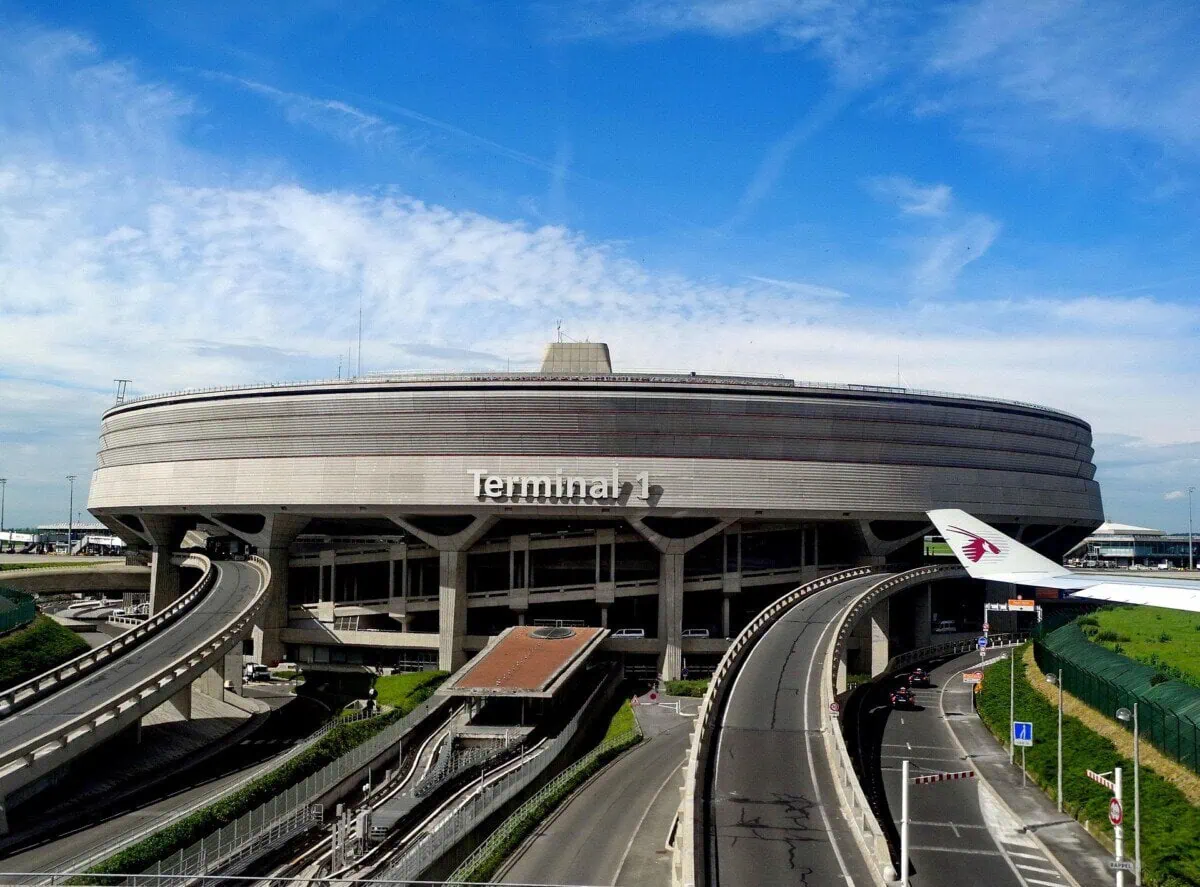
Three Terminals, One Very Busy Gateway to Paris Charles de Gaulle Airport, almost always shortened to CDG, is France’s busiest airport and the main long-haul gateway into Paris. It sits around 2...

Explore travel guides covering cities, countries, and destinations worldwide, with practical advice to help you plan and navigate each location.
These guides focus on what to see, how to get around, and how to structure your trip efficiently, making them useful whether you are planning a short visit or a longer journey across multiple destinations.
Three Terminals, One Very Busy Gateway to Paris Charles de Gaulle Airport, almost always shortened to CDG, is France’s busiest airport and the main long-haul gateway into Paris. It sits around 2...
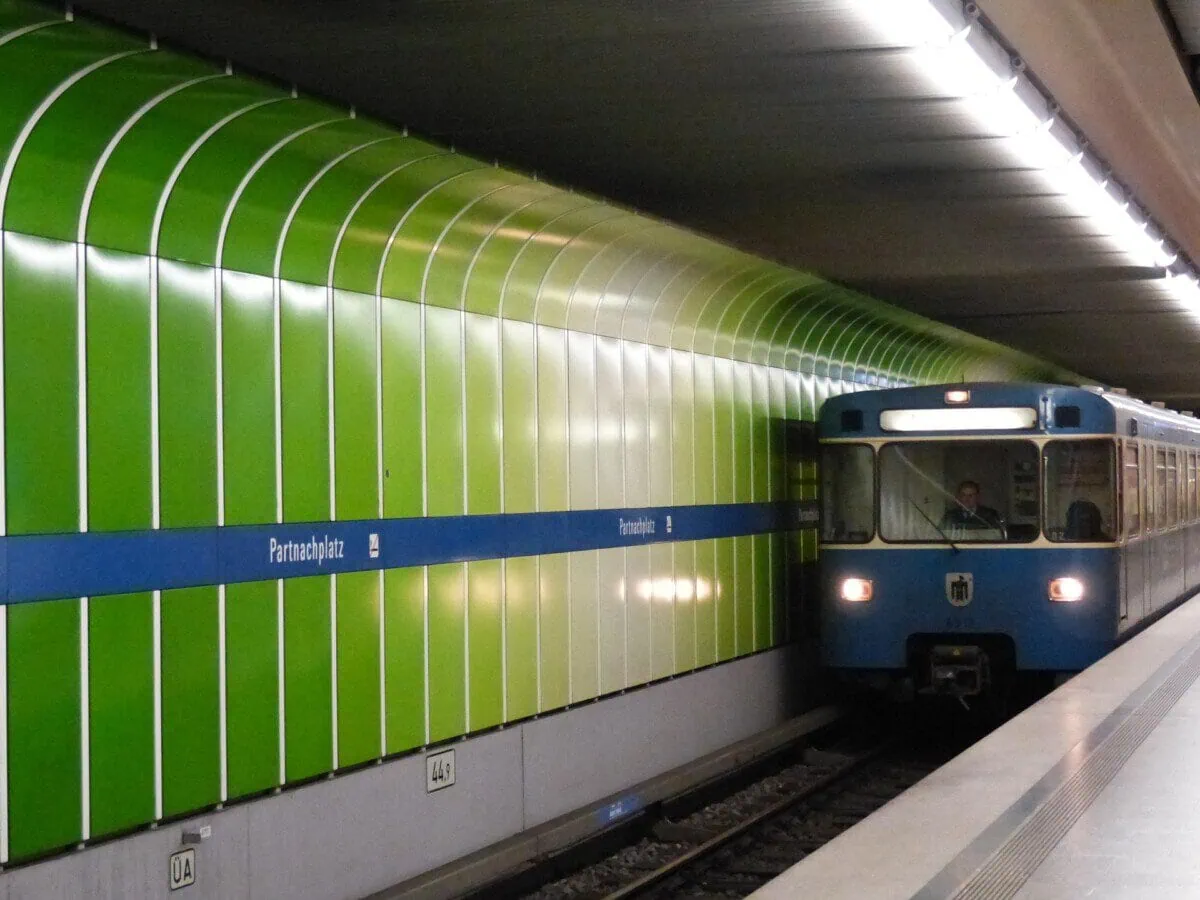
Getting Around Munich Munich packs a lot of ground into a compact, walkable centre, but its public transport network is what makes the rest of the city and the surrounding countryside so easy to reach...
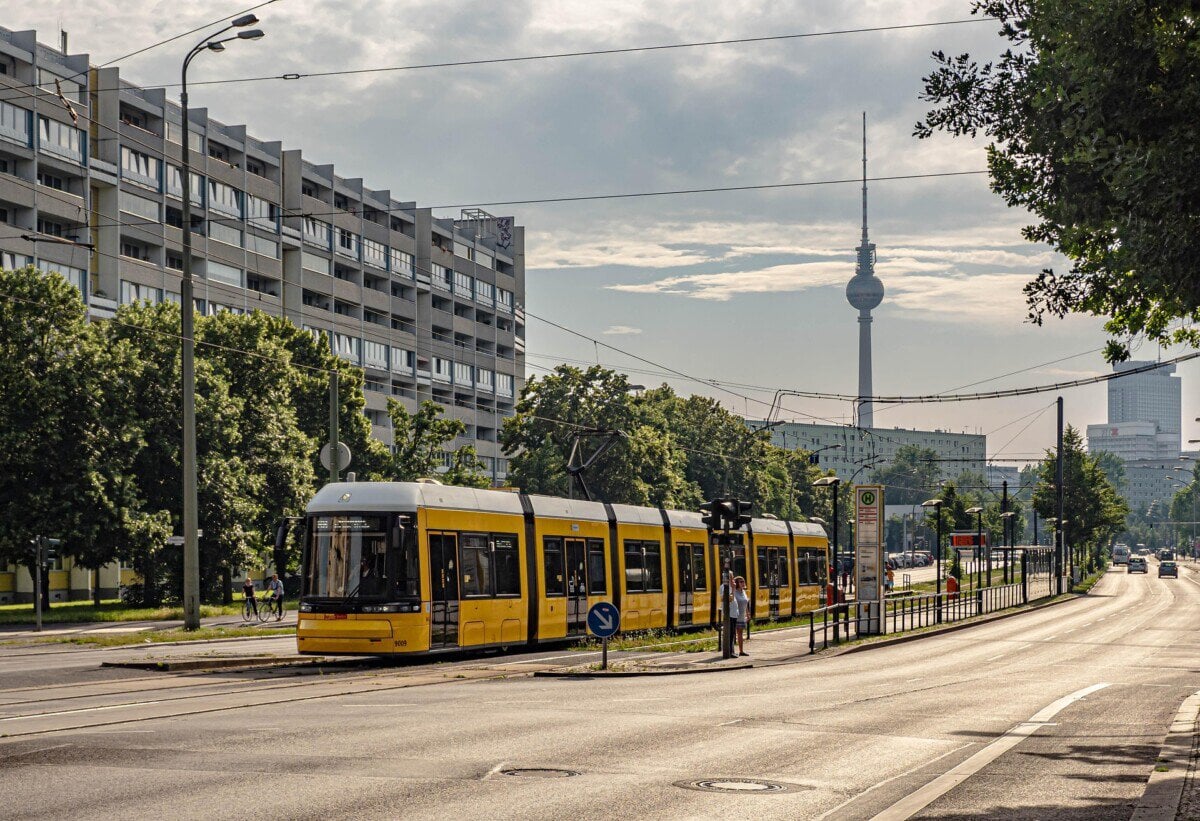
Getting Around Berlin Berlin is a sprawling city, but its public transport network makes almost every corner of it reachable without a car. A dense grid of U-Bahn and S-Bahn lines, surface trams and b...
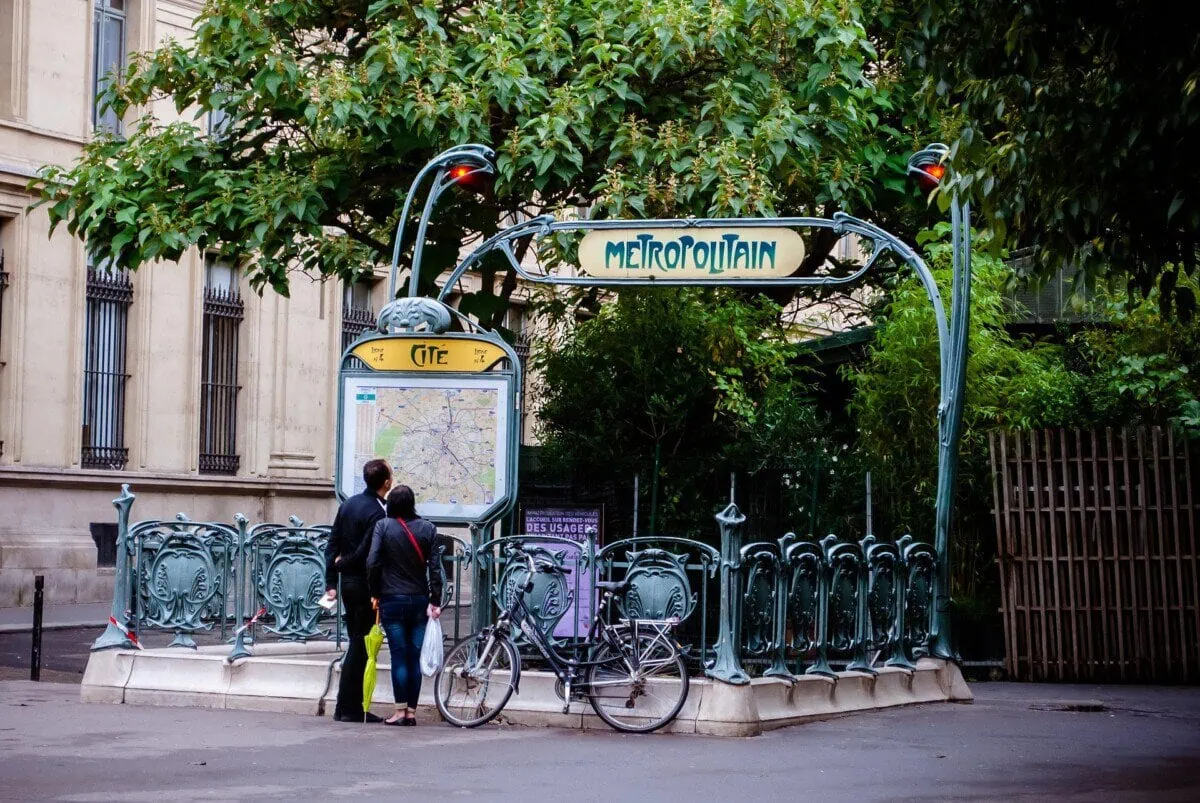
Getting Around Paris Paris is one of the easiest capital cities in the world to cross without a car, thanks to a dense, decades old network run mostly by a single operator. RATP operates the Métro, mo...
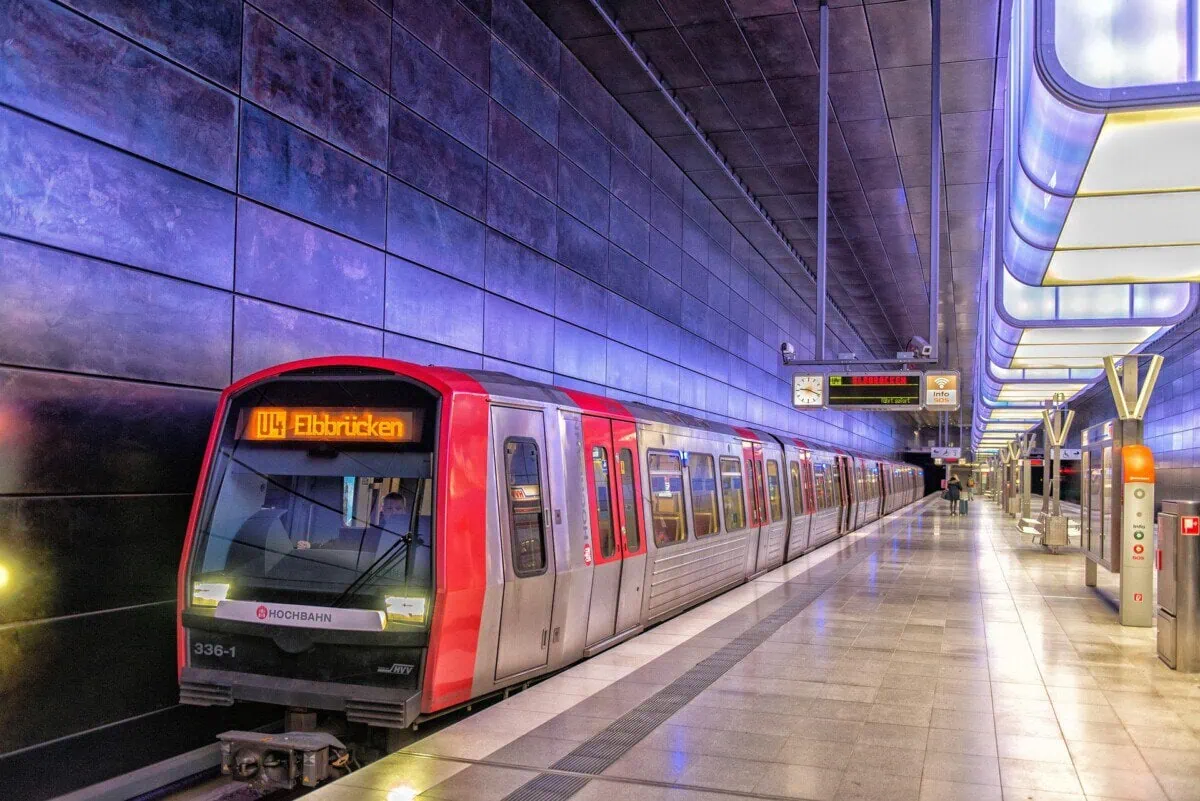
Getting Around Hamburg Hamburg is a port city built around water, and its public transport network reflects that in a way no other major German city can match. Alongside a familiar U-Bahn and S-Bahn n...
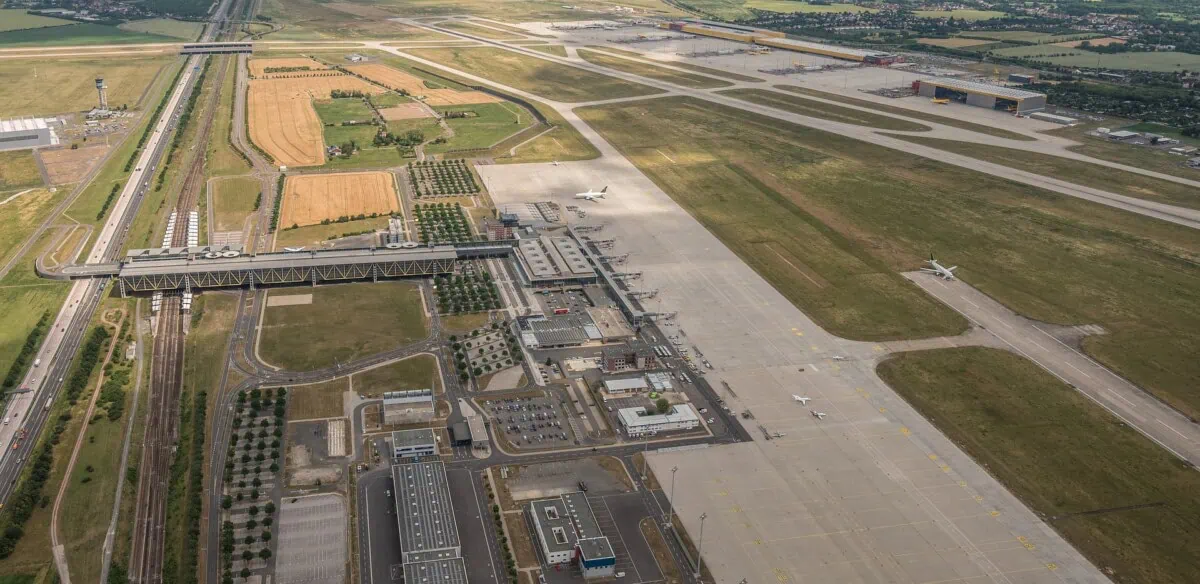
Two Cities, One Cargo Giant, and a 16-Kilometre Run Into Leipzig What catches many arrivals off guard at Leipzig/Halle Airport (LEJ) is not the transfer itself but what the airport actually is. Alongs...
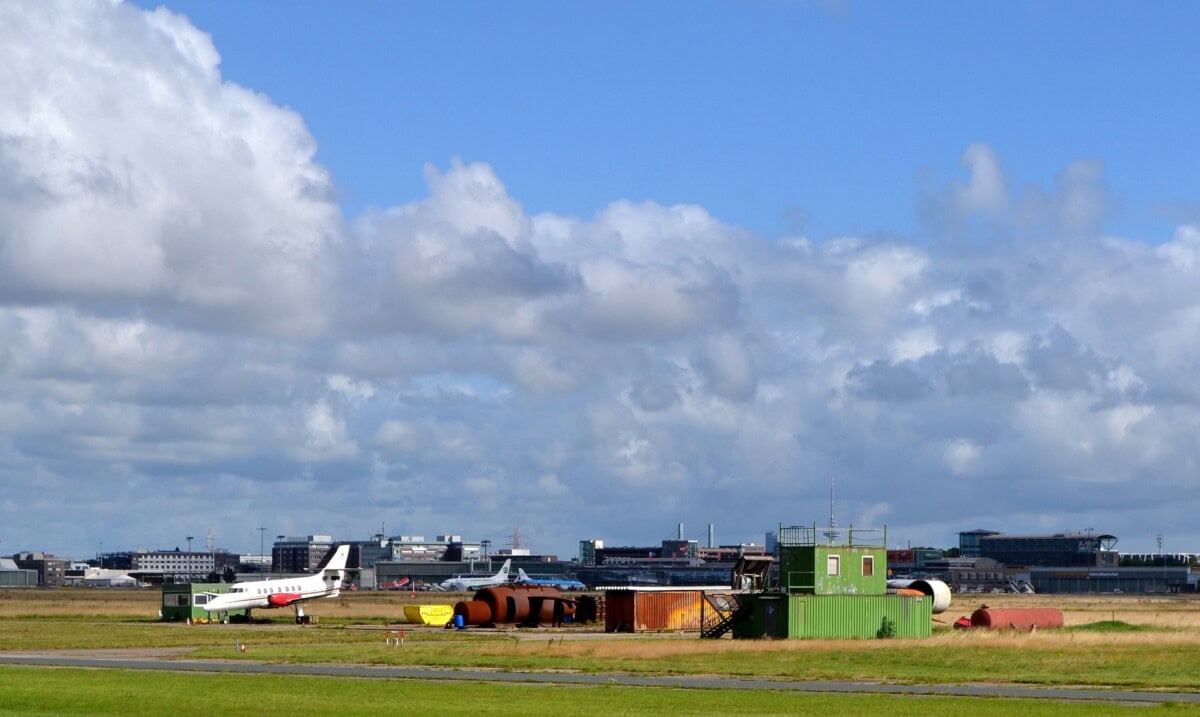
Just 3.5 Kilometres From the Centre: Why the Transfer Choice Barely Matters Here Bremen Airport, known by its code BRE, is one of the closest city-centre airports anywhere in Germany, sitting only aro...
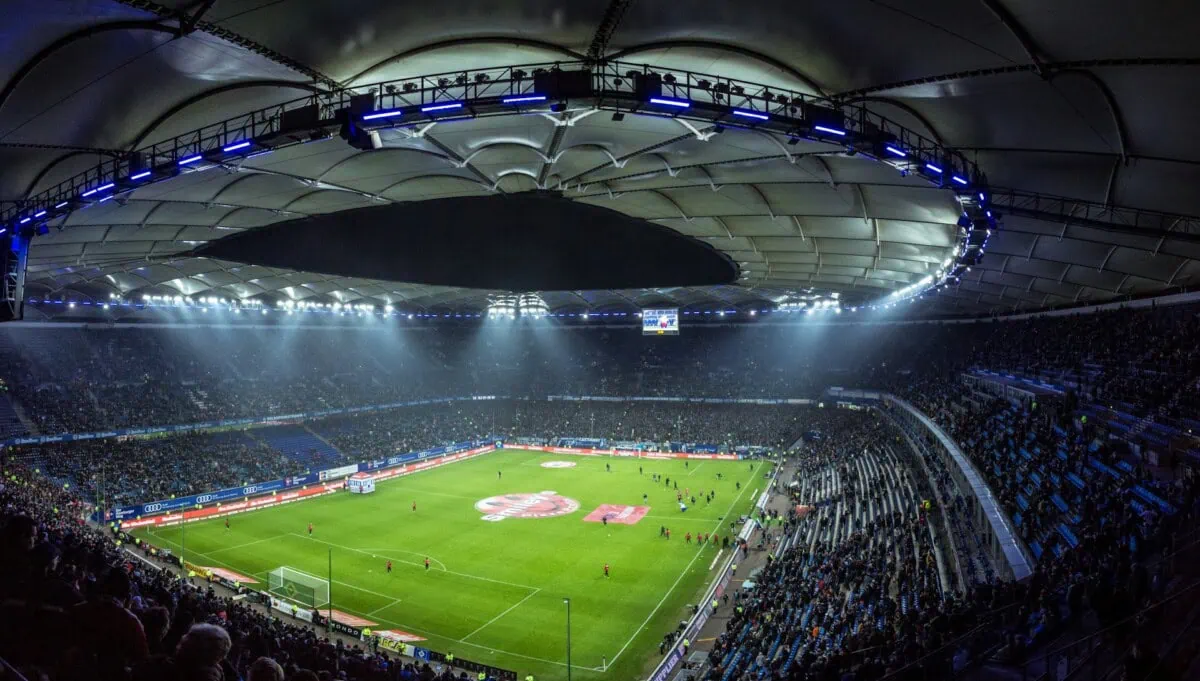
Hamburg is a two-club city in a way only a handful of German cities can claim, and the contrast between its two football institutions could hardly be sharper. Hamburger SV, known to everyone simply as...
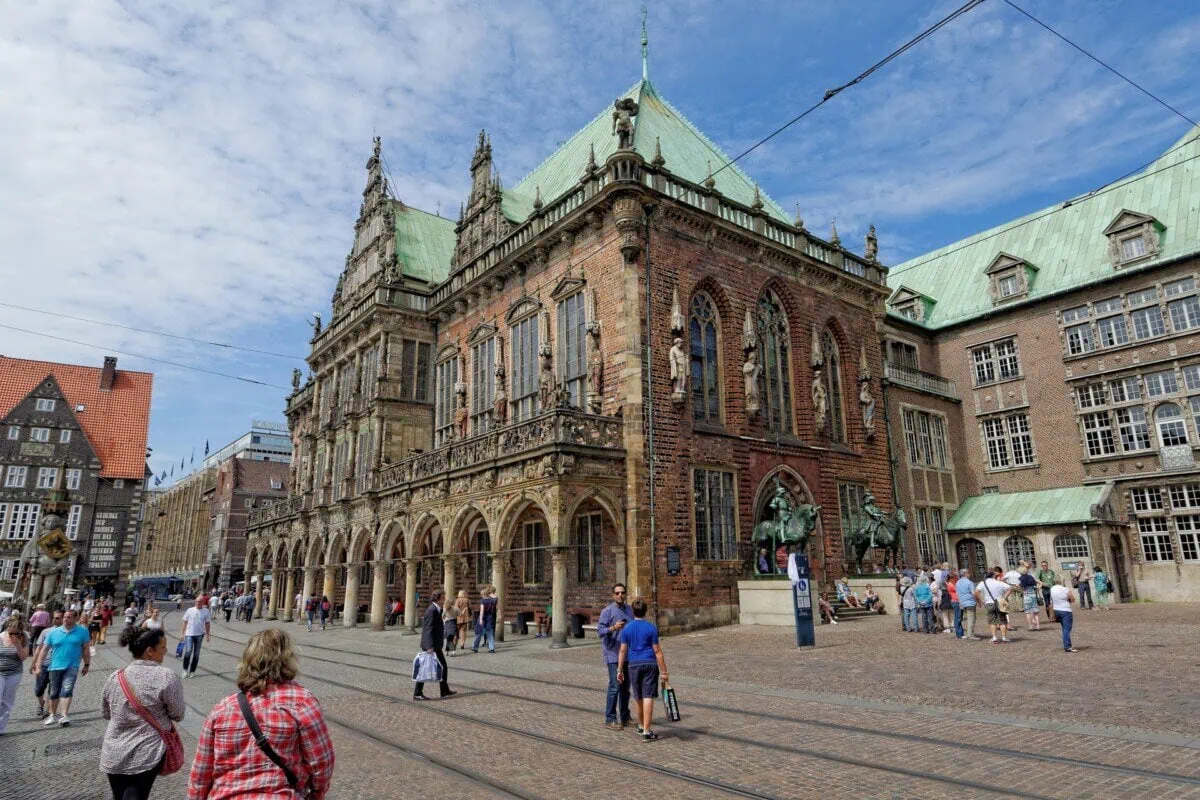
Bremen tends to get overlooked in favour of Hamburg further up the Weser, and that says more about marketing than about the city itself. This is Germany’s smallest federal state, a genuine city-...
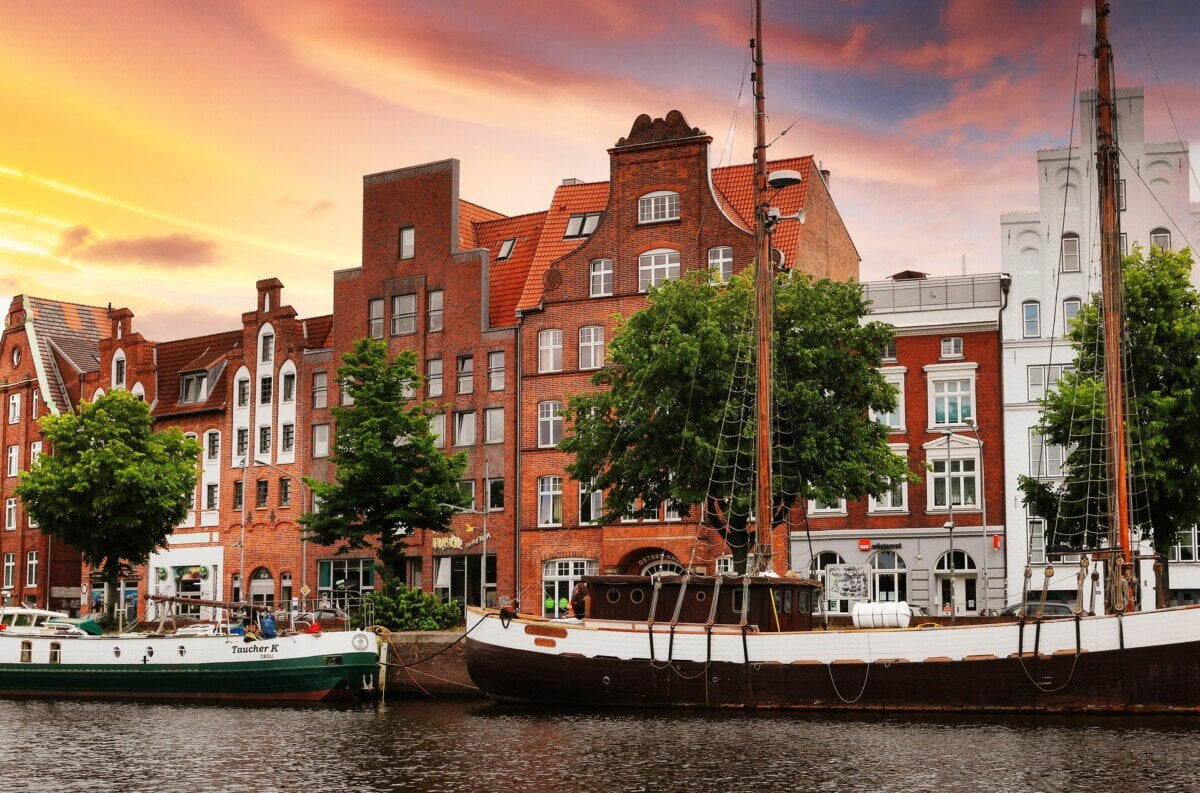
Hamburg is a maritime city built on water, but its real surprise is how much genuinely different scenery sits within a couple of hours of the Hauptbahnhof. Brick Hanseatic old towns, a salt-mining tow...
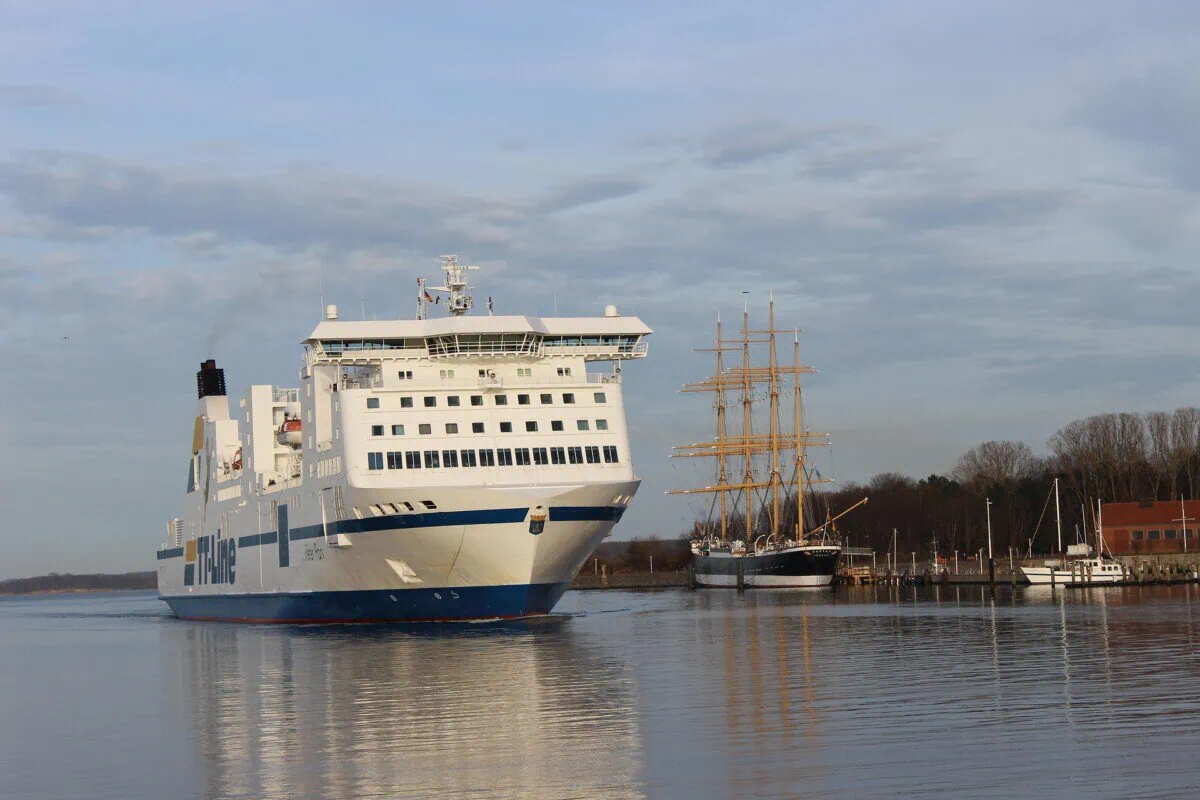
Travemünde is the point where the historic Hanseatic city of Lübeck meets the open Baltic, and it manages to be two genuinely different places at once. Walk along the Vorderreihe promenade on a summer...
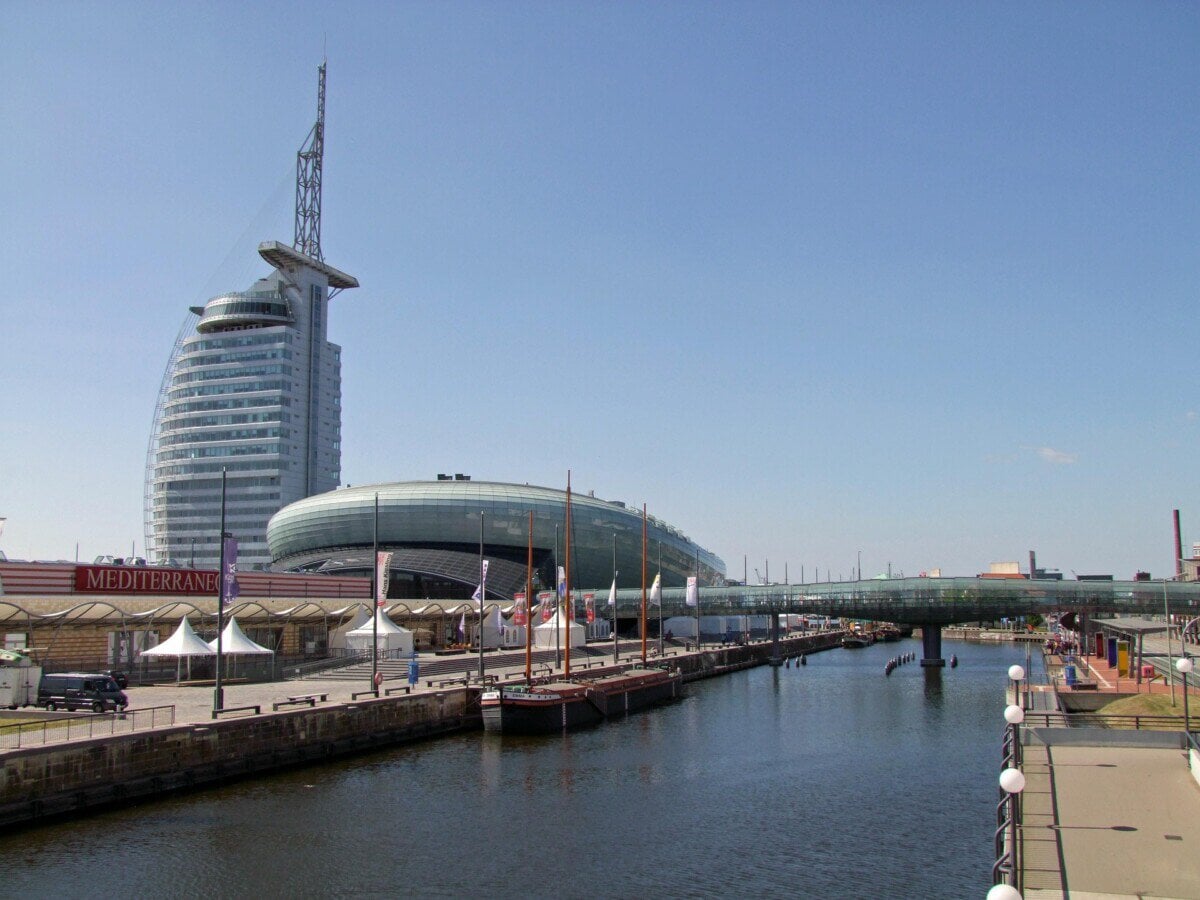
Bremerhaven sits where the River Weser widens into the North Sea, and while Hamburg tends to get the attention as Germany’s big-name cruise city, Bremerhaven has quietly become one of the countr...
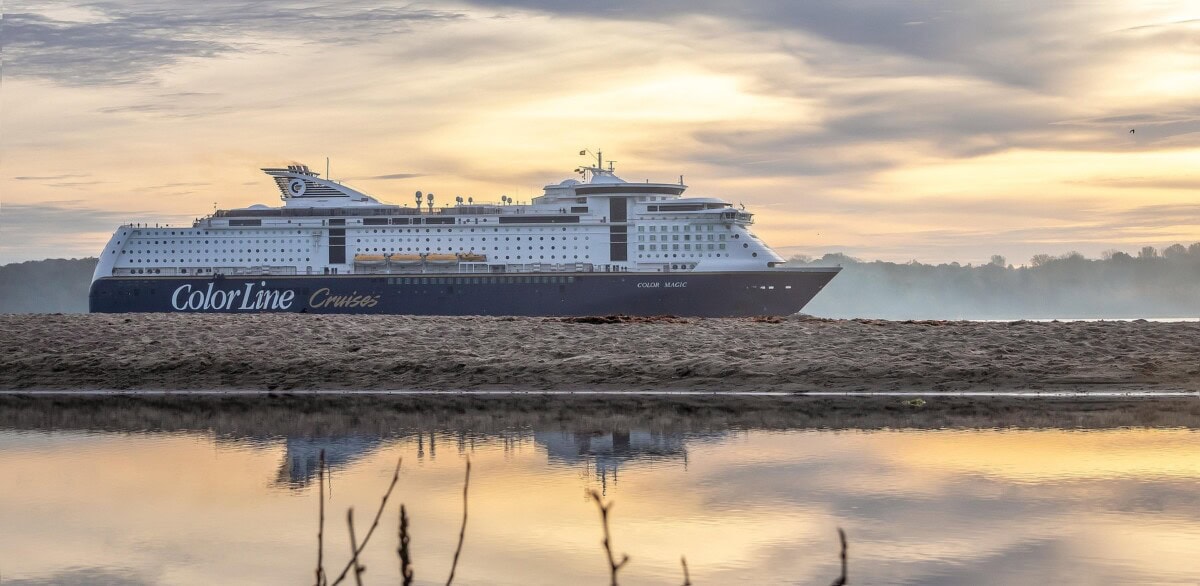
Kiel is not a place where ferries feel like an afterthought bolted onto a city break. This is one of Germany’s genuinely major international ferry ports, and the traffic moving through the Kiele...
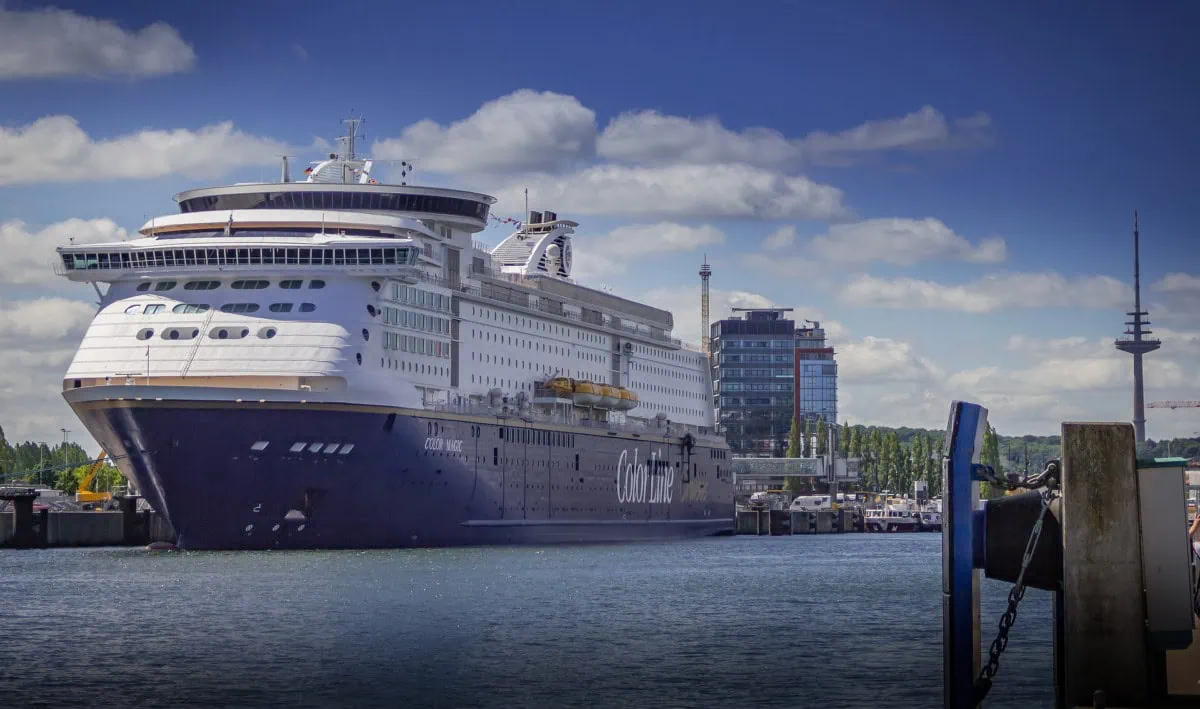
Kiel is Germany’s northernmost major city, and cruise passengers arriving here find something genuinely different from the shopping-centre polish of Hamburg’s newest terminal or the emigra...
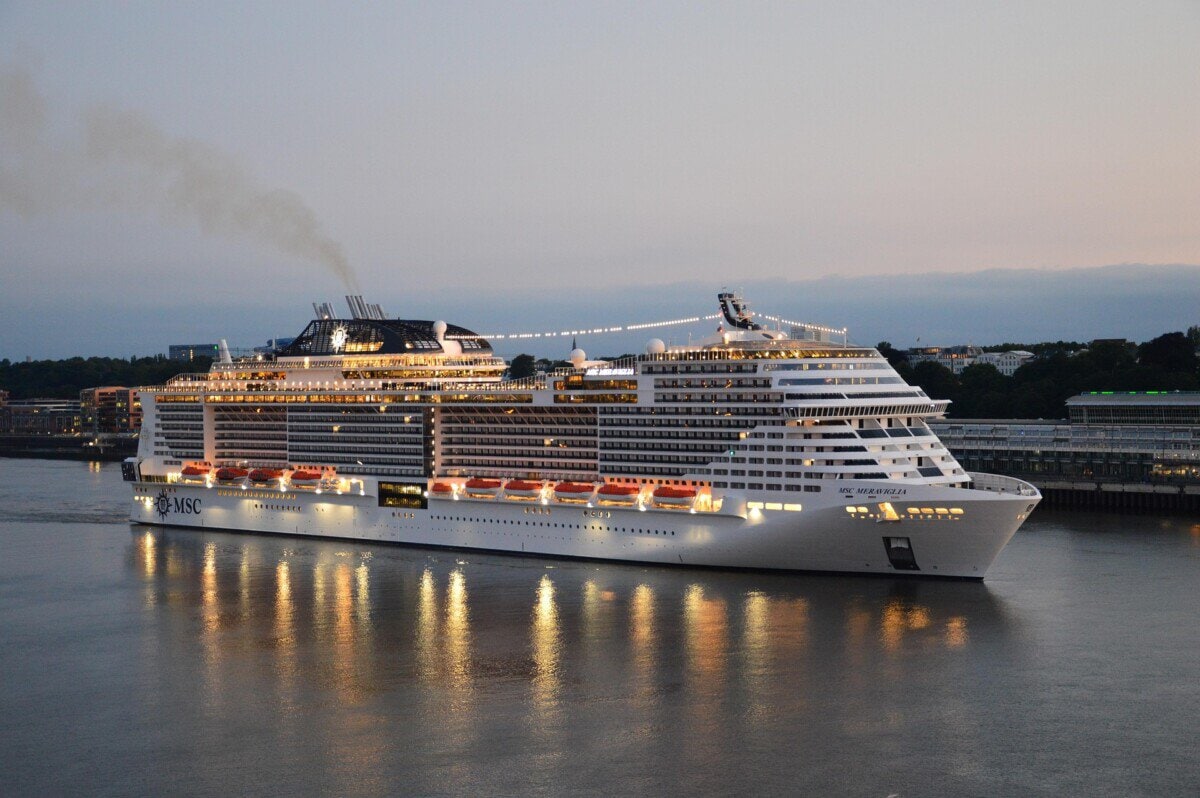
Hamburg is Germany’s largest port city and, less obviously to many travellers, one of Europe’s genuinely established cruise hubs rather than a stop tacked onto a Baltic or North Sea itiner...
Dynamo Dresden do not play in the Bundesliga, but few clubs anywhere in German football carry more history or a louder following relative to their league. Founded in 1953, the club won eight DDR-Oberl...
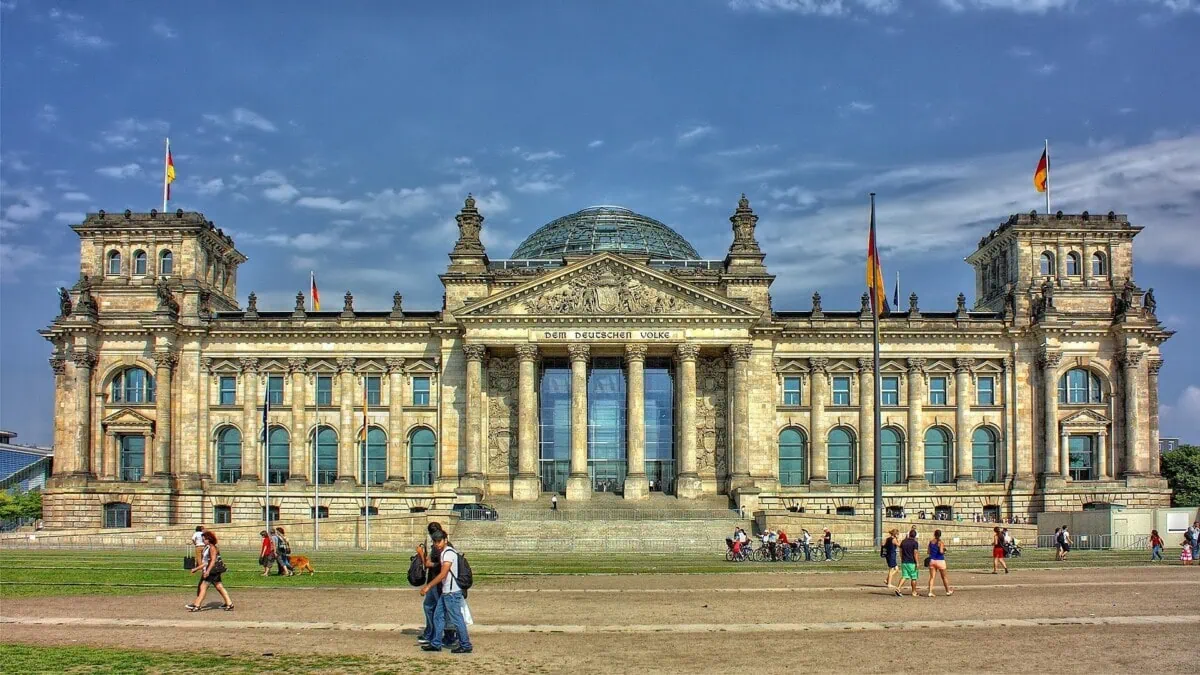
Berlin is a city that wears its history openly, from an 18th-century gate that once marked the edge of a kingdom to a stretch of concrete wall that split the world in two for almost thirty years. It i...
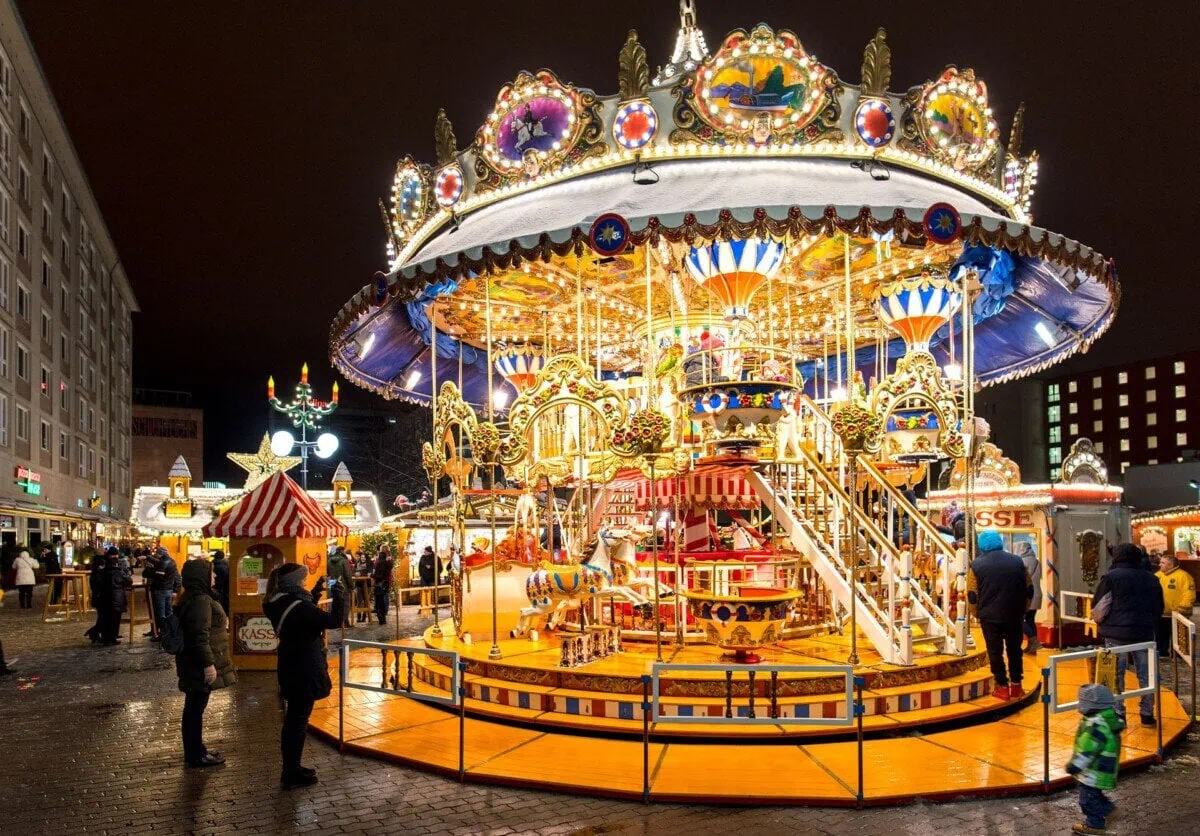
Every winter, Leipzig’s Markt square and six neighbouring locations across the old town fill with wooden stalls for the Leipziger Weihnachtsmarkt, first documented in 1458 when Frederick II, Ele...
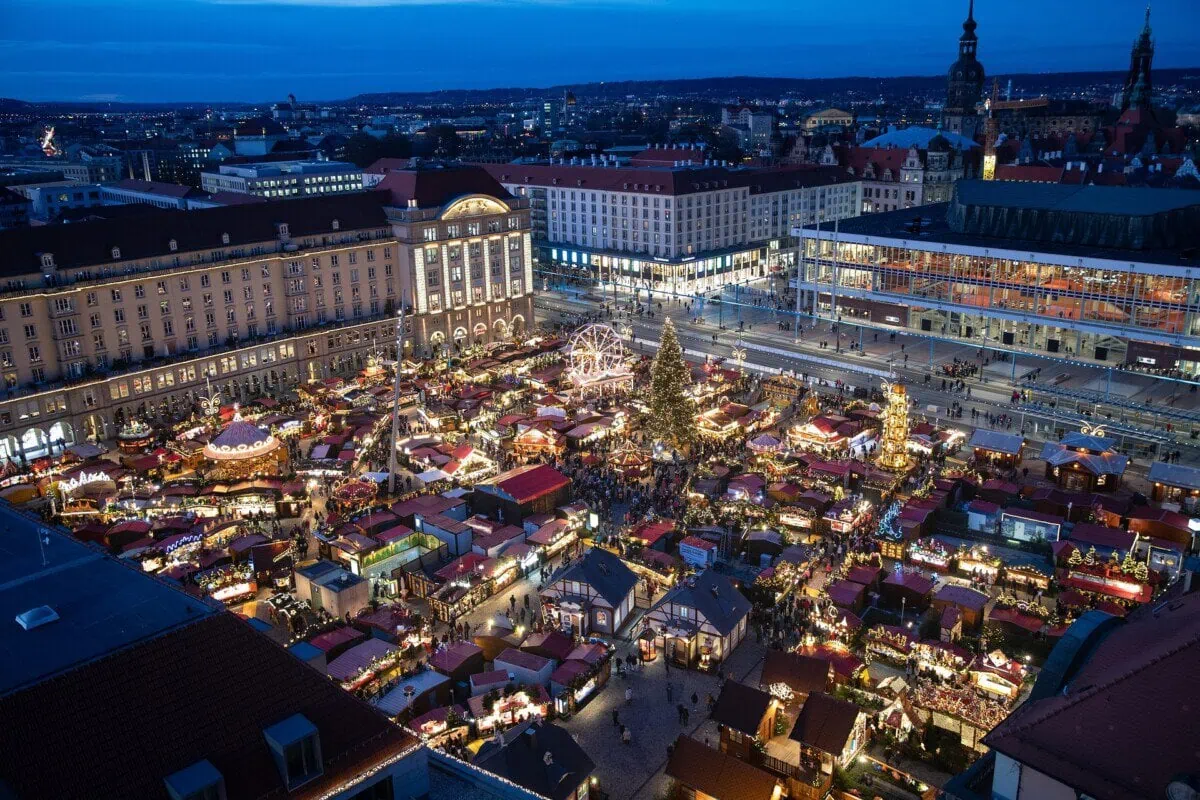
Every winter, Dresden’s Altmarkt square fills with wooden stalls for the Striezelmarkt, first documented in 1434 under Friedrich II, Elector of Saxony. That written record, a formal permission f...
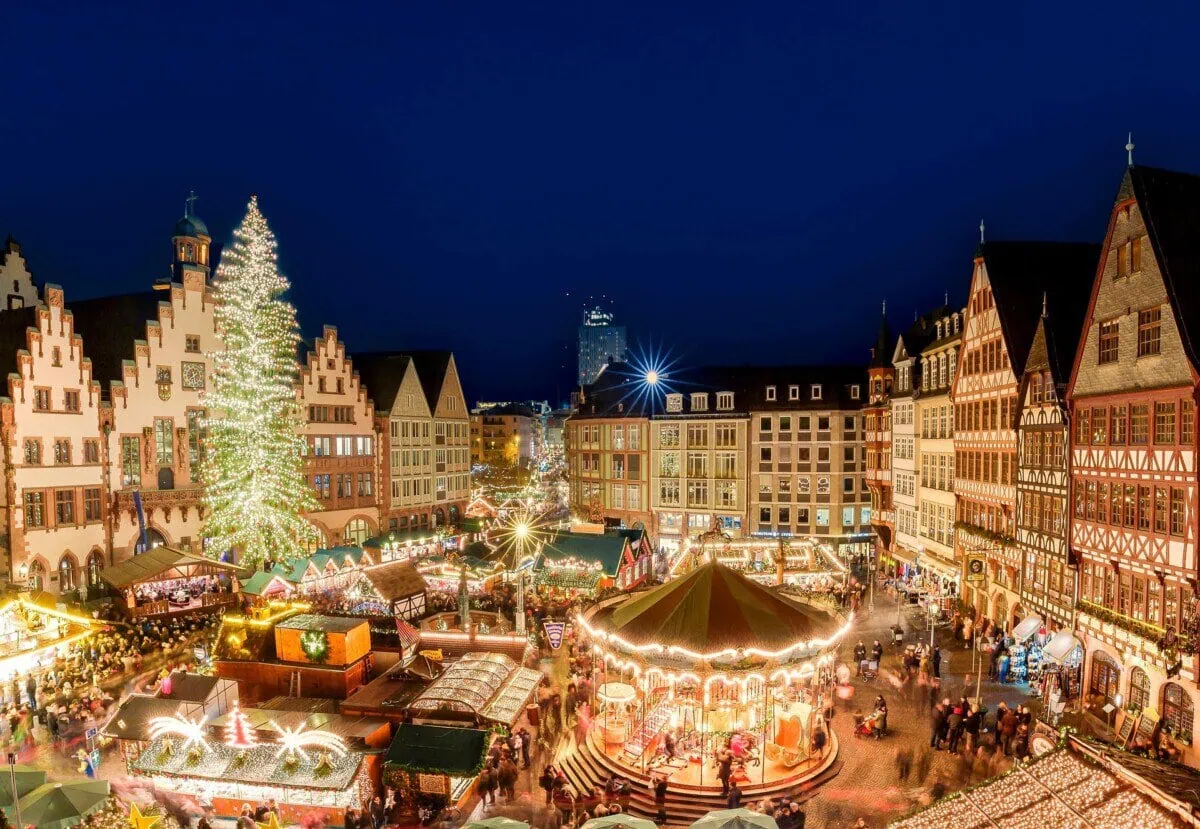
Frankfurt’s Christmas market is one of Germany’s oldest, tracing its roots to 1393, when mystery plays and trading stalls are first recorded on the Römerberg, the square in the heart of Fr...
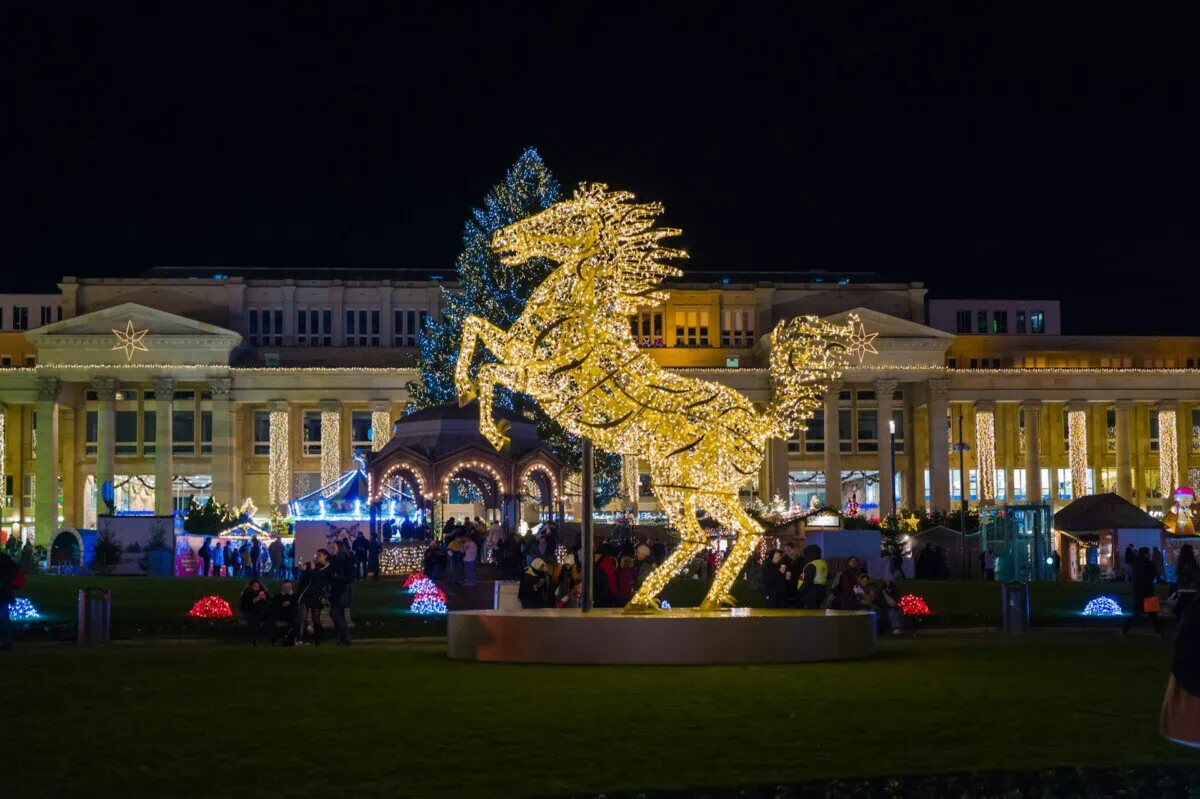
Every winter, Stuttgart’s Schlossplatz and Marktplatz fill with around 250 wooden stalls for the Stuttgarter Weihnachtsmarkt, one of Germany’s oldest and largest Christmas markets. It is o...
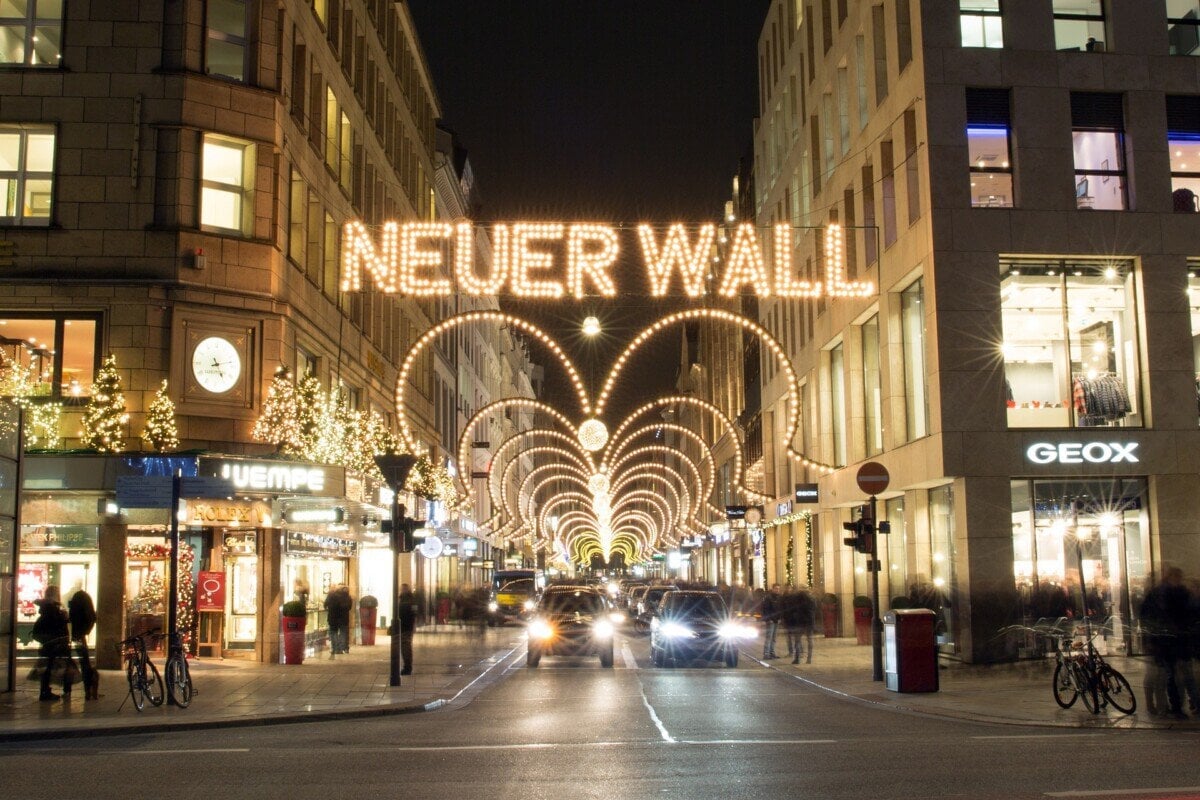
Hamburg’s Christmas season runs on a genuine handful of separate markets rather than one central square, each with its own atmosphere and setting. That variety follows the city’s own geogr...
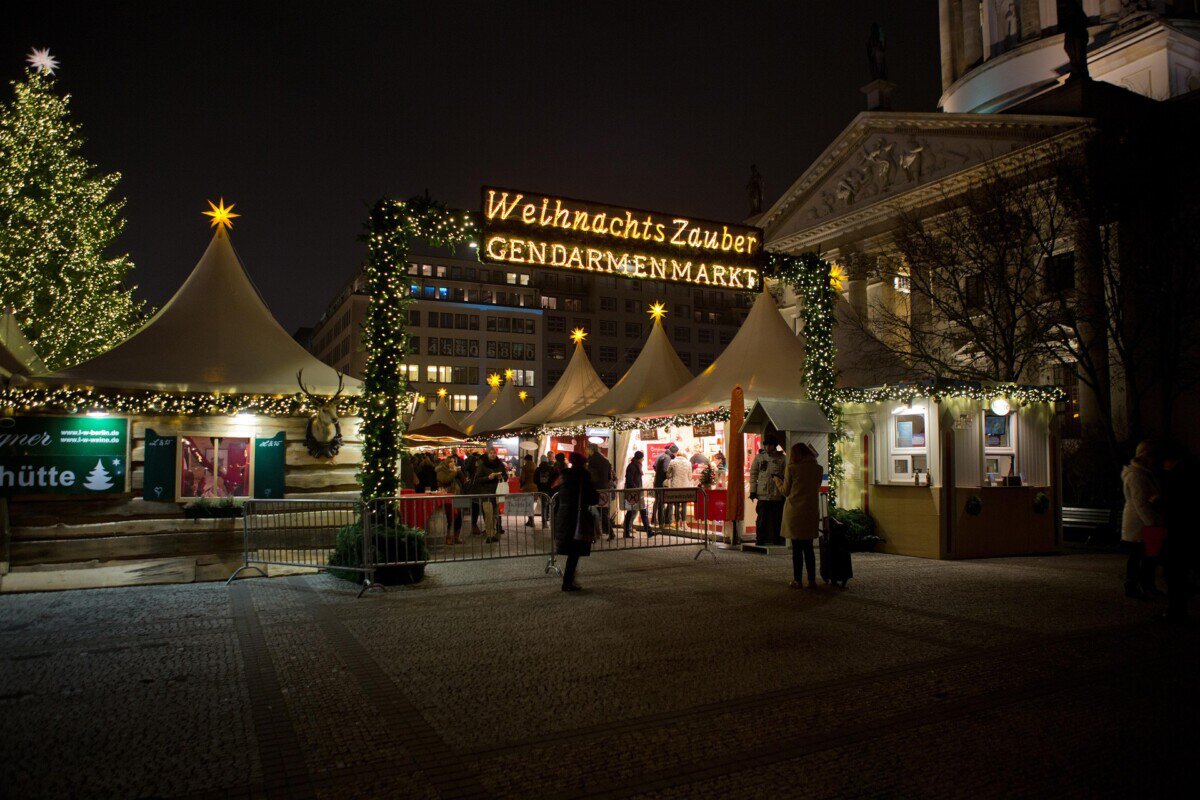
Berlin does not build its festive season around one historic square the way Frankfurt does with the Römerberg or Dresden does with the Altmarkt. The German capital instead scatters dozens of separate ...
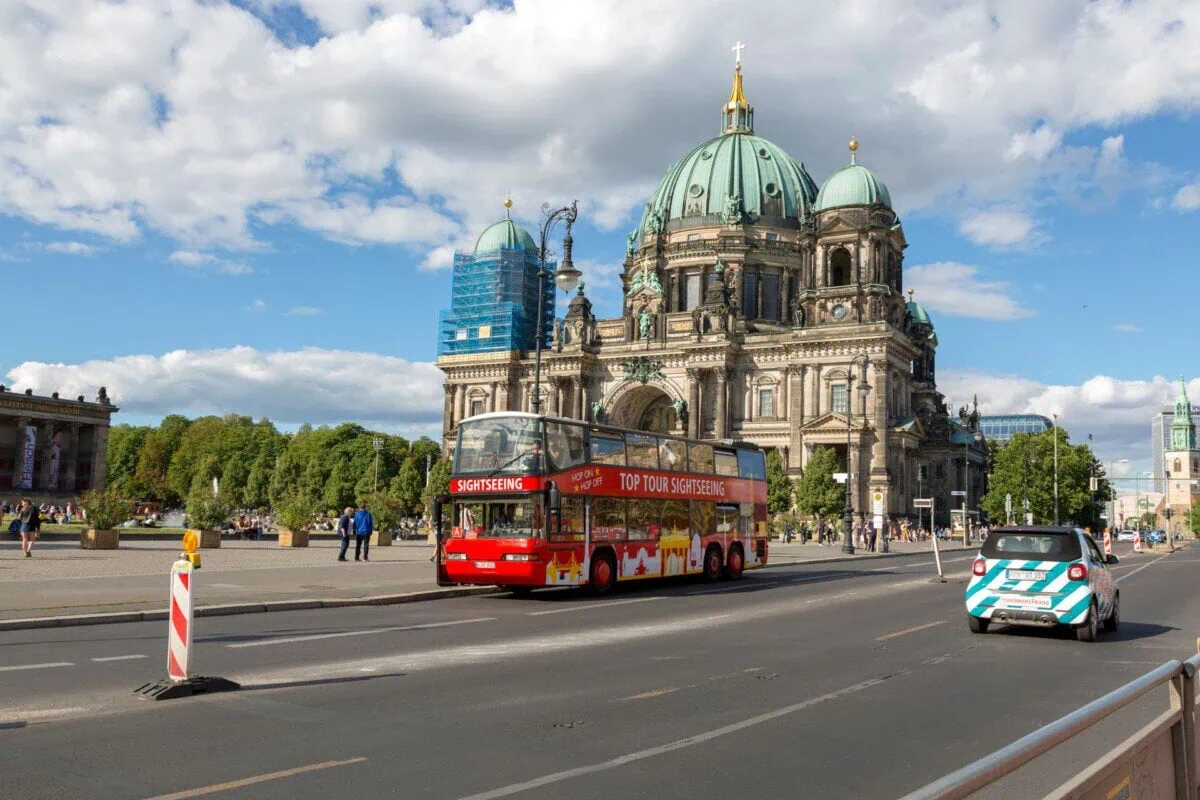
Berlin runs more hop-on hop-off bus operators than almost any other German capital, and that choice can turn a simple booking decision into a genuine headache. Six separate products currently compete ...
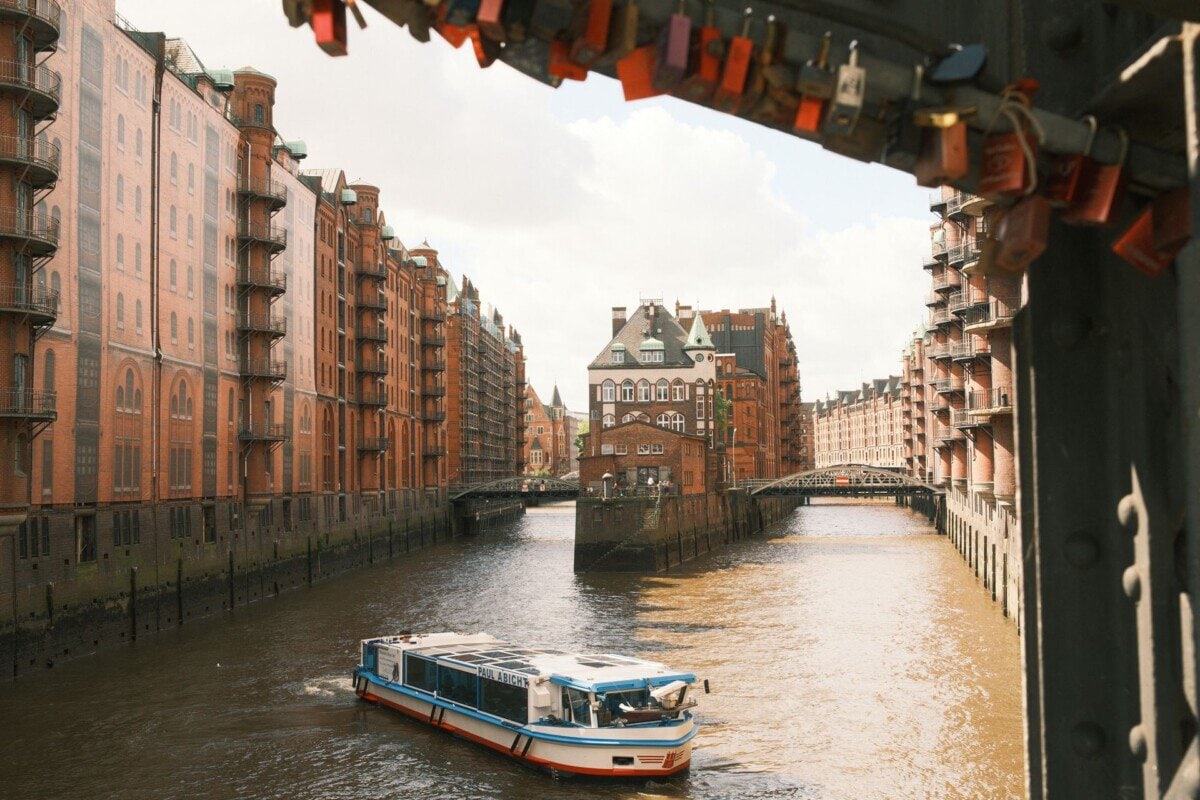
Hamburg is one of Europe’s great harbour cities, and its identity is built almost entirely around the working port that spreads out along the Elbe. Seeing that port properly, rather than glimpsi...
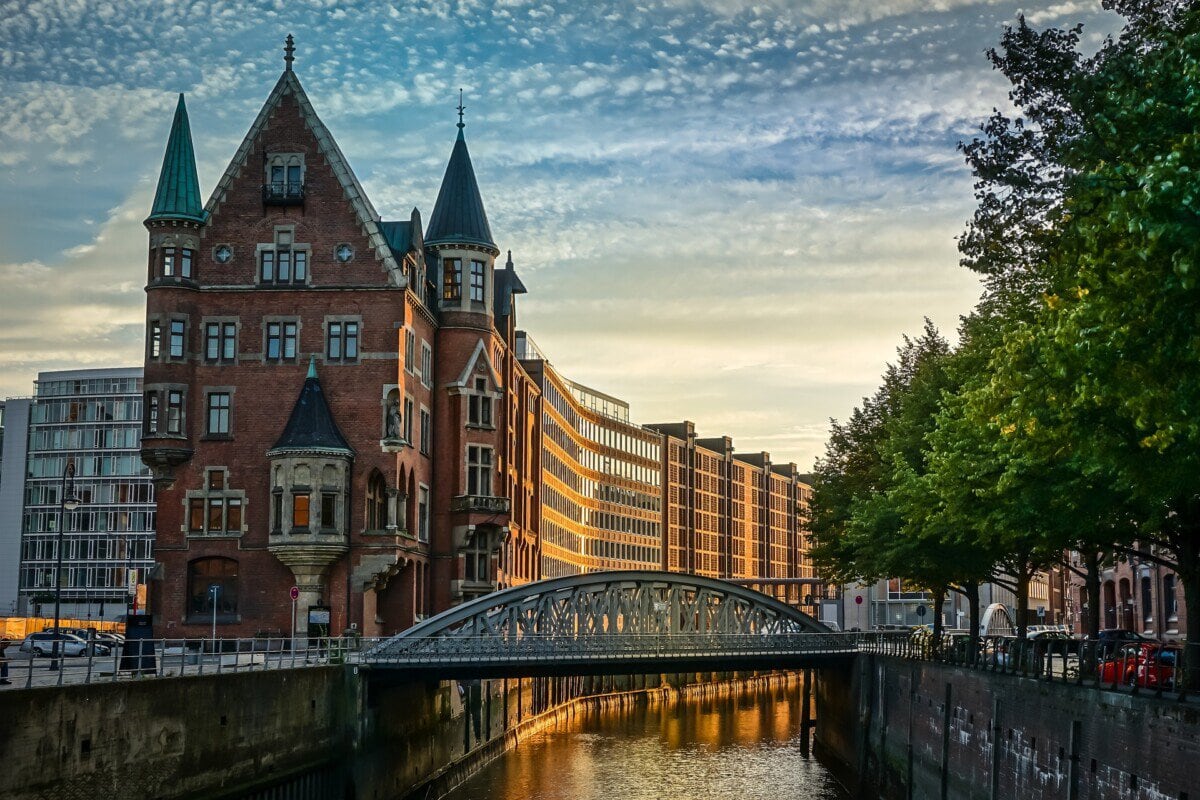
Hamburg is Germany’s second-largest city and one of Europe’s busiest ports, a maritime capital where fortunes were built on trade long before Berlin became the seat of government. The city...
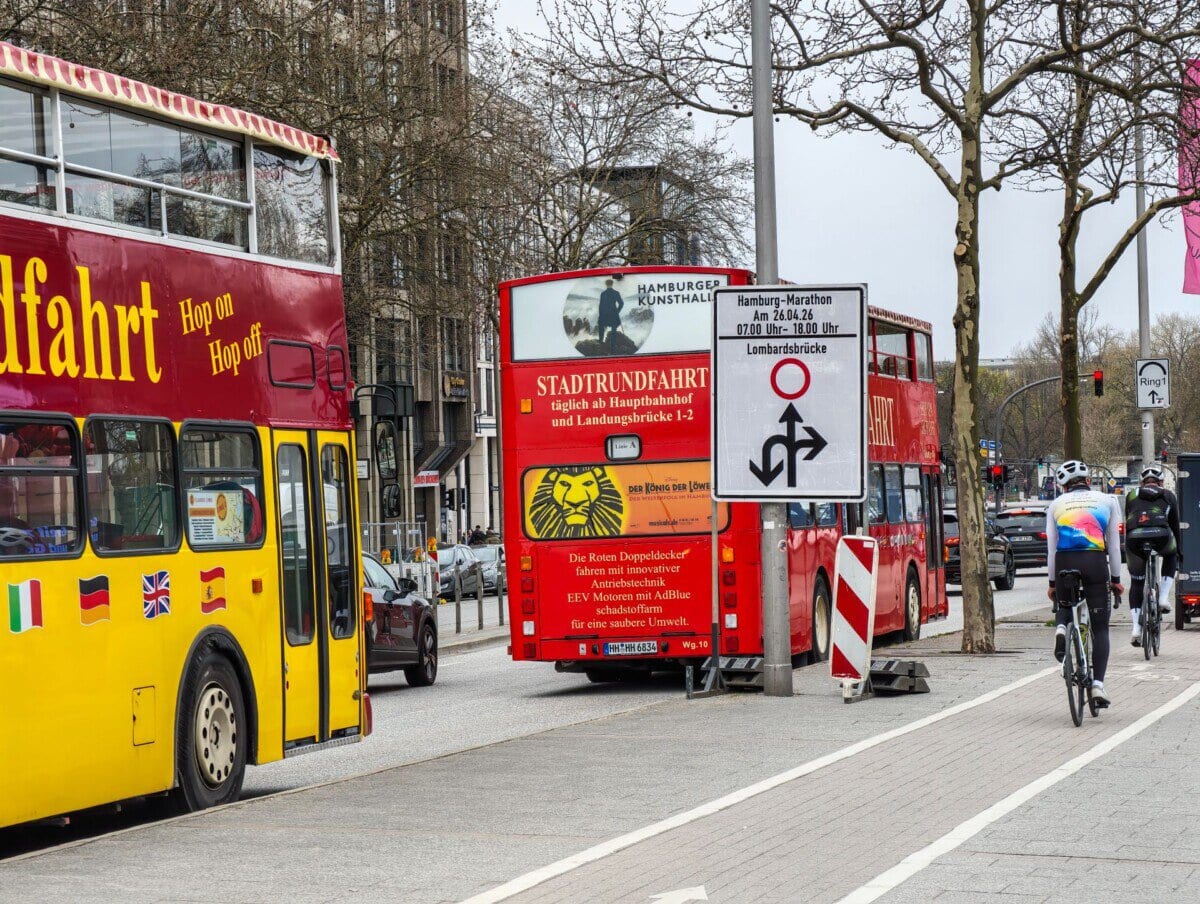
Hamburg is one of the few German cities where a single hop-on hop-off ticket does not automatically mean a single bus. Several different operators run their own lettered lines through the city, each l...
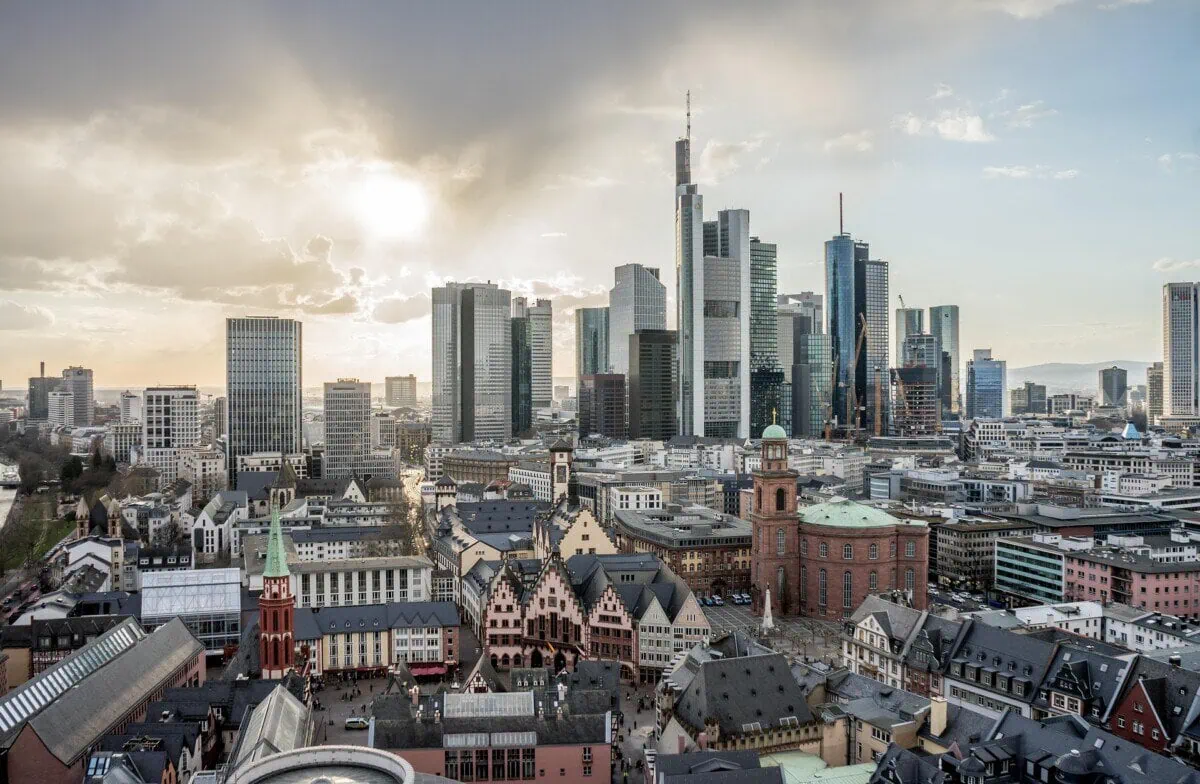
Frankfurt often gets treated as a stopover, a business hub travellers pass through instead of a destination in its own right, but that reputation sells the city short. Frankfurt am Main packs a recons...
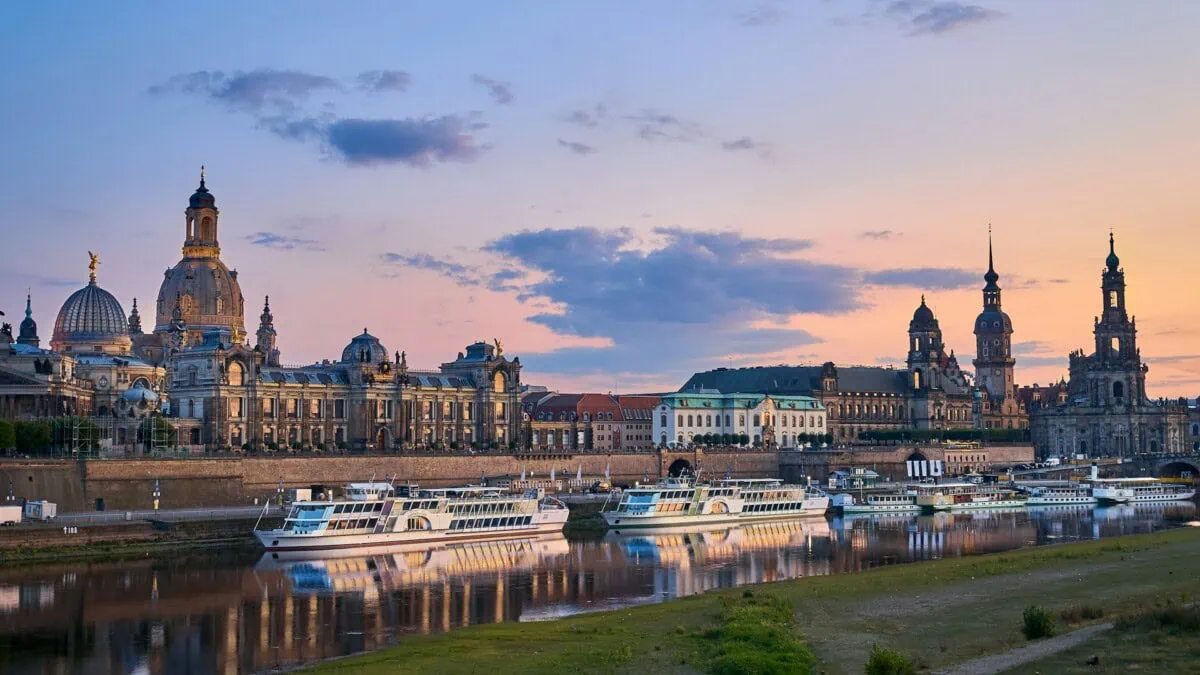
Dresden spent decades known mainly for what it lost, a Baroque capital flattened in a single night of bombing in February 1945 and then rebuilt so carefully that most visitors now struggle to tell old...
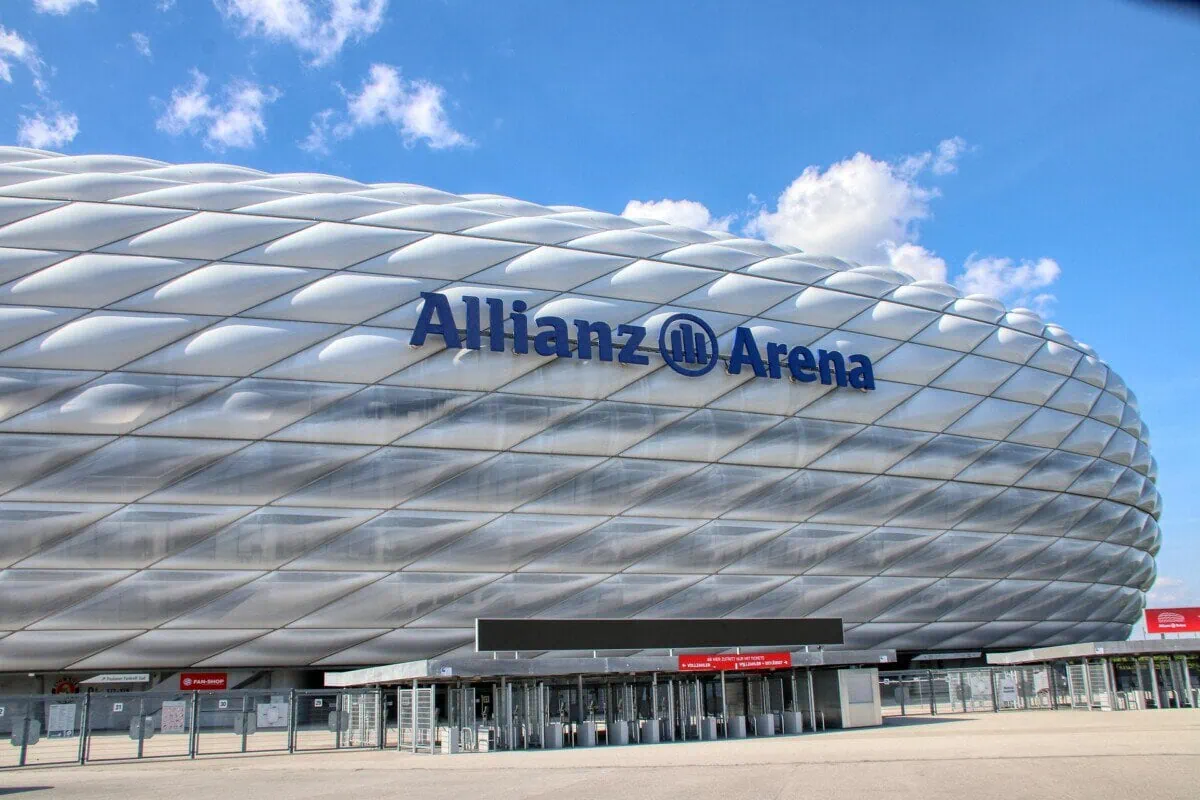
Bayern Munich need no real introduction to anyone who has followed European football for more than a season. Germany’s most successful club has won more Bundesliga titles than any other side in ...
Travel discoveries, useful tips and behind-the-scenes moments from AppSavvyTraveller.


