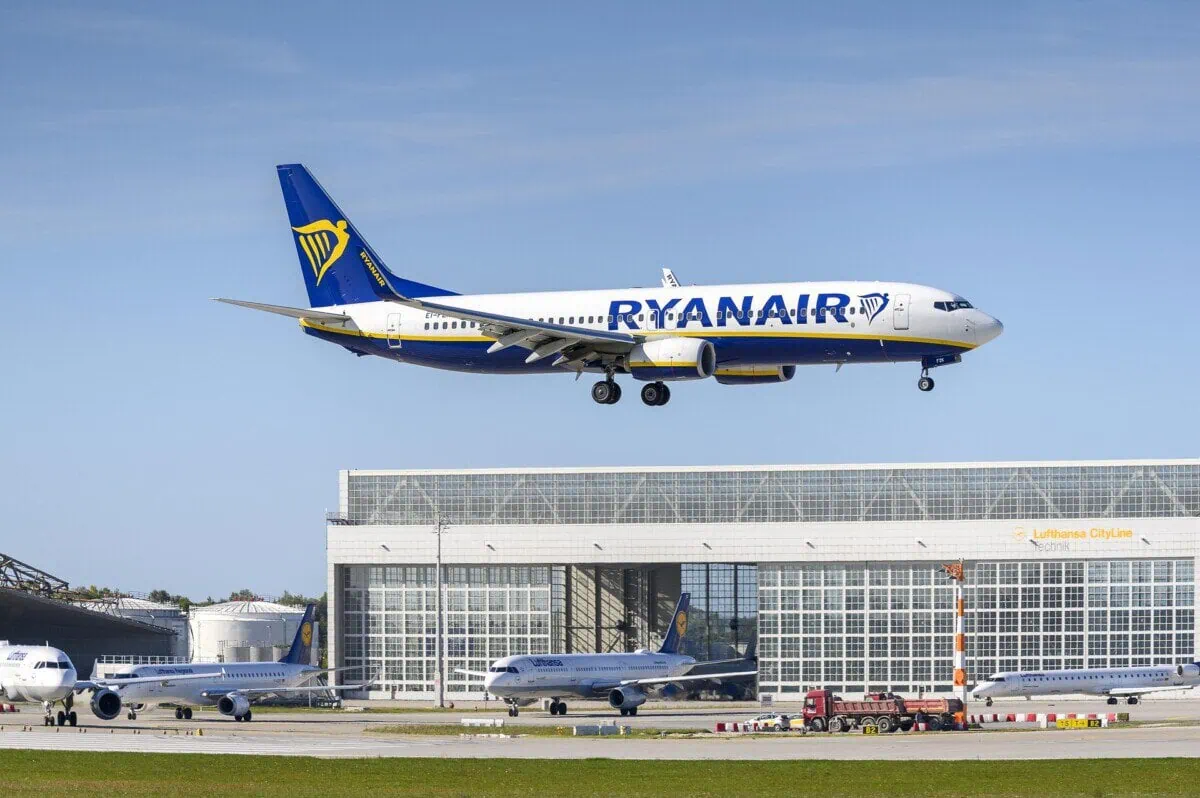
Landing 28 Kilometres From the City: Why the Transfer Choice Counts Munich Airport, known by its code MUC and officially named Franz Josef Strauss Airport, is Germany’s second-busiest airport af...

Explore travel guides covering cities, countries, and destinations worldwide, with practical advice to help you plan and navigate each location.
These guides focus on what to see, how to get around, and how to structure your trip efficiently, making them useful whether you are planning a short visit or a longer journey across multiple destinations.
Landing 28 Kilometres From the City: Why the Transfer Choice Counts Munich Airport, known by its code MUC and officially named Franz Josef Strauss Airport, is Germany’s second-busiest airport af...
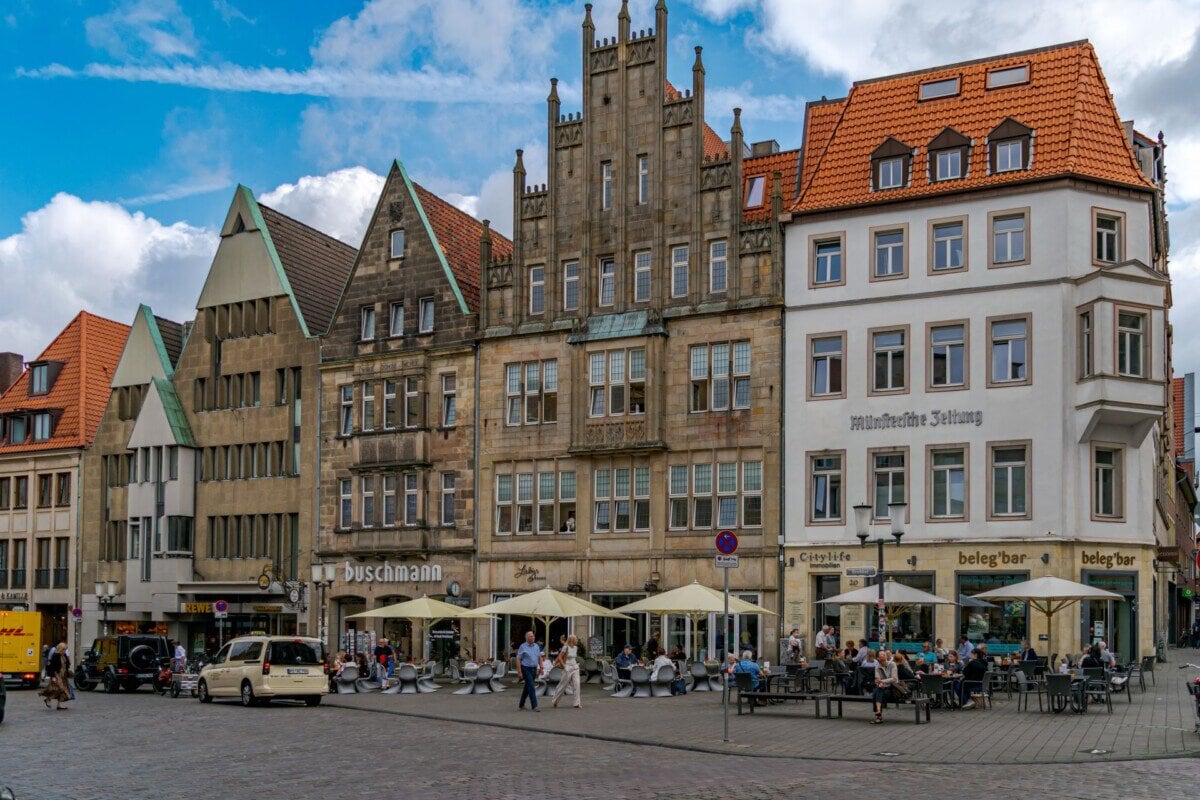
A Regional Airport Shared Between Two Cities, 25 Kilometres Out Münster shares its airport with a city that sits 35 kilometres away, and that single fact shapes almost every transfer decision covered ...

Oktoberfest is not just a beer festival. It is the world’s largest Volksfest (folk festival), and calling it merely a beer occasion undersells what actually happens on the Theresienwiese each au...
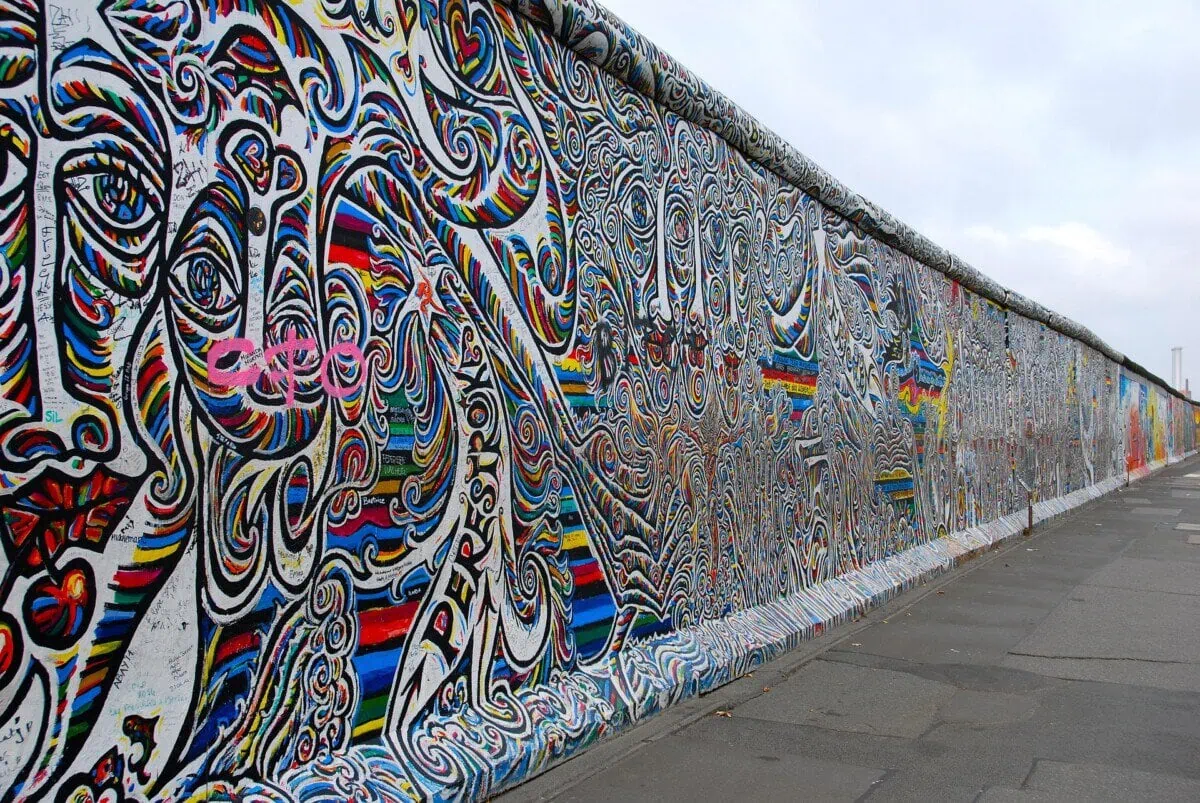
Berlin is the one European capital where a single street can still show you where a country used to end. For twenty-eight years, a concrete barrier ran through the middle of the city, separating famil...
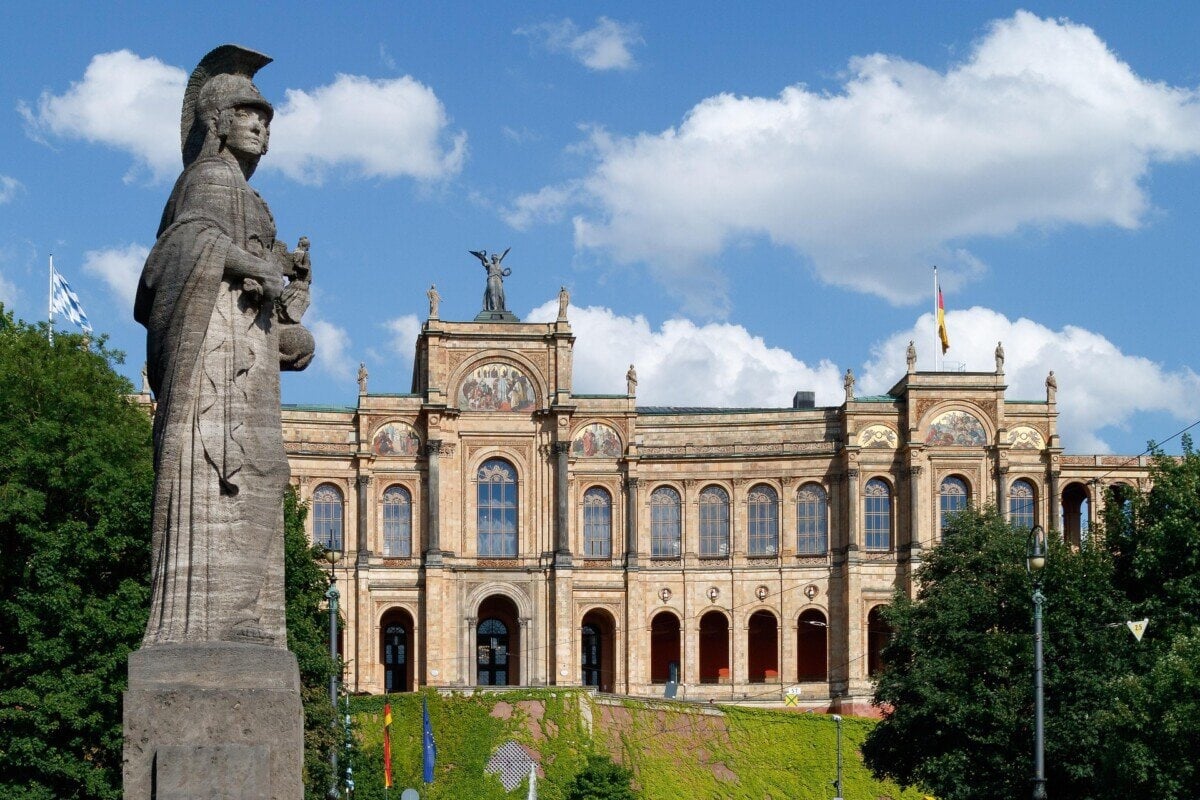
Munich is Bavaria’s capital and Germany’s third-largest city, a place that manages to feel both grand and easygoing at the same time. Marienplatz, the city’s central square, has been...
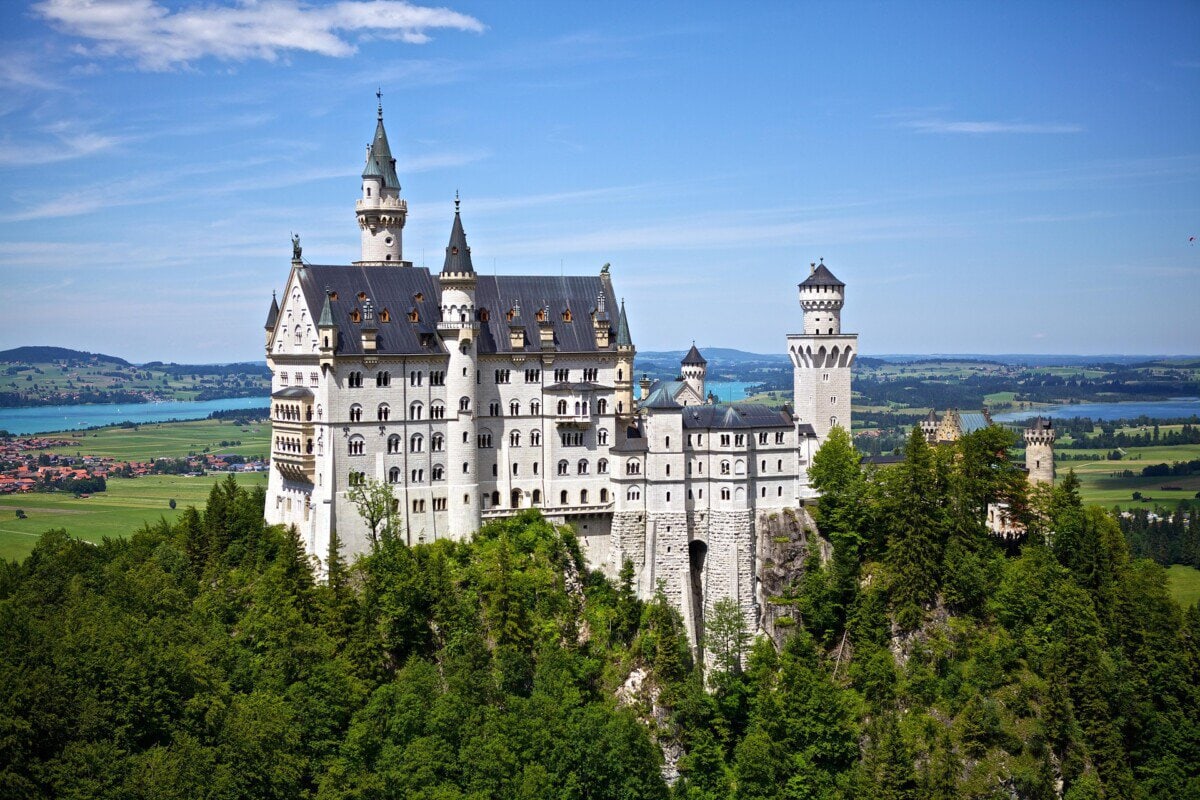
Munich sits right in the middle of the best day-trip country Germany has to offer, ringed by a fairy-tale castle, a vast alpine lake, Germany’s highest mountain, and a former Nazi concentration ...
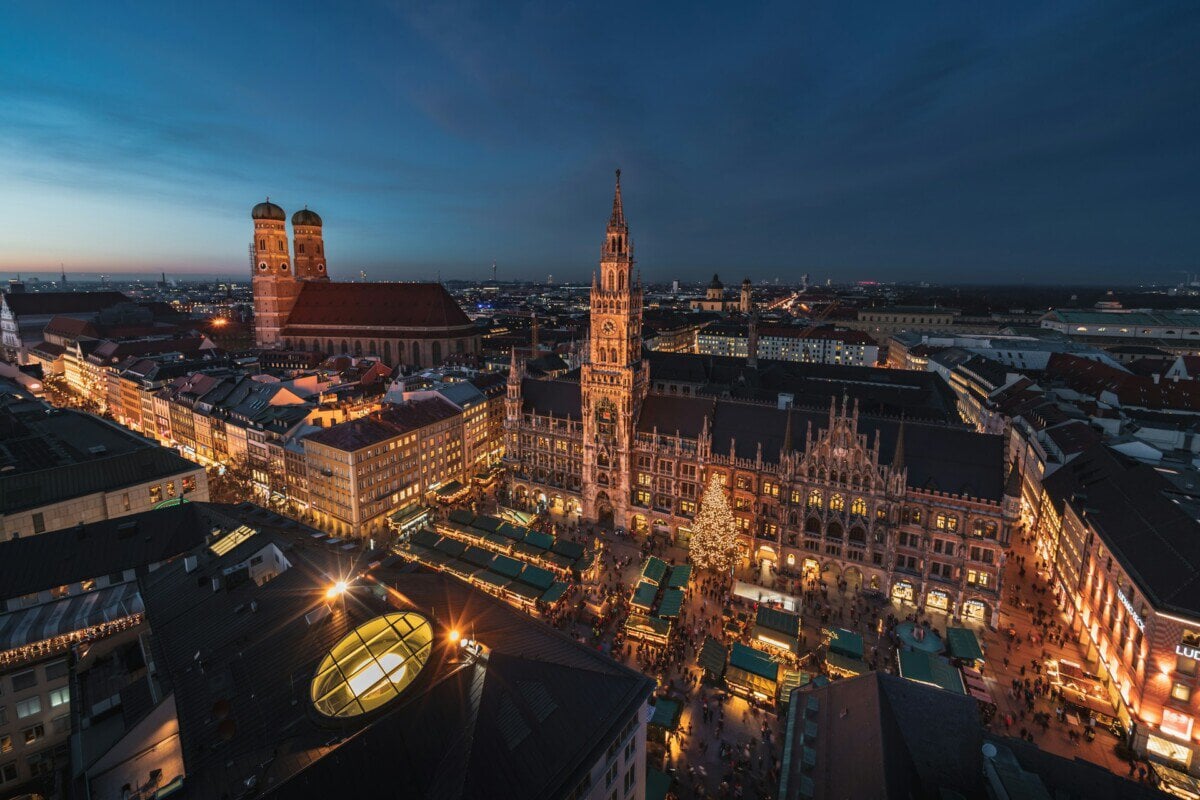
Munich’s festive season centres on the Christkindlmarkt at Marienplatz, first recorded as a Nikolaimarkt in 1310, which puts it among the oldest documented Christmas-season markets anywhere in t...
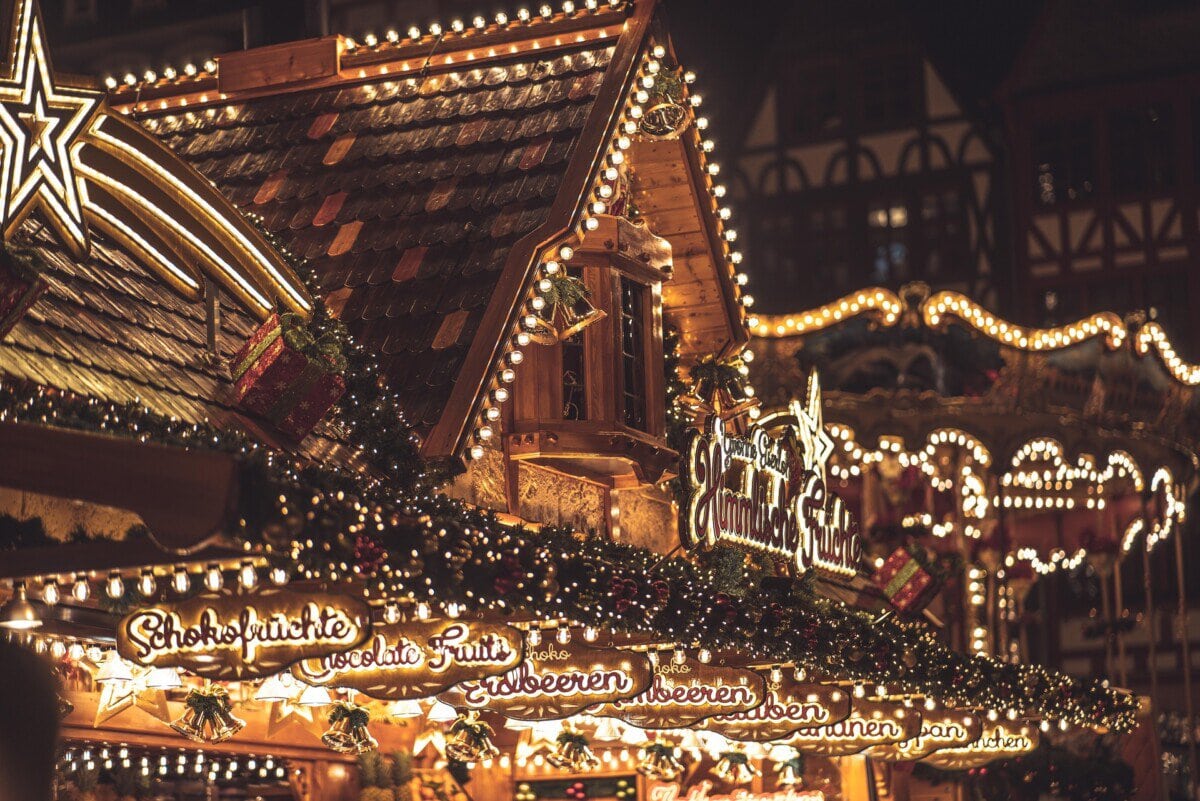
Germany’s Christmas markets grew out of medieval trading fairs held in the weeks before Christmas, when town councils granted merchants the right to sell meat, bread and provisions to residents ...

Rail Baltica is the largest railway project the Baltic states have ever undertaken, a brand new standard-gauge line designed to connect Tallinn, Rīga and Vilnius with Warsaw and the wider European rai...
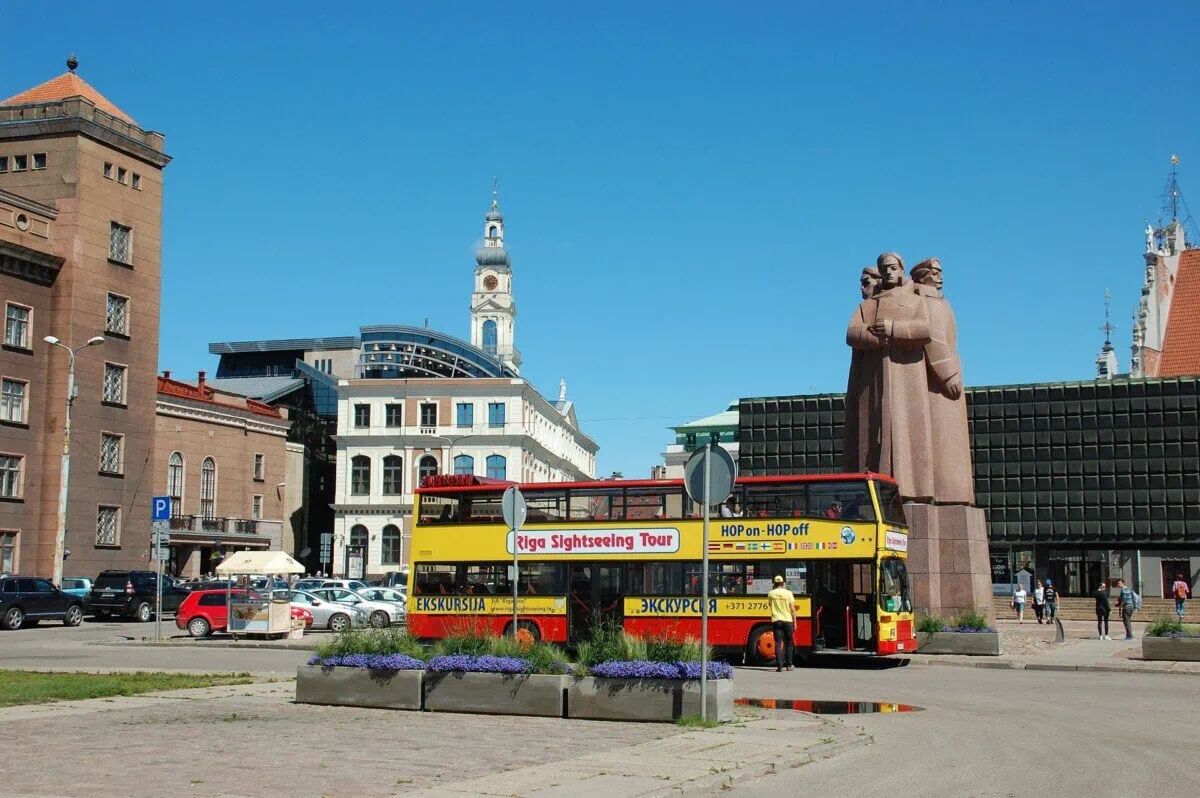
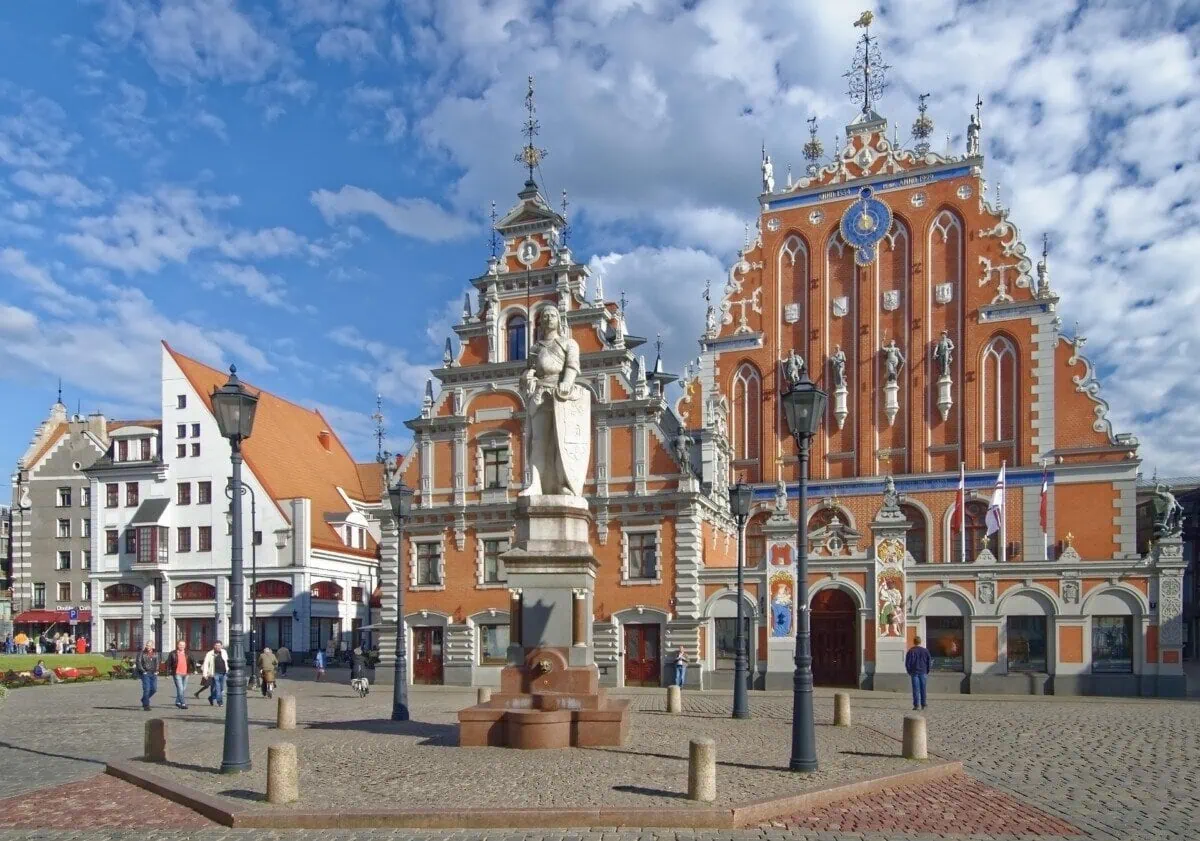
Riga is Latvia’s capital and the largest city in the Baltic states, a former Hanseatic League trading port that grew rich on the Daugava River’s route to the Baltic Sea. Its medieval Old T...
Riga International Airport (RIX) is the busiest airport in the Baltic states and the main air gateway into Latvia, handling more scheduled routes and passengers each year than Tallinn or Vilnius. For ...
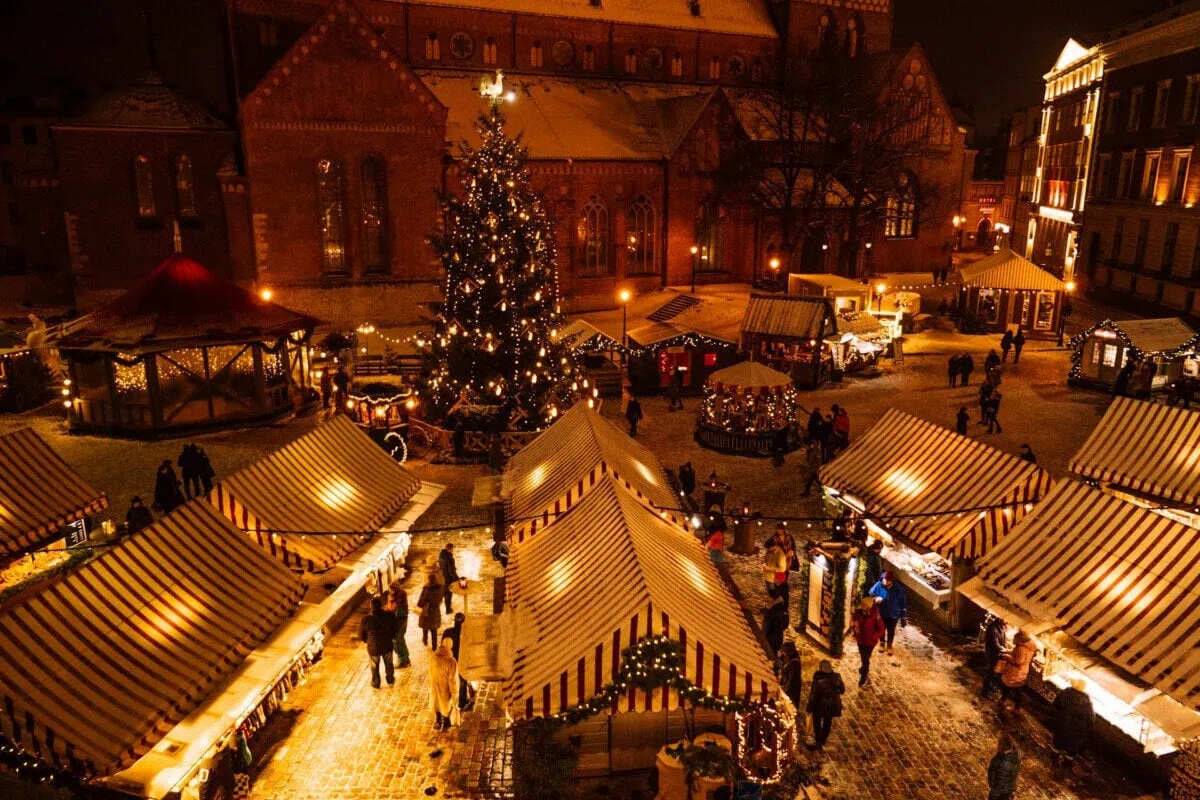
Riga’s Christmas market fills Dome Square (Doma laukums), the wide cobbled plaza beneath the twin spires of Riga Cathedral at the heart of the Latvian capital’s Old Town. Latvia’s of...
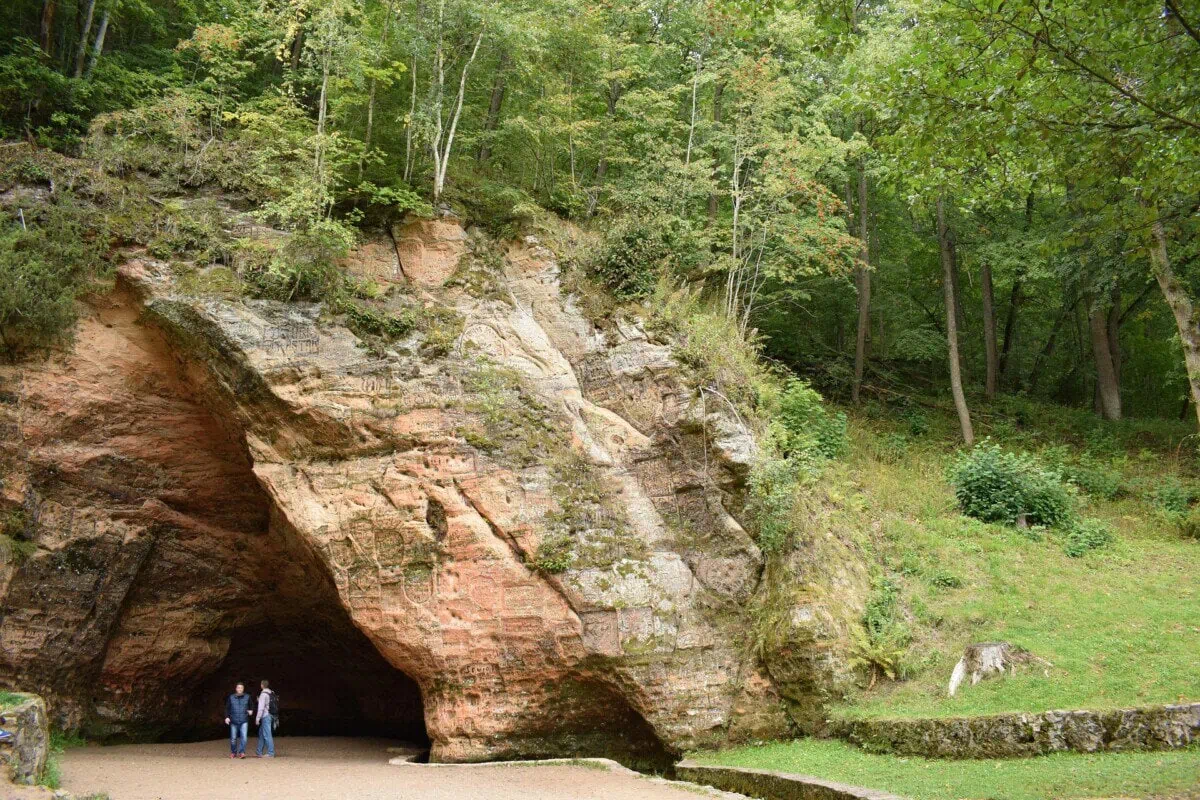
Riga sits where the Daugava River meets the Gulf of Riga, and pairs its UNESCO-listed Art Nouveau old town with the Baltic Sea and dense inland forests only a short journey away. Unlike some capitals ...
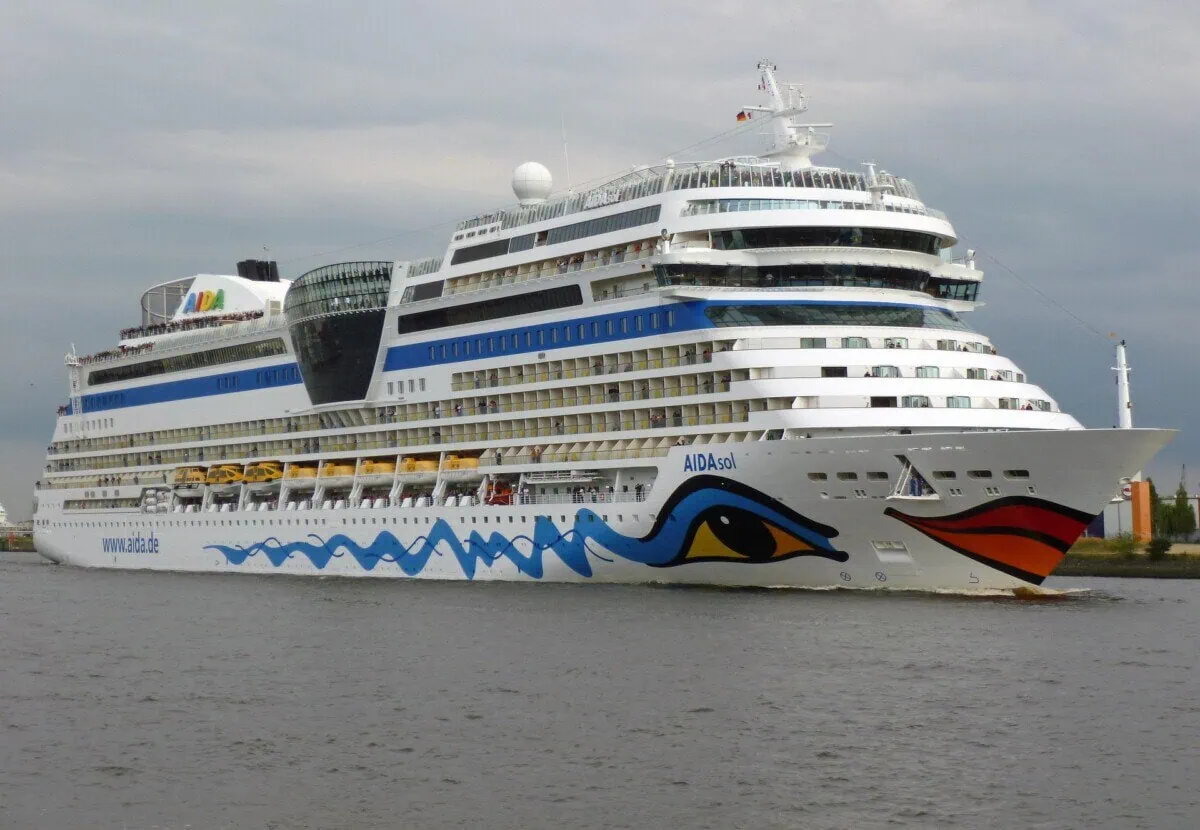
Riga sits on the Daugava River close to the Baltic Sea, and for a growing number of travellers the first Latvian ground they touch is not the airport but the deck of a cruise ship. The city’s cr...
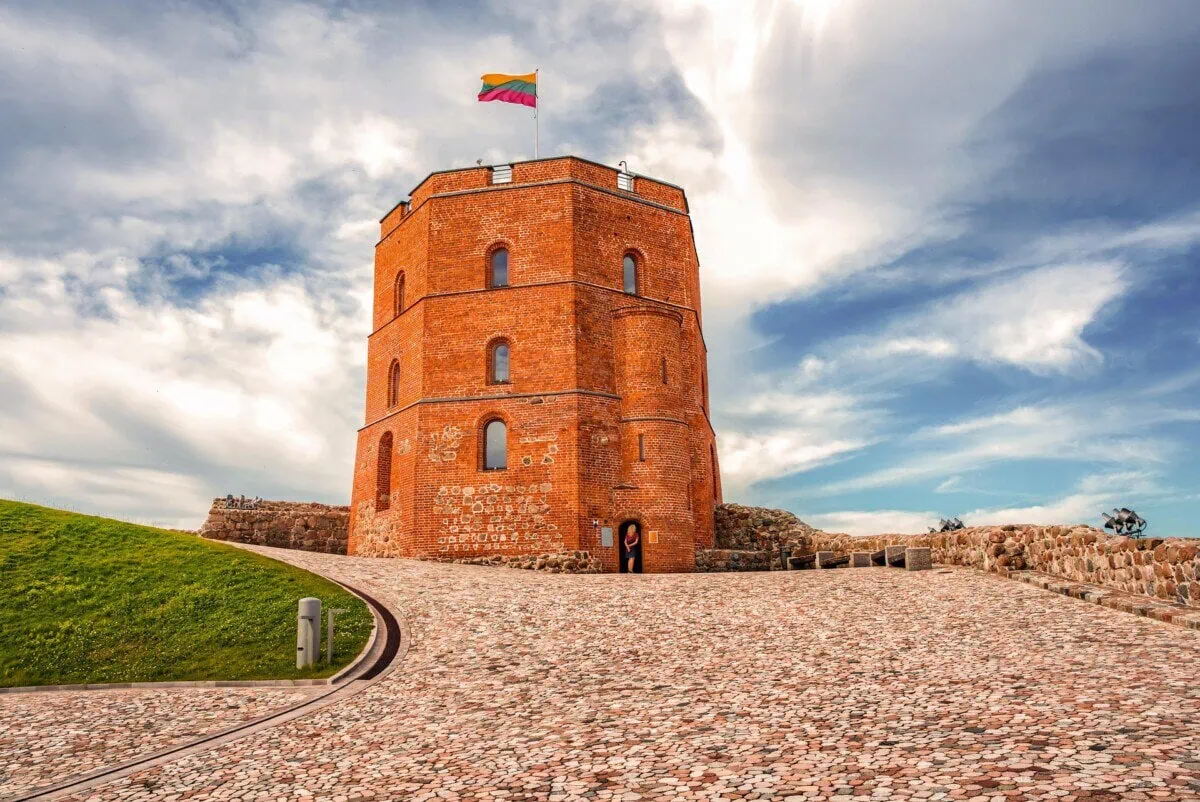
Vilnius is Lithuania’s capital and the largest of the three Baltic states’ capital cities, a compact, hilly city where medieval streets open onto some of Northern Europe’s finest Bar...
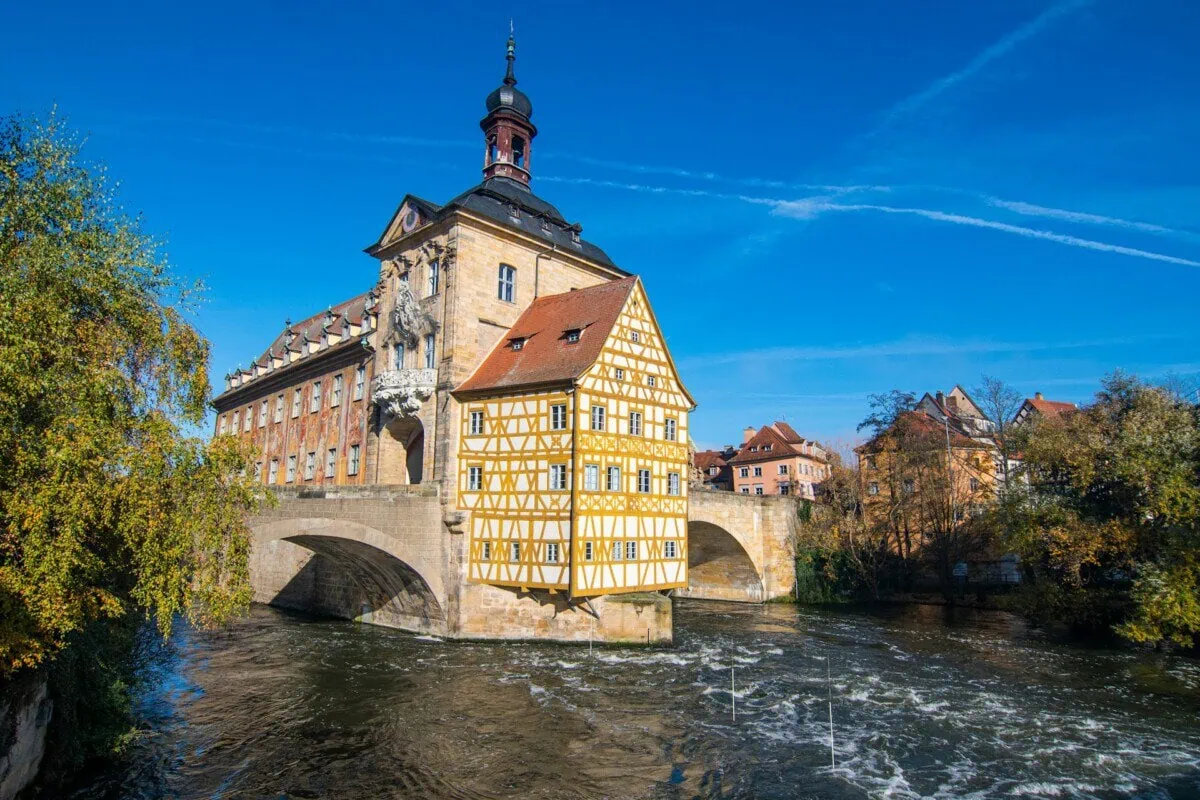
Nuremberg is one of the best-connected cities in Bavaria for day trips, sitting at the point where several regional rail lines converge across Franconia. From Nürnberg Hauptbahnhof, you can reach medi...
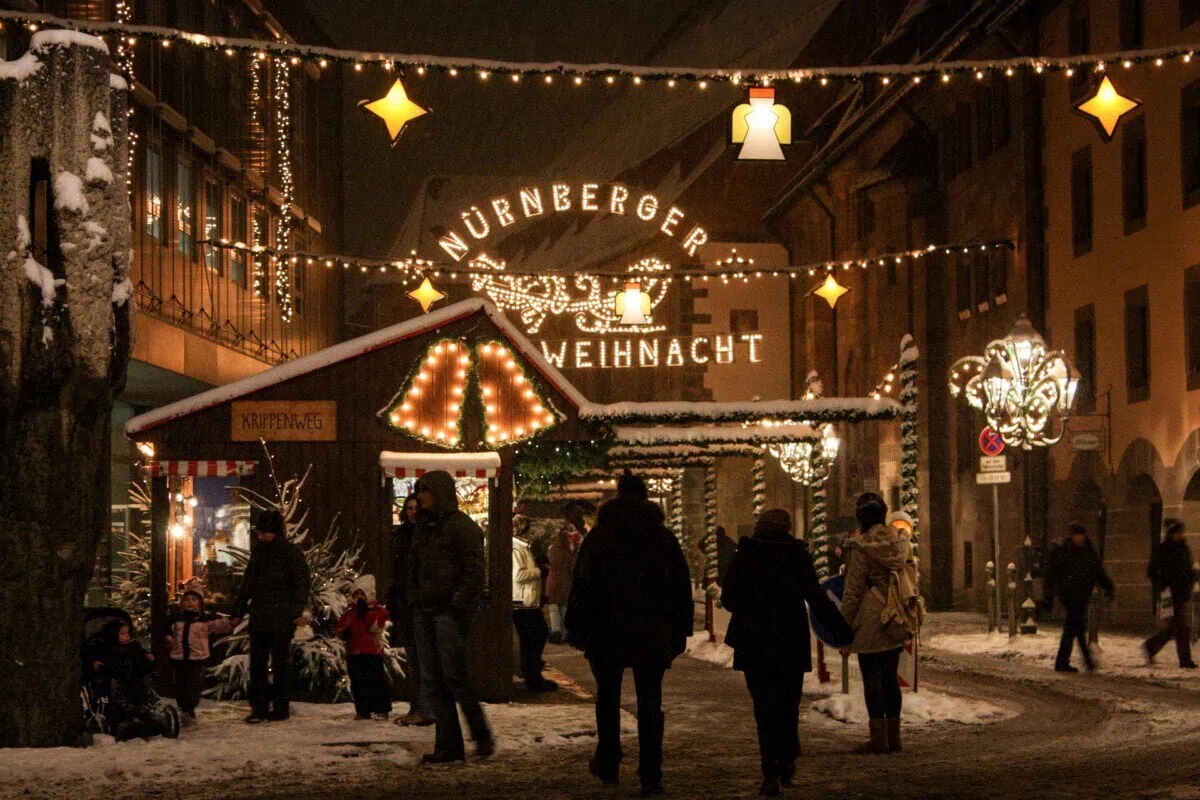
Nuremberg’s Christkindlesmarkt is one of the most famous Christmas markets in the world, filling the medieval Hauptmarkt square with red and white striped wooden stalls every Advent. It has run ...
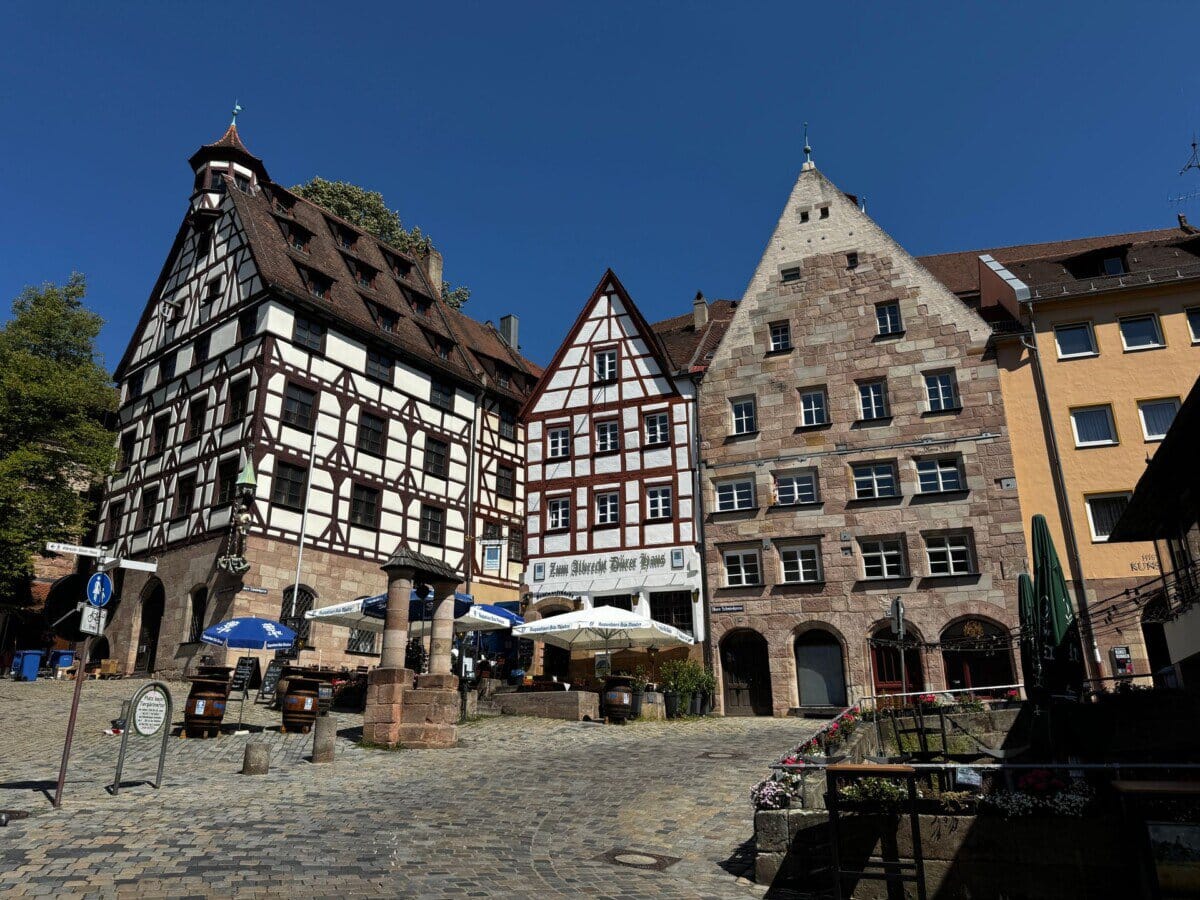
Why Nuremberg Airport Transfers Are Refreshingly Simple Landing at Nuremberg Airport comes with one enormous advantage that catches many first-time visitors off guard. Unlike most European airports, w...

Vilnius sits at the eastern edge of Lithuania, but the country’s small size means some of its best sights are barely an hour away by train or bus. A handful of destinations, from a fairytale isl...
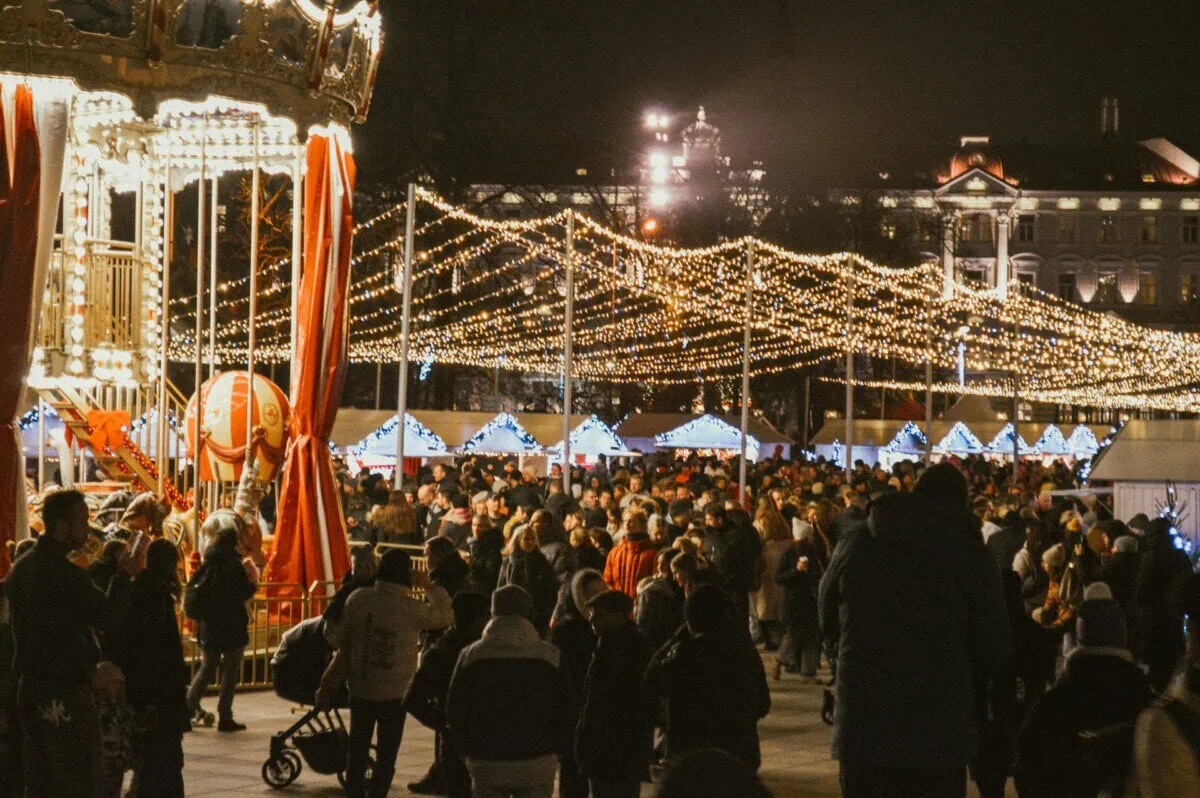
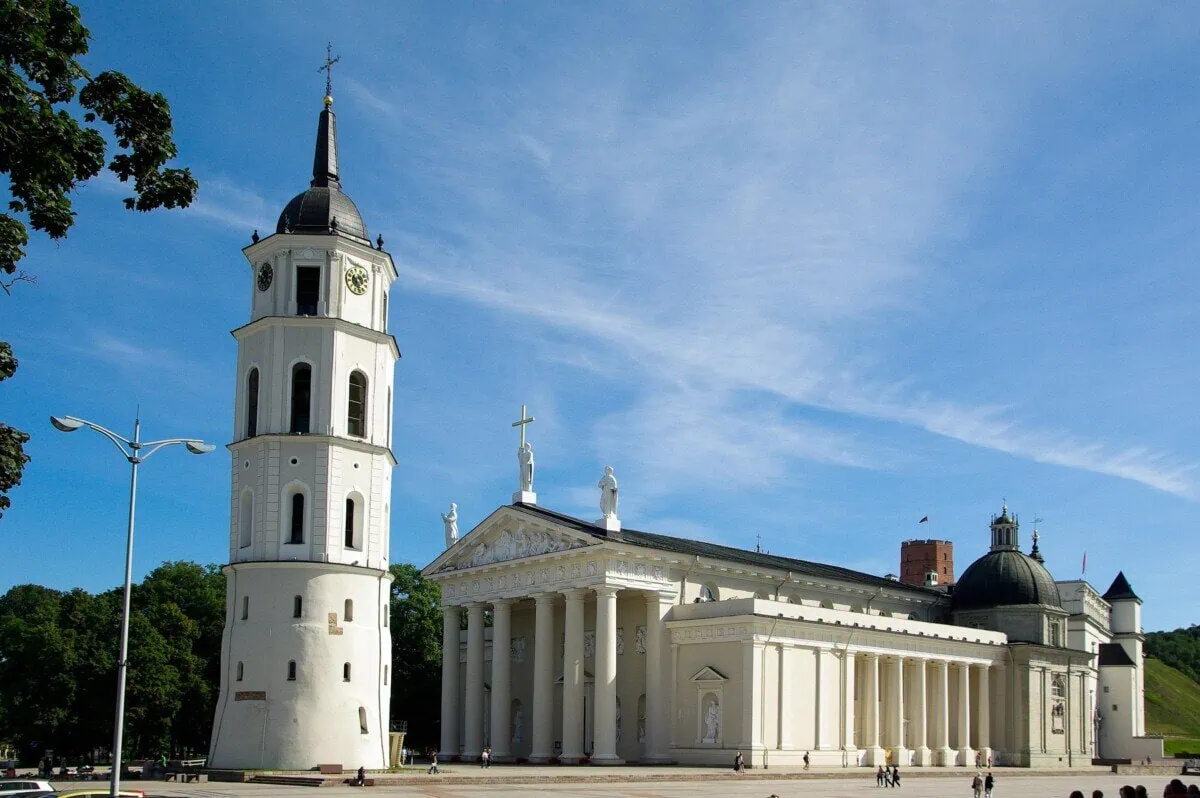
Vilnius’s Christmas market fills Cathedral Square every Advent, spreading wooden chalets across the wide open space in front of the city’s white colonnaded Cathedral. The square sits at th...
Why Vilnius Airport Transfers Work Differently Landing at Vilnius Airport means arriving at Lithuania’s busiest gateway, officially known as Vilnius International Airport and identified by the c...
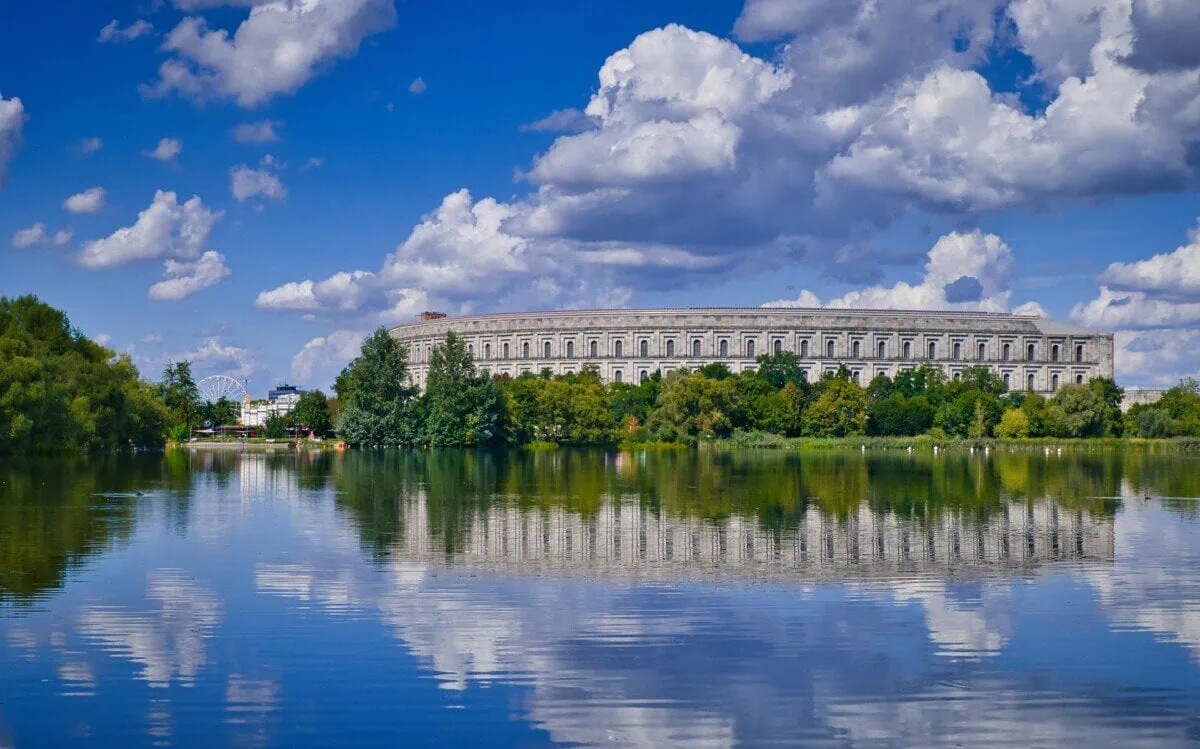
Nuremberg is Bavaria’s second city and one of Germany’s most historically layered, a place where a thousand years of imperial power, Renaissance art, and the darkest chapters of the 20th c...
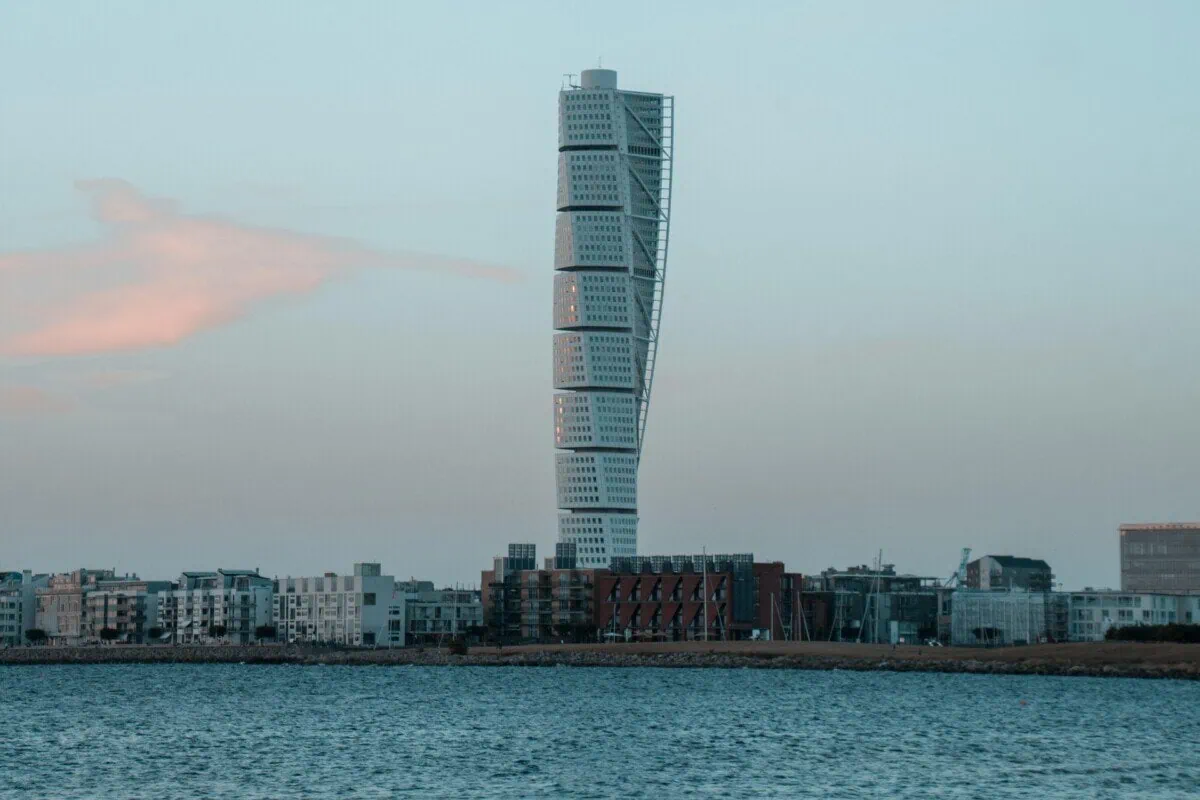
Malmö is the kind of city that rewards curiosity rather than a rigid checklist. Sweden’s third-largest city sits just across the Öresund Bridge from Copenhagen, yet it has spent the last two dec...
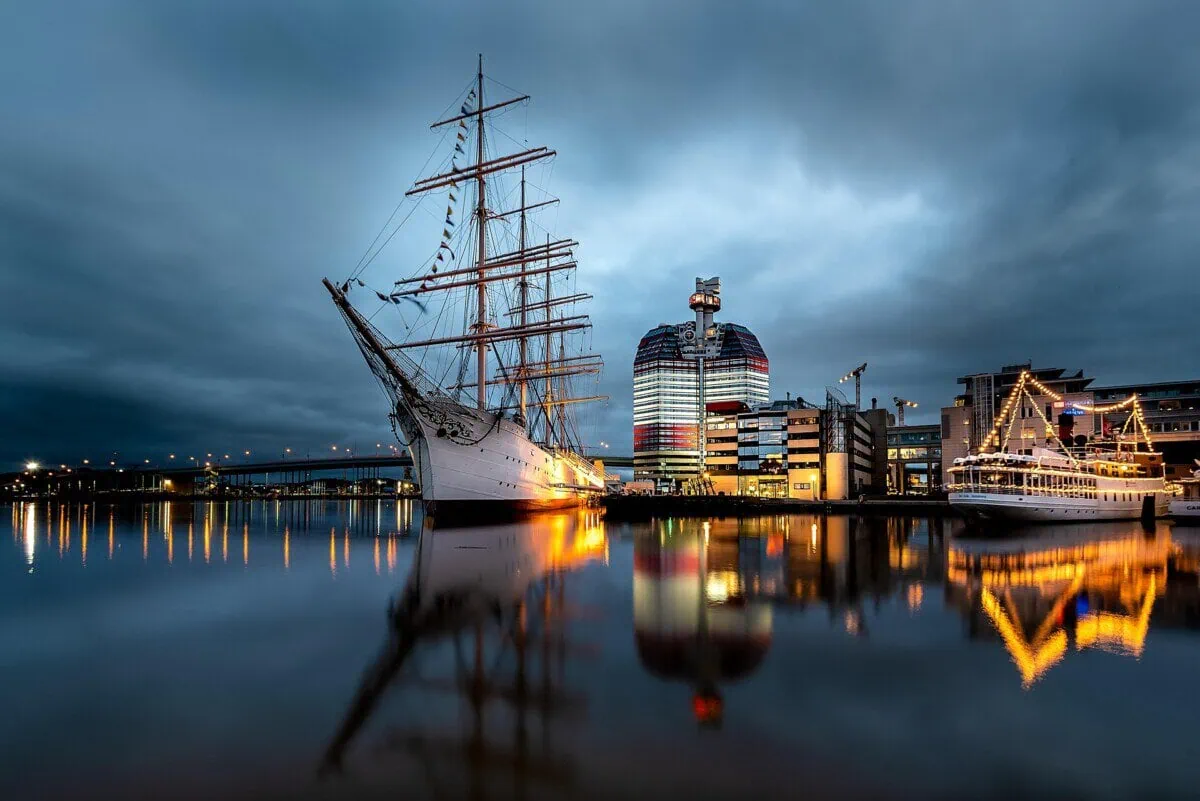
Gothenburg (Göteborg) is Sweden’s second-largest city and, by most locals’ own admission, its friendliest. Built around a network of 17th-century canals on Sweden’s west coast, it mi...
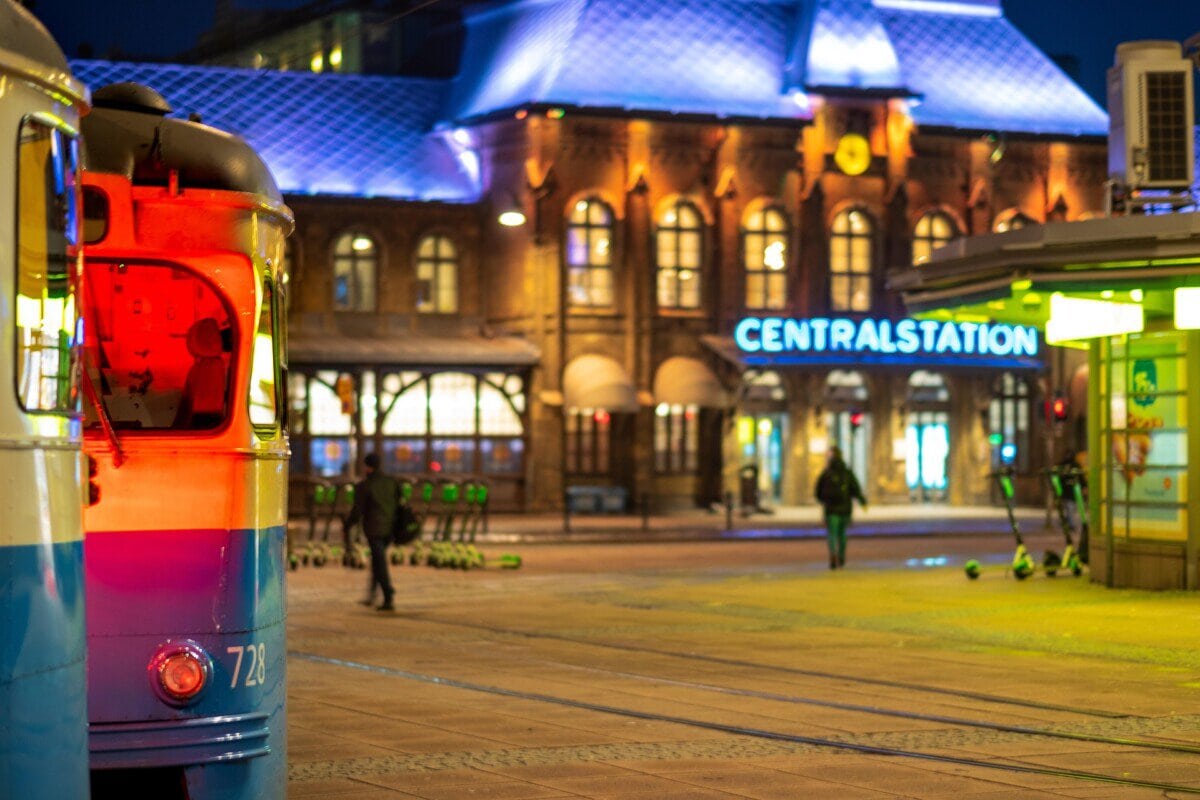
Why Landvetter Airport Matters for Gothenburg Travel Göteborg Landvetter Airport is the main international gateway to Sweden’s west coast and the country’s second-busiest airport after Sto...
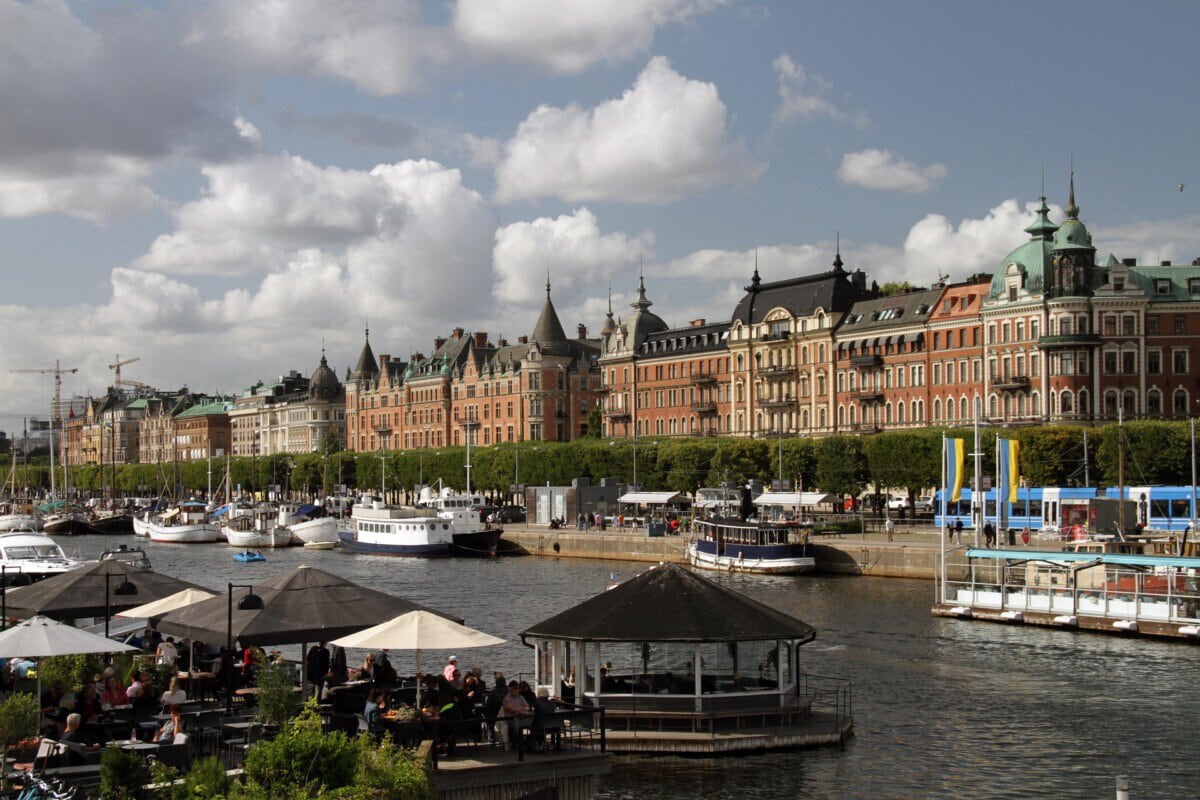
Stockholm is built across 14 islands stitched together by more than 50 bridges, and that geography does most of the work in making the city feel so easy to fall for. Medieval alleys, royal palaces, wo...
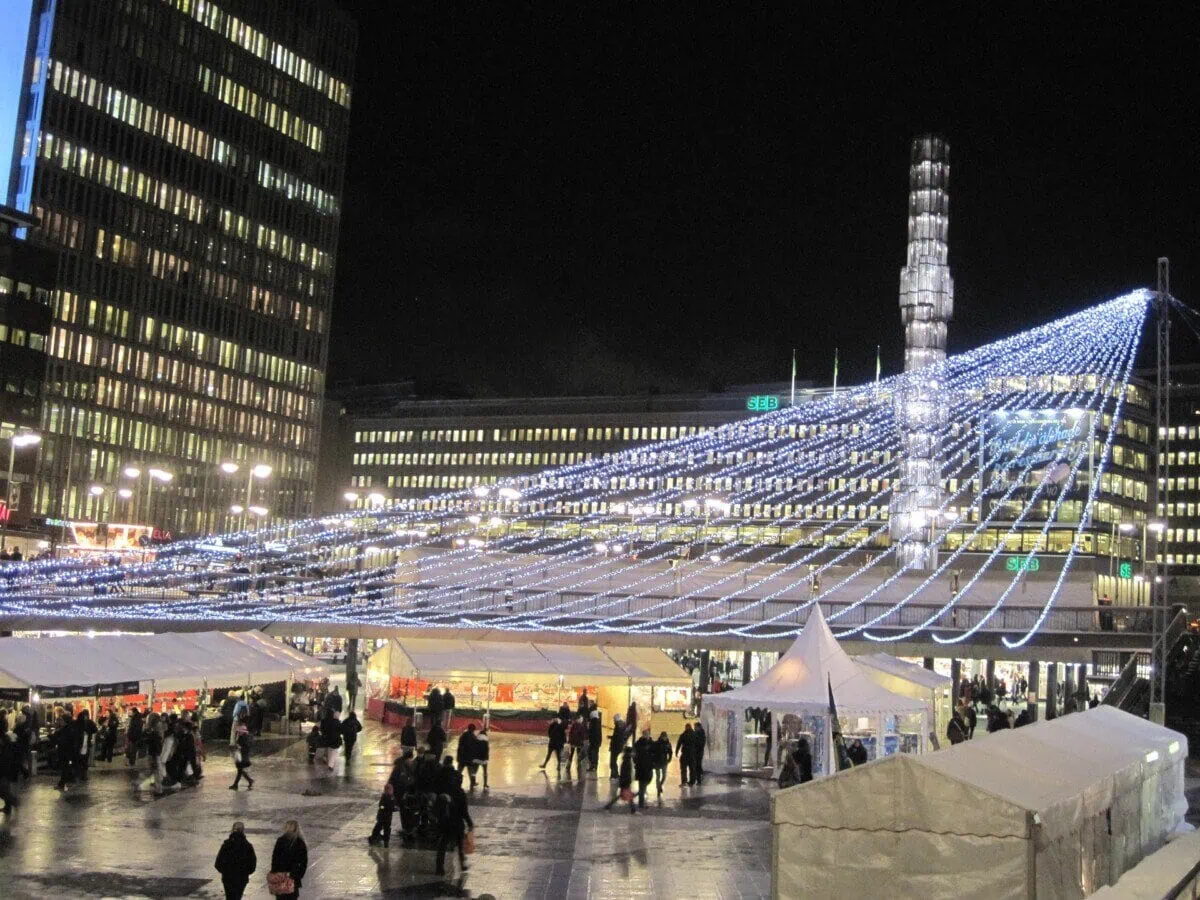
Stockholm takes Christmas seriously in a way that’s woven into the calendar rather than bolted on. The season stretches from the candlelit markets of late November through Lucia in mid-December,...
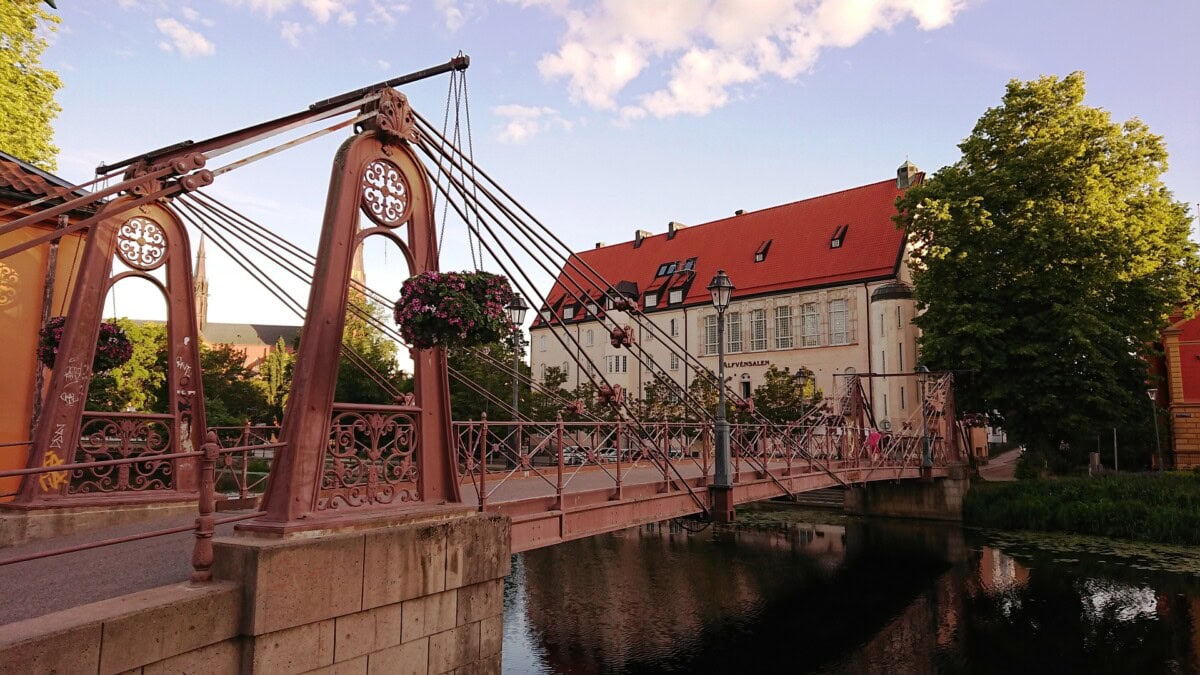
Stockholm sits at the point where Lake Mälaren meets the Baltic Sea, which means the city is ringed by an unusually rich mix of day-trip options: medieval towns, royal palaces, genuine Viking settleme...
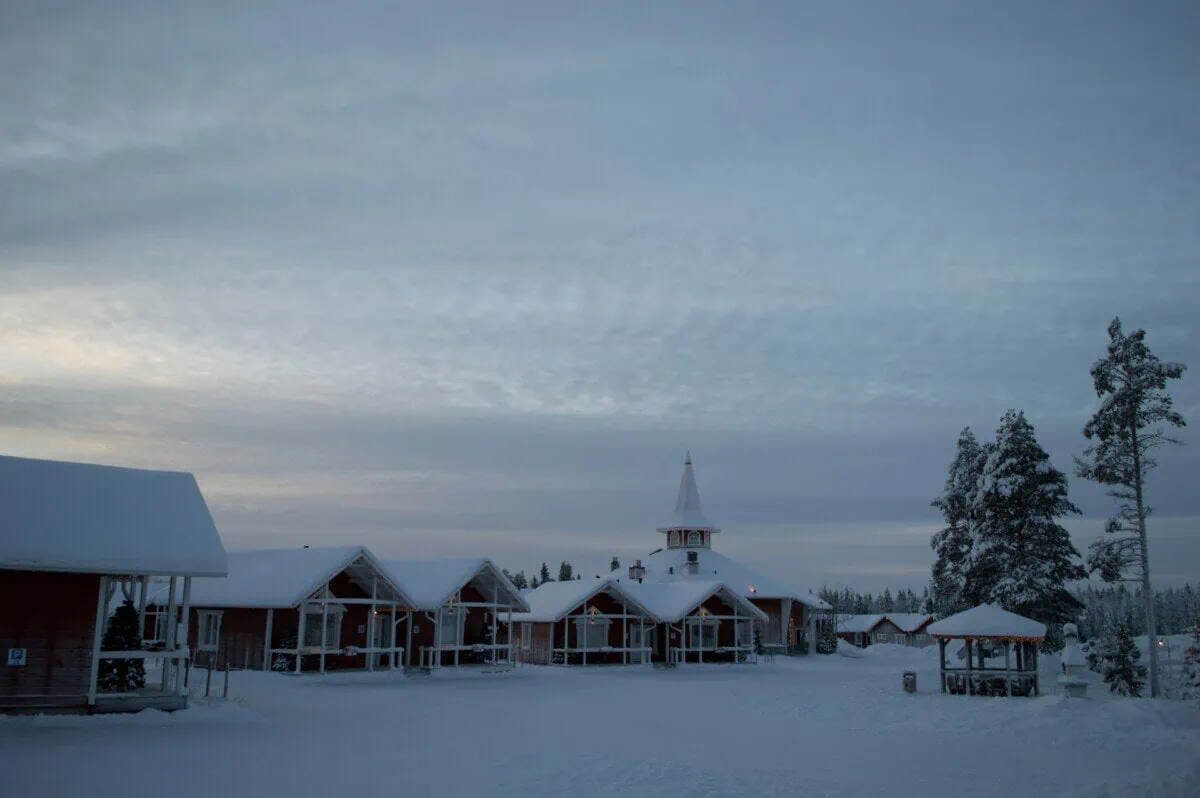
Rovaniemi Airport sits right at the edge of the Arctic Circle, and for most winter visitors it is the very first taste of Finnish Lapland after stepping off the plane. Direct flights connect the airpo...
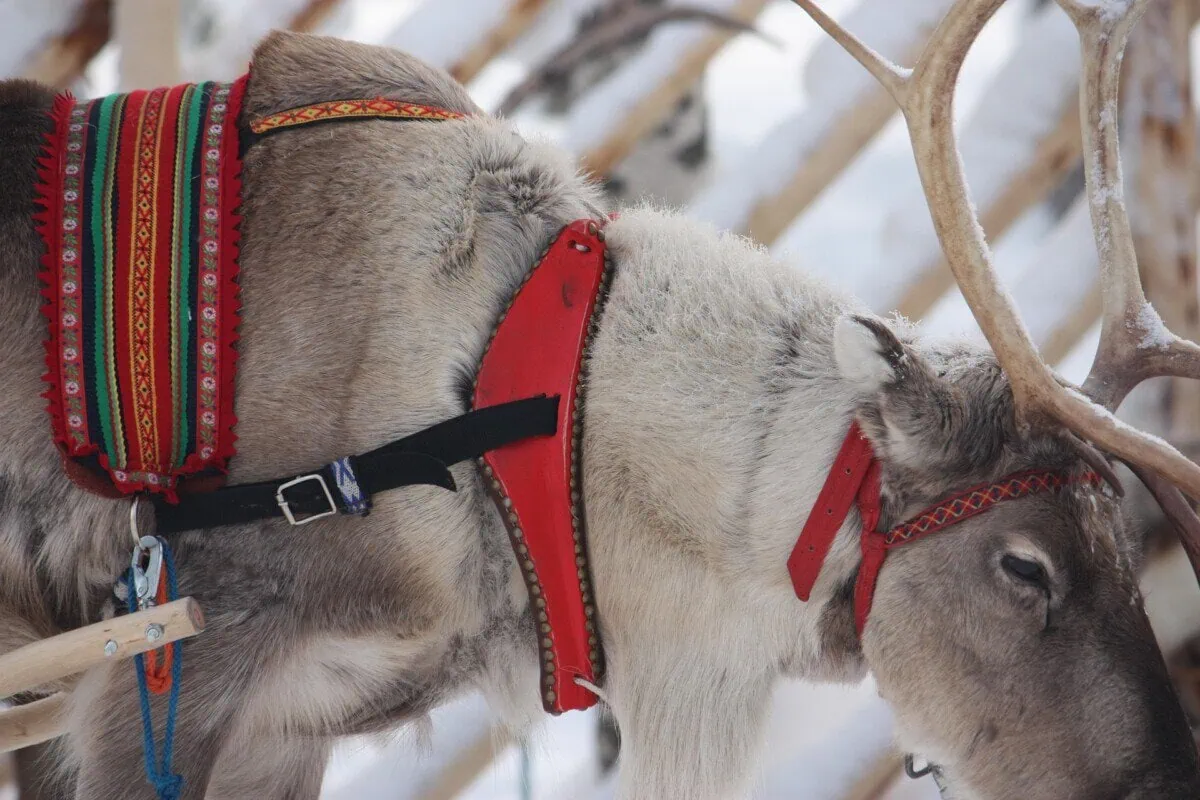
Rovaniemi is the official capital of Finnish Lapland, and while most visitors first hear of it as the home of Santa Claus Village, the city itself has grown into a genuinely rounded Arctic destination...
Travel discoveries, useful tips and behind-the-scenes moments from AppSavvyTraveller.