Reviewed by our editorial team Updated
Gothenburg (Göteborg) is Sweden’s second-largest city and, by most locals’ own admission, its friendliest. Built around a network of 17th-century canals on Sweden’s west coast, it mixes Dutch-influenced old-town architecture with a genuinely industrial, working-harbour identity that Stockholm’s more polished centre doesn’t share.
The city is home to Liseberg, Scandinavia’s largest amusement park, a fish market shaped like a Gothic church, and an archipelago of car-free islands reachable on a standard public transport ticket. It’s also become one of northern Europe’s more interesting food and craft beer cities, helped by a wave of small breweries and a genuinely multicultural population.
This guide covers 24 of the best things to do in Gothenburg, with practical prices, opening hours and transport notes throughout. Our separate guide to the Interrail Sweden Pass covers rail travel here from Stockholm and Malmö.
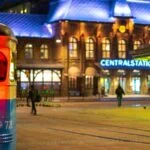
Prices below are quoted in Swedish krona (SEK) with approximate GBP, EUR and USD conversions. Most of the sights on this list sit within a 30-minute tram ride of Gothenburg Central Station, and a single travel card covers almost everything, including the archipelago ferries.
Gothenburg at a Glance
| Attraction | Type | Typical Cost |
|---|---|---|
| Liseberg | Amusement park | From 95 SEK admission |
| Universeum | Science centre and aquarium | 285 SEK |
| Gothenburg Museum of Art | Fine art museum | Paid entry |
| Maritiman | Floating ship museum | 150-175 SEK |
| World of Volvo | Automotive brand museum | 180 SEK |
| Go City Pass | Multi-attraction pass | From 549 SEK |
| Trädgårdsföreningen | 19th-century park and gardens | Free (Palm House paid) |
| Slottsskogen | Free city park and zoo | Free |
Several of the city’s best attractions, including Slottsskogen and Trädgårdsföreningen’s grounds, cost nothing at all, making Gothenburg a genuinely affordable city to explore on foot.
Liseberg: Scandinavia’s Largest Amusement Park
Liseberg has run since 1923 and has grown into the largest amusement park in Scandinavia, with more than 40 rides and attractions spread across landscaped gardens rather than a flat car park, which gives it a noticeably greener feel than most theme parks of its size.
The park’s headline rides include Helix and Balder, two of Europe’s better-regarded roller coasters, alongside gentler family attractions, live music, and a seasonal Christmas market that transforms the park each December.
Basic park admission starts from around 95 SEK (£7/€8/$9) when booked online, with separate ride passes or an admission-plus-rides combination ticket costing considerably more; children under 110cm enter free.
Liseberg runs its main season from spring through autumn, with a separate Christmas opening in winter, so it’s worth checking the current calendar on Liseberg’s own site rather than assuming it’s open on a specific date.
Best if you want daily housekeeping and a front desk. Filter by area first, then by price.
Check availabilityBest for families, or any stay past about four nights. A kitchen and a washing machine start paying for themselves.
Browse rentalsBest if you have already picked a hotel. Checks the big booking sites for the same room and shows who is cheapest.
Check dealsUniverseum: Sweden’s National Science Centre
Directly across the road from Liseberg, Universeum is Sweden’s national science centre, spread across ten floors and built around a genuinely striking indoor rainforest complete with free-flying birds, sharks in a large aquarium, and reptile enclosures.
A newer addition, Wisdome, is Sweden’s largest visualisation dome, showing immersive science and space films that work well as a change of pace from the hands-on exhibits elsewhere in the building.
Adult admission costs around 285 SEK (£21/€25/$27), with reduced rates for children, students and seniors, and free entry for children under three. The centre is designed with children firmly in mind, but the aquarium and rainforest hold up well for adult visitors too.
Allow at least three hours to see the building properly, since the ten floors cover considerably more ground than a typical science museum.
Haga District and the Giant Cinnamon Bun
Haga is Gothenburg’s oldest suburb, its cobbled main street, Haga Nygata, lined with restored wooden and stone governor’s houses that once housed 19th-century working-class families and now hold cafés, antique shops and artisan boutiques.
The district’s best-known export is its oversized cinnamon bun, served at several cafés along Haga Nygata and considerably larger than the standard Swedish kanelbulle, making it something of a rite of passage for first-time visitors.
Haga narrowly avoided demolition during a wave of 1960s and 70s urban renewal that flattened similar districts elsewhere in Sweden, and its survival is now treated as something of a local point of pride.
The area is entirely free to wander, and it connects easily on foot to both Skansen Kronan above it and the canals below, making it a natural midpoint for a walking day.
Ocean Bus: A Sightseeing Tour That Drives Into the Harbour
Gothenburg’s best-known novelty tour is the Ocean Bus, an amphibious vehicle that spends the first half of its roughly 55-minute route driving through the city’s streets with a live guide narrating in English and Swedish, before rolling straight off a ramp and into the harbour, where it transforms into a boat for the second half of the trip.
Tickets run from around 360 SEK (£27/€31/$34), and the tour is genuinely popular, holding one of the highest satisfaction ratings of any Gothenburg activity. Water does splash into the open sections as the bus enters the harbour, so waterproof or quick-drying layers are worth wearing rather than a good coat, and the operator generally runs several departures a day between late morning and early evening.

Götaplatsen and the Poseidon Statue
Götaplatsen, at the top of Avenyn, was built for Gothenburg’s 1923 World’s Fair and remains the city’s civic heart, framed by the Museum of Art, the City Theatre and the Concert Hall in a single formal square.
At its centre stands Poseidon, a seven-metre bronze by sculptor Carl Milles, unveiled in 1931 in front of thousands of spectators. The statue’s unusually muscular proportions drew mixed reviews at the time, but it’s since become one of the city’s most recognisable landmarks.
The square sits at the natural end point of a walk up Avenyn, Gothenburg’s grand boulevard, and works well as a late-afternoon stop before continuing into the Museum of Art itself.
The whole square is free to visit, and it’s especially striking in the evening once the surrounding buildings are lit.
Gothenburg Museum of Art
The Gothenburg Museum of Art, overlooking Götaplatsen, holds a genuinely impressive Nordic collection running from the 15th century to the present, and has been awarded three stars in the Michelin Green Guide, an unusually high rating for a regional museum.
Beyond its strong Nordic holdings, the museum’s international rooms include work by Rembrandt, Monet, Picasso and Chagall, giving visitors a genuine mix of Scandinavian and wider European art within a single visit.
The building itself, completed for the 1923 World’s Fair, is a monumental brick structure that suits the scale of the collection inside, with rotating temporary exhibitions supplementing the permanent galleries.
Guided tours run year-round, and the museum’s café inside the main hall is a pleasant stop regardless of how much time is spent with the art itself.
The Old Town Sightseeing Tour: A Trolley Through the Historic Streets
For visitors who would rather sit than walk, a weatherproof sightseeing trolley runs a short loop through Gothenburg’s old town, typically departing from central stops near Gustaf Adolfs Torg and passing the canals, Kronhuset and the cathedral district over about 40 minutes, with commentary available through an optional audio guide covering the city’s founding and Dutch-influenced architecture.
Tickets run from around 160 SEK (£12/€14/$15), making it one of the cheaper guided options on this list, and it works well as a first orientation lap before setting out on foot to revisit specific stops such as Feskekörka or Kronhuset in more depth.
Best if you can move a day either way. Shows how the fare changes across the month.
Compare flightsBest for anyone whose home plan charges by the megabyte abroad. Pay a fixed price up front.
Check eSIMsBest after a long flight or a late landing. Price agreed before you travel, and no taxi queue.
Check transfersFeskekörka: The Fish Church
Feskekörka (“Fish Church”) opened as a fish auction hall on 1 November 1874, designed by city architect Victor von Gegerfelt in a pillar-free style deliberately inspired by Norwegian and Gothic churches, which is exactly where its nickname comes from.
The building served as a working fish auction house until 1910, when the auctions moved to the nearby fishing harbour, after which it settled into its current role as a food hall lined with fishmongers and small restaurants.
Stalls on either side of the hall sell fresh fish, shrimp and shellfish straight off the boats, and several offer tastings, making lunchtime the best time to visit if the goal is a proper shrimp sandwich rather than just sightseeing.
The building has held protected heritage status since 2013, and its striking Gothic silhouette on the canal makes it worth a look even for visitors with no particular interest in seafood.
The Gothenburg Go City Pass: One Ticket for 20+ Attractions
Visitors planning to pack in several paid sights can skip buying individual tickets with the Go City All-Inclusive Pass, which bundles entry to more than 20 Gothenburg attractions, including the Röhsska Museum, a Paddan canal cruise and the city’s hop-on hop-off bus, into a single digital pass valid for 1, 2, 3 or 5 consecutive days.
Passes start from around 549 SEK (£41/€47/$52) for a single day, and the pass only really pays for itself once three or four paid attractions are visited within the validity window, so it suits a packed two or three-day itinerary better than a single-sight day trip.
The pass actually comes in two tiers. An Essentials pass suits a lighter visit, covering three attractions from a shortlist of the city’s most popular sights plus two more from a wider list, valid across a rolling 30-day window rather than requiring consecutive days. The All-Inclusive pass already covered above gives unlimited entry to everything on the list for its full 1 to 5-day validity, and both work through a single app, scanning a QR code at each attraction’s entrance rather than juggling separate paper tickets.
The maths is worth doing before buying: a single visit each to Universeum (285 SEK), a Paddan canal cruise, and Maritiman already adds up to more than the price of a single-day All-Inclusive pass, before the hop-on hop-off bus, an archipelago tour, or the Museum of Gothenburg are factored in on top, all of which are also included. Go City’s own policy promises to refund the difference if a visitor’s actual attraction spending would have come in cheaper paying individually, which takes most of the risk out of guessing wrong.
Where it stops making sense is a slower-paced trip built mainly around Gothenburg’s free sights, Slottsskogen, Trädgårdsföreningen and a walk through Haga, since a pass bought for a day spent mostly outdoors and unticketed has little chance of paying for itself. As a rule of thumb, three or more paid attractions within the pass’s validity window is the point at which it reliably beats paying for each one separately.
Maritiman: A Floating Ship Museum
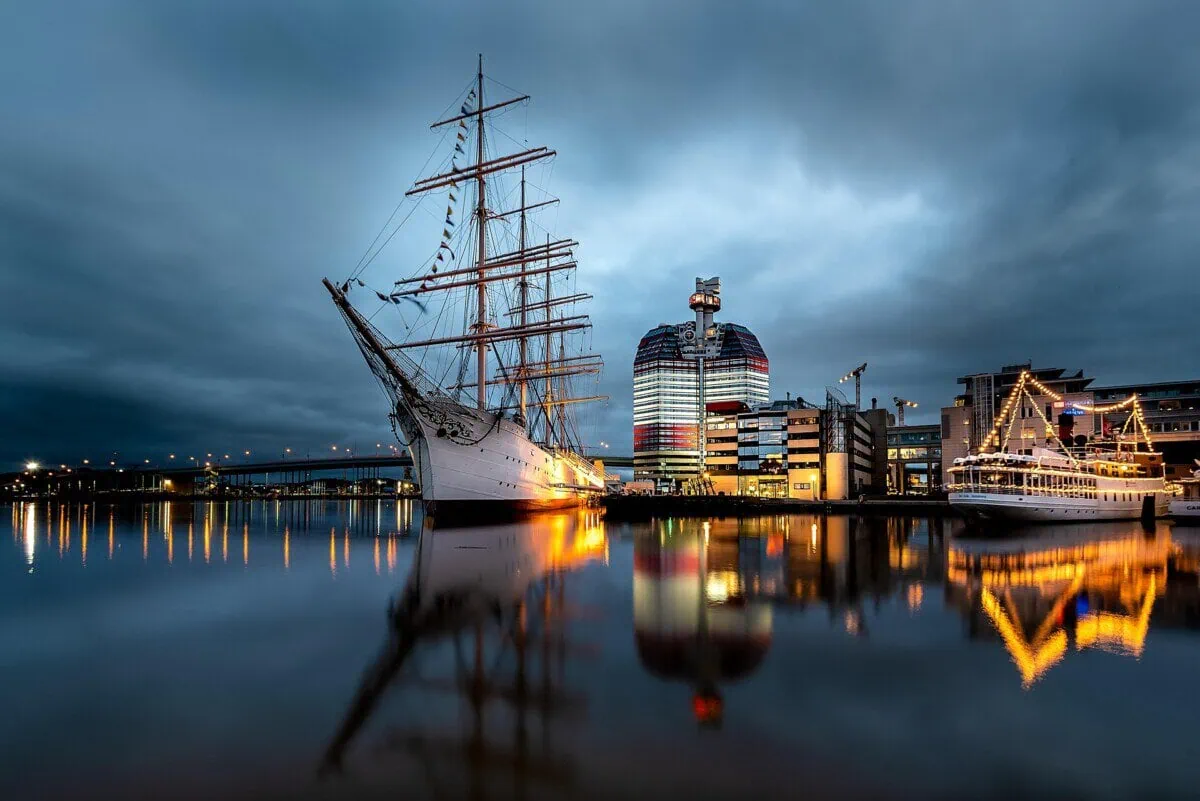
Maritiman, moored on the harbourfront, bills itself as one of the world’s largest floating ship museums, made up of an actual working collection of vessels rather than static replicas or models.
The highlights are the submarine Nordkaparen and the destroyer Småland, both open for visitors to walk through, alongside a towboat, a fireboat, a port ferry and several other working vessels moored along the same stretch of quay.
Adult tickets cost around 150-175 SEK (£11-13/€13-15/$14-17) depending on whether it’s a standard or special programme day, with reduced rates for children, students and seniors, and a season pass that pays for itself after two visits.
The museum runs extended summer hours from mid-June to the end of August, with reduced pricing on weekdays during spring and autumn, so checking the current schedule is worth doing outside peak season.
A Paddan Canal Boat Tour
The Paddan canal boats have run Gothenburg’s waterways for decades and remain the classic way to see the city from the water, departing from Kungsportsplatsen near the main tourist office.
The tour lasts around 50 minutes and passes beneath roughly 20 low bridges, including the notorious “Cheese Slicer” (Osthyveln), so low that passengers have to crouch to the floor of the open-topped boat to get under it.
Around 100,000 visitors a year take the tour, a genuine sign of how established it’s become, and it passes several sights covered elsewhere on this list, including the canals around Feskekörka and Kronhuset.
Boats run seasonally, and booking a slot in advance online is worth doing in peak summer to avoid a long wait at the departure point.
Trädgårdsföreningen: The Garden Society
Trädgårdsföreningen was founded in 1842 by King Carl XIV Johan, following a proposal from amateur botanist Henric Elof von Normann, and it’s now regarded as one of the best-preserved 19th-century parks in Sweden.
The park’s rose garden holds around 4,000 roses across 1,900 varieties, a collection significant enough to earn its own recognition in the Michelin Green Guide, and it’s at its best from June through August.
The 19th-century Palm House, one of several greenhouses on site, charges a small separate admission fee and holds a genuinely tropical collection that feels a world away from the park’s formal Nordic gardens outside.
Entry to the wider park is free, and its central location, a short walk from Central Station, makes it an easy first or last stop on a day of sightseeing.
Skansen Kronan: A 17th-Century Fortress
Skansen Kronan, perched on a hill above Haga, was built in the 1680s as a defensive fortress guarding the city’s western approach, part of a pair with Skansen Lejonet on the opposite hill.
Over the centuries the fortress has served as a prison, emergency housing, and a small museum, though its main draw today is less about the building’s interior and more about the view from its grounds.
A small waffle café operates from the fortress in season, with an outdoor terrace that looks out over Haga’s rooftops and much of central Gothenburg beyond.
The climb up from Haga takes only a few minutes, making it an easy add-on to a visit to the district below rather than a separate excursion.
Best for short city stops where being central matters more than the room. Dorms and private rooms both listed.
See hostelsBest for anyone flying more than once or twice a year. Handles the compensation claim so you are not chasing the airline.
See AirHelp+Best if your room is not ready yet. Left luggage booked in advance, so you are not hunting for a locker.
Check storageWorld of Volvo: Inside the Automaker’s New Home
World of Volvo opened in April 2024 near Liseberg, replacing the older Volvo Museum on Hisingen island with a striking 22,500-square-metre building designed by Danish firm Henning Larsen, its upper floor built from glulam and cross-laminated timber columns that fan outward like tree trunks beneath a partly grass-covered roof that’s open to visitors.
Inside, exhibits trace the brand’s history through pieces including the 1970s Volvo Experimental Safety Car, an early pioneer of anti-lock brakes and airbags, and a wartime White Bus used by the Swedish Red Cross to rescue concentration camp prisoners in 1945, alongside a restaurant, a bar and an interactive driving simulator. Entry tickets cost around 180 SEK (£13/€15/$17).
Slottsskogen: Gothenburg’s Free City Park
Slottsskogen is Gothenburg’s largest and most-used city park, a sprawling green space with lakes, walking trails and open lawns that fills with locals picnicking and exercising on any warm day.
Unusually for a city park, it also holds a small free zoo, with resident moose, seals, penguins and a children’s petting zoo, none of which require a ticket beyond simply walking into the park.
The park connects directly to the Botanical Garden, home to more than 20,000 plant species, making it easy to combine both in a single longer walk for anyone with a genuine interest in gardens.
Because it’s entirely free and easily reached by tram, Slottsskogen is one of the best low-cost family days out anywhere in the city.
Nordens Ark: A Conservation-Focused Wildlife Park Near the City
For visitors with a car and a full day to spare, Nordens Ark is a 383-hectare wildlife park roughly 120km north of Gothenburg in Bohuslän, focused specifically on breeding programmes for endangered Nordic wildlife and heritage farm breeds rather than general zoo-style exhibits, with around 80 species including Amur tigers, lynx and European wildcats across naturalistic enclosures.
The park has run breeding and re-population projects for species including white storks and lynx since it opened in 1989, and a working farm section shows native Swedish livestock breeds alongside the wilder exhibits. Entry tickets are bookable online from around 305 SEK (£23/€26/$29), and opening hours vary considerably between the summer high season and winter, so checking the current calendar before setting out is worth doing.

The Gothenburg Archipelago
Gothenburg’s southern archipelago is made up of entirely car-free islands, including Brännö, Styrsö, Donsö and Vrångö, reachable directly from the Saltholmen ferry terminal on a standard Zone A public transport ticket.
Reaching Saltholmen itself takes around 25-35 minutes by tram or bus from the city centre, and the ferries themselves run frequently enough through the day to make a spontaneous island visit genuinely easy.
The islands themselves are largely residential and low-key, with red-painted wooden fishing cottages, small beaches, and a handful of seasonal cafés rather than a developed tourist infrastructure.
The northern archipelago, reachable by car ferry from Lilla Varholmen, offers a different, more road-connected alternative for anyone travelling with a vehicle.
The Archipelago Cruise with Guide: A Longer Look by Boat
For a more structured alternative to island-hopping independently, a guided archipelago cruise aboard the classic ship M/S S:t Erik covers Gothenburg’s harbour and southern archipelago over roughly 2.5 hours, with live narration pointing out the fishing villages, lighthouses and channels that a self-guided ferry trip would pass without context.
Tickets cost around 430 SEK (£32/€37/$41), considerably more than the standard public ferry fare, but it suits visitors short on time who want a single outing covering more ground than a single-island stop, and versions with lunch or a Swedish fika are also available from the same operator.
Kronhuset and Kronhusbodarna
Kronhuset, dating to the 1650s, is Gothenburg’s oldest secular building still standing, originally built as an arsenal and assembly hall for the Swedish military during the city’s earliest decades.
Around its courtyard, the smaller 17th-century buildings of Kronhusbodarna now house artist studios, small galleries, a chocolate shop and a handful of fine craft and design workshops.
The courtyard has a distinctly artisanal, workshop feel rather than a polished retail one, and several of the resident craftspeople work in view of visitors rather than behind a closed studio door.
It’s a quiet, free stop tucked just off the main tourist routes, and combines naturally with a wider walk through the surrounding canal district.

Saluhallen Market Hall
Saluhallen has operated as a covered food market since the mid-19th century, its cast-iron and brick interior lined with independent stalls selling cheese, cured meats, fresh vegetables and prepared food.
Unlike Feskekörka’s fish-only focus, Saluhallen covers a broader range of produce, making it a better stop for a proper lunch than a quick snack, with several stalls offering sit-down meals alongside their counters.
The hall sits close to Kungstorget and the city’s main shopping streets, making it easy to combine with a wider afternoon of browsing rather than requiring a dedicated trip.
Weekday lunchtimes are the liveliest, and the hall gets noticeably quieter, though still open, later in the afternoon.
The Hop-On Hop-Off Sightseeing Bus
A 24-hour hop-on hop-off bus ticket loops past most of the sights on this list, including Feskekörka and the striking Lilla Bommen office tower nicknamed “the Lipstick,” with an optional audio guide and the flexibility to hop off at any stop and rejoin a later bus once finished.
Tickets cost around 361 SEK (£27/€31/$34) for 24 hours, pricier than a single Paddan or Old Town trolley ticket, but it works well for visitors covering the wider city in a single day without relying on trams and buses between each stop.
The full circuit runs to eight stops: Kungsportsplatsen/Stora Teatern, Järntorget, Slottsskogen, Haga, Valand/Avenyn, Götaplatsen, Drottningtorget and Brunnsparken/Lejontrappan, taking around 50 minutes door to door if you stay aboard the whole way rather than hopping off anywhere. An audio guide plays through onboard headphones in six languages, including English and Swedish, and buses run open-top when the weather cooperates.
Departures run roughly every 30 minutes between late morning and mid-afternoon during the July to mid-August peak, but drop back to a handful of fixed daily times in the shoulder season and a weekends-only timetable outside it, so it’s worth checking the current schedule before planning a full day of hopping on and off. A combined bus and boat ticket, pairing this route with a Paddan canal cruise on the same day, costs around 499 SEK (£37/€43/$47), which works out cheaper than buying both separately if a canal cruise is already on the itinerary.
It earns its price mainly for visitors covering ground that Gothenburg’s trams don’t reach as directly in one loop, particularly Slottsskogen and Haga, without doubling back through downtown transfers between each. For a trip centred on just one or two central sights within easy walking distance of Avenyn, a standard Västtrafik tram fare works out considerably cheaper than the full 24-hour ticket, so it’s worth being honest about how much ground you’ll actually cover before buying.
Avenyn: Gothenburg’s Grand Boulevard
Avenyn (Kungsportsavenyn) is Gothenburg’s wide, tree-lined main boulevard, running in a straight line from Kungsportsplatsen up to Götaplatsen and the Poseidon statue, and modelled loosely on the grand boulevards of continental Europe.
The street mixes flagship shops, restaurants and outdoor café terraces, and it’s the natural spine for a first walking orientation of the city, connecting the harbour area to the museum district in a single straightforward route.
In the evening, Avenyn becomes one of the city’s main spots for dinner and drinks, with a noticeably livelier, younger crowd than the quieter streets of Haga or the old town.
Walking the full length takes around 15 minutes, though most visitors end up stopping several times along the way, whether for a coffee or a browse through one of the shops.

Gothenburg’s Craft Beer Scene
Gothenburg has developed one of Scandinavia’s more serious craft beer scenes, with roughly 40 breweries now operating in and around the city, a scale that’s unusual for a metro area of its size.
Well-known local names include Stigbergets, Poppels, Dugges and Beerbibliotek, each running its own taproom, and several offer brewery tours or tasting flights for visitors keen to try a proper range rather than a single pint.
Many of these taprooms cluster in the Majorna and Linnéstaden neighbourhoods, both a short tram ride from the centre, giving the craft beer scene a genuinely local, unpolished feel rather than a purely tourist-facing one.
Sweden’s alcohol pricing rules mean a pint here still costs more than in much of continental Europe, but the quality and variety on offer has made Gothenburg a genuine destination for beer enthusiasts.
Second-Hand and Design Shopping
The Majorna district, west of the centre, has become Gothenburg’s go-to neighbourhood for vintage and second-hand shopping, with a concentration of independent shops that’s noticeably denser than anywhere else in the city.
Forum, in Majorna, bills itself as the largest vintage and design store in the Nordics, and it’s worth setting aside a proper hour to browse rather than a quick pass-through.
Closer to the centre, Magasinsgatan holds a run of Swedish design boutiques, including well-known names like Nudie Jeans and Acne Studios alongside smaller independent labels.
Between the two districts, visitors get a genuine contrast between Gothenburg’s polished design scene on Magasinsgatan and its scrappier, more affordable vintage culture in Majorna.

Rupert’s Handy Travel Tips
Rupert reckons Gothenburg is Sweden’s most underrated city, and a proper visit needs a mix of paid sights and entirely free ones.
- Buy Liseberg tickets online: it’s cheaper than paying at the gate, and no physical ticket is needed.
- Take the archipelago ferry on a normal transport ticket: the southern islands are covered by a standard Zone A pass.
- Eat at Feskekörka around lunchtime: the fish stalls and tastings are at their best before the afternoon lull.
- Crouch for the Cheese Slicer: the Paddan boat tour passes under a bridge so low you’ll need to duck.
- Save Slottsskogen for a sunny day: the free zoo and lawns are best enjoyed outdoors rather than rushed.
Want to meet the reindeer behind our travel tips? Find out more in our page Who is Rupert?.




Frequently Asked Questions About Things to Do in Gothenburg
How many days do you need in Gothenburg?
Two full days cover the main sights comfortably, including Liseberg, the old town canals and Haga, while a third day allows time for the archipelago or Slottsskogen.
Is Gothenburg or Stockholm better to visit?
They’re different rather than directly comparable: Stockholm has more grand architecture and museums, while Gothenburg offers a friendlier, more relaxed pace, a working harbour feel, and easier access to a genuine archipelago.
What is Gothenburg famous for?
Liseberg amusement park, its 17th-century canals, the Feskekörka fish market, a strong craft beer scene, and its role as Sweden’s main port city.
Can I visit the archipelago without a car?
Yes, easily. The southern archipelago islands are entirely car-free and reachable from Saltholmen ferry terminal on a standard public transport ticket.
Is Slottsskogen zoo free?
Yes. The park and its resident moose, seals and penguins are free to visit, with no separate ticket required beyond simply walking in.
What should I eat in Gothenburg?
A shrimp sandwich or fresh seafood at Feskekörka, a giant cinnamon bun in Haga, and a craft beer flight at one of the city’s many taprooms in Majorna or Linnéstaden.
Further Reading
Anyone flying in should also read our Gothenburg Airport Transfers guide, covering Flygbussarna, taxis and car hire from Landvetter Airport.
For rail travel onward to Malmö or Stockholm, see our Interrail Sweden Pass guide, covering routes, prices and booking across the country.
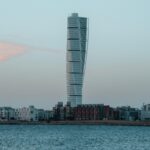
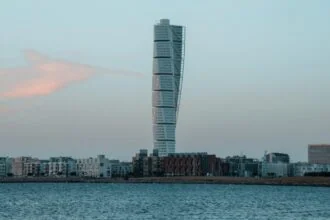
For more on Sweden’s third-largest city, our Things to Do in Malmö guide covers the Turning Torso, old town and beaches in full.