Reviewed by our editorial team Published
Bucharest sits at the foot of the Carpathian Mountains, and that position is what makes it such a strong base for day trips. Sinaia and Peleș Castle are barely ninety minutes away by train, the royal necropolis at Curtea de Argeș rewards a longer journey south, and the whole Transylvanian trio of Peleș, Bran and Brașov gets grouped together on almost every organised tour leaving the capital.
Most of these trips are genuinely doable without a car. CFR Călători, the state rail operator, runs frequent InterRegio and InterCity services north out of Gara de Nord, and a couple of the closer options, Snagov and Mogoșoaia, sit close enough to reach on local buses, even if the connections take a little more patience than a straight train ride.
This guide also looks further afield than the usual Transylvania run. Veliko Tarnovo, Bulgaria’s former medieval capital, is a genuinely realistic long day trip across the Danube via the Giurgiu-Ruse crossing, and it earns its place here as a proper alternative for anyone who has already covered Sinaia, Bran and Brașov on a previous visit.
What follows covers each destination’s real journey time, transport options and how much of a day it actually costs, plus two questions worth answering honestly before booking anything: which of these trips work without a car, and whether cramming Peleș, Bran and Brașov into one day is a sensible plan or an exhausting mistake.
Bucharest Day Trips at a Glance
| Destination | Distance | Travel Time | Best Transport Mode |
|---|---|---|---|
| Sinaia & Peleș Castle | About 120km | 1 hour 15 minutes to 1 hour 30 minutes | CFR Călători train (hourly) |
| Bran Castle | About 170km | 3 to 3.5 hours combined | Train/bus to Brașov, then local bus |
| Brașov | About 166km | 2 hours 15 minutes to 2 hours 45 minutes | CFR Călători train (near-hourly) |
| Curtea de Argeș | About 150km | 2 to 2.5 hours (bus or car) | Direct bus from Autogara Militari |
| Snagov | About 40km | Around 1 hour | Minibus from Presei Libere |
| Mogoșoaia Palace | About 15km | 20 to 45 minutes | Local train or bus 205 |
| Veliko Tarnovo, Bulgaria | About 170km | Around 2.5 hours driving | Car or organised tour |
Sinaia & Peleș Castle
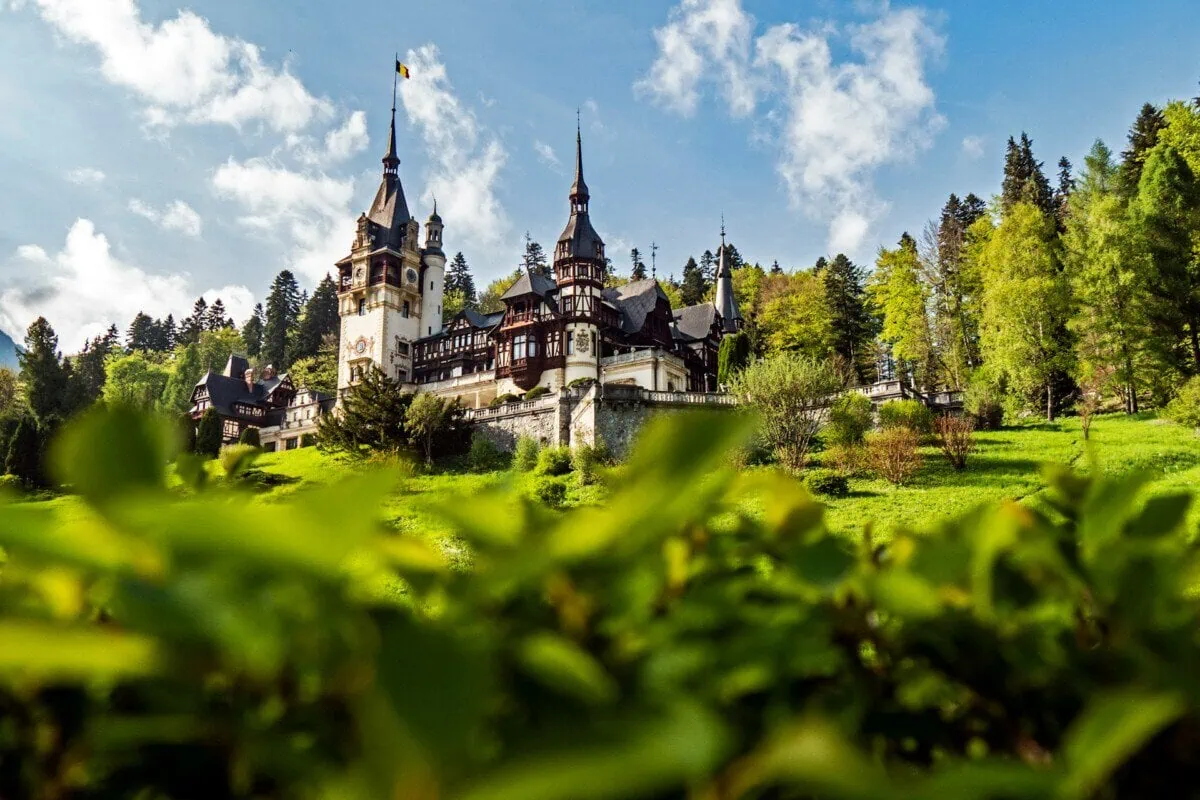
Peleș Castle is the single most photographed building in Romania, a turreted Neo-Renaissance palace built into the forested slopes above Sinaia for King Carol I in the late nineteenth century. Its carved wood interiors, stained glass and armour collection make it feel more Bavarian than Balkan, and it remains the standout reason most first-time visitors leave Bucharest at all.
CFR Călători InterRegio trains leave Gara de Nord roughly hourly throughout the day, reaching Sinaia in about 1 hour 15 minutes to 1 hour 30 minutes, with second-class fares running around 40-57 RON (€8-11/£7-10/$9-13) one way. The train climbs steadily into the mountains, and the later stretch past Comarnic offers genuine Carpathian scenery worth the window seat.
From Sinaia station, it is a fifteen to twenty-minute uphill walk or a short taxi ride to the castle itself, with a funicular-style shuttle running in peak season for anyone who would rather skip the climb. The castle is closed on Mondays and Tuesdays, open Wednesday 10am-5pm and Thursday to Sunday 9.15am-5pm, so it is worth checking the calendar before building a day around it.
Adult admission runs around 100 RON (€20/£17/$22), with a reduced student and pupil rate of roughly 25 RON (€5/£4/$6), and interior photography for personal use is allowed without flash. Allow at least two to three hours for the castle tour and grounds, plus time in Sinaia itself, which has a handsome monastery and mountain-resort atmosphere worth a wander before heading back.
Best for two or three nights. The widest choice of rooms, with filters for free cancellation and included breakfast.
View staysBest for families, or any stay past about four nights. A kitchen and a washing machine start paying for themselves.
Browse rentalsBest for double-checking. Runs the same search across several booking sites so you are not leaving money behind.
Compare pricesBran Castle
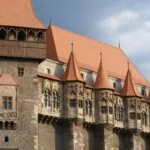
Bran Castle is the fortress most visitors associate with Dracula, a clifftop tangle of turrets and courtyards near Brașov that trades heavily on its loose connection to Bram Stoker’s novel even though Vlad the Impaler almost certainly never lived here. Whatever the historical accuracy, the castle itself is a genuinely striking building, and the setting in the Bucegi foothills is dramatic in its own right.
There is no direct train to Bran, since the village sits away from the main rail line, so reaching it independently means a train or bus to Brașov first, then a local bus onward from Brașov’s Bus Terminal 2, which runs roughly every 30 minutes on weekdays and hourly at weekends, taking about 45 minutes. A car covers the same last stretch in around 35 to 40 minutes.
Most visitors from Bucharest instead join an organised tour or private car that combines Bran with Peleș and Brașov in a single outing, which avoids the two-stage public transport connection entirely. Our separate, fuller Brașov & Bran guide covers staying in the area properly rather than rushing through on a day trip, and is worth reading for anyone tempted to base themselves there instead.
The castle opens Tuesday to Sunday from 9am to 7pm in the May-October season, with reduced winter hours, and Monday hours start later at midday. Adult admission is around 100 RON (€20/£17/$22), with a child (5-17) rate of roughly 40 RON (€8/£7/$9), and booking online in advance is worth doing in peak season to avoid the longest queues at the gate.
Brașov: Old Town, Black Church and the Cable Car
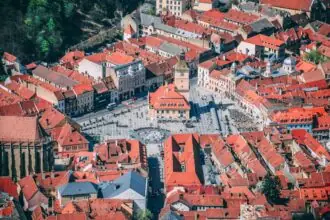
Brașov is a genuinely rewarding city in its own right, not just a stepping stone to Bran, with a Saxon old town, a soaring Gothic cathedral and a mountainside Hollywood-style sign overlooking it all. Treated purely as a day trip from Bucharest, it holds up well, though its full depth deserves more than the few hours a single day realistically allows.
CFR Călători runs trains from Gara de Nord at virtually every hour of the day, from early morning to well after midnight. The fastest InterCity services cover the roughly 166km in around 2 hours 14 minutes, while InterRegio trains take closer to 2 hours 30 to 46 minutes, with second-class fares from around 55-85 RON (€11-17/£9-14/$12-19) depending on class and service.
Arriving as a day-tripper, the core sights sit within easy walking distance of each other: Piața Sfatului, the main square, the narrow squeeze of Strada Sforii (Rope Street), the imposing Black Church, and the cable car up Tâmpa Mountain for a genuinely spectacular view back over the old town’s red rooftops.
A day trip here realistically covers the old town, the cathedral and the cable car if timed well, but it leaves no room for the bastions, the Șchei district or a proper look at Bran and the surrounding countryside. Our dedicated Brașov & Bran guide covers the case for staying overnight instead, and gets into far more depth than a single-day itinerary can.
Curtea de Argeș: Romania’s Royal Necropolis
Curtea de Argeș Monastery is one of the most visually distinctive religious buildings in Romania, a sixteenth-century cathedral built for Prince Neagoe Basarab whose beige limestone façade mixes Byzantine layout with Armenian, Georgian and Ottoman decorative carving. Twisted rope-pattern columns, star-shaped turrets and muqarnas-style stonework cover the exterior, giving it a Byzantine-Moorish look that has no real equivalent anywhere else in the country.
Local legend claims the master builder, Meșterul Manole, walled his own wife into the foundations to stop the structure collapsing overnight, a folk tale still told to visitors on site and one that adds a genuinely eerie layer to an already striking building. In 1886, King Carol I designated the cathedral as Romania’s royal necropolis, and it has held that role ever since.
The grounds now hold the royal mausoleum of the Romanian monarchy: Carol I and Queen Elisabeta, Ferdinand and Queen Marie, and, following his death in 2017, King Michael I and Queen Anne, Romania’s last reigning royal couple, are all buried here. Walking among the royal tombs inside a building this ornate is a genuinely different experience from the castle-heavy stops elsewhere on this list, closer to a cathedral visit than a fortress tour.
Getting there works best by bus rather than train: a direct service leaves Bucharest’s Autogara Militari and covers the roughly 150km route in around 2 to 2.5 hours, noticeably faster than the direct CFR Călători train, which takes closer to 3.5 hours on this slower secondary line. Driving via the A1 motorway covers the same distance in a similar two to two-and-a-half hours, and is worth choosing over the bus only if the plan is to continue further into the mountains afterwards.
The town itself is small enough to see on foot in under an hour beyond the monastery, and entry to the grounds is free, with a donation welcomed rather than a ticket required, open daily from roughly 8am to 8pm in summer and 9am to 5pm in winter. Anyone with a car can extend the day toward Poenari Fortress, Vlad the Impaler’s genuine former stronghold, and the dramatic Vidraru Dam at the foot of the seasonal Transfăgărășan road, while the bus back to Bucharest for anyone without one runs into the early evening, so there is no need to rush the visit.
Snagov: The Island Monastery and a Disputed Grave
Snagov is a quieter, stranger trip than anything else on this list, built around a small monastery on an island in the middle of Lake Snagov, roughly 40km north of Bucharest. The monastery is reputed, though genuinely disputed by historians, to hold the grave of Vlad the Impaler, which is really the reason most visitors make the trip at all.
Honestly, this one is awkward without a car. The most workable public transport route is a minibus from the Presei Libere terminal in northern Bucharest to the village of Silistea Snagovului, running at least hourly, followed by a walk of around fifteen to twenty minutes down to the lakeside and across a footbridge onto the monastery’s island, no boat required any more.
A slower alternative exists by regional train to smaller stations such as Periș, several kilometres from the lake, followed by a further minibus connection, but this involves multiple changes and only a handful of daily departures, making it a genuinely fiddly option rather than a practical shortcut. A taxi or private transfer from Bucharest is the simplest fix if the minibus timetable does not line up.
Once there, the monastery itself is modest, a working Orthodox site with a small entrance donation expected rather than a formal ticket price, and the lake setting is genuinely peaceful. Combine it with nearby Mogoșoaia Palace for a fuller half-day out, since both sit on the same side of the city and a private transfer can reasonably cover both in one trip.
Mogoșoaia Palace
Mogoșoaia Palace is the easiest genuine escape on this whole list, a Brâncovenesc-style palace and lakeside estate roughly 15km northwest of central Bucharest, built in 1702 for the Wallachian ruler Constantin Brâncoveanu. Its blend of Byzantine, Ottoman and Venetian architectural details is unusual enough to be genuinely interesting without needing a full day set aside for it.
The quickest route is by local train from Gara de Nord towards the airport line, taking around 30 minutes to Mogoșoaia’s small station, followed by a short walk. Bus 205 from Piața Unirii is the alternative, taking closer to an hour and a quarter depending on traffic, and a taxi or private car covers the distance in around 20 minutes.
The palace is open Tuesday to Sunday, 10am to 6pm in summer and 10am to 5pm in winter, closed Mondays. Admission is a nominal fee, typically only a few RON, since it is a state-run heritage site rather than a commercially run attraction, and it is worth confirming the exact figure on arrival since it is rarely kept current online.
Beyond the palace rooms themselves, the grounds include a small Orthodox church, an ice house and long lakeside walking paths that make for a genuinely relaxing half day. This is the pick for anyone short on time, travelling with children, or simply wanting a gentler outing than the castle-heavy destinations further into the mountains.
Veliko Tarnovo, Bulgaria
Veliko Tarnovo is Bulgaria’s former medieval capital, built dramatically along the looping bends of the Yantra River, and it is a genuinely realistic, if long, cross-border day trip from Bucharest. The centrepiece is Tsarevets Fortress, a hilltop citadel with reconstructed walls, the ruined Patriarchal Cathedral at its summit and sweeping views over the river gorge below.
The route covers around 170km, roughly 45 minutes from Bucharest to the border town of Giurgiu, then the crossing itself over the Giurgiu-Ruse Danube bridge into Bulgaria, before a further 1.5 hours on to Veliko Tarnovo, for a total driving time of around 2.5 hours each way excluding delays. This only really works by car or organised tour, since no direct train or realistic public bus link covers the route.
Romania and Bulgaria both joined the Schengen area’s land borders in January 2025, so there are no longer routine passport checks at Giurgiu-Ruse, but a valid passport or national ID should still be carried at all times, since spot checks remain legal even inside Schengen. The crossing itself can still be slow: expect roughly 5-15 minutes at the toll booth under normal traffic, rising to 60-90 minutes at weekends and peak season, since the bridge operates with limited lanes.
Once in Veliko Tarnovo, Tsarevets Fortress admission runs around 6 BGN (€3/£3/$3) for adults and 2 BGN (€1/£1/$1) for students and children, open 8am-7pm April to October and 9am-5pm in winter. Beyond the fortress, the old craft quarter of Samovodska Charshiya is worth an hour of browsing. Given the distance, this is honestly a long day rather than a relaxed one, best suited to travellers who have already covered the closer Transylvania sights.
Best for finding routes the airlines do not sell as a single ticket. Combines carriers to bring the fare down.
Search flightsBest for anyone whose home plan charges by the megabyte abroad. Pay a fixed price up front.
Check eSIMsBest after a long flight or a late landing. Price agreed before you travel, and no taxi queue.
Check transfersWhich of These Day Trips Can You Do Independently?
The honest split here is by transport method rather than distance, since a couple of these destinations genuinely need a car or an organised tour rather than a straightforward train ticket. Splitting them this way is far more useful for planning than simply ranking them by how far away they are.
Sinaia and Brașov are the easiest of the lot, each reachable on a direct CFR Călători train from Gara de Nord with no further connection needed. Both work comfortably for a first-time visitor with no car and no Romanian, using either the CFR Călători app or the station ticket counter to buy tickets on the day. Curtea de Argeș also has a direct train, but the roughly two-and-a-half-hour bus from Autogara Militari is faster and just as easy to book on the day.
Mogoșoaia is nearly as simple, a short local train or bus ride away, while Snagov needs a little more patience: the direct minibus from Presei Libere works fine, but it demands checking a timetable rather than just turning up at a mainline station. Neither needs a car, but neither is quite as frictionless as hopping on a CFR train either.
Bran Castle and Veliko Tarnovo are the two genuine exceptions. Bran has no train station and needs a bus change at Brașov or a car to reach directly, while Veliko Tarnovo is only realistic by car or organised tour given the lack of any direct public transport across the border. For both, a tour or hire car saves considerably more hassle than public transport would, and for Bran specifically, most visitors are better off joining a combined Peleș-Bran-Brașov tour than assembling the bus connections themselves.
Peleș + Bran + Brașov in One Day: Is It Realistic?
This three-castle combination is the single most heavily marketed day tour out of Bucharest, and it is genuinely possible, but it is not the relaxed day the brochures tend to imply. A realistic version of this tour departs Bucharest around 8am and returns roughly 12 hours later, which already tells most of the story.
Working through the actual logistics: the drive to Sinaia takes about 1.5 to 2 hours, Peleș Castle itself deserves at least an hour inside plus queueing time, the onward drive to Bran covers roughly 49km in around 53 minutes, and Bran Castle, especially in summer, can easily eat another 90 minutes once entry queues are factored in. Brașov is a further 35 to 40 minutes on from Bran.
That leaves Brașov itself with realistically an hour or two at most, barely enough for a walk through Piața Sfatului and a look at the Black Church before the roughly 2.5 to 3-hour drive back to Bucharest begins. Tour operators are upfront about this trade-off, describing the day as needing genuine flexibility and cooperation from travellers given the queues and traffic involved.
The honest verdict: it is realistic as an organised tour with an early start, but it is a long day built around two rushed castle visits and a token walk through Brașov’s old town rather than a proper look at any of the three. Anyone genuinely drawn to Brașov specifically is better off giving it a full day of its own, or reading our separate Brașov & Bran guide and staying overnight instead of trying to fit everything into one dawn-to-dusk loop.
Attempting this by public transport instead of a tour or hire car is possible in theory, but it stacks several separate legs that need to line up almost perfectly, and in practice they rarely do. The earliest realistic start is CFR Călători’s first Sinaia-bound InterRegio, which leaves Gara de Nord a little before 6am and reaches Sinaia roughly ninety minutes later, in time for the walk uphill and Peleș Castle’s 9.15am opening on the days it is actually open.
Getting on to Bran from Sinaia is where the day genuinely falls apart as a self-guided plan. There is no direct bus or train between the two, so the honest route is a further train or bus down to Brașov, taking around forty-five minutes to an hour, followed by a local bus from Brașov’s Bus Terminal 2 out to Bran, which runs roughly every thirty minutes on weekdays and hourly at weekends and takes about forty-five minutes each way. A pre-booked taxi direct from Sinaia to Bran cuts this to under an hour for around 150-220 RON (€30-44/£26-37/$33-48), and is worth the extra cost purely to avoid the two changes.
From Bran, the same local bus runs back to Brașov, dropping travellers close enough to the old town for a walk through Piața Sfatului before heading home. CFR Călători trains back to Bucharest run into the early evening, with a realistic last practical departure around 7.30-8pm reaching Gara de Nord a little after 9.30pm, though missing that window means either an expensive late taxi or an unplanned night in Brașov.
Taken as a whole, doing Peleș, Bran and Brașov independently in a single day is honestly less realistic than the tour-bus version covered above, not more. A hired car or organised tour at least controls the timing between stops, while public transport adds two changes at Brașov and almost no slack if any single leg runs late. Anyone set on covering all three places in one day is better served by the tour, and anyone relying on public transport is better off treating Peleș and Brașov as their own separate day trips rather than trying to squeeze Bran into a self-guided version of this route.
Where to Catch Your Train or Bus, and How to Book It
Almost every train in this guide leaves from Gara de Nord, Bucharest’s main station and the best-connected transport hub in the city, with its own stop on Metro Line 1. It is a large, sometimes chaotic building, so it is worth arriving a little early on a first visit to find the right platform, since departure boards are in Romanian and platform assignments can shift close to departure time.
Buses are less centralised: Bucharest has several separate autogări (bus stations) serving different directions, rather than one central terminal. The bus to Curtea de Argeș and most FlixBus international and long-distance services leave from Autogara Militari in the west of the city, while the Snagov minibus leaves from the smaller Presei Libere terminal in the north, so it genuinely matters which one a ticket points to.
For train tickets, the CFR Călători app and website (bilete.cfrcalatori.ro) cover the whole network, let you reserve a specific seat, and are worth using ahead of a weekend trip on the busier Brașov line rather than risking a walk-up ticket. FlixBus and other long-distance bus operators sell through their own apps or sites, while the Snagov minibus and other short local routes are usually paid in cash to the driver, with no advance booking needed or available.
On the day itself, Google Maps is the most reliable option for walking directions and driving times between sights, and Moovit is genuinely useful for working out local buses and connections within Bucharest and around towns such as Brașov. The CFR Călători app is also worth keeping open on travel days, since it shows live departure boards and platform numbers rather than leaving that to the station screens alone.
Buying Bus Tickets Through BusBud
BusBud is a booking platform that pulls together timetables and fares from FlixBus and other operators running across Romania, letting you compare departure times and prices from one search rather than checking each company’s own site separately. It is a useful backup for travellers who would rather book a seat in advance than turn up at Autogara Militari and buy on the day.
The Bucharest-Brașov route is covered on BusBud through FlixBus, with fares typically running from around 25-45 RON (€5-10/£4-8/$5-11) and a journey time of roughly three and a half to four hours, noticeably slower than the direct CFR Călători train but a genuine option for anyone whose train is sold out or poorly timed. It is worth treating as a fallback rather than the default, since the train remains the faster way to reach Brașov on this page.
Booking through the site works the same way as any other online bus ticket: pick the route and date, choose a departure, and pay by card for an e-ticket that can be shown on a phone at the departure gate rather than printed. It is a genuinely simple option for anyone who prefers to lock in a seat and a price before arriving in Bucharest.

Book Your Bucharest Coach Journey with Busbud
Busbud can help you organise bus and coach travel involving Bucharest by bringing routes, timetables and ticket options together in one search.
This can be especially useful when travelling between cities or across regions where multiple coach companies operate.
The Interrail Romania Pass: Worth It for Several Day Trips?
Anyone planning to do several of these trips across one visit, rather than picking a single castle and heading home, might find it cheaper and simpler to buy a rail pass instead of individual CFR Călători tickets for each leg. Our separate Interrail Romania Pass: Carpathian Routes and Sleepers guide breaks down exactly how the pass works and what it costs.
The pass makes the most sense for a visitor combining Sinaia, Brașov and Curtea de Argeș in the same trip, or continuing on from any of them to somewhere further afield in Romania, such as Cluj-Napoca or Sighișoara, rather than heading straight back to Bucharest each time. Buying single tickets for three or more separate journeys can add up to close to the price of a pass covering several days of unlimited travel, without the flexibility of changing plans at short notice.
It makes less sense for someone doing just one or two of these day trips, since a single return ticket to Sinaia or Brașov is already inexpensive, and a pass adds cost without adding much convenience for a short, simple round trip. It is genuinely worth reading the full guide before deciding, since the pass also covers overnight sleeper options that open up destinations well beyond anything covered on this page.

Rupert’s Handy Travel Tips
Bucharest’s day-trip options range from a straightforward train ride to a genuine cross-border adventure, so here are a few things worth knowing before you set off:
- Book CFR Călători tickets ahead where you can: the app and website let you reserve a seat, which matters more than you’d think on the busier Brașov line at weekends.
- Check Peleș Castle’s closed days before travelling: it shuts on both Mondays and Tuesdays, which catches out more visitors than any other detail on this list.
- Carry ID even for Veliko Tarnovo: Schengen membership removed routine checks at Giurgiu-Ruse, but spot checks are still legal, and non-EU passport holders need it regardless.
- Take the bus, not the train, to Curtea de Argeș: the direct service from Autogara Militari covers the route in around two and a half hours, close to an hour faster than the direct train.
- Confirm Snagov’s last minibus back: departures from Silistea Snagovului thin out by early evening, so check the return time before you leave Bucharest.
- Pair Snagov with Mogoșoaia: both sit on the same side of the city, and a private transfer can realistically cover both in one relaxed half day.
Want to meet the reindeer behind our travel tips? Find out more in our page Who is Rupert?.




Frequently Asked Questions About Day Trips from Bucharest
What is the best day trip from Bucharest?
Sinaia and Peleș Castle is the classic choice, combining an easy hourly train with Romania’s most photographed building, though Brașov suits anyone wanting a genuine old town alongside a castle visit.
Can I visit Bran Castle without a car?
Yes, but it takes a bus or train to Brașov first, then a local bus onward, roughly 45 minutes. Most visitors without a car find an organised Peleș-Bran-Brașov tour more straightforward than assembling the connections themselves.
Is Veliko Tarnovo a realistic day trip from Bucharest?
Yes, though it is a long one at around 2.5 hours each way via the Giurgiu-Ruse border crossing, and it only really works by car or organised tour rather than public transport.
Do I need a passport to cross into Bulgaria for Veliko Tarnovo?
Romania and Bulgaria joined the Schengen area’s land borders in January 2025, removing routine checks, but a valid passport or ID should still be carried, since spot checks remain legal and non-EU citizens need it regardless.
Can I do Peleș, Bran and Brașov in one day?
Yes, but it is a long day of around 12 hours with two rushed castle visits and only an hour or two in Brașov itself, so treat it as a whistle-stop tour rather than a relaxed one.
How do I get to Curtea de Argeș from Bucharest?
The direct bus from Autogara Militari is the quickest option at around two to two and a half hours, though a direct train also runs, taking closer to three and a half hours on this slower secondary line.
Further Reading
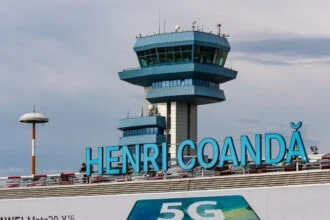
Still working out how to spend your time in the capital itself? Our separate Bucharest Airport Transfers guide covers every realistic way of reaching the city centre from Henri Coandă Airport, our Things to Do in Bucharest guide rounds up the sights worth prioritising before you head out on any of the trips above, and our Bucharest Christmas Markets guide is worth a look for anyone visiting over the festive season.
Planning to base yourself in Transylvania rather than rushing through on a day trip? Our dedicated Brașov & Bran guide covers staying in the area properly, including how to use Brașov as a base for exploring further afield, and it is worth reading before committing to any of the three-castle combination tours covered above.
For the wider picture on getting around Romania by rail, our Interrail Romania Pass guide breaks down whether a multi-journey rail pass beats buying single CFR Călători fares for a longer trip, and our Interrail Bulgaria Pass guide is a useful companion for anyone tempted to continue on from Veliko Tarnovo rather than heading straight back to Bucharest.
For up-to-date opening hours and ticket information straight from the source, the official Peleș National Museum website is worth bookmarking before any Sinaia trip, since hours can shift with the seasons and special closures are posted there first.