Reviewed by our editorial team Updated
Why Choose the Romania Pass
The Interrail Romania Pass is one of the most affordable ways to explore a large, varied, and deeply atmospheric country by train. Romania is not a fast rail destination in the Western European sense, but that is part of its appeal. This is a country where rail journeys move through mountain valleys, medieval towns, vineyard regions, wide plains, and Black Sea routes, often giving travellers a far stronger sense of place than a rushed flight or motorway journey ever could.
One of the biggest reasons to choose the Romania rail pass is the sheer range of destinations it opens up. From Bucharest, travellers can head north towards Brașov, one of the great gateways to Transylvania and the Carpathian Mountains. From there, routes continue towards Sibiu, Sighișoara, and Cluj-Napoca, linking some of Romania’s most historic and visually distinctive cities. This makes the pass especially useful for travellers interested in castles, fortified towns, Gothic churches, and the folklore-rich landscapes often associated with Dracula and Transylvania.
The pass also works well for travellers wanting to experience Romania beyond the obvious highlights. Eastbound routes connect with Iași and the cultural region of Moldavia, while south-eastern services run towards Constanța and the Black Sea coast. Western routes stretch towards Timișoara, Oradea, and the Hungarian border, making Romania a useful part of wider Central and Eastern European rail itineraries.
Affordability is another major strength. Romania remains one of the cheapest Interrail countries, and the pass itself is priced attractively compared with Western European alternatives. For youth travellers, families, slow travellers, and backpackers, this makes it a strong-value option for covering a large territory without repeatedly buying individual tickets.
The main thing to understand is that train travel in Romania rewards patience. Journey times can be long, and trains are not always modern, but the experience is often memorable. With the Interrail Romania Pass, travellers gain the freedom to explore at a slower pace, adjust plans as they go, and connect some of Europe’s most atmospheric destinations by rail.
Interrail Romania Pass Overview and Key Facts
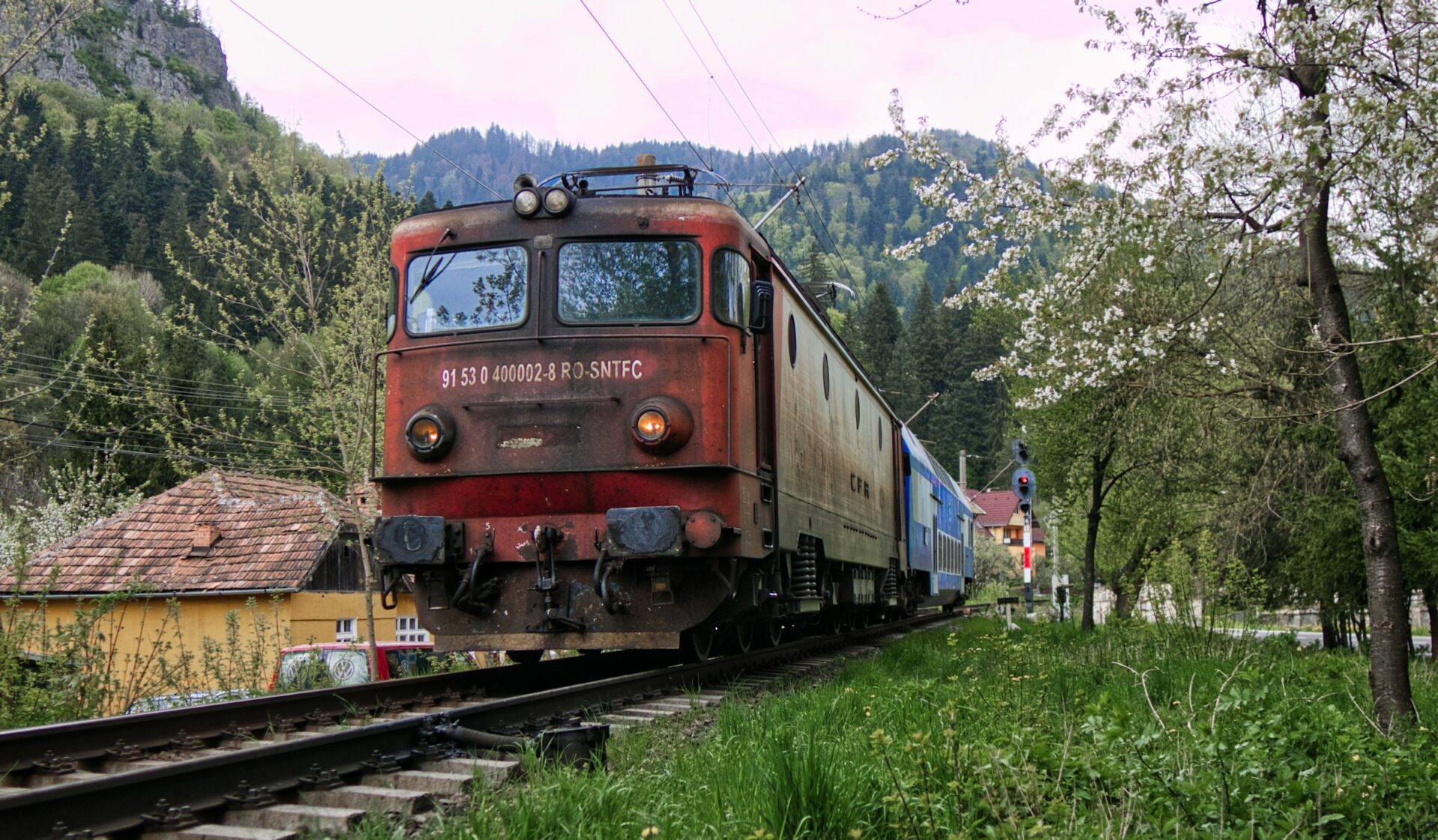
The Interrail Romania Pass is a One Country Flexi Pass that provides unlimited rail travel across Romania on selected travel days within a one-month period. It is valid on trains operated by CFR Călători, Romania’s national passenger railway company, and on those alone. Romania’s private operators are not part of the Interrail scheme.
Travellers can usually choose between 3, 4, 5, 6, or 8 travel days, allowing the pass to suit both shorter itineraries and broader countrywide journeys. On each active travel day, you can board multiple eligible CFR trains, which makes it possible to combine long-distance travel with shorter regional connections without buying separate base tickets.
The pass covers major train categories including InterCity, InterRegio, and Regio services. This gives travellers access to Romania’s most important long-distance routes as well as slower regional lines serving smaller towns and rural areas.
Seat reservations are an important part of rail travel in Romania. InterCity and InterRegio trains all require a reservation in addition to the pass. These are among the cheapest in Europe, but they are still compulsory. Travellers should not assume that holding the pass alone is enough for every long-distance service.
The pass does not cover city transport systems such as the Bucharest Metro, local buses, trams, or trolleybuses in cities including Bucharest, Cluj-Napoca, Timișoara, or Iași. Separate local tickets are required for urban travel.
Both mobile and paper versions of the pass are available. Most travellers now prefer the mobile pass through the Rail Planner app, as it makes activation and journey tracking much easier. Paper passes remain available for travellers who prefer a physical ticket.
The pass is available in Youth, Adult, and Senior categories, with free child passes often available for children under 12 when travelling with an adult pass holder.
Overall, the Romania train travel pass is best for travellers planning several longer rail journeys across regions such as Transylvania, Moldavia, Bucharest, and the Black Sea coast, rather than those making only one or two short trips.
| Travel Days | Youth (12–27) | Adult (28–59) | Senior (60+) |
|---|---|---|---|
| 3 days | €41 (£36 / $44) | €54 (£47 / $58) | €49 (£43 / $53) |
| 4 days | €50 (£44 / $54) | €66 (£57 / $71) | €59 (£51 / $64) |
| 5 days | €59 (£51 / $64) | €78 (£68 / $84) | €70 (£61 / $76) |
| 6 days | €67 (£58 / $72) | €89 (£77 / $96) | €80 (£70 / $86) |
| 8 days | €83 (£72 / $90) | €111 (£97 / $120) | €100 (£87 / $108) |
Prices are approximate and shown for guidance only. Interrail pricing can shift slightly by season and promotion, so it is always worth confirming the exact fare at checkout before booking.
Compare hotels and other places to stay in Romania.
Check availabilityBrowse apartments, homes and self-catering accommodation in Romania.
Browse rentalsCompare hotel deals in Romania from multiple booking sites.
Compare pricesKey Operators and Rail Network Size
The Interrail Romania Pass is valid on services operated by CFR Călători, the national passenger railway operator. CFR runs most of Romania’s long-distance, regional, and intercity rail services, which makes it the core operator for anyone travelling across the country by train.
Romania has one of the largest rail networks in Europe, with more than 10,000 kilometres of track. This extensive coverage is one of the pass’s biggest strengths. Trains reach major cities, regional centres, mountain towns, rural communities, and coastal destinations, often serving places where road travel can be slower or less convenient.
The network includes several train categories. InterCity trains are generally the fastest and most comfortable services, linking major destinations such as Bucharest, Brașov, Cluj-Napoca, Iași, and Constanța. InterRegio trains provide broader long-distance coverage with more stops, while Regio trains serve local and rural routes at a slower pace.
Although CFR dominates the network, Romania also has a number of private railway operators, and the pass does not stretch to cover them. Interrail lists CFR Călători as the only participating Romanian company, and names Astra Trans Carpatic, Regio Călători (formerly Regiotrans), Transferoviar Călători, Softrans and Ferotrafic TFI among the operators its passes do not cover. Several of these run services on the same corridors as CFR, so it is worth checking who operates a train before boarding rather than assuming the pass covers everything on the route.
The size of the network means the pass can take travellers through many different landscapes. The same rail itinerary can include the Carpathian Mountains, the medieval towns of Transylvania, the plains around Bucharest, the cultural cities of Moldavia, and the Black Sea coast.
However, network size does not always mean speed. Many Romanian lines are slower than equivalent routes in Western Europe, and some infrastructure is still ageing. Long journeys such as Bucharest to Cluj-Napoca or Bucharest to Timișoara can take much of the day.
That said, the scale and reach of CFR make rail one of the most immersive ways to experience Romania. For travellers who value coverage, atmosphere, and affordability over speed, the Romania rail pass provides access to a remarkably broad national network.
Transport Hubs and Major Routes
The heart of Romania’s rail system is Bucharest Gara de Nord, the country’s largest and most important railway station. Almost every major domestic and international rail route connects through this station, making it the natural starting point for most Romanian Interrail journeys.
One of the most popular routes runs north from Bucharest to Brașov, passing into the foothills of the Carpathian Mountains. This line is especially important for travellers heading into Transylvania, including destinations associated with castles, mountain scenery, and medieval towns. From Brașov, travellers can continue towards Sibiu, Sighișoara, and Cluj-Napoca, creating a strong cultural and scenic itinerary. Sighișoara’s walled old town is inscribed by UNESCO as the Historic Centre of Sighişoara, a fortified medieval town founded by Transylvanian Saxon craftsmen and merchants.
Another important route heads east towards Iași, one of Romania’s most historic and intellectual cities. This journey crosses Moldavian landscapes and provides access to a region that many visitors overlook.
To the south-east, trains run from Bucharest to Constanța on the Black Sea coast. This is one of Romania’s faster and more popular routes, particularly during summer when travellers head towards the coast and beach resorts.
Western routes connect Bucharest with Timișoara, Oradea, and the Hungarian border. These journeys are long but important for travellers continuing towards Central Europe.
The route from Brașov to Sibiu is one of the most scenic and rewarding, especially for travellers who want mountain views and historic towns rather than fast city-to-city travel. Although the journey can be slow, it showcases the slower, more atmospheric side of Romanian rail travel.
Internationally, Romania has rail connections towards Hungary, Bulgaria, Serbia, Ukraine, and Moldova, although schedules and comfort levels vary. The Interrail Romania Pass only covers the Romanian sections of these routes, so travellers crossing borders may need separate tickets or a Global Pass.
For most visitors, the strongest routes are those linking Bucharest, Brașov, Sibiu, Cluj-Napoca, Iași, Constanța, and Timișoara. Together, these corridors reveal Romania’s best mix of history, mountains, coastline, and regional culture.
Example Ticket Prices vs Pass Value
Romania is one of the cheapest countries in Europe for long-distance rail travel, which means the value of the Interrail Romania Pass depends heavily on how often you plan to travel. If you only intend to make one or two major journeys, buying regular point-to-point tickets will almost always cost less. However, once you begin combining multiple long-distance routes across different regions, the pass quickly becomes more attractive.
A typical Bucharest to Brașov Intercity ticket usually costs around €12–€15 (£10–£13 / $13–$16) one way, depending on the service and booking time. Slower regional services can sometimes be cheaper, though they take longer and are less comfortable. A much longer journey such as Bucharest to Cluj-Napoca often costs around €20–€25 (£17–£22 / $22–$27), while routes to Constanța on the Black Sea coast usually fall within the €12–€18 (£10–£16 / $13–$19) range.
At first glance, these fares look extremely affordable compared with Western Europe. The challenge is Romania’s size. Travellers covering multiple regions can easily accumulate significant rail costs over the course of one trip. A route such as Bucharest to Brașov, then onwards to Sibiu, Cluj-Napoca, and back to Bucharest could already approach €70–€90 (£61–£78 / $76–$97) in standard fares, particularly if using faster Intercity services.
This is where the Romania rail pass becomes useful. Instead of calculating separate tickets and dealing with repeated bookings, travellers gain unlimited travel on selected days. The value is not only financial but also practical. If you decide to add an unexpected stop in Sighișoara or spend longer in Brașov, the pass gives you much more flexibility than fixed advance tickets.
The pass is particularly valuable for travellers exploring Romania intensively over one or two weeks. Anyone combining Transylvania, the Black Sea coast, Moldavia, and western cities such as Timișoara will often find that the pass either breaks even or saves money overall. It also removes much of the stress around repeatedly purchasing tickets in unfamiliar stations.
For slower travellers staying mainly in one region, individual tickets may still be the smarter financial choice. However, for broader rail itineraries with several long-distance journeys, the Interrail Romania Pass delivers a strong balance between flexibility, convenience, and affordability.

Interrail Romania Pass Prices (Flexi Passes)
The Interrail Romania Pass is available as a Flexi Pass, meaning travellers choose a specific number of unlimited travel days to use within a one-month period. This structure is ideal for Romania because it allows travellers to alternate rail days with slower sightseeing days in destinations such as Brașov, Sibiu, or Cluj-Napoca.
Adult pricing generally starts at around €54 (£47 / $58) for 3 travel days within one month. A 4-day pass costs roughly €66 (£57 / $71), while a 5-day pass is usually around €78 (£68 / $84). Travellers wanting more extensive coverage can move up to 6 travel days for approximately €89 (£77 / $96), or an 8-day pass for around €111 (£97 / $120). The table further up this page breaks these figures down by youth, adult, and senior traveller category.
Youth travellers aged 12 to 27 receive some of the best value in the Interrail system. Discounted youth passes make Romania especially attractive for backpackers and long-term European travellers. Senior travellers also benefit from reduced pricing, while children under 12 can usually travel free with an accompanying adult pass holder.
Compared with Western Europe, these prices are extremely competitive. In countries such as France or Switzerland, a similar pass may cost considerably more while covering a much smaller geographical area. Romania’s pricing reflects both the lower domestic ticket costs and the country’s role as a value-focused travel destination.
The most important thing to remember is that the pass covers only the base travel itself. Reservations on many long-distance services still need to be purchased separately. Fortunately, Romanian reservation fees are low, close to a euro per journey, so they do not significantly affect overall value.
For travellers planning a broad loop across Romania, the 5-day and 6-day passes often represent the strongest balance between price and flexibility. These are particularly useful for itineraries combining Bucharest, Transylvania, the Black Sea, and western Romania in a single trip.
The mobile version of the pass is now the most common option. Managed through the Rail Planner app, it allows travellers to activate travel days instantly and keep all tickets in one place. Paper passes remain available, but most travellers now find the mobile format far easier for complex rail itineraries.
How the Romania Pass Works
The Interrail Romania Pass operates as a flexible travel pass that allows unlimited rail travel on selected days within a one-month validity period. Each activated travel day gives you access to eligible CFR services across Romania from the first train of the morning until the final departure at night.
The process itself is relatively simple. Travellers using the mobile pass activate travel days through the Rail Planner app, where journeys are added before boarding. Conductors then scan the QR code generated by the app. The mobile system has become increasingly popular because it reduces paperwork and makes changing plans much easier while travelling.
Paper passes still exist for travellers who prefer physical tickets. However, these require each journey to be written manually into a travel diary before boarding. While many experienced Interrail users still enjoy the traditional paper format, it is less convenient and carries the risk of loss or damage during longer trips.
One important aspect of Romanian rail travel is the reservation system. Intercity and InterRegio services both require a seat reservation in addition to the pass itself. Interrail publishes the fee for pass holders as €1.20 (£1 / $1.30) per journey on either category, which is about as low as reservation charges go in Europe. They are mandatory rather than optional, so without one you may not be permitted to travel.
Reservations can usually be obtained at CFR ticket offices, station counters, and sometimes online. It is wise to arrange them at least a day in advance during summer periods or busy weekends, especially on routes towards Brașov, Constanța, and major Transylvanian cities.
The pass covers only trains operated by CFR Călători and does not include Romania’s private operators at all. Urban transport systems such as the Bucharest Metro, trams, trolleybuses, and city buses are also excluded.
In practice, the Romania Pass works best when used for substantial intercity travel. Travellers can activate a day for a long route such as Bucharest to Cluj-Napoca, then continue onwards using additional local services on the same day without buying extra base tickets. This flexibility is one of the pass’s strongest advantages.
Where You Can Travel with the Romania Pass
The Interrail Romania Pass provides access to one of Europe’s largest rail networks, allowing travellers to move between major cities, medieval towns, mountain regions, and coastal destinations using a single rail pass.
For most travellers, the journey begins in Bucharest, Romania’s capital and largest rail hub. From there, the network spreads across almost the entire country. Heading north brings travellers into Transylvania, arguably Romania’s most famous region. Cities such as Brașov, Sibiu, Sighișoara, and Cluj-Napoca are all connected by rail and are among the strongest highlights accessible with the pass.
The route through Transylvania is especially rewarding because it combines historic architecture with mountain scenery. Travellers can move between medieval squares, fortified churches, castles, and Carpathian landscapes without needing a car. The pass is particularly useful here because it allows flexible stopovers in smaller towns often skipped by bus tours.
To the east, the network reaches Iași, one of Romania’s most culturally important cities and a major centre in the Moldavia region. This route showcases a quieter, less-touristed side of Romania filled with monasteries, traditional villages, and agricultural landscapes.
The pass also covers routes towards the Black Sea coast, including fast services from Bucharest to Constanța. During summer, this line becomes one of the busiest in the country as travellers head to seaside resorts further south.
Western Romania is also accessible through long-distance routes towards Timișoara and Oradea, cities strongly influenced by Austro-Hungarian architecture and Central European culture. These routes are particularly important for travellers connecting onwards into Hungary and broader European rail itineraries.
Beyond the cities themselves, the network passes through some of Romania’s most dramatic landscapes. Mountain routes through the Carpathians, forested valleys, and rolling plains all form part of the experience. While trains are not especially fast, the scenery often becomes one of the highlights of travelling with the Romania rail pass.
Overall, the pass allows travellers to experience a remarkably broad range of Romanian landscapes and cultural regions using rail as the backbone of the journey.
Compare routes and fares for your journey to Romania.
Compare flightsUse an eSIM to get online without hunting for a local SIM after arrival.
See eSIM optionsCheck private pickup options and plan your onward journey before arrival.
View transfersHow to Buy the Interrail Romania Pass
Buying the Interrail Romania Pass is relatively straightforward, and most travellers now choose to purchase it online before arriving in the country. The easiest option is through the official Interrail website, where you can select the number of travel days you want, choose your traveller category, and decide between a mobile or paper pass.
The mobile pass has become the standard choice for most travellers because it integrates directly with the Rail Planner app. Once purchased, the pass is delivered digitally and can be activated on your phone within minutes. This removes the need to carry physical documents and makes it easier to manage changing travel plans while moving around Romania.
Travellers who still prefer physical tickets can choose the paper version instead. These are shipped to your home address before departure and function in the traditional Interrail format. However, they require manually recording each journey before boarding, which is slower and less convenient than the digital version.
It is also possible to buy the pass in Romania itself, particularly at larger stations such as Bucharest Gara de Nord, Brașov, Cluj-Napoca, and Constanța. However, buying locally is less common now, and smaller stations may not always stock Interrail products or have staff familiar with the system. Purchasing online beforehand is generally the smoother option.
When booking, travellers should also remember to arrange any free child passes at the same time. Children under 12 usually travel free when accompanied by an adult pass holder, making Romania one of the most affordable family Interrail destinations in Europe.
One important detail is that reservations are not included in the pass itself. Romania’s Intercity and InterRegio trains all require one. These reservations are inexpensive, but they still need to be purchased separately either online or at station counters.
Overall, buying the Romania Interrail Pass is a simple process, particularly with the mobile version. Once activated, it provides a flexible way to move around one of Europe’s most underrated rail travel destinations.

Explore Europe by Train with Rail Passes
Travelling by train in Europe can quickly become expensive if you book individual tickets. Rail passes offer a flexible way to travel across one or multiple countries with a single ticket, making it easier to plan your journey.
Rail Europe allows you to compare and buy a wide range of rail passes, including Interrail-style options, helping you choose the best pass for your route and travel style.
Top Routes and Itineraries with the Romania Pass
One of the strongest reasons to use the Interrail Romania Pass is the sheer variety of routes available across the country. Romania combines medieval cities, dramatic mountain scenery, Black Sea beaches, and remote rural regions, all connected through the CFR rail network.
The classic starting point is the Transylvania route, which remains the country’s most popular rail itinerary. Travellers typically begin in Bucharest, then head north to Brașov, the gateway to the Carpathians and nearby castles. From there, routes continue west through Sighișoara, Sibiu, and eventually Cluj-Napoca. This itinerary delivers many of Romania’s most famous cultural and architectural highlights in one journey.
Another excellent route is the Black Sea corridor. Fast trains from Bucharest reach Constanța in roughly two and a half hours, making it one of the quickest intercity rail journeys in the country. From there, regional connections continue south toward beach resorts and coastal towns. During summer, this becomes one of the busiest travel corridors in Romania.
Travellers seeking a more traditional and less tourist-heavy experience often head east toward Iași and the Moldavia region. These routes reveal a very different side of Romania, with monasteries, rural villages, and agricultural landscapes dominating the scenery. The rail journey itself becomes part of the cultural experience.
For longer adventures, the western routes toward Timișoara and Oradea offer a distinctly Central European atmosphere influenced by Austro-Hungarian history. These cities also serve as gateways toward Hungary and wider European rail travel.
Mountain routes are among the most scenic experiences available with the pass. The rail lines weaving through the Carpathians between Brașov, Sibiu, and other Transylvanian towns provide some of the country’s most impressive views. While trains are not especially fast, the slower pace actually enhances the experience, allowing travellers to appreciate the landscapes properly.
A well-planned 5-day or 6-day Romania Pass can comfortably cover Bucharest, Transylvania, the Black Sea coast, and one longer regional route within two weeks. Travellers using the 8-day pass gain even more flexibility to explore rural regions and slower mountain lines without rushing.
Seat Reservations and Supplements
Understanding the reservation system is one of the most important parts of using the Interrail Romania Pass successfully. Fortunately, Romania’s reservation fees are among the cheapest anywhere in Europe, making the system relatively painless compared with countries such as France or Spain.
Reservations are required on all Intercity (IC) and InterRegio (IR) services. These are the trains used for long-distance travel between major cities such as Bucharest, Brașov, Cluj-Napoca, Iași, and Constanța. The cost is very low, published by Interrail at €1.20 (£1 / $1.30) a journey for pass holders, with RegioExpress services cheaper still at around €0.80 (£0.70 / $0.85) on the routes where a reservation is needed.
Although inexpensive, reservations are mandatory on these trains. Conductors will expect both your active Interrail pass and your reservation ticket during inspection. Travelling without one can result in additional charges or being refused travel altogether.
Reservations can usually be arranged at station ticket offices, self-service machines, and sometimes online through the CFR system. Major stations such as Bucharest Gara de Nord generally handle reservations efficiently, though queues can become long during busy summer periods.
Regional Regio services usually do not require reservations. These trains offer much greater flexibility because travellers can simply board with an activated pass. However, they are significantly slower and often use older rolling stock. For shorter regional journeys, they remain perfectly usable and can sometimes provide a more authentic travel experience.
Overnight trains also operate within Romania, especially on longer routes connecting Bucharest with western regions. Sleeper and couchette supplements apply here, though prices remain far lower than in Western Europe. Many travellers actually find Romanian overnight trains to be one of the best-value sleeper experiences in Europe.
International services require additional caution. The Romania Pass covers only the Romanian portion of cross-border journeys. Travellers continuing into Hungary, Bulgaria, or Moldova may need additional tickets or a broader Interrail Global Pass depending on the route.
Overall, Romania’s reservation system is affordable and manageable. Once travellers understand which train categories require bookings, using the pass becomes relatively straightforward.
Benefits of the Romania Pass
The Interrail Romania Pass offers several major advantages, particularly for travellers looking for affordable, flexible, and culturally rich rail travel experiences.
The first and most obvious benefit is value for money. Romania already has low domestic rail fares, but the pass becomes increasingly worthwhile once travellers begin combining multiple regions and long-distance journeys. Compared with passes in Western Europe, Romania delivers exceptional geographical coverage for a relatively low price.
Another major advantage is the sheer size and diversity of the network. Romania’s railways connect medieval towns, mountain resorts, major cities, agricultural regions, and Black Sea beaches. Using the pass allows travellers to experience all of these very different landscapes without constantly purchasing separate tickets.
The pass is also excellent for slow travel. Romania’s trains are not particularly fast, but this slower pace actually enhances the journey for many travellers. Long mountain routes through the Carpathians, rural valleys, and Transylvanian countryside create a far more atmospheric experience than high-speed rail corridors elsewhere in Europe.
Flexibility is another strong benefit. With unlimited travel on activated days, travellers can easily adjust itineraries. If you decide to stop unexpectedly in Sighișoara, extend your stay in Brașov, or add an extra coastal detour, the pass allows you to adapt without financial penalties.
The Romania rail pass is also particularly attractive for backpackers, younger travellers, and families. Youth discounts are excellent, while children under 12 can travel free with accompanying adults. Combined with Romania’s low accommodation and food costs, this creates one of Europe’s most budget-friendly rail travel experiences.
For cultural travellers, the pass unlocks access to places that are difficult to explore efficiently by other means. Romania’s rail network often reaches historic towns and rural regions where bus services are slower or less reliable. This makes the train one of the most practical ways to experience the country properly.
Finally, the pass integrates naturally into wider Central and Eastern European travel. Romania connects with Hungary, Bulgaria, Serbia, and Moldova, making it an excellent component of larger Balkan or Eastern European Interrail journeys.
Drawbacks and Limitations
While the Interrail Romania Pass offers excellent value and broad coverage, there are also several limitations travellers should understand before committing to rail travel across the country.
The most significant drawback is speed. Romania’s railway infrastructure is improving slowly, but many routes remain far slower than equivalent journeys in Western Europe. A trip from Bucharest to Cluj-Napoca can easily take 8 to 9 hours, while routes that appear relatively short on the map may still require long travel times because of ageing infrastructure and lower line speeds.
Delays are another common issue. Romanian trains are generally dependable in the sense that they will eventually arrive, but punctuality is not always guaranteed. Travellers using tight schedules or planning short city breaks need to build flexibility into their itineraries rather than expecting perfectly timed Western European efficiency.
The condition of rolling stock also varies significantly. Some Intercity services have modernised carriages with air conditioning and upgraded seating, but many Regional and InterRegio trains still use older equipment. Comfort levels can therefore fluctuate dramatically depending on the route and service category.
Another limitation is the reservation system. Although reservation fees are cheap, needing separate reservations for many long-distance trains adds an extra layer of administration that some travellers may find frustrating. During busy summer periods, queues at larger stations can also become time-consuming.
Romania’s rail network is extensive, but service frequency in rural areas can be limited. Some branch lines only operate a handful of trains per day, which means missed connections may significantly disrupt travel plans. In remote areas, buses occasionally provide faster or more frequent alternatives.
The pass also excludes private operators. While CFR dominates the network, a number of routes are also served by independent companies that sit outside the Interrail system entirely, so a pass buys you nothing on those trains. Checking the operator before boarding avoids an awkward conversation with the conductor.
Finally, the Romania Pass is not always financially worthwhile for travellers making only a small number of journeys. Because domestic tickets are already cheap, those planning only two or three long-distance routes may save money simply by purchasing standard tickets individually.
Despite these limitations, travellers who approach Romanian rail travel with patience and flexibility are often rewarded with one of Europe’s most atmospheric and culturally rich train experiences.
Who the Pass is Best For
The Interrail Romania Pass is particularly well suited to travellers who value flexibility, cultural immersion, and affordability over speed and luxury.
One of the strongest target groups is budget-conscious backpackers. Romania is already one of Europe’s cheapest travel destinations, and the discounted youth Interrail fares make rail travel even more accessible. Travellers can move between major cities, mountain towns, and coastal regions for relatively little money while still enjoying a broad travel experience.
The pass is also ideal for travellers interested in history and culture. Romania’s rail network links some of Eastern Europe’s most fascinating destinations, including medieval Transylvanian towns, gothic churches, fortified citadels, and regions deeply connected to folklore and local traditions. Using the pass allows travellers to build flexible cultural itineraries without needing a car.
Nature lovers benefit heavily as well. The routes through the Carpathian Mountains, Transylvania, and rural valleys are often more enjoyable by train than by road. Slower rail journeys become opportunities to absorb the scenery rather than simply move quickly between destinations.
Families can also extract excellent value from the pass. With children under 12 travelling free alongside adult pass holders, Romania becomes one of the cheapest countries in Europe for family rail travel. Combined with low accommodation and restaurant costs, this creates a very accessible family holiday destination.
The pass also suits travellers interested in slow travel. Romania rewards patience. Instead of rushing between cities, the rail system encourages travellers to spend time in smaller towns, pause unexpectedly, and explore regions many tourists skip entirely.
However, the pass is less suitable for travellers prioritising speed or short itineraries. Business travellers or those accustomed to high-speed Western European rail may find Romania’s slower network frustrating. Similarly, travellers planning only one or two routes will usually save money buying regular tickets instead.
Overall, the Romania rail pass is best for curious travellers who see the journey itself as part of the adventure and want a flexible, affordable way to explore one of Europe’s most underrated countries.
Browse hostels and budget-friendly stays around Romania.
See hostelsAccess compensation support, eligible lounge benefits and faster payouts when flights go wrong.
See the benefitsUse convenient luggage storage around Romania between arrival, check-in and departure.
Check storageTips for Using the Romania Pass
Travelling successfully with the Interrail Romania Pass requires a slightly different mindset compared with Western Europe. Flexibility and preparation go a long way toward making the experience smooth and enjoyable.
The first and most important tip is to avoid overloading your itinerary. Romania is geographically large, and trains are relatively slow. Travellers often underestimate how tiring repeated long journeys can become. Instead of trying to cover the entire country in a few days, focus on one or two major regions at a time.
Because a reservation is compulsory on every Intercity and InterRegio service, it pays to arrange them early, particularly during summer weekends and holiday periods. While reservation costs are low, trains between Bucharest, Brașov, Constanța, and major Transylvanian cities can become busy quickly.
Travellers should also learn to use slower Regional services strategically. Although they take longer, they often provide better scenery and access to smaller towns not well served by faster trains. These routes can become some of the most memorable parts of the trip.
Breaking up long journeys is highly recommended. Rather than travelling directly from Bucharest to Cluj-Napoca in one exhausting day, consider stopping overnight in Brașov or Sibiu. This approach reduces fatigue while allowing you to experience more destinations naturally.
It is also important to prepare for long onboard periods. Carry snacks, drinks, portable chargers, and offline entertainment, especially on older trains where onboard facilities may be limited or inconsistent. Romanian rail travel often feels more comfortable when approached with a relaxed mindset.
Travellers heading into rural or mountain regions should always check timetables carefully. Some branch routes have limited daily frequencies, and missing a train may mean waiting several hours for the next one.
Another excellent strategy is combining the pass with overnight trains. Sleeper services in Romania remain very affordable and can help reduce accommodation costs while covering large distances overnight.
Finally, embrace the unpredictability slightly. Romanian rail travel may not always run perfectly on time, but it often delivers a far richer and more authentic experience than faster, more sanitised European rail systems.
Apps for Train Travel
Using the right apps alongside the Interrail Romania Pass makes travelling around the country significantly easier, especially given Romania’s combination of long distances, reservation systems, and varied train categories.
The most essential tool is the Rail Planner app, which is the official Interrail companion app. Travellers using the mobile version of the pass store everything directly inside the app, including activated travel days and QR code tickets. It also provides offline timetables, route planning, and reservation information, which becomes extremely useful when travelling through areas with weaker mobile coverage.
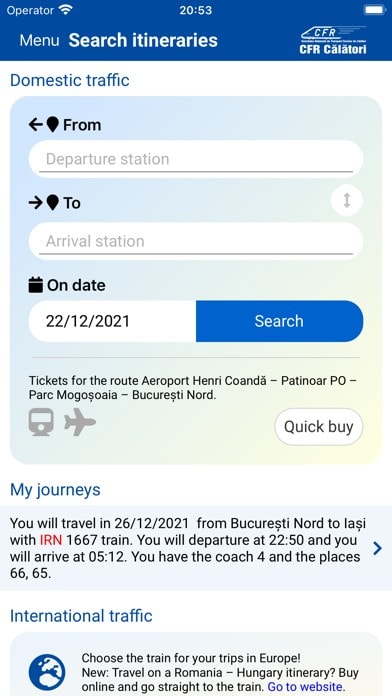
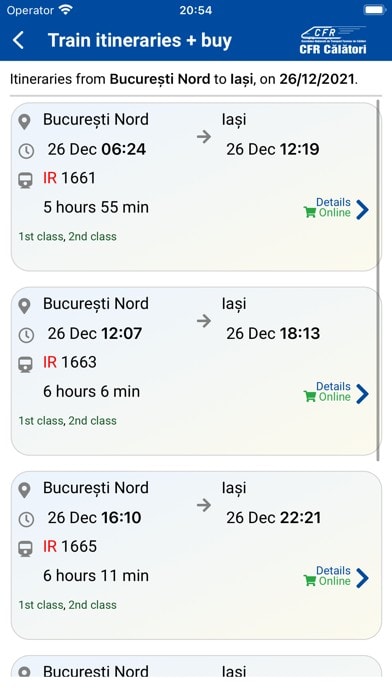
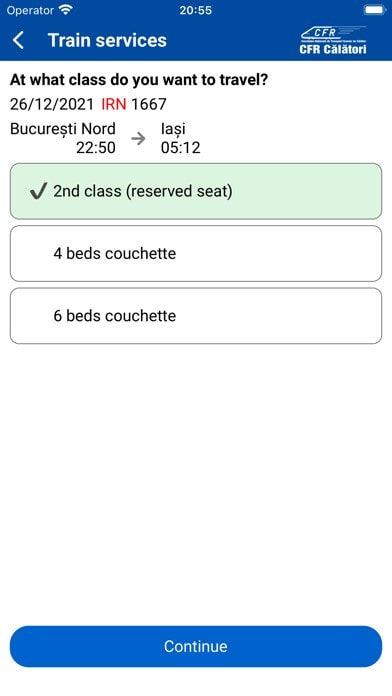
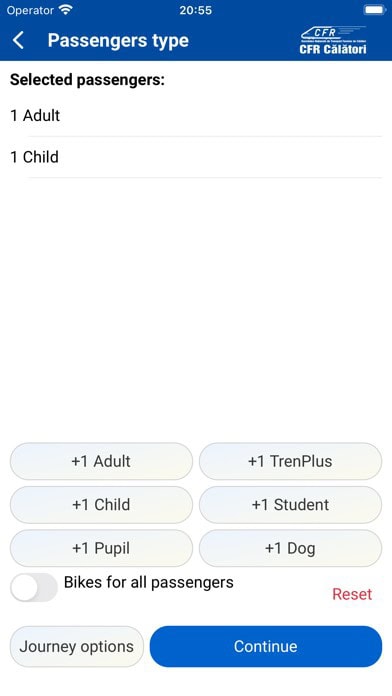
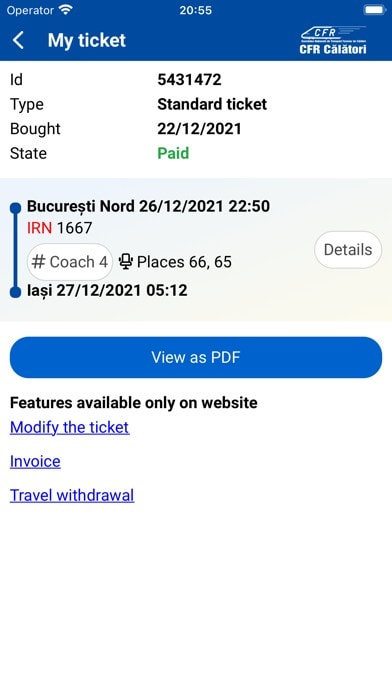
For Romanian domestic rail information, the CFR Călători app is equally important. This app provides real-time train schedules, delay updates, platform information, and reservation booking options. Since every Intercity and InterRegio service requires a reservation, using the CFR app can save substantial time compared with queuing at ticket counters.
Urban transport apps are also useful because the Interrail pass does not cover city systems. In Bucharest, apps for the Metrorex metro system and STB trams and buses help travellers move efficiently around the capital. Other major cities such as Cluj-Napoca and Timișoara also have local transport apps worth downloading before arrival.
Navigation apps such as Google Maps and Moovit are highly recommended as well. Romanian stations can sometimes feel confusing for first-time visitors, particularly during connections between trains and local transport. These apps simplify onward navigation considerably.
Travellers heading into the mountains or countryside often benefit from offline mapping apps such as Mapy.cz, which performs particularly well in Eastern Europe and hiking regions. This becomes especially valuable around Brașov, the Carpathians, and rural Transylvania.
Accommodation apps like Booking.com are also extremely useful because Romania rewards flexible itineraries. Travellers often decide spontaneously to stay longer in places such as Sibiu or Brașov once they arrive, and quick mobile booking options make this easy.
Together, these apps transform the Romania Interrail experience from something potentially complicated into a much smoother and more flexible journey across the country.
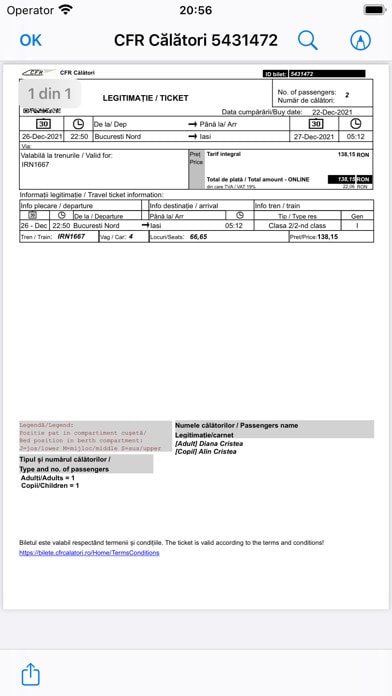
App availability and prices vary by country. Some of these may not appear in your local App Store or Google Play.

Rupert’s Handy Travel Tips
I’ve rattled across Romania on a few trips now, and here’s what I’d want you to know before you set off.
- Base yourself in Bucharest first: Gara de Nord connects to almost everywhere else in the country, so a night or two in the capital before heading out makes onward journeys far simpler to plan.
- Make Brașov and Transylvania your priority: if you only have a handful of travel days, spend them here. The Brașov to Sibiu leg is the single most rewarding stretch of track I’ve ridden in Romania.
- Budget more time than the map suggests: journeys look short on paper but often take far longer in practice, so build in slack rather than stacking connections back to back.
- Book CFR Călători reservations a day ahead where you can: the fees are tiny, but ticket office queues at busy stations in summer are not, and turning up without one can mean being turned away from an Intercity service.
- Don’t skip the Black Sea coast if you have the days: the run down to Constanța is one of the faster, easier journeys on the network and makes a good contrast to the mountains further north.
Want to meet the reindeer behind our travel tips? Find out more in our page Who is Rupert?.



Frequently Asked Questions about the Interrail Romania Pass
Do all trains in Romania require reservations?
No. Reservations are compulsory on Intercity (IC) and InterRegio (IR) trains, and on selected RegioExpress routes. Regio trains are reservation-free, allowing you to board freely with your pass.
Can I use the Romania Pass for international travel?
The pass covers CFR trains within Romania. For journeys into Hungary, Bulgaria, Serbia, or Moldova, you’ll usually need a separate ticket or a Global Pass to cover the international leg.
Are trains in Romania modern and fast?
Not always. While Intercity trains have been upgraded, many services are older and slower than those in Western Europe. Expect long travel times, but enjoy the scenery.
Can children travel free with the pass?
Yes. Children under 12 receive a free child pass when travelling with an adult, but this must be booked at the same time as the adult pass.
Is it better to buy a mobile or paper pass?
Most travellers prefer the mobile pass, stored in the Rail Planner app. Paper passes are still available, but require manually recording each journey and carry the risk of being lost.

Further Reading & Related App Guides
Exploring Romania by rail is just the beginning, so these related guides will help you stay connected, plan ahead, and get the most from your Interrail journey across Europe.
If Romania is one leg of a longer trip, our Interrail Europe Pass Guide is the best place to work out how a wider multi-country itinerary fits together. Staying online while you move between Bucharest, Brașov, and the Black Sea coast matters too, and our Best eSIM Apps Guide covers the easiest ways to keep data working without swapping physical SIM cards.
Since Romanian weather can shift quickly in the Carpathian Mountains, it is worth checking our Top Weather Apps Guide before setting off on a mountain route. When it comes to booking seats and reservations on the go, our Best Train Booking Apps Guide walks through the tools that make CFR Călători reservations quicker to arrange.
Finally, if you plan to stop overnight in places like Sibiu or Sighișoara, our Top Hotel Booking Apps Guide rounds up the apps worth having installed for finding last-minute rooms in smaller Romanian towns.