Reviewed by our editorial team Published
Venice has two airports, and mixing them up is one of the most common trip-planning mistakes visitors make. Marco Polo Airport (VCE) is the main international gateway, sitting on the mainland beside the Venetian Lagoon barely 8km (5 miles) north of the historic centre. Treviso Airport (TSF), used mainly by Ryanair and other budget carriers, is a genuinely separate airport around 40km (25 miles) further north near the city of Treviso, and a budget flight advertised simply as going to “Venice” very often lands here instead.
The distinction matters because it changes both the journey time and the cost of getting into the city. From Marco Polo, most transfer options take well under an hour and several cost very little, while Treviso adds a genuinely longer trip and, in most cases, a higher fare on top. This guide covers every practical way of reaching Venice from both airports, including the Alilaguna water bus, the ATVO and ACTV coach services, water taxis, private transfers and standard taxis, so the right choice for a specific flight and budget is clear before landing.
One thing applies to every option below at Marco Polo: no road vehicle, taxi included, can drive into Venice’s historic centre, so land transport always ends at Piazzale Roma, the city’s gateway square, from where the final stretch is on foot or by vaporetto. Only a water taxi or the Alilaguna boat can drop passengers closer to a hotel door on the water itself. Treviso involves an extra leg before any of that even begins, which is exactly why it is worth reading both halves of this guide rather than assuming the two airports work the same way.
Comparing Your Marco Polo Transfer Options at a Glance
With five genuinely different ways to leave Marco Polo Airport, it helps to see journey time and price set side by side before choosing. The table below covers the main options into central Venice, each explained in full further down this page, so this is a quick-reference starting point rather than the whole story.
| Option | Journey Time | One-Way Price | Best For |
|---|---|---|---|
| ACTV Bus (Line 5) | ~25 to 35 minutes | €10 (£9/$11) | Budget travellers, light luggage |
| ATVO Coach | ~20 to 25 minutes | €12 (£10/$14) | Fewer stops, more luggage room |
| Alilaguna Water Bus | ~60 to 90 minutes | €18 (£15/$21) | A scenic arrival straight into Venice by water |
| Shared Water Taxi | ~30 to 40 minutes | ~€35 (£30/$40) per person | Fast, memorable, moderate budget |
| Private Water Taxi | ~20 to 30 minutes | from ~€200 (£172/$230) | Door-to-door speed and comfort |
| Standard Taxi | ~15 to 20 minutes | ~€40 (£34/$46) | Late-night arrivals, groups sharing a fare |
The Alilaguna Water Bus from Marco Polo Airport
Alilaguna runs the only public boat service directly from Marco Polo Airport into Venice, and for many first-time visitors it is the most memorable way to arrive, gliding across the lagoon past Murano and the northern islands before the city’s skyline appears properly for the first time. The service operates three separate lines, each calling at a different set of stops, so picking the right one for a hotel’s location saves a long walk at the other end.
The Blue Line is the slowest but covers the most ground, calling at Murano before looping through the Arsenale, San Zaccaria and San Marco area and continuing on to Zattere, Giudecca and the railway station, typically taking around 75 to 90 minutes to reach San Marco. The Orange Line is generally the more direct choice for anyone staying near the Grand Canal, calling at Madonna dell’Orto and Rialto on its way to Santa Maria del Giglio in roughly 60 to 75 minutes. A seasonal Red Line, running only from late April to late October, adds a third route via Murano and the Lido to San Marco Giardinetti.
A single one-way ticket costs around €18 (£15/$21), with a return fare of roughly €32 (£28/$37), and tickets can be bought at the airport pier or in advance online. Luggage racks are limited on board, so anyone travelling with several large suitcases should budget a little extra time for boarding at busy periods. Full timetables and the current fare list are published on Alilaguna’s official site, which is worth checking before travelling since sailings thin out later in the evening.
Best for a short trip. Compare rooms by neighbourhood, price and guest rating before you book.
Compare hotelsBest for families, or any stay past about four nights. A kitchen and a washing machine start paying for themselves.
Browse rentalsBest if you have already picked a hotel. Checks the big booking sites for the same room and shows who is cheapest.
Check dealsATVO and ACTV Buses to Piazzale Roma
For anyone happy to finish the journey by vaporetto or on foot, a land bus to Piazzale Roma is by far the cheapest way off Marco Polo Airport. Two separate operators run this route, and the difference between them is worth knowing before joining a queue at the stop outside arrivals.
The ATVO coach is the express option, running fairly directly to Piazzale Roma in around 20 to 25 minutes for a fare of about €12 (£10/$14) one way, with a return ticket costing roughly €20 (£17/$23). Buses depart frequently through the day, luggage is stored in a hold beneath the coach, and tickets can be bought from machines or the ticket desk before boarding.
The ACTV Line 5 Aerobus covers the same route for less, around €10 (£9/$11) one way, but it is the everyday city bus rather than an airport express, so it makes more intermediate stops and can take anywhere from 25 to 35 minutes depending on traffic. It runs slightly more frequently than the ATVO service and operates deep into the night, which makes it a reasonable back-up for a late arrival even without the ATVO’s extra comfort.
Both services drop passengers at the same Piazzale Roma terminus, right beside the vaporetto stops and a short walk from the People Mover shuttle to the Tronchetto car park. Tickets for either bus should be validated before or on boarding, and neither service requires advance booking, so turning up and buying on the spot works fine outside the very busiest summer weeks.
Water Taxis and Private Transfers from Marco Polo
A water taxi is the fastest and most flexible way to reach a specific address in Venice, since it can pull up at a landing stage close to almost any hotel rather than stopping at a fixed public pier. Shared water taxis, where a boat carries several unrelated bookings dropping off at different points, typically cost around €35 (£30/$40) per person and take roughly 30 to 40 minutes.
Booking a private water taxi for exclusive use costs considerably more, generally starting from around €200 (£172/$230) for the standard run into the city, rising further late at night or with extra luggage. In exchange, the boat waits for the group alone, cuts the crossing to around 20 to 30 minutes and can moor directly at a hotel’s own dock where one exists, which is the closest thing to a true door-to-door arrival Venice can offer.
A pre-booked private transfer by road is also available and works the same way as at any other airport: a fixed price agreed in advance, a driver waiting in arrivals, and a fare that removes any surprise over metered charges. Because a car cannot enter the old town, a private road transfer still ends at Piazzale Roma, so it suits travellers who want certainty over cost more than it saves time compared with the buses above.
A standard taxi from the rank outside arrivals covers the same road route to Piazzale Roma in around 15 to 20 minutes for a fare of roughly €40 (£34/$46), making it most worthwhile late at night when bus frequency drops or for a small group splitting the cost. As with the bus, remember that reaching an actual hotel from Piazzale Roma still means a walk or a further vaporetto hop, since no taxi can drive into the historic centre itself.
Private Transfers from Marco Polo and Treviso Airports
A pre-booked private transfer is arranged and paid for before landing, with a car or boat waiting specifically for one group rather than sharing space with other bookings. It differs from the shared options covered above because the price is fixed in advance and the schedule bends entirely around a traveller’s own flight, not a shared timetable.
From Marco Polo, this usually means a private water taxi that can travel direct to a hotel’s own canal-side dock or the nearest point a boat can safely reach, cutting out the walk or vaporetto hop every road-based option still needs. It is the closest thing to a genuine door-to-door arrival Venice can offer, though not every hotel has its own landing stage, so it is worth checking in advance.
From Treviso, a private transfer works differently since it travels by road rather than water, and like every other vehicle it can only reach as far as Piazzale Roma or the Tronchetto car park before the historic centre takes over. A pre-booked car still beats queuing at a taxi rank or working around the ATVO coach’s flight-linked timetable, especially after a late or delayed landing.
On cost, a private water taxi from Marco Polo for up to four passengers typically starts from around €200 (£172/$230), considerably more than the shared water taxi or bus but with a calmer, faster crossing and no shared stops. A private road transfer from Treviso generally starts from around €90 (£77/$100) for a standard car, pricier than the ATVO coach but a fixed, known cost door to door rather than a metered fare.
This kind of transfer suits particular travellers more than others, including groups splitting the cost, anyone with heavy luggage or a mobility need, and late-night arrivals when public transport thins out. For a short solo trip travelling light, though, the shared options covered earlier in this guide usually work out cheaper without losing much comfort.
Most operators offering this kind of service take bookings through a comparison site or directly with a local transfer company, confirm the price and vehicle in advance, and track the incoming flight so a delay never leaves anyone waiting at an empty pick-up point. Booking a few days ahead of arrival, rather than on the day, generally secures a better price and guarantees availability during Venice’s busiest travel periods.

Compare Airport Transfer Companies
Pre-booking your airport transfer can save time and reduce stress when you arrive. Whether you need a private taxi, shared shuttle or executive transfer, comparing providers can help you find the best price and service for your journey.
We’ve selected three trusted airport transfer companies so you can compare prices, vehicle options, cancellation policies and customer reviews before you travel.
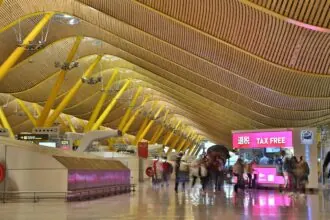
Facilities at Venice Marco Polo Airport
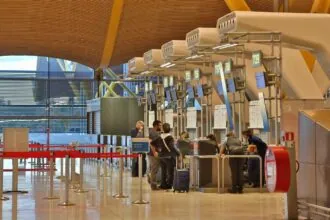
Marco Polo Airport provides free, unlimited WiFi throughout the terminal, joined simply by selecting the “Venezia Airport Free WiFi” network with no registration required. It is fast enough for streaming or a video call while waiting out a delay, and charging points for phones and laptops are dotted through the departure lounges and VIP areas.
The terminal has a reasonable spread of cafes, bars and a few sit-down restaurant options across both the landside and airside areas, enough for a proper meal rather than just a snack before boarding. Duty-free shopping and a handful of Italian food and gift shops sit alongside the usual airport retail mix near the departure gates.
Travellers wanting a quieter space before flying can pay to use the Aspire Executive Lounge on the second floor, ahead of security, which bundles complimentary food and drink, fast WiFi and fast-track security access into one entry fee. Priority Pass, Dreamfolks and a few other membership schemes get complimentary entry subject to space, and non-flying visitors can also buy access.
A staffed left-luggage service operates on the ground floor near Entrance 1, run by the Trasbagagli cooperative, and it is a genuinely useful option for anyone with a long layover or an early arrival before a hotel check-in. Bookings and current pricing are best confirmed directly with the operator rather than assumed in advance.
Currency exchange desks are available on every floor of the terminal, and cash machines are placed in both the arrivals and departures areas for anyone who needs euros on the spot. A small pharmacy trading inside a Relay newsagent also operates within the terminal, covering the basics for travellers who need medication or simple health items before or after a flight.
A 24-hour first aid station covers medical emergencies, and a prayer room in the departures area is open to travellers of any faith who need a quiet space. Restrooms, baby-changing facilities and SIM card kiosks are distributed throughout the terminal, so most everyday travel needs are covered without leaving the building.
Getting to Venice from Treviso Airport
Treviso Airport (TSF) is a genuinely different proposition from Marco Polo, and travellers who book a cheap Ryanair fare without checking which airport it actually uses sometimes discover this only after landing. It sits close to the separate city of Treviso, roughly 40km (25 miles) north of Venice, so every onward journey takes longer and typically costs more than the equivalent trip from Marco Polo.
The main public transport link is the ATVO Route 351 coach, which was renewed in August 2026 with faster timings and now runs directly to Mestre in around 30 minutes and on to Venice’s Piazzale Roma in around 40 minutes. Fares typically run somewhere around €10 to €12 (£9-10/$11-14) one way, though it is worth checking the current price on ATVO’s own booking site before travelling, since exact fares can shift between updates.
Departures are timed around flight arrivals and departures rather than running on a fixed clock-face frequency the way the Marco Polo buses do, so it is sensible to check the schedule for a specific flight in advance rather than assuming a bus will be waiting. A standard taxi or a pre-booked private transfer is also available at the rank outside arrivals, and because of the extra distance involved, both cost noticeably more than the equivalent ride from Marco Polo and take closer to 40 to 50 minutes to reach central Venice.
| Option | Journey Time to Venice | Approx. Price | Best For |
|---|---|---|---|
| ATVO Route 351 Coach | ~40 minutes (direct to Piazzale Roma) | €10-12 (£9-10/$11-14) | Budget travellers, straightforward luggage |
| Bus + Train via Treviso Station | ~40 to 50 minutes total | from ~€9 (£8/$10) combined | Onward rail connections, frequent departures |
| Taxi or Private Transfer | ~40 to 50 minutes | noticeably higher than from Marco Polo | Late arrivals, groups, direct door-to-door |
The Train Option from Treviso Airport
Treviso Airport has no train station of its own, but reaching one is quick and cheap enough to make this a genuine alternative to the direct coach. The MOM Airbus shuttle links the airport with Treviso Centrale train station in around 10 minutes, running roughly every 30 minutes through the day for a fare of about €5 (£4/$6), and a taxi covers the same short hop in a similar time for those who would rather skip the wait.
From Treviso Centrale, regional trains to Venezia Santa Lucia run frequently throughout the day, dozens of departures rather than a handful, and the journey itself takes around 30 minutes with fares starting from roughly €4-5 (£3-4/$5-6) for a standard regional ticket. Combined with the Airbus connection, the total trip from the terminal to Santa Lucia station lands somewhere around 40 to 50 minutes, similar to the direct ATVO coach but arriving at the railway station rather than Piazzale Roma.
This route suits anyone with an onward rail connection after landing, since it avoids a separate trip back out to a station later, and it is a useful fallback if the direct 351 coach doesn’t line up well with a particular flight time. Both legs can be paid for separately with cash or card at the relevant machine, and neither needs to be booked ahead of arrival.
Best if you can move a day either way. Shows how the fare changes across the month.
Compare flightsBest for short trips. Install the eSIM at home and arrive with working data, no shop queue.
Browse eSIMsBest after a long flight or a late landing. Price agreed before you travel, and no taxi queue.
Check transfersFacilities at Treviso Airport
Treviso Airport also offers free WiFi across the terminal through the “Treviso Airport Free WiFi” network, and free charging points for phones, tablets and laptops sit on every floor as well as inside the lounge. It is a smaller airport than Marco Polo, so the walk between any two facilities rarely takes more than a couple of minutes.
The terminal has a handful of cafes and a bar serving hot food and drinks alongside a small selection of shops, enough to cover a meal or snack around a flight without the wider choice of a bigger airport. A duty-free style shop stocks the usual travel essentials plus a few regional Prosecco and food gifts near the departure gates.
The Canova Lounge sits on the ground floor before security, to the left of the main entrance, and gives access to complimentary WiFi, snacks, coffee and flight information screens for a fixed entry price bought online in advance. It opens daily from 8am to 8pm, and check-in is allowed up to three hours before a scheduled departure.
A currency exchange desk operates in the arrivals area for travellers who want euros in hand before heading onward, and several ATMs are placed across both the arrivals and departures sides of the terminal. Between them, most routine cash needs on arrival are covered without a special detour.
Treviso’s own site does not advertise a dedicated left-luggage desk inside the terminal itself, so anyone needing to store bags for several hours is generally better served booking storage in Treviso town or waiting until Marco Polo Airport instead. A first aid station on the ground floor covers minor medical needs, though there is no full airport pharmacy on site the way there is at Marco Polo.
Restrooms with baby-changing facilities are available on both the ground and first floors, and an information desk in the main hall can point travellers toward anything not immediately obvious. Given the airport’s compact size, most of these facilities sit within sight of each other just past the arrivals hall.
Hiring a Car at Marco Polo and Treviso Airports
Both of Venice’s airports have on-site car hire desks from major international brands, making a rental car a realistic option for anyone starting a wider Italian road trip rather than staying in the city itself. At Marco Polo, familiar names including Avis, Europcar, Hertz, Sixt and the Italian firm Locauto all operate directly from the terminal.
Rental company offices at Marco Polo sit on the third level of the P1 multi-storey car park, reached by following signs from a covered walkway just outside arrivals rather than from a desk inside the terminal itself. It is a short but noticeable walk with luggage, so budgeting a few extra minutes after landing is sensible.
Treviso is served by a similar spread of agencies, including Avis, Europcar, Sixt and Locauto among others, with their desks grouped together on the ground floor of the arrivals area itself. Picking up a car here is more straightforward, since the rental offices and the car park sit only around fifty metres from the terminal doors.
A hire car is genuinely not useful for reaching Venice’s historic centre, since no road vehicle can drive into the old town at all, and the closest a rental can get is the same Piazzale Roma or Tronchetto car parks used by taxis and buses. Anyone planning to base themselves in central Venice is better served by one of the transfer options covered earlier in this guide rather than a rental car sitting unused.
Where a rental genuinely earns its cost is onward travel, picking up a car at either airport to head into the Veneto countryside, up to the Dolomites, or across to Lake Garda without relying on trains or coach timetables. Many visitors combine a few days in Venice using the transfers above with a self-drive leg once they are ready to move on.
Non-EU visitors, including many from the UK and the US, should check in advance whether an International Driving Permit is needed alongside their home licence, since requirements are not always enforced consistently at the rental desk itself. Drivers should also know that much of Venice’s mainland approach through Mestre includes its own restricted ZTL zones, so sticking to the main routes toward Piazzale Roma or Tronchetto avoids an unexpected fine.

Search Car Hire Options in Venice
When public transport does not fit your plans in Venice, hiring a car can give you more control over your route and travel times.
Search both Discover Cars and EconomyBookings to compare rental prices, vehicle categories and supplier conditions.

Rupert’s Handy Travel Tips
I’ve watched plenty of travellers turn up at the wrong Venice airport entirely, so let’s get the basics sorted before you land.
- Check your boarding pass twice: if your flight is a budget carrier landing at “Venice,” confirm it’s actually Marco Polo (VCE) and not Treviso (TSF), they are a genuine 40km apart.
- Tap for the bus, not cash: the ATVO and ACTV buses from Marco Polo are quick and cheap, but keep a card handy so you’re not fumbling for coins with a queue behind you.
- Book the water taxi ahead if you want it: a private water taxi is the most memorable arrival in Venice, but prices and availability are far better sorted in advance than on the pier.
- Remember Piazzale Roma isn’t your hotel: every road transfer, taxi included, ends there, so budget a bit of extra walking or a vaporetto hop to your actual door.
- From Treviso, don’t assume a bus is always waiting: departures are built around flight times rather than a fixed frequency, so check the timetable for your specific flight before you land.
Want to meet the reindeer behind our travel tips? Find out more in our page Who is Rupert?.




Frequently Asked Questions
What is the difference between Marco Polo and Treviso airports for Venice?
Marco Polo (VCE) is the main international airport, about 8km from central Venice with fast, frequent transfer options, while Treviso (TSF) is a separate airport used mostly by budget carriers, around 40km away with a longer and generally pricier journey into the city.
What is the cheapest way to get from Marco Polo Airport to Venice?
The ACTV Line 5 Aerobus is usually the cheapest option at around €10 (£9/$11) one way, though the ATVO coach at around €12 (£10/$14) is faster and makes fewer stops for a small difference in price.
Can I get a boat directly from Marco Polo Airport into Venice?
Yes, the Alilaguna water bus runs three lines from the airport pier into the city for around €18 (£15/$21) one way, taking roughly 60 to 90 minutes depending on the line and your final stop.
How do I get from Treviso Airport to Venice?
The ATVO Route 351 coach runs directly to Venice’s Piazzale Roma in around 40 minutes for roughly €10-12 (£9-10/$11-14), or you can take the short MOM Airbus shuttle to Treviso’s train station and continue by regional train to Venezia Santa Lucia.
Why can’t a taxi take me straight to my hotel in Venice?
No motor vehicle is allowed into Venice’s historic centre, so every road-based transfer, including taxis and private cars, ends at Piazzale Roma, from where the final stretch to most hotels is on foot or by vaporetto.
Is a water taxi worth the extra cost from Marco Polo?
It depends on your priorities: a private water taxi costs considerably more than a bus or the Alilaguna boat but cuts the journey to around 20 to 30 minutes and can moor much closer to your actual hotel, which matters most for late arrivals or heavy luggage.
Further Reading
Landing is only the start of the trip, and getting from the airport is a very different question to getting around once you’re actually in Venice. We have a dedicated guide to getting around Venice once you arrive, covering the vaporetto network, walking routes and how to avoid the most crowded pinch points around San Marco and the Rialto Bridge.
Once settled in, our guide to the best things to do in Venice rounds up the sights, neighbourhoods and day trips genuinely worth the time, well beyond the handful of landmarks most first-time visitors stick to. It’s worth reading before finalising an itinerary, since a few of the best experiences sit a little outside the obvious centre.
Anyone planning to use public transport heavily should also look at our guide to the Venezia Unica City Pass, which bundles vaporetto travel with museum and church entry and includes an optional add-on covering the Alilaguna airport boat itself, a genuinely useful combination for a first Venice trip.
Heading straight on to the mountains after landing rather than staying in the city? Our guide to Venice Airport to Ski Resorts covers the direct coach services to Cortina d’Ampezzo and Alta Badia, since getting to the Dolomites from Marco Polo is a genuinely different trip to getting into Venice itself.