Reviewed by our editorial team Updated
Tromsø: A Small Arctic City With an Outsized Reputation
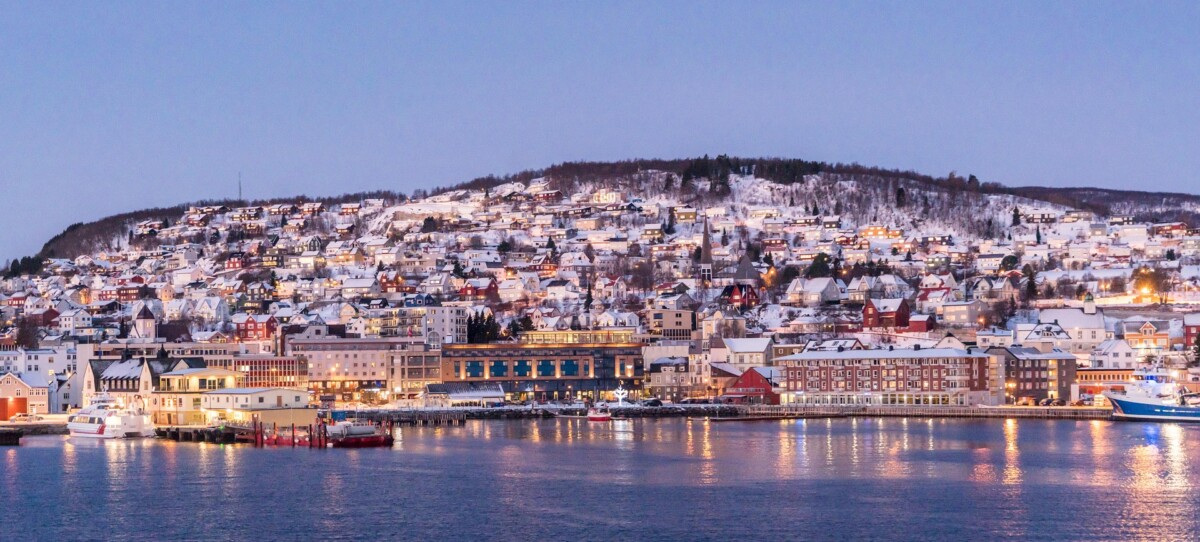
Despite its nickname as the Capital of the Arctic, Tromsø is a genuinely small city, home to around 78,000 people spread across a handful of connected islands and a slice of mainland. That compact size is exactly what makes it work so well as a base: almost everything worth seeing in the centre itself is within a short walk, while the wider Arctic scenery that draws most visitors here is never more than an hour or two away.
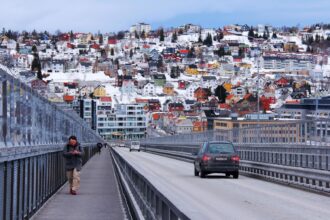
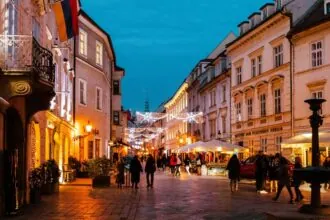
The city centre sits on Tromsøya island, a tight grid of colourful wooden buildings, cafes and harbourside walkways that has survived largely intact since the 1800s, when Tromsø grew rich on Arctic hunting and fishing expeditions. That history is still visible everywhere, from statues of polar explorers to museums built around the era.
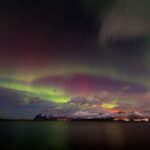
What makes Tromsø unusual among Arctic destinations is how much of its appeal works in both directions of the calendar. Winter brings the northern lights, snow activities and the deep blue light of the polar night, while summer brings the midnight sun, boat trips and hiking, with almost no darkness at all for weeks on end.
This guide covers the best things to do within the city itself. For the bigger Arctic experiences that draw most people north in the first place, from northern lights chasing to whale watching, dog sledding and skiing, we have separate, more detailed guides linked at the end.
Getting here is straightforward too, with direct flights connecting Tromsø to Oslo and several other Norwegian cities year-round, plus seasonal routes from a handful of European hubs. That accessibility, combined with the compact centre, is part of why Tromsø works equally well as a long weekend or as the anchor for a longer Arctic itinerary.
The Arctic Cathedral: Tromsø’s Iconic Glacier-Shaped Church
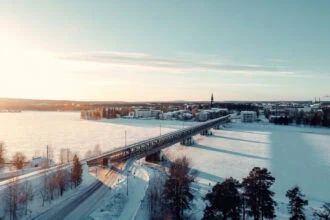
The Arctic Cathedral (Ishavskatedralen) is Tromsø’s most photographed building, a striking white, triangular structure on the mainland side of the Tromsø Bridge, designed to echo the shape of Arctic ice and mountain peaks. Its glass eastern wall, filled with a vast stained-glass mosaic, glows dramatically at night and is visible from much of the city centre across the water.
Inside, the building functions as a working Church of Norway parish church rather than a formal cathedral in the strict sense, and it regularly hosts concerts, including summer midnight sun concerts that make use of the building’s excellent acoustics and the never-ending daylight outside.
A small entry fee applies for daytime visits outside of services, and the building is an easy stop either on foot across the Tromsø Bridge or as part of a bus route heading toward the airport, making it simple to combine with other mainland sights.
The building was designed by Norwegian architect Jan Inge Hovig and opened in 1965, its eleven triangular concrete panels on each side chosen to echo stacked icebergs and the surrounding mountain peaks. That same triangular geometry continues inside, where exposed concrete ribs frame the nave and draw the eye up toward the glass mosaic above the altar.
The mosaic itself was added in 1972 by Norwegian artist Victor Sparre, one of the largest stained-glass works of its kind in Northern Europe. It is best appreciated from inside at dusk, when the interior lighting makes its colours glow outward across the water.
Best for a short trip. Compare rooms by neighbourhood, price and guest rating before you book.
Compare hotelsBest for longer stays. Whole apartments and houses, so you are not eating out three times a day.
View rentalsBest if you have already picked a hotel. Checks the big booking sites for the same room and shows who is cheapest.
Check dealsFjellheisen Cable Car and Mount Storsteinen
The Fjellheisen cable car climbs from Tromsdalen on the mainland side of the Tromsø Bridge up to Mount Storsteinen, a viewpoint 421 metres above sea level reached via a 752-metre cable run, with genuinely spectacular views back across Tromsøya, the surrounding fjords and, in winter, a real chance of seeing the northern lights from above the city’s own light pollution.
The base station sits at Solliveien 12 in Tromsdalen, on the opposite side of the Tromsø Bridge from the city centre, around a 45-minute walk or a 10-minute taxi ride costing roughly NOK 150-250 (£11-18/€13-21/$14-23). A seasonal shuttle bus also runs between the city centre and the base station through the winter months, from mid-November to the end of March.
The ride itself takes around four minutes each way, and Fjellstua, the restaurant and cafe at the top, means visitors can easily spend an hour or more taking in the view rather than rushing back down. Several marked hiking trails, including dedicated snowshoe routes in winter, lead further up into the hills from Fjellstua for anyone wanting to extend the visit on foot.
Fjellheisen runs year-round, typically from around 9am until midnight, with the Fjellstua cafe closing a little earlier at around 11:30pm. A standard adult return ticket costs in the region of NOK 645 (£47/€54/$59), with a child return around NOK 310 (£23/€26/$28) and family tickets also available, though it is always worth checking current pricing before you go since ropeway fares tend to shift from one season to the next.
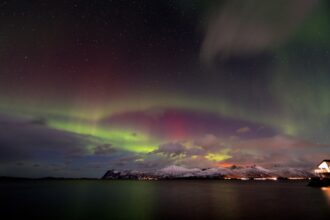
Because the viewpoint sits above the city rather than out in the wilderness, it is one of the most convenient places in the entire region to try for the northern lights without leaving town, with the aurora season here running roughly from September to April and activity most often reported between around 6pm and 2am. A dedicated tour further afield still offers better odds on any given night, but Fjellheisen remains the simplest option for a quick, no-commitment look at the sky.
Polaria: The Arctic Experience Centre
Shaped like a row of toppling ice floes on the harbourfront, Polaria is Tromsø’s dedicated Arctic experience centre, combining a small aquarium, a panoramic cinema showing Arctic nature films and an outdoor seal enclosure where bearded seals are fed and put through their paces at set times through the day.
It is a genuinely good option for a couple of hours on a bad-weather day, and one of the few attractions in the city aimed as much at families and children as at adults, with hands-on exhibits explaining the science behind the Gulf Stream, sea ice and the aurora itself.
Polaria sits close enough to the harbour and the Polar Museum that all three make a natural half-day loop on foot, without needing any transport beyond a comfortable pair of shoes.
Most visitors find an hour and a half to two hours is enough to see everything properly, including the aquarium and the panoramic film. Seal feedings run at fixed times through the day, generally around 10:30am, 12:30pm and 3:30pm, and are worth timing a visit around since they are the liveliest part of the whole experience.
The panoramic film adds roughly fifteen minutes to a visit and runs on a continuous loop, so there is no need to plan around a specific screening time. The building’s own tilted, toppling-ice-floe design, visible from right across the harbour, is as much a part of the attraction as anything inside it.
The Polar Museum: Polar Expeditions and Arctic History
Housed in a former customs warehouse on the harbourfront, the Polar Museum tells the story of Tromsø’s Arctic hunting, trapping and exploration history, including its close links to Roald Amundsen, who set out from the city on several of his most famous polar expeditions.
Exhibits cover everything from early Arctic trapping stations on Svalbard to the equipment used on historic polar journeys, and the museum does not shy away from the harder edges of that history, including the environmental toll of the region’s hunting era.
For anyone curious why a small city this far north became such an important base for Arctic expeditions in the first place, this museum is the single best place in Tromsø to find out, and it rarely takes more than an hour to work through properly.
The ground floor focuses on the region’s hunting and trapping era, with recreated trapper’s cabins and displays of the equipment used by Norwegian trappers who wintered on Svalbard for months at a stretch. Upstairs, the museum shifts to full-scale polar expeditions, including outfits, sledges and photographs connected to Roald Amundsen and the wider era of Norwegian polar exploration.
A dedicated section covers Amundsen’s South Pole expedition of 1911 and his later Arctic flights, both of which used Tromsø as a staging point before heading north or south. The building itself, a restored harbourside customs warehouse, is part of the same wave of Arctic-era architecture as many of the wooden townhouses nearby.
Polar Park: Arctic Wildlife Beyond the City
Polar Park is Norway’s northernmost wildlife park, home to brown bears, wolves, wolverines, lynx, moose, reindeer, musk ox and Arctic foxes roaming large natural enclosures near Bardu. It sits considerably further out than anything else in this guide, roughly two hours forty-five minutes’ drive from Tromsø, so it is worth treating as a full day excursion rather than a quick side trip from the city centre.
The park runs guided predator-viewing and feeding tours at set times through the day, and opening hours stretch noticeably longer in summer than the shorter winter hours, so it is worth checking the current daily schedule before setting off. Adult entry runs to around NOK 315 (£23/€27/$29), and given the distance involved, most visitors either combine it with a wider road trip through the region or book it as a dedicated organised day tour from Tromsø.
Once on-site, most visitors follow the Arctic Route, a guided or self-guided itinerary that typically runs to around three hours and takes in feeding stops for most of the park’s predators and larger mammals in turn. Budgeting a full three hours on top of the return drive is realistic for anyone wanting to see the whole park rather than rush through the highlights.
Tromsø Cathedral and the Old Wooden Town
Not to be confused with the Arctic Cathedral across the water, Tromsø Cathedral is the city’s original wooden cathedral in the historic centre, built in the 1860s and often described as one of the northernmost wooden cathedrals anywhere in the world.
The streets immediately around it hold much of what remains of Tromsø’s old wooden townhouses, painted in the same bright reds, yellows and blues found across coastal Norway, and a slow wander through them is one of the simplest, cheapest ways to spend an afternoon in the city.
Storgata, the main pedestrian street running through this district, is where most of the city’s shops, cafes and restaurants are concentrated, making it the natural spine of any walking tour of central Tromsø.
Built in 1861 and constructed almost entirely from wood, Tromsø Cathedral is one of very few wooden cathedrals still standing anywhere in the world, let alone this far north. Its simple, pale exterior and modest spire are a deliberate contrast to the dramatic concrete and glass of the Arctic Cathedral across the water, reflecting a much older, more traditional approach to church design.
Many of the surviving townhouses now function as protected heritage buildings, and a number have been converted into small shops, galleries and cafes rather than private homes. That mix of everyday use and heritage protection is part of why the district still feels lived-in rather than purely preserved for visitors.
Mack Brewery and Ølhallen
Founded in 1877, Mack Brewery bills itself as the world’s northernmost brewery, and its original home in central Tromsø now houses Ølhallen, reputedly the city’s oldest pub, alongside a brewery-run bar and restaurant serving its own beers on tap.
It is a popular, unpretentious stop for visitors wanting a genuinely local evening out, and its history as a working brewery for well over a century gives it a character that is hard to find elsewhere in the city centre.
Opening hours and any tour or tasting options vary by season, so it is worth checking current details locally rather than assuming a fixed schedule, particularly outside the busier winter and summer periods.
Ølhallen itself is generally recognised as the oldest pub in Tromsø, opened by the brewery as its own tap room and still run as part of the same site today. Its long bar and rows of tap handles, often offering a dozen or more Mack beers side by side, give a sense of just how central beer has been to the brewery’s identity.
Brewery tours, where offered, typically walk visitors through the brewing process from raw ingredients to the finished pint, usually finishing with a tasting of a few of the core beers in the range. That combination of a working brewery and a genuinely old pub on the same site is unusual even by Norwegian standards, and part of why Mack and Ølhallen are treated as a single stop on most visitors’ itineraries.
Best for finding routes the airlines do not sell as a single ticket. Combines carriers to bring the fare down.
Search flightsBest for anyone whose home plan charges by the megabyte abroad. Pay a fixed price up front.
Check eSIMsBest after a long flight or a late landing. Price agreed before you travel, and no taxi queue.
Check transfersThe Troll Museum: Norwegian Folklore Brought to Life
Tucked into the city centre at Kaigata 3, the Troll Museum is Norway’s only museum dedicated to trolls and Norwegian folklore, walking visitors through two themed halls, “the road of trolls” and “the home of the sea troll”, using augmented reality exhibits viewed through a phone or tablet alongside the physical displays.
It is a small, quick stop, generally taking around an hour to work through properly, with English-language guiding included in the admission price. Adult entry runs to roughly NOK 180 (£13/€15/$16), though it is worth checking current opening hours locally since these shift a little between the busier summer months and the rest of the year.
For a straightforward visit, budget around an hour to work through both halls at a comfortable pace, though families with children often take longer given how much of the museum is built around the augmented reality installations. Kids in particular tend to want to linger over each AR scene rather than move quickly from room to room.
Beyond the two main halls, the museum draws on traditional Norwegian folklore collected from across the country, reimagining stories that were once told to explain everything from landslides to strange noises in the forest. The augmented reality layer brings individual trolls to life on screen as visitors move through each set, rather than relying on static models alone.
Getting Around Tromsø
Central Tromsø is genuinely small and almost entirely walkable, with the cathedral, harbourfront, Polaria and Polar Museum all within about fifteen minutes of each other on foot. Good, sturdy footwear matters more than any other piece of kit, since pavements can turn icy for months at a time in winter.
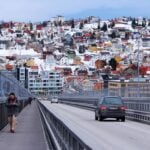
For sights across the water, such as the Arctic Cathedral and the Fjellheisen cable car, the walk across the Tromsø Bridge takes around twenty minutes each way, or local buses run the same route considerably faster for anyone short on time or facing bad weather.
A rental car is not necessary for anything covered in this guide, though it becomes genuinely useful the moment plans extend beyond the city itself, whether that is chasing the northern lights, reaching the fjords of Kvaløya, or heading out toward the Lyngen Alps.
Local buses accept contactless card payment directly on board, and there is no need to buy tickets in advance for short hops around the centre or across the bridge. Taxis are also readily available but priced at a premium compared with most of Europe, so they are best kept for late nights or heavier luggage rather than routine sightseeing.
In winter, studded or spiked overshoes are a common sight on locals and visitors alike, and are widely sold in Tromsø’s outdoor shops for anyone caught out by the ice. Cycling and e-scooters are popular in the milder months but far less practical once snow and ice set in.
Shopping in Tromsø
Storgata is Tromsø’s main pedestrian shopping street, lined with independent boutiques, familiar high-street names and cosy cafes through the historic centre. It is the natural starting point for a shopping trip combined with a wander through the old wooden town.
For a wider selection under one roof, Jekta Storsenter is the largest shopping mall in Northern Norway, with more than 120 stores across roughly 65,000 square metres. It sits at Karlsøyvegen 12, around five minutes from the airport and the city centre.
Central Tromsø is also home to several shops selling Sámi and Arctic-made goods, including reindeer-skin products, traditional Sámi handicrafts and locally produced wool and knitwear. Which shops are trading shifts season to season, so it is worth exploring Storgata’s side streets on foot rather than seeking a specific name.
These stores tend to offer more genuinely local souvenirs than the mass-produced trinkets found in many tourist centres. Buying directly from Sámi-run businesses is a meaningful way to support the region’s traditional craft.
Anyone who arrives underdressed for the cold, whether for aurora chasing or an icy afternoon, will find a good spread of outdoor and winter-gear shops around the centre. Thermal layers, proper gloves and studded overshoes are easy to pick up locally rather than packing for every condition.
Between Storgata’s boutiques, Jekta Storsenter’s mall convenience and the smaller Sámi and outdoor specialists around town, Tromsø covers a surprising shopping range for such a small city, and most of it is walkable in an afternoon.
Food and Dining in Tromsø
Arctic and Nordic cuisine is the defining theme of eating out in Tromsø, built around fresh marine ingredients pulled from the surrounding cold waters. King crab, scallops and mussels turn up on menus across the city, often alongside reindeer meat, wild cloudberries and local cheeses.
King crab and reindeer are the two headline regional specialities worth seeking out, showing up in everything from simple plates to elaborate tasting courses. Both are closely tied to the Arctic landscape and treated as a genuine local point of pride.
The dining scene runs across a genuine range of styles. Small, high-end restaurants built around tasting menus sit alongside casual cafes, bakeries and tapas-style bars.
Tromsø does not have a dedicated fish market or food hall in the style found in Bergen, so there is no single covered venue gathering the seafood scene under one roof. Instead, the range is spread across the compact centre, mostly within walking distance of Storgata.
Cloudberries appear in desserts and preserves through the short Arctic summer, and local cheeses, often made from goat or reindeer milk, are another distinctly northern touch. Both are small but memorable ways to sample the region beyond the headline seafood and game.
For a first visit, it is worth trying an Arctic-focused tasting menu alongside a more casual spot, since the two say quite different things about how Tromsø eats. Between the fine dining end and the cafes and bakeries around town, options are genuinely varied for a city this size.
Nightlife in Tromsø
Storgata doubles as the main nightlife street as well as the main shopping street, with most of the centre’s bars and late-night spots clustered along or just off it. That overlap makes it easy to combine dinner and a night out without moving far between them.
Tromsø is a genuine university city, home to UiT The Arctic University of Norway, and that gives the nightlife a studenty, casual character rather than anything glossy. Dive bars, karaoke and games bars and live-music venues are far more the norm than nightclubs.
Local sources tend to describe the overall vibe as koselig, the Norwegian word for cosy, and that holds true even after dark. Evenings out lean toward relaxed conversation over a few beers rather than big-club energy or a dedicated dance scene.
Craft cocktail bars using Arctic-foraged ingredients, such as local gin and crowberry, are also part of the scene for anyone wanting something more considered than a standard pint. They sit comfortably alongside the more studenty dive bars rather than standing apart.
There is no dedicated rooftop bar in Tromsø, so anyone picturing skyline cocktails should adjust expectations to the city’s low-rise, harbourside character instead. What it lacks in height it makes up for in genuine character at street level.
For an obvious starting point, Ølhallen at Mack Brewery, covered earlier in this guide as the city’s oldest pub, is the natural first stop on any night out. From there, Storgata and its side streets hold most of what follows.
Best Time to Visit Tromsø
Tromsø genuinely rewards a visit at almost any time of year, but the experience changes dramatically depending on the season. Roughly late September to early April is northern lights season, with the darkest, longest nights falling during the polar night between late November and mid-January.
From late May to late July, Tromsø instead experiences the midnight sun, when the sun never fully sets, opening up long days for hiking, boat trips and simply exploring the city at any hour without needing a torch.
Spring and autumn sit between the two extremes, with shorter but still meaningful daylight hours, fewer crowds, and often better value on flights and accommodation than the peak winter aurora season.
Late January and February often bring some of the most reliable clear, cold nights for aurora viewing, since the sky has properly darkened again after the depths of the polar night but temperatures are usually more forgiving than December. This stretch of the season also tends to combine well with dog sledding and other snow activities, which need proper snow cover to run at their best.
Weather in Tromsø can change quickly at any time of year, so it is worth packing layers regardless of season and treating any single day’s forecast as a rough guide rather than a guarantee. Flexibility matters more than exact timing for most activities here, since clear skies for the northern lights or calm seas for a boat trip can appear or disappear within hours. For up-to-date event listings and seasonal opening hours before a trip, Visit Tromsø’s official tourism site is a reliable place to check current details.

Rupert’s Handy Travel Tips
Tromsø packs a surprising amount into a small city centre. Rupert’s tips will help you make the most of it.
- Wear proper winter footwear: icy pavements are a bigger practical challenge in central Tromsø than the cold itself.
- Cross the bridge on foot at least once: the walk to the Arctic Cathedral gives the best photo angle back over the city.
- Ride Fjellheisen on a clear evening: it is one of the easiest places to try for the northern lights without leaving town.
- Check opening hours before you go: several museums and Mack Brewery run shorter hours outside peak season.
- Save at least a full day for the city itself: it is easy to let Tromsø become just a stopover before the bigger Arctic activities.
Want to meet the reindeer behind our travel tips? Find out more in our page Who is Rupert?.



Best if you would rather spend the money on the trip than on the room. Compare hostels by location and rating.
Search hostelsBest if you have ever given up on a claim. AirHelp checks whether the flight qualifies and pursues it for you.
See the benefitsBest for a day with a suitcase and nowhere to put it. Find a storage point near where you already are.
View storageFrequently Asked Questions About Things to Do in Tromsø
How many days do you need in Tromsø?
The city centre itself can be covered in a single day, but most visitors stay two to four nights to also fit in at least one Arctic activity such as northern lights chasing or a fjord trip.
Is Tromsø walkable?
Yes. The central sights sit within about fifteen minutes of each other on foot, and even the Arctic Cathedral and Fjellheisen cable car are only a twenty-minute walk across the Tromsø Bridge.
What is the Arctic Cathedral known for?
Its striking triangular design and large stained-glass mosaic wall, which glows brightly at night and is one of the most photographed buildings in northern Norway.
Is Tromsø good to visit in summer?
Yes. From late May to late July the midnight sun keeps the sky bright around the clock, ideal for hiking and boat trips, though the northern lights are only visible in the darker months.
Do I need a car to see Tromsø’s main sights?
No. Everything covered in this guide is reachable on foot or by local bus, though a car helps for activities further outside the city such as northern lights chasing or the fjords.
Further Reading & Related Guides
Before you arrive, our Tromsø Airport to City Centre guide covers every transfer option from the short hop into town, including public buses, taxis and private transfers. Sorting this out in advance means one less thing to think about after a long flight north.
For the bigger Arctic experiences beyond the city itself, see our dedicated guides to chasing the northern lights from Tromsø, dog and reindeer sledding, whale watching, the Arctic fjords around Tromsø and skiing from Tromsø. Each of these covers logistics, timing and what to realistically expect in far more depth than fits into a single city guide.
If Tromsø is part of a wider Norwegian trip, our Nordland Line Guide and Norway Night Trains Guide both cover onward travel south from the Arctic. Both routes make for a scenic, low-stress way to keep exploring the country without needing to fly.
Given how quickly taxis, restaurant meals and alcohol can add up this far north, it is also worth reading our Norway on a Budget guide before the trip, since several of its savings, from duty-free alcohol to self-catering, apply just as well in Tromsø as anywhere else in Norway.