Reviewed by our editorial team Updated
Why Innsbruck Airport Is One of Europe’s Best Ski Airports
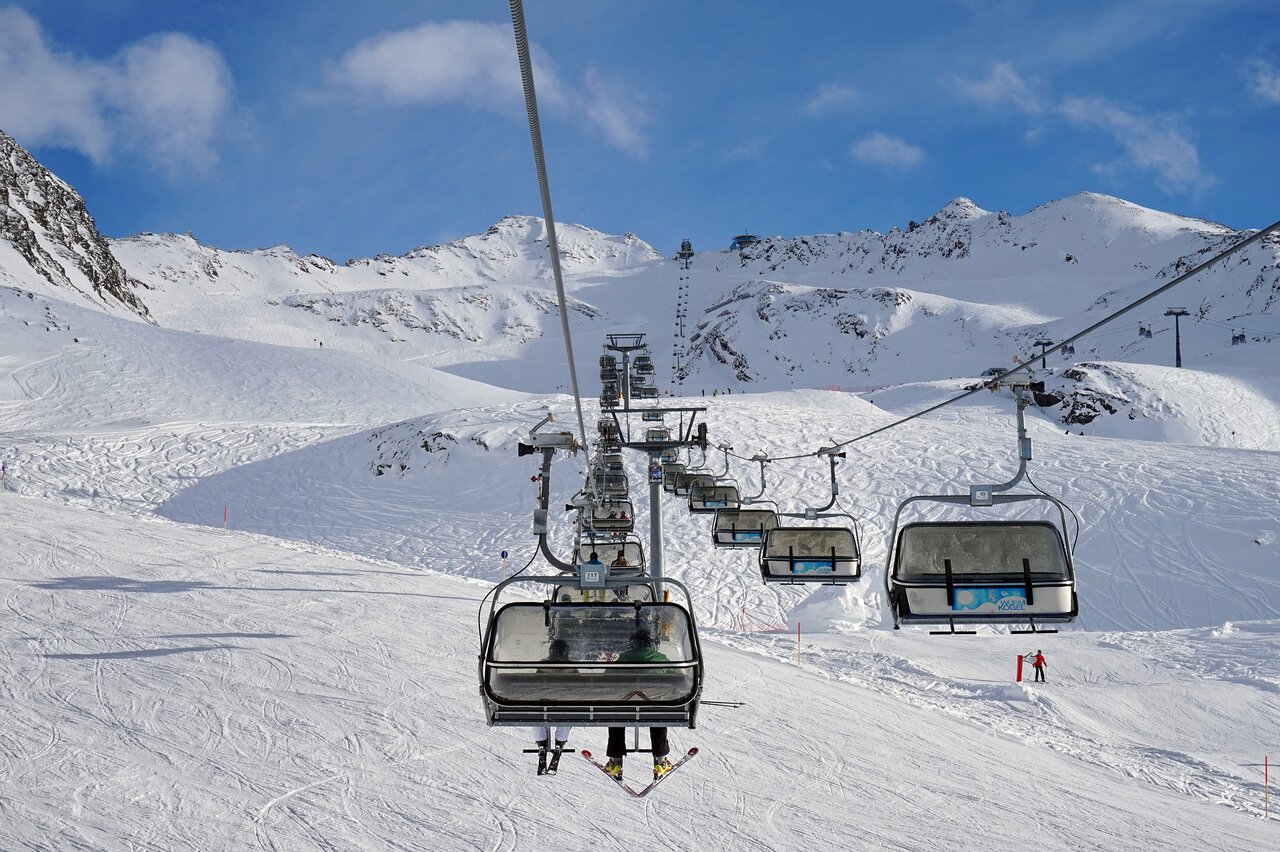
For winter sports enthusiasts, Innsbruck Airport (INN) is widely regarded as one of the best ski airports in Europe. Unlike many airports that serve mountain destinations from a considerable distance, Innsbruck sits directly within the Tyrolean Alps, placing visitors remarkably close to some of Austria’s most famous ski resorts. In many cases, travellers can leave the aircraft and be standing in a ski resort little more than an hour later.
The airport serves an impressive range of destinations. World-famous resorts such as St Anton am Arlberg, Ischgl, Sölden, Mayrhofen, Obergurgl, Kühtai, Seefeld, and Kitzbühel are all within practical transfer distance. This means visitors can choose between beginner-friendly slopes, family-focused resorts, challenging off-piste terrain, lively après-ski destinations, and some of the most snow-sure ski areas in the Alps without needing to change airports.
Another major advantage is the variety of transfer options available. Travellers can choose between private ski transfers, shared shuttle buses, scheduled public buses, rail connections, car hire, and taxis. Whether you’re travelling as a solo skier with hand luggage or as part of a family group carrying multiple ski bags, there is usually a transfer solution that matches both your budget and travel style.
The airport’s location also provides a useful degree of flexibility. Should weather conditions affect mountain roads, visitors can easily spend time in Innsbruck city centre, which lies only a few kilometres away. This combination of accessibility, resort choice, and transport flexibility is one of the reasons Innsbruck continues to attract skiers from across Europe every winter.
Innsbruck Airport Overview for Ski Travellers
For visitors heading into the mountains, Innsbruck Airport is designed to make arrival relatively straightforward. While considerably smaller than major hubs such as Munich Airport or Zurich Airport, this is often an advantage rather than a disadvantage. Short walking distances, simpler navigation, and faster baggage collection can significantly reduce overall travel time.
After landing, passengers proceed through arrivals and collect luggage in the main baggage reclaim area. Ski equipment is usually delivered separately through the airport’s oversized baggage system, which is clearly signposted within the arrivals area. During the peak winter season, airport staff are well accustomed to handling large volumes of skis, snowboards, and winter sports equipment.
Once outside arrivals, visitors will find clearly marked pickup areas for private transfer companies, shared shuttle services, taxis, and car hire operators. Most transfer providers use the main arrivals hall as their meeting point, while taxi ranks are located directly outside the terminal building. Car hire desks are situated within the airport itself, allowing drivers to collect vehicles shortly after landing. Uber and Bolt also operate within Innsbruck itself, which can be useful for reaching Innsbruck Hauptbahnhof to continue by train, though neither service extends out to the mountain resorts, where a taxi, shuttle, or private transfer is needed for the final leg.
One of the airport’s greatest strengths is its compact size. Travellers rarely need to walk long distances between baggage reclaim, transport providers, and the terminal exit. In practical terms, many passengers can move from the aircraft to their onward transfer vehicle within 30 to 45 minutes of landing, making Innsbruck one of the most efficient ski gateways in the Alps.
See hotel options and places to stay in Innsbruck.
Browse hotelsBrowse apartments, homes and self-catering accommodation in Innsbruck.
Browse rentalsCompare prices for Innsbruck hotels across multiple booking sites.
Check dealsSki Resorts Near Innsbruck Airport
The area surrounding Innsbruck Airport contains one of the highest concentrations of ski resorts anywhere in Europe. Within a relatively short drive, visitors can access hundreds of kilometres of pistes, modern lift systems, glacier skiing, family resorts, and some of Austria’s most famous après-ski destinations.
For beginners and families, Seefeld and Serfaus-Fiss-Ladis are often among the most popular choices. Both offer extensive beginner terrain, excellent ski schools, and a relaxed atmosphere that appeals to first-time skiers. Kühtai, meanwhile, benefits from its high altitude and excellent snow reliability, making it a strong option throughout the winter season.
Intermediate and advanced skiers are often drawn towards resorts such as Mayrhofen, Sölden, and St Anton am Arlberg. Mayrhofen provides access to the wider Zillertal Valley, one of Austria’s largest ski regions. Sölden combines extensive terrain with glacier skiing and a lively atmosphere, while St Anton remains one of the Alps’ most iconic destinations thanks to its challenging slopes and legendary après-ski scene.
Visitors seeking luxury, snow reliability, and a more exclusive atmosphere frequently choose Obergurgl-Hochgurgl. Situated high in the Ötztal Valley, this area is renowned for its long season and excellent snow conditions. Meanwhile, Ischgl continues to attract visitors looking for a combination of extensive skiing and one of Europe’s most vibrant nightlife scenes.
This variety means that virtually every type of skier can find a suitable destination within easy reach of Innsbruck Airport, whether planning a weekend break or a full alpine holiday.
Private Ski Transfers from Innsbruck Airport
For many visitors, private ski transfers from Innsbruck Airport represent the easiest and most comfortable way to reach the mountains. Rather than navigating public transport with luggage and ski equipment, travellers are collected directly from the airport and driven straight to their accommodation.
Most private transfer companies monitor incoming flights and adjust pickup times automatically if delays occur. After collecting baggage, passengers typically proceed to the arrivals hall where their driver will be waiting with a name board. Assistance with luggage is usually included, which can be particularly helpful when travelling with skis, snowboards, or multiple bags.
Private transfers are available for almost every ski resort served by Innsbruck Airport. Operators typically offer a range of vehicles including standard cars, estate vehicles, executive transfers, minivans, and larger group vehicles. Child seats can usually be requested during the booking process, while ski and snowboard carriage is often included in the quoted fare.
Journey times vary according to destination. Seefeld can often be reached in around 30 minutes, while transfers to St Anton, Sölden, Ischgl, or Obergurgl generally take between 75 and 90 minutes. The major advantage is that there are no intermediate stops, no changes, and no need to carry luggage through railway stations or bus terminals.
While private transfers are more expensive than public transport, they frequently represent excellent value for families and groups. When the cost is divided between several passengers, the difference can be smaller than many travellers expect. For visitors carrying ski equipment, travelling with children, or arriving after a long flight, a private transfer from Innsbruck Airport is often the most convenient way to begin a ski holiday.

Make Your Arrival in Innsbruck Easier
A pre-arranged Welcome Pickups transfer can take care of the journey from the airport when you arrive in Innsbruck.
This can be particularly handy for first-time visitors, families with luggage, and passengers arriving when public transport services are less frequent.
Want to compare Innsbruck transfer prices? You can also check another transfer provider before booking.
Shared Ski Shuttle Transfers from Innsbruck Airport
For travellers seeking a balance between affordability and convenience, shared ski shuttle transfers from Innsbruck Airport are often an excellent choice. These services are specifically designed for winter visitors and operate between the airport and many of the most popular ski resorts in Austria’s Tyrol region.
Unlike private transfers, shared shuttles carry multiple passengers travelling to the same resort or neighbouring destinations. This helps reduce costs while still providing a more direct service than public transport. For solo travellers and couples, shared shuttles are frequently one of the best-value transfer options available.
After landing at Innsbruck Airport, passengers normally proceed to a designated meeting point in the arrivals hall where they check in with the shuttle operator. Most providers monitor flight arrivals and adjust pickup schedules if delays occur. Once all passengers have arrived, the shuttle departs for the resort, usually making a limited number of stops along the way.
One important consideration is waiting time. While private transfers depart as soon as you are ready, shared shuttles often operate on fixed schedules and may wait for passengers arriving on multiple flights. During busy winter weekends this can sometimes add 30 to 60 minutes to the overall journey.
Most operators allow ski and snowboard equipment as part of the booking, although baggage allowances should always be checked before travel. Many services also offer child seats upon request and can accommodate larger groups travelling together.
For visitors travelling alone or as a couple, shared ski shuttles from Innsbruck Airport often provide the best compromise between cost and convenience. Families and larger groups may find private transfers offer better overall value when costs are shared.
Travelling to Ski Resorts by Train
| Resort | Route | Typical Transfer Time |
|---|---|---|
| St Anton am Arlberg | Innsbruck → St Anton am Arlberg | 1 hr 15 mins |
| Seefeld | Innsbruck → Seefeld | 35 mins |
| Kitzbühel | Innsbruck → Wörgl → Kitzbühel | 1 hr 45 mins |
| Mayrhofen | Innsbruck → Jenbach → Zillertalbahn to Mayrhofen | 1 hr 45 mins |
| Zell am Ziller | Innsbruck → Jenbach → Zillertalbahn to Zell am Ziller | 1 hr 30 mins |
| Sölden | Innsbruck → Ötztal Bahnhof → Bus to Sölden | 1 hr 45 mins |
| Obergurgl-Hochgurgl | Innsbruck → Ötztal Bahnhof → Bus to Obergurgl-Hochgurgl | 2 hrs 15 mins |
| Ischgl | Innsbruck → Landeck-Zams → Bus to Ischgl | 2 hrs |
| Serfaus-Fiss-Ladis | Innsbruck → Landeck-Zams → Bus to Serfaus-Fiss-Ladis | 2 hrs |
| Kühtai | Innsbruck → Bus to Kühtai | 40 mins |
One of the great advantages of skiing in Austria is the country’s excellent railway network. Many visitors are surprised to discover that several major ski resorts can be reached using a combination of rail services and short local transfers. Depending on your destination, journeys may involve ÖBB, WESTbahn, regional rail operators, and local ski buses, creating a convenient alternative to car hire or private transfers.
The first step is travelling from Innsbruck Airport to Innsbruck Hauptbahnhof, the city’s main railway station. The easiest option is normally Bus F, which operates approximately every 15 minutes, costs €3.30 (£2.85 / $3.85) for a single ticket, and takes around 18 to 20 minutes to reach the station. Taxi and private transfer options are also available.
From Innsbruck Hauptbahnhof, direct rail services operate towards several major ski destinations. St. Anton am Arlberg is particularly well served, with regular trains stopping directly in the centre of the resort. Journey times are typically around 1 hour 15 minutes, making rail one of the most convenient ways to reach this famous destination. Travellers arriving from Vienna, Salzburg, or other cities on the WESTbahn network can also reach St. Anton using WESTbahn services before connecting onwards.
Visitors travelling to Seefeld can also benefit from direct train services. The scenic route climbs through the mountains and delivers passengers directly into the resort centre. The journey usually takes around 35 minutes, making it one of the easiest ski resort transfers available from Innsbruck.
For destinations such as Mayrhofen, rail travel remains practical. Trains operate from Innsbruck towards the Zillertal Valley, where passengers connect onto the famous Zillertalbahn narrow-gauge railway serving resorts throughout the valley. The total journey normally takes around 90 minutes depending on connections.
Tickets can be purchased through ÖBB, WESTbahn where applicable, station ticket offices, ticket machines, or online booking platforms. For visitors comparing routes and operators, Omio can be useful for checking schedules and fares across multiple rail companies. While reservations are generally not required for regional services, they may be advisable during busy winter periods on longer-distance routes.
For visitors travelling light and heading towards resorts with railway stations, the train often provides one of the most comfortable and scenic transfer options available. In many cases, rail travel also avoids winter driving conditions while providing direct access to resort centres.
Travel by Train to Innsbruck with Omio
For rail journeys involving Innsbruck, Omio gives you a single place to search available services and compare different travel options.
It can simplify planning when several train companies operate along your route, or when you want to compare rail, coach and flight connections.
Scan to open
on your phone

Travelling to Ski Resorts by Bus
For many destinations, public buses from Innsbruck Airport provide a practical and affordable alternative to private transfers. Austria’s regional bus network reaches many mountain communities that are not directly served by rail, making buses an important part of the ski transport system.
The journey usually begins with Bus F from Innsbruck Airport to Innsbruck city centre or Innsbruck Hauptbahnhof. From there, regional bus services continue towards resorts throughout Tyrol.
Visitors travelling to Kühtai, for example, can use regional buses operating from Innsbruck into the mountains. Similar services connect the city with destinations throughout the surrounding valleys, providing access to numerous ski areas without the need for a rental car.
| Resort | Route | Typical Transfer Time |
|---|---|---|
| Kühtai | Innsbruck → Bus to Kühtai | 40 mins |
| Sölden | Innsbruck → Bus to Sölden | 1 hr 30 mins |
| Obergurgl-Hochgurgl | Innsbruck → Bus to Obergurgl-Hochgurgl | 2 hrs |
| Ischgl | Innsbruck → Bus to Ischgl | 2 hrs |
| Serfaus-Fiss-Ladis | Innsbruck → Bus to Serfaus-Fiss-Ladis | 2 hrs |
| St Anton am Arlberg | Innsbruck → Bus to St Anton am Arlberg | 1 hr 45 mins |
| Mayrhofen | Innsbruck → Bus to Mayrhofen | 1 hr 45 mins |
| Zell am Ziller | Innsbruck → Bus to Zell am Ziller | 1 hr 30 mins |
| Seefeld | Innsbruck → Bus to Seefeld | 45 mins |
| Kitzbühel | Innsbruck → Bus to Kitzbühel | 2 hrs |
Tickets are normally available through regional transport operators, ticket machines, mobile apps, or directly from drivers depending on the route. Because procedures vary between operators, checking the latest information before travelling is advisable.
One advantage of bus travel is cost. Public buses are usually significantly cheaper than taxis and private transfers. However, travellers should remember that luggage space can be more limited, journey times are often longer, and multiple changes may be required depending on the destination.
For budget-conscious visitors, buses can provide an effective way to reach the mountains. However, travellers carrying substantial ski equipment may find trains, shuttles, or private transfers considerably more convenient.
Travel by Bus to Innsbruck with Busbud
For bus and coach journeys involving Innsbruck, Busbud gives you a single place to search services from different operators.
It is particularly useful for budget travel, intercity routes and destinations where buses are the most practical public transport option.
Car Hire for Ski Holidays
For visitors seeking maximum flexibility, car hire from Innsbruck Airport provides complete freedom to explore the Austrian Alps at their own pace. Seven operators have desks at the airport: Alamo/Enterprise/National, Avis/Budget, Buchbinder/Megadrive, Europcar, Hertz, Rent Easy Tirol, and Sixt, allowing travellers to collect vehicles shortly after arrival.
The greatest advantage of hiring a car is flexibility. Rather than being tied to shuttle schedules or train timetables, visitors can travel directly to their accommodation and explore multiple resorts during their stay. This is particularly attractive for travellers planning to visit several destinations or stay in more remote mountain areas.
Driving conditions in Tyrol are generally excellent, but winter visitors must understand Austrian driving regulations. Vehicles must be equipped with appropriate winter tyres during the winter season, and some mountain roads may require snow chains during periods of heavy snowfall. Rental companies generally provide suitable vehicles, but drivers should confirm exactly what equipment is included before departure.
Parking availability varies between resorts. Some destinations provide extensive parking facilities, while others encourage visitors to use public transport wherever possible. Accommodation providers can usually advise on local parking arrangements before arrival.
For visitors planning to remain in a single resort, a private transfer may often prove simpler and more economical. However, for travellers intending to explore multiple destinations throughout Tyrol, car hire from Innsbruck Airport remains one of the most flexible transfer options available.
Plan Your Innsbruck Car Hire
If a road trip or several day trips are part of your visit to Innsbruck, arranging car hire before arrival can make planning much simpler.
Use Discover Cars and EconomyBookings to compare available vehicles, suppliers and booking conditions for your travel dates.
Compare routes and fares for your journey to Innsbruck.
Compare flightsUse an eSIM to get online without hunting for a local SIM after arrival.
See eSIM optionsHave a private airport pickup arranged before you travel.
Book a transferInnsbruck Airport Ski Resort Transfer Comparison
Before arranging your transfer, it’s useful to understand the distance, journey time, and transport options available for each resort. While some resorts benefit from direct rail access, others rely primarily on road transfers from Innsbruck Airport.
| Resort | Distance from Airport | Typical Transfer Time | Direct Train Available |
|---|---|---|---|
| Seefeld | 23 km | 30 mins | Yes |
| Kühtai | 35 km | 40 mins | No |
| Mayrhofen | 75 km | 1 hr 10 mins | Via Jenbach |
| Zell am Ziller | 70 km | 1 hr 10 mins | Via Jenbach |
| St Anton am Arlberg | 95 km | 1 hr 15 mins | Yes |
| Sölden | 84 km | 1 hr 15 mins | Via Ötztal Bahnhof |
| Obergurgl-Hochgurgl | 97 km | 1 hr 30 mins | No |
| Ischgl | 100 km | 1 hr 30 mins | Via Landeck-Zams |
| Serfaus-Fiss-Ladis | 95 km | 1 hr 30 mins | Via Landeck-Zams |
| Kitzbühel | 95 km | 1 hr 30 mins | Yes |
Reaching St Anton am Arlberg
St Anton am Arlberg is one of Austria’s most famous ski resorts and is widely regarded as one of the world’s great ski destinations. Known for its challenging terrain, extensive off-piste opportunities, lively après-ski scene, and position within the enormous Ski Arlberg area, it attracts visitors from across the globe throughout the winter season.
The resort lies approximately 95 kilometres west of Innsbruck Airport, with transfer times typically ranging between 1 hour 15 minutes and 1 hour 45 minutes depending on weather and traffic conditions.
For many visitors, a private transfer from Innsbruck Airport to St Anton is the simplest option. Drivers meet passengers in the arrivals hall and provide a direct transfer to accommodation within the resort. Most operators include ski carriage within the booking price, and larger vehicles are available for groups and families travelling with significant luggage.
One of St Anton’s biggest advantages is its excellent railway station. Travellers can take Bus F from the airport to Innsbruck Hauptbahnhof, purchase tickets from ÖBB ticket machines, the ÖBB app, or station ticket offices, and board direct trains to St Anton am Arlberg station. Services operate frequently throughout the day and the rail journey normally takes around 1 hour 15 minutes. The station sits within the resort itself, allowing many visitors to walk directly to their accommodation.
For travellers comfortable using public transport, rail often represents the best balance of convenience and cost. For families, groups, and visitors carrying multiple ski bags, private transfers usually provide the most comfortable experience.
Transfers to Ischgl
Ischgl is one of Europe’s most famous ski and après-ski destinations. Located in the Paznaun Valley near the Swiss border, the resort combines extensive skiing with a lively atmosphere, attracting visitors seeking both excellent slopes and energetic nightlife.
The resort is located approximately 100 kilometres from Innsbruck Airport, with journey times typically ranging between 1 hour 30 minutes and 2 hours depending on traffic and road conditions.
Unlike St Anton, Ischgl does not have its own railway station, meaning all visitors must complete the final section of their journey by road. This makes private transfers, shared ski shuttles, and regional buses particularly popular.
Visitors using public transport should first travel to Innsbruck Hauptbahnhof using Bus F. From there, trains operate towards Landeck-Zams, which serves as the main rail gateway for the Paznaun Valley. Upon arrival, passengers transfer to regional buses operating towards Ischgl. Depending on connections, the complete journey usually takes around 2½ to 3 hours.
Private transfers provide a much simpler alternative. Most services travel directly from the airport to accommodation in Ischgl without intermediate stops. During peak winter periods, pre-booking is strongly recommended as demand can be exceptionally high.
For most visitors heading to Ischgl, a private transfer or shared shuttle service offers the most convenient solution, while rail and bus combinations provide the lowest-cost option.
Getting to Sölden
Situated in the famous Ötztal Valley, Sölden is one of Austria’s premier ski destinations and is particularly well known for its glacier skiing, long season, and extensive network of modern lifts. The resort also gained international recognition after appearing in the James Bond film Spectre.
The distance between Innsbruck Airport and Sölden is approximately 84 kilometres, with transfer times generally ranging between 1 hour 15 minutes and 1 hour 45 minutes.
A private transfer to Sölden remains the most popular option. Drivers collect passengers directly from the airport and travel into the Ötztal Valley, delivering visitors directly to their hotel or apartment. This avoids the need for multiple changes while carrying winter sports equipment.
Visitors preferring public transport can first travel to Innsbruck Hauptbahnhof and board trains towards Ötztal Bahnhof, the principal rail station serving the valley. Trains operate frequently throughout the day, with journey times of approximately 30 minutes. Upon arrival at Ötztal Bahnhof, travellers transfer to regional buses travelling deeper into the valley towards Sölden. The complete journey usually takes between 2 and 2½ hours depending on connections.
Bus tickets and rail tickets can be purchased through ÖBB, station ticket offices, ticket machines, and regional transport apps. During the winter season, services are generally coordinated to accommodate skiers arriving by train.
For visitors carrying ski equipment, travelling as a family, or arriving late in the day, a private transfer remains the most convenient option. Budget-conscious travellers may find the train and bus combination offers substantial savings.
Travelling to Mayrhofen
Located in the heart of the Zillertal Valley, Mayrhofen is one of Austria’s most popular ski resorts and provides access to an enormous ski area that appeals to beginners, intermediates, and advanced skiers alike. The resort is also well known for its lively atmosphere and extensive range of accommodation options.
The journey from Innsbruck Airport to Mayrhofen covers approximately 75 kilometres, with transfer times typically ranging between 1 hour 10 minutes and 1 hour 30 minutes.
Private transfers offer the fastest and simplest route, providing direct transport from the airport to accommodation within the resort. Shared ski shuttles are also widely available and often provide good value for solo travellers and couples.
Public transport users should first travel to Innsbruck Hauptbahnhof before boarding trains towards Jenbach, the gateway to the Zillertal Valley. At Jenbach, passengers transfer to the famous Zillertalbahn, a narrow-gauge railway serving destinations throughout the valley including Mayrhofen itself. The complete journey usually takes between 1 hour 45 minutes and 2 hours.
One of the advantages of travelling to Mayrhofen by train is that the Mayrhofen railway station sits directly within the resort, allowing easy access to accommodation and ski lifts upon arrival.
For visitors seeking the easiest journey, private transfers remain the preferred choice. For those who enjoy rail travel, the combination of ÖBB services and the Zillertalbahn creates one of the most scenic ski resort transfers available anywhere in Austria.
Arriving in Seefeld
Seefeld in Tirol is one of the closest ski resorts to Innsbruck Airport, making it an excellent choice for visitors looking to maximise their time on the slopes and minimise transfer times. Famous for its family-friendly atmosphere, cross-country skiing, winter walking trails, and scenic mountain setting, Seefeld attracts both skiers and non-skiers throughout the winter season.
The resort is located approximately 23 kilometres from Innsbruck Airport, with most transfers taking between 25 and 35 minutes depending on weather and traffic conditions. This makes Seefeld one of the quickest Alpine ski resorts to reach from any major airport in Europe.
A private transfer from Innsbruck Airport to Seefeld is the fastest and simplest option. Drivers meet passengers in the arrivals hall and provide direct transport to hotels, apartments, and chalets throughout the resort. Because of the relatively short journey, transfer costs are often lower than those for many larger Alpine destinations.
Seefeld is also one of the easiest ski resorts to reach using public transport. Visitors can take Bus F from the airport to Innsbruck Hauptbahnhof, where regular trains depart for Seefeld station. Services typically operate at least once per hour throughout the day, with the rail journey taking approximately 35 minutes. Tickets can be purchased through the ÖBB app, station ticket machines, or ticket offices.
One of the major advantages of travelling by train is that Seefeld railway station sits directly in the centre of the resort. Many hotels are within walking distance, reducing the need for additional transfers after arrival.
For visitors travelling light, the train often provides the best combination of convenience and value. Families, groups, and travellers carrying substantial ski equipment may find private transfers more comfortable.
Compare hostels and lower-cost places to stay in Innsbruck.
Search hostelsGet help with compensation, eligible lounge access and disruption support.
Explore AirHelp+Leave your luggage somewhere convenient and enjoy Innsbruck hands-free.
View storageReaching Obergurgl and Hochgurgl
Located high in the Ötztal Valley, Obergurgl-Hochgurgl is one of Austria’s most snow-sure ski destinations. Thanks to its altitude, the area enjoys a long season, excellent snow conditions, and a reputation for high-quality skiing combined with a more relaxed atmosphere than some of Austria’s busier resorts.
The resorts are situated approximately 97 kilometres from Innsbruck Airport, with transfer times usually ranging between 1 hour 30 minutes and 2 hours, depending on weather conditions and road traffic.
A private transfer to Obergurgl or Hochgurgl is the most popular option for international visitors. The journey is direct, avoids multiple transport changes, and delivers passengers directly to their accommodation. Given the distance involved and the amount of ski equipment many visitors carry, private transfers are often considered well worth the additional cost.
Travellers using public transport should first travel to Innsbruck Hauptbahnhof before boarding a train to Ötztal Bahnhof. Trains operate frequently throughout the day and the rail journey takes approximately 30 minutes. Upon arrival, passengers transfer to regional buses serving destinations throughout the Ötztal Valley. The complete journey to Obergurgl generally takes between 2½ and 3 hours depending on connections.
Tickets can be purchased through ÖBB, regional transport operators, station ticket offices, or ticket machines. During the winter season, bus schedules are often coordinated with arriving trains to simplify onward travel.
For most visitors heading to Obergurgl or Hochgurgl, a private transfer from Innsbruck Airport remains the most convenient option, while rail and bus combinations offer a lower-cost alternative.
Transfers to Kühtai
Kühtai enjoys a unique position among Austrian ski resorts. At over 2,000 metres above sea level, it is one of the highest ski villages in Austria and benefits from excellent snow reliability throughout the winter season. Despite its altitude, it remains surprisingly accessible from Innsbruck.
The resort is located approximately 35 kilometres from Innsbruck Airport, with typical transfer times of around 40 to 50 minutes. This makes Kühtai one of the nearest high-altitude ski resorts to the airport.
Private transfers and taxis provide the easiest way to reach the resort. The route follows well-maintained mountain roads and delivers visitors directly to accommodation in the village.
Public transport is also available. Travellers should first travel to Innsbruck city centre before boarding regional bus services operating towards Kühtai. Services generally run several times per day, although frequencies can vary depending on the season. Tickets can usually be purchased through regional transport operators, mobile apps, or from drivers where available.
Because public transport options are more limited than those serving some larger resorts, visitors should always check departure times before travelling. Missing a service may result in a lengthy wait for the next departure.
For visitors prioritising convenience and flexibility, private transfers remain the preferred option. However, Kühtai is one of the few high-altitude Alpine resorts that can still be reached relatively easily using public transport.
Travelling to Kitzbühel
Few ski resorts possess the international reputation of Kitzbühel. Famous for the legendary Hahnenkamm downhill race, picturesque historic centre, and extensive ski area, it attracts everyone from recreational skiers to elite athletes and celebrities.
The resort lies approximately 95 kilometres from Innsbruck Airport, with transfer times generally ranging between 1 hour 30 minutes and 2 hours depending on traffic conditions.
A private transfer from Innsbruck Airport to Kitzbühel provides the fastest and most straightforward journey. Drivers collect passengers directly from arrivals and travel straight to the resort without requiring additional connections.
Travellers wishing to use public transport can take Bus F to Innsbruck Hauptbahnhof before boarding rail services towards Kitzbühel. Depending on the specific service, one or more changes may be required during the journey. Total travel times generally range between 2 and 3 hours.
Tickets can be purchased through the ÖBB website, mobile app, station ticket offices, or ticket machines. During busy winter periods, booking tickets in advance can help secure the most convenient departure times.
For visitors carrying ski equipment or travelling with family members, private transfers are generally the simplest option. However, rail travel remains a practical alternative and provides a comfortable way to enjoy the spectacular Alpine scenery along the route.

Getting to Serfaus-Fiss-Ladis
The interconnected resorts of Serfaus, Fiss, and Ladis form one of Austria’s premier family ski destinations. Known collectively as Serfaus-Fiss-Ladis, the area offers more than 200 kilometres of pistes, excellent beginner facilities, modern lifts, and some of the best family-oriented infrastructure in the Alps.
Located approximately 95 kilometres from Innsbruck Airport, transfer times usually range between 1 hour 30 minutes and 2 hours depending on road conditions and weather. During peak holiday periods, journey times can be slightly longer due to increased traffic heading towards the mountains.
For most visitors, a private transfer from Innsbruck Airport to Serfaus-Fiss-Ladis is the most convenient option. Drivers collect passengers directly from the arrivals hall and provide door-to-door transport to accommodation throughout all three villages. Most operators include ski carriage as standard and can provide larger vehicles for families travelling with significant amounts of luggage.
Travellers using public transport should first take Bus F to Innsbruck Hauptbahnhof before boarding a train towards Landeck-Zams. Trains run frequently throughout the day and the rail journey typically takes around 45 minutes. Upon arrival, regional buses continue up the mountain towards the resort villages. Depending on connections, the complete journey generally takes between 2½ and 3 hours.
Tickets can be purchased through ÖBB, station ticket offices, ticket machines, and regional transport operators. While public transport offers substantial savings, visitors travelling with multiple ski bags may find the convenience of a direct transfer well worth the additional cost.
For families with children, a private transfer is usually the recommended option. For solo travellers and couples looking to reduce costs, the train and bus combination remains perfectly practical.
Reaching Zell am Ziller
Situated in the heart of the Zillertal Valley, Zell am Ziller provides access to one of Austria’s largest and most popular ski regions. Visitors staying here benefit from excellent connections to the wider Zillertal Arena, which links multiple ski areas across the valley and provides terrain suitable for every level of skier.
The resort lies approximately 70 kilometres from Innsbruck Airport, with transfer times generally ranging between 1 hour and 1 hour 20 minutes depending on weather and traffic conditions.
A private transfer from Innsbruck Airport to Zell am Ziller offers the quickest and simplest route. Most operators provide direct transport to hotels, guesthouses, and apartments throughout the resort, avoiding the need for multiple transport changes.
Public transport is also particularly effective. Travellers should first travel to Innsbruck Hauptbahnhof before boarding trains towards Jenbach, the gateway to the Zillertal Valley. At Jenbach, passengers transfer onto the historic Zillertalbahn, which serves destinations throughout the valley including Zell am Ziller itself. The complete journey usually takes around 1 hour 45 minutes to 2 hours depending on connections.
Tickets can be purchased through the ÖBB app, station ticket offices, ticket machines, or online before travel. The Zillertalbahn is a popular attraction in its own right and provides a scenic introduction to one of Austria’s most beautiful Alpine regions.
For visitors travelling light, rail travel offers an enjoyable and cost-effective transfer. Families, larger groups, and travellers carrying substantial ski equipment often prefer the simplicity of a private transfer.
Innsbruck Airport Ski Transfer Comparison Table
| Transfer Method | Typical Cost | Journey Speed | Convenience | Best For |
|---|---|---|---|---|
| Private Transfer | Highest | Fastest | Excellent | Families, groups, ski equipment |
| Shared Ski Shuttle | Moderate | Good | Very good | Couples and solo travellers |
| Train + Local Transport | Low | Moderate | Good | Budget-conscious travellers |
| Public Bus | Lowest | Slowest | Fair | Flexible travellers |
| Car Hire | Varies | Fast | Excellent | Exploring multiple resorts |
For most visitors travelling with ski equipment, a private transfer from Innsbruck Airport offers the easiest overall experience. The ability to travel directly from the terminal to your accommodation without changes or waiting times makes it particularly attractive for families and groups.
Shared ski shuttles often provide the best value for solo travellers and couples, while train travel can be an excellent option for destinations such as St Anton, Seefeld, Mayrhofen, and Zell am Ziller, where railway connections are particularly strong.
Visitors planning to explore several resorts during the same trip may find car hire worthwhile, although winter driving conditions and parking costs should always be considered before booking.

Common Ski Transfer Mistakes to Avoid
One of the most common mistakes visitors make is assuming that every ski resort has its own railway station. While destinations such as St Anton, Seefeld, Mayrhofen, and Zell am Ziller are well served by rail, resorts including Ischgl, Obergurgl, and Serfaus-Fiss-Ladis require a final road transfer. Checking transport arrangements before arrival can prevent unnecessary delays.
Another frequent error is failing to pre-book transfers during peak periods. Christmas, New Year, February half-term, and Easter are exceptionally busy times in the Austrian Alps. Waiting until arrival to arrange transport can lead to limited availability and significantly higher prices.
Many travellers also underestimate the impact of carrying ski equipment. What appears to be a straightforward train or bus journey can become considerably more challenging when managing skis, boots, helmets, luggage, and additional winter clothing. Families often discover that private transfers are more convenient than initially expected.
Visitors hiring a car should ensure they understand Austrian winter driving regulations. Winter tyres are mandatory during the winter season in certain conditions, while snow chains may be required on some mountain roads. Rental vehicles usually meet these requirements, but travellers should confirm this before departure.
Finally, some visitors focus entirely on transfer cost while ignoring total journey time. A cheaper transfer that requires multiple changes and several hours of travel may not represent the best value once convenience and holiday time are taken into account. For many visitors, paying slightly more for a direct transfer results in a significantly smoother start to a ski holiday.

Rupert’s Handy Travel Tips
Heading to the Austrian Alps? Rupert has learned that a little transfer planning before you fly can save a lot of time, money, and stress once you land at Innsbruck Airport.
- Book early during peak weeks: Christmas, New Year, February half-term, and Easter can see transfer vehicles sell out well in advance.
- Not every resort has a railway station: St Anton and Seefeld are easy by train, but destinations including Ischgl, Sölden, and Obergurgl require a final bus or road transfer.
- Check your luggage allowance: some shuttle companies include ski carriage as standard, while others charge extra for skis, snowboards, and oversized bags.
- The Zillertalbahn change is easy: visitors heading to Mayrhofen or Zell am Ziller should not worry about the change at Jenbach, as the railway is well integrated with Austrian Railways and provides one of the most scenic approaches to a ski resort anywhere in Austria.
- Allow extra time on Saturdays: this is traditionally the busiest ski transfer day in the Alps, with roads, trains, and airports all experiencing higher demand.
- Private transfers can be good value: families and groups often discover that splitting the cost between four or more people makes a private vehicle only slightly more expensive than public transport.
- Keep winter weather in mind: snow can occasionally affect transfer times, particularly for higher resorts such as Obergurgl-Hochgurgl and Kühtai, so booking a little flexibility into your itinerary is always a good idea.
Rupert’s favourite transfer route is the journey to Mayrhofen. The combination of Austrian Railways and the Zillertalbahn creates one of the most scenic arrivals to a ski resort anywhere in Europe.
Want more travel tips from Rupert? Visit our Who is Rupert? page to learn more about Appy Savvy Traveller’s favourite travelling reindeer.



Frequently Asked Questions About Innsbruck Airport Ski Transfers
What is the closest ski resort to Innsbruck Airport?
Seefeld is one of the closest major ski resorts to Innsbruck Airport, located approximately 23 kilometres away. Transfer times are usually around 30 minutes, making it one of the quickest ski resort transfers available in the Alps.
What is the fastest ski resort transfer from Innsbruck Airport?
For most visitors, Seefeld and Kühtai offer the shortest transfer times. Both can typically be reached in under 50 minutes, depending on weather and traffic conditions.
Can I get a train directly from Innsbruck Airport to a ski resort?
No. Innsbruck Airport does not have its own railway station. Visitors must first travel to Innsbruck Hauptbahnhof using Bus F, a taxi, or a private transfer before continuing their journey by train.
Which ski resorts can be reached easily by train?
Some of the easiest resorts to reach by rail include St Anton am Arlberg, Seefeld, Mayrhofen, and Zell am Ziller. These destinations benefit from strong railway connections and relatively straightforward onward travel.
Are private ski transfers available from Innsbruck Airport?
Yes. Numerous operators provide private ski transfers from Innsbruck Airport to resorts throughout Austria. Most services include luggage assistance, ski carriage, and direct transport to accommodation.
Do private transfers carry skis and snowboards?
Most transfer providers include ski and snowboard transport within the booking price. However, travellers should always confirm equipment policies before finalising a reservation.
Are shared ski shuttles cheaper than private transfers?
Yes. Shared ski shuttles are generally cheaper because passengers share the vehicle with other travellers heading to the same resort or nearby destinations. However, journey times may be longer due to multiple stops.
Should I pre-book my transfer?
Yes. Pre-booking is highly recommended during Christmas, New Year, February half-term, and other peak winter periods when demand for transfers can be extremely high.
Is car hire a good option for ski holidays?
Car hire can be an excellent choice for visitors planning to explore multiple resorts or travel extensively around Tyrol. However, visitors staying in a single resort often find private transfers or rail services more convenient.
Which ski resort is best for families?
Serfaus-Fiss-Ladis and Seefeld are widely regarded as two of Austria’s best family-friendly ski destinations thanks to their excellent beginner facilities, ski schools, and family-oriented infrastructure.
Which ski resort is best for advanced skiers?
St Anton am Arlberg is often considered one of the best destinations for advanced skiers due to its challenging terrain, extensive off-piste opportunities, and connection to the wider Ski Arlberg area.
Which ski resort has the best après-ski?
Both Ischgl and St Anton am Arlberg are famous for their lively après-ski scenes and consistently rank among Europe’s top ski destinations for nightlife.
Further Reading & Related Guides
Innsbruck Airport is one of Europe’s most convenient gateways to the Alps, but many visitors choose to spend time exploring the city before heading to the slopes. Our Best Things to Do in Innsbruck Guide highlights the city’s top attractions, including the Golden Roof, the historic old town, mountain railways, museums, and some of the best Alpine viewpoints in Austria.
If you’re planning to stay in Innsbruck itself before travelling onwards, our Innsbruck Airport to City Centre Transfers Guide explains the various transport options available from the airport, including public buses, taxis, private transfers, and car hire. Understanding these options can be particularly useful if your flight arrives the day before your accommodation check-in.
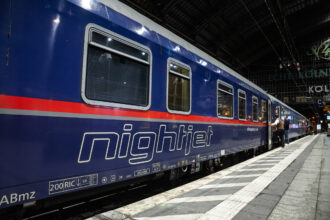
Many visitors also combine a ski holiday with wider rail travel around Austria. Our Interrail Austria Pass Guide explains how to explore the country by train, while our Night Trains from Innsbruck Guide covers overnight services linking Austria with destinations across Europe. Travellers looking for additional overnight routes should also explore our comprehensive European Sleeper Trains Guide.
Reliable connectivity is particularly important in mountain regions where travellers frequently rely on weather forecasts, piste maps, lift information, accommodation details, and navigation tools. Our eSIM Guide for Travellers compares the best mobile data solutions for Austria and Europe, helping you stay connected throughout your trip.
Whether you’re travelling to St Anton, Ischgl, Sölden, Mayrhofen, Kitzbühel, Serfaus-Fiss-Ladis, or one of Tyrol’s many other ski resorts, planning your transfer before arrival can make the start of your holiday far more relaxing.