Reviewed by our editorial team Updated
Why Vienna Is Europe’s Sleeper Train Capital
Few cities in Europe have embraced the modern revival of overnight rail travel as successfully as Vienna. Over the past several years, the Austrian capital has evolved into one of the continent’s most important hubs for sleeper trains, connecting travellers with destinations across western, central and southern Europe using a growing network of overnight services.
The city’s central location makes it ideal for long-distance rail travel. Routes spread outward toward Amsterdam, Brussels, Berlin, Zurich, Rome, the Balkans and the Adriatic coast, allowing passengers to cover huge distances overnight while avoiding airports and daytime travel hours.
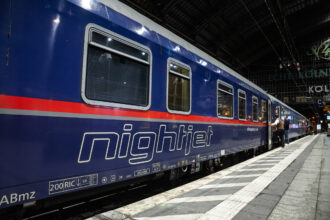
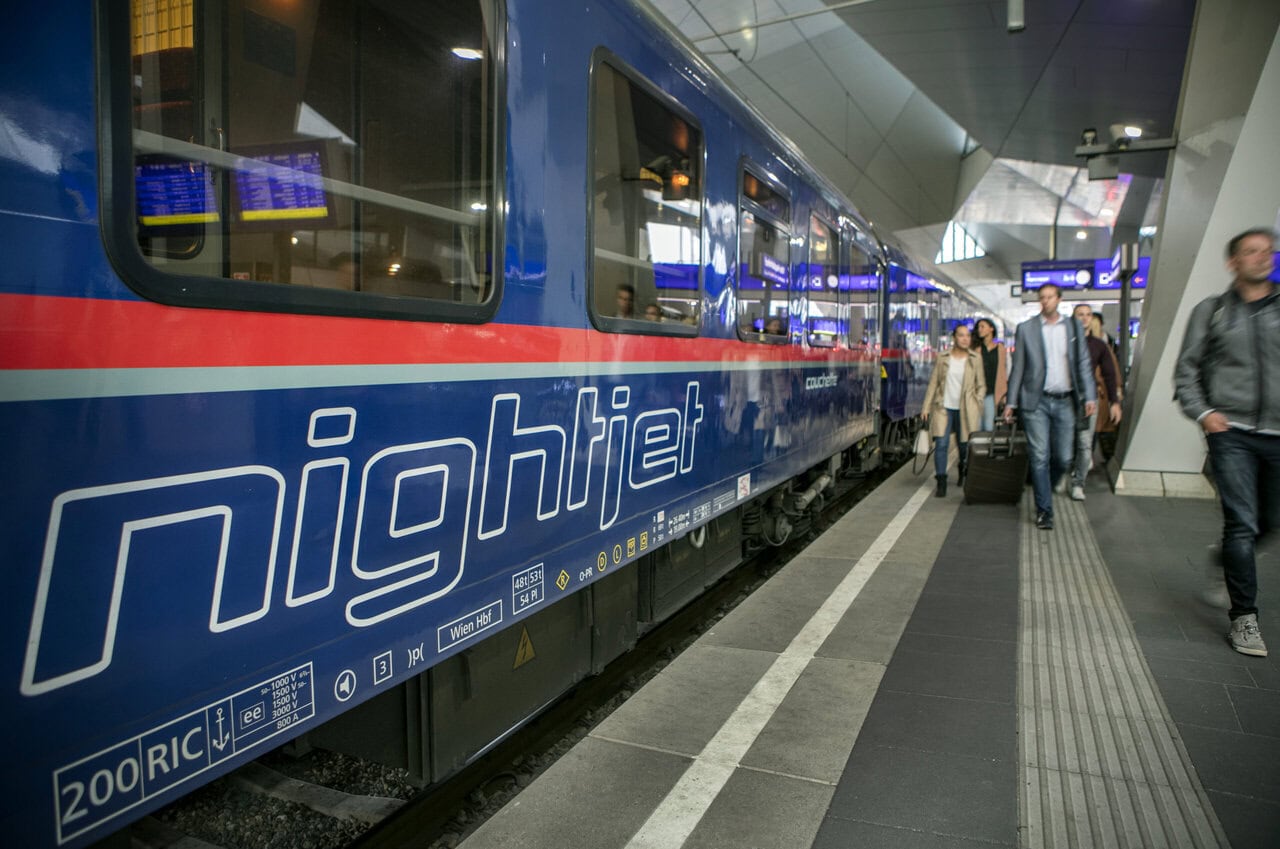
Much of this expansion has been driven by ÖBB and its increasingly well-known Nightjet brand. Austria has invested heavily in overnight rail while many other countries reduced sleeper services during previous decades. As demand for sustainable travel and long-distance rail journeys has returned, Vienna has naturally become one of the most important interchange points in the entire European sleeper network.
The city also works exceptionally well for Interrail travellers because so many routes connect naturally together through Wien Hauptbahnhof. Travellers can arrive from eastern Europe, continue overnight toward western Europe and then connect onward again without needing flights. This flexibility has helped make Vienna one of the strongest rail hubs anywhere in modern Europe.
What Sleeper Trains Operate from Vienna
A wide variety of overnight train services now operate from Vienna, ranging from flagship western European Nightjet routes to longer-distance Balkan and seasonal Adriatic services. Some routes operate year-round while others appear mainly during peak summer travel periods.
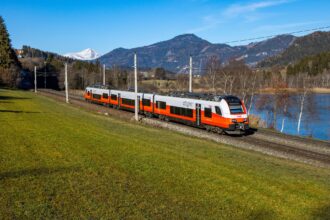
The best-known operator is ÖBB Nightjet, which runs modern overnight trains toward destinations including Amsterdam, Brussels, Berlin, Hamburg, Zurich and Rome. These services typically combine seats, couchettes and sleeper cabins while increasingly introducing newer rolling stock with improved privacy and facilities.
Alongside Nightjet, several EuroNight and international sleeper services continue operating toward destinations in Poland, Romania, Hungary, Croatia and the wider Balkans. Some of these trains feel more traditional and slower-paced than the modern Nightjet network, but they remain fascinating ways to travel across large sections of Europe overnight.
Seasonality also plays an important role in Vienna’s sleeper network. During summer, overnight trains toward the Adriatic coast become especially popular as travellers head toward destinations including Split. These routes are often heavily used by Interrail travellers and tourists looking to avoid expensive peak-season flights.
One of Vienna’s greatest strengths is simply the diversity of routes available. Few other cities in Europe currently offer such a broad mixture of western European, alpine, central European and Balkan overnight train connections from a single hub.
Compare hotels and other places to stay in Vienna.
Check availabilityExplore holiday homes and apartments around Vienna.
See holiday homesCompare hotel deals in Vienna from multiple booking sites.
Compare pricesQuick Facts About Vienna Night Trains
| Feature | Details |
|---|---|
| Main Sleeper Hub | Wien Hauptbahnhof |
| Main Operator | ÖBB Nightjet |
| Main Countries Reached | Germany, Netherlands, Belgium, Switzerland, Italy, Poland, Croatia, Romania and Hungary |
| Most Famous Routes | Amsterdam, Brussels, Rome, Zurich and Split |
| Best For | Interrail, sustainable travel, long-distance European journeys |
| Types of Accommodation | Seats, couchettes, sleeper cabins and mini cabins |
| Peak Season | Summer and Christmas travel periods |
| Seasonal Routes | Adriatic and Croatian coast services |
| Most Scenic Routes | Switzerland, Italy and Balkan services |
| Interrail Friendly? | Yes, but reservations are normally required |
| Can You Shower Onboard? | Available in some sleeper cabins |
| Best Station for Boarding | Wien Hauptbahnhof |
| Popular Nightjet Train Numbers | NJ 456, NJ 498, NJ 468, NJ 448 and NJ 40233 |
| Typical Journey Lengths | Around 8 to 16 hours depending on destination |
| Good Airport Alternative? | Yes, especially for medium and long-distance European travel |
Vienna Hauptbahnhof and Boarding Overnight Trains
Almost all major sleeper trains from Vienna depart from Wien Hauptbahnhof, the city’s large modern central station. Opened in its current form during the 2010s, the station functions as one of Europe’s most important railway hubs and handles both international high-speed services and overnight trains.
The station itself is relatively straightforward to navigate compared with some older European terminals. Large electronic departure boards clearly display sleeper train platforms, while multilingual signage makes connections easier for international travellers. Because many overnight trains split and combine carriages en route, passengers should still pay close attention to carriage numbers and destination information before boarding.
Night trains often begin boarding well before departure, especially on longer international routes. Travellers using sleeper cabins or couchettes are usually met by onboard staff checking tickets and directing passengers toward the correct compartments. Passport checks occasionally occur on some eastern and Balkan routes depending on border crossings and current regulations.
Food outlets, supermarkets and cafés inside the station make it relatively easy to prepare for overnight journeys before departure. Many experienced rail travellers also use the station to buy snacks, drinks and breakfast supplies before boarding, particularly for longer routes where onboard catering may be limited or expensive.
Western Europe Overnight Routes
| Route | Main Train Number(s) | Approximate Duration | Major Stops | Notes |
|---|---|---|---|---|
| Berlin | NJ 456 | 11 to 13 hours | Linz, Passau, Nuremberg | One of Europe’s core Nightjet routes |
| Amsterdam | NJ 40490 | 13 to 14 hours | Linz, Nuremberg, Cologne, Utrecht | Flagship western Europe Nightjet |
| Hamburg | NJ 498 | 12 to 14 hours | Linz, Passau, Hanover | Important northern Germany sleeper corridor |
| Brussels | NJ 468 | 14 to 15 hours | Linz, Frankfurt, Cologne | Strong onward links to Paris and London |
| Zurich | NJ 448 | 10 to 12 hours | Salzburg, Innsbruck | Scenic alpine overnight route |
| Bregenz | EN 446 | 9 to 11 hours | Salzburg, Innsbruck | Western Austria and alpine corridor |
| Rome | NJ 40233 | 13 to 15 hours | Salzburg, Villach, Bologna | One of the most iconic Nightjet services |
| Venice | NJ 40466 | 10 to 11 hours | Salzburg, Villach, Udine | Popular tourism and Interrail route |
| Munich | EN 40407 | 5 to 7 hours | Linz, Salzburg | Useful shorter overnight corridor |
| Poland routes | NJ 40406 | 8 to 12 hours | Ostrava, Kraków, Warsaw direction | Connects central Europe with Poland |
| Kyiv | EN 40149 | 20+ hours | Budapest, Lviv | Long-distance eastern European sleeper |
| Bucharest | D347 | 18 to 20+ hours | Budapest, Arad | Important Romania overnight corridor |
| Budapest | EN 50462 | 7 to 9 hours | Győr | Core Central Europe overnight route |
| Stuttgart | EN 50237 | 9 to 11 hours | Salzburg, Munich | Western Germany overnight service |
| Zagreb and Split | EN 1273 | 11 to 17 hours | Graz, Maribor, Zagreb | Seasonal Adriatic and Balkan overnight service |
| Przemyśl | EN 40416 | 10 to 12 hours | Kraków, Rzeszów | Ukraine-border rail gateway |
Berlin and Northern Germany Services
The overnight rail corridor toward Berlin and northern Germany is one of the most important sleeper train routes operating from Vienna. Services including NJ 456 to Berlin and NJ 498 toward Hamburg allow travellers to cross huge sections of central Europe overnight while avoiding airports and expensive hotel nights.
The Berlin Nightjet normally leaves Wien Hauptbahnhof during the evening before travelling north-west through Austria and into Germany overnight. Major stops often include Linz, Passau, Nuremberg and sections of eastern Germany before arriving in Berlin the following morning. Journey times are usually around 11 to 13 hours depending on timetable variations and engineering work.
The Hamburg route operates further north through Germany and usually takes around 12 to 14 hours. Major calling points can include Hanover and wider northern German rail corridors before reaching Hamburg the following morning. This service is especially useful for travellers continuing toward Denmark, Scandinavian rail routes or ferry connections across northern Europe.
Both routes have become increasingly popular because they combine practicality with the classic atmosphere of long-distance European sleeper travel. Travellers can spend a full day sightseeing in Vienna, board during the evening and wake up in another major European capital or transport hub without losing daytime travel hours.
The German sleeper corridors also connect naturally into wider European rail travel. Berlin provides onward links toward Warsaw, Prague and eastern Europe, while Hamburg functions as one of northern Europe’s most important railway and ferry gateways.
Amsterdam Nightjet Route
The NJ 40490 Nightjet linking Vienna with Amsterdam has become one of the most famous overnight trains in Europe and one of the clearest symbols of the continent’s sleeper rail revival. The route combines long-distance practicality with genuine city-centre-to-city-centre travel, making it highly attractive for tourists, business travellers and Interrail users.
After departing from Wien Hauptbahnhof, the train normally travels overnight through Austria and western Germany before continuing into the Netherlands during the early morning hours. Important intermediate stops often include Linz, Nuremberg, Cologne and Utrecht before reaching Amsterdam the following morning.
Typical journey times are around 13 to 14 hours, although delays and infrastructure works across Germany can occasionally extend overnight schedules. Even so, many travellers still find the experience considerably less stressful than flying because the train removes airport transfers, security queues and hotel logistics entirely.
The Amsterdam Nightjet is especially valuable for travellers building wider western European rail itineraries. After arriving in the Dutch capital, passengers can continue easily toward Rotterdam, Brussels, Paris and even the Eurostar corridor toward London.
Demand on this route can become extremely high during weekends, summer holidays and festival periods. Sleeper cabins and couchettes often sell out well in advance because the train is now widely regarded as one of Europe’s flagship overnight rail services.
Brussels Overnight Connection
The overnight sleeper service toward Brussels operates as NJ 468 and represents one of the most strategically important western European expansions within the modern Nightjet network. The route links Vienna directly with Belgium and the wider north-west European rail corridor overnight.
The train normally departs Vienna during the evening before running through Austria and western Germany overnight. Important calling points commonly include Linz, Frankfurt, Cologne and sections of Belgium before arriving in Brussels the following morning.
Journey times are generally around 14 to 15 hours, making this one of the longer western Nightjet routes currently operating from Vienna. However, the service remains highly competitive with aviation because passengers travel directly between city centres rather than distant airports.
One of the biggest strengths of the Brussels route is its onward connectivity. Travellers arriving in Belgium can continue rapidly toward Paris, the Eurostar network toward London, the Netherlands and large sections of western Europe using high-speed daytime trains.
The route also reflects the broader return of overnight rail across Europe. Only a few years ago, direct sleeper services between western European capitals were disappearing rapidly. The success of services like NJ 468 demonstrates how strongly demand for long-distance rail travel has returned.
Search flights and useful route combinations for your trip.
View flightsChoose an Airalo eSIM and arrange mobile data before you arrive.
Browse eSIMsArrange a private airport pickup for your trip to Vienna.
Check transfersZurich and Switzerland Sleeper Routes
The overnight sleeper routes toward Zurich remain some of the most scenic and prestigious rail services operating from Vienna. Trains including NJ 448 and EN 446 connect Austria with Switzerland and western alpine corridors overnight while also passing through sections of the Alps and western Austrian mountain scenery.
After leaving Vienna during the evening, these trains usually travel westward through some of Austria’s most important rail corridors. Major intermediate stops often include Salzburg, Innsbruck and western alpine regions approaching the Swiss border before continuing toward Zurich or Bregenz.
Typical journey times toward Zurich are around 10 to 12 hours, making Switzerland one of the more efficient western sleeper destinations reachable overnight from Vienna. Depending on timetable structure and season, travellers may also experience spectacular alpine scenery either late in the evening or shortly after sunrise.
The Swiss sleeper routes are especially attractive for travellers combining multiple mountain regions within one trip. It becomes possible to experience the imperial architecture of Vienna before waking up beside Swiss lakes and alpine railways the next morning.
These services also connect naturally into wider European rail networks after arrival. Zurich provides onward access toward the Swiss Alps, Milan, Geneva, Paris and many of Europe’s most famous scenic rail routes.
Italy Overnight Train Routes
Rome Nightjet Services
The sleeper train toward Rome is one of the most iconic long-distance overnight rail journeys operating anywhere in Europe. Usually operated as NJ 40233, the route links Vienna with the Italian capital by crossing the Alps overnight before reaching Rome the following morning.
After departing from Wien Hauptbahnhof, the train normally heads south-west through Austria before passing major stations including Salzburg, Villach and northern Italian corridors near Bologna before continuing south toward Rome. Journey times are typically around 13 to 15 hours depending on operational conditions and seasonal timetable adjustments.
This route is especially popular because it combines practicality with genuinely impressive scenery. Travellers can spend a full day exploring Vienna before boarding in the evening and waking up in central Rome the next morning without losing valuable daytime travel hours to airports or long daytime rail journeys.
The route is heavily used by tourists and Interrail travellers because it connects naturally into Italy’s wider high-speed rail network. After arriving in Rome, passengers can continue easily toward Naples, Florence, Milan and southern Italy using fast daytime trains.
During winter, sections of the overnight alpine crossing can feel especially atmospheric, particularly when snow covers the Austrian mountains around Salzburg and Villach. The gradual transition from central European landscapes into Mediterranean Italy is one of the reasons many rail travellers consider this route one of Europe’s classic sleeper experiences.
Venice and Northern Italy Connections
The overnight train toward Venice remains one of the most useful and scenic sleeper routes operating from Vienna. Usually operating as NJ 40466, the service links Austria directly with northern Italy while also connecting naturally into wider Italian rail networks.
After leaving Vienna during the evening, the train generally travels south-west through Austria before crossing into Italy overnight. Major calling points often include Salzburg, Villach and Udine before arriving in Venice the following morning. Total journey times are usually around 10 to 11 hours.
This route is particularly attractive because Venice works extremely well as both a final destination and a connection point. Travellers can continue onward toward Florence, Milan, the Italian lakes and much of northern Italy using fast daytime rail services after arrival.
The Venice sleeper is especially popular during summer because it provides a relaxed alternative to crowded flights and expensive daytime rail itineraries through the Alps. Travellers can have dinner in Vienna, sleep overnight and arrive beside Venice’s canals the following morning without needing hotel transfers or airport transport.
For many travellers, the route also delivers one of the most satisfying geographical transitions anywhere in Europe. The train leaves behind imperial Austrian architecture and alpine scenery before arriving the next morning in one of the Mediterranean’s most unique historic cities.
Central and Eastern Europe Sleeper Routes
Poland Overnight Trains
The overnight sleeper routes toward Poland remain some of the most strategically useful rail corridors operating from Vienna. Services associated with NJ 40406 and EN 40416 connect Austria with southern and eastern Poland while also providing access toward the Ukrainian border region.
After leaving Vienna, these trains generally head north-east through the Czech and Polish rail corridors overnight. Major calling points can include Ostrava, Kraków, Rzeszów and eventually Przemyśl depending on the service. Journey times vary significantly, ranging from around 8 hours for southern Poland to roughly 12 hours for eastern border regions.
These services are especially valuable for Interrail travellers exploring central and eastern Europe because they allow long overnight journeys without needing flights or complicated daytime transfers. Kraków in particular has become one of the most popular intermediate destinations because of its historic centre, rail connections and strong tourism infrastructure.
The eastern sections toward Przemyśl have become increasingly important in recent years because the city acts as one of the major rail gateways toward Ukraine. Even travellers not continuing eastward often use the route simply because it provides one of the most interesting and operationally significant overnight rail corridors in Europe.
Compared with western Nightjet routes, the Poland services sometimes retain a more traditional eastern European sleeper atmosphere with older rolling stock and classic compartment layouts still appearing on parts of the corridor.
Romania and Balkan Sleeper Services
The overnight sleeper services toward Romania and the wider Balkans are among the longest and most adventurous rail routes operating from Vienna. Services including D347 toward Bucharest and EN 1273 toward Zagreb and Split preserve a style of long-distance European rail travel that has disappeared from much of western Europe.
The Bucharest service normally travels south-east through Budapest, the Hungarian Plain and western Romania before eventually reaching the Romanian capital. Journey times are typically around 18 to 20 hours or more, making this one of the longest direct sleeper services reachable from Vienna.
The Croatian corridor using EN 1273 is especially popular during summer because portions of the train continue toward the Adriatic coast around Split. Major intermediate stops often include Graz, Maribor and Zagreb before onward continuation deeper into Croatia. Total journey times can range from around 11 hours to Zagreb to approximately 17 hours toward Split depending on the final destination.
These Balkan services feel noticeably different from western European Nightjet routes. Border crossings, longer station stops and older rolling stock create a far more traditional long-distance rail atmosphere, particularly on eastern corridors where classic sleeper train operations still dominate.
For experienced rail travellers, these services are often among the most memorable overnight journeys in Europe because they combine huge geographical distances with changing languages, landscapes and railway cultures throughout the trip.

Nightjet and Other Sleeper Train Operators
Most overnight trains from Vienna are operated either by ÖBB under the increasingly famous Nightjet brand or through a mixture of international EuroNight partnerships linking central Europe with eastern and southern European rail corridors.
The modern Nightjet network has become the public face of Europe’s sleeper train revival. Routes toward Amsterdam, Brussels, Berlin, Hamburg, Zurich, Rome and Venice now form one of the largest integrated overnight rail systems in Europe.
ÖBB has invested heavily in modern rolling stock, improved sleeper cabins and upgraded onboard facilities. New-generation Nightjet trains increasingly feature enhanced privacy, pod-style mini cabins, modern shower facilities and far more contemporary interiors than traditional European sleeper trains.
Meanwhile, the eastern and Balkan sleeper routes often involve partnerships between multiple railway operators. Services toward Romania, Croatia, Poland and the Balkans may combine Austrian rolling stock with Hungarian, Croatian, Romanian or Polish carriages depending on the route and operational requirements.
This creates an interesting contrast across Vienna’s sleeper network. Western Nightjet routes increasingly feel modern and airline-competitive, while eastern services still preserve much of the classic atmosphere associated with traditional overnight rail travel in Europe.
For rail enthusiasts and long-distance travellers, Vienna is fascinating precisely because both worlds now operate side-by-side from the same station.
Seats, Couchettes and Sleeper Cabins Explained
Choosing the right accommodation type is one of the most important parts of booking overnight trains from Vienna. Comfort levels vary dramatically between standard seats, couchettes and proper sleeper cabins, especially on journeys lasting more than ten hours.
Standard Seats
Standard seated accommodation is normally the cheapest way to travel on sleeper trains, but it is also the least comfortable option for overnight journeys. Seats typically resemble daytime long-distance rail seating rather than airline seats, offering more legroom and the ability to recline slightly.
For shorter overnight corridors such as Munich or Budapest, seated travel may still feel manageable for budget-conscious travellers. However, on longer routes toward Amsterdam, Brussels or Rome, many passengers find sleeping in seats genuinely exhausting.
Travellers choosing seats should normally prepare carefully with neck pillows, eye masks and additional layers because overnight temperatures and lighting conditions can vary significantly onboard.
Couchette Compartments
Couchettes provide one of the best balances between affordability and comfort on European sleeper trains. Compartments usually contain four or six bunks with shared occupancy, allowing passengers to lie flat overnight without paying the higher prices associated with private sleeper cabins.
Most Nightjet couchettes include bedding, basic compartment lighting and secure lockable doors. Some newer Nightjet services also offer upgraded couchette compartments designed specifically for female travellers or small groups.
For many Interrail travellers, couchettes remain the most practical accommodation choice because they provide genuine overnight rest while still remaining relatively affordable on longer routes.
Sleeper Cabins
Private sleeper cabins deliver the best overall overnight train experience and are especially worthwhile on journeys exceeding ten or twelve hours. Cabins normally contain proper beds, fresh bedding and increased privacy compared with couchettes or seats.
Higher-category cabins on some Nightjet services also include private sinks, showers or ensuite bathrooms depending on the train type and route. Breakfast is often included for sleeper passengers, adding another layer of convenience for morning arrivals.
Routes toward Rome, Amsterdam and Brussels are particularly good candidates for sleeper cabins because of the longer journey lengths involved.
Mini Cabins and New Nightjet Trains
One of the biggest recent developments in European overnight rail travel has been the introduction of ÖBB’s new-generation Nightjet trains. These upgraded services increasingly feature modern pod-style mini cabins offering significantly more privacy than traditional couchettes.
The new rolling stock also introduces improved luggage storage, upgraded lighting, modern power outlets and a more airline-inspired approach to overnight rail comfort. While not yet operating on every route, these trains represent the future direction of European sleeper travel and have helped transform public perception of overnight rail.
Tickets, Prices and How to Book Overnight Trains
Booking sleeper trains from Vienna works very differently from booking normal daytime rail services. Because overnight trains contain limited sleeper and couchette capacity, prices and availability can change dramatically depending on season, destination and accommodation type.
The cheapest tickets are usually standard seated accommodation, although many travellers eventually decide the savings are not worth the poorer sleep quality on longer routes. Couchettes normally offer the best value overall, while private sleeper cabins command the highest prices but deliver the strongest overnight experience.
Routes toward Amsterdam, Brussels, Rome and Split can become extremely expensive during summer weekends and holiday periods if booked late. Seasonal Adriatic services are particularly prone to selling out because sleeper capacity remains relatively limited.
Travellers usually book directly through ÖBB, national rail operators or wider European rail booking platforms. Advance booking is highly recommended for sleeper cabins and couchettes, especially during summer and Christmas travel periods.
One of the major advantages of overnight trains is that they effectively combine transport and accommodation into a single expense. Even when sleeper cabins appear expensive initially, travellers often save money overall by avoiding hotel nights and airport transfers simultaneously.

Book Your Vienna Rail Journey with Omio
Omio can help you organise rail travel involving Vienna by bringing routes, departure times and ticket options together in a single search.
This is especially handy when your itinerary uses more than one transport company or you are travelling between cities in different European countries.
Scan to open
on your phone

Browse hostels and budget-friendly stays around Vienna.
See hostelsAccess compensation support, eligible lounge benefits and faster payouts when flights go wrong.
See the benefitsLeave your luggage somewhere convenient and enjoy Vienna hands-free.
View storageUsing Interrail and Eurail on Sleeper Trains
Most overnight trains from Vienna work extremely well with Interrail and Eurail, which is one of the main reasons the Austrian capital has become such an important hub for long-distance rail travellers. Many passengers use Vienna as a central interchange point while building larger European rail itineraries stretching across western, central and eastern Europe.
However, one of the most important things to understand is that sleeper reservations are almost always compulsory even when using a rail pass. Your Interrail or Eurail pass normally covers the base fare portion of the journey, but travellers must still pay reservation supplements for seats, couchettes or sleeper cabins.
Reservation costs vary dramatically depending on accommodation type and route popularity. Standard seats usually have the lowest supplements, while private sleeper cabins on routes toward Amsterdam, Rome and Brussels can become relatively expensive during peak travel periods.
The western Nightjet routes are particularly popular with Interrail travellers and often sell out weeks or even months ahead during summer. Routes toward the Adriatic coast, especially the seasonal service toward Split, can become especially difficult to reserve during July and August because of limited sleeper capacity and extremely strong demand.
One major advantage of using Interrail on overnight trains is the ability to save both daytime travel hours and hotel costs simultaneously. Many travellers strategically use sleeper trains for the longest sections of their itinerary, allowing them to maximise sightseeing time while reducing accommodation expenses.
Most Scenic Sleeper Train Journeys from Vienna
Some overnight train routes from Vienna are practical transport corridors first and foremost, while others deliver genuinely memorable scenery that becomes part of the travel experience itself. Several of Vienna’s sleeper services cross mountain regions, alpine valleys and dramatic rail corridors that feel particularly impressive either shortly after departure or during early morning arrivals.
The routes toward Zurich and Rome are often considered the most scenic overall because both involve overnight crossings through sections of the Alps. Depending on timetable timing and season, travellers may experience mountain scenery around Salzburg, Innsbruck and western Austrian alpine corridors either before sunset or shortly after sunrise.
The Adriatic corridor toward Split also offers a very distinctive atmosphere. The train gradually transitions from central European landscapes into Balkan scenery and eventually toward the Croatian coast. During summer, waking up near the Adriatic after boarding the previous evening in Vienna creates one of Europe’s most satisfying overnight travel experiences.
The Romania and Balkan routes may not always offer the same polished infrastructure as western Nightjet services, but they compensate with scale, atmosphere and variety. Long-distance overnight journeys through Hungary, Romania and the Balkans provide a style of rail travel increasingly rare elsewhere in Europe.
Winter can transform many of these routes completely. Snow-covered alpine valleys, frozen stations and overnight mountain rail corridors create a classic sleeper-train atmosphere that many travellers specifically seek out during colder months.
Winter Night Trains and Seasonal Services
Winter is one of the best times to experience sleeper trains from Vienna, particularly on alpine and central European routes where snow dramatically changes the atmosphere of overnight rail travel. Services toward Switzerland, northern Italy, Germany and the Balkans often pass through mountain regions and snowy landscapes during the coldest months of the year.
The routes toward Zurich and Rome become especially atmospheric during winter because of their alpine crossings. Travellers may wake up to snow-covered valleys, frozen rivers and dramatic mountain scenery shortly before arriving in Switzerland or Italy.
Christmas markets also create strong seasonal demand across the sleeper network. Overnight trains linking Vienna with Berlin, Amsterdam and Brussels become heavily used during November and December as travellers move between some of Europe’s best-known festive destinations.
Meanwhile, the Adriatic sleeper services toward Split operate mainly as summer seasonal trains rather than winter services. These routes are designed primarily around peak Mediterranean tourism demand and become especially busy during July and August.
Seasonality can also affect prices dramatically. Winter ski periods, Christmas holidays and summer weekends often produce the highest sleeper reservation costs anywhere on the network. Travellers wanting private cabins during peak periods should usually book as early as possible.

Food, Showers and Facilities Onboard
Facilities onboard sleeper trains from Vienna vary considerably depending on operator, train type and accommodation category. Modern western Nightjet routes generally provide the best onboard comfort, while eastern and Balkan corridors often retain older but more traditional sleeper train layouts.
Most Nightjet services include onboard attendants managing sleeper and couchette compartments throughout the journey. Sleeper passengers usually receive bedding and basic amenities automatically, while higher-category cabins may include private sinks, ensuite bathrooms or shower facilities depending on the train type.
Food service also varies significantly. Some routes feature dining cars or bistro facilities, while others rely mainly on trolley service and station purchases before departure. Many experienced rail travellers therefore buy snacks, drinks and breakfast items at Wien Hauptbahnhof before boarding.
Private sleeper cabins normally provide the highest overall comfort level, particularly on journeys exceeding twelve hours. On many Nightjet routes, breakfast is included for sleeper passengers and delivered directly to compartments before arrival.
The newest generation of Nightjet rolling stock increasingly introduces modern design features including improved lighting, better luggage storage, power sockets, USB charging and pod-style mini cabins offering significantly greater privacy than traditional couchette layouts. These upgrades are helping overnight rail compete far more effectively with short-haul aviation and modern hotels.
Security, Luggage and Overnight Train Safety
Sleeper trains from Vienna are generally very safe, particularly on the main western Nightjet routes toward Amsterdam, Berlin, Zurich and Rome. However, overnight rail travel still requires sensible precautions because passengers spend long periods sleeping in shared or semi-private accommodation.
Most couchette and sleeper compartments can be locked internally overnight, while onboard attendants regularly monitor sleeper sections during the journey. New-generation Nightjet trains also include improved corridor surveillance, electronic access systems and more secure luggage areas compared with older European sleeper stock.
Travellers using standard seats should remain slightly more cautious because seated carriages naturally have more passenger movement overnight. Keeping valuables close to your body or securely attached to luggage is usually sensible, especially on busy international routes.
Luggage storage varies depending on carriage type. Sleeper cabins generally provide the best storage arrangements because baggage can remain inside the compartment overnight. Couchettes often include overhead luggage racks and limited floor storage, while seated coaches may require larger bags to be placed at carriage ends or shared luggage spaces.
One of the biggest practical differences between western and eastern sleeper routes is the frequency of overnight border procedures. On western Nightjet corridors, travellers may barely notice border crossings at all. However, routes toward Romania, Croatia, Poland and especially eastern European corridors can still involve passport checks, border staff entering compartments and occasional overnight document inspections.
Despite this, most experienced rail travellers consider overnight trains considerably calmer and less stressful than airports. The overall atmosphere tends to feel slower, quieter and more relaxed, particularly once the train settles into its overnight rhythm after departure.
eSIMs and Mobile Connectivity for International Rail Travel
Reliable mobile connectivity can make a major difference on long-distance sleeper trains from Vienna, especially for travellers crossing multiple countries overnight. Timetable updates, platform changes, digital tickets and onward reservations increasingly rely on stable mobile data access throughout the journey.
Using an eSIM is often the easiest solution for international rail travellers because it removes the need to swap physical SIM cards while moving between countries. This becomes especially useful on overnight routes crossing multiple borders such as services toward Amsterdam, Brussels, Rome and the Balkans.
Coverage across western European Nightjet routes is generally very strong, particularly through Austria, Germany, Switzerland, the Netherlands and Belgium. Mobile signal can occasionally weaken in alpine sections around Innsbruck or remote mountain corridors, although this is usually temporary.
Eastern and Balkan sleeper routes can vary more significantly depending on country and infrastructure quality. Travellers heading toward Romania, Croatia or eastern Poland may notice occasional gaps in signal coverage, particularly during overnight border crossings and rural sections.
For many rail travellers, one of the biggest advantages of eSIMs is avoiding unexpected roaming charges while crossing several countries overnight. Regional European eSIM plans often provide much simpler connectivity management than relying on separate national SIM cards during multi-country rail journeys.

Rupert’s Handy Travel Tips
Vienna is one of the easiest places in Europe to start a sleeper train adventure, but Rupert says a little planning makes the experience dramatically smoother.
- Book sleeper cabins early on routes to Amsterdam, Brussels, Rome and Split because they regularly sell out weeks ahead during summer.
- Bring snacks and breakfast supplies onboard because food options can vary significantly between operators and overnight corridors.
- Use couchettes instead of seats whenever possible because the difference in sleep quality on longer routes is enormous.
- Keep passports and valuables close overnight especially on eastern and Balkan services where overnight border checks still occur.
- Do not underestimate seasonal demand because Christmas markets, summer holidays and ski season can push sleeper prices extremely high.
Want to meet the reindeer behind our travel tips? Find out more in our page Who is Rupert?.

Frequently Asked Questions About Sleeper Trains from Vienna
Are sleeper trains from Vienna worth it?
Yes, overnight trains from Vienna are among the best in Europe because they combine long-distance travel with accommodation savings and direct city-centre arrivals.
Which is the best sleeper route from Vienna?
Many travellers consider the routes toward Amsterdam, Rome and Zurich the strongest overall because of their scenery, practicality and modern Nightjet rolling stock.
Can you use Interrail on Vienna sleeper trains?
Yes, most sleeper trains from Vienna work with Interrail and Eurail, although reservations and supplements are almost always required.
What is the cheapest way to use sleeper trains?
Standard seats are usually cheapest, but couchettes normally offer the best balance between comfort and affordability for overnight journeys.
Do sleeper trains from Vienna have showers?
Some private sleeper cabins on newer Nightjet trains include showers or ensuite bathrooms, although facilities vary depending on route and rolling stock.
Which sleeper train from Vienna is best for scenery?
Routes toward Switzerland, Italy and the Croatian coast generally provide the best scenery, especially during winter and alpine sunrise periods.
Further Reading & Related Guides
Travelling on the Vienna sleeper trains often becomes part of a much larger European rail adventure. Our European Sleeper Trains Guide explains the best overnight rail routes across the continent, including Nightjet services linking Vienna with destinations across Germany, Italy, France and wider central Europe.
Visitors spending time in the Austrian capital should also explore our guide to the best things to do in Vienna, covering imperial palaces, cafés, museums, classical music and the historic heart of one of Europe’s grandest cities.
For travellers continuing wider rail journeys across Austria, our Interrail Austria Guide explains scenic Alpine routes, cross-border rail connections and how to maximise rail travel throughout Austria using Interrail and Eurail passes.
For staying connected while crossing multiple countries overnight, our guides to the best eSIMs explain how to avoid roaming charges and maintain reliable mobile data throughout long-distance rail journeys across the continent.