Reviewed by our editorial team Updated
Why Visit Pembroke Dock Ferry Terminal?
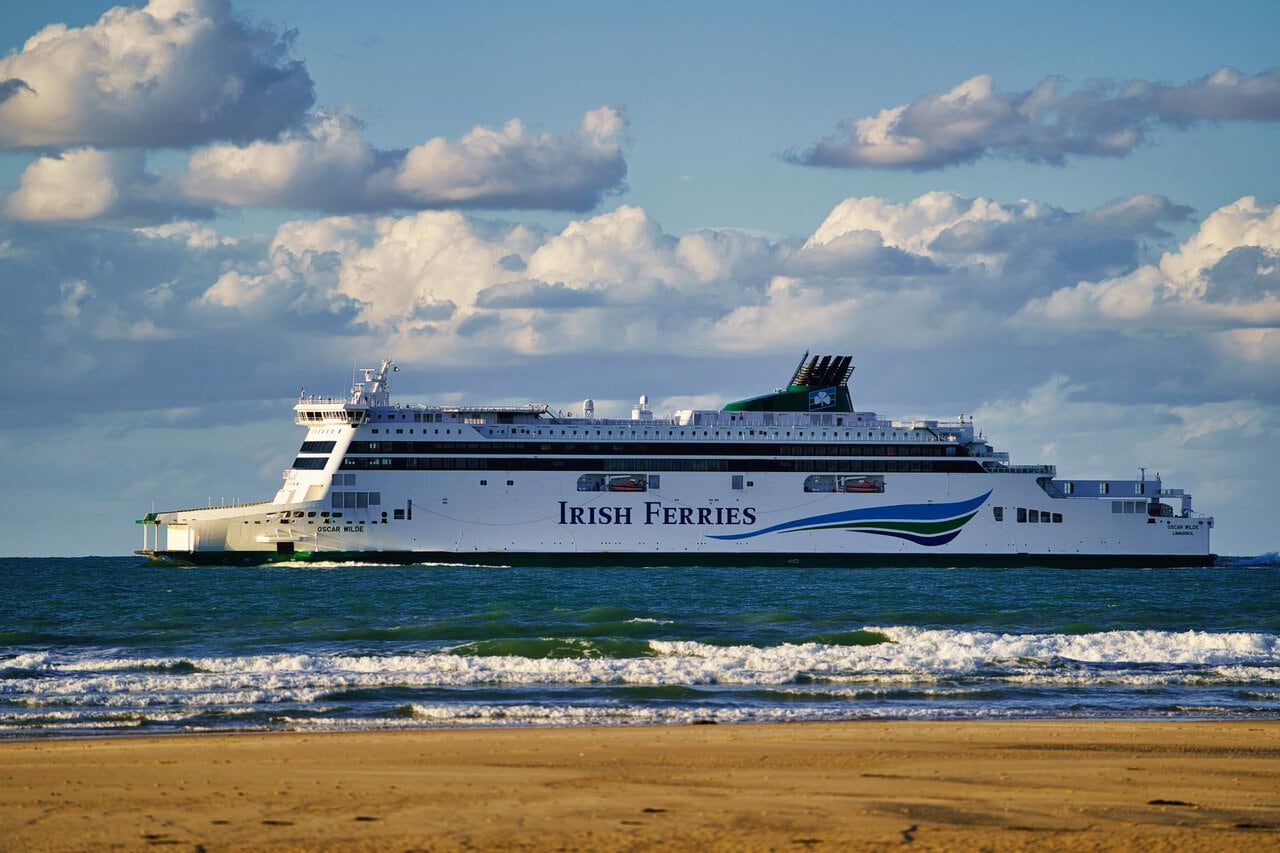
Pembroke Dock Ferry Terminal is one of the most important ferry gateways between Great Britain and Ireland, serving as the Welsh departure point for sailings to Rosslare Europort in County Wexford. Located in the heart of Pembrokeshire, the terminal combines practical transport connections with access to some of the most spectacular coastal scenery in Wales.
For many travellers, the terminal marks the beginning of an Irish adventure. Families heading for holidays, motorhome owners exploring the Wild Atlantic Way, business travellers crossing the Irish Sea, and tourists touring both countries all pass through Pembroke Dock each year. Unlike many larger transport hubs, the port remains easy to navigate, making it particularly attractive to first-time ferry passengers.
One of the biggest advantages of travelling via Pembroke Dock Ferry Terminal is convenience. Check-in procedures are straightforward, distances between facilities are short, and the terminal rarely feels overwhelming. Travellers arriving by car can usually reach the check-in area within minutes of entering the port, while foot passengers benefit from a compact terminal building that is easy to navigate.
The port also enjoys an excellent location. Beyond the terminal itself lies the wider Pembrokeshire Coast, home to dramatic cliffs, historic castles, sandy beaches, and some of Britain’s finest coastal scenery. Many travellers choose to arrive early or stay overnight nearby, turning a simple ferry crossing into part of a wider Welsh holiday experience.
For those travelling to Ireland with a vehicle, ferry travel remains one of the most flexible transport options available. Unlike airlines, ferry operators offer generous luggage allowances, making it easy to travel with bicycles, camping equipment, sports gear, pets, caravans, or motorhomes. This flexibility continues to make Pembroke Dock Ferry Terminal one of the most popular ferry ports serving Ireland.
Quick Facts About Pembroke Dock Ferry Terminal
| Feature | Details |
|---|---|
| Location | Pembroke Dock, Pembrokeshire, Wales |
| Main Operator | Irish Ferries |
| Route | Pembroke Dock ↔ Rosslare Europort |
| Crossing Time | Approximately 4 hours |
| Passenger Types | Foot passengers, cars, motorcycles, bicycles, motorhomes, freight |
| Nearest Railway Station | Pembroke Dock Station |
| Walking Distance to Port | Approximately 5–10 minutes |
| Country | United Kingdom (Wales) |
| Destination Country | Ireland |
The terminal serves as one of the principal links between South Wales and South-East Ireland, providing a direct route across the St George’s Channel. Its relatively compact size means passengers can generally move through check-in and boarding procedures more quickly than at many larger ports.
Best if you want daily housekeeping and a front desk. Filter by area first, then by price.
Check availabilityBest for families, or any stay past about four nights. A kitchen and a washing machine start paying for themselves.
Browse rentalsBest for double-checking. Runs the same Ireland search across several booking sites so you are not leaving money behind.
Compare pricesIrish Ferries Routes from Pembroke Dock
The primary service operating from Pembroke Dock Ferry Terminal is the route to Rosslare Europort, one of Ireland’s busiest ferry gateways. This route forms a crucial transport corridor between Wales and Ireland, carrying passengers, vehicles, freight, cyclists, and motorhomes throughout the year.
Operated by Irish Ferries, the crossing typically takes around four hours, making it one of the quickest and most convenient sea routes between the two countries. The service is particularly popular with travellers heading to Wexford, Waterford, Kilkenny, Cork, and Dublin, all of which can be reached easily from Rosslare by road or rail.
A major advantage of this route is flexibility. Travellers can bring significantly more luggage than would normally be practical on a flight, while vehicle passengers benefit from taking their own car directly into Ireland. For touring holidays, this eliminates the need for car hire and allows travellers to begin exploring immediately after arrival.
The route is especially attractive for motorhome owners, caravan users, and road-trip travellers. Ireland’s scenic coastal routes, including the Wild Atlantic Way and Ireland’s Ancient East, are particularly well suited to self-drive holidays, making the ferry an attractive alternative to flying.
Foot passengers are equally well served. Upon arrival at Rosslare Europort, connections are available to Ireland’s rail and coach networks, providing onward access to destinations throughout the country. This makes the route suitable not only for drivers but also for backpackers, rail travellers, and visitors undertaking longer journeys around Europe.

Plan Your Ferry Journey with Irish Ferries
Travelling between Ireland, Britain, and France can be simple and flexible by ferry. Irish Ferries operates passenger and vehicle services, making it easy to travel with your car, motorhome, bicycle, or luggage without airline restrictions.
It is ideal for road trips, family holidays, and travellers who prefer a more relaxed journey. Whether you are crossing the Irish Sea or travelling between Ireland and continental Europe, ferry travel offers flexibility, comfort, and generous luggage allowances.
Checking In at Pembroke Dock Ferry Terminal
The check-in process at Pembroke Dock Ferry Terminal is designed to be simple and efficient. The relatively compact size of the port means travellers spend less time navigating complicated facilities and more time preparing for their crossing.
Passengers travelling with vehicles should arrive well before departure. Upon entering the port, drivers are directed towards the check-in booths where travel documents are verified. After check-in, vehicles are guided into designated holding lanes before boarding begins. During busy summer periods, holiday weekends, and school holidays, allowing additional time is advisable.
As a general guide, Irish Ferries requires passengers to have checked in by 30 minutes before departure, though allowing more time is sensible. Foot passengers are generally advised to arrive around 45 to 60 minutes before sailing, while those bringing a vehicle should allow 60 to 90 minutes to complete check-in and reach the holding lanes without feeling rushed.
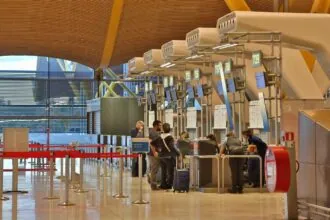
Foot passengers follow a separate process. After completing check-in, travellers enter the passenger terminal where they can wait comfortably until boarding announcements are made. Because the terminal is relatively small, the process is generally straightforward and stress-free, particularly when compared with larger international transport hubs.
Cyclists and motorcyclists are regular users of the route and benefit from dedicated boarding procedures. Staff are experienced in handling both groups and can provide assistance where required. The ferry route is particularly popular among touring cyclists travelling between the extensive cycling routes of Ireland and Wales.
Travellers should ensure they carry all required travel documents before arriving at the terminal. Requirements can change depending on nationality and travel circumstances, so checking the latest guidance before departure is always recommended.
One of the strengths of Pembroke Dock Ferry Terminal is that the entire boarding process remains remarkably easy to understand. Even travellers taking an international ferry for the first time generally find the experience far less stressful than navigating a busy airport, helping create a smoother start to their journey across the Irish Sea.
Getting to Pembroke Dock Ferry Terminal by Train
One of the biggest advantages of Pembroke Dock Ferry Terminal is that it is one of the few major ferry ports in Britain with a railway station within walking distance of the terminal. This makes the port particularly convenient for foot passengers, backpackers, cyclists, and travellers combining ferry and rail travel.
The nearest station is Pembroke Dock Railway Station, the western terminus of the Pembroke Dock branch line. The station is located approximately 500 metres from the ferry terminal, making the walk achievable in around 5–10 minutes depending on luggage and mobility requirements.
Rail services are operated by Transport for Wales. Most trains run via Pembroke, Tenby, Kilgetty, Whitland, and Carmarthen, where connections are available to the wider Welsh rail network. From Carmarthen, passengers can continue towards Swansea, Cardiff, Newport, Bristol, Birmingham, Manchester, and many other destinations across Britain.
Journey times are generally as follows:
| Route | Approximate Journey Time |
|---|---|
| Pembroke Dock → Carmarthen | 1 hour 20 minutes |
| Pembroke Dock → Swansea | 2 hours 15 minutes |
| Pembroke Dock → Cardiff | 3 hours 30 minutes |
| Pembroke Dock → Bristol | 4–5 hours (1 change) |
| Pembroke Dock → London | 5–6 hours |
London times assume the seasonal Great Western Railway through service, which runs on summer Saturdays between London Paddington and Pembroke Dock. On other days the journey involves a change at Carmarthen or Swansea and takes longer. Travellers arriving by train should always check ferry departure times carefully, as train frequencies on the branch line are lower than on major routes. Arriving a service earlier than strictly necessary provides useful flexibility should delays occur.
For travellers arriving from Ireland, the station also provides a convenient onward connection into the Welsh railway network. This makes the combination of Irish Ferries and rail travel a viable alternative to flying between many British and Irish cities.

Book Your your destination Rail Journey with Omio
Omio can help you organise rail travel involving your destination by bringing routes, departure times and ticket options together in a single search.
This is especially handy when your itinerary uses more than one transport company or you are travelling between cities in different European countries.
Scan to open
on your phone


Getting to Pembroke Dock Ferry Terminal by Car
Most passengers using Pembroke Dock Ferry Terminal arrive by car, and the port enjoys good road connections from across South Wales, England, and the wider UK road network.
The principal approach route is the A40, which links Pembrokeshire with the M4 motorway corridor. Travellers arriving from London, Bristol, Birmingham, Southampton, Oxford, or Reading will typically follow the M4 westbound before joining the A40 towards Haverfordwest and Pembroke Dock.
For a more detailed route, join the M4 westbound and continue onto the A48 and then the A40 towards St Clears. From there, follow the A477, signposted for Tenby, Pembroke and Pembroke Dock, continuing through the town past the main supermarkets before following local signs for the ferry. The terminal postcode for satnav use is SA72 6UF.
Approximate driving times are:
| Departure Point | Approximate Driving Time |
|---|---|
| Swansea | 1 hour 30 minutes |
| Cardiff | 2 hours 30 minutes |
| Bristol | 3 hours 30 minutes |
| Birmingham | 4 hours 30 minutes |
| London | 5–6 hours |
Road signage to the ferry terminal is generally excellent. Once close to Pembroke Dock, clear signs direct traffic towards the ferry port and check-in area.
The route is particularly popular with motorhome owners, caravan users, and travellers taking extended road trips. Unlike air travel, ferry crossings allow passengers to transport large amounts of luggage and equipment without worrying about baggage restrictions.
Fuel stations, supermarkets, and food outlets are available throughout Pembroke Dock, allowing travellers to stock up before boarding. Many drivers choose to arrive early to avoid any last-minute stress, particularly during summer sailings and school holiday periods.
Parking at Pembroke Dock Ferry Terminal
Pembroke Dock Ferry Terminal offers free parking directly outside the main terminal building, which is useful for anyone dropping off a foot passenger or leaving a car behind while sailing to Ireland. According to Irish Ferries, stays of up to two weeks are permitted at no charge, though spaces are limited and allocated on a first come, first served basis.
Because the car park is small, arriving in good time is advisable, particularly during summer sailings and school holidays when demand is highest. Vehicles left without authorisation, or beyond the permitted period, may be clamped, so it is worth checking current signage on arrival rather than assuming a space will always be available.
Facilities at Pembroke Dock Ferry Terminal
While Pembroke Dock Ferry Terminal is smaller than major international ferry ports such as Dover or Portsmouth, it provides all the essential facilities most travellers require before boarding.
The passenger terminal contains comfortable waiting areas where travellers can relax before departure. Seating is available throughout the building, making it suitable for families, older passengers, and those travelling with substantial luggage.
Toilet facilities are available within the terminal building and are easily accessible from the waiting area. Accessibility provisions are also in place for passengers with reduced mobility.
The terminal is designed primarily around efficient passenger processing rather than extensive shopping or entertainment facilities. As a result, travellers should not expect large retail areas or extensive dining options inside the port itself. However, this simplicity helps maintain a straightforward and efficient boarding experience.
Nearby Pembroke Dock town centre provides a wider selection of services, including supermarkets, cafés, restaurants, pharmacies, and convenience stores. Many passengers choose to make any final purchases before checking in.
For vehicle passengers, the port provides clearly organised holding areas where cars, motorcycles, coaches, caravans, and motorhomes wait prior to boarding. Signage is generally excellent and helps minimise confusion, even for first-time visitors.
Accessibility assistance can be arranged through the ferry operator. Passengers requiring additional support should notify Irish Ferries in advance to ensure appropriate arrangements are available on the day of travel.
Best if you can move a day either way. Shows how the fare to Ireland changes across the month.
Compare flightsBest for short trips. Install the eSIM at home and arrive in Ireland with working data, no shop queue.
Browse eSIMsBest when public transport has stopped, or when you are travelling with children and bags.
Book a transferHotels Near Pembroke Dock Ferry Terminal
Many travellers choose to stay overnight before an early sailing or after arriving from Ireland. Fortunately, Pembroke Dock and the surrounding Pembrokeshire area offer a range of accommodation options suitable for different budgets and travel styles.
The closest accommodation options are located within Pembroke Dock itself, making them convenient for passengers with early departures. These hotels and guesthouses are particularly popular with travellers who prefer not to face a long drive immediately before boarding.
The nearby town of Pembroke, located only a few minutes away, offers additional accommodation options alongside one of Wales’ most impressive attractions, Pembroke Castle. Staying here allows visitors to combine a ferry journey with some sightseeing.
Travellers seeking a more scenic base often choose Tenby, one of Wales’ most attractive seaside towns. Located around 20 minutes from the ferry terminal, Tenby offers beaches, restaurants, historic streets, and a wide range of hotels and guesthouses. Many visitors regard it as one of the highlights of a trip to Pembrokeshire.
For those travelling by motorhome, several campsites and holiday parks operate throughout the area, making the region particularly popular among touring travellers heading to or from Ireland.
Because ferry schedules can vary seasonally, booking accommodation in advance is advisable during summer months, particularly if travelling during school holidays or major events. The combination of Irish Ferries traffic, Pembrokeshire tourism, and coastal holiday demand can cause accommodation availability to tighten during peak periods.
Things to Do Near Pembroke Dock Before Your Sailing
One of the biggest advantages of travelling via Pembroke Dock Ferry Terminal is that you are located in the heart of Pembrokeshire, one of the most beautiful regions in Wales. Unlike some ferry ports that sit within heavily industrial areas, Pembroke Dock provides access to castles, beaches, coastal walks, wildlife, and historic towns within a short drive.
The standout attraction is undoubtedly Pembroke Castle, located just a few minutes from the ferry terminal. This impressive medieval fortress dominates the town of Pembroke and is one of the most important castles in Wales. Built on a rocky promontory overlooking a tidal millpond, the castle is famous as the birthplace of Henry VII, founder of the Tudor dynasty. Visitors can explore towers, walls, exhibitions, underground passages, and enjoy panoramic views across the surrounding countryside.
Travellers with more time should consider visiting Tenby, often regarded as one of Britain’s most attractive seaside towns. The colourful harbour, medieval walls, sandy beaches, and excellent restaurants make it an ideal place to spend a few hours before departure. The town also serves as a gateway to Caldey Island, one of the few inhabited island monasteries in Britain.
Nature lovers may wish to explore part of the Pembrokeshire Coast National Park, Britain’s only coastal national park. Highlights include Stackpole Estate, Barafundle Bay, Freshwater West (also home to the Harry Potter filming location known as Dobby’s Grave), and the spectacular cliffs around St Govan’s Chapel. These locations regularly feature among the finest coastal landscapes in the United Kingdom, and the national park authority’s guide to St Govan’s Chapel sets out the walks that reach the cliff-side chapel itself.
For those interested in maritime history, nearby Milford Haven provides an interesting contrast between natural scenery and modern port operations. The vast natural harbour has played a significant role in Welsh maritime history for centuries and remains one of Britain’s most important ports today.
Arriving at Rosslare Europort
For many passengers, Rosslare Europort marks the start of their journey through Ireland. Located in County Wexford on Ireland’s south-east coast, the port serves as one of the country’s principal ferry gateways and provides excellent onward transport connections.
Vehicle passengers can leave the port quickly and join Ireland’s national road network. The nearby N25 provides access towards Waterford and Cork, while routes north connect to Wexford, Wicklow, and Dublin. Many travellers use Rosslare as the starting point for driving holidays along Ireland’s Ancient East or the Wild Atlantic Way.
One advantage of arriving via Rosslare is that traffic volumes are generally lower than at larger ports. The experience tends to feel more relaxed, particularly compared with arriving at major airports.
Foot passengers benefit from direct access to Rosslare Europort Railway Station, which is located within the port complex. Services operated by Iarnród Éireann provide onward travel towards Wexford and Dublin Connolly Station. Coach services also connect Rosslare with destinations throughout Ireland.
Travellers arriving from Britain should remember that road signs in Ireland use kilometres rather than miles, while speed limits are displayed in kilometres per hour. Drivers should also note that Ireland drives on the left-hand side of the road, matching the UK.
Many visitors choose to spend time exploring County Wexford before travelling further afield. The county offers beaches, coastal scenery, historic sites, and attractive market towns, making it a worthwhile destination in its own right rather than merely a transit point.
Why Choose the Pembroke Dock to Rosslare Route?
Travellers heading between Britain and Ireland often have several ferry options available. However, the Pembroke Dock to Rosslare route offers several distinct advantages that continue to make it one of the most popular crossings on the Irish Sea.
The most obvious benefit is convenience. The route connects South Wales directly with South-East Ireland, reducing the amount of driving required for travellers heading towards destinations such as Waterford, Kilkenny, Cork, Wexford, and Dublin. This can save considerable time compared with routes arriving further north.
The crossing itself is also relatively short. At approximately four hours, it strikes a good balance between journey time and convenience. Many travellers find ferry travel considerably less stressful than flying, particularly when travelling with children, pets, sports equipment, bicycles, or large amounts of luggage.
Another major advantage is flexibility. Ferry passengers are not constrained by airline baggage restrictions and can bring substantially more possessions with them. This makes the route especially attractive for motorhome tours, cycling holidays, family road trips, and longer stays in Ireland.
The route is also popular among travellers who simply enjoy the experience of sea travel. Modern ferries provide comfortable seating, food and drink facilities, shops, and sea views that make the crossing part of the holiday rather than merely transportation.
For many visitors, the combination of a straightforward terminal, a relatively short crossing, and excellent onward connections makes Pembroke Dock Ferry Terminal one of the most practical ferry gateways serving Ireland.

Rupert’s Handy Travel Tips
Travelling through Pembroke Dock Ferry Terminal? Here are a few useful tips to make your journey smoother:
- Arrive early: Summer sailings to Rosslare can be busy, particularly during school holidays. Allow extra time for check-in if travelling with a vehicle.
- Use the railway station: Pembroke Dock Station is only a short walk from the ferry terminal, making the route convenient for foot passengers travelling from elsewhere in Britain.
- Stock up before boarding: The terminal has basic facilities, but you’ll find a wider range of shops, supermarkets, and cafés in Pembroke Dock town centre.
- Leave time for Pembroke Castle: If your sailing schedule allows, one of Wales’ finest castles is only a few minutes from the port and well worth a visit.
- Prepare for Ireland: Remember that distances and speed limits in Ireland are displayed in kilometres, not miles.
- Consider an overnight stay: Nearby Tenby and Pembroke make excellent bases if you prefer not to rush to an early morning sailing.
Want to meet the reindeer behind our travel tips? Find out more in our page Who is Rupert?.




Frequently Asked Questions About Pembroke Dock Ferry Terminal
Which ferry operator uses Pembroke Dock Ferry Terminal?
The main operator is Irish Ferries, which runs sailings between Pembroke Dock and Rosslare Europort in Ireland.
How long is the ferry crossing from Pembroke Dock to Rosslare?
The crossing typically takes around four hours, although sailing times can vary depending on weather conditions and operational requirements.
Can you walk to the ferry terminal from Pembroke Dock railway station?
Yes. Pembroke Dock Railway Station is located approximately 500 metres from the ferry terminal and can usually be reached on foot within 5–10 minutes.
Can foot passengers use the ferry?
Yes. Both foot passengers and vehicle passengers can travel on Irish Ferries services from Pembroke Dock.
Can I take my car or motorhome on the ferry?
Yes. The route is popular with travellers bringing cars, motorcycles, motorhomes, caravans, and bicycles to Ireland.
Are there hotels near Pembroke Dock Ferry Terminal?
Yes. Accommodation is available in Pembroke Dock, Pembroke, Tenby, and throughout the wider Pembrokeshire region.
Is Pembroke Dock Ferry Terminal accessible?
Yes. Accessibility facilities are available, and passengers requiring assistance should contact their ferry operator before travelling.
What is the nearest airport to Pembroke Dock Ferry Terminal?
The nearest major airport is Cardiff Airport, although most ferry passengers arrive by road or rail rather than air.
Further Reading & Related Guides
Planning to explore more of the United Kingdom after your ferry crossing? Our Wales Travel Guide highlights the country’s best destinations, scenic drives, castles and coastal towns, while our Welsh Trains Guide explains how to travel around Wales by rail, including routes, operators and ticket tips.
If you’re combining ferry and rail travel, don’t miss our Rail & Sail Guide, which explains how to seamlessly connect ferries with Britain’s rail network for journeys throughout England, Scotland and Wales. Rail travellers can also save money by reading our BritRail Pass Guide and Interrail Great Britain Pass Guide, both of which explain when a rail pass offers the best value for exploring the country.
Planning more ferry journeys? Our UK Ferry Routes Guide covers the major ferry services linking England, Scotland, Wales, Northern Ireland and nearby islands, making it the perfect companion for anyone building a wider ferry itinerary around Britain.
Finally, stay connected wherever your travels take you by comparing the best providers in our eSIM Apps Guide, helping you avoid expensive roaming charges while booking tickets, navigating ports and planning onward journeys.