Reviewed by our editorial team Updated
Why Amsterdam is One of Europe’s Greatest Museum Cities
Few cities in Europe can match Amsterdam when it comes to the variety and quality of its museums. Whether you’re fascinated by world-famous masterpieces, Dutch history, science, photography, maritime heritage or modern street art, the Dutch capital offers something for every type of traveller. With more than 75 museums spread across the city, you could easily spend several days exploring collections that rank among the finest in the world.
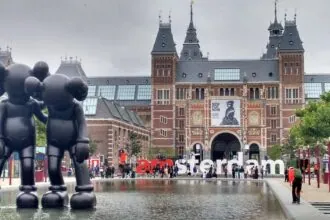
Many visitors begin in Museumplein, Amsterdam’s cultural heart. This attractive square is home to several of the city’s biggest attractions, including the Rijksmuseum, Van Gogh Museum, Stedelijk Museum and the popular Moco Museum, allowing you to visit several world-class museums within just a few minutes’ walk of one another. The surrounding cafés, gardens and open spaces also make it one of the most enjoyable areas of the city to spend an afternoon.
Amsterdam’s museums reflect the city’s remarkable history. During the Dutch Golden Age, Amsterdam became one of the wealthiest trading cities in the world, attracting artists such as Rembrandt, Vermeer and later Vincent van Gogh. Their works, together with collections covering exploration, science, religion, photography and design, tell the story of how a relatively small city became a global centre of commerce, creativity and innovation.
Not every museum focuses on paintings and history. Families can enjoy hands-on exhibits at NEMO Science Museum, while beer lovers can explore the famous Heineken Experience. Contemporary art enthusiasts often head to Moco Museum or the enormous STRAAT Museum, where colourful murals and large-scale street art offer a completely different experience from Amsterdam’s classical galleries. There are also dozens of smaller specialist museums covering subjects ranging from canals and houseboats to diamonds, photography and even life inside a seventeenth-century canal house.
Many of Amsterdam’s most popular museums operate with timed-entry tickets, and several regularly sell out, particularly during weekends, school holidays and the summer months. Booking in advance is therefore strongly recommended, especially if you’re planning to visit the Anne Frank House, Van Gogh Museum or Rijksmuseum.
In this guide we’ll compare Amsterdam’s best museums, explain what makes each one unique, help you decide which attractions suit your interests, and show you the best ways to save money on admission.
| Museum | Typical Visit | Best For | Family Friendly | Included in Many City Passes |
|---|---|---|---|---|
| Rijksmuseum | 3–4 hours | Dutch art & history | ✔ | Often included |
| Van Gogh Museum | 2–3 hours | Art lovers | ✔ | Sometimes included |
| Anne Frank House | 1–2 hours | History | Older children | No |
| Moco Museum | 1–2 hours | Modern & street art | ✔ | Often included |
| STRAAT Museum | 2 hours | Urban art | ✔ | Often included |
| NEMO Science Museum | 3–5 hours | Families | ★★★★★ | Often included |
| National Maritime Museum | 2–3 hours | Maritime history | ✔ | Often included |
| Heineken Experience | 1.5–2 hours | Adults | ✖ | Discounted on some passes |
| Rembrandt House Museum | 1.5–2 hours | Art & history | ✔ | Often included |
| Stedelijk Museum | 2–3 hours | Modern art | ✔ | Often included |
Rijksmuseum
No museum better represents the story of the Netherlands than the Rijksmuseum. Standing proudly on Museumplein, this magnificent nineteenth-century building is home to the country’s national collection and is widely regarded as one of Europe’s greatest museums. Whether you’re passionate about art, history or architecture, the Rijksmuseum is one of Amsterdam’s true highlights and deserves a place on almost every visitor’s itinerary.
Inside, you’ll discover more than 8,000 objects displayed across 80 galleries, charting over 800 years of Dutch history. The museum’s greatest treasures come from the Dutch Golden Age, when artists such as Rembrandt, Vermeer, Frans Hals and Jan Steen produced some of the world’s most celebrated paintings. The undisputed centrepiece is Rembrandt’s masterpiece, The Night Watch, displayed in its own spectacular gallery where visitors can admire the enormous canvas up close.
Beyond the famous paintings, the Rijksmuseum showcases beautifully preserved furniture, Delftware ceramics, model ships, jewellery, sculptures, armour, decorative arts and historical artefacts that tell the story of the Netherlands’ rise as one of the world’s leading trading nations. The collection is thoughtfully presented, making it easy to follow the country’s artistic and cultural development through the centuries.
Most visitors spend three to four hours exploring the museum, although art enthusiasts could easily spend an entire day here. The galleries are spacious, there are excellent cafés and restaurants onsite, and the beautiful museum gardens provide a pleasant place to relax during warmer months. Audio guides and guided tours are available for those wanting additional background information.
Because the Rijksmuseum is one of Amsterdam’s busiest attractions, booking tickets well in advance is strongly recommended, particularly during weekends, holidays and the summer season. Early morning or late afternoon visits are often slightly quieter, allowing you to enjoy the galleries at a more leisurely pace.
For anyone wanting to understand Dutch history and admire some of the finest paintings ever created, the Rijksmuseum remains one of the very best museum experiences in Europe.
Best for a short trip. Compare rooms by neighbourhood, price and guest rating before you book.
Compare hotelsBest for families, or any stay past about four nights. A kitchen and a washing machine start paying for themselves.
Browse rentalsBest if you have already picked a hotel. Checks the big booking sites for the same room and shows who is cheapest.
Check dealsVan Gogh Museum
Just a short walk from the Rijksmuseum stands another of Amsterdam’s world-famous attractions, the Van Gogh Museum. Housing the largest collection of Vincent van Gogh’s work anywhere in the world, the museum provides an extraordinary opportunity to follow the artist’s life, struggles and artistic development through hundreds of original works.
The collection includes more than 200 paintings, 500 drawings and hundreds of personal letters written between Vincent and his brother Theo. Together they tell the remarkable story of one of history’s most influential artists, from his early dark-toned works through to the vibrant colours that would eventually define his unmistakable style.
Visitors can admire internationally recognised masterpieces including Sunflowers, The Bedroom, Almond Blossom, The Potato Eaters, numerous self-portraits and many of the landscapes painted during his time in southern France. The galleries are arranged chronologically, allowing visitors to see how Van Gogh’s technique, confidence and artistic vision evolved during his relatively short career.
The museum also features works by artists who inspired Van Gogh, including Monet, Gauguin, Toulouse-Lautrec and Pissarro, helping place his paintings within the wider development of European art during the late nineteenth century.
Most visitors spend two to three hours exploring the museum, although keen art lovers often stay much longer. Interactive displays, multimedia presentations and excellent temporary exhibitions regularly add fresh reasons to return, even if you’ve visited previously.
Demand for tickets is extremely high throughout the year, and the Van Gogh Museum regularly sells out days or even weeks in advance. All visits operate using timed-entry tickets, so booking ahead is essential if this museum is on your Amsterdam itinerary.
For anyone interested in art, creativity or one of history’s most fascinating lives, the Van Gogh Museum is simply unmissable.
Anne Frank House
Few museums leave as powerful and lasting an impression as the Anne Frank House. Located beside the Prinsengracht Canal, this modest canal house preserves the secret annex where Anne Frank, her family and four others hid from Nazi persecution during the Second World War. It remains one of Amsterdam’s most visited and emotionally moving attractions.
The museum takes visitors through the original rooms where the families lived in hiding for more than two years, with many areas preserved as they were discovered after the war. Walking through the concealed entrance hidden behind the famous revolving bookcase is an unforgettable moment, allowing visitors to appreciate the incredibly confined conditions in which the occupants lived while trying to avoid discovery.
Throughout the museum you’ll learn about Anne’s life, her famous diary, the wider persecution of Jewish people during the Holocaust and the importance of tolerance, freedom and human rights today. Original documents, photographs, personal belongings and multimedia exhibitions provide valuable historical context alongside Anne’s own words.
Unlike many museums in Amsterdam, the Anne Frank House is not especially large, with most visits taking around 60 to 90 minutes. However, the emotional impact often makes it one of the most memorable experiences of any trip to Amsterdam.
Tickets are released online in advance and frequently sell out very quickly, particularly during holidays and the summer season. If visiting the Anne Frank House is important to your trip, booking well ahead is absolutely essential, as it’s extremely unlikely you’ll be able to purchase tickets on the day.
Although the Anne Frank House contains relatively few traditional exhibits, its powerful story and historical significance make it one of the most important museums in Europe and an experience that stays with visitors long after they leave.
To learn more, read our dedicated Anne Frank & Jewish History in Amsterdam guide, where we explore the story of Anne Frank, the Secret Annex, Amsterdam’s Jewish Quarter, the Portuguese Synagogue, the Jewish Museum, the National Holocaust Museum and other important sites that help tell the city’s Jewish history.
Moco Museum
If you’re looking for something completely different from Amsterdam’s traditional art galleries, the Moco Museum is one of the city’s most exciting cultural attractions. Located in a beautiful historic villa on Museumplein, just a short walk from the Rijksmuseum and Van Gogh Museum, Moco specialises in modern, contemporary and street art, making it particularly popular with younger visitors and anyone interested in today’s most influential artists.
The museum first gained international recognition through its exhibitions of Banksy, whose thought-provoking and often humorous works remain one of the biggest reasons people visit. Alongside Banksy, you’ll also find works by globally recognised artists including Andy Warhol, Jean-Michel Basquiat, Keith Haring, Damien Hirst, Yayoi Kusama, KAWS and several leading contemporary digital artists. The exhibitions change regularly, meaning repeat visitors often discover something completely new.
Unlike many larger museums, Moco is designed to be immersive and interactive. Colourful installations, digital displays, mirrored rooms and striking sculptures encourage visitors to engage with the artwork rather than simply observe it. It’s also one of Amsterdam’s most photogenic museums, with many exhibits specifically designed to create memorable visual experiences without overshadowing the art itself.
Most visitors spend between one and two hours exploring the museum, making it easy to combine with nearby attractions on Museumplein. Its relatively compact size also makes it a good choice for travellers who may not have time to devote an entire day to Amsterdam’s larger museums.
Because of its popularity and central location, pre-booking tickets is recommended, particularly during weekends, holidays and the busy summer months. Timed-entry tickets help manage visitor numbers and make the experience much more enjoyable.
If you enjoy street art, contemporary culture, immersive exhibitions and world-famous modern artists, Moco Museum is one of Amsterdam’s most enjoyable museum experiences.
STRAAT Museum
Hidden inside a huge former shipbuilding warehouse in Amsterdam Noord, the STRAAT Museum is unlike any other museum in the city. Instead of displaying paintings on traditional gallery walls, STRAAT showcases large-scale street art and graffiti created by some of the world’s leading urban artists. The result is one of Europe’s most impressive collections of contemporary public art, all displayed indoors where the enormous works can be appreciated up close.
The museum occupies part of the historic NDSM Wharf, once one of Europe’s largest shipyards and now one of Amsterdam’s most creative districts. The industrial surroundings provide the perfect backdrop for artworks that often stand several metres high, allowing artists to create pieces on a scale impossible in conventional galleries.
More than 180 artists from around the world have contributed to the collection, with murals, sculptures and installations exploring themes such as identity, politics, climate change, social justice and urban life. Every artwork is accompanied by information explaining the artist’s background, techniques and inspiration, helping visitors understand both the creative process and the messages behind each piece.
Allow around two hours for your visit, although many art enthusiasts stay longer to appreciate the extraordinary detail within the larger murals. Large open spaces make the museum easy to explore, while regular temporary exhibitions ensure there is often something new to discover.
Getting there is straightforward. Simply take the free GVB ferry from behind Amsterdam Centraal Station to NDSM Wharf, with the museum just a short walk from the ferry terminal. Many visitors combine STRAAT with other attractions in Amsterdam Noord, including A’DAM Lookout, THIS IS HOLLAND and the area’s growing collection of cafés, creative studios and waterfront restaurants.
For anyone interested in street art, photography or contemporary culture, STRAAT offers one of Amsterdam’s most distinctive museum experiences and is well worth venturing beyond the city centre.
NEMO Science Museum
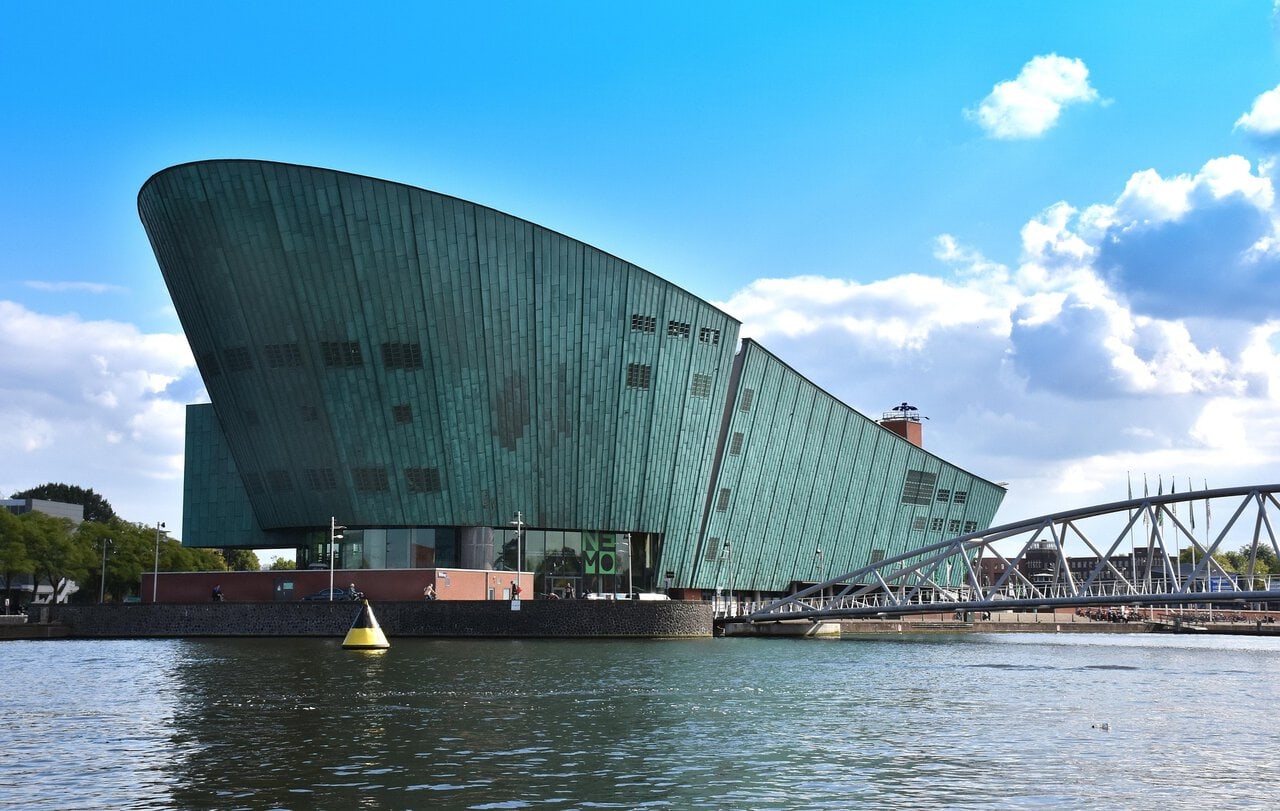
With its striking green copper building rising above the waterfront beside Amsterdam Centraal Station, NEMO Science Museum is one of the city’s best attractions for families. Designed to make science accessible through hands-on experiments and interactive exhibits, it’s a place where visitors are encouraged to touch, build, test and explore rather than simply observe.
Spread across five floors, the museum covers subjects including physics, chemistry, engineering, technology, energy, biology and the human body through hundreds of interactive displays. Children can generate electricity, experiment with chain reactions, learn how bridges are built, discover how the brain works and take part in live science demonstrations throughout the day. Adults often find themselves just as engaged as younger visitors, making NEMO one of Amsterdam’s few attractions that genuinely appeals to all ages.
A typical visit lasts three to five hours, although families with younger children can easily spend most of the day here. There are cafés and picnic areas throughout the building, while the spectacular rooftop terrace offers panoramic views across Amsterdam’s rooftops, harbour and historic city centre. During warmer months, the rooftop also features water displays and interactive exhibits that can be enjoyed without purchasing a museum ticket.
Although NEMO is particularly popular with families, couples and solo travellers interested in science, innovation and technology will also find plenty to enjoy. The museum does an excellent job of explaining complex subjects in simple, engaging ways without ever feeling overly academic.
If you’re travelling with children or simply want a break from traditional art museums, NEMO provides one of Amsterdam’s most entertaining and educational days out.
National Maritime Museum
The National Maritime Museum (Het Scheepvaartmuseum) tells the remarkable story of how a small trading nation became one of the world’s greatest maritime powers. Located in a beautifully restored seventeenth-century naval warehouse close to the city centre, the museum explores the ships, explorers, trade routes and innovations that helped shape both Amsterdam and the wider world.
Inside, you’ll discover an extensive collection of historic maps, navigational instruments, ship models, paintings, weapons and artefacts spanning more than 500 years of Dutch maritime history. The exhibitions explain how Dutch sailors explored distant continents, how the powerful Dutch East India Company (VOC) operated, and why Amsterdam became one of the busiest ports on Earth during the Dutch Golden Age.
One of the museum’s biggest highlights is the impressive replica of the VOC ship Amsterdam, permanently moored outside the museum. Visitors can step aboard to explore the decks, cabins and cargo areas while learning what life was really like for sailors embarking on months-long voyages across the globe. It’s one of Amsterdam’s most memorable hands-on historical experiences and is particularly popular with children.
Inside the museum, interactive galleries explain everything from navigation and sea battles to modern shipping, making the attraction suitable for visitors of all ages. Families will also find dedicated children’s exhibitions that encourage younger visitors to learn through play and exploration.
Most people spend two to three hours exploring the museum and ship, although maritime enthusiasts could easily stay much longer. Its location also makes it easy to combine with nearby attractions such as NEMO Science Museum, ARTIS Zoo or an Amsterdam canal cruise.
If you’re interested in exploration, naval history or the fascinating story behind Amsterdam’s rise as a global trading city, the National Maritime Museum is one of the city’s most rewarding museums.
Best for long or awkward journeys. Builds one itinerary out of separate flights.
View flightsBest for short trips. Install the eSIM at home and arrive in Amsterdam with working data, no shop queue.
Browse eSIMsBest if you would rather not work out the transport on arrival. Book it now and forget it.
View transfersHeineken Experience
For many visitors, the Heineken Experience is one of Amsterdam’s most recognisable attractions. Housed inside Heineken’s original nineteenth-century brewery, this interactive experience combines history, brewing, multimedia exhibits and tastings to tell the story of one of the world’s most famous beer brands.
Rather than being a traditional museum filled with static displays, the attraction uses interactive exhibits, immersive experiences and live demonstrations to explain how Heineken grew from a small Amsterdam brewery into a global brand enjoyed in more than 190 countries. Along the way you’ll learn about the brewing process, the ingredients used to make Heineken beer, the company’s advertising campaigns and its long association with sport, music and major international events.
Visitors can explore the original brewing halls, see historic equipment, take part in interactive games and even experience a fun simulation showing what it’s like to be “brewed” into a bottle of Heineken. The experience is designed to be entertaining rather than overly technical, making it enjoyable even if you’re not a dedicated beer enthusiast.
A visit typically takes around 90 minutes, finishing in the stylish tasting area where admission includes two freshly poured Heineken beers. There is also a well-stocked gift shop selling exclusive merchandise and personalised souvenirs.
The Heineken Experience is strictly for visitors aged 18 and over, making it a popular choice for couples, groups of friends and adults celebrating special occasions. It’s also conveniently located close to Museumplein, allowing you to combine it with the Rijksmuseum, Van Gogh Museum or a nearby canal cruise.
If you’re interested in beer, branding or simply want a fun and interactive attraction that’s a little different from Amsterdam’s traditional museums, the Heineken Experience is well worth adding to your itinerary.
Rembrandt House Museum
Step inside the former home of one of history’s greatest painters at the Rembrandt House Museum (Museum Rembrandthuis). Located in the heart of Amsterdam’s historic centre, this beautifully restored seventeenth-century townhouse is where Rembrandt van Rijn lived and worked during the most successful years of his career. Unlike a traditional art gallery, the museum allows visitors to experience the environment where many of his masterpieces were conceived.
The house has been carefully recreated using historical records, paintings and inventories, offering a fascinating glimpse into daily life during Amsterdam’s Golden Age. As you move through the furnished living quarters, studio and workshop, you’ll see how one of the world’s most celebrated artists lived, entertained wealthy clients and produced his remarkable works.
One of the highlights is Rembrandt’s large painting studio, where regular demonstrations show how he prepared pigments, mixed paints and created his famous etchings using traditional seventeenth-century techniques. These live demonstrations provide valuable insight into the skill and craftsmanship behind his work and are a favourite with visitors interested in art and history alike.
Alongside the reconstructed rooms, the museum displays an outstanding collection of Rembrandt’s etchings, sketches and personal possessions, together with temporary exhibitions featuring works by his pupils and other Dutch Golden Age artists. Informative displays help explain not only his artistic achievements but also the financial difficulties that eventually forced him to leave the house.
Most visitors spend between 90 minutes and two hours exploring the museum. Its central location also makes it easy to combine with nearby attractions such as the Jewish Cultural Quarter, Waterlooplein Market or an Amsterdam canal cruise.
For anyone wanting to understand the life behind the masterpieces, the Rembrandt House Museum offers one of Amsterdam’s most authentic and rewarding historical experiences.
Stedelijk Museum
Standing alongside the Rijksmuseum and Van Gogh Museum on Museumplein, the Stedelijk Museum is the Netherlands’ leading museum of modern and contemporary art and design. While its neighbours focus on the Dutch Masters and nineteenth-century painting, the Stedelijk showcases the bold artistic movements that transformed art during the twentieth and twenty-first centuries.
The museum’s extensive collection features works by internationally renowned artists including Piet Mondrian, Kazimir Malevich, Wassily Kandinsky, Marc Chagall, Henri Matisse, Pablo Picasso, Andy Warhol and many other pioneers of modern art. The galleries explore movements such as De Stijl, Bauhaus, Pop Art, Abstract Expressionism and contemporary multimedia installations.
Art lovers will also appreciate the museum’s exceptional design collections, covering furniture, industrial design, typography, photography, fashion and graphic arts. Together, these exhibitions demonstrate how Dutch designers have influenced architecture, interiors and everyday objects around the world.
Most visitors spend two to three hours exploring the permanent collection and temporary exhibitions, which change regularly throughout the year. The museum’s striking modern extension, affectionately nicknamed “The Bathtub” because of its distinctive shape, has itself become one of Amsterdam’s best-known examples of contemporary architecture.
Although the Stedelijk may not be as instantly recognisable as the Rijksmuseum or Van Gogh Museum, it is widely regarded as one of Europe’s finest museums for modern art. It’s an excellent choice for visitors who enjoy contemporary creativity or are looking to experience a different side of Amsterdam’s cultural scene.
Jewish Cultural Quarter
The Jewish Cultural Quarter is not a single museum but a collection of important historical sites that together tell the story of Jewish life in Amsterdam across more than four centuries. Located east of the city centre, the quarter brings together the Jewish Museum, the magnificent Portuguese Synagogue, the moving National Holocaust Museum and the Hollandsche Schouwburg Memorial, creating one of the most powerful cultural experiences in the Netherlands.
The Jewish Museum explores the traditions, customs and everyday lives of Jewish communities in the Netherlands through beautifully presented exhibitions featuring artwork, religious objects, personal stories and historical artefacts. Nearby, the seventeenth-century Portuguese Synagogue remains one of the world’s most remarkable places of worship, illuminated almost entirely by candlelight during special occasions and preserved much as it appeared centuries ago.
The recently opened National Holocaust Museum provides a thoughtful and deeply moving account of the persecution of Dutch Jews during the Second World War. Through personal testimonies, photographs, documents and multimedia exhibitions, visitors gain a greater understanding of the devastating impact the Holocaust had on Amsterdam’s once-thriving Jewish community.
Together, these sites offer valuable historical context that complements a visit to the Anne Frank House, helping visitors understand not only Anne Frank’s personal story but also the wider history of Jewish life, culture and resilience in Amsterdam.
For a deeper understanding of this important part of the city’s history, read our dedicated Anne Frank & Jewish History in Amsterdam guide, where we bring together the Anne Frank House, the Jewish Cultural Quarter, the Portuguese Synagogue, the National Holocaust Museum and other significant locations into one complete visitor guide.
Hidden Museums Worth Visiting
While Amsterdam’s headline attractions deservedly attract millions of visitors every year, some of the city’s most rewarding museum experiences are found away from the busiest tourist routes. These smaller museums often provide a more intimate look at Amsterdam’s history and culture, making them excellent additions if you’ve already visited the major galleries or simply want to discover a different side of the city.
One of the most fascinating is Our Lord in the Attic Museum (Museum Ons’ Lieve Heer op Solder). Hidden inside a seventeenth-century canal house, this extraordinary museum contains a complete Catholic church concealed within the upper floors of a merchant’s home. Built during a period when public Catholic worship was restricted, it offers a remarkable glimpse into Amsterdam’s religious history while allowing visitors to explore one of the city’s best-preserved canal houses.
Another excellent choice is the Museum of the Canals (Grachtenmuseum). Housed inside an elegant canal mansion, it explains how Amsterdam’s famous canal ring was designed, constructed and expanded during the Dutch Golden Age. Interactive exhibits and multimedia presentations bring the story of the city’s UNESCO-listed waterways to life, making it the perfect companion to an Amsterdam canal cruise.
Photography enthusiasts should consider visiting FOAM Photography Museum, one of Europe’s leading photography galleries. The museum hosts regularly changing exhibitions featuring internationally renowned photographers alongside emerging talent, ensuring every visit offers something different. Whether your interests lie in documentary photography, portraiture, fashion or contemporary art, FOAM consistently presents thought-provoking exhibitions.
The Amsterdam Museum tells the story of the city itself, exploring its transformation from a small medieval settlement into one of Europe’s most influential trading centres. Through paintings, historical objects, multimedia displays and interactive exhibitions, visitors gain a deeper understanding of Amsterdam’s people, traditions and changing identity.
Other worthwhile attractions include the Houseboat Museum, where you can step aboard a genuine canal houseboat to see what life is like on Amsterdam’s waterways, and the Diamond Museum, which explores the city’s long association with diamond cutting, polishing and jewellery making.
Although these museums rarely receive the same attention as the Rijksmuseum or Van Gogh Museum, they often provide some of the most memorable and personal experiences in Amsterdam.
Which Amsterdam Museum Should You Choose?
With so many excellent museums to choose from, the right one depends entirely on your interests and how much time you have available.
If it’s your first visit to Amsterdam, the Rijksmuseum is the obvious starting point. Its world-famous collection provides the best introduction to Dutch history, culture and artistic achievement, making it one of Europe’s essential museums.
Art lovers should combine the Rijksmuseum, Van Gogh Museum and Stedelijk Museum. Together they cover everything from the Dutch Masters and Impressionism to modern and contemporary art, creating one of the finest collections of artistic experiences anywhere in Europe.
For visitors interested in modern culture and photography, the Moco Museum and STRAAT Museum offer a refreshing contrast to Amsterdam’s classical galleries. Their colourful installations and contemporary works are especially popular with younger visitors and those looking for something more interactive.
Families travelling with children will usually get the most enjoyment from NEMO Science Museum, thanks to its hands-on exhibits and experiments, while the National Maritime Museum offers an excellent balance of history and interactive displays, particularly with its impressive replica VOC ship.
Adults looking for a more unusual experience often enjoy the Heineken Experience, while history enthusiasts shouldn’t miss the Anne Frank House, Jewish Cultural Quarter and Rembrandt House Museum, all of which provide powerful insights into Amsterdam’s remarkable past.
If you’re visiting during poor weather, museums are naturally one of Amsterdam’s greatest strengths. You could comfortably spend several days moving between galleries, historic houses and interactive attractions without ever running out of things to see.
Best for a short stop where being central matters more than the room. Dorms and private rooms both listed.
See hostelsBest if you have ever given up on a claim. AirHelp checks whether the flight qualifies and pursues it for you.
See the benefitsBest if your room is not ready yet. Left luggage booked in advance, so you are not hunting for a locker.
Check storageMuseum Tickets & Money-Saving Tips
Amsterdam’s museums are among the city’s most popular attractions, and a little planning can save both time and money.
If you expect to visit several museums, it’s worth comparing the I amsterdam City Card and the Go City Amsterdam Explorer Pass. Depending on your itinerary, these passes can include admission to many leading museums while also offering additional benefits such as public transport, canal cruises, bike hire and discounts at other attractions. We’ve compared both options in detail in our dedicated Amsterdam City Pass Guide.
Several of Amsterdam’s most famous museums operate with timed-entry tickets, meaning you’ll need to select a specific arrival time when booking. The Van Gogh Museum and Anne Frank House are particularly well known for selling out, sometimes weeks in advance during the busiest periods. If these attractions are on your itinerary, booking early is essential.
For greater flexibility, consider visiting museums early in the morning or later in the afternoon, when galleries are often slightly quieter. Weekdays outside school holidays also tend to be less crowded than weekends.
If you’re planning an extended stay in the Netherlands and expect to visit many museums across the country, you may also want to look into the Museumkaart, a popular annual museum pass used by Dutch residents. While it isn’t suitable for every visitor, it can offer excellent value for those planning an extended cultural itinerary.
Finally, don’t underestimate how much time Amsterdam’s museums deserve. The Rijksmuseum alone can easily fill half a day, while combining too many museums into one itinerary often leads to “museum fatigue.” It’s usually far more enjoyable to visit one or two museums each day, leaving plenty of time to explore Amsterdam’s canals, cafés and neighbourhoods in between.
Not sure which pass offers the best value? Read our dedicated Amsterdam City Pass Guide, where we compare both passes in detail, explain exactly what’s included, highlight the key differences and help you decide which option is best for your trip.

Rupert’s Handy Travel Tips
Amsterdam’s museums are among the very best in Europe, but a little planning can make your visit much smoother and could even save you money.
- Book popular museums well in advance: The Anne Frank House and Van Gogh Museum frequently sell out, especially during weekends, holidays and the summer months.
- Don’t try to do too much: The Rijksmuseum alone can easily take half a day. Most visitors enjoy Amsterdam more by combining one or two museums with time exploring the canals, cafés and neighbourhoods.
- Check whether a city pass will save you money: If you’re planning to visit several museums, compare the available sightseeing passes before buying individual tickets. They can include museum entry, canal cruises and public transport.
- Visit early or late if possible: Morning opening times and the final admission slots are often noticeably quieter than the middle of the day.
- Travel light: Many museums have security checks and restrictions on large bags, so carrying only the essentials will help you enter more quickly.
Want to meet the reindeer behind our travel tips? Find out more in our page Who is Rupert?.




Frequently Asked Questions
Which museum should I visit first in Amsterdam?
If it’s your first visit, the Rijksmuseum is the best place to start. It houses the Netherlands’ national collection, including masterpieces by Rembrandt, Vermeer and other Dutch Masters, while also providing an excellent introduction to Dutch history.
Which museums are best for families?
NEMO Science Museum is the clear favourite for families thanks to its interactive exhibits and hands-on experiments. The National Maritime Museum is another excellent choice, particularly because visitors can explore the impressive replica VOC ship.
Do I need to book museum tickets in advance?
For many of Amsterdam’s most popular museums, yes. The Anne Frank House, Van Gogh Museum and often the Rijksmuseum operate timed-entry systems and regularly sell out during busy periods.
Is the Amsterdam City Card worth buying?
It can be excellent value if you plan to visit several museums and attractions. Depending on your itinerary, the pass can include museum admission, public transport, canal cruises and discounts. Our Amsterdam City Pass Guide explains which pass offers the best value for different types of visitors.
How many museums can I realistically visit in one day?
Most visitors find that one or two museums is the ideal amount. Larger museums such as the Rijksmuseum or NEMO can easily take several hours to explore properly.
Which museum is best for modern art?
The Stedelijk Museum is Amsterdam’s leading museum of modern and contemporary art, while the Moco Museum focuses on artists such as Banksy, Warhol and Kusama. If you enjoy large-scale murals and urban art, the STRAAT Museum is also highly recommended.
Are Amsterdam museums suitable for rainy days?
Absolutely. Amsterdam has one of Europe’s finest collections of museums, making them perfect when the weather isn’t ideal. Many visitors deliberately schedule museum visits for wet days and spend sunny days exploring the canals and parks.
Further Reading
Amsterdam’s museums are just one part of what makes the Dutch capital such a rewarding destination. To help plan the rest of your visit, we’ve created a collection of detailed guides covering the city’s top attractions, transport and sightseeing experiences.
Start with our comprehensive Things to Do in Amsterdam guide for an overview of the city’s highlights, then explore the waterways with our Amsterdam Canal Cruises guide, where we compare classic sightseeing cruises, luxury saloon boats, evening cruises and dining experiences.
If you’re planning to visit several attractions, don’t miss our Amsterdam City Pass Guide, where we compare the I amsterdam City Card and Go City Amsterdam Explorer Pass to help you decide which offers the best value. We’ve also created detailed guides covering Getting Around Amsterdam, Hop-On Hop-Off Bus & Boat, and Free Things to Do in Amsterdam.
For visitors interested in history, our Anne Frank & Jewish History in Amsterdam guide explores the city’s most significant historical sites in greater detail, while our Amsterdam Light Festival Guide is essential reading if you’re visiting during the winter months.
Finally, if you’re staying for a few days, our Day Trips from Amsterdam guide covers some of the Netherlands’ most rewarding excursions, including Zaanse Schans, Volendam, Marken, Edam, Giethoorn, Haarlem, Delft, Rotterdam, Utrecht, Kinderdijk and Zandvoort, helping you discover far more than just the city centre.