Reviewed by our editorial team Updated
Discover Amsterdam’s Jewish Heritage
Amsterdam has been home to one of Europe’s most important Jewish communities for more than 400 years. Long before the tragic events of the Second World War, the city had earned a reputation as a place of religious tolerance, attracting Jewish families fleeing persecution across Spain, Portugal and later Central and Eastern Europe. Their arrival helped shape Amsterdam into the thriving trading city it became during the Dutch Golden Age, leaving behind beautiful synagogues, charitable institutions, schools and neighbourhoods that still form part of the city’s identity today.
That rich history makes Amsterdam much more than simply the home of the Anne Frank House. Across the city you’ll find remarkable museums, powerful memorials and preserved streets that tell the wider story of Jewish life, culture, resilience and loss. Walking through the former Jewish Quarter reveals layers of history stretching back centuries, from prosperous merchants and diamond traders to the devastation brought by Nazi occupation between 1940 and 1945.
During the Holocaust, around 75% of the Netherlands’ Jewish population was murdered, one of the highest proportions anywhere in Western Europe. The impact on Amsterdam was profound. Entire neighbourhoods were emptied, families disappeared and communities that had flourished for generations were almost erased. Today, museums, monuments and restored buildings ensure those stories continue to be remembered, while also celebrating the vibrant Jewish culture that still exists in the city.
Whether you are interested in history, architecture, genealogy or the story of Anne Frank herself, Amsterdam offers one of the most moving historical experiences in Europe. This guide explores the places that help explain both the city’s remarkable Jewish heritage and the events that changed it forever.
| Attraction | Best For | Typical Visit | Pre-booking Recommended |
|---|---|---|---|
| Anne Frank House | First-time visitors | 1–1.5 hours | Yes – Essential |
| Anne Frank Walking Tour | Historical context and local insights | 2 hours | Yes |
| Jewish Museum | Jewish history and culture | 1.5–2 hours | Recommended |
| National Holocaust Museum | In-depth Second World War history | 2–3 hours | Recommended |
| Portuguese Synagogue | Architecture and religious history | 45–60 minutes | Not usually |
| National Holocaust Names Monument | Reflection and remembrance | 15–30 minutes | No |
| Self-Guided Walking Route | Independent travellers | 3–4 hours | No |
Planning Your Visit
Because this area contains multiple museums, memorials and historic buildings, it’s worth planning your day before you arrive. The Anne Frank House is by far the busiest attraction and should usually determine the rest of your itinerary. If you have a timed admission, build the remainder of your day around it, allowing enough time to explore the surrounding sites without feeling rushed.
A typical visit to the Anne Frank House lasts 60 to 90 minutes, while the Jewish Museum usually requires around two hours. The National Holocaust Museum is equally deserving of your time, with many visitors spending two to three hours exploring its exhibitions. The Portuguese Synagogue can comfortably be visited in 45 to 60 minutes, while the National Holocaust Names Monument is often visited as a shorter stop for quiet reflection.
If you’re hoping to experience everything, a full day is recommended. History enthusiasts may even wish to spread their visit across two days, allowing more time to absorb the exhibitions and avoid museum fatigue. Booking the Anne Frank House in advance is essential, while purchasing museum tickets online before you travel can also save time, particularly during weekends and school holidays.
Although this guide explores some of the most difficult chapters in Amsterdam’s history, the museums and memorials are designed to be educational, respectful and accessible. Visitors are encouraged to move through the exhibitions at their own pace, speak quietly and allow themselves time to reflect. These sites preserve stories that continue to resonate today, making them among the most meaningful and memorable experiences Amsterdam has to offer.
Best for a short trip. Compare rooms by neighbourhood, price and guest rating before you book.
Compare hotelsBest for longer stays. Whole apartments and houses, so you are not eating out three times a day.
View rentalsBest if you have already picked a hotel. Checks the big booking sites for the same room and shows who is cheapest.
Check dealsGetting to Amsterdam’s Jewish Quarter
Reaching Amsterdam’s Jewish Cultural Quarter is straightforward thanks to the city’s excellent public transport network. The main attractions, including the Portuguese Synagogue, Jewish Museum, National Holocaust Museum and National Holocaust Names Monument, are all clustered around Waterlooplein and Mr. Visserplein, making this the best area to aim for regardless of how you travel.
If you’re arriving at Amsterdam Centraal Station, the quickest option is to use the GVB Metro, with Lines 51, 53 and 54 reaching Waterlooplein Station in around three to five minutes. Services operate frequently throughout the day, typically every five to ten minutes, making the metro the fastest choice for visitors carrying luggage or those wanting to maximise their sightseeing time. Alternatively, several GVB tram routes, including Tram 14, also stop at Waterlooplein, providing convenient access from other parts of the city while offering the chance to enjoy Amsterdam’s streets and canals along the way.
Many visitors choose to walk from Amsterdam Centraal, and it’s easy to see why. The journey takes approximately 20 to 25 minutes, crossing some of Amsterdam’s picturesque canals before arriving in the historic Jewish Quarter. If you’re continuing afterwards to the Anne Frank House, allow another 30 to 35 minutes on foot, creating an enjoyable route through the city’s historic centre that links many of Amsterdam’s most important landmarks.
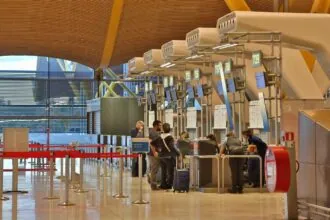
Those arriving at Amsterdam Schiphol Airport should first take one of the frequent Nederlandse Spoorwegen (NS) trains to Amsterdam Centraal Station, a journey of around 15 to 20 minutes. From there, simply transfer to the metro or tram, or continue on foot if you’d like to explore the city centre before reaching the Jewish Quarter. Tickets for GVB services can be purchased from ticket machines, GVB service points, via OVpay using a contactless bank card or mobile wallet, or through the official GVB app. If you’re planning to use public transport extensively during your stay, it’s also worth comparing the Amsterdam & Region Travel Ticket, Holland Travel Ticket and NS Day Ticket, all of which are covered in our dedicated transport guides to help you choose the most cost-effective option.
Understanding Anne Frank’s Story
For many visitors, Anne Frank is the name most closely associated with Amsterdam. Her diary has become one of the world’s most widely read books, translated into dozens of languages and studied by millions of people each year. Yet behind the famous words was an ordinary teenage girl whose life was transformed by extraordinary circumstances.
Anne was born in Frankfurt, Germany, in 1929. As the Nazi Party gained power and antisemitic persecution intensified, her parents, Otto and Edith Frank, moved the family to Amsterdam hoping to build a safer future. For several years life improved, but Germany invaded the Netherlands in May 1940, bringing Nazi occupation and increasingly severe restrictions on Jewish residents.
In July 1942, after Anne’s sister Margot received a deportation notice, the Frank family disappeared into a hidden annex behind Otto Frank’s business premises on Prinsengracht. They spent more than two years living in secret, relying on trusted friends who risked their own lives by supplying food, books and news from outside. During this time Anne recorded her thoughts, fears, hopes and dreams in the diary that would later become famous around the world.
In August 1944, the group hiding in the annex was discovered and arrested. Anne and her sister Margot were eventually deported to Bergen-Belsen concentration camp, where both died in early 1945, just weeks before the camp was liberated. Otto Frank was the family’s only survivor. After returning to Amsterdam, he discovered Anne’s diary had been preserved by Miep Gies, one of the people who had helped hide the family. Recognising its importance, he arranged for its publication, ensuring Anne’s voice would continue to educate future generations about the dangers of hatred, discrimination and intolerance.
Visiting the Anne Frank House
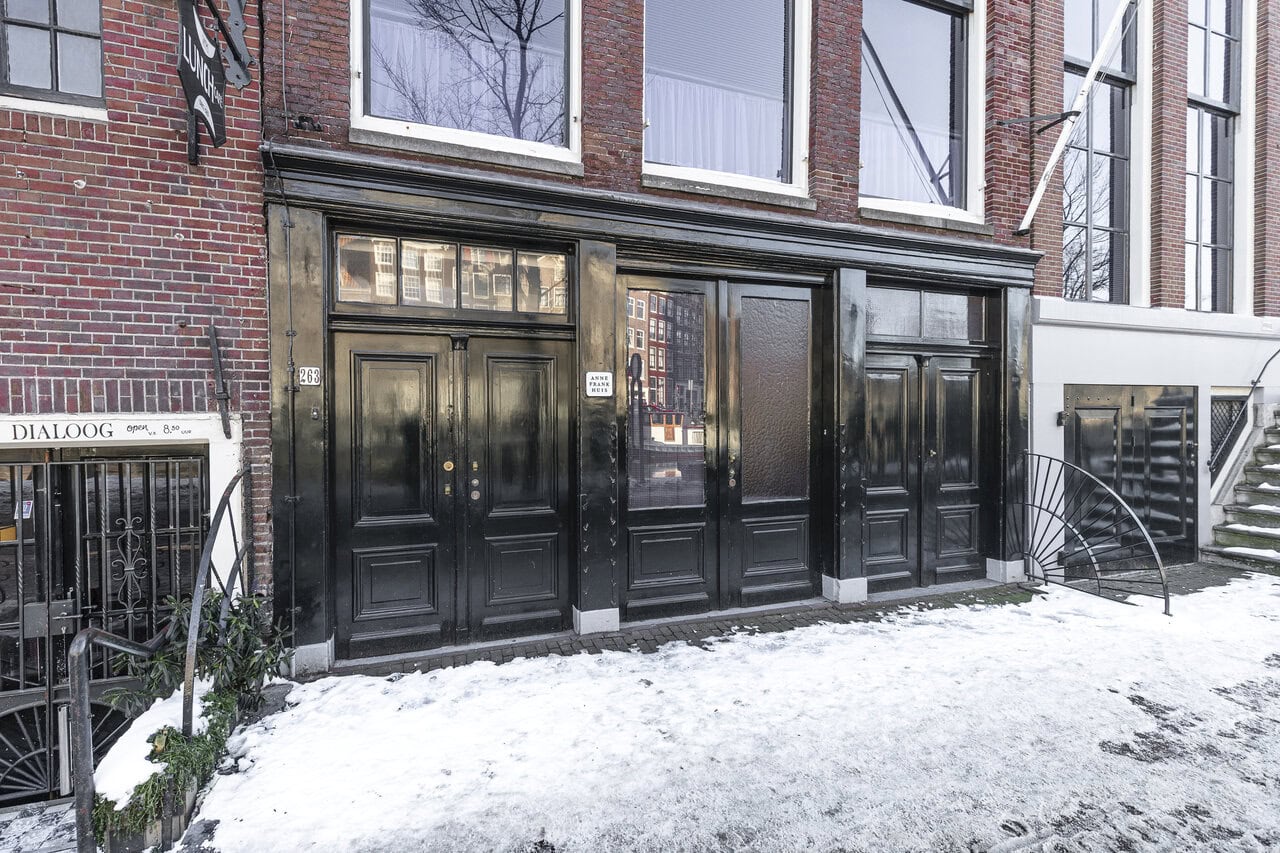
The Anne Frank House is one of Amsterdam’s most visited attractions and is widely regarded as one of the city’s most important museums. Located beside the Prinsengracht canal, the museum occupies the very building where Anne and seven others spent more than two years in hiding during the Second World War.
Visitors begin by exploring the original offices where Otto Frank operated his business before entering the famous Secret Annex, concealed behind the revolving bookcase that has become one of the museum’s defining images. The hiding rooms remain largely unfurnished, reflecting Otto Frank’s wish that visitors experience the empty spaces left behind after the war. Throughout the museum, photographs, original artefacts, video presentations and extracts from Anne’s diary help explain both her personal story and the wider impact of the Holocaust.
Because visitor numbers are carefully controlled, tickets regularly sell out weeks or even months in advance, particularly during spring, summer and school holidays. If visiting the Anne Frank House is a priority, it should be one of the very first parts of your Amsterdam itinerary that you book. Last-minute tickets are extremely rare, and simply arriving on the day without a reservation is unlikely to be successful.
Most visitors spend around 60 to 90 minutes inside the museum, although many choose to allow longer to absorb the exhibits at their own pace. Photography is not permitted inside, helping maintain a respectful atmosphere. Although emotionally challenging, the experience is thoughtfully presented and provides an unforgettable insight into one family’s story during one of history’s darkest periods.
Should You Take a Guided Walking Tour?
While the Anne Frank House focuses on the Secret Annex itself, a guided walking tour places Anne’s life within the wider history of Amsterdam during the Second World War. Rather than concentrating on a single building, these tours explore the surrounding streets where Anne lived, attended school and experienced daily life before going into hiding, while also introducing visitors to the city’s centuries-old Jewish community.
One of the highest-rated options is the Amsterdam Anne Frank: Small-Group Walking Tour & Local Guide, which combines Anne’s personal story with visits to many of Amsterdam’s most significant Jewish heritage sites. Along the way you’ll explore the Jewish Cultural Quarter, see the Portuguese Synagogue, pass the Jewish Museum, visit the National Holocaust Names Monument, learn about the Dutch Resistance, and finish outside the Anne Frank House. An expert guide adds context that simply cannot be gained from reading information boards alone, explaining how Amsterdam changed during Nazi occupation and how ordinary Dutch citizens responded.
The tour is available in both small-group and private formats, with guides offering commentary in multiple languages. Lasting around two hours, it provides an excellent introduction before visiting the Anne Frank House independently, particularly as entry to the museum itself is not included. Because Anne Frank House tickets often sell out well in advance, many visitors combine this walking tour with a separately booked museum visit to gain both the historical background and the opportunity to see the Secret Annex.
Exploring the Jewish Cultural Quarter
The Jewish Cultural Quarter is the heart of Amsterdam’s Jewish heritage and the best place to begin exploring the city’s centuries-long relationship with its Jewish community. Located just east of the historic centre, the district brings together several of the Netherlands’ most important Jewish landmarks within easy walking distance, allowing visitors to understand both the achievements of the community before the Second World War and the devastating impact of the Holocaust.
Unlike many historic districts, this is not simply an area of attractive old buildings. Almost every street has a story to tell. Before the war, thousands of Jewish families lived, worked and worshipped here, creating a thriving neighbourhood filled with markets, schools, businesses and synagogues. During the Nazi occupation, many residents were deported, leaving an absence that can still be felt today. Modern memorials, restored buildings and museums ensure these stories remain visible rather than forgotten.
The area is compact enough to explore comfortably on foot, with wide pavements, attractive canals and numerous places to pause and reflect. Many visitors combine several attractions into a single day, moving between museums, memorials and historic buildings before walking west towards the Anne Frank House. Along the route you’ll also pass quieter streets that reveal how seamlessly centuries of Jewish history have become woven into Amsterdam’s wider story.
Although deeply moving, the Jewish Cultural Quarter is not solely about tragedy. It is also a celebration of Jewish faith, culture, education and resilience, making it one of the city’s most rewarding areas to explore for anyone interested in history.
The Portuguese Synagogue
Standing proudly since 1675, the Portuguese Synagogue (Esnoga) is one of Amsterdam’s most remarkable historic buildings and one of the largest surviving Sephardic synagogues in the world. Built by Jewish refugees who had escaped religious persecution in Spain and Portugal, it symbolised the freedom they found in Amsterdam during the Dutch Golden Age.
Even today, the synagogue remains an active place of worship while welcoming visitors throughout the year. Its vast interior is strikingly simple yet incredibly beautiful. Rather than electric lighting, the synagogue continues to be illuminated by hundreds of candles during religious services, creating an atmosphere that has changed little in more than three centuries. The original wooden furnishings, high vaulted ceilings and sand-covered floor preserve traditions dating back hundreds of years.
Your visit also includes access to the Ets Haim Library, one of the world’s oldest functioning Jewish libraries and a UNESCO-recognised collection of priceless manuscripts and books. Together with the synagogue itself, it provides a fascinating insight into the intellectual, religious and cultural life of Amsterdam’s early Jewish community.
Allow around 45 to 60 minutes for your visit. Whether you’re interested in architecture, religion or history, the Portuguese Synagogue is an essential stop and provides valuable context before exploring the museums and memorials nearby.
Best for long or awkward journeys. Builds one itinerary out of separate flights.
View flightsBest for anyone whose home plan charges by the megabyte abroad. Pay a fixed price up front.
Check eSIMsBest after a long flight or a late landing. Price agreed before you travel, and no taxi queue.
Check transfersJewish Museum & Jewish Museum Junior
Located across several beautifully restored former synagogues, the Jewish Museum explores more than four centuries of Jewish life in the Netherlands. Rather than focusing exclusively on the Holocaust, the museum paints a much broader picture, examining traditions, family life, religion, art, migration, business and the many contributions Jewish communities have made to Dutch society.
Interactive exhibits, personal stories, historical artefacts and multimedia displays help visitors understand how Jewish culture evolved in Amsterdam long before the Second World War. This wider perspective makes later visits to Holocaust memorials and the Anne Frank House even more meaningful, as you gain a better understanding of the thriving community that once existed.
Families travelling with younger children should not overlook the Jewish Museum Junior, an imaginative section designed specifically for children. Rather than relying solely on display cases, it recreates the home of a Jewish family, allowing children to discover traditions, celebrations and everyday life through hands-on activities. It is one of Amsterdam’s most engaging family-friendly museums and offers an excellent way of introducing younger visitors to Jewish culture in an age-appropriate manner.
Most visitors spend between 90 minutes and two hours exploring the museum complex. Combined with the nearby Portuguese Synagogue and National Holocaust Museum, it forms part of one of Europe’s most comprehensive collections dedicated to Jewish history.
National Holocaust Museum
The National Holocaust Museum is one of Amsterdam’s most important cultural institutions, offering visitors a deeply moving and comprehensive account of the persecution of Dutch Jews during the Second World War. Located within the historic buildings of the former Hervormde Kweekschool teacher training college, directly opposite the Hollandsche Schouwburg, the museum stands on ground where countless lives were forever changed. This is not simply a museum about the Holocaust; it is a place dedicated to education, remembrance and understanding.
Inside, the exhibitions guide visitors through the gradual erosion of freedom experienced by Jewish people living in the Netherlands. Rather than overwhelming visitors with statistics alone, the museum focuses on individual stories, original documents, photographs, letters, personal belongings and multimedia displays that reveal how ordinary families were affected by extraordinary events. As you move through the galleries, you’ll gain a clearer understanding of how discrimination became segregation, how segregation became deportation, and how communities that had flourished for centuries were almost completely destroyed.
One of the museum’s greatest strengths is the way it balances historical facts with deeply personal experiences. You’ll learn about the experiences of children separated from their parents, the difficult choices faced by those who attempted to hide, the courage shown by members of the Dutch Resistance and the devastating consequences of collaboration. The exhibitions also explain what happened after the liberation, how survivors attempted to rebuild their lives and why preserving these stories remains so important today.
Although emotionally challenging, the museum has been designed to encourage quiet reflection rather than shock. Information is presented thoughtfully and respectfully, making it suitable for anyone wishing to understand the wider historical context surrounding Anne Frank’s story. Many visitors find that visiting the National Holocaust Museum before or after the Anne Frank House gives them a far richer appreciation of the events that shaped her life and the experiences of thousands of other Dutch Jewish families.
Allow at least two hours for your visit, although history enthusiasts may wish to spend considerably longer exploring the permanent exhibitions and temporary displays. Combined with the Jewish Museum, Portuguese Synagogue, National Holocaust Names Monument and Anne Frank House, it forms an essential part of any journey through Amsterdam’s Jewish heritage and provides one of the city’s most powerful and thought-provoking visitor experiences.
National Holocaust Names Monument
Opened in 2021, the National Holocaust Names Monument is one of Amsterdam’s most powerful places of remembrance. Located close to the Jewish Cultural Quarter, it commemorates more than 102,000 Jewish, Roma and Sinti victims from the Netherlands who were murdered during the Holocaust and have no known grave. Unlike many war memorials that focus on collective loss, this monument restores individual identity, ensuring every victim is remembered by name.
Designed by internationally renowned architect Daniel Libeskind, the monument is both visually striking and deeply symbolic. Thousands of individual brick panels each bear the name, date of birth and age of a victim, allowing visitors to appreciate the sheer scale of the tragedy while remembering that every name represents a unique life, family and future that was taken away. Viewed from above, the brick walls form four large Hebrew letters that together spell “In Memory Of”, adding another layer of meaning to the design.
Walking through the monument is a quiet and emotional experience. The narrow pathways encourage visitors to slow down, read the names and reflect on the personal stories behind them. Many families visit specifically to find the names of relatives, while others simply spend time appreciating the importance of preserving these memories for future generations. It is a place where history becomes personal, making a lasting impression on almost everyone who visits.
The monument is free to visit and is open throughout the day, making it easy to include as part of a walking route around Amsterdam’s Jewish heritage sites. Although a visit may only take 15 to 30 minutes, many people choose to stay longer. Out of respect, visitors should keep noise to a minimum, avoid climbing on the structure and remember that this is foremost a place of remembrance rather than a tourist attraction.
Other Important Jewish Heritage Sites
Beyond the major museums and memorials, Amsterdam is home to several other locations that help tell the story of its Jewish community before, during and after the Second World War. Many of these sites are included on guided walking tours, but they can also be explored independently.
One of the most significant is the Hollandsche Schouwburg. Originally a popular theatre, it was taken over by the Nazis during the occupation and used as a deportation centre for Jewish men, women and children awaiting transport to concentration camps. Today it serves as a memorial and exhibition space, providing a sobering reminder of how everyday public buildings were transformed into instruments of persecution.
Nearby stands The Dokwerker, one of Amsterdam’s best-known public monuments. The bronze statue commemorates the February Strike of 1941, when tens of thousands of Dutch workers stopped work in protest against the persecution of Jewish citizens. It remains one of the few large-scale public protests against Nazi anti-Jewish measures anywhere in occupied Europe and stands as a lasting symbol of solidarity, courage and resistance.
A short walk away you’ll find the Auschwitz Monument, created by former resistance fighter and artist Jan Wolkers. Featuring broken mirrors reaching towards the sky, the memorial symbolises lives violently interrupted and reflects both visitors and the surrounding city, reminding everyone that the consequences of hatred extend far beyond history books.
The nearby Rembrandt House Museum also offers an interesting connection to Amsterdam’s Jewish past. During the seventeenth century, Rembrandt lived in what was then one of the city’s busiest Jewish neighbourhoods. Many of his friends, neighbours and portrait subjects came from the local Jewish community, and these relationships influenced some of his most celebrated works. While not a Holocaust site, it provides valuable insight into the long and rich history of Jewish life in Amsterdam before the tragedies of the twentieth century.
A Self-Guided Walking Route Through Amsterdam’s Jewish History
If you prefer to explore at your own pace, it’s easy to create a self-guided walking tour linking many of Amsterdam’s most important Jewish heritage sites. The route covers approximately 3.5 to 4 kilometres and can comfortably be completed in three to four hours, although allowing a full day gives you time to visit the museums along the way.
Begin at the Portuguese Synagogue, one of the finest surviving reminders of Amsterdam’s prosperous Sephardic Jewish community. From there, walk across to the Jewish Museum and, if time allows, continue into the National Holocaust Museum opposite. These three attractions together provide an excellent introduction to centuries of Jewish history before examining the events of the Second World War.
Next, spend a few quiet moments at the National Holocaust Names Monument, before continuing to the nearby Hollandsche Schouwburg, where thousands of Jewish citizens were held before deportation. Continue through the city centre, passing The Dokwerker, Dam Square and the National Monument, each helping to explain Amsterdam’s wartime story from a different perspective.
Finish your walk at the Anne Frank House on Prinsengracht. Even if you don’t have museum tickets, seeing the exterior of the building where Anne Frank wrote her diary provides a fitting conclusion to the route. If you do have a timed entry, plan your walk so that you arrive shortly before your allocated admission time, allowing you to end the day with one of Amsterdam’s most unforgettable museum experiences.
Tips for Visiting Respectfully
The places featured in this guide are far more than tourist attractions. They are places of remembrance that preserve the stories of individuals, families and communities whose lives were forever changed by the Holocaust. Whether you are visiting the Anne Frank House, the National Holocaust Museum or one of the city’s memorials, approaching each site with patience, curiosity and respect helps preserve the atmosphere these places are intended to create.
If visiting the Anne Frank House, remember that tickets must be booked well in advance, often several months before your trip during peak season. Arrive a little early for your timed entry, keep your ticket readily available and be prepared for airport-style security checks before entering. Photography and filming are not permitted inside, allowing everyone to experience the museum without distraction.
Throughout the museums and memorials, you’ll notice that visitors generally speak quietly and move at a relaxed pace. Many people have personal or family connections to the events being commemorated, while others simply wish to spend time reflecting. Taking a few moments to read the information panels rather than rushing through the exhibits will greatly enhance your understanding of both Amsterdam’s Jewish history and the wider events of the Second World War.
Comfortable footwear is recommended, particularly if you’re following the self-guided walking route or joining a guided tour. Amsterdam’s historic streets are generally flat, but cobbled surfaces, bridges and long periods of walking are common. Carrying a bottle of water and allowing time for breaks will make the experience much more enjoyable, especially during the warmer months.
Finally, remember that this is not simply a story about the past. The museums and memorials encourage visitors to reflect on the consequences of prejudice, discrimination and intolerance today. Many people leave feeling that they have gained not only a better understanding of Amsterdam’s history, but also a deeper appreciation of the importance of human rights, tolerance and remembering those whose voices were silenced.

Rupert’s Handy Travel Tips
Exploring Amsterdam’s Jewish heritage is one of the city’s most meaningful experiences. Here are a few tips to help you make the most of your visit:
- Book the Anne Frank House early: Tickets are released online and often sell out weeks or even months in advance, particularly during spring, summer and school holidays.
- Allow a full day: The Anne Frank House, Jewish Museum, National Holocaust Museum and Portuguese Synagogue deserve plenty of time. Rushing between them means you’ll miss much of their historical significance.
- Consider a guided walking tour: A knowledgeable local guide can explain the stories behind the Jewish Cultural Quarter, Dutch Resistance and Holocaust memorials, adding valuable context that complements a museum visit.
- Visit respectfully: Many of these locations are places of remembrance rather than traditional tourist attractions. Speak quietly, follow photography rules and take time to reflect on the stories being shared.
Want to meet the reindeer behind our travel tips? Find out more in our page Who is Rupert?.




Frequently Asked Questions
Do I need to book the Anne Frank House in advance?
Yes. Tickets regularly sell out weeks or even months in advance, especially during spring, summer and school holidays. If visiting the Anne Frank House is a priority, book your tickets as soon as they become available.
Is the guided walking tour worth it?
For many visitors, yes. A guided tour provides valuable historical context that you won’t get from the Anne Frank House alone, covering the Jewish Cultural Quarter, Dutch Resistance, Holocaust memorials and the wider history of Amsterdam’s Jewish community.
Does the guided walking tour include entry to the Anne Frank House?
No. The walking tour finishes outside the Anne Frank House, but museum admission is not included. You’ll need to purchase a separate timed-entry ticket if you wish to visit the museum itself.
How long should I allow to explore Amsterdam’s Jewish heritage?
If you’re visiting the Anne Frank House, Jewish Museum and National Holocaust Museum, allow a full day. If you’re also following the self-guided walking route and visiting the Portuguese Synagogue, two days will provide a more relaxed experience.
Is the Jewish Cultural Quarter worth visiting if I don’t have Anne Frank House tickets?
Absolutely. The Jewish Cultural Quarter contains several outstanding museums, memorials and historic buildings that together tell the broader story of Jewish life in Amsterdam. Many visitors find these attractions just as memorable as the Anne Frank House itself.
Is this suitable for children?
Older children and teenagers often find these sites educational and thought-provoking. Some exhibitions deal with difficult historical events, so parents should consider the age and sensitivity of younger children before visiting the Holocaust-related museums.
Further Reading
If you’re planning to explore more of Amsterdam during your stay, we have plenty of guides to help you get the most from your visit. Start with our comprehensive Things to Do in Amsterdam guide for an overview of the city’s highlights. Learn how to travel around the city with our Getting Around Amsterdam guide, compare the Amsterdam & Region Travel Ticket, Holland Travel Ticket and NS Day Ticket to find the best value for your itinerary, or discover the city’s finest collections in our Museums in Amsterdam guide.
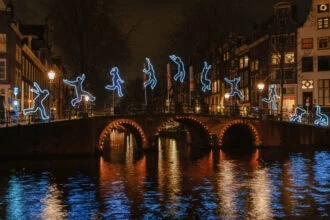
Looking to see more of the city? Compare the available sightseeing routes in our Amsterdam Hop-On Hop-Off Bus & Boat Guide, decide whether an Amsterdam City Pass is worthwhile for your trip, or relax on one of the many Amsterdam Canal Cruises. If you’re visiting during winter, don’t miss our guide to the spectacular Amsterdam Light Festival.
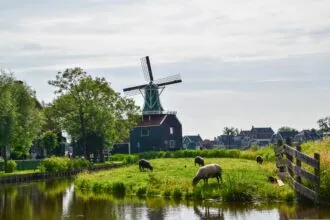
Once you’ve explored Amsterdam’s Jewish heritage, why not continue your adventure with our Free Things to Do in Amsterdam guide or discover the best day trips from Amsterdam, including Zaanse Schans, Haarlem, Utrecht, Rotterdam, Delft, Volendam and Kinderdijk. If you’re arriving by air, our Schiphol Airport Transfers guide explains the quickest and most convenient ways to reach the city centre.