Reviewed by our editorial team Updated
Discover Sicily’s Most Chaotic and Captivating Capital
Palermo is one of those cities that doesn’t reveal itself all at once. At first glance it can feel noisy, crowded and slightly chaotic, but spend a little time exploring and you quickly discover a city packed with Norman palaces, Baroque churches, Arab-influenced architecture, bustling food markets and some of the best street food in Italy.
The city’s location at the crossroads of the Mediterranean has shaped almost everything you see today. Phoenicians, Romans, Arabs, Normans and Spanish rulers all left their mark, creating a fascinating architectural mixture that feels completely different from mainland Italy. In a single morning you can stand beneath shimmering Byzantine mosaics, walk through a market that feels more North African than European, admire grand opera houses and stop for arancine from a street stall.
Palermo is also a city that rewards visitors who mix major attractions with simply wandering. Essential sights such as Palermo Cathedral, the Norman Palace and Palatine Chapel, Teatro Massimo and Quattro Canti deserve plenty of time, but some of the most memorable moments come from exploring the narrow lanes of Ballarò, watching fishing boats around La Cala, or stopping for coffee in one of the small squares hidden behind the main streets.
The coast is never far away either. Mondello Beach, Monte Pellegrino, boat trips along the Palermo coastline and excursions to places such as San Vito Lo Capo make it easy to combine sightseeing with time beside the sea.
This guide brings together the best things to do in Palermo, alternating the city’s essential free sights with attractions, tours and experiences worth booking in advance, helping you build an itinerary that captures both the famous landmarks and the wonderfully unpredictable character of Sicily’s capital.
| Attraction | Best For | Allow | Entry Fee |
|---|---|---|---|
| Palermo Cathedral | History, architecture & panoramic views | 1–2 hours | Cathedral free (rooftops/treasury extra) |
| Norman Palace & Palatine Chapel | Sicily’s finest historic monument | 2–3 hours | Paid admission |
| Quattro Canti & Piazza Pretoria | Sightseeing and photography | 30–45 mins | Free |
| Ballarò Market | Street food and local atmosphere | 1–2 hours | Free |
| Teatro Massimo | Opera, architecture & guided tours | 1 hour | Tour or performance ticket |
| Capuchin Catacombs | Unique and unusual history | 45–60 mins | Paid admission |
| La Cala Harbour | Waterfront walks and restaurants | 1 hour | Free |
| Mondello Beach | Swimming and relaxing | Half day | Free (sunbeds extra) |
| Monreale Cathedral | UNESCO mosaics | 2–3 hours | Cathedral free (museum/terraces extra) |
| Boat Cruise | Coastal scenery, caves & swimming | 4 hours | Tour required |
Experience the Magnificence of Palermo Cathedral
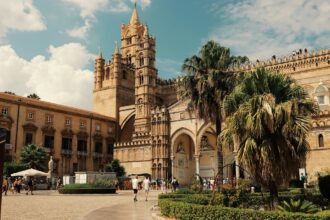
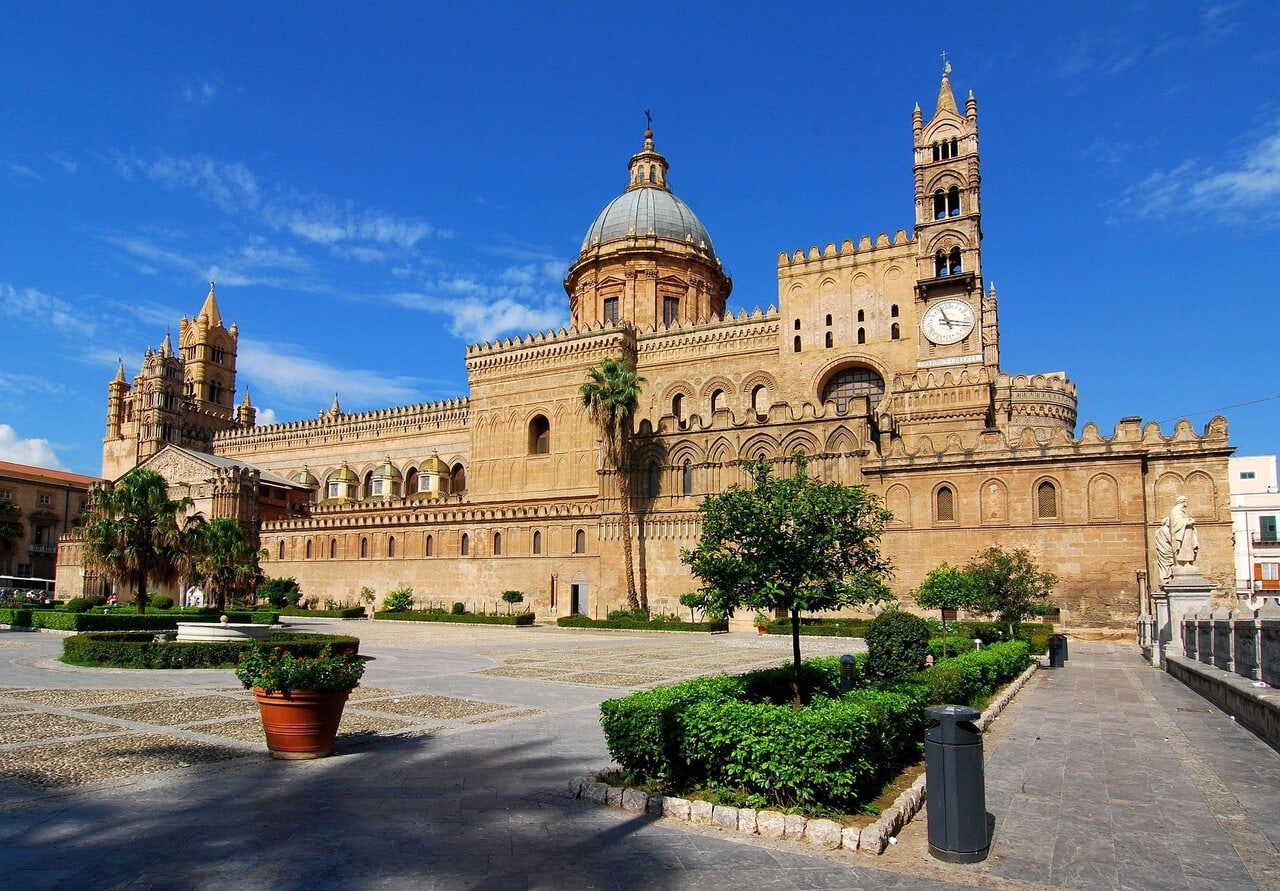
Few buildings capture Palermo’s complicated history better than Palermo Cathedral. Standing prominently along Corso Vittorio Emanuele, the enormous church combines centuries of architectural styles, including Norman, Arab, Gothic, Baroque and Neoclassical influences, reflecting the succession of cultures that have ruled Sicily.
The cathedral was founded in the 12th century, but repeated alterations mean what you see today is effectively a timeline of Palermo’s history built in stone. From the outside, the intricate arches, towers and decorative details are particularly impressive, while the broad piazza in front provides plenty of space to step back and appreciate the scale of the building.
Inside, the cathedral contains the tombs of several important rulers, including Holy Roman Emperor Frederick II, whose reign made medieval Sicily one of Europe’s most influential cultural centres. Religious treasures, chapels and monumental tombs provide plenty to explore, but the cathedral’s greatest attraction for many visitors is actually above your head.
Tickets are available that provide access to the cathedral rooftops, where narrow passages lead to panoramic terraces overlooking the historic centre. From here you can see Palermo’s domes, church towers and densely packed streets stretching towards the surrounding mountains and Mediterranean coastline. It is easily one of the best viewpoints in Palermo.
Allow around one to two hours if you want to explore the cathedral properly and climb to the rooftop. Visiting earlier in the day generally means cooler temperatures and fewer visitors, especially during the hot Sicilian summer.
Even if you choose not to purchase access to every area, walking around the cathedral and its surrounding piazza is an essential part of any first visit to Palermo.
Best for two or three nights. The widest choice of rooms, with filters for free cancellation and included breakfast.
View staysBest for groups who want one address and separate bedrooms rather than three hotel rooms.
See holiday homesBest for double-checking. Runs the same search across several booking sites so you are not leaving money behind.
Compare pricesSee Palermo at Your Own Pace on a Hop-On Hop-Off Bus
Palermo’s historic centre is highly walkable, but the city spreads considerably further than it initially appears. A hop-on hop-off sightseeing bus provides an easy way to understand how the different neighbourhoods fit together while also reducing the amount of walking required between attractions.
The main sightseeing service operates two routes with a single ticket, connecting many of Palermo’s most important landmarks. One route concentrates on the historic centre, passing places such as Teatro Massimo, Quattro Canti, the Vucciria Market, Palazzo Steri, Palermo Cathedral and the Norman Palace. The second explores some of the city’s wider neighbourhoods and villas, including Villa Malfitano, the Zisa Palace and areas closer to the port.
You can leave the bus at any designated stop, explore at your own pace and then continue when the next service arrives. This works particularly well if you only have a day or two in Palermo and want to combine several attractions without spending too much time navigating local buses.
A multilingual audio guide provides commentary about the history and landmarks along the route, while the sightseeing app allows you to see bus locations and estimated waiting times. Some ticket options can also be combined with services towards Monreale or Mondello Beach, making the bus particularly useful for visitors wanting to explore beyond the historic centre.
For first-time visitors, it can be worth completing one full circuit before getting off anywhere. This gives you an excellent overview of Palermo and makes it much easier to decide which attractions deserve more time later.
Stand at the Heart of Palermo in Quattro Canti
At the intersection of Via Maqueda and Corso Vittorio Emanuele lies one of Palermo’s most recognisable landmarks, the spectacular Quattro Canti. Officially called Piazza Vigliena, this unusual Baroque junction marks the traditional centre of the historic city and is an excellent place to begin exploring Palermo on foot.
Four curved façades face each other across the junction, creating an almost theatrical outdoor space. Each is decorated with fountains and statues representing the seasons, Spanish kings and Palermo’s patron saints, while the changing sunlight illuminates different corners of the square throughout the day. This clever design has led to Quattro Canti sometimes being described as the “Theatre of the Sun.”
Just a few steps away is another of Palermo’s great public spaces, Piazza Pretoria. Its enormous Renaissance fountain is covered with elaborate statues, mythological figures and water features and was famously nicknamed the Fontana della Vergogna, or Fountain of Shame, partly because of the nudity of its sculptures.
The surrounding architecture makes this entire area particularly impressive. Nearby you’ll find Palermo City Hall, the churches of Santa Caterina and La Martorana, and streets leading towards the markets and cathedral. Because so many major attractions are clustered nearby, you are almost guaranteed to pass through Quattro Canti several times during your visit.
The best way to experience the area is simply to slow down. Stand in the centre, admire each façade, then wander into the adjoining streets. Street performers, horse-drawn carriages, cafés and a constant flow of locals ensure this historic crossroads still feels very much like the living heart of Palermo.
Discover the Norman Palace and the Palatine Chapel
The Norman Palace (Palazzo dei Normanni) is one of Palermo’s most important historical landmarks and one of the oldest royal residences still in use anywhere in Europe. Originally built as an Arab fortress before being transformed by the Norman kings in the 12th century, it perfectly reflects the unique mix of cultures that shaped Sicily. Today it remains the seat of the Sicilian Regional Assembly, making it both a living government building and one of the city’s finest visitor attractions.
The undisputed highlight is the breathtaking Palatine Chapel (Cappella Palatina), widely regarded as one of the greatest examples of Arab-Norman architecture anywhere in the world. Every surface seems covered in shimmering gold Byzantine mosaics, intricate marble floors and beautifully carved wooden ceilings inspired by Islamic craftsmanship. It’s an astonishing blend of artistic traditions that simply cannot be found anywhere else in Europe.
Beyond the chapel, visitors can explore elegant royal apartments, grand reception rooms and exhibitions explaining the fascinating history of Norman Sicily. The palace itself tells the story of a kingdom where different cultures lived and worked together, creating one of medieval Europe’s most advanced societies.
Allow at least two to three hours to fully appreciate everything the palace has to offer. For history lovers, it’s one of Palermo’s absolute must-see attractions and sits comfortably alongside the cathedral as one of Sicily’s greatest cultural treasures.

Take a Boat Tour Along Palermo’s Beautiful Coast
While Palermo is famous for its historic streets and magnificent architecture, seeing the city from the Mediterranean Sea offers an entirely different perspective. A sightseeing boat trip allows you to leave the busy city behind and discover dramatic cliffs, hidden caves, crystal-clear swimming spots and some of the finest coastal scenery in north-west Sicily.
Departing from La Cala Harbour in the centre of Palermo, these cruises follow the coastline past Vergine Maria, Addaura and the spectacular Gulf of Mondello, stopping several times for swimming and snorkelling in beautifully clear water. Along the way you’ll also visit sea caves, including the impressive Grotta dell’Olio and the historic Grotta della Regina, while experienced skippers share stories about the coastline and its history.
One of the highlights is the relaxed atmosphere onboard. Most cruises include traditional Sicilian snacks, arancini, fresh fruit, cannoli, local drinks and the use of snorkelling equipment, allowing you to spend several hours enjoying the sea rather than simply travelling from one place to another. With small group sizes and plenty of swimming opportunities, these trips regularly receive some of the highest reviews of any activity in Palermo.
If you’re visiting during the warmer months, this is an excellent way to escape the afternoon heat while experiencing a completely different side of Sicily’s capital.
Lose Yourself in the Ballarò Market
If you want to experience the authentic atmosphere of Palermo, there’s no better place than Ballarò Market. Dating back more than 1,000 years, it’s the city’s oldest and busiest street market, where traders continue traditions that have been passed down through generations.
Walking through Ballarò is an experience for all the senses. Colourful fruit and vegetable stalls sit alongside fishmongers displaying the morning’s catch, while butchers, bakers and spice merchants compete for customers with the distinctive calls that have become part of Palermo’s daily soundtrack. The market still serves local residents as much as tourists, giving it an authentic feel that many European markets have lost.
Ballarò is also one of the best places in Sicily to sample traditional street food. You’ll find arancine, panelle, sfincione, crocchè, fresh pastries and countless other Sicilian specialities prepared in front of you. Even if you’re not particularly hungry, wandering through the narrow lanes with a coffee or fresh cannolo is one of the highlights of exploring Palermo.
The market stretches through several historic streets and blends seamlessly into the surrounding neighbourhood, making it easy to combine with visits to Palermo Cathedral, Quattro Canti and the Norman Palace. Visiting during the morning provides the liveliest atmosphere, when the stalls are at their busiest and locals are shopping for the day’s produce.
Step Inside the Magnificent Teatro Massimo
Dominating Piazza Verdi, Teatro Massimo is Italy’s largest opera house and one of the grandest theatres in Europe. Opened in 1897, its impressive neoclassical façade and monumental staircase have made it one of Palermo’s most recognisable landmarks, while its outstanding acoustics continue to attract world-class opera, ballet and classical music performances.
Even if you don’t attend a performance, the building itself is well worth visiting. Guided tours take visitors through the magnificent auditorium, elegant royal boxes, rehearsal rooms and backstage areas while explaining the fascinating history of the theatre. Film fans may also recognise it from the closing scenes of The Godfather Part III, which helped introduce Teatro Massimo to audiences around the world.
Inside, lavish decoration, crystal chandeliers and richly decorated ceilings reflect the wealth and ambition of Palermo during the late nineteenth century. Every room has been carefully restored, allowing visitors to appreciate the craftsmanship that made the theatre one of Italy’s architectural masterpieces.
If your visit coincides with an opera or concert, attending a performance is an unforgettable experience. Otherwise, a daytime tour provides an excellent opportunity to admire one of Sicily’s most beautiful buildings while learning about its remarkable history. The current opera, ballet and concert programme, along with ticket and tour bookings, can be checked on the theatre’s official website.
Best for finding routes the airlines do not sell as a single ticket. Combines carriers to bring the fare down.
Search flightsBest if you want maps and messaging working the moment you switch your phone on.
See eSIM plansBest when public transport has stopped, or when you are travelling with children and bags.
Book a transferEscape to the Beaches of San Vito Lo Capo and the Zingaro Nature Reserve
If you’re looking to experience Sicily’s spectacular coastline, one of the very best day trips from Palermo combines the Zingaro Nature Reserve, the famous Faraglioni di Scopello, and the stunning beach at San Vito Lo Capo. It’s a full day of crystal-clear water, dramatic scenery and relaxed seaside villages, making it a perfect escape from the city.
The adventure begins with a transfer from Palermo to Castellammare del Golfo, where you’ll board a modern sightseeing boat. As you cruise along the coast you’ll pass sea caves, towering limestone cliffs and some of the most beautiful scenery in western Sicily before entering the protected Zingaro Nature Reserve.
The reserve stretches for around 7 kilometres and is famous for its untouched coastline, hidden coves and brilliantly turquoise water. The boat anchors at one of the reserve’s most beautiful swimming spots, giving you the opportunity to enjoy a refreshing swim surrounded by one of Sicily’s most spectacular natural landscapes.
After leaving Zingaro, the cruise continues to San Vito Lo Capo, where you’ll have approximately four hours of free time to explore. Frequently ranked among Italy’s finest beaches, the town is famous for its soft white sand, shallow turquoise sea and relaxed Mediterranean atmosphere. Beyond the beach you’ll discover attractive streets filled with cafés, gelaterias and seafood restaurants, while the local speciality, Sicilian couscous, is well worth trying during your visit.
On the return journey, there’s one final highlight as the boat stops beneath the iconic Faraglioni di Scopello. These towering sea stacks stand beside the historic Tonnara di Scopello, creating one of the most photographed coastal landscapes in Sicily. A final swim here provides the perfect ending before returning to Palermo.
For visitors wanting to combine beaches, boat cruising and some of Sicily’s finest coastal scenery, this is one of the best excursions available from Palermo.
Visit the Historic La Cala Harbour
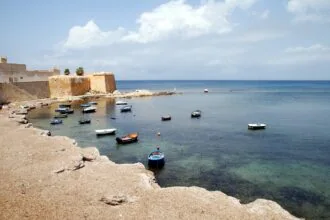
Long before Palermo became one of Italy’s busiest cities, La Cala was its original harbour. Today it remains one of the most attractive parts of the city, combining a modern marina with centuries of maritime history.
The harbour is lined with luxury yachts, traditional fishing boats, waterside cafés and restaurants, creating a pleasant place to escape the busy streets of the historic centre. Wide pedestrian walkways make it ideal for a leisurely stroll, while benches overlooking the marina provide plenty of opportunities to sit and enjoy the atmosphere.
La Cala also serves as the departure point for many of Palermo’s boat trips, snorkelling cruises and private sailing excursions, so you’ll often see visitors preparing for a day on the Mediterranean while locals enjoy their morning coffee along the waterfront.
Several important attractions are only a short walk away, including Foro Italico, Palazzo Steri, Porta Felice and the historic Kalsa district, making La Cala an excellent place to include in any walking route through Palermo.
The harbour is particularly enjoyable during the late afternoon and evening, when restaurants begin filling with diners and the setting sun reflects across the marina, creating one of Palermo’s most relaxing waterfront settings.
Explore the Fascinating Capuchin Catacombs
Few attractions in Europe are quite as unusual, or as unforgettable, as the Capuchin Catacombs. Hidden beneath the Capuchin Monastery, these underground chambers contain the preserved remains of around 8,000 people, making them one of Palermo’s most talked-about attractions.
Beginning in the 16th century, the Capuchin monks discovered that the unique conditions within the catacombs naturally preserved bodies. Over time, wealthy citizens, clergy and respected members of Palermo society requested to be buried here, often dressed in their finest clothes.
As you walk through the underground corridors you’ll encounter priests, soldiers, children, professionals and aristocrats, many remarkably well preserved despite being several centuries old. The most famous is undoubtedly Rosalia Lombardo, whose extraordinary state of preservation has earned her the nickname “Sleeping Beauty.”
Although undeniably moving, the catacombs are presented with dignity and provide a fascinating insight into Sicilian burial traditions and attitudes towards death across several centuries. They are unlike any museum or church you’ll visit elsewhere in Italy.
Because of the sensitive nature of the site, visitors are expected to behave respectfully throughout their visit, and photography restrictions may apply.
Taste Palermo on a Street Food Tour
Palermo is widely regarded as one of Europe’s greatest street food cities, and one of the best ways to experience it is by joining a guided food tour through its bustling markets and historic streets.
Rather than simply tasting a few snacks, these tours introduce visitors to the city’s culinary traditions while explaining how Arab, Norman and Spanish influences helped shape modern Sicilian cuisine. You’ll explore famous markets such as Ballarò, Vucciria or Capo Market, stopping regularly to sample authentic local specialities.
Expect to try favourites including arancine, panelle, crocchè, sfincione, cannoli and other traditional Sicilian dishes, all freshly prepared by long-established family businesses. Along the way your guide will also explain the history of the markets themselves, giving you a much deeper understanding of Palermo’s culture than you would gain by wandering alone.
A guided food tour is an excellent activity early in your visit, as you’ll discover restaurants, cafés and markets you’ll almost certainly want to return to later during your stay.
Explore Monreale and Its World-Famous Cathedral
Located just a few kilometres outside Palermo, Monreale is one of Sicily’s greatest cultural treasures and one of the easiest half-day trips from the city. Sitting on the hillside overlooking Palermo, the town offers spectacular views alongside one of the most important churches in Europe.
The magnificent Cathedral of Monreale is a UNESCO World Heritage Site and is famous for containing more than 6,000 square metres of shimmering Byzantine mosaics. These extraordinary golden artworks cover almost every wall and depict scenes from both the Old and New Testaments, creating one of the most breathtaking religious interiors anywhere in the world.
Don’t miss the peaceful Benedictine Cloister, where hundreds of beautifully carved columns each feature unique decorative details inspired by Norman, Arab and Byzantine influences. It’s one of the finest surviving medieval cloisters in Europe and provides a welcome contrast to the grandeur of the cathedral itself.
Monreale can easily be reached by public bus from Palermo, but many visitors choose a hop-on hop-off ticket or dedicated sightseeing service that combines the city centre with both Monreale and Mondello Beach, making it easy to see several highlights in a single day.
Visit the Church of Santa Caterina and Climb to the Rooftops
Hidden beside Piazza Pretoria and only a short walk from Quattro Canti, the Church of Santa Caterina d’Alessandria is one of Palermo’s finest Baroque masterpieces and remains surprisingly overlooked by many visitors. Built between the sixteenth and eighteenth centuries as part of a Dominican convent, the church dazzles with an interior overflowing with marble, gilded decoration, colourful frescoes and elaborate stucco work. Every surface seems to have been decorated, creating one of the most visually impressive churches anywhere in Sicily.
One of the highlights is the opportunity to climb onto the former convent rooftops. From here you’ll enjoy some of the best panoramic views in Palermo, looking across the domes of the historic centre towards the Cathedral, Palazzo dei Normanni and the mountains beyond. It’s also one of the few places where you can truly appreciate the layout of Palermo’s old streets from above while escaping the busy crowds below.
Before leaving, don’t miss the I Segreti del Chiostro convent bakery, located within the former monastery. Here you’ll find traditional Sicilian pastries inspired by recipes once prepared by the cloistered nuns, including cannoli, cassata, almond biscuits and other local sweets. Visiting Santa Caterina combines history, architecture, incredible viewpoints and authentic Sicilian food in one memorable stop, making it one of the city’s most rewarding hidden gems.
Best if you would rather spend the money on the trip than on the room. Compare hostels by location and rating.
Search hostelsBest for anyone flying more than once or twice a year. Handles the compensation claim so you are not chasing the airline.
See AirHelp+Best if your room is not ready yet. Left luggage booked in advance, so you are not hunting for a locker.
Check storageExplore the UNESCO-listed Church of San Giovanni degli Eremiti
Recognisable by its distinctive bright red domes, the Church of San Giovanni degli Eremiti is one of Palermo’s most iconic landmarks and forms part of the city’s UNESCO Arab-Norman World Heritage Site. Originally established during the Norman period in the twelfth century, the church perfectly illustrates the fascinating blend of Norman, Byzantine and Islamic architectural influences that make Palermo unlike anywhere else in Europe.
Although the church itself is relatively simple inside, the real attraction is its wonderfully peaceful setting. Wander through the beautiful cloister, where elegant arches surround a tranquil courtyard filled with palm trees, citrus plants and Mediterranean gardens. After exploring Palermo’s lively streets, it provides a welcome opportunity to slow down and enjoy one of the city’s most relaxing historic sites.
Its location also makes it extremely easy to include in your sightseeing itinerary. San Giovanni degli Eremiti sits just a few minutes’ walk from the Norman Palace, the Palatine Chapel and Palermo Cathedral, allowing you to visit several of Palermo’s greatest historic attractions without needing public transport. If you’re interested in Sicily’s Norman history, UNESCO World Heritage Sites or unique architecture, this church deserves a place near the top of your itinerary.
Experience Mount Etna and Taormina in One Day
For visitors wanting to see two of Sicily’s greatest attractions during a single excursion, a full-day trip to Mount Etna and Taormina is an unforgettable experience.
The journey begins with a scenic drive across the island to Mount Etna, Europe’s highest active volcano. Reaching the Silvestri Craters, you’ll have time to explore the volcanic landscape, walk across ancient lava fields and, if you wish, continue even higher using the optional cable car and mountain guide to reach elevations of around 2,500 metres. The views across eastern Sicily are truly spectacular.
In the afternoon the tour continues to the beautiful hilltop town of Taormina, one of Sicily’s most famous destinations. Perched high above the Ionian Sea, its charming streets are lined with boutiques, cafés and historic churches, while the famous Ancient Greek Theatre offers one of the finest viewpoints anywhere in Italy.
Although it makes for a long day, this excursion allows visitors based in Palermo to experience two completely different sides of Sicily, its dramatic volcanic landscapes and one of its most elegant historic towns, without the need to change accommodation.
Discover the Valley of the Temples and Scala dei Turchi
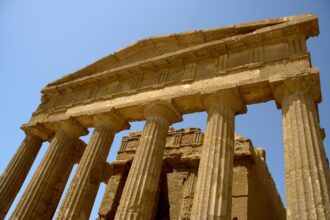
If you’re prepared for a full day’s adventure, Agrigento’s Valley of the Temples is one of Sicily’s most rewarding excursions. The archaeological park is home to some of the best-preserved ancient Greek temples anywhere outside Greece, many dating back more than 2,400 years.
Walking through the site allows you to admire magnificent structures including the Temple of Concordia, Temple of Hera and the remains of the Temple of Zeus, while learning about the powerful Greek colony that once dominated this part of Sicily. The park is large, so comfortable footwear is highly recommended, but the effort is rewarded with spectacular views and some of Europe’s most impressive classical architecture.
Many organised day trips also include a stop at the striking Scala dei Turchi, a dazzling white limestone cliff that rises above the Mediterranean near Porto Empedocle. Its smooth, wave-shaped terraces create one of Sicily’s most photographed coastal landscapes and provide a perfect contrast to the ancient ruins visited earlier in the day.
Although it involves several hours of driving from Palermo, combining these two iconic destinations makes for one of the island’s most memorable day trips.

Shop and People Watch Along Via Maqueda
Stretching through the heart of Palermo’s historic centre, Via Maqueda is one of the city’s busiest and most enjoyable streets. Much of it has been pedestrianised, making it an excellent place to explore without worrying about traffic.
As you stroll along the avenue you’ll pass elegant churches, historic palaces, lively cafés, artisan shops and countless restaurants serving traditional Sicilian cuisine. Street musicians, performers and local markets often add to the lively atmosphere, particularly during weekends and summer evenings.
Several of Palermo’s biggest attractions sit just a short walk from Via Maqueda, including Quattro Canti, Teatro Massimo, Piazza Pretoria, Palermo Cathedral and the famous Ballarò and Capo Markets, making it one of the easiest places to begin exploring the city.
Whether you’re searching for souvenirs, stopping for a cannolo, or simply soaking up Palermo’s energetic atmosphere, Via Maqueda offers one of the city’s best walking experiences.
Explore Segesta, Erice and the Salt Pans
Western Sicily offers some of the island’s most fascinating landscapes, and this full-day excursion combines ancient archaeology, medieval hill towns and remarkable coastal scenery into a single itinerary.
The first stop is Segesta, home to one of the finest surviving Greek temples in the Mediterranean. Standing alone on a hillside surrounded by countryside, the remarkably preserved Doric temple has never been completed, yet remains one of Sicily’s most impressive archaeological sites. Visitors can also choose to continue up to the ancient theatre overlooking the surrounding valleys.
The journey continues towards the Salt Pans of Trapani, where shallow pools have produced sea salt for centuries. The distinctive white salt mountains and traditional windmills create one of Sicily’s most recognisable landscapes, offering excellent photography opportunities while providing insight into one of the island’s oldest industries.
Finally, you’ll visit Erice, a beautifully preserved medieval hill town perched high above the coast. Narrow cobbled streets, stone houses, ancient churches and panoramic viewpoints make it one of Sicily’s most charming destinations. The views across Trapani, the coastline and the Egadi Islands are spectacular, while the town is also famous for its traditional Sicilian pastries and small artisan shops.
This excursion offers an excellent introduction to western Sicily, combining history, culture and scenery into one memorable day.
Relax in Piazza Pretoria
Located in the heart of Palermo’s historic centre, Piazza Pretoria is one of the city’s most elegant public squares. Dominated by the spectacular Fontana Pretoria, it has become one of Palermo’s most photographed landmarks.
The fountain was originally created for Florence before eventually being moved to Palermo during the sixteenth century. Its impressive collection of marble statues, mythological figures and cascading water features quickly earned it the nickname “The Fountain of Shame”, thanks to the many unclothed statues that shocked local residents when it first arrived.
Today the square is surrounded by several important buildings, including Palazzo Pretorio, Santa Caterina Church and the historic Quattro Canti, making it an excellent place to pause while exploring the city centre.
Whether you’re taking photographs, admiring the Renaissance architecture or simply enjoying a coffee at one of the nearby cafés, Piazza Pretoria provides one of Palermo’s most attractive meeting places.

Visit Villa Romana del Casale and the Valley of the Temples
If you’re fascinated by ancient history, one of Sicily’s finest excursions combines two UNESCO World Heritage Sites into a single unforgettable day.
The journey begins at Villa Romana del Casale, one of the finest surviving Roman villas anywhere in the world. Built during the 4th century, the villa is famous for its extraordinary mosaic floors, many of which remain remarkably well preserved. Covering thousands of square metres, these detailed artworks depict hunting scenes, mythology, daily Roman life and the famous “Bikini Girls” mosaic that has become one of Sicily’s most recognisable archaeological treasures.
The tour then continues to Agrigento’s Valley of the Temples, where a guided visit introduces you to some of the greatest surviving monuments of the ancient Greek world. Walking between the magnificent temples while learning about Sicily’s Greek heritage provides a fascinating contrast to the Roman splendour experienced earlier in the day.
Although it involves a full day of travelling, combining these two internationally important archaeological sites makes this one of the most rewarding history excursions available from Palermo.
Take a Day Trip to Cefalù
Just under an hour from Palermo by train, Cefalù is one of Sicily’s most beautiful coastal towns and an easy day trip if you want to escape the bustle of the city. Combining golden beaches, medieval streets and a spectacular Norman cathedral, it offers a completely different atmosphere to Palermo while still showcasing Sicily’s rich history.
The heart of the town is the magnificent Cefalù Cathedral, another UNESCO World Heritage Site renowned for its glittering Byzantine mosaics and impressive Norman architecture. From there, wander through narrow cobbled streets lined with boutiques, cafés and traditional restaurants before reaching the attractive fishing harbour, where colourful boats sit against a backdrop of crystal-clear water.
If the weather is warm, Cefalù Beach is one of Sicily’s finest urban beaches. Its calm, shallow water makes it perfect for swimming, while the long promenade is ideal for an afternoon stroll or an ice cream overlooking the Tyrrhenian Sea.
More energetic visitors can climb La Rocca, the huge limestone hill overlooking the town. Although the walk is steep, the panoramic views across Cefalù, the coastline and the surrounding countryside are among the finest in northern Sicily.
With frequent trains running throughout the day, Cefalù is one of the easiest and most rewarding independent day trips from Palermo.
Ride the Palermo Sightseeing Bus and Tourist Train
If you’re looking for an easy way to explore the city without covering everything on foot, Palermo’s combined panoramic sightseeing bus and tourist train offers a flexible introduction to the city’s main attractions.
The ticket allows unlimited travel throughout the day, making it easy to hop on and off as you explore landmarks including Palermo Cathedral, Teatro Massimo, Quattro Canti, Palazzo dei Normanni, Porta Nuova, Porta Felice, Ballarò Market and the Botanical Gardens.
While the open-top bus follows wider roads around the city, the tourist train ventures into parts of Palermo’s historic centre that larger vehicles cannot easily access. This makes it particularly useful for visitors wanting to experience the narrow streets and historic districts without extensive walking.
For anyone visiting Palermo for the first time, it provides an excellent overview of the city’s layout while allowing you to decide which attractions you’d like to revisit later at your own pace.

Watch the Sunset from Foro Italico
One of Palermo’s most relaxing places to end the day is Foro Italico, the city’s attractive waterfront park overlooking the Tyrrhenian Sea. Stretching along the coastline just beyond the historic centre, it provides a welcome contrast to Palermo’s busy streets.
Wide lawns, walking paths and open spaces make it popular with both locals and visitors, especially during the evening when families gather, runners exercise and street musicians often perform along the promenade.
From here you’ll enjoy uninterrupted views across the harbour and out towards the Mediterranean, making it one of the best places in Palermo to watch the sunset. As the sky changes colour and the city begins to light up, the atmosphere becomes wonderfully relaxed.
It’s also conveniently located close to La Cala Harbour, the Kalsa district and Porta Felice, making it easy to include as the final stop on a walking tour of Palermo before enjoying dinner in one of the nearby restaurants.
Explore Palermo’s Botanical Garden
If you need a break from churches, museums and busy streets, the Orto Botanico di Palermo offers a peaceful escape just a short walk from the historic centre. Founded in 1789, it is one of Italy’s oldest botanical gardens and contains thousands of plant species from around the world.
Wide shaded pathways wind between enormous bamboo forests, towering palm trees, tropical plants and beautiful Mediterranean gardens. Some of the enormous Moreton Bay fig trees are among the largest you’ll find anywhere in Europe, with roots spreading dramatically across the ground.
The gardens also contain historic greenhouses, ponds filled with aquatic plants and several rare species used for scientific research. Information boards throughout explain the origins of many of the collections, making it both relaxing and educational.
During the hottest summer months, the botanical gardens provide welcome shade and are an excellent place to escape the crowds while still remaining close to Palermo’s major attractions.
Plan Your Visit Around Palermo’s Neighbourhoods
One of the best ways to enjoy Palermo is not to rush between attractions, but instead to explore the city’s distinctive neighbourhoods at a leisurely pace. Each district has its own personality, architecture and atmosphere, making it feel like several different cities combined into one.
The historic centre is perfect for first-time visitors, with famous landmarks such as Palermo Cathedral, Quattro Canti, Teatro Massimo and the bustling markets all within walking distance. The Kalsa district offers quieter streets, beautiful churches and waterfront walks, while La Cala combines a modern marina with excellent restaurants and boat departures.
To the north, Mondello provides one of Sicily’s finest beaches, while Monte Pellegrino offers spectacular panoramic views across the city and coastline. Visitors interested in history can easily spend an entire day exploring the Norman Palace, Palatine Chapel, museums and UNESCO-listed monuments, while food lovers could happily dedicate another day purely to Palermo’s famous street markets and traditional restaurants.
By dividing your sightseeing into neighbourhoods rather than trying to cross the city repeatedly, you’ll spend less time travelling and far more time enjoying one of Italy’s most fascinating and rewarding cities.

Rupert’s Handy Travel Tips
Planning a trip to Palermo? Here are a few tips to help you make the most of your visit:
- Wear comfortable shoes: Palermo’s historic centre is best explored on foot, with cobbled streets and plenty of walking between attractions.
- Visit the markets early: Ballarò, Capo and Vucciria are at their liveliest during the morning, when the food stalls are fully stocked and the atmosphere is at its best.
- Book popular excursions in advance: Day trips to Mount Etna, the Valley of the Temples, Segesta and the coastal boat tours regularly sell out during the summer months.
- Keep some cash handy: Most restaurants and shops accept cards, but smaller market stalls and some street food vendors still prefer cash for smaller purchases.
- Don’t rush: Palermo rewards slow exploration. Leave time to wander the side streets, stop for a cannolo or espresso, and enjoy the city’s unique mix of Arab, Norman and Sicilian culture.
Want to meet the reindeer behind our travel tips? Find out more in our page Who is Rupert?.




Frequently Asked Questions
How many days do you need in Palermo?
Three days is ideal for most visitors. This gives you enough time to explore the historic centre, visit the major landmarks, sample Palermo’s famous street food and take a day trip to nearby destinations such as Monreale, Cefalù or the Valley of the Temples.
What are the best things to do in Palermo?
Some of the city’s highlights include Palermo Cathedral, the Norman Palace and Palatine Chapel, Teatro Massimo, Quattro Canti, Ballarò Market, the Capuchin Catacombs, Mondello Beach and exploring the city’s many UNESCO World Heritage Sites. Boat trips, food tours and day excursions around Sicily are also extremely popular.
Is Palermo walkable?
Yes. Most of Palermo’s main attractions are located within the historic centre and can easily be explored on foot. Comfortable shoes are recommended, as many streets are paved with historic stone and you’ll probably cover several kilometres during the day.
Is the hop-on hop-off bus worth it?
For first-time visitors, the hop-on hop-off sightseeing bus is a convenient way to get your bearings. It connects many of Palermo’s major attractions and also offers options to continue towards Monreale and Mondello Beach, making it useful if you want to cover more ground without relying on public transport.
Can you visit Mount Etna from Palermo?
Yes. Several organised excursions operate from Palermo to Mount Etna, often combining the volcano with a visit to Taormina. It is a long day, but it’s one of the most popular excursions available from the city.
Is Palermo good for beaches?
Palermo itself has a waterfront, but the city’s best-known beach is Mondello, while boat trips also visit attractive swimming spots around Capo Gallo, Addaura and the surrounding coastline.
What food should I try in Palermo?
Palermo is famous for street food. Don’t miss arancine, panelle, crocchè, sfincione, cannoli, fresh seafood and traditional Sicilian pastries. Markets such as Ballarò and Capo are among the best places to experience authentic local food.
Is Palermo worth visiting?
Absolutely. Palermo offers a unique mix of Arab-Norman architecture, UNESCO World Heritage Sites, vibrant markets, outstanding food, historic churches, lively piazzas and easy access to some of Sicily’s finest beaches and day trips.
Further Reading
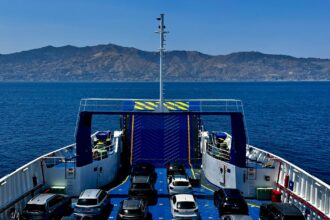
Palermo is an excellent base for exploring western Sicily. If you’re planning to venture beyond the city, don’t miss our guides to Mount Etna, the Valley of the Temples, the beautiful Egadi Islands, and our complete Sicily Ferry Guide, which covers the island’s ports, ferry routes and island-hopping opportunities.
Getting around Sicily is easier than many visitors expect. Our Sicily Train Guide explains the rail network, while our Palermo Airport Transfers and Trapani Airport Transfers guides help you plan your arrival or departure. If you’re continuing your journey from mainland Italy, our guides to the Naples to Sicily Ferry and Villa San Giovanni to Messina Ferry explain the main sea crossings.