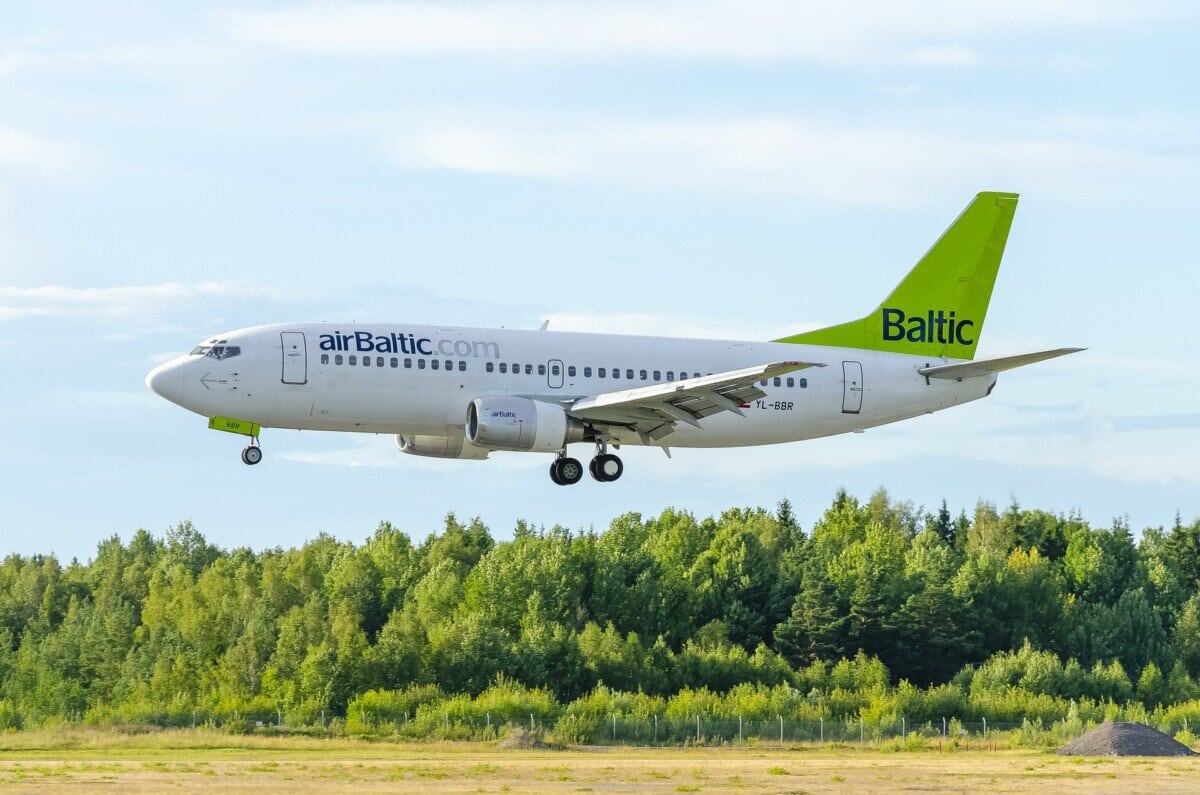
Tallinn, Rīga and Vilnius sit within a few hundred kilometres of each other, yet no single transport system ties the three together in one smooth hop. There is still no finished high-speed rail line j...

Travel smarter with detailed transport guides covering trains, buses, flights, airport transfers, driving routes, and public transport systems. These guides focus on helping you choose the most efficient way to get around, whether you are travelling within a city or between destinations.
Each guide compares options based on time, cost, frequency, and convenience, giving you the information you need to make confident decisions. From airport arrivals to long-distance journeys, these guides are designed to simplify travel planning and reduce unnecessary delays or confusion.
Tallinn, Rīga and Vilnius sit within a few hundred kilometres of each other, yet no single transport system ties the three together in one smooth hop. There is still no finished high-speed rail line j...
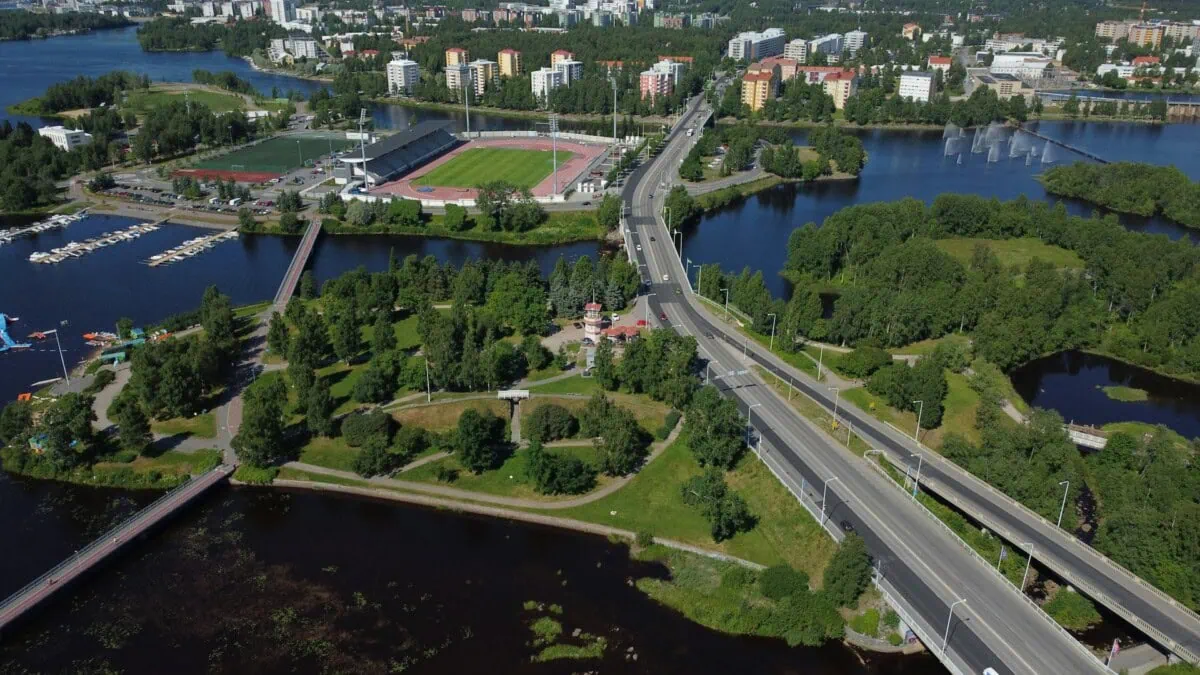
Why Oulu Airport Matters for Northern Finland Travel Oulu Airport, coded OUL, is the main air gateway to Finland’s largest city north of Helsinki, and the natural entry point for anyone heading ...
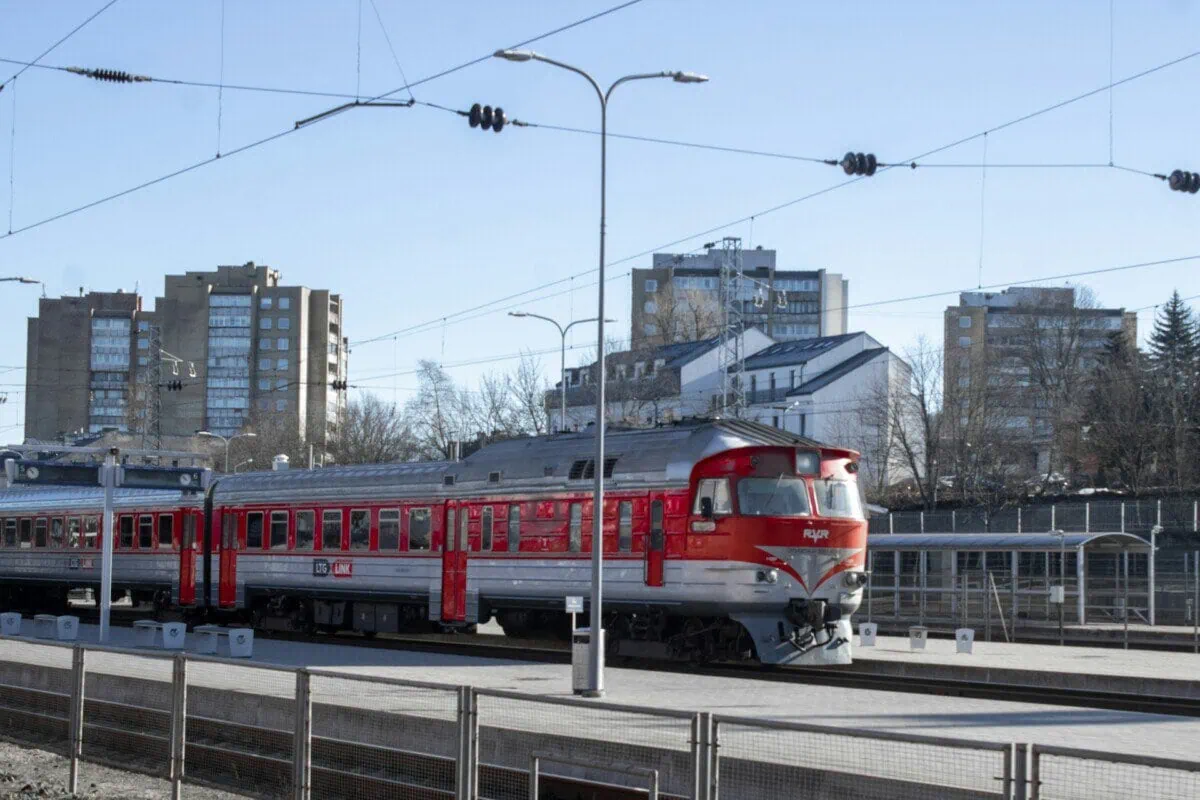
Vilnius is a genuinely easy city to get around without a car, even though it runs a public transport system unlike almost any other European capital’s. There is no metro and no tram network, so ...
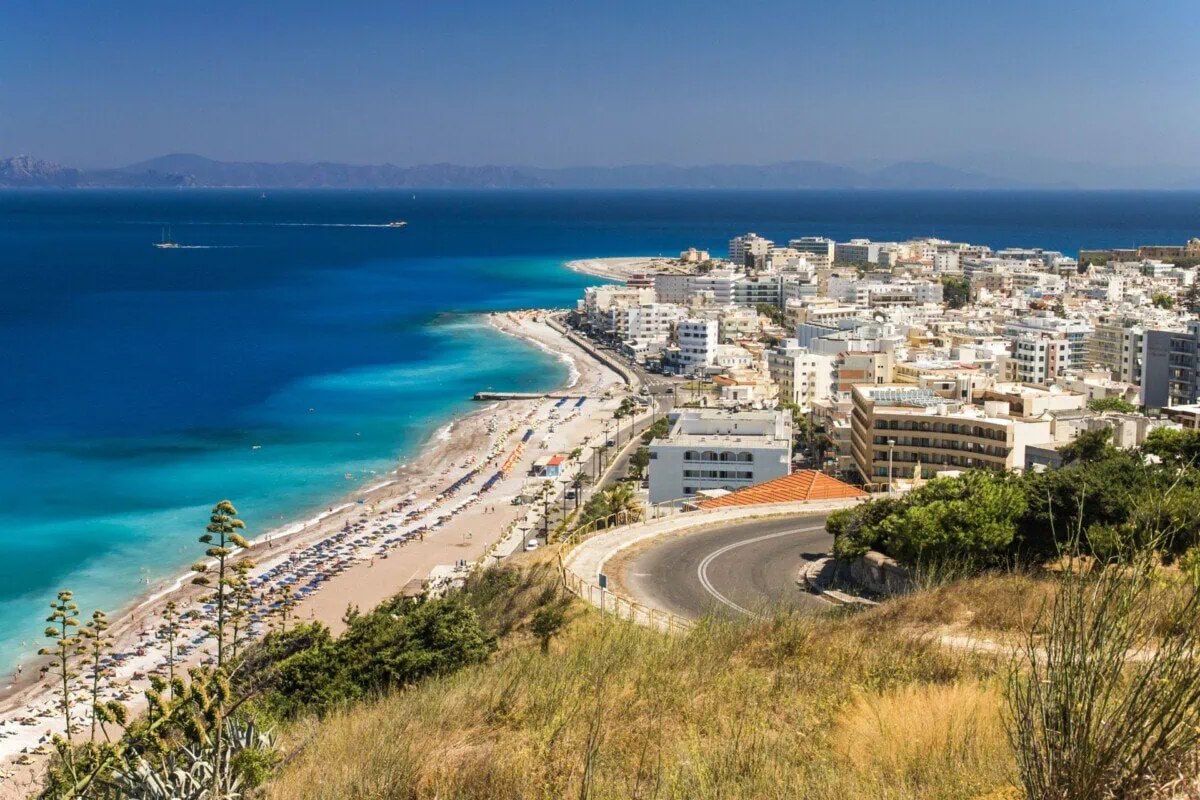
Rhodes International Airport, officially Diagoras after the island’s most celebrated ancient Olympic champion, sits on the west coast just north of the village of Paradisi, roughly 14km south-so...
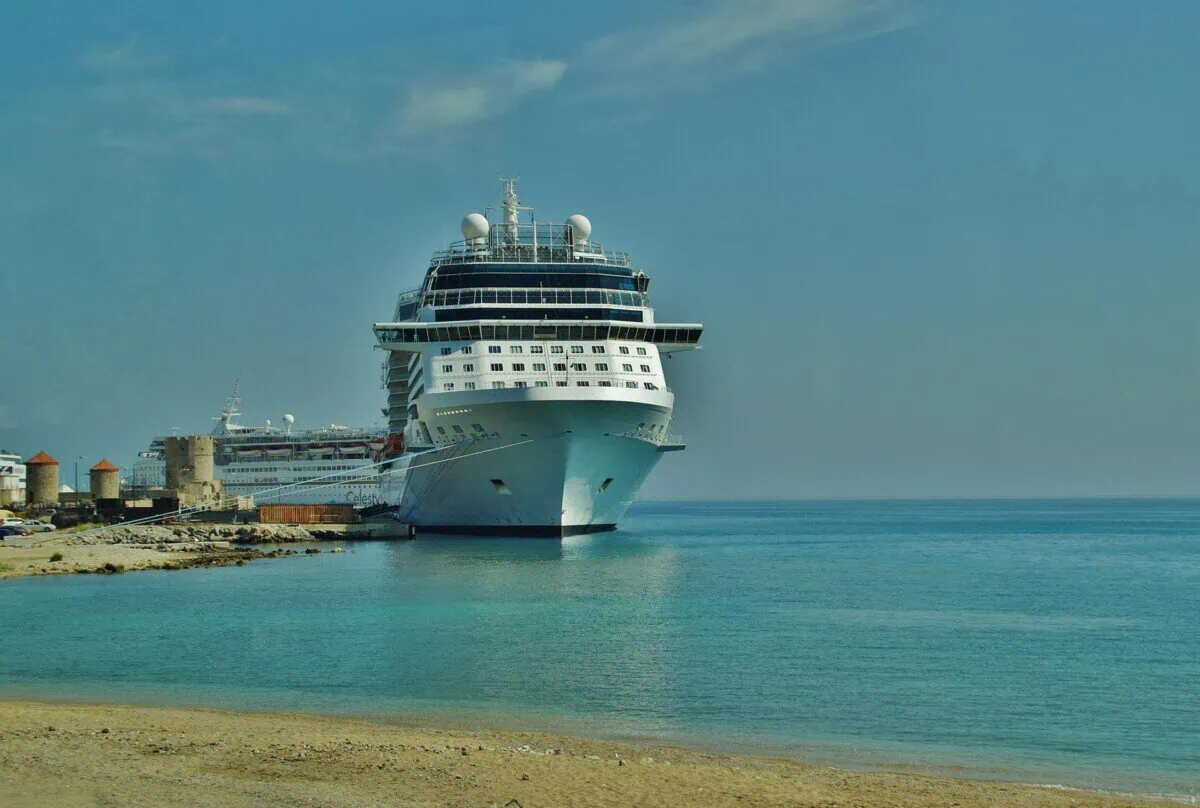
Rhodes sits at the southeastern corner of the Aegean, and that position alone makes it one of the busier ferry hubs in Greece. From the island’s main port, boats fan out in three directions: nor...
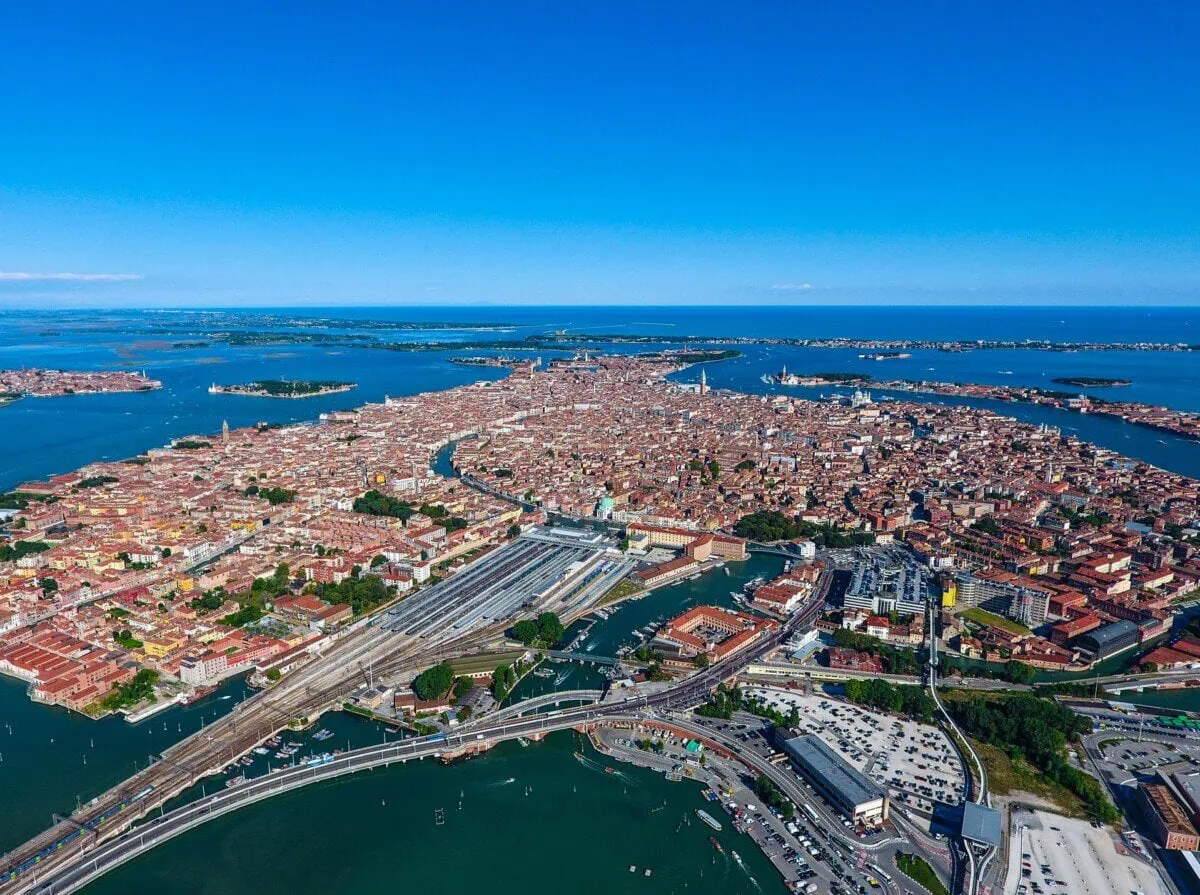
Venice has two airports, and mixing them up is one of the most common trip-planning mistakes visitors make. Marco Polo Airport (VCE) is the main international gateway, sitting on the mainland beside t...
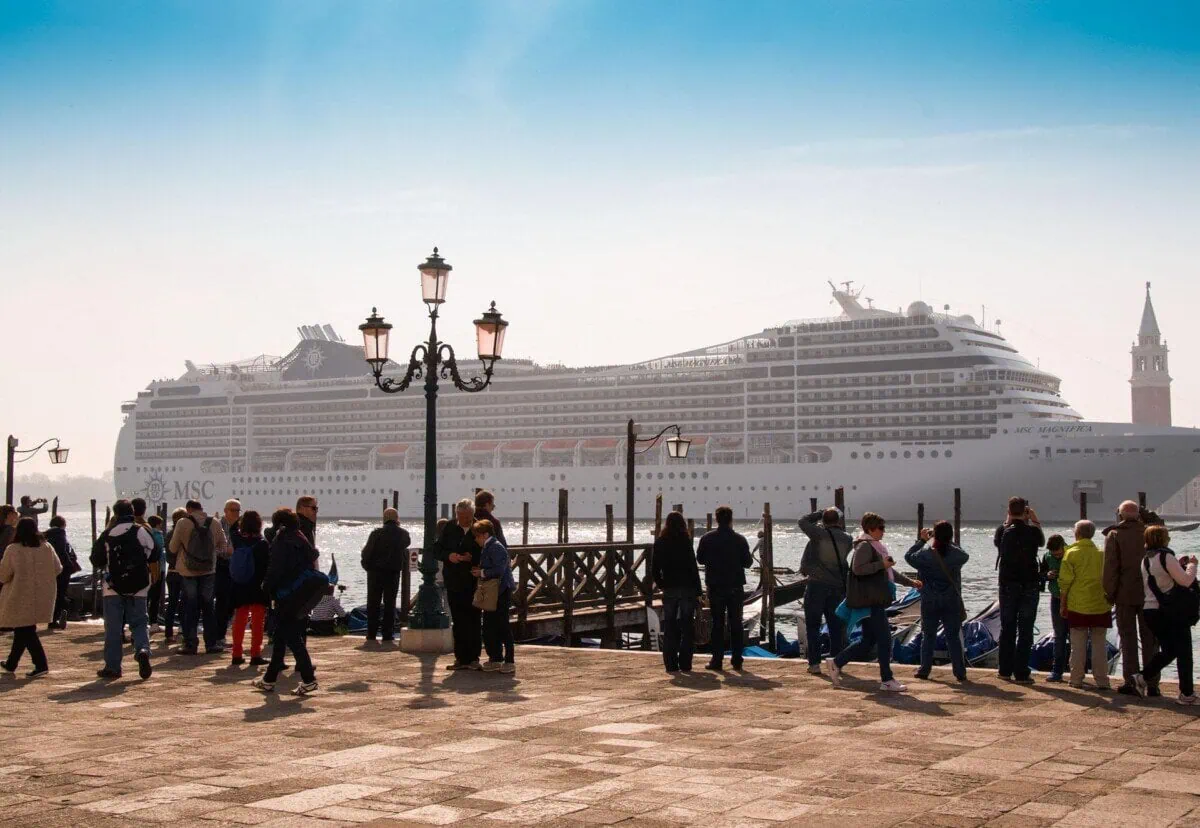
Picture a cruise ship gliding past St Mark’s Square, and you are picturing a scene that mostly no longer happens. Since 1 August 2021, Italian law has banned cruise ships over 25,000 gross tonne...
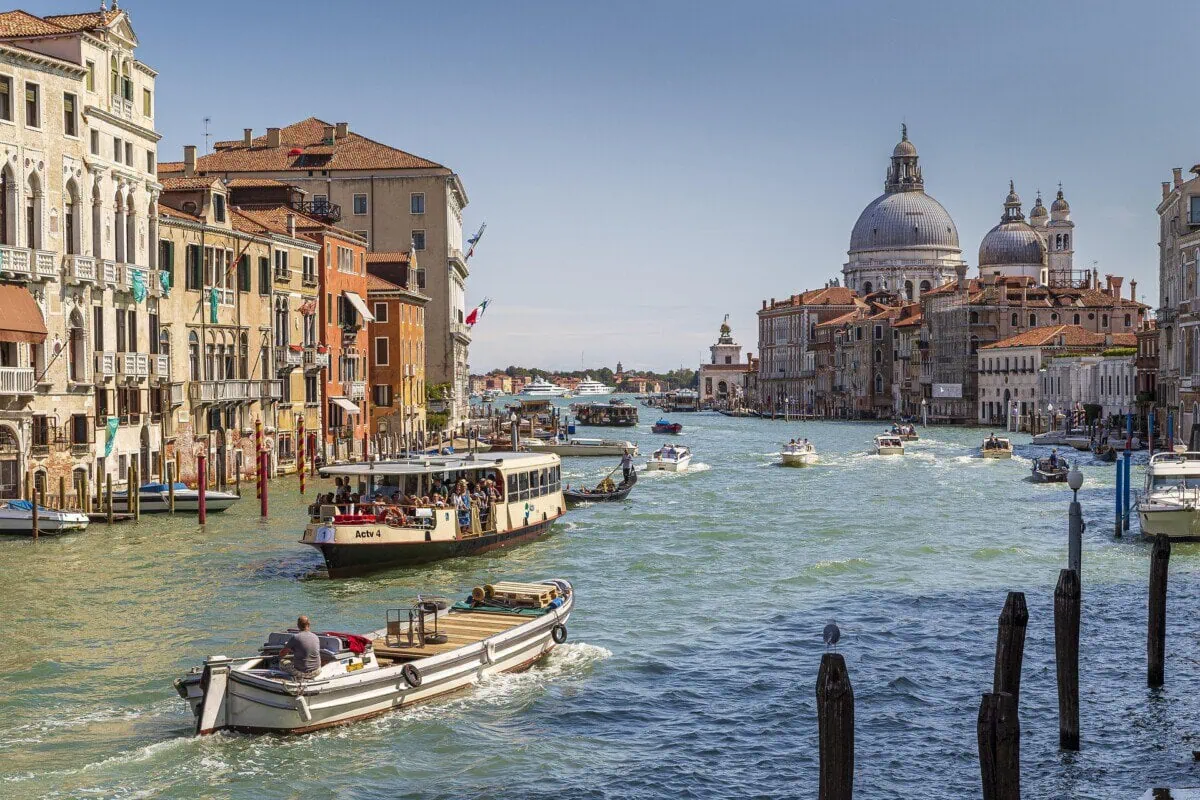
Getting Around Venice Venice is one of the few cities in the world where no cars or bicycles are allowed on its streets, so every trip through the historic centre happens either on foot or on the wate...
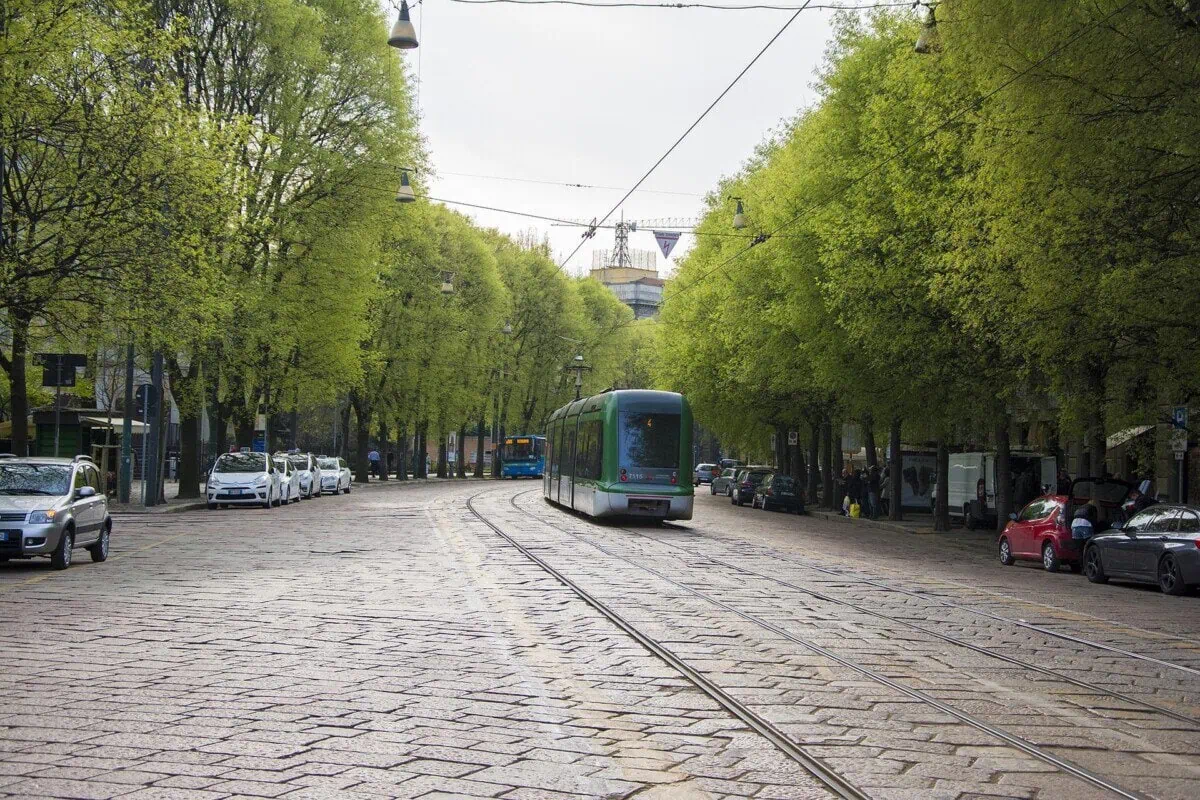
Milan is one of the easiest big Italian cities to get around without ever needing a car, and understanding the network before you land will save you real time and confusion. The city runs on a genuine...
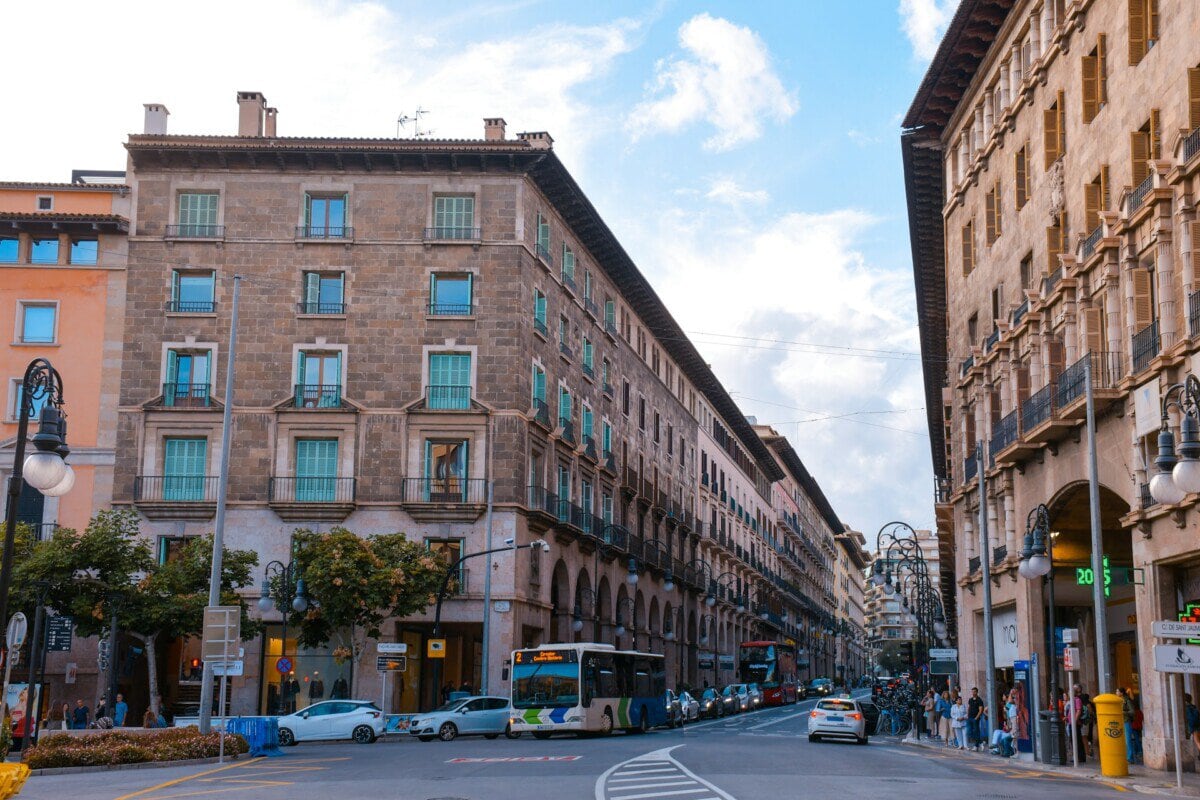
Palma de Mallorca Airport, known by its code PMI and officially named Aeroport de Son Sant Joan, is one of Spain’s busiest gateways and the arrival point for the vast majority of visitors to the...

A road trip is the only way to see all of Mallorca properly, and this circular route takes in almost every corner of it. Starting and finishing in Palma, the loop runs along the dramatic Tramuntana co...
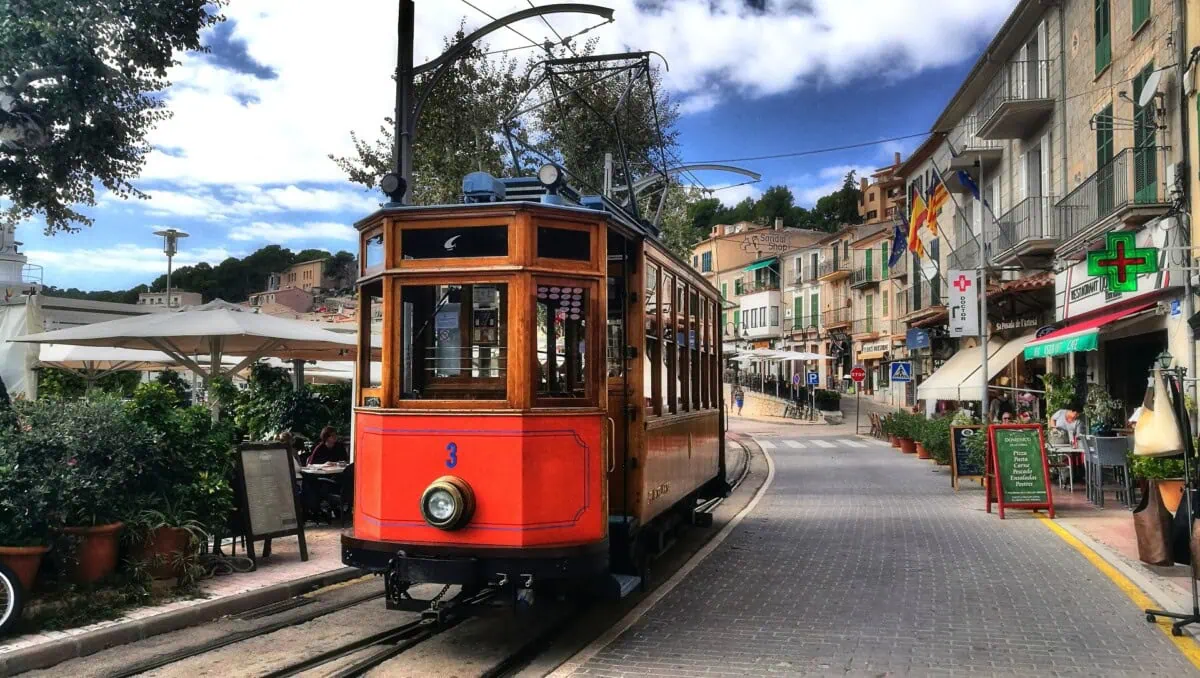
Mallorca has a reputation as an island you need a hire car to enjoy properly, and for parts of it that reputation is fair. But the reputation obscures a genuinely useful public transport system that c...
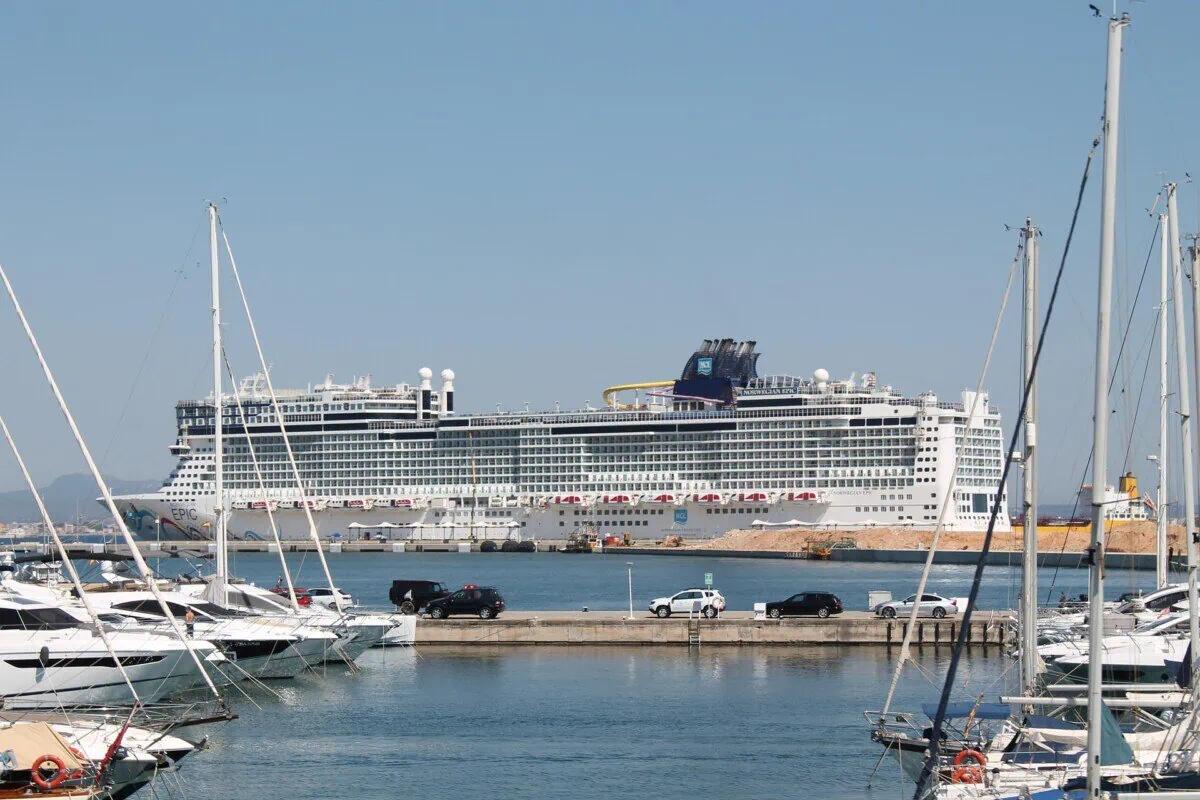
Mallorca is the busiest ferry hub in the Balearic Islands, and its ports connect the island both to mainland Spain and to its island neighbours. Two ports handle almost all of that traffic: the Port o...

The Faroe Islands reward drivers in a way few other European destinations can match. This is an archipelago of eighteen islands scattered across the North Atlantic roughly halfway between Iceland and ...
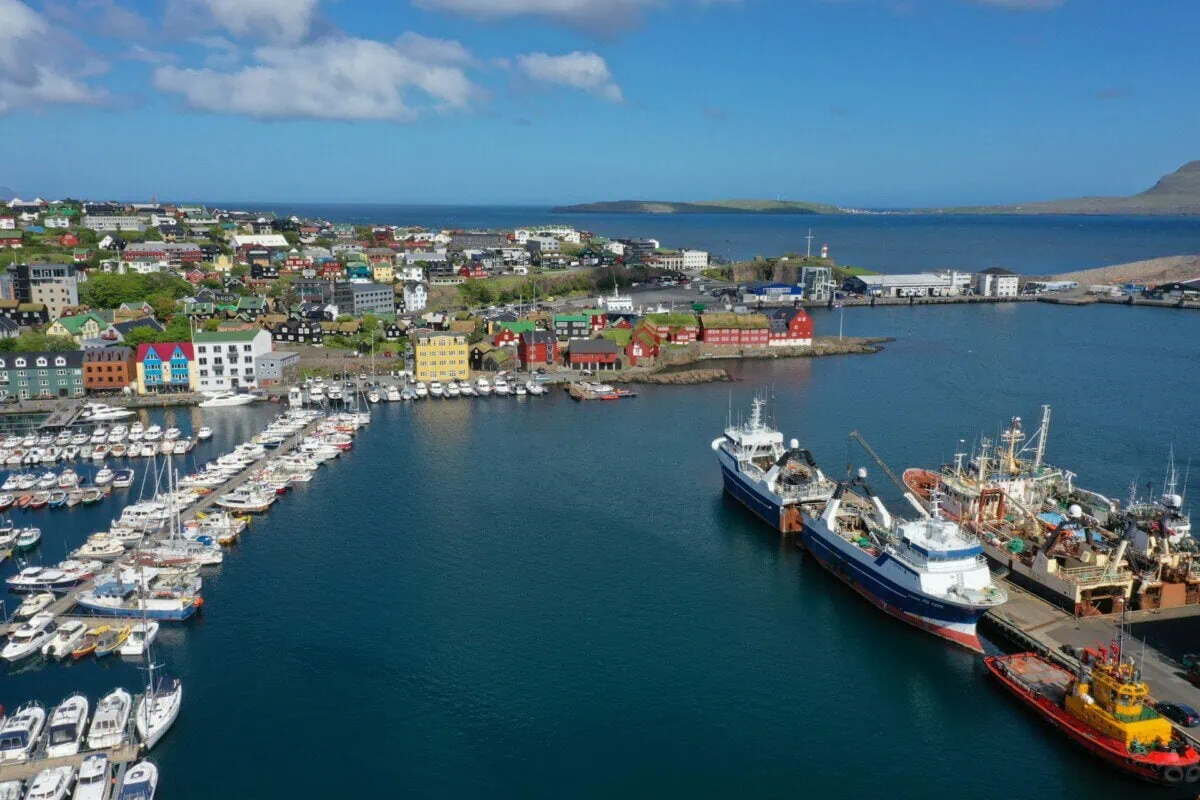
Why Planning Your Vágar Airport Transfer Really Matters The Faroe Islands are one of the most remote destinations in Europe, and Vágar Airport (FAE) is the only way almost every visitor arrives. Unlik...
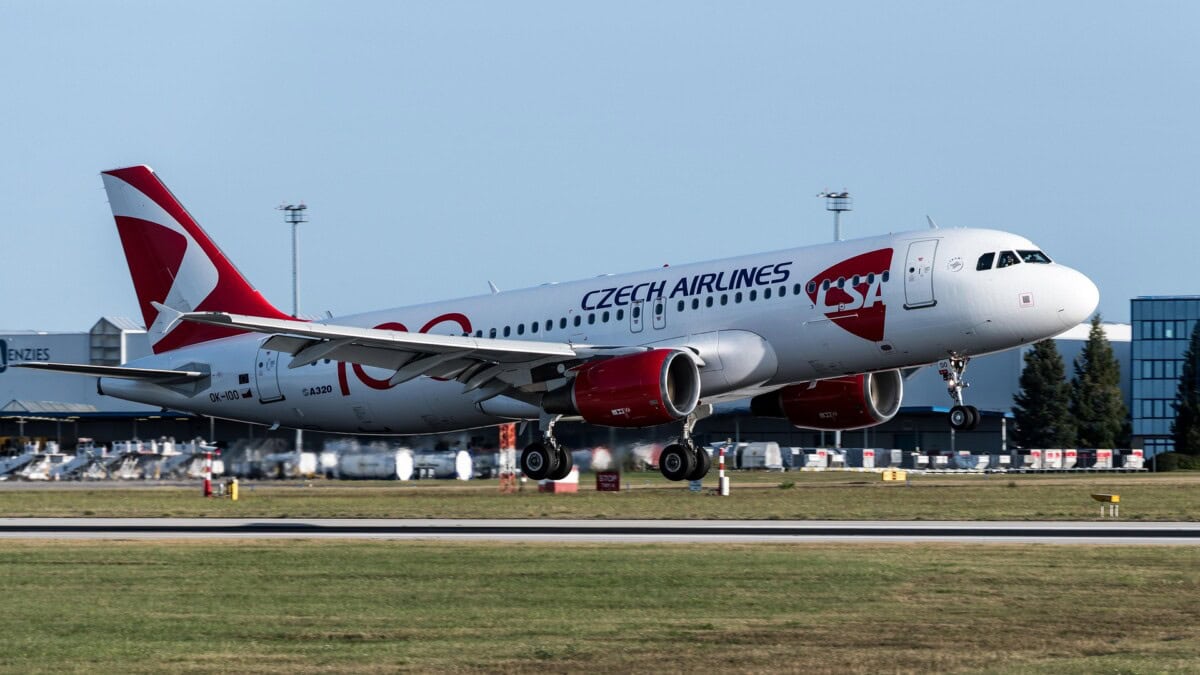
Václav Havel Airport Prague (airport code PRG) sits around 12 kilometres (7.5 miles) west of the historic centre, in the Ruzyně district, which puts it close enough that almost every transfer option g...
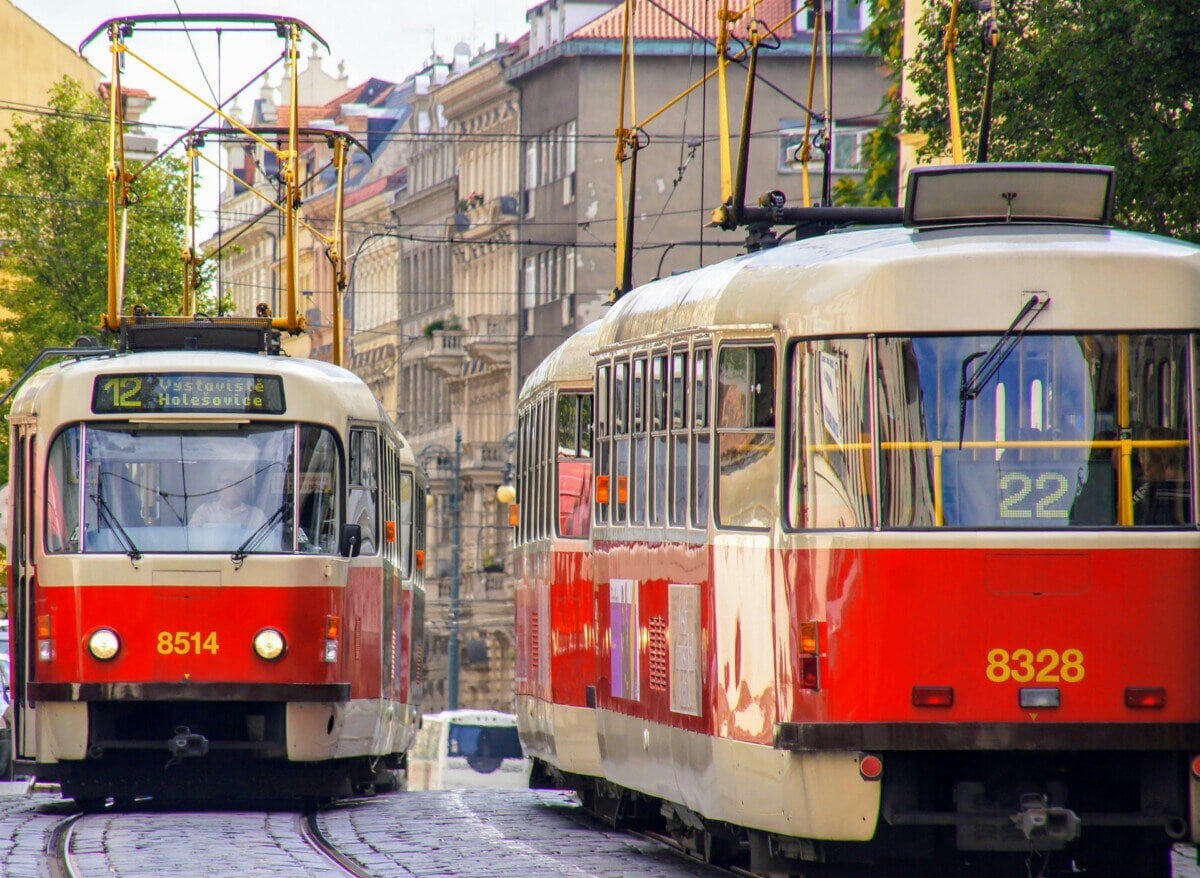
Prague’s public transport network is one of the most complete and easy to use in Europe, and understanding it properly will save visitors real money and real time. The whole system runs under on...

Not Really a Paris Airport at All Paris-Beauvais Airport, coded BVA, is where the phrase “Paris” on a cheap flight ticket needs the most caveats. It sits around 80 kilometres north of cent...
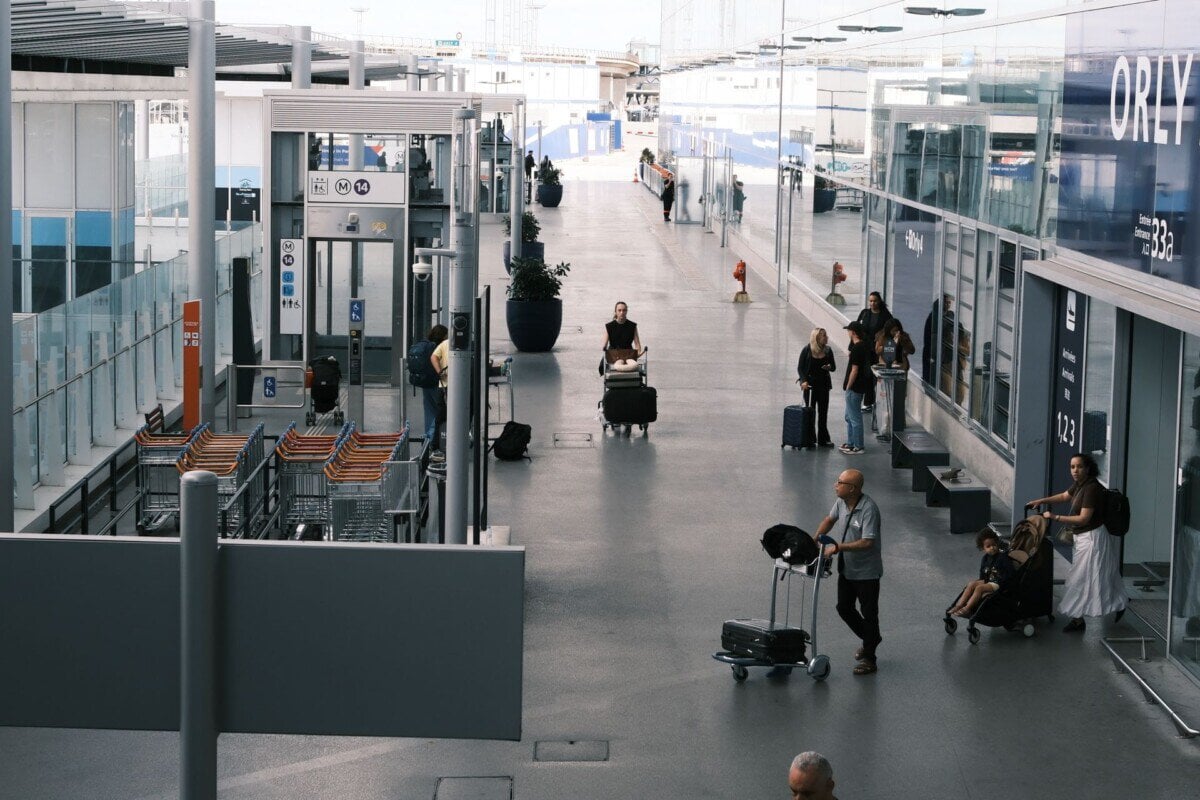
Paris’s Other Airport, and Why the Transfer Picture Just Changed Orly Airport, usually written as ORY, is Paris’s second airport and the closer of the two to the city centre. It sits aroun...
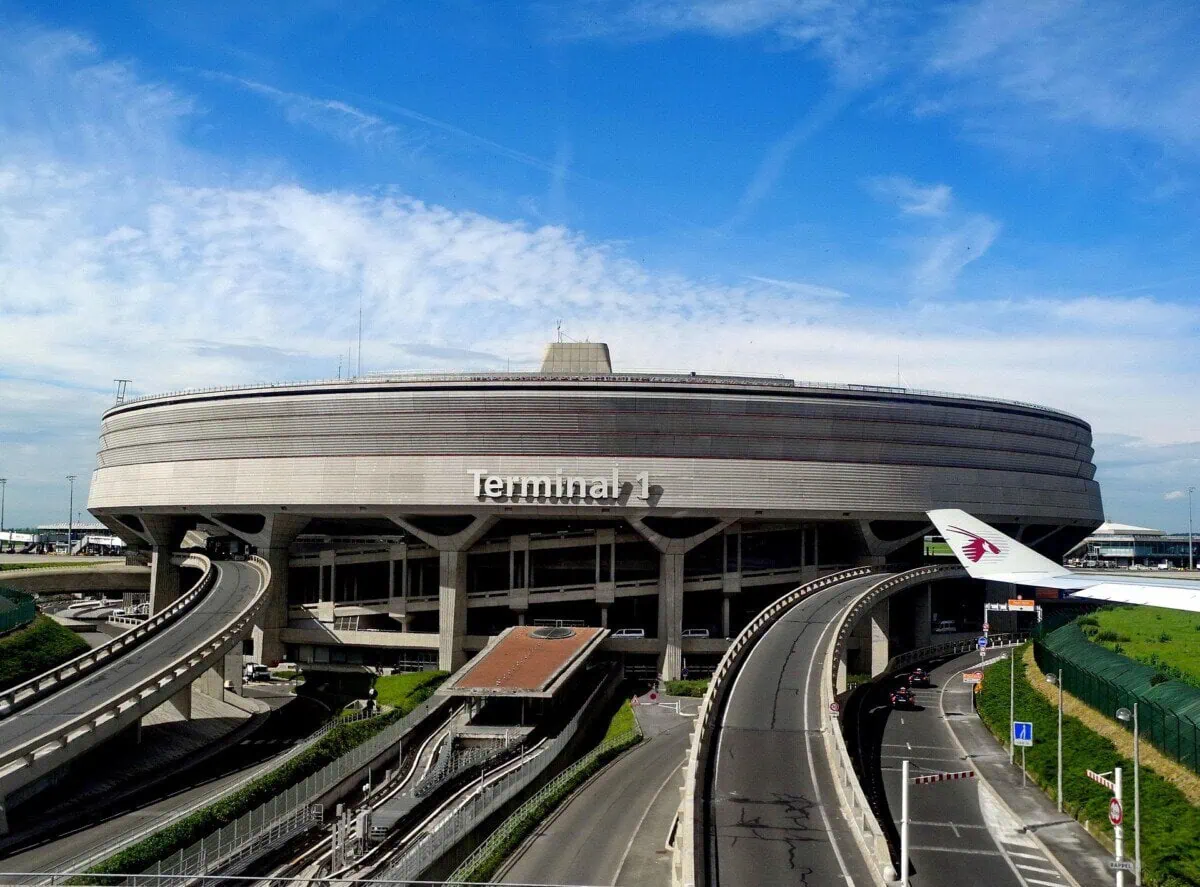
Three Terminals, One Very Busy Gateway to Paris Charles de Gaulle Airport, almost always shortened to CDG, is France’s busiest airport and the main long-haul gateway into Paris. It sits around 2...
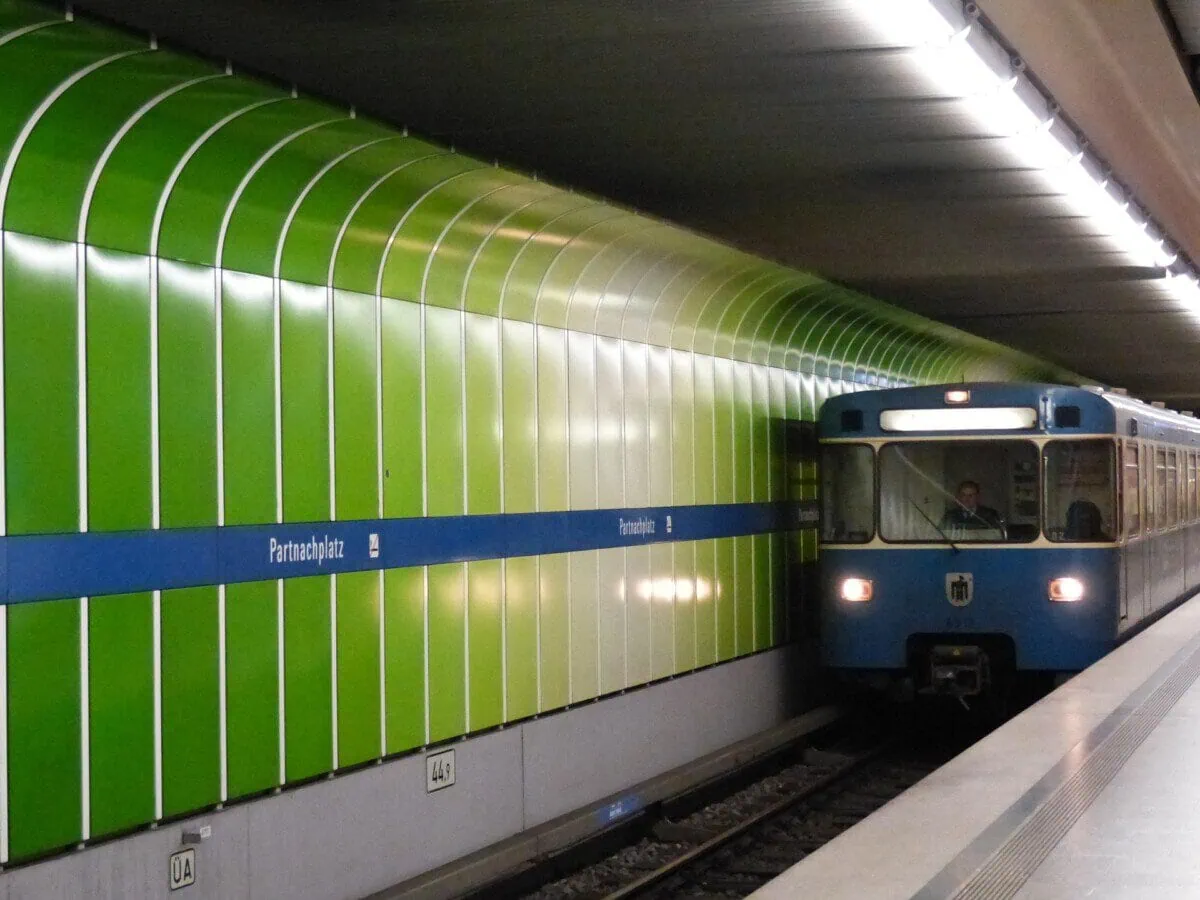
Getting Around Munich Munich packs a lot of ground into a compact, walkable centre, but its public transport network is what makes the rest of the city and the surrounding countryside so easy to reach...
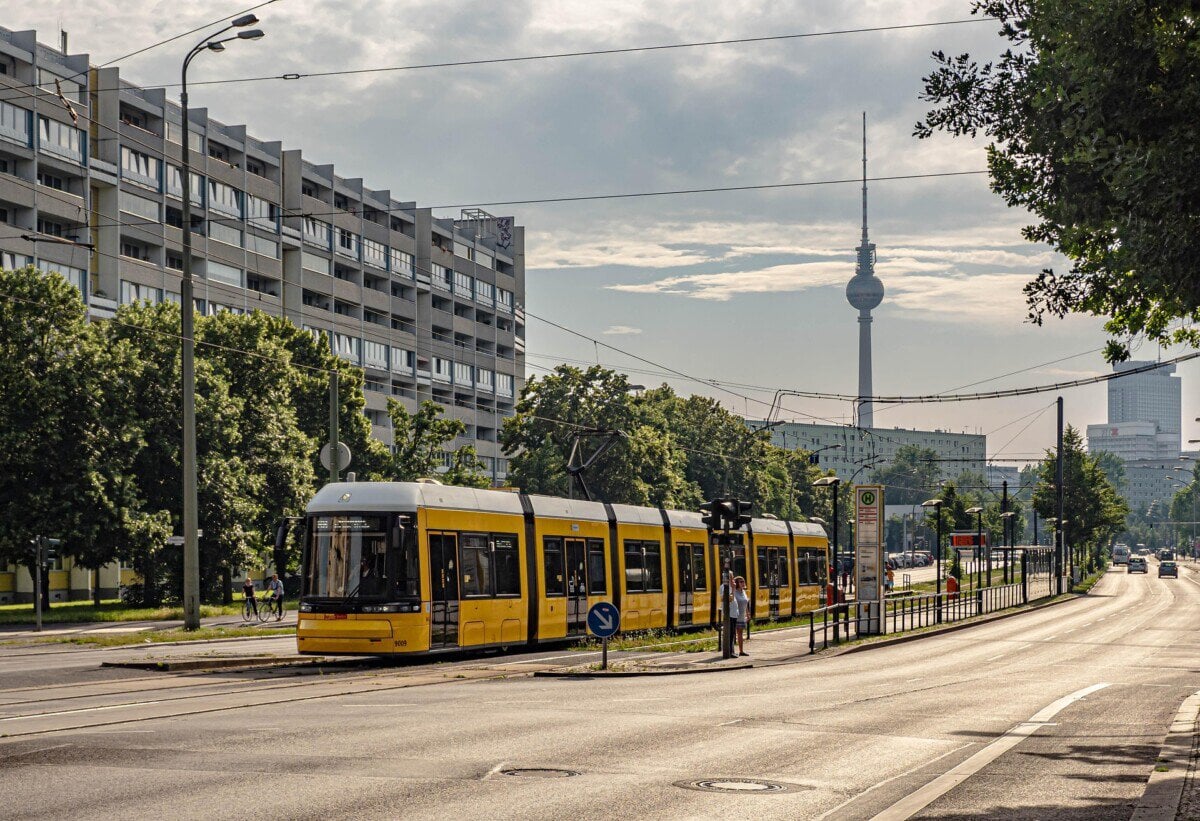
Getting Around Berlin Berlin is a sprawling city, but its public transport network makes almost every corner of it reachable without a car. A dense grid of U-Bahn and S-Bahn lines, surface trams and b...
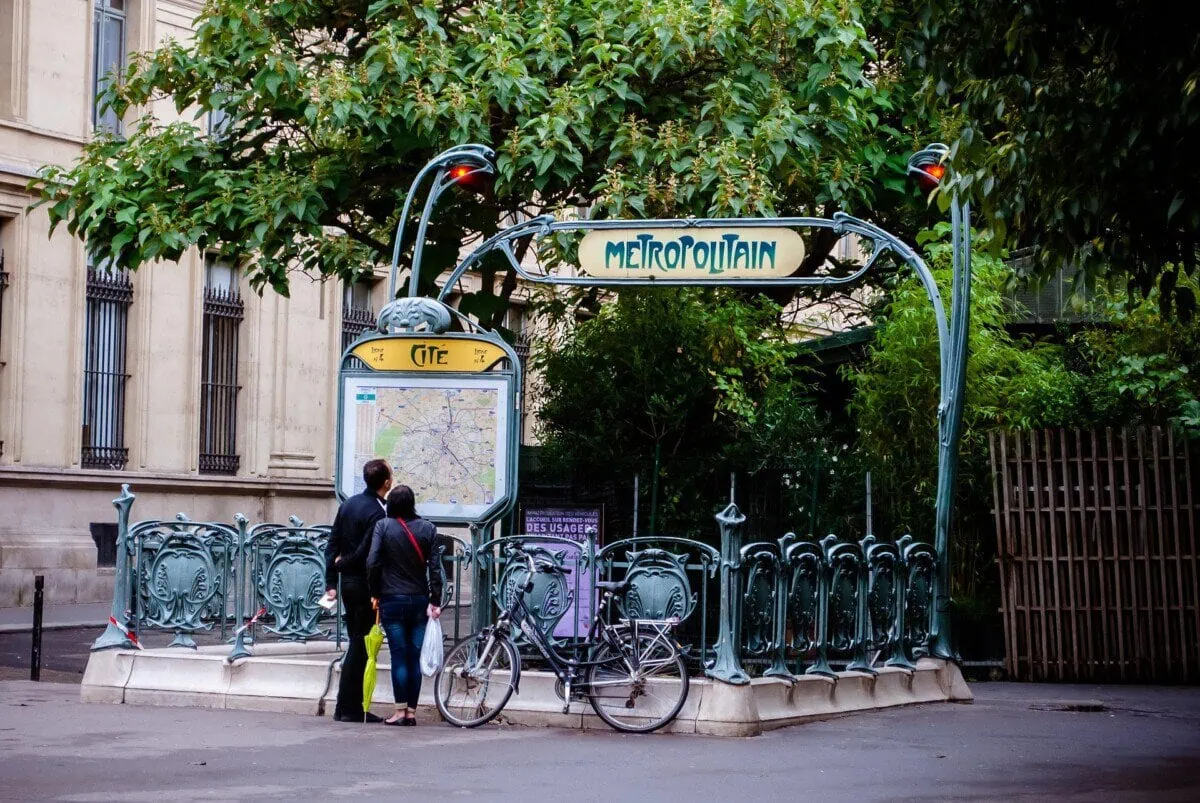
Getting Around Paris Paris is one of the easiest capital cities in the world to cross without a car, thanks to a dense, decades old network run mostly by a single operator. RATP operates the Métro, mo...
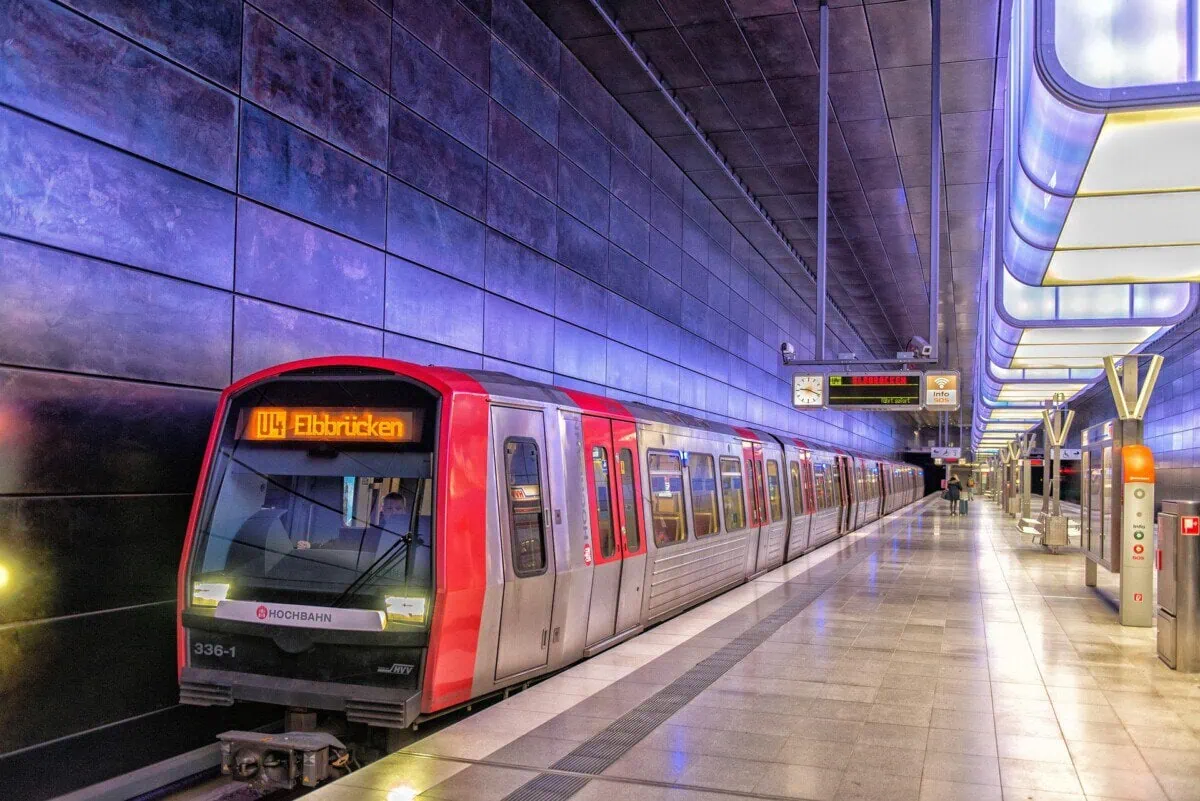
Getting Around Hamburg Hamburg is a port city built around water, and its public transport network reflects that in a way no other major German city can match. Alongside a familiar U-Bahn and S-Bahn n...
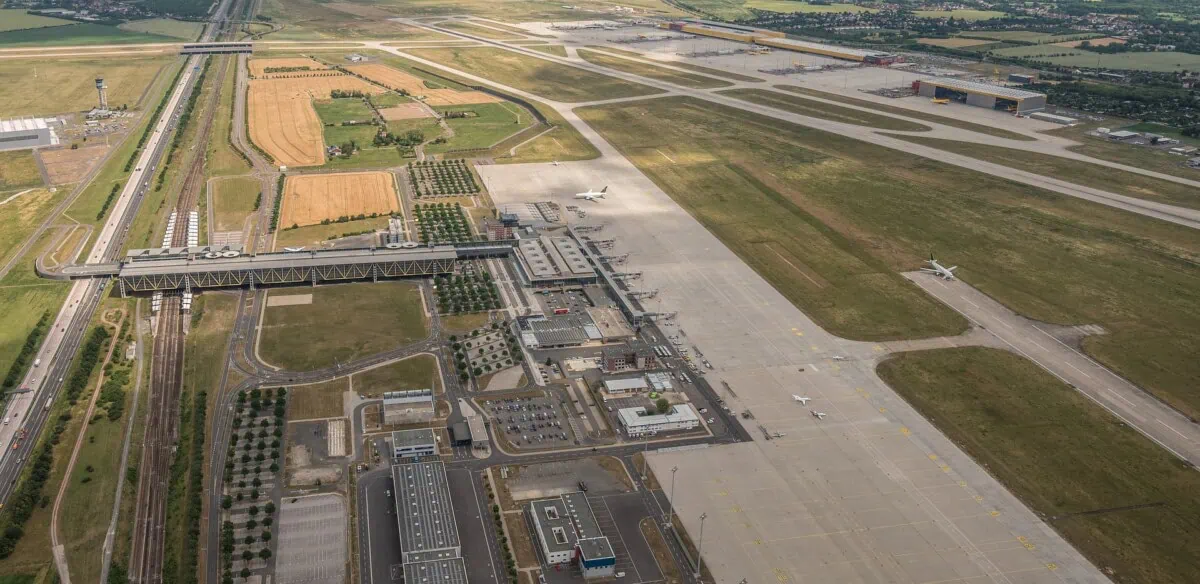
Two Cities, One Cargo Giant, and a 16-Kilometre Run Into Leipzig What catches many arrivals off guard at Leipzig/Halle Airport (LEJ) is not the transfer itself but what the airport actually is. Alongs...
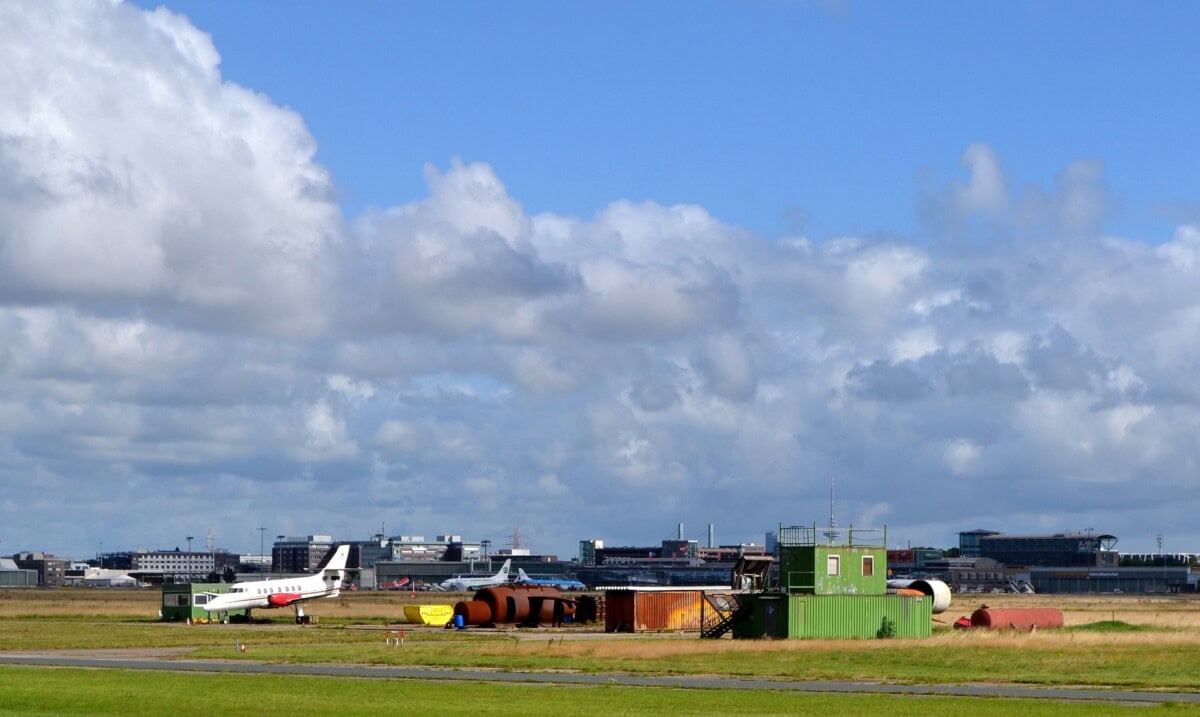
Just 3.5 Kilometres From the Centre: Why the Transfer Choice Barely Matters Here Bremen Airport, known by its code BRE, is one of the closest city-centre airports anywhere in Germany, sitting only aro...
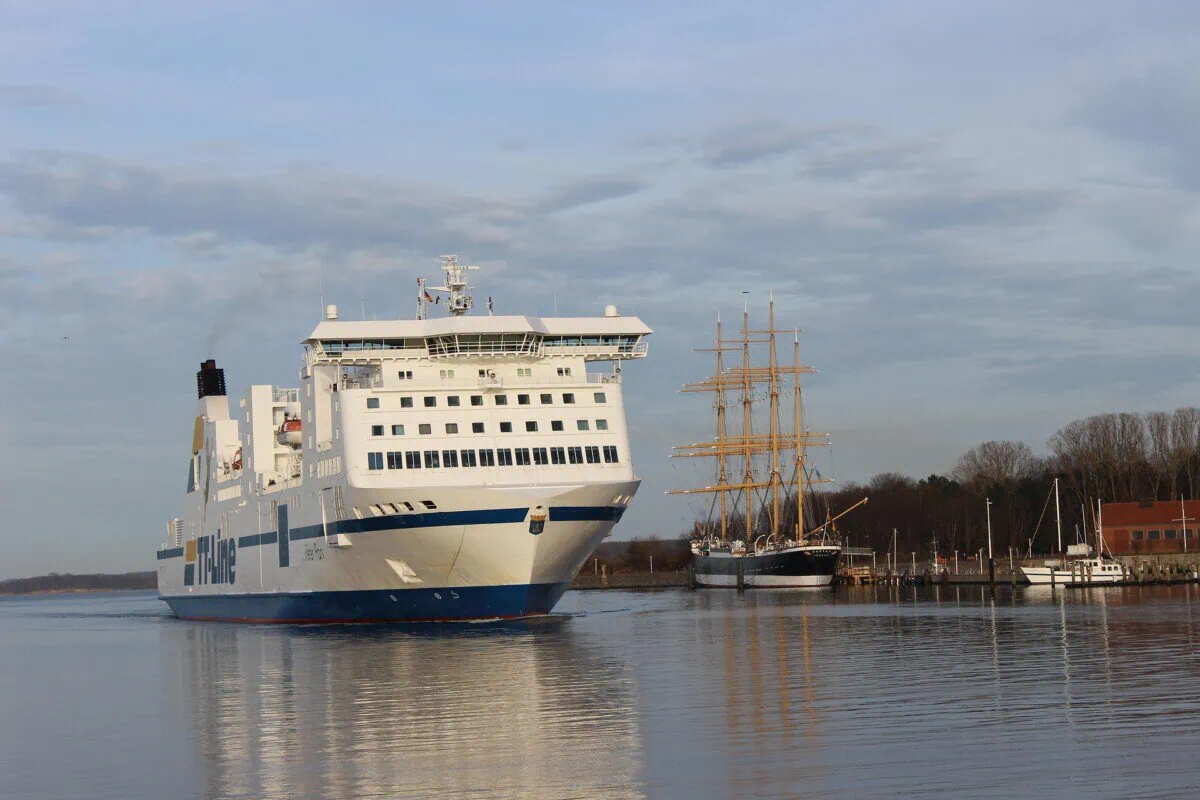
Travemünde is the point where the historic Hanseatic city of Lübeck meets the open Baltic, and it manages to be two genuinely different places at once. Walk along the Vorderreihe promenade on a summer...
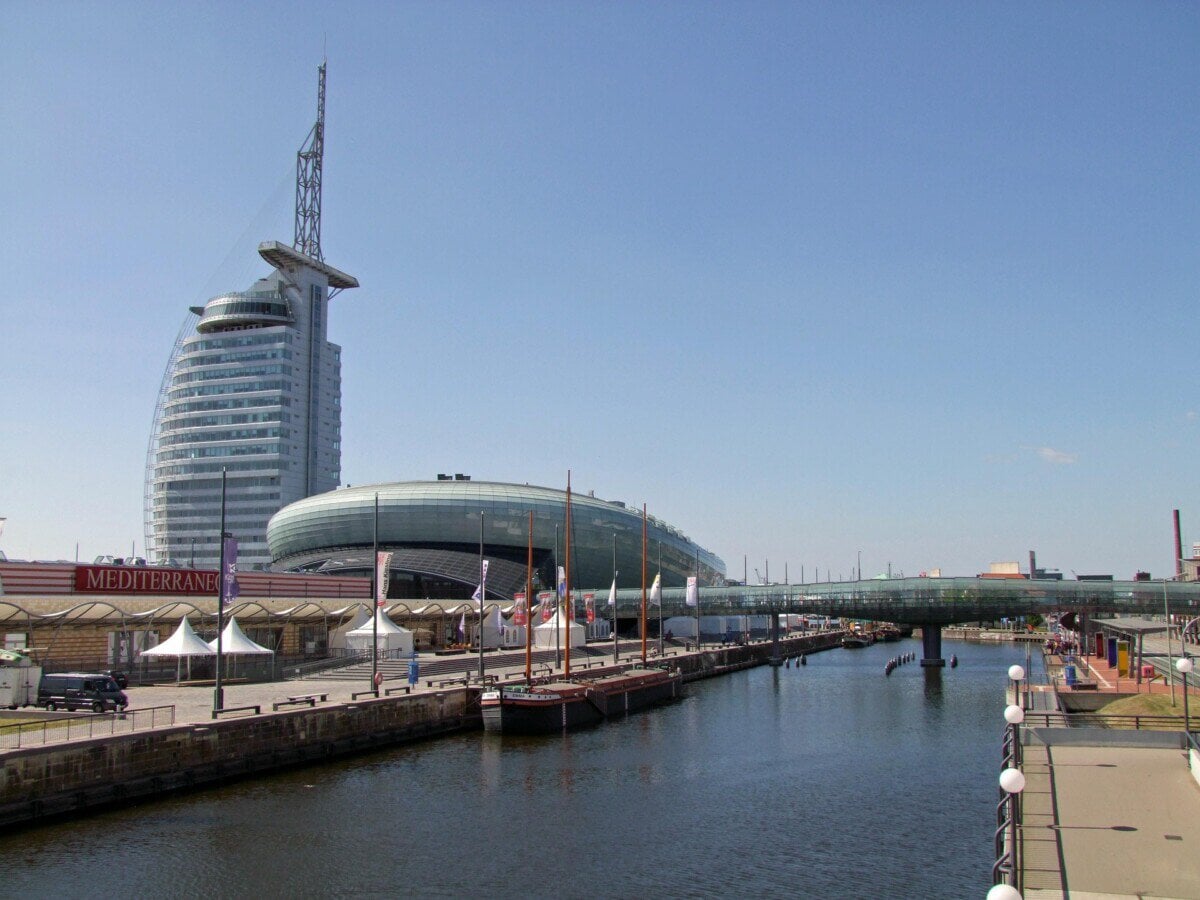
Bremerhaven sits where the River Weser widens into the North Sea, and while Hamburg tends to get the attention as Germany’s big-name cruise city, Bremerhaven has quietly become one of the countr...
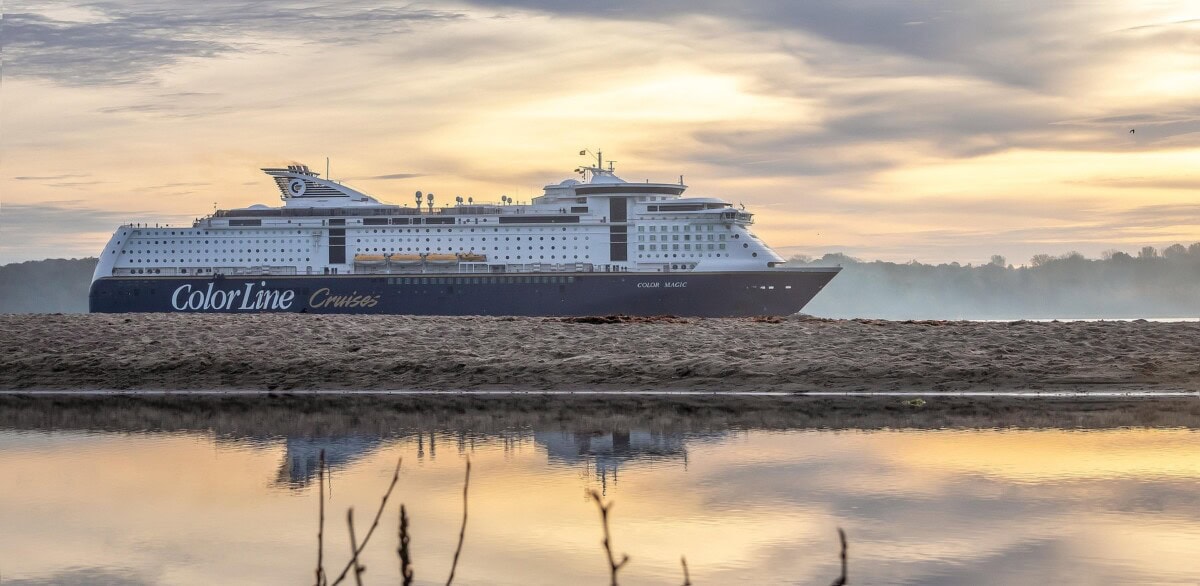
Kiel is not a place where ferries feel like an afterthought bolted onto a city break. This is one of Germany’s genuinely major international ferry ports, and the traffic moving through the Kiele...
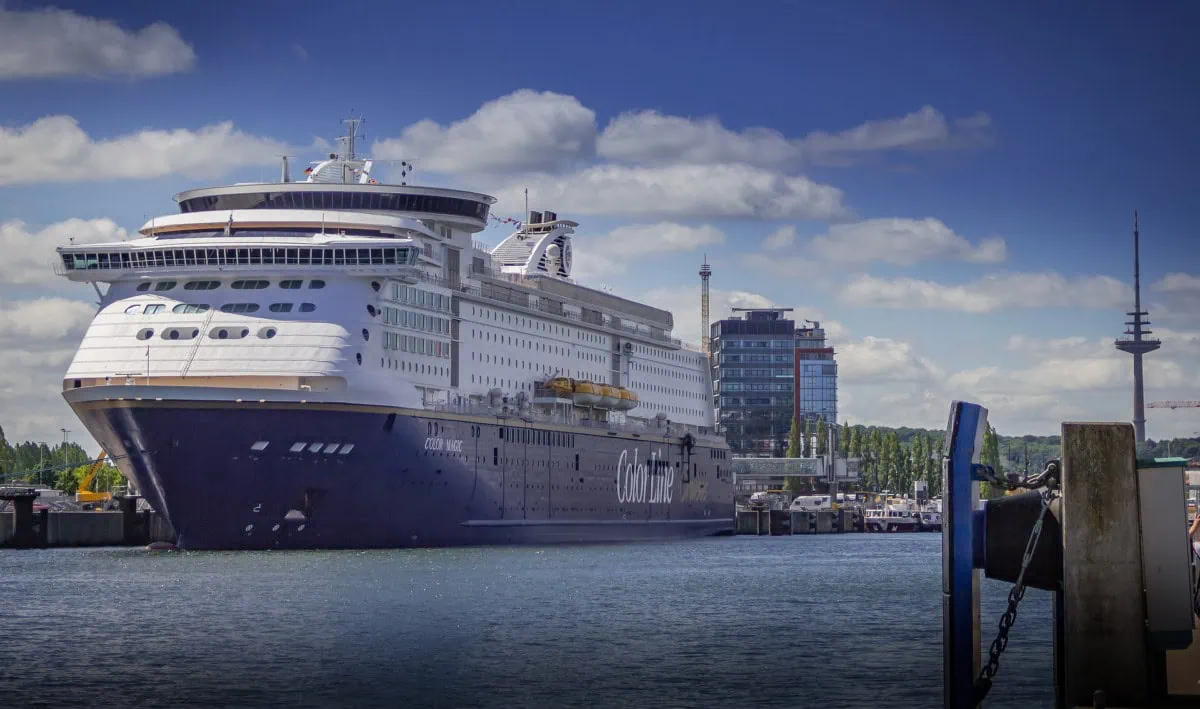
Kiel is Germany’s northernmost major city, and cruise passengers arriving here find something genuinely different from the shopping-centre polish of Hamburg’s newest terminal or the emigra...
Travel discoveries, useful tips and behind-the-scenes moments from AppSavvyTraveller.


