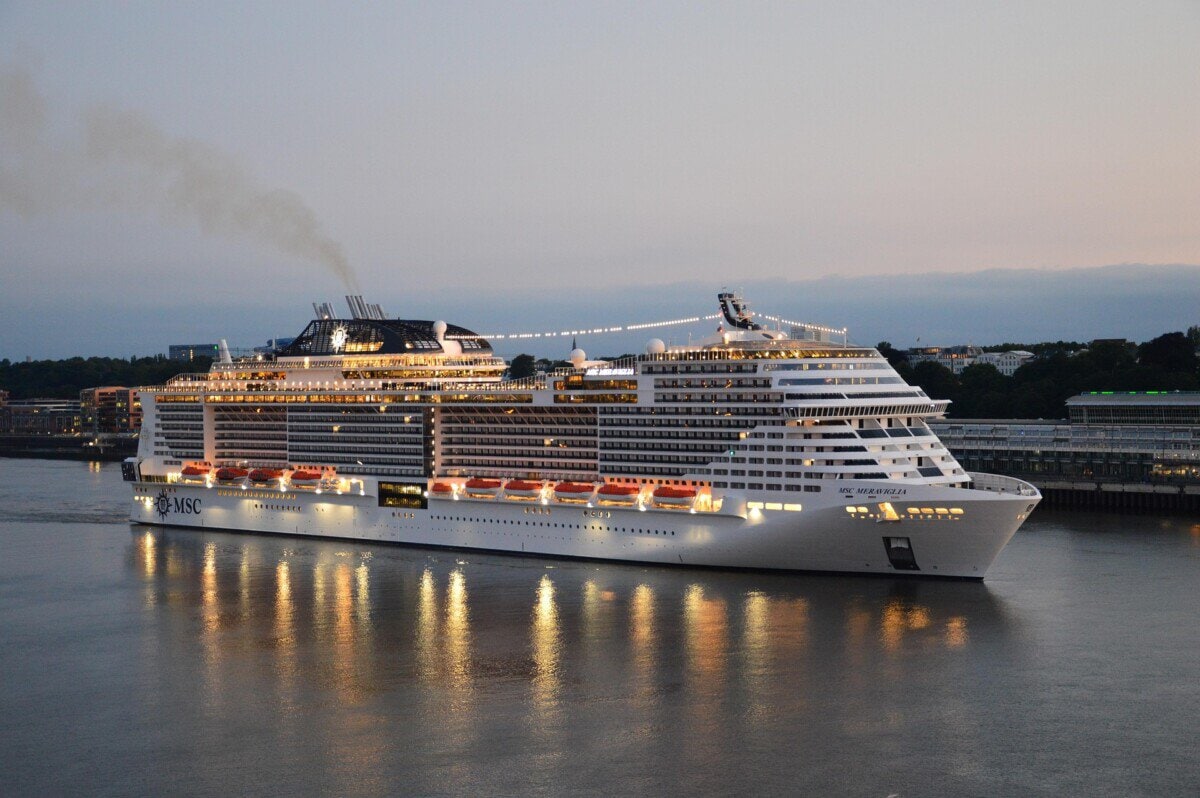
Hamburg is Germany’s largest port city and, less obviously to many travellers, one of Europe’s genuinely established cruise hubs rather than a stop tacked onto a Baltic or North Sea itiner...

Travel smarter with detailed transport guides covering trains, buses, flights, airport transfers, driving routes, and public transport systems. These guides focus on helping you choose the most efficient way to get around, whether you are travelling within a city or between destinations.
Each guide compares options based on time, cost, frequency, and convenience, giving you the information you need to make confident decisions. From airport arrivals to long-distance journeys, these guides are designed to simplify travel planning and reduce unnecessary delays or confusion.
Hamburg is Germany’s largest port city and, less obviously to many travellers, one of Europe’s genuinely established cruise hubs rather than a stop tacked onto a Baltic or North Sea itiner...
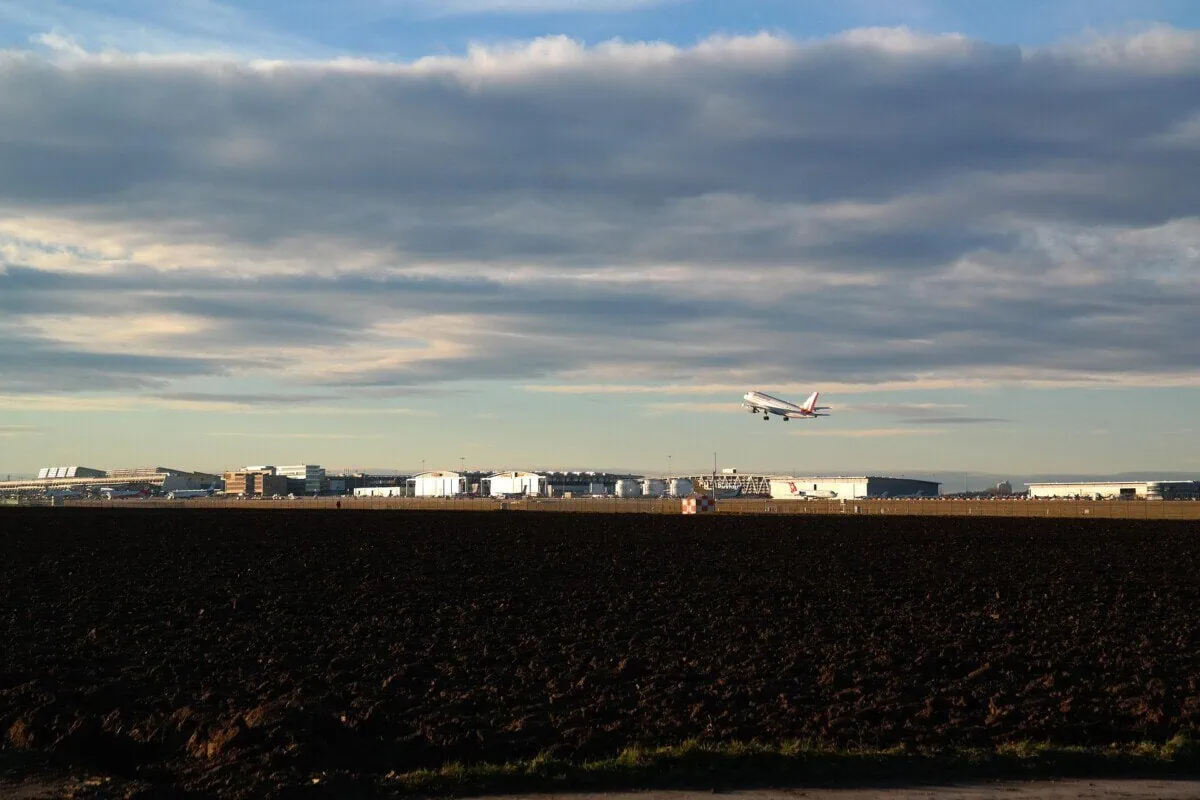
Thirteen Kilometres South, With the Trade Fair Next Door Reaching central Stuttgart from the airport is rarely complicated, but it rewards a moment’s thought. The terminals sit roughly 13 kilome...
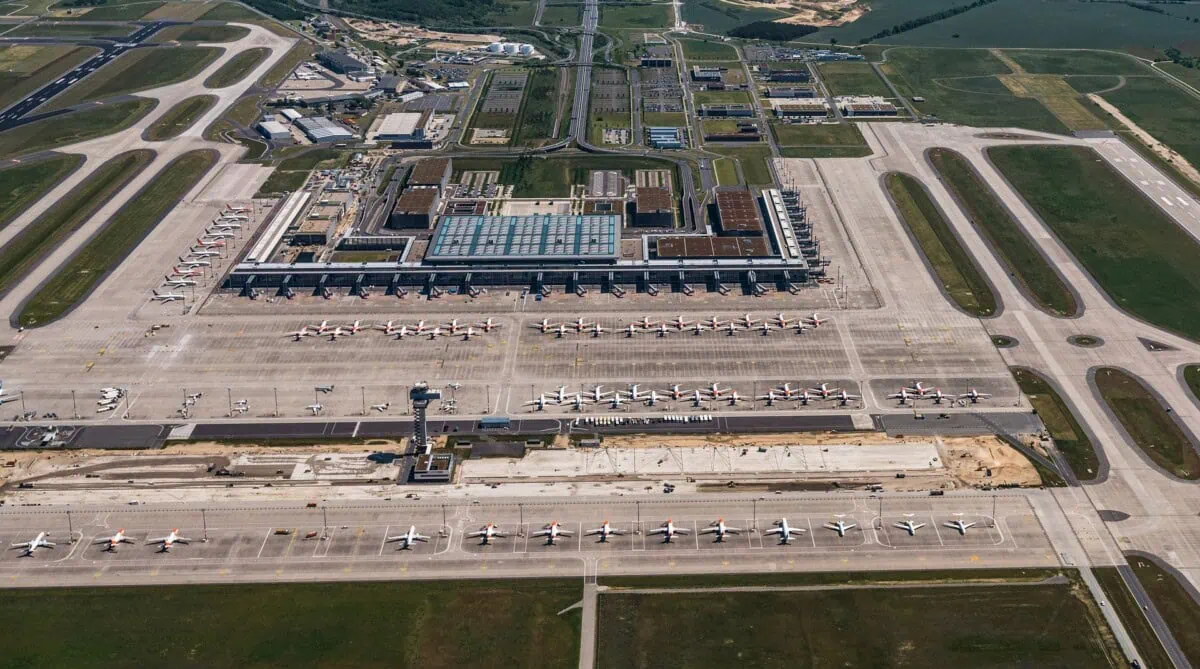
One Airport for a City That Used to Have Three Berlin is unusual among major European capitals in having gone from three commercial airports down to exactly one. Berlin Brandenburg Airport (BER) opene...
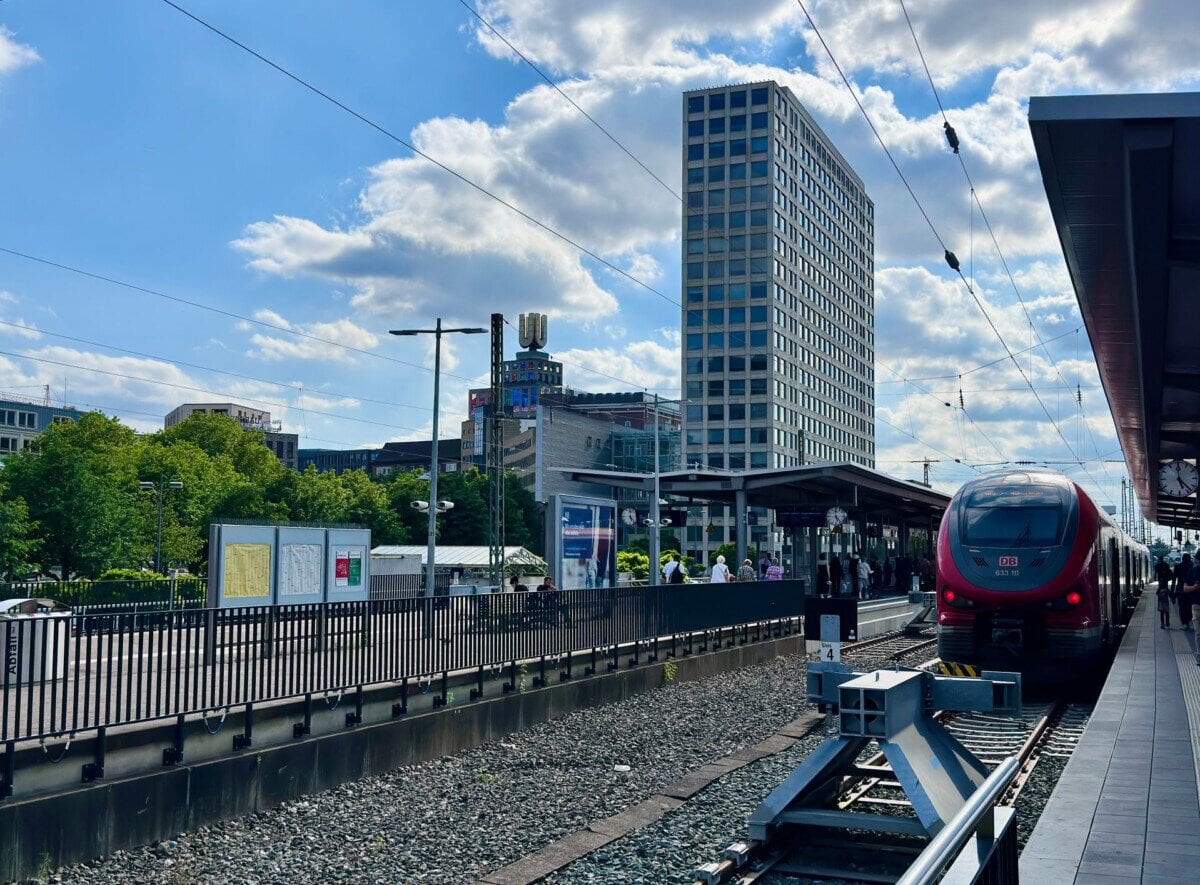
No Railway Station of Its Own: Why the Dortmund Transfer Choice Counts Picking the right Dortmund Airport transfer takes more thought than at some of Germany’s more centrally placed regional hub...
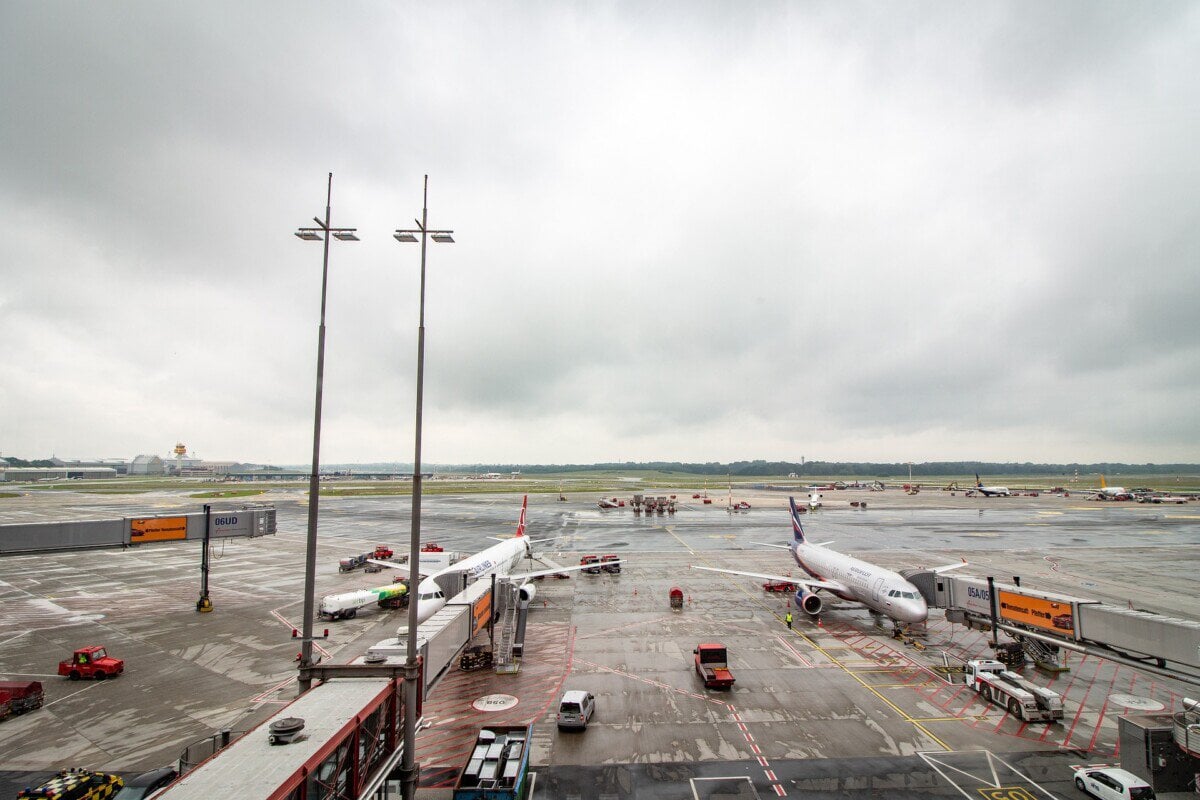
Hamburg Airport: The One That Never Had to Move Hamburg Airport (HAM) is a rare thing among major European hubs: it has never moved. It has operated from the same site in Fuhlsbüttel since 1911, and b...
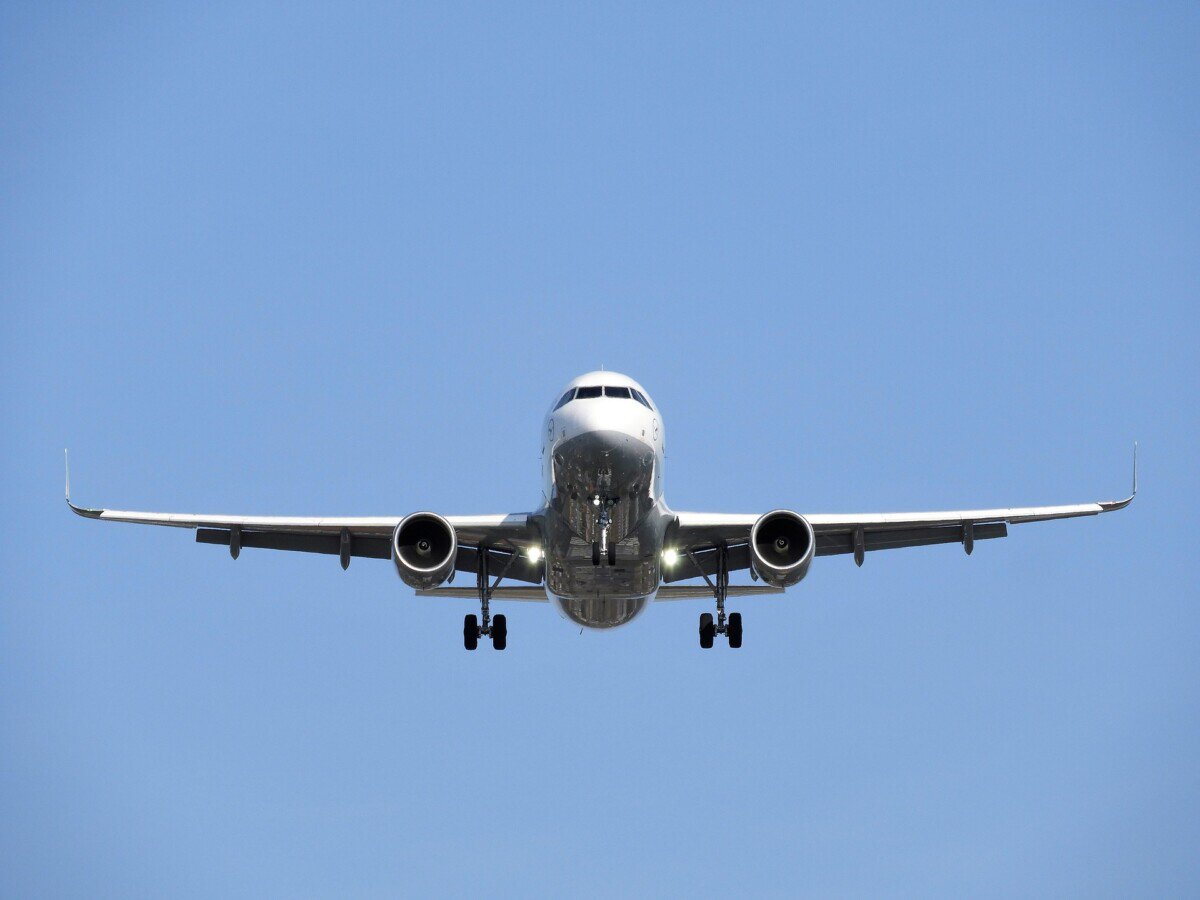
Eleven Kilometres, One Rail Platform: Why Hanover’s Transfer Choice Is the Simplest in Germany Hannover Airport (HAJ) sits just 11 kilometres (6.8 miles) north of the city centre, in the distric...
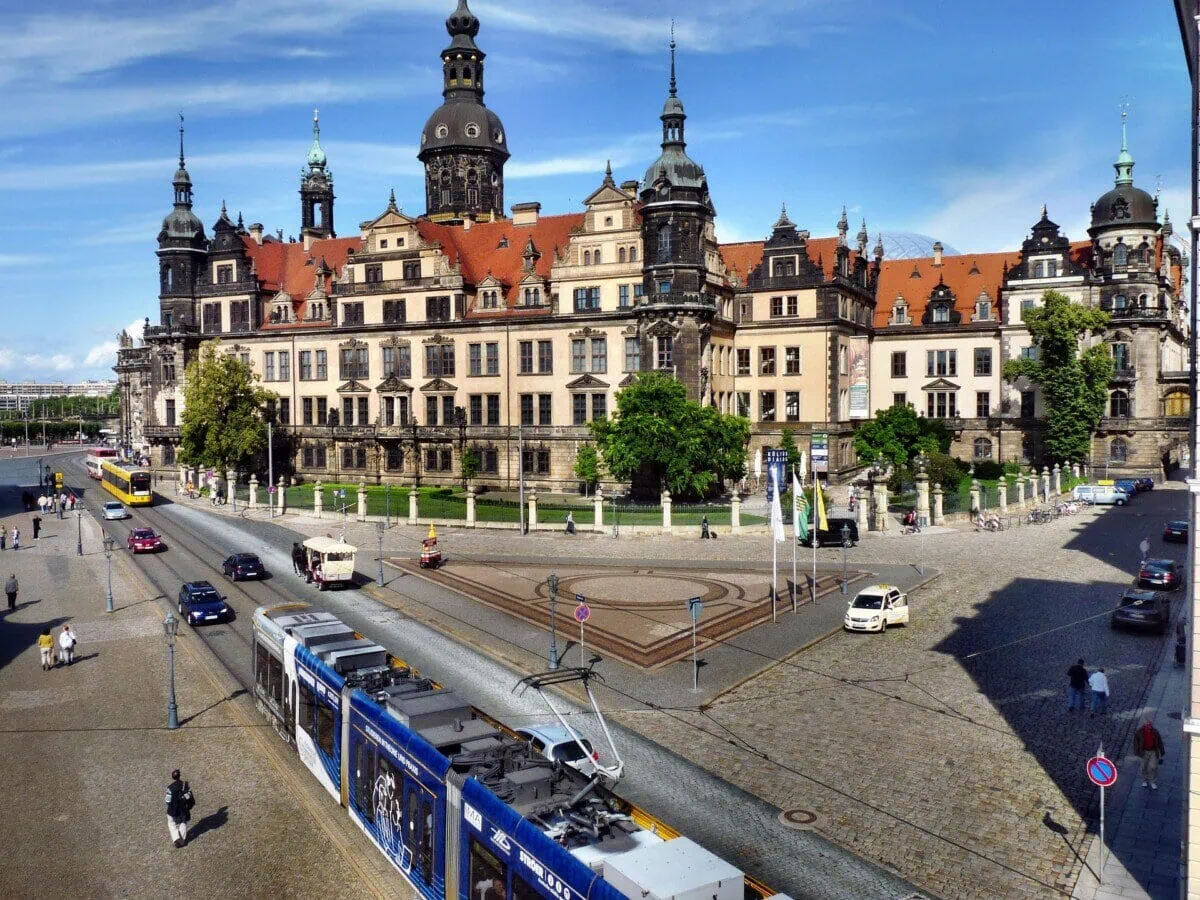
Dresden Airport Is Smaller Than You Might Expect, and That Changes the Maths Dresden Airport (DRS) is a small regional airport, carrying under a million passengers a year rather than the tens of milli...
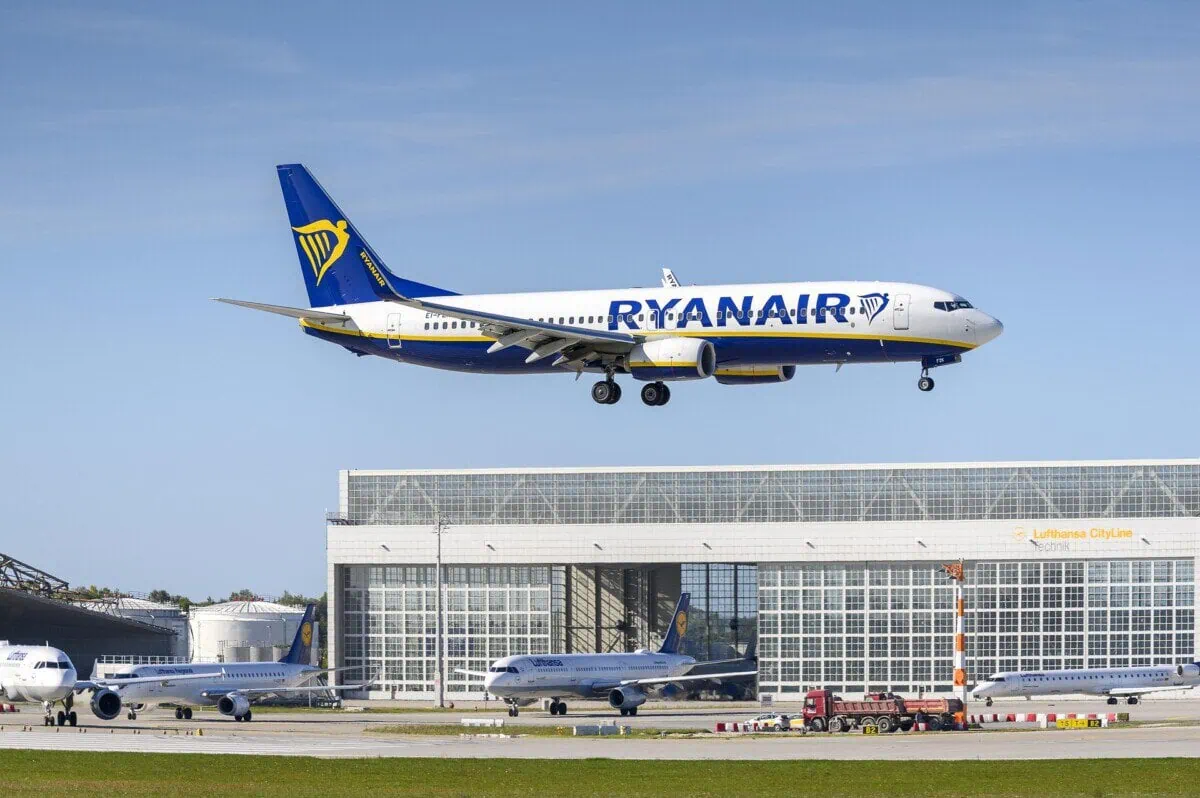
Landing 28 Kilometres From the City: Why the Transfer Choice Counts Munich Airport, known by its code MUC and officially named Franz Josef Strauss Airport, is Germany’s second-busiest airport af...
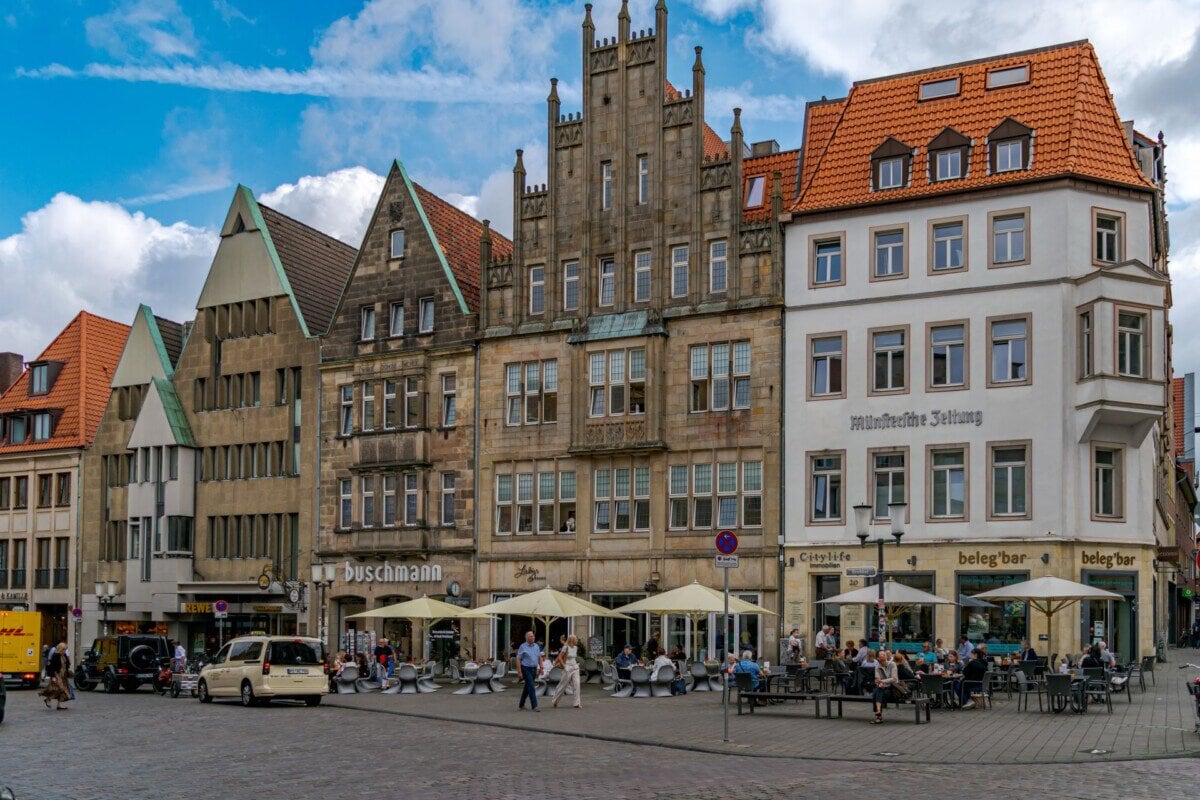
A Regional Airport Shared Between Two Cities, 25 Kilometres Out Münster shares its airport with a city that sits 35 kilometres away, and that single fact shapes almost every transfer decision covered ...

Rail Baltica is the largest railway project the Baltic states have ever undertaken, a brand new standard-gauge line designed to connect Tallinn, Rīga and Vilnius with Warsaw and the wider European rai...
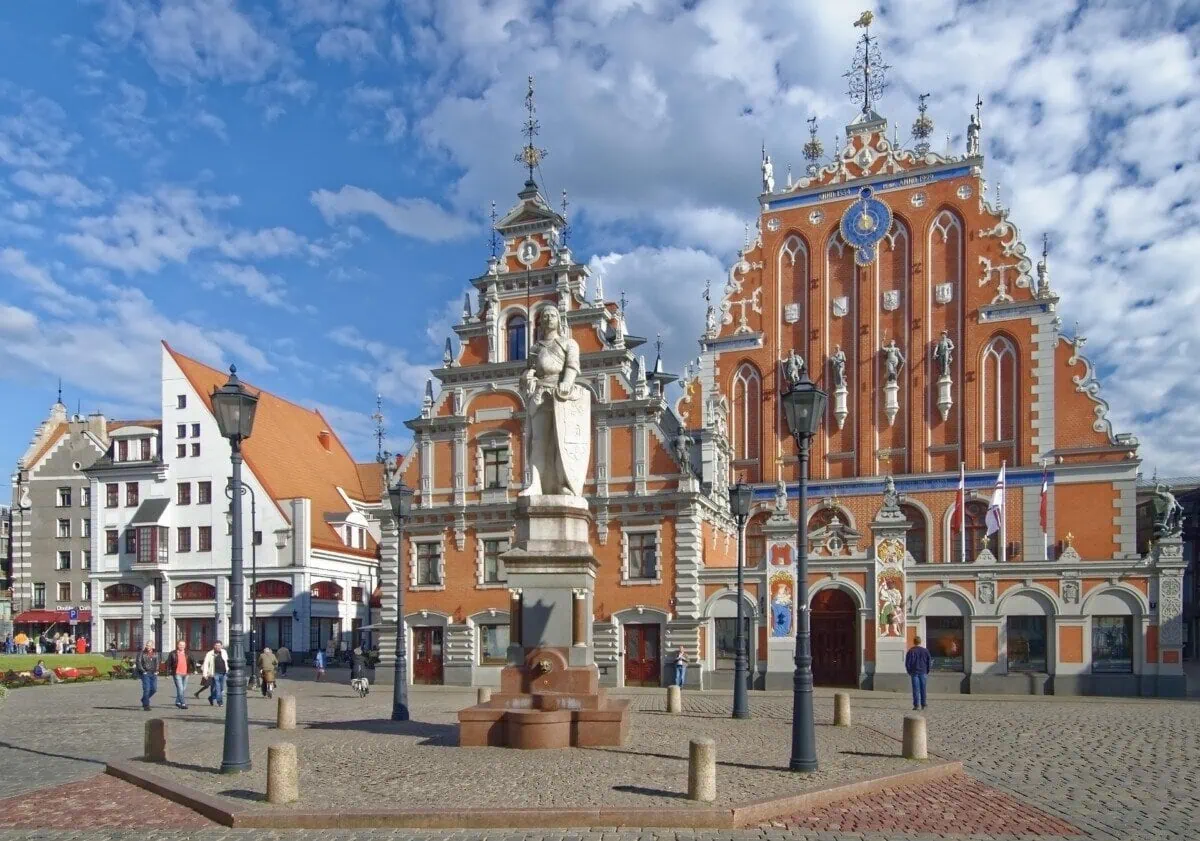
Riga International Airport (RIX) is the busiest airport in the Baltic states and the main air gateway into Latvia, handling more scheduled routes and passengers each year than Tallinn or Vilnius. For ...
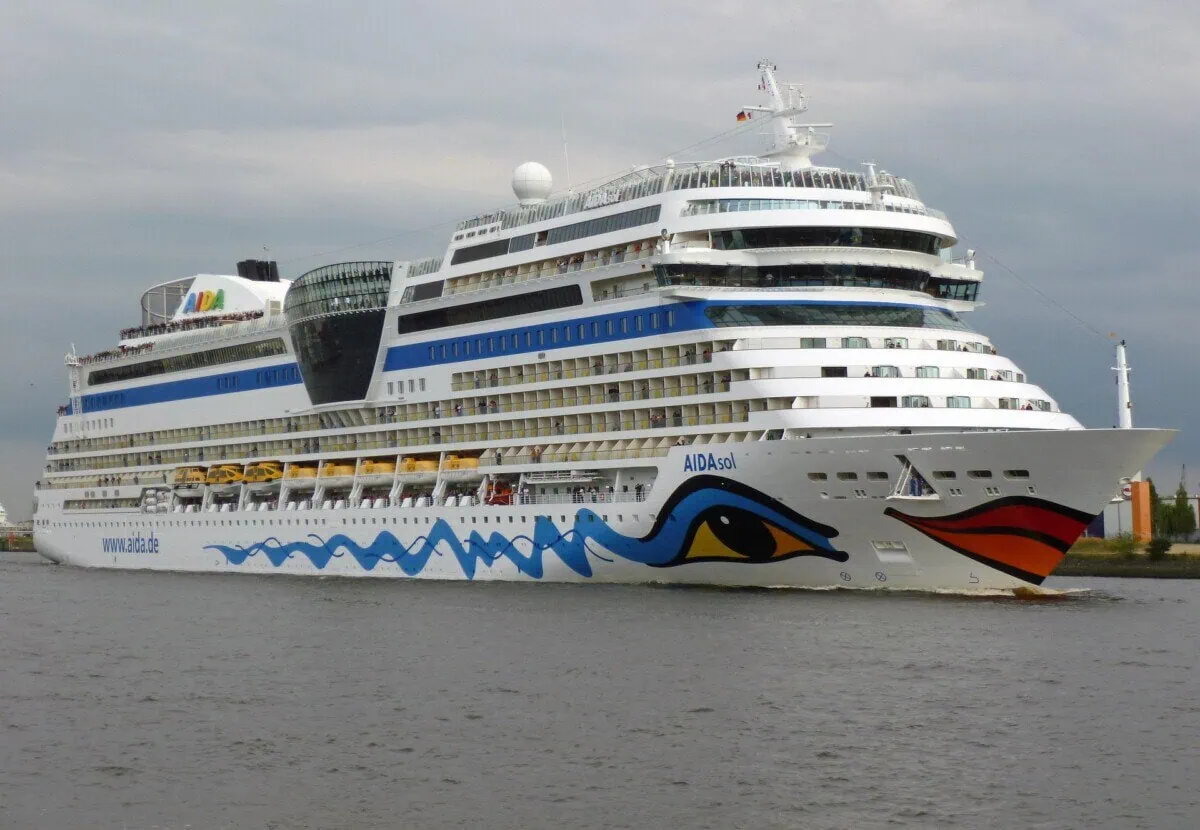
Riga sits on the Daugava River close to the Baltic Sea, and for a growing number of travellers the first Latvian ground they touch is not the airport but the deck of a cruise ship. The city’s cr...
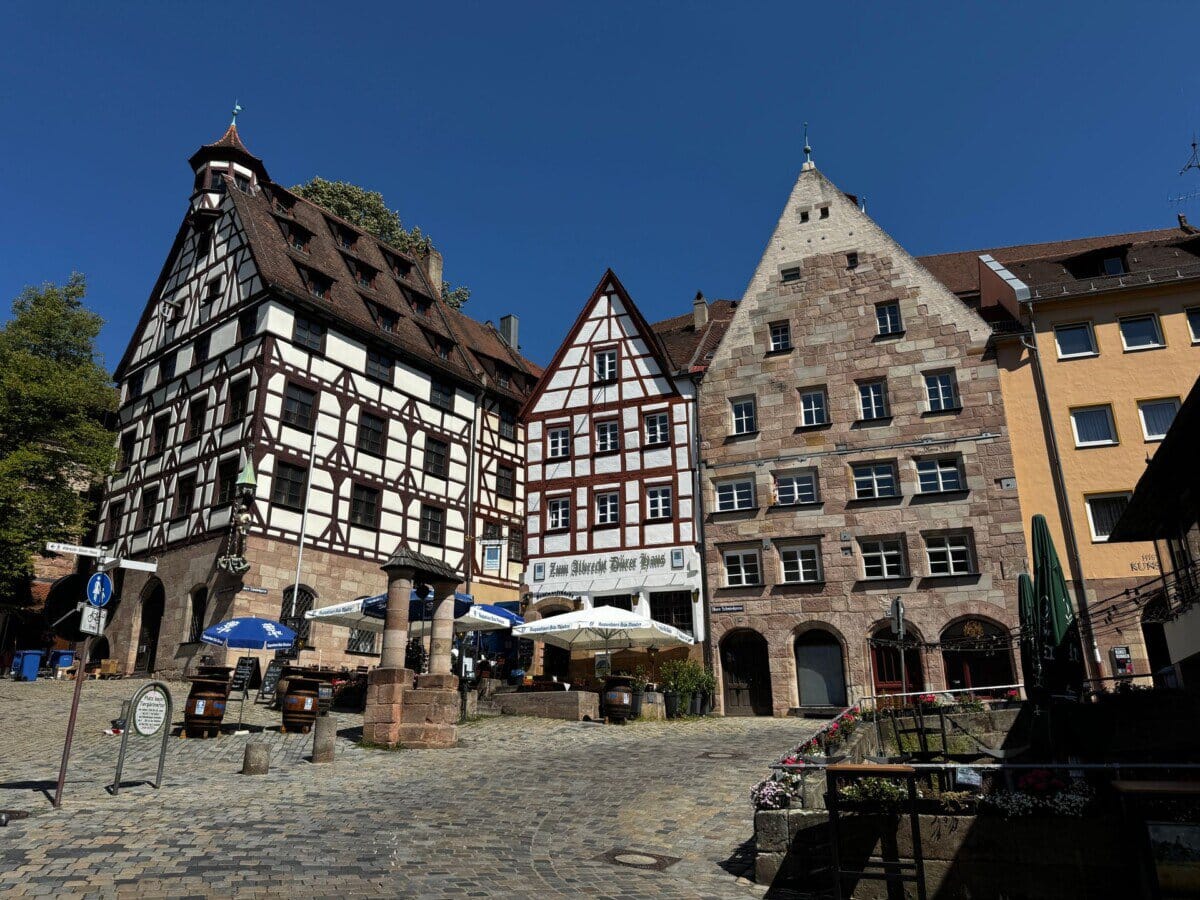
Why Nuremberg Airport Transfers Are Refreshingly Simple Landing at Nuremberg Airport comes with one enormous advantage that catches many first-time visitors off guard. Unlike most European airports, w...
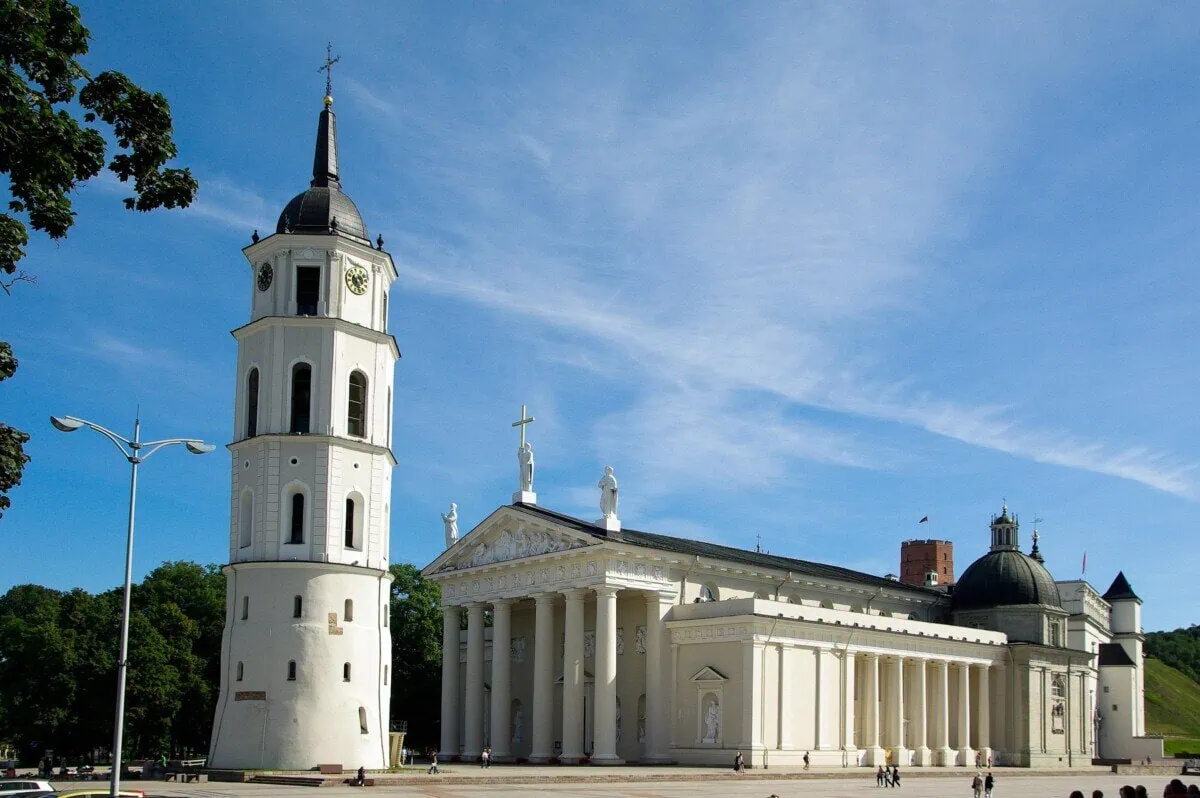
Why Vilnius Airport Transfers Work Differently Landing at Vilnius Airport means arriving at Lithuania’s busiest gateway, officially known as Vilnius International Airport and identified by the c...
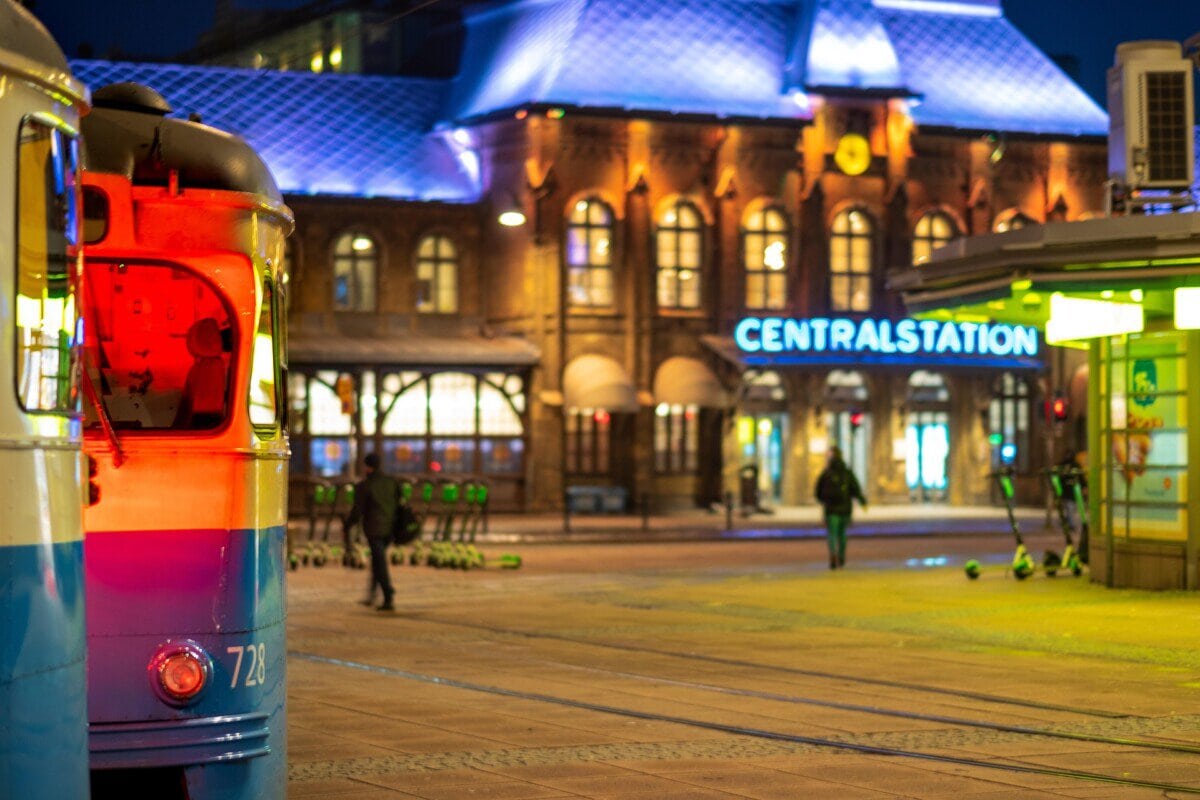
Why Landvetter Airport Matters for Gothenburg Travel Göteborg Landvetter Airport is the main international gateway to Sweden’s west coast and the country’s second-busiest airport after Sto...

Rovaniemi Airport sits right at the edge of the Arctic Circle, and for most winter visitors it is the very first taste of Finnish Lapland after stepping off the plane. Direct flights connect the airpo...
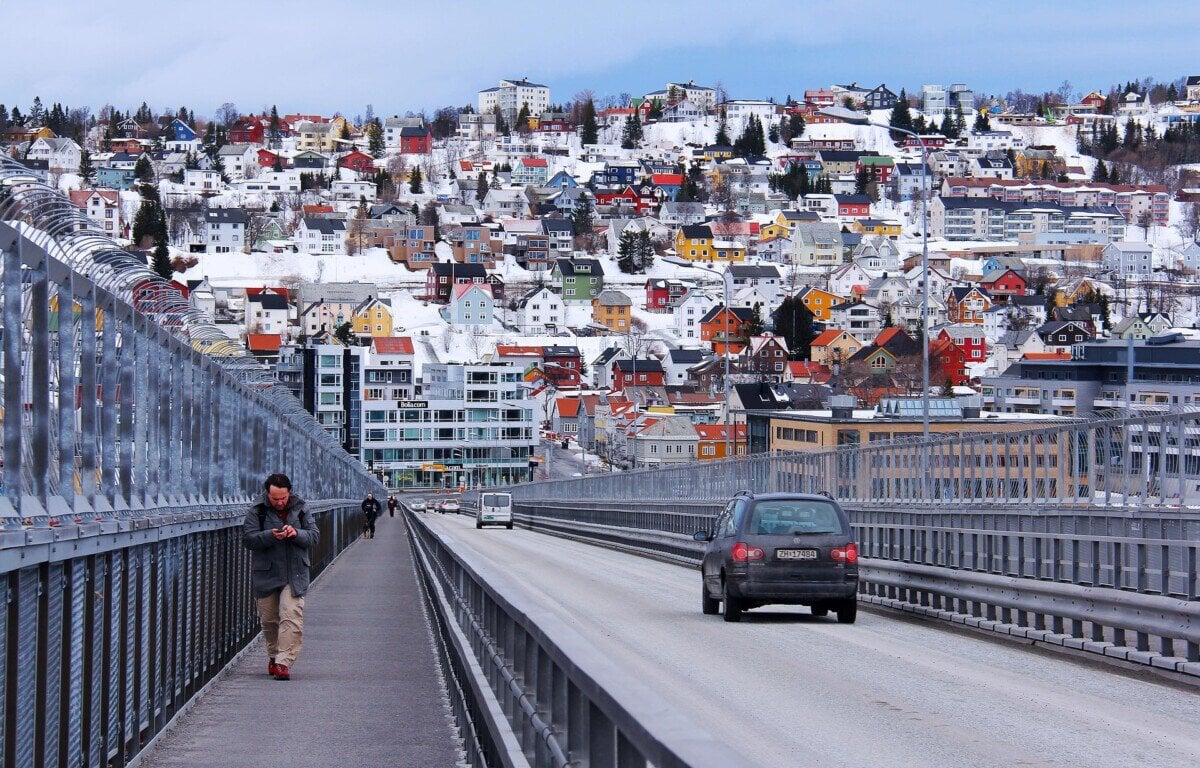
Arriving at Tromsø Airport and First Impressions of Arctic Norway Landing at Tromsø Airport (Langnes) is most travellers’ first real taste of Arctic Norway, and it rarely disappoints. Snow-duste...
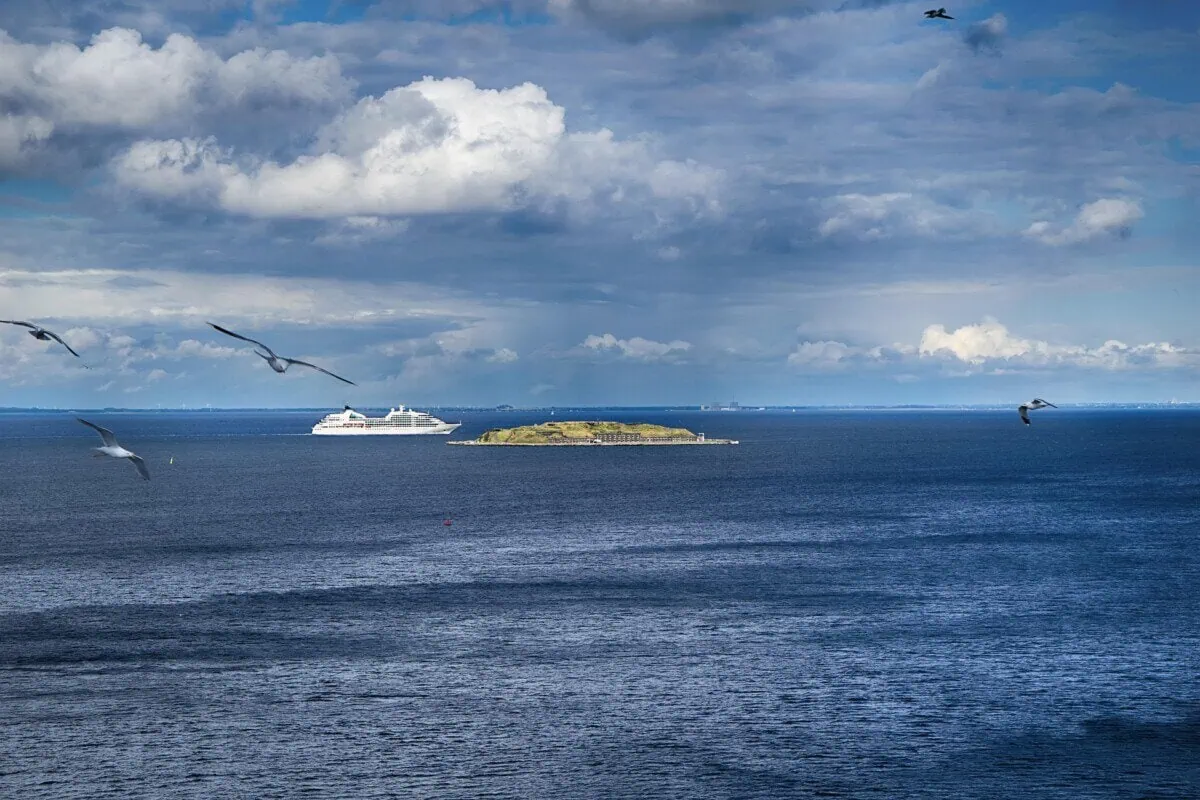
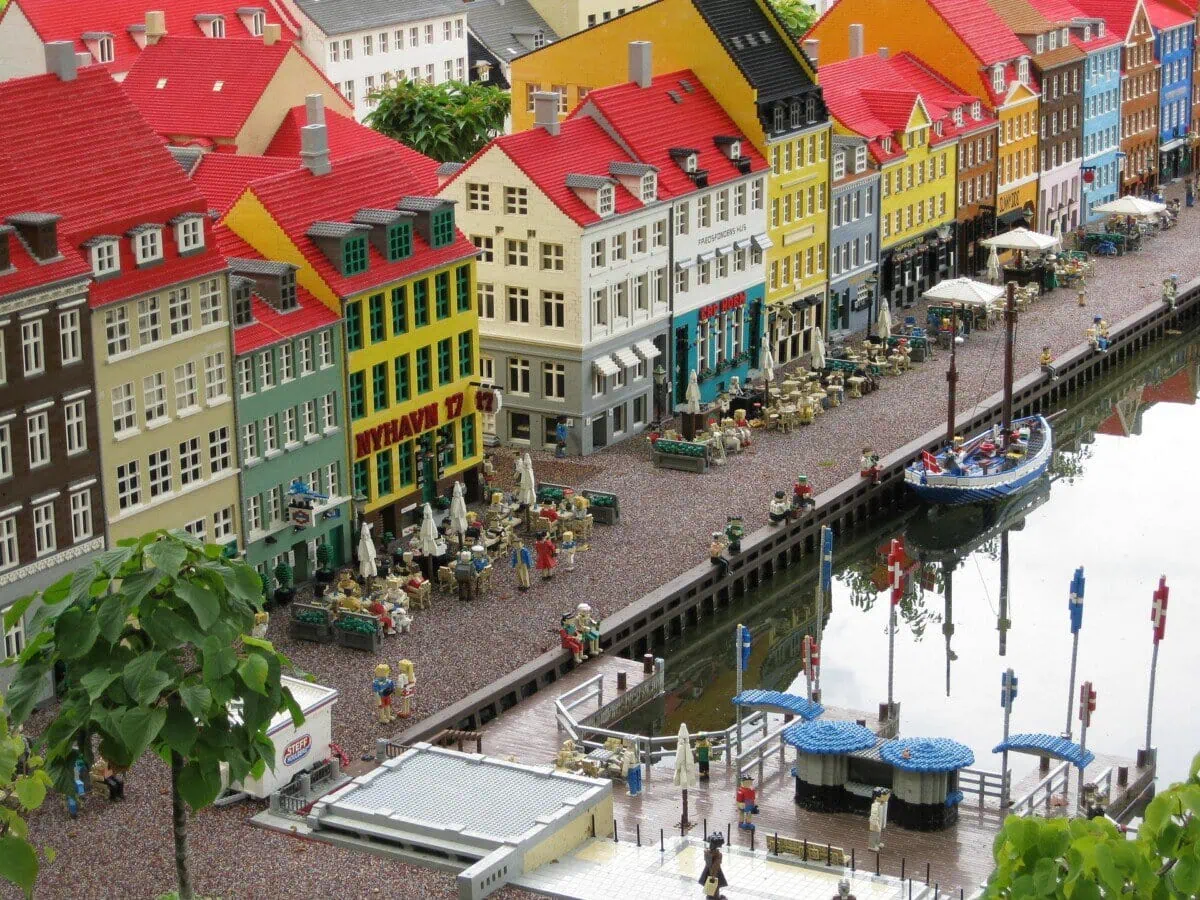
Copenhagen’s Harbour and Denmark’s Ferry Network Copenhagen sits on the water in a way few European capitals do, with the Øresund strait running past its eastern edge and a working port that still sha...
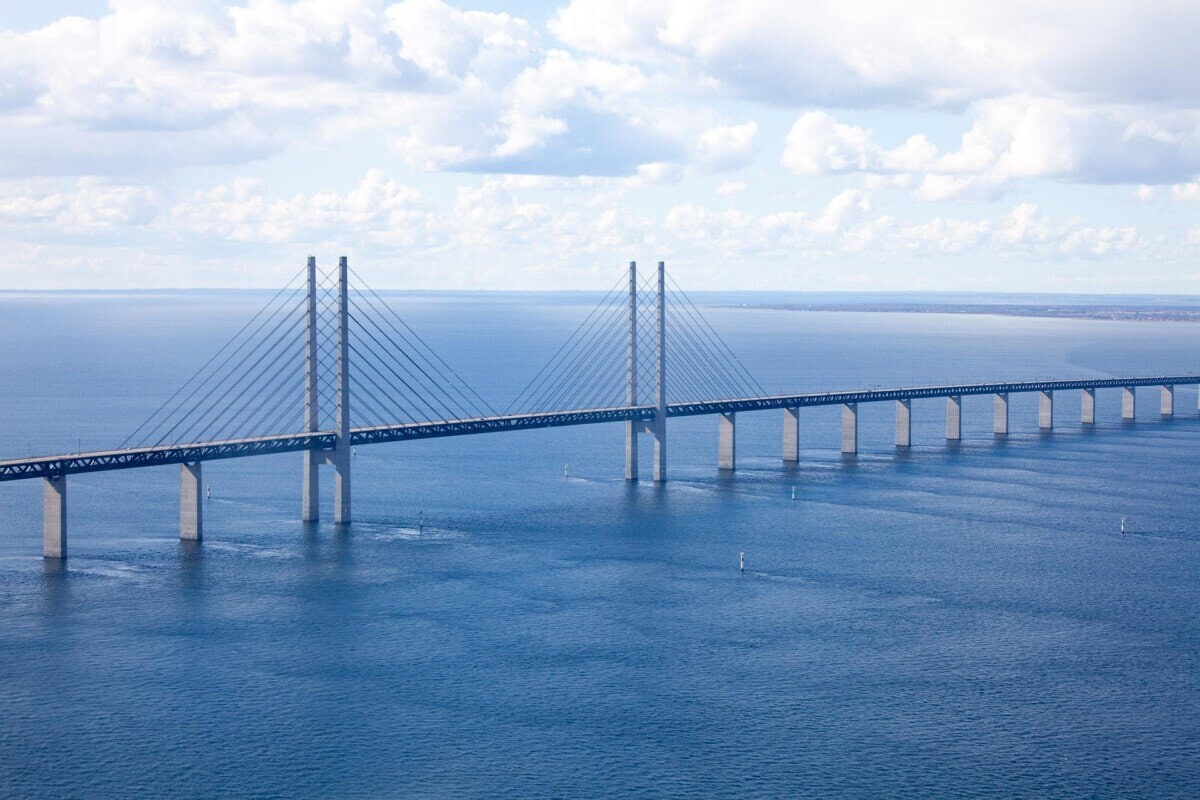
Few international borders in Europe are crossed as casually as the one between Copenhagen and Malmö. Step onto a train at Copenhagen Central and, less than 40 minutes later, you can be standing in Swe...
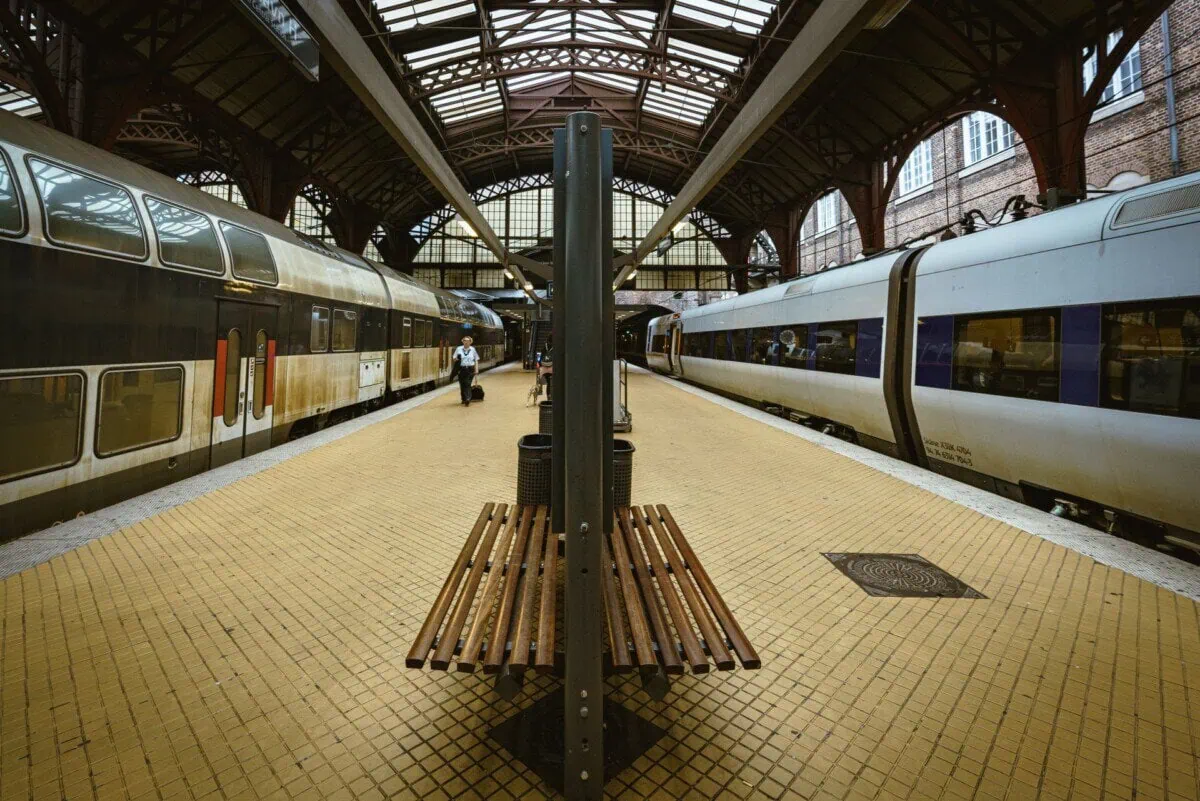
Ask whether Copenhagen has a night train and the honest answer is more complicated than a simple yes or no. Denmark’s capital once sat on a genuine international sleeper network, with through ca...
Getting from Copenhagen Airport to the City Centre Copenhagen Airport, widely known as Kastrup and officially coded CPH, is Denmark’s main international gateway and one of the busiest airports a...
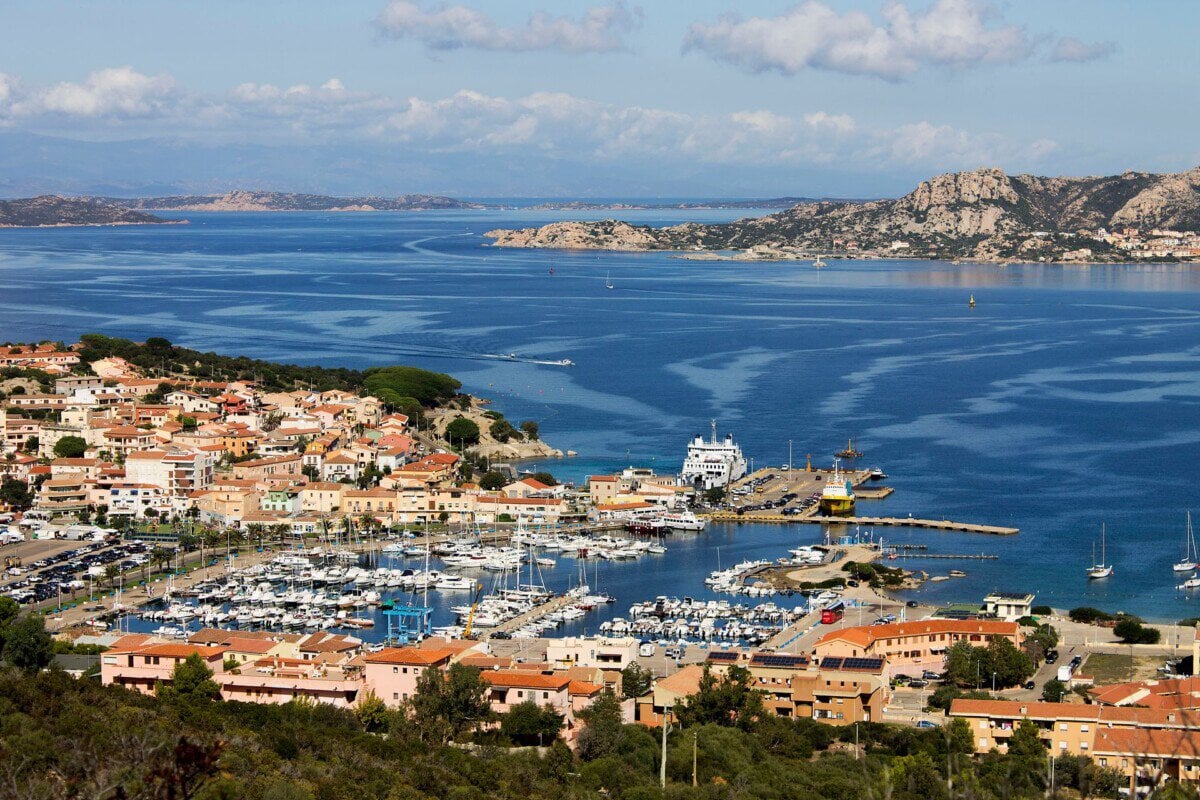
Sardinia by Sea: Choosing Your Crossing Sardinia has no direct flights from many parts of Europe, and even where flights exist, travelling by sea remains one of the most popular ways to reach the isla...

Getting from Cagliari Airport to the City Cagliari Elmas Airport (CAG) sits just 7 kilometres north of the city centre, making it one of the most convenient arrival points in Sardinia. Every major tra...

Sail Between Sardinia and Mainland Italy via Olbia Olbia is one of Sardinia’s busiest ferry ports, connecting the island with several mainland Italian cities year-round. For many travellers, par...
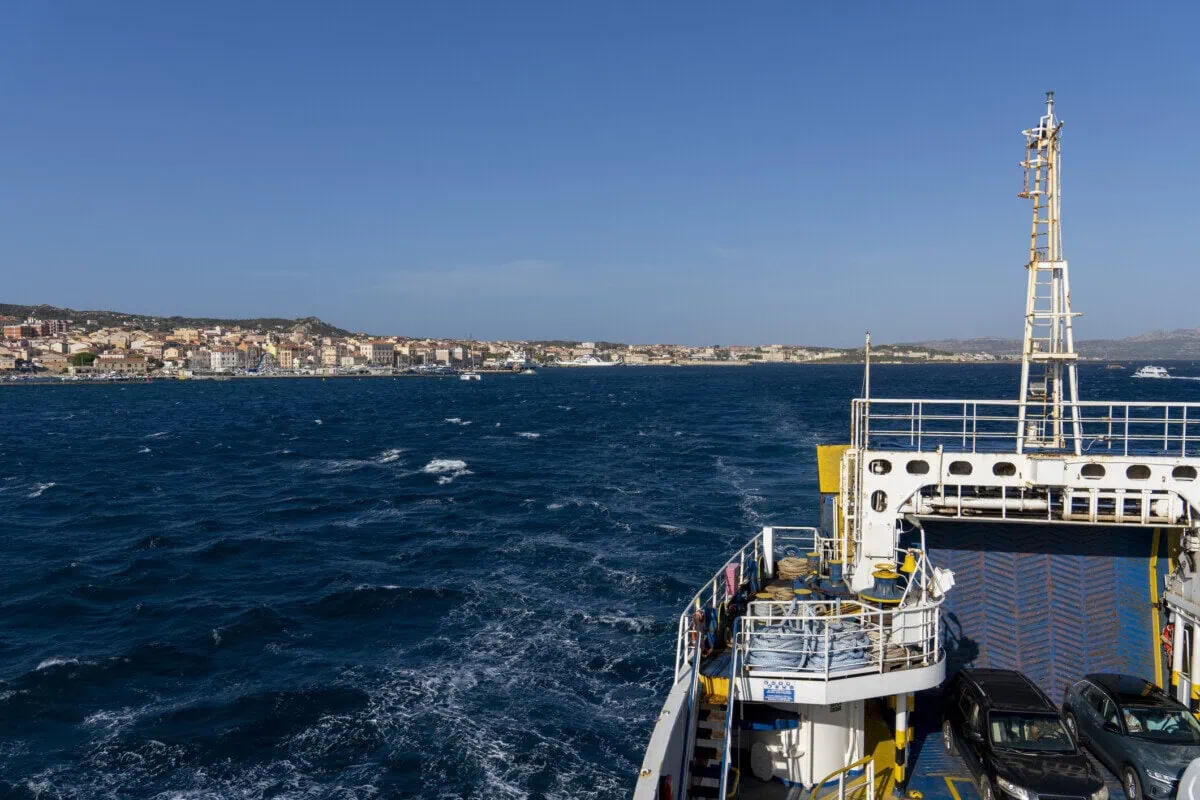
Palau to La Maddalena Ferry: Sardinia’s Shortest Inter-Island Crossing The hop across the Strait of La Maddalena is one of the quickest and most scenic ferry crossings anywhere in Sardinia. In j...
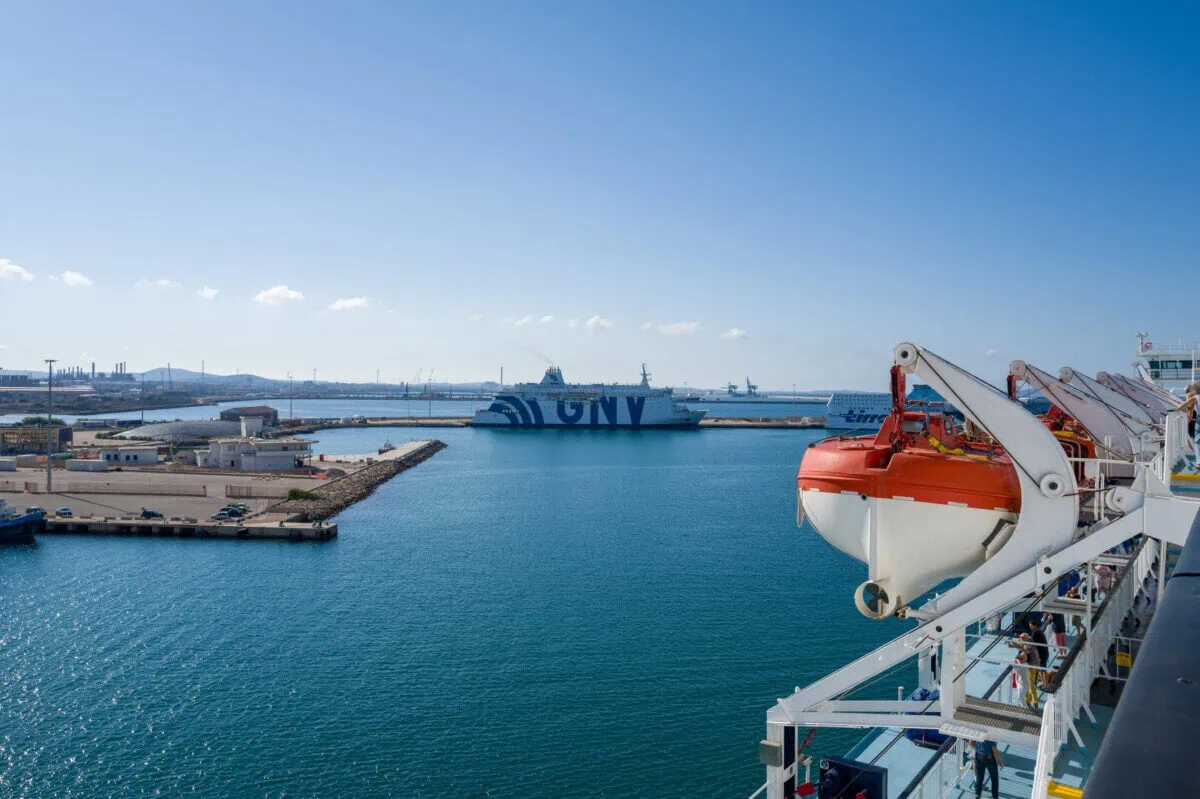
Porto Torres Ferry Routes: Sardinia’s Gateway to Spain, France and Italy Porto Torres, on Sardinia’s northwest coast near Alghero and Sassari, is the island’s most genuinely internat...
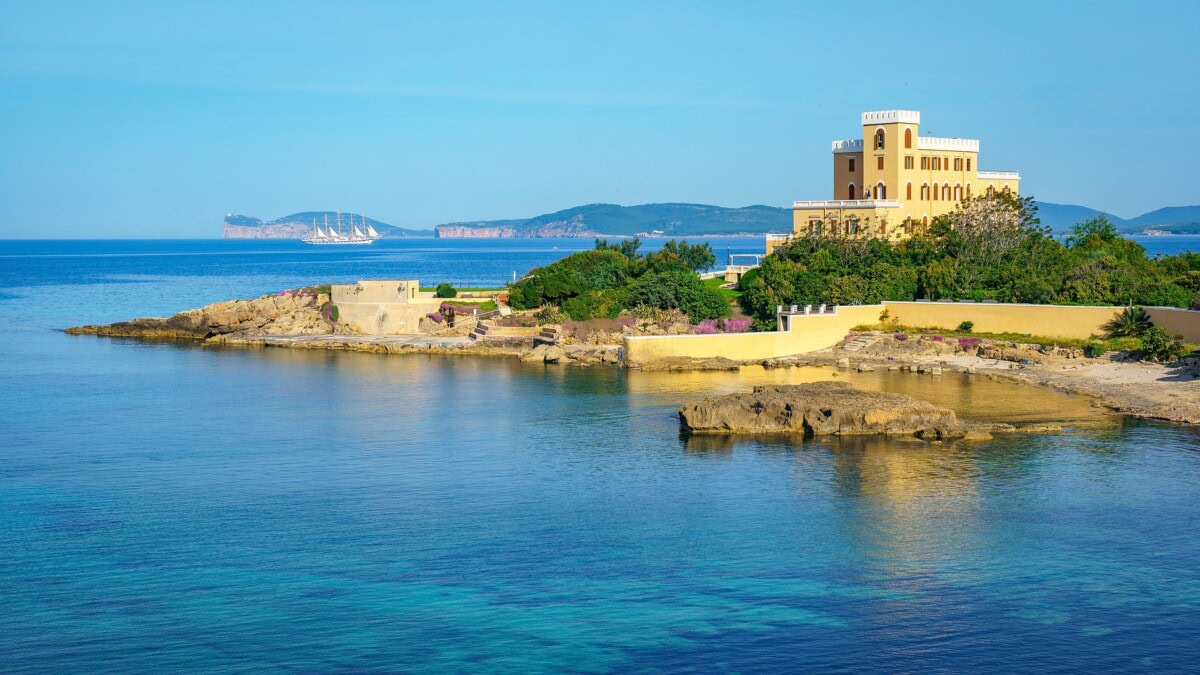
Getting to Alghero and North-West Sardinia Alghero-Fertilia Airport (AHO) sits roughly 10 km northwest of Alghero’s old town, making it the main gateway for visitors heading to Sardinia’s ...
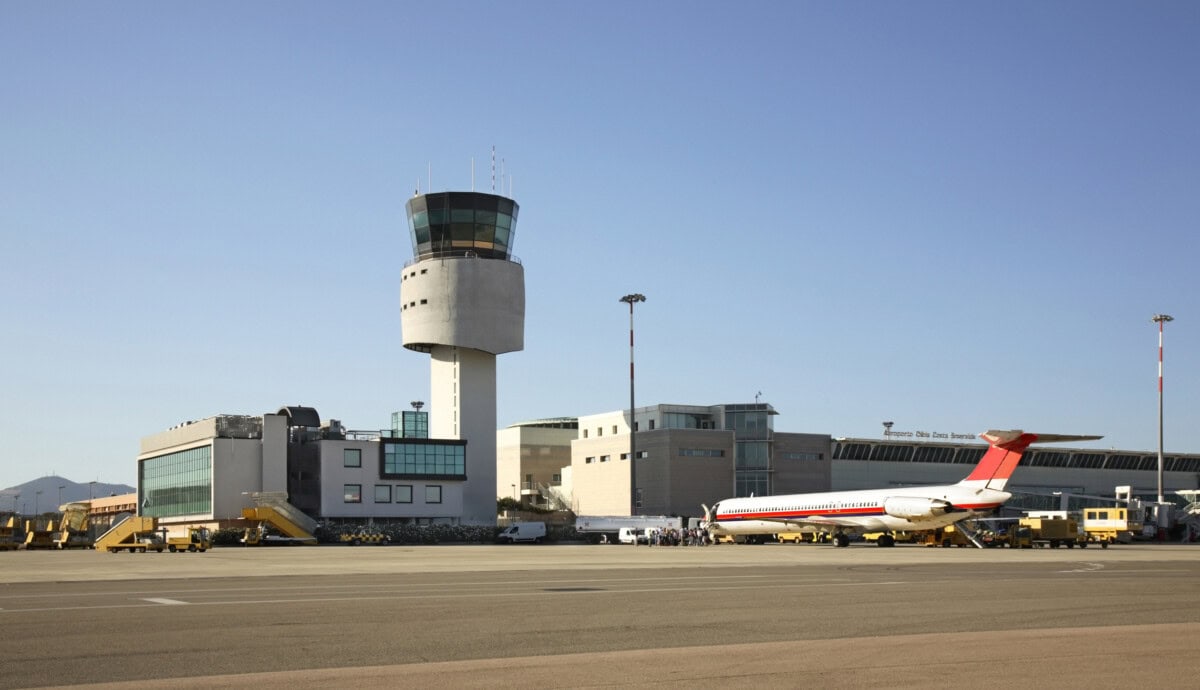
Getting from Olbia Airport to Olbia and Costa Smeralda Olbia Costa Smeralda Airport sits remarkably close to the city it serves, just 3-4 km from the centre, making it one of the more convenient airpo...
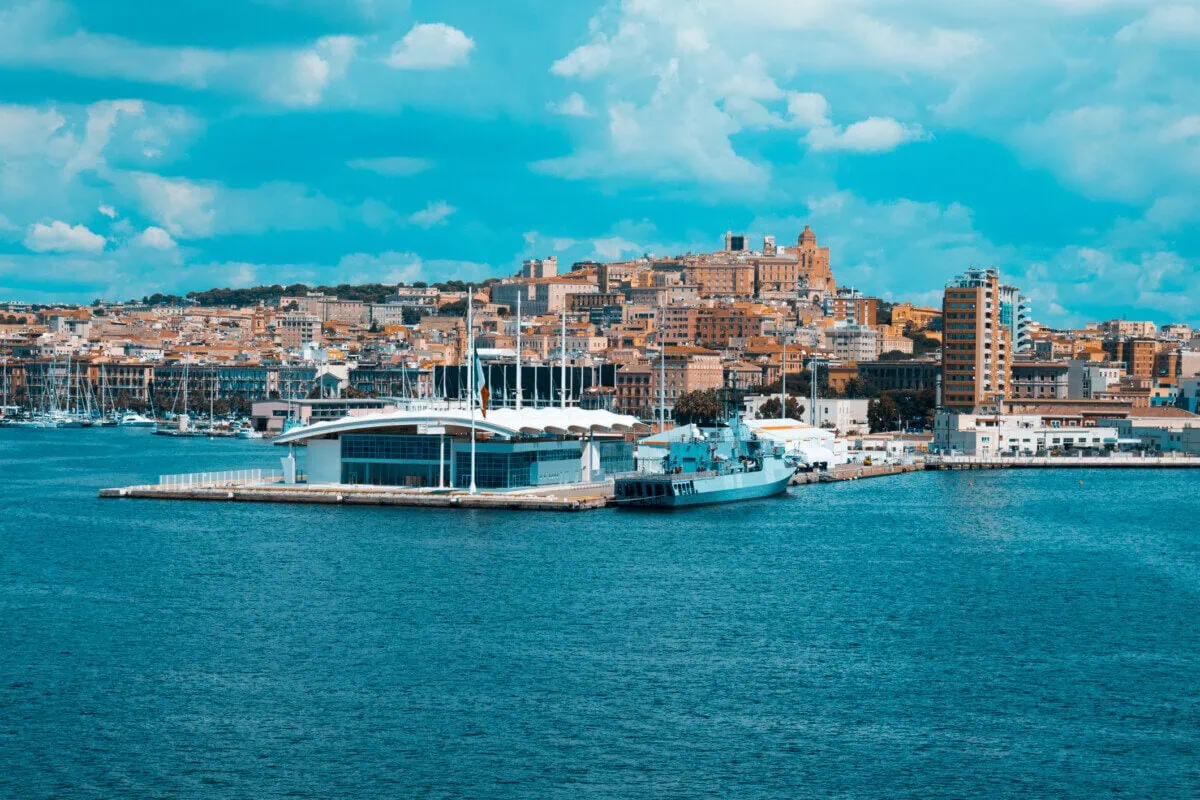
Your Guide to the Cagliari Cruise Port Cagliari is one of the Mediterranean’s most rewarding cruise stops, a compact capital where a hilltop old town, Roman ruins and a city beach all sit within...
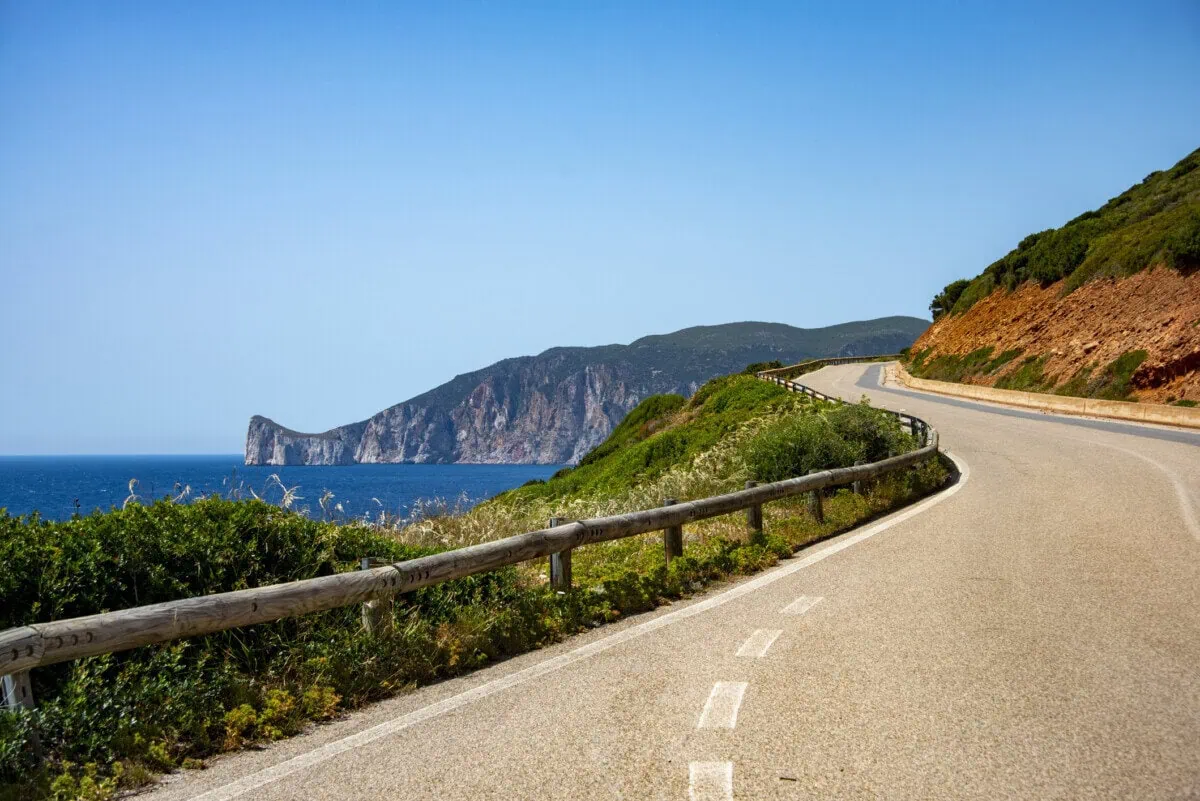
Plan an Unforgettable Sardinia Road Trip Sardinia rewards drivers more generously than almost anywhere else in Italy. Its interior mountains, hidden coves and quiet inland villages sit well beyond the...
Travel discoveries, useful tips and behind-the-scenes moments from AppSavvyTraveller.


