
Reviewed by our editorial team Updated
Why September Is More Than Just the End of Summer
September is one of the most interesting months of the year to travel because several seasons overlap at once. Southern Europe can still feel like summer, northern destinations begin edging toward autumn, parts of the Southern Hemisphere move into spring, and several dry-season or wildlife windows remain strong elsewhere in the world.
The biggest advantage is not simply that places become quieter after August. September gives you more choice about the kind of season you want to experience. You can still swim in Sicily or the Algarve, walk cities in more comfortable temperatures, travel through Central Asia after the worst summer heat, or head into the Andes while the drier trekking season is still holding.
That makes September especially useful for travellers who want to avoid the extremes of peak summer without giving up good weather entirely. It is also a month when food, harvests and seasonal events start to matter more, which gives several destinations a different identity from their July and August versions.
Best Places to Visit in September at a Glance
| Destination | Best for in September | September advantage | Main trade-off |
|---|---|---|---|
| Sicily | Warm seas, food and island road trips | Summer conditions with easier sightseeing | Popular coastal towns remain busy |
| Amalfi Coast | Coastal ferries, swimming and towns | Warm sea with less August pressure | Still expensive in the most famous towns |
| Algarve | Beaches, boat trips and coastal walking | Reliable warmth with slightly calmer resorts | Atlantic water can feel cooler than the Mediterranean |
| Paris & Disneyland Paris | City sightseeing and theme-park breaks | More comfortable walking temperatures | Weekends and event dates can still be busy |
| Uzbekistan | Silk Road cities and rail travel | Lower temperatures than midsummer | Days can still be hot early in the month |
| Peru | Cusco, Sacred Valley and Machu Picchu | Drier conditions before the wetter season builds | Popular routes still require advance booking |
| Mauritius | Beaches, hiking and island touring | Dry-season weather without peak tropical humidity | Trade winds can make some coasts breezy |
| Québec | Cities, road trips and early autumn colour | Late-summer weather shifting toward fall | Peak foliage timing varies by year and latitude |
Browse hotels and accommodation for your journey.
View staysBrowse apartments, holiday homes and self-catering stays.
View rentalsCompare hotel deals from multiple booking sites in one search.
Compare pricesSeptember Destinations in Detail
The destinations below are deliberately spread across regions and travel styles. September works best when you use its seasonal crossover rather than simply looking for another version of August.
Sicily, Italy: Warm Seas, Mount Etna and a More Comfortable Island Road Trip
September is one of Sicily’s strongest all-round months because the island still holds onto summer warmth while becoming easier to explore away from the beach. Swimming conditions remain good in many coastal areas, but historic cities, archaeological sites and inland drives become more manageable as the most intense heat begins to ease.
Sicily works particularly well for a mixed itinerary. Palermo and Catania give you busy city life and food markets, while Taormina, the Aeolian Islands and the Egadi Islands add coastline and ferry travel. Mount Etna brings a completely different landscape into the same trip, and our Mount Etna guide explains how to plan a visit to the volcano.
If heritage is a major part of the trip, our Sicily UNESCO Sites guide is a useful companion, while the Palermo guide helps build out the capital rather than treating Sicily purely as a beach destination.
September is also a good month for travellers interested in food and wine because harvest activity begins to shape parts of the island. Exact timing varies by grape variety, altitude and region, but this is one of the periods when Sicily feels particularly connected to agriculture as well as tourism.
A week in Sicily can also be split sensibly between two bases rather than trying to circle the whole island. Palermo pairs well with the west and the Egadi Islands, while Catania or Taormina makes a better base for Etna and the east coast. September gives you enough warmth for the coast while making those longer sightseeing days much more realistic than they are in the hottest part of summer.
Amalfi Coast, Italy: Warm Water, Seasonal Ferries and Easier Coastal Days
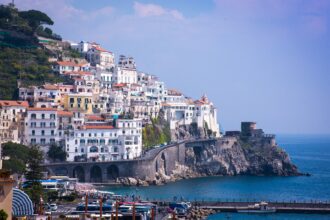
The Amalfi Coast remains warm and lively in September, but the month usually feels more usable than August for travellers who want to do more than sit beside the sea. Positano, Amalfi and Ravello are still popular, but walking, ferry travel and longer sightseeing days become easier as temperatures begin to moderate.
The coast is best treated as a transport-and-scenery trip rather than a sequence of car journeys. Ferries remain one of the most enjoyable ways to move between the main towns while seasonal services are still operating. Our Amalfi Coast by Ferry guide explains the main routes and operators, while the complete Amalfi Coast guide covers towns, transport and practical planning.
September also makes it easier to combine the coast with Pompeii, Sorrento or Naples. The sea remains part of the trip, but the month is better suited than midsummer to building full sightseeing days around it.
For a practical itinerary, Sorrento can work as a useful base if you want easier rail access to Pompeii and Naples as well as ferry access toward Capri and the coast. Staying directly in Positano or Amalfi gives you the postcard setting, but September does not remove the need to think carefully about luggage, steep streets and transport connections between towns.

Algarve, Portugal: Atlantic Beaches, Faro and Late-Summer Coastal Trips
The Algarve is one of the strongest places to hold onto summer in September. Days are often still warm enough for beaches, boat trips and outdoor dining, but the region begins to lose some of the peak-school-holiday pressure that defines July and August.
Faro works particularly well as more than an airport gateway. Its old town, access to the Ria Formosa islands and rail connections make it a practical base for exploring the eastern Algarve. Our Things to Do in Faro guide covers the city itself, while Day Trips from Faro opens up nearby beaches, towns and boat trips.
The western Algarve around Lagos and Sagres suits travellers who want dramatic cliffs, beaches and road-trip scenery. The Atlantic can feel cooler than the Mediterranean, but September remains a strong month for combining beach time with walking and sightseeing rather than building the entire trip around midday heat.
The eastern Algarve offers a different September experience, with Tavira, Olhão and the Ria Formosa islands feeling less resort-driven than the busiest parts of the central coast. That makes the region especially useful for travellers who want a mix of beaches, local towns and short boat trips rather than spending the whole holiday in one large resort.
Paris and Disneyland Paris: City Walks, Park Days and a More Comfortable September Break
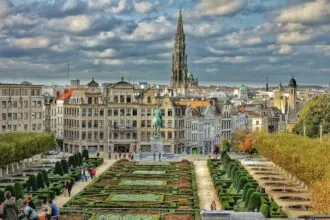
Paris becomes easier to explore in September as the strongest summer heat fades. The month works well for travellers who want long walking days, museums, neighbourhoods and outdoor time without relying on peak-summer weather.
For families or travellers combining the city with Disneyland Paris, September can also be a practical month to split the trip between central Paris and Marne-la-Vallée. Our Disneyland Paris guide covers the parks, tickets and planning, while the Eurostar to Disneyland Paris guide is useful for travellers arriving through London and northern Europe.
If you are using an undated ticket or pass, check the official Disneyland Paris availability calendar before fixing your dates, because registration requirements and availability can vary by ticket type.
A useful September plan is to separate the city and park days rather than trying to commute back and forth repeatedly. Central Paris deserves its own walking and museum days, while staying near Disneyland for part of the trip can make early starts and late finishes at the parks much easier. September weather is generally better suited to this kind of mixed itinerary than the hotter weeks of midsummer.
Uzbekistan: Silk Road Cities After the Harshest Summer Heat
September is one of the most practical months for a trip through Uzbekistan because the extreme heat of midsummer begins to ease while the main Silk Road cities remain dry and easy to connect. Samarkand, Bukhara and Khiva can all involve long periods outdoors, so the difference between July heat and September conditions can materially change the experience.
The country works particularly well as a rail-based itinerary. High-speed and long-distance trains connect the major cities, allowing travellers to build a multi-stop route without relying on internal flights or long road transfers for every leg.
September is still warm, especially early in the month, but evenings become more comfortable and sightseeing days are easier to structure. This is a good choice for travellers who want architecture, history and overland travel rather than another beach destination.
A first trip usually works best as a linear route rather than repeatedly returning to Tashkent. Samarkand and Bukhara are the natural core, with Khiva added if you have enough time for a longer journey west. That structure keeps the trip focused and makes good use of the rail network instead of turning September’s more comfortable weather into a succession of long transfer days.
Compare routes and fares for your next trip.
Compare flightsChoose an Airalo eSIM and arrange mobile data before you arrive.
Browse eSIMsBook a private airport transfer in advance and have your ride planned before you arrive.
Check transfersPeru: Machu Picchu, Sacred Valley and the End of the Drier Andean Season
September remains a strong month for Cusco, the Sacred Valley and Machu Picchu because it sits toward the end of the drier Andean travel season. Conditions are not guaranteed, but the month can offer a useful balance between relatively dry trekking weather and slightly lower pressure than the busiest mid-year period.
This is a destination where advance planning matters more than generic weather advice. Entry to Machu Picchu is capacity-controlled and routes and time slots can sell out. The official Machu Picchu ticket page directs visitors to Peru’s government booking platform and should be checked before committing to fixed train or hotel dates.
September also works for travellers who want to combine high-altitude heritage with food and city time in Lima. The main trade-off is altitude: Cusco and many surrounding sites sit high enough that travellers need to allow time to acclimatise rather than treating the first day like an ordinary city break.
A more comfortable itinerary is to give Cusco at least one easier day before stacking in Sacred Valley excursions or long hikes. Travellers arriving from sea level may prefer to build the trip around rail journeys and shorter walks first, then add more demanding activities once they know how they are responding to the altitude.
Mauritius: Dry-Season Beaches, Hiking and Lower Humidity
Mauritius gives September a tropical island option without returning to Bali again. The month falls within the island’s cooler, drier part of the year, which can make beach days, hiking and inland sightseeing more comfortable than during the hotter, more humid summer period.
The island works best when you move beyond the resort. Black River Gorges National Park, Chamarel, botanical gardens, coastal villages and mountain viewpoints add enough variety to make the trip more than a beach holiday.
Trade winds can make some exposed coasts breezier, so choosing the right side of the island matters if calm beach conditions are your priority. For travellers who want a mix of warm weather and active days without peak tropical humidity, September is a strong window.
September also suits travellers who want to split the island between coast and interior rather than stay in one resort. A few beach days can be balanced with Black River Gorges, Chamarel and Port Louis, which makes Mauritius a stronger fit for an active island holiday than a simple fly-and-flop break.
Québec, Canada: Late-Summer Cities and the First Signs of Autumn
Québec gives September travellers a completely different seasonal experience. Montréal and Québec City can still have warm, pleasant days early in the month, while rural and more northerly areas begin showing the first signs of autumn as September progresses.
This makes the province particularly good for a mixed city-and-road-trip itinerary. Montréal offers food, neighbourhoods and cultural events, Québec City adds historic streets and river scenery, and areas such as Charlevoix or the Laurentians bring forests, hiking and countryside into the same trip.
Foliage timing is never exact and should not be treated as guaranteed for a particular week. The strength of September is the transition itself: you can experience late-summer city conditions while watching the landscape begin to move toward autumn.
For a week-long trip, Montréal and Québec City can be combined by rail, while a longer itinerary can add Charlevoix or the Laurentians by road. That gives September travellers a useful choice: stay urban if the leaves are late, or move into the countryside if colour is beginning to develop earlier than expected.
September Is the Month Summer and Autumn Overlap
One of September’s most useful features is that the beginning and end of the month can feel like different seasons. Early September can still deliver full beach weather in Sicily, the Amalfi Coast and the Algarve, while later in the month northern destinations such as Québec can already feel noticeably more autumnal.
This matters when choosing dates. A traveller booking Sicily for 3 September may be planning a very different trip from someone arriving on 28 September, even though both technically chose the same month. Sea temperatures, daylight, ferry schedules, harvest activity and evening temperatures can all shift during those few weeks.
September therefore rewards date-specific planning more than broad monthly averages. If beaches are the priority, earlier can be safer in southern Europe. If walking, food and early autumn atmosphere matter more, later September can be the better fit.
The contrast is especially clear when you compare regions. Sicily may still be running on warm-sea, late-summer rhythms while Québec is beginning to edge toward autumn colour, Uzbekistan is becoming more comfortable after the worst summer heat, and Peru is approaching the end of its drier Andean window. September is less about finding one universal climate and more about choosing which seasonal transition suits the trip you want.
September Is Harvest Season in More Places Than You Think
September is also one of the best months to build a trip around food rather than simply weather. Across parts of Europe and North America, grape harvests, orchard crops and late-summer produce begin changing menus, markets and rural landscapes.
Sicily is an obvious example, with wine regions and agricultural areas becoming more active around the harvest period. Portugal also moves into an important wine-harvest window in several regions, while Québec’s markets and countryside begin shifting toward apples, squash and early autumn produce.
The useful point is not to chase a staged “harvest festival” in every destination. It is to recognise that September can make food and agriculture more visible in the places you are already visiting, giving the trip a seasonal layer that is largely absent from the same itinerary in midsummer.
For the traveller, that can mean winery activity, fuller market stalls, seasonal dishes appearing more prominently on menus and rural areas feeling noticeably different from peak summer. Harvest dates are never identical every year, so it is better to treat this as a seasonal bonus than build an entire itinerary around one assumed week. Where it lines up, though, September can make food feel much more connected to place.
When September Is Not the Best Time to Go
September is often described as universally ideal, but that is too simple. It remains a transition month, and several regions are dealing with storm seasons, monsoons, extreme residual heat or rapidly changing conditions.
The Caribbean and tropical Atlantic are in a high-risk part of hurricane season. Many trips operate normally, but September requires flexible bookings and active weather monitoring. Our Hurricane and Typhoon Survival Guide explains how to prepare if tropical weather becomes a factor.
Parts of East and Southeast Asia can still be affected by typhoons and monsoon weather. Japan, Taiwan, the Philippines and some coastal parts of the region can experience disruption during September, so a rigid island-hopping or multi-flight itinerary may be a poor fit if flexibility is limited.
The Gulf and some desert destinations can remain extremely hot. September may look like autumn on the calendar, but places such as Dubai, Doha and parts of the Arabian Peninsula can still have temperatures that make long outdoor sightseeing days uncomfortable.
High-altitude Peru is not an ordinary warm-weather trip. Even when daytime conditions are good, mornings and nights around Cusco and trekking regions can be cold, and altitude can affect travellers regardless of fitness. Building in acclimatisation time is more important than trying to maximise the first day.
Late September is less dependable for a pure Mediterranean beach holiday than early September. Sicily, Amalfi and the Algarve can still be excellent, but shorter days and a greater chance of unsettled weather mean travellers who need guaranteed beach conditions should avoid treating the whole month as identical.

Rupert’s Handy Travel Tips
September is a month where a couple of weeks can materially change the trip, so Rupert plans around exact dates rather than monthly averages.
- Check the exact week: early and late September can have very different weather, daylight and crowd levels.
- Book limited-entry attractions first: places such as Machu Picchu should be secured before transport and hotel plans become rigid.
- Keep storm-season trips flexible: refundable or changeable bookings are more valuable in regions affected by tropical weather.
- Use the season: markets, harvests and food events can add more to a September trip than simply chasing the highest temperature.
Want to meet the reindeer behind our travel tips? Find out more in our page Who is Rupert?.




Browse hostels and budget-friendly stays.
See hostelsAccess compensation support, eligible lounge benefits and faster payouts.
See the benefitsLeave your luggage somewhere convenient and explore hands-free.
View storageSeptember Travel Questions Answered
Is September a good month to travel?
Yes. September is particularly strong for travellers who want warm weather without peak-summer intensity, but the best destination depends on whether you want lingering summer, early autumn, dry-season wildlife or a city break.
Where is still warm in September?
Sicily, the Amalfi Coast, the Algarve and Mauritius are all strong warm-weather choices, although exact conditions vary by region and by how early or late in September you travel.
Where is good for a city break in September?
Paris, Montréal, Québec City and the Silk Road cities of Uzbekistan all work well for travellers who prefer sightseeing and food to a beach-focused trip.
Is September cheaper than August?
It often can be after major school-holiday periods end, but there is no universal rule. Famous coastal areas, festivals and limited-capacity attractions can still command high prices, so compare actual dates rather than assuming September is automatically cheap.
Is September good for Machu Picchu?
September can be a good time because it remains within the generally drier part of the Andean year, but tickets are capacity-controlled and should be booked through the official system before the rest of the itinerary becomes fixed.
Should I worry about hurricanes in September?
If you are travelling in the Caribbean, Gulf of Mexico or tropical Atlantic, yes, hurricane-season planning should be part of the decision. Many trips are unaffected, but flexible bookings and reliable weather information are important.
Further Reading: August, October and September Trip Planning
If you are deciding whether to travel a little earlier, compare this page with our Best Places to Visit in August guide. August is stronger for peak-season wildlife windows, northern summer travel and major events, while September usually gives you a broader choice between lingering summer and early autumn conditions.
If your dates can move later, our Best Places to Visit in October guide is worth comparing as well. October shifts the balance further toward autumn colour, city travel and warmer southern destinations, while some Mediterranean ferry and beach seasons begin winding down.
For practical planning, the Amalfi Coast ferry guide is useful if you are travelling along Campania, while the Portugal Rail Pass guide can help with longer Portuguese itineraries that include Faro. Travellers building a multi-country trip can also use our Best eSIM Apps for Travel guide to sort mobile data before departure.