Reviewed by our editorial team Updated
Discovering Bergerac, the Dordogne’s Riverside Wine Town
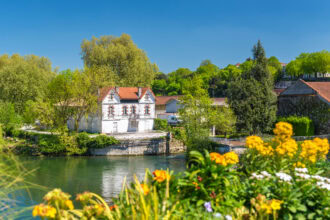
Bergerac is one of southwest France’s most charming riverside towns, offering visitors a combination of historic streets, famous vineyards, traditional French food and relaxing river experiences. Located on the banks of the Dordogne River in the Nouvelle-Aquitaine region, Bergerac is often overlooked in favour of larger destinations nearby, but those who spend time here discover a town with a strong identity and a slower, more authentic pace of life.
The town is internationally recognised because of Cyrano de Bergerac, the famous literary character with the oversized nose, but there is much more to Bergerac than its connection with a fictional swordsman. The surrounding countryside is home to rolling vineyards, beautiful villages, historic châteaux and some of the most attractive landscapes in the Dordogne, making it an excellent base for exploring the region.
A visit to Bergerac is about experiencing traditional France at a relaxed pace. The compact historic centre is perfect for walking, with half-timbered houses, cobbled lanes, pretty squares and riverside restaurants creating an atmosphere that encourages visitors to slow down and explore.
Unlike some of the busier tourist destinations in the Dordogne, Bergerac feels lived-in rather than purely designed for visitors. Locals still gather in the cafés, markets sell regional produce and small wine shops showcase bottles from the vineyards that surround the town.
The location also makes Bergerac a fantastic base for discovering the wider area. Within easy reach are Monbazillac Château, medieval villages, wine estates, Dordogne Valley landscapes and day trips towards Bordeaux and Saint-Émilion. Whether you are interested in food, history, wine, nature or simply enjoying a beautiful French town, Bergerac offers plenty to discover.
Wander Through Bergerac’s Historic Old Town
The best place to begin exploring Bergerac is the historic old town, where centuries of architecture, culture and local life come together in a compact area that is easy to discover on foot.
The centre is filled with beautiful medieval and Renaissance buildings, including the distinctive half-timbered houses that line the narrow streets. These traditional buildings, with their exposed wooden beams, colourful shutters and stone details, create the classic southwestern French atmosphere that many visitors hope to find.
One of the highlights of the old town is Place Pélissière, one of Bergerac’s most attractive squares. Surrounded by historic buildings, cafés and restaurants, it is a perfect place to stop for a coffee, enjoy a meal or simply watch everyday life unfold.
The square is also home to the Église Saint-Jacques, a historic church that has played an important role in Bergerac’s religious and cultural history. The church was connected with the medieval pilgrimage routes heading towards Santiago de Compostela, adding another layer of history to this part of the town.
As you wander through the streets around Rue de la Mirpe and Rue des Fontaines, you will discover small independent shops, local wine merchants and traditional restaurants. This is where Bergerac’s connection with the surrounding countryside becomes clear, with many businesses proudly showcasing products from the Dordogne region.
Food lovers should look out for local specialities including duck dishes, foie gras, walnuts, regional cheeses and Bergerac wines. The town’s restaurants offer the perfect opportunity to experience the flavours of the area after a morning exploring.
The charm of Bergerac’s old town comes from taking your time. Rather than rushing between attractions, allow yourself to walk the quieter lanes, discover hidden corners and enjoy the relaxed atmosphere that makes this part of France so special.
See hotel options and places to stay for your trip.
Browse hotelsExplore holiday homes and apartments for your trip.
See holiday homesCompare hotel deals from multiple booking sites in one search.
Compare pricesFollow the Legend of Cyrano de Bergerac
No visit to Bergerac is complete without discovering the story of Cyrano de Bergerac, the character who made the town famous around the world. The connection between the town and the famous swordsman is one of the most recognisable parts of Bergerac’s identity, although the real history behind it is more unusual than many visitors expect.
The original Hercule Savinien de Cyrano de Bergerac was a real 17th-century French writer and thinker, but he was not actually born in the town that carries his name. The romantic and adventurous figure most people recognise today was created by playwright Edmond Rostand in his 1897 play Cyrano de Bergerac.
Despite the fictional connection, the town has fully embraced the character, and visitors will find Cyrano statues, references and souvenirs throughout the historic centre. The most famous statue stands near Place Pélissière, where travellers regularly stop to take photographs with one of France’s most memorable literary figures.
Following the Cyrano trail through Bergerac is also a fun way to explore the town because it naturally takes visitors through some of the most attractive areas of the old centre. It provides an easy theme for discovering the streets, squares and historic buildings while learning about the character who became part of Bergerac’s modern identity.
For families visiting Bergerac, Cyrano adds an extra sense of adventure, turning a simple walk around town into a small treasure hunt for statues and stories. For adults, it offers an interesting example of how literature, history and tourism can combine to shape the personality of a destination.
Even visitors who know little about the play will quickly understand why Cyrano has become such an important symbol of Bergerac. The character may be fictional, but he has helped introduce generations of travellers to this beautiful corner of the Dordogne.
Cruise the Dordogne River on a Traditional Gabarre Boat
One of the most enjoyable ways to experience Bergerac is from the water with a traditional gabarre boat cruise along the Dordogne River. These distinctive flat-bottomed boats are closely connected with the history of the region, as they were once used to transport wine, timber and agricultural goods along the river.
The Dordogne River was essential to Bergerac’s development, allowing goods from the surrounding countryside to be transported towards larger trading centres. Today, the historic gabarres have been recreated for visitors, offering a relaxing way to understand the relationship between the town and the river.
Cruises normally depart from the Port de Bergerac, which is conveniently located close to the historic centre. This makes a river trip easy to combine with a day exploring the old town, visiting the markets or enjoying lunch at one of the nearby restaurants.
A typical gabarre boat trip lasts around 45 minutes to one hour, depending on the route and operator. During the journey, passengers can enjoy views of the Dordogne countryside, riverside landscapes and historic parts of Bergerac, while guides explain the importance of the river and the traditions that developed around it.
The cruises are particularly popular during the spring and summer months, when the riverbanks are green and the surrounding scenery is at its most attractive. The relaxed pace makes them suitable for families, couples, older travellers and anyone looking for a gentle sightseeing experience.
Tickets can usually be purchased from the departure point, although booking ahead during the peak summer season is recommended. A gabarre cruise is one of the best ways to see a different side of Bergerac and understand why the Dordogne River has shaped the town’s history, economy and culture for centuries.
Taste the Wines of the Bergerac Region
One of the biggest reasons travellers visit this part of France is to experience the Bergerac wine region, an area where centuries-old winemaking traditions, beautiful countryside and welcoming family vineyards combine to create a memorable experience.
While nearby Bordeaux often receives international attention, Bergerac offers a more relaxed and personal wine experience. The vineyards surrounding the town are smaller, many producers are family-run and visitors often have the chance to speak directly with the people who grow the grapes and make the wine.
The region produces a surprisingly wide variety of wines under the Bergerac appellation, including red wines, dry white wines, rosé wines and sweet dessert wines. The landscape around the Dordogne River creates ideal conditions for vineyards, with a mixture of sunny slopes, fertile soils and a mild climate helping local grape varieties thrive. Bergerac was among the first French wine appellations to be recognised, in 1936, and INAO’s official record of the Bergerac appellation sets out the grape varieties and production rules growers must follow.
The most famous wines from the area include Monbazillac, a luxurious sweet white wine that is often compared with Sauternes, and Pécharmant, a highly regarded red wine produced on the hills just outside Bergerac. Visitors can also discover Rosette, Saussignac and Côtes de Bergerac wines, each offering something different from the region’s vineyards.
Wine lovers should look out for traditional grape varieties including Merlot, Cabernet Sauvignon, Cabernet Franc, Sauvignon Blanc, Sémillon and Muscadelle. These grapes create wines that range from fresh and aromatic whites to rich reds and complex sweet wines that pair beautifully with local Dordogne cuisine.
One of the best ways to experience the region is by following the Bergerac Wine Route, which connects vineyards, villages and estates throughout the surrounding countryside. Having a car gives visitors the greatest flexibility, allowing stops at small producers where you can enjoy wine tastings, vineyard walks and cellar visits.
For those staying in Bergerac without a car, the Maison des Vins de Bergerac is an excellent starting point. Located close to the historic centre, it provides information about local producers, regional wines and organised tasting experiences.
A visit to Bergerac would not be complete without trying the local wines alongside regional food. The combination of Dordogne specialities, traditional restaurants and locally produced wine is one of the highlights of travelling through this part of France.

Visit Château de Monbazillac and Its Famous Vineyards
Rising above the vineyards south of Bergerac, Château de Monbazillac is one of the most impressive attractions in the region. Combining historic architecture, spectacular views and world-famous wine production, the château makes an excellent half-day trip from Bergerac.
The château dates back to the 16th century and has a unique appearance that blends medieval defensive features with Renaissance elegance. Unlike many castles that were built purely for protection, Monbazillac was designed as a comfortable residence while still retaining the impressive towers and fortified appearance associated with earlier medieval buildings.
The location is one of the château’s greatest attractions. From the terraces and gardens, visitors can enjoy panoramic views across the surrounding vineyards and the Dordogne Valley, with Bergerac visible in the distance on clear days. It is one of the best viewpoints near the town.
Inside the château, visitors can explore historic rooms, period furniture and exhibitions explaining the story of Monbazillac wine. The displays reveal how the estate developed over centuries and how the surrounding vineyards became famous for producing one of France’s best-known sweet white wines.
The château’s greatest attraction for many visitors is the opportunity to taste Monbazillac wine directly at the estate. Produced from grapes affected by noble rot, a natural process that concentrates the flavours and sugars, the wine has a distinctive richness that makes it popular as a dessert wine or accompaniment to local cheeses.
A visit is particularly enjoyable during the harvest season in autumn, when the surrounding vineyards are full of activity and the countryside takes on beautiful golden colours. However, the château is worth visiting throughout the year, especially for travellers interested in history, photography and French wine culture.
Château de Monbazillac is located around 15 minutes by car from Bergerac, making it one of the easiest excursions from the town. Visitors without their own vehicle may prefer joining a wine tour, hiring a taxi or arranging transport in advance, as public transport options are limited.
Combining Château de Monbazillac with a vineyard tasting and a countryside drive makes for one of the most memorable experiences available around Bergerac.
Explore the Musée du Tabac and Bergerac’s Unusual History
For a different perspective on the town’s past, visit the Musée du Tabac, one of Bergerac’s most unusual and distinctive museums. Located inside the beautiful Maison Peyrarède, a Renaissance mansion near the historic centre, the museum explores the long history of tobacco and its impact on societies around the world.
The museum goes far beyond simply explaining smoking. Instead, it tells the wider story of how tobacco travelled from the Americas to Europe, how it became part of international trade and how it influenced culture, agriculture and daily life over several centuries.
The collections include historic pipes, tobacco boxes, farming equipment, artwork and advertising materials, giving visitors an insight into how tobacco production developed and why it became such an important industry in different parts of the world.
The building itself is also a major attraction. Maison Peyrarède is one of Bergerac’s finest Renaissance buildings, and exploring the museum allows visitors to appreciate both the architecture and the historical collections housed within it.
Although tobacco may seem like an unusual subject for a museum, the attraction provides an interesting look at an important part of regional and global history. It is particularly worthwhile for visitors who enjoy smaller museums that reveal the hidden stories behind a destination.
The museum’s central location makes it easy to include during a walking tour of Bergerac. It can be combined with a visit to the old town, Cyrano statues, Place Pélissière and the riverside, making it a good option for a few hours of sightseeing.
The Musée du Tabac is also a useful choice on days when the weather is less favourable, providing an indoor activity while still offering a deeper understanding of the town’s heritage.
Relax at Lac de Pombonne
After exploring Bergerac’s historic streets and vineyards, Lac de Pombonne offers a peaceful natural escape close to the town centre. This attractive lakeside area is popular with families, walkers, cyclists and visitors looking for somewhere to relax outdoors.
Located just a short distance from Bergerac, Lac de Pombonne provides a completely different experience from the historic centre. Instead of medieval buildings and busy cafés, visitors find woodland paths, open green spaces, wildlife and a calm lake surrounded by countryside.
During the warmer months, the lake becomes a popular place for swimming, with a designated bathing area where visitors can cool off during hot summer days. It is particularly appealing for families staying in Bergerac, as children can enjoy the outdoor space while adults relax beside the water.
The area also offers opportunities for walking and gentle cycling, with paths around the lake providing an easy way to enjoy the landscape. The routes are suitable for most visitors and offer a chance to experience the natural side of the Dordogne without travelling far from town.
Lac de Pombonne is also a great place for a picnic, especially if you have picked up local products from Bergerac’s shops or markets. Enjoying regional cheese, bread, fruit and wine beside the lake is a simple but memorable way to experience the relaxed lifestyle of southwest France.
The lake can be reached by car, bicycle or taxi from central Bergerac, and it is close enough to combine with other attractions. Many visitors enjoy spending the morning exploring the old town before heading here in the afternoon for a slower pace.
For travellers staying several days in Bergerac, Lac de Pombonne is a reminder that the area is not just about history and wine, but also about enjoying the beautiful natural landscapes that make the Dordogne such a special region.
Search routes and flight options for your journey.
Search flightsUse an eSIM to get online without hunting for a local SIM after arrival.
See eSIM optionsBook a private airport transfer in advance and have your ride planned before you arrive.
Check transfersDiscover the Villages and Countryside Around Bergerac
While Bergerac itself offers plenty to see and do, one of the greatest pleasures of visiting this part of France is exploring the beautiful countryside that surrounds the town. The area around Bergerac is filled with traditional villages, vineyard landscapes, historic churches and quiet country roads, offering a glimpse of a slower side of French life.
The Dordogne countryside is ideal for travellers who enjoy exploring at their own pace. Hiring a car gives the greatest freedom, allowing you to stop at small villages, local markets, viewpoints and family-run producers that are often missed by visitors following the main tourist routes.
One of the most attractive nearby villages is Issigeac, located around 20 minutes south of Bergerac by car. This medieval village is famous for its circular layout, narrow streets, stone buildings and half-timbered houses. Unlike many planned medieval towns, Issigeac developed around an ancient abbey, creating a maze of lanes that are perfect for wandering.
The village is particularly popular on Sundays when the Issigeac market fills the streets with local producers selling cheese, wine, fruit, vegetables and regional specialities. It is one of the best places near Bergerac to experience the atmosphere of a traditional French market.
Another worthwhile stop is Limeuil, where the Dordogne and Vézère rivers meet. Although slightly further away, it offers one of the most beautiful village settings in the wider region, with stone houses climbing the hillside, riverside walks and spectacular views across the valley.
Closer to Bergerac, visitors can also explore Monbazillac village, where the famous château dominates the surrounding vineyards. The combination of wine estates, countryside views and historic buildings makes this one of the easiest and most rewarding excursions from the town.
Exploring these villages is where Bergerac really comes into its own. The destination is not just about individual attractions, but about experiencing the landscape, traditions and everyday life of the Dordogne region.
Take Day Trips from Bergerac to Dordogne Highlights
One of the biggest advantages of staying in Bergerac is its location. The town provides an excellent base for exploring some of the most famous attractions in the Dordogne and southwest France, while allowing visitors to return each evening to a quieter and more relaxed destination.
A popular day trip is Saint-Émilion, the world-famous wine village located around one hour from Bergerac by car. Known for its UNESCO World Heritage status, underground monuments, medieval streets and prestigious vineyards, Saint-Émilion offers a very different wine experience from Bergerac while still fitting naturally into a Dordogne itinerary.
Visitors can spend the day exploring the Monolithic Church, historic ramparts, wine shops and atmospheric lanes, while also enjoying tastings from the surrounding Bordeaux wine estates. It is particularly appealing for travellers who want to compare the Bergerac and Bordeaux wine regions during the same trip.
Another excellent excursion is Sarlat-la-Canéda, around one hour and fifteen minutes from Bergerac. Often considered one of the most beautiful towns in France, Sarlat is famous for its golden stone buildings, medieval streets and exceptional food scene. The town is especially enjoyable on market days when local producers fill the historic centre.
Nature lovers should consider exploring the Dordogne Valley, where dramatic cliffs, river landscapes and prehistoric sites create some of the region’s most memorable scenery. Attractions such as La Roque-Gageac, Beynac-et-Cazenac and the castles overlooking the river make this one of France’s most rewarding areas for a scenic drive.
For visitors who want a city experience, Bordeaux is also within reach, taking around one hour and fifteen minutes by car. The city offers a complete contrast to Bergerac with its grand architecture, museums, shopping streets and famous riverfront.
Because many of these destinations are spread across the countryside, a hire car is usually the easiest way to explore from Bergerac. However, organised tours are available during the busier months, and some destinations can be reached using regional buses or trains with careful planning.
Bergerac works so well as a base because it allows visitors to combine famous Dordogne attractions with the quieter pleasures of village life, vineyards and riverside scenery.
Getting Around Bergerac Without a Car
Although having a car provides the most flexibility for exploring the vineyards and countryside, Bergerac itself is a very easy town to explore without driving. The historic centre is compact, attractions are close together and many visitors find that walking is the best way to experience the town.
The main sights, including Place Pélissière, the Cyrano statues, the old town streets, the riverside and the Musée du Tabac, can all be reached on foot. The town’s relaxed atmosphere makes walking part of the experience rather than simply a way of getting between attractions.
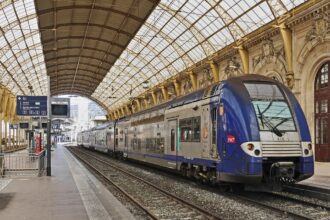
For visitors arriving by train, Bergerac railway station is located around a 15-minute walk from the historic centre. The station connects the town with destinations including Libourne and Bordeaux, making it possible to visit Bergerac as part of a wider rail journey through southwest France.
Local buses are operated by the Transports Urbains Bergeracois (TUB) network, run by the Communauté d’Agglomération Bergeracoise, providing connections around Bergerac and nearby communities. Travel on the network is free of charge. Services are more limited than in larger French cities, so visitors should check timetables in advance, especially outside peak tourist periods.
Cycling is another enjoyable way to explore the area. The relatively gentle countryside around Bergerac is suitable for leisure cycling, with routes passing through vineyards, villages and riverside landscapes. Several local businesses offer bike hire, and cycling can be a great option for visitors staying several days.
Taxis are available in Bergerac and are particularly useful for short journeys, airport transfers or reaching vineyards where public transport is limited. For travellers planning to visit several wineries, castles and villages, car hire remains the most convenient option.
The best transport choice depends on your plans. If you are mainly visiting the old town, river and local restaurants, you can easily manage without a car. If you want to explore the wider Bergerac wine region and Dordogne countryside, having your own vehicle will make your trip considerably easier.
Arriving at Bergerac Dordogne Périgord Airport
For visitors flying into the region, Bergerac Dordogne Périgord Airport provides a convenient gateway to the town and surrounding countryside. The airport is located around 5 kilometres southeast of Bergerac, making it one of the closest airports to a French wine region.
The airport mainly serves seasonal international routes, particularly from the United Kingdom and other European destinations. It is popular with visitors looking for access to the Dordogne, as well as homeowners and travellers heading to the many villages and rural areas surrounding Bergerac.
The journey from the airport to central Bergerac is short, usually taking around 10 to 15 minutes by car or taxi, depending on traffic and your final destination. Because of the airport’s small size, arriving is generally straightforward, with shorter walking distances than larger international airports.
Public transport options from the airport are more limited compared with major French airports. Some local bus services operate in the area, but schedules can be less frequent, particularly outside the summer season. Travellers arriving with luggage or late flights often find that a pre-booked taxi, airport transfer or hire car is the easiest solution.
Car hire is particularly useful for Bergerac because many of the region’s highlights are spread across the countryside. Having a vehicle allows visitors to reach vineyards, château estates, Dordogne villages and scenic viewpoints that are difficult to access by public transport.
For travellers staying only in Bergerac itself, a taxi transfer may be enough. However, if your itinerary includes Monbazillac, Saint-Émilion, Sarlat or the wider Dordogne Valley, hiring a car will give you much greater freedom.
Where to Stay in Bergerac
Choosing where to stay in Bergerac depends on the type of experience you want from your visit. The town is relatively compact, but each area offers something slightly different, from being close to historic streets and restaurants to enjoying the peace of the surrounding vineyards and countryside.
For first-time visitors, the best option is usually staying close to the historic centre of Bergerac. This allows you to explore the town on foot, with Place Pélissière, the Cyrano statues, riverside walks and traditional restaurants all within easy reach. Staying centrally means you can enjoy an evening meal, sample local wines and wander through the old streets without needing to worry about driving afterwards.
The area around the Dordogne River and the old port is particularly attractive for visitors who enjoy atmosphere. Here you are close to the water, with opportunities for riverside walks, boat trips and scenic views, while still being only a short walk from the main sights.
Travellers looking for a quieter stay may prefer the countryside surrounding Bergerac. The villages and vineyards outside the town offer guesthouses, chambres d’hôtes and rural properties surrounded by vineyards and farmland. These locations are ideal for visitors who want a more peaceful French countryside experience and are planning to explore by car.
The villages near Monbazillac are especially appealing for wine lovers, offering the chance to stay close to vineyards, château estates and countryside viewpoints. Waking up surrounded by vines is a very different experience from staying in the town centre and reflects the slower pace of life that attracts many visitors to the Dordogne.
Families may prefer accommodation with outdoor space, particularly during the warmer months. Rural properties around Bergerac often provide gardens, swimming pools and more space, making them a good choice for longer stays.
For visitors without a car, staying centrally is usually the most practical choice. Bergerac’s old town is walkable, and being close to shops, restaurants and transport connections makes the trip much easier. Those staying outside town should consider transport arrangements carefully, as many rural locations rely heavily on having a vehicle.
Enjoy Bergerac’s Food, Markets and Local Specialities
A visit to Bergerac is not complete without experiencing the food culture of the Dordogne region. Like much of southwest France, the area is famous for its connection between local produce, traditional cooking and regional wines, with many restaurants focusing on ingredients sourced from the surrounding countryside.
The town’s restaurants provide plenty of opportunities to try classic Dordogne specialities, including duck confit, foie gras, magret de canard, walnuts, cheeses and locally produced wines. These dishes reflect the agricultural traditions of the region, where farms, vineyards and markets have played an important role for generations.
One of the best places to experience local life is the Bergerac market, where producers sell fresh regional products including fruit, vegetables, cheese, meat, bread and wine. French markets are not just places to shop, but social spaces where locals meet, chat and enjoy the rhythm of everyday life.
The main market atmosphere is especially enjoyable for visitors who want to experience Bergerac beyond the major attractions. Picking up ingredients for a picnic, browsing local specialities or simply enjoying a coffee nearby provides a glimpse into the relaxed lifestyle of the town.
Wine naturally plays a major role in Bergerac’s food scene. Local restaurants often pair dishes with wines from nearby vineyards, allowing visitors to discover how well Bergerac reds, whites and sweet wines complement the flavours of the region.
For a memorable evening, consider choosing a restaurant in the historic centre or near the riverside, where you can enjoy dinner surrounded by traditional architecture. Many restaurants offer outdoor seating during the warmer months, creating the perfect setting for a long French meal.
Food lovers will also find plenty of opportunities to explore beyond restaurants, with vineyard tastings, farm shops and local producers offering authentic experiences throughout the countryside surrounding Bergerac.
Compare hostels and budget-friendly places to stay.
Browse hostelsAccess compensation support, eligible lounge benefits and faster payouts.
See the benefitsLeave your luggage somewhere convenient and explore hands-free.
View storageBest Time to Visit Bergerac
Bergerac can be enjoyed throughout the year, but the best time to visit depends on whether you are looking for warm weather, vineyard experiences, fewer crowds or seasonal events.
The most popular time to visit is during late spring and summer, particularly from May to September. During this period, the weather is ideal for exploring the old town, enjoying outdoor dining, taking river cruises and visiting vineyards. The countryside is green, attractions are fully open and there is a lively atmosphere throughout the region.
July and August are the busiest months, with more visitors arriving for holidays in the Dordogne. This is a great time for those who enjoy warm evenings, outdoor events and a vibrant atmosphere, but accommodation and popular attractions can become busier. Booking ahead is recommended, especially if you want to stay in the historic centre or near the vineyards.
For many travellers, September and early October are among the best months to visit Bergerac. The summer crowds begin to disappear, temperatures are still pleasant and the vineyards become particularly interesting during the grape harvest season. Wine estates are at their busiest, and visitors can experience the region during one of its most important annual traditions.
Spring is another excellent choice, with mild temperatures, blooming countryside and fewer tourists. It is a particularly good time for walking, cycling and exploring nearby villages before the peak summer season begins.
Winter is the quietest period, and some seasonal attractions may have reduced opening hours, but it offers a more authentic experience for travellers who prefer peaceful towns and uncrowded streets. The restaurants and wine shops remain welcoming, and the region’s historic atmosphere is still enjoyable.
Overall, Bergerac is best suited to travellers who appreciate slower-paced exploration, good food, wine and beautiful scenery. Choosing the right season simply depends on whether you prefer the energy of summer or the tranquillity of the quieter months.
Practical Tips for Visiting Bergerac
Bergerac is an easy destination to visit, but a little planning can make your trip much smoother. The town is compact and welcoming, yet many of the best experiences are located outside the centre, among the vineyards, villages and countryside of the Dordogne.
If you plan to explore beyond Bergerac, consider hiring a car. Many of the region’s highlights, including vineyards, château estates and small villages, are spread out, and public transport connections can be limited. A car gives you the freedom to create your own route and stop at places that are difficult to reach otherwise.
Within the town itself, walking is the best option. The historic centre is easy to explore on foot, and many attractions are close together. Comfortable shoes are recommended, as some streets feature uneven historic paving and cobbled sections.
Visitors should also allow time to enjoy Bergerac rather than trying to see everything quickly. The town is at its best when experienced slowly, whether that means sitting beside the Dordogne River, enjoying a long lunch, visiting a vineyard or wandering through the old streets in the evening.
Learning a few basic French phrases will also improve the experience. Although many people working in tourism speak some English, smaller restaurants, markets and family-run vineyards may be more comfortable communicating in French.
When visiting vineyards, it is worth checking opening times in advance. Many smaller producers welcome visitors but may operate by appointment, especially outside the main summer season.
Finally, remember that Bergerac is not just a place to tick off attractions. The appeal of the town comes from experiencing the combination of history, countryside, food, wine and relaxed French living that makes this corner of the Dordogne so memorable.

Rupert’s Handy Travel Tips
Heading to Bergerac? Here are a few useful tips to make your visit smoother:
- Stay central if you do not have a car: Bergerac’s historic centre is compact, so staying near the old town means you can easily reach restaurants, the riverfront and the main attractions on foot.
- Book vineyard visits ahead: Many smaller producers around Bergerac are family-run and may require appointments, especially outside the busy summer season.
- Allow time for the countryside: Some of the best experiences are outside the town, including Château de Monbazillac, local vineyards and traditional Dordogne villages.
- Try the local wines with regional food: Pair Bergerac wines, Monbazillac and Pécharmant with Dordogne specialities such as duck, cheese and walnuts for a true taste of the region.
Want to meet the reindeer behind our travel tips? Find out more in our page Who is Rupert?.




Frequently Asked Questions About Bergerac
Is Bergerac worth visiting?
Yes, Bergerac is well worth visiting, especially for travellers who enjoy historic towns, French food, wine and relaxed countryside experiences. While it does not have the scale of Bordeaux or the famous landmarks of larger French cities, its charm comes from its beautiful old town, riverside setting, vineyards and authentic atmosphere.
How many days do you need in Bergerac?
Most visitors find that two or three days is enough to experience Bergerac itself, including the old town, river cruise, local restaurants and wine experiences. If you want to explore nearby vineyards, villages and Dordogne attractions, staying four to five days makes a more relaxed itinerary.
What is Bergerac famous for?
Bergerac is famous for Cyrano de Bergerac, the fictional character created by Edmond Rostand, as well as its wine production and Dordogne River heritage. The surrounding area is particularly known for Monbazillac sweet wine, Pécharmant red wine and beautiful vineyard landscapes.
Can you visit Bergerac without a car?
Yes, you can visit Bergerac without a car if you mainly want to explore the historic centre, restaurants, riverfront and local attractions. However, a car is recommended if you want to discover the surrounding vineyards, villages and countryside, as public transport options are more limited outside the town.
What is the best time of year to visit Bergerac?
The best time to visit Bergerac is usually late spring, summer or early autumn. The months from May to September offer warm weather, outdoor dining and open attractions, while September and October are particularly enjoyable for visitors interested in vineyards and harvest season.
How do you get to Bergerac?
Bergerac can be reached by plane, train or car. The town has its own airport, while railway connections link Bergerac with destinations including Bordeaux and Libourne. Many visitors also include Bergerac as part of a wider Dordogne or southwest France road trip.
Is Bergerac a good base for exploring the Dordogne?
Yes, Bergerac makes a good base for exploring the region, particularly the southern Dordogne and nearby wine areas. From here, visitors can reach vineyards, medieval villages, château estates and scenic countryside, while returning each evening to a quieter riverside town.
Further Reading
Bergerac is a fantastic starting point for exploring more of southwest France, with easy connections to wine regions, historic towns, Atlantic coast destinations and scenic countryside.
Travellers exploring France by rail may find our Interrail France Guide useful when planning a wider journey through the country, while visitors combining Bergerac with a city break should also explore our guide to things to do in Bordeaux.
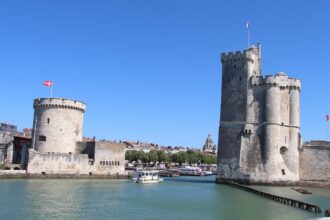
The surrounding region is full of destinations worth adding to your itinerary. The historic town of Cognac, the Atlantic port city of La Rochelle and the natural landscapes of the Landes de Gascogne all offer very different experiences within southwest France.
If you are travelling by train, our guide to the Carte Avantage travel card explains how visitors can potentially reduce the cost of French rail journeys. Staying connected while travelling is also important, particularly when exploring rural areas, so our eSIM Apps Guide can help you choose the best mobile data option for your trip.