Reviewed by our editorial team Updated
Why Twickenham Stadium Is Worth Planning Your Journey For
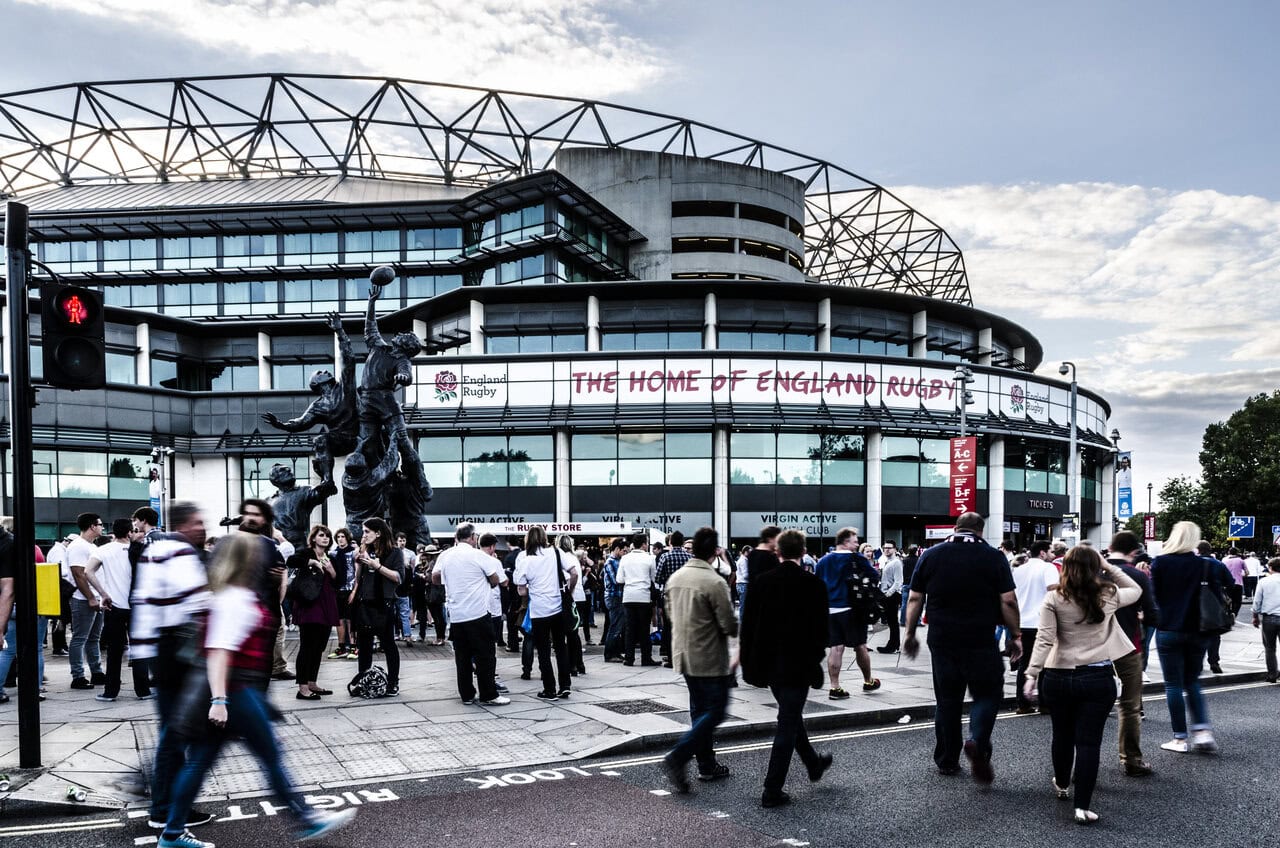
Twickenham Stadium is one of the most famous sporting venues in the world and the home of English rugby. Located in southwest London, the stadium welcomes hundreds of thousands of visitors every year for international rugby matches, club fixtures, concerts and major events, with the biggest crowds arriving for England rugby games.
Although Twickenham is within Greater London and has excellent public transport connections, planning your journey in advance is important, especially on match days. The surrounding roads become extremely busy, trains are crowded after full internationals, and local parking restrictions often operate when large events are taking place.
The stadium is located on Whitton Road, Twickenham, London TW2 7BA, and the main entrance areas are within easy walking distance of the town centre and local railway stations. The most popular way to arrive is by train to Twickenham Station, followed by a short walk to the stadium, although buses, taxis and driving are also possible depending on where you are travelling from.
For most visitors, the easiest approach is to avoid driving and use public transport, particularly for Six Nations matches, autumn internationals and sell-out events. Trains are usually increased around major fixtures, and the journey from central London is straightforward, with services running from stations including London Waterloo, Clapham Junction and Richmond.
The key to a smoother visit is allowing extra time. Even if your journey to Twickenham looks short on a map, large crowds can add significant time to the final part of your trip. Arriving early allows you to avoid queues, explore the area around the stadium and enjoy the atmosphere before kick-off.
London transport status
Live from Transport for London.
Powered by TfL Open Data
Live service status for the London Underground, DLR, London Overground, Elizabeth line, London Trams, river buses and the cable car, updated continuously from Transport for London.
Twickenham Stadium Location and Nearest Transport Connections
Twickenham Stadium sits in the heart of southwest London, around 10 miles from central London, making it accessible from across the capital and from further afield by rail. The stadium does not have its own Underground station, but it is well connected by the wider London transport network.
The closest and most convenient station is Twickenham railway station, which is approximately a 10-minute walk from the stadium. This is the station used by the majority of match-day visitors and provides direct trains from several important London transport hubs.
Twickenham Station is served by South Western Railway, with regular services connecting the area with London Waterloo, Clapham Junction, Richmond, Wimbledon and other destinations across southwest London and Surrey. On major event days, additional services are often arranged, although trains can become extremely crowded immediately after the final whistle.
Other nearby railway stations include St Margaret’s and Whitton, which can be useful alternatives if Twickenham Station is particularly busy. Both are within walking distance, although the journey is slightly longer. Some visitors also choose to travel via Richmond Station, which is connected to the London Underground District Line and London Overground network before continuing by bus, taxi or on foot.
Because Twickenham is located in a residential area, the final approach is usually on foot. Streets around the stadium become pedestrian-heavy before and after events, creating a lively atmosphere but also slowing down vehicles and buses.
If you are travelling for a major rugby match, it is worth checking your route before leaving because engineering works, planned closures or special event arrangements can affect normal services. Using a journey planner on the day and allowing extra time is always recommended.
Browse hotels and accommodation for your visit to London.
View staysBrowse apartments, homes and self-catering accommodation in London.
Browse rentalsSee hotel prices from multiple booking sites in one search.
Compare ratesGetting to Twickenham Stadium by Train
For most visitors, travelling by train is the easiest way to reach Twickenham Stadium. The combination of frequent services, a nearby station and no need to worry about match-day traffic makes rail the preferred option for many supporters.
The main route is from London Waterloo to Twickenham, with trains operated by South Western Railway. The journey normally takes around 30 minutes, with services running regularly throughout the day. Trains also connect Twickenham with Clapham Junction, which is one of London’s biggest interchange stations, allowing visitors from south London and national rail services to connect easily.
If you are travelling from west London, Richmond to Twickenham takes only around five minutes by train, while services from Wimbledon take around 25 minutes. This makes Twickenham accessible without travelling into central London first.
At Twickenham Station, the stadium is clearly signposted on event days, and the walk takes approximately 10 minutes. The route is generally straightforward, with large numbers of supporters heading in the same direction.
For tickets, visitors can use contactless bank cards, Apple Pay or Google Pay on many London-area rail journeys, making travel simple without needing to buy a paper ticket. Oyster cards are also accepted on eligible journeys. If you prefer to purchase tickets in advance, they can be bought through South Western Railway, National Rail or rail ticket apps.
After major matches, queues at Twickenham Station can be significant because thousands of people leave at the same time. A useful tip is to avoid rushing straight to the station after the match. Many supporters stay nearby for refreshments or walk slightly further away before joining the queue, which can make the return journey much easier.
Getting to Twickenham Stadium by London Underground and Bus Connections
Although Twickenham Stadium does not have a dedicated Underground station, visitors can combine the Tube with buses, trains or walking routes to reach the stadium.
The most useful Underground connection is Richmond Station, which is served by the District Line and London Overground. From Richmond, you can either take a short train journey to Twickenham, walk for around 30 minutes, or continue by local bus. Richmond is also a popular place for visitors to stay before or after matches because it has a wide choice of restaurants, pubs and riverside areas.
Another option is travelling via Hounslow East or Hounslow Central on the Piccadilly Line. From there, local buses connect towards Twickenham, although this route is generally less convenient than using the train from central London.
Local buses are operated by Transport for London, and services around Twickenham increase in importance on event days. Routes serving the area include services such as the 33, 290, 490, H22 and R70, connecting Twickenham with Richmond, Hounslow, Kingston and surrounding neighbourhoods.
London buses accept contactless payments, Oyster cards and travelcards, and you do not need to buy a separate ticket before boarding. Simply touch in when entering the bus.
Buses can be useful for shorter journeys around southwest London, but they are more affected by traffic congestion than trains. On busy match days, a journey that normally takes 15 minutes can take considerably longer, so the train is usually the better option for visitors travelling from further away.
If you are staying nearby, buses can be a convenient way to avoid the busiest station queues after an event, particularly if you are travelling a short distance rather than heading back into central London.
Getting to Twickenham Stadium by Taxi or Ride Hailing
For visitors who prefer a more direct journey, taxis and ride-hailing services can be a convenient way to reach Twickenham Stadium, particularly if you are travelling with children, carrying bags, or arriving from a location that is not well connected by public transport. However, it is important to understand that match days are one of the busiest times to travel by road in the area, and journey times can vary significantly.
Licensed London black cabs can take passengers directly towards Twickenham Stadium, although on major event days there may be temporary traffic restrictions and designated drop-off areas. Drivers are familiar with the stadium and the surrounding roads, but they may need to stop slightly away from the entrances because Whitton Road and nearby streets can become heavily congested before kick-off and immediately after events finish.
Ride-hailing services such as Uber and other app-based providers are also available in the Twickenham area. These can be useful if you are travelling from nearby areas such as Richmond, Kingston, Hounslow or central London, but prices often increase when demand is high. After a major rugby match, thousands of people leave the stadium at the same time, meaning availability can be limited and waiting times can increase.
If you are booking a taxi or ride-hailing vehicle after an event, a good strategy is to walk away from the immediate stadium area before requesting your car. Moving towards Twickenham town centre or one of the nearby main roads can make it easier for drivers to reach you and can reduce delays caused by pedestrian traffic.
From central London, a taxi to Twickenham can take around 45 minutes to an hour, depending on traffic, while journeys from nearby areas are much quicker. From Heathrow Airport, a taxi is often one of the simplest options, with a typical journey time of around 30 to 45 minutes, although traffic around west London can affect the journey.
For groups, taxis can sometimes represent good value when the cost is shared, especially compared with buying multiple rail tickets. However, for the biggest rugby fixtures, the train is usually quicker and more predictable than travelling by road.
Driving to Twickenham Stadium
Driving to Twickenham Stadium is possible, but it is generally the option that requires the most planning. The stadium is located in a busy residential part of southwest London, and roads around Twickenham become extremely congested during major events.
The main road connections are from the M3, M4 and A316, making the stadium accessible from Surrey, west London and areas further afield. From the M3, drivers typically approach via the A316 towards Richmond and Twickenham, while those arriving from the west can use the M4 before connecting through the local road network.
The challenge is not usually reaching Twickenham itself, but the final part of the journey. On large match days, traffic can build up several miles away, and journeys that would normally take 20 minutes can take much longer. Local parking restrictions are also common during major events, with residents’ parking zones and temporary traffic arrangements introduced to manage crowds.
If you do decide to drive, pre-booking parking is strongly recommended. Official stadium parking spaces are limited and often sell out for major fixtures, while nearby private parking spaces may also be available through parking reservation services.
Another option is to park further away and complete the final part of the journey by public transport or on foot. This can often be faster than attempting to park close to the stadium and then leaving with thousands of other visitors at the same time.
For families or groups travelling from outside London, driving may still be the most practical option, particularly if you are arriving early, staying overnight nearby or attending an event that is less busy than an England rugby international.
Parking Near Twickenham Stadium
Finding parking near Twickenham Stadium requires more planning than simply arriving and looking for a space. During major rugby matches and large events, parking close to the stadium is in very high demand, and many surrounding streets operate restrictions to protect local residents.
The stadium offers official parking options for certain events, but spaces are limited and usually need to be booked in advance. Availability depends on the event, with major England rugby fixtures typically selling out quickly.
Visitors who prefer to drive can also look at private parking spaces, local car parks and pre-booked parking services. These options can sometimes provide better value than official parking, but it is important to check the walking distance carefully. A space that appears close on a map may still involve a 15 to 30-minute walk because of road closures and pedestrian-only areas around the stadium.
Many experienced visitors choose to park away from the immediate stadium area and walk or use public transport for the final section. This can make leaving after the event much easier because the biggest delays usually happen when thousands of vehicles attempt to leave the same roads at once.
If you are staying overnight, consider choosing accommodation with parking outside the busiest zone and using public transport for match day. Areas such as Richmond, Kingston, Hounslow and parts of west London can provide easier parking options while keeping you within easy reach of the stadium.
Before travelling, always check the event information provided by Twickenham Stadium because parking arrangements, road closures and traffic systems can change depending on the size and type of event taking place.
Getting to Twickenham Stadium from London Airports
Twickenham Stadium is reasonably accessible from London’s airports, making it possible for visitors travelling from across the UK and overseas to attend rugby matches and events. The best route depends on which airport you arrive at, your arrival time and whether you prioritise speed, cost or convenience.
Heathrow Airport is the closest major airport to Twickenham, located around 8 miles away. A taxi journey usually takes around 30 to 45 minutes, although west London traffic can make the journey longer at busy times. Public transport is also possible, with options involving local buses, the Underground and rail connections. Many visitors choose to travel via Richmond or Hounslow, depending on their final destination.
From Gatwick Airport, the easiest public transport route is usually by train. Services run from Gatwick to Clapham Junction, where you can change onto a South Western Railway service towards Twickenham. The overall journey normally takes around one hour, making it a practical option for visitors arriving from further south.
Travelling from Stansted Airport or Luton Airport generally involves crossing London, with routes using rail connections into central London before continuing towards southwest London. These journeys take longer, so allowing extra time is important, especially if you are travelling for a match with a fixed kick-off time.
For visitors arriving with luggage or travelling in a group, an airport transfer can be a comfortable alternative. A pre-booked transfer removes the need to navigate multiple connections, although public transport will usually be cheaper.
Whatever airport you arrive at, it is worth checking your route before travelling because London transport works, delays and event-day crowds can all affect journey times. Planning your final connection to Twickenham in advance will help you arrive relaxed rather than rushing before the event begins.
Compare routes and fares for your journey to London.
Compare flightsUse an eSIM to get online without hunting for a local SIM after arrival.
See eSIM optionsCheck private pickup options and plan your onward journey before arrival.
View transfersTravelling to Twickenham Stadium from Central London
For visitors staying in central London, Twickenham Stadium is surprisingly easy to reach, with regular train services providing the quickest and most reliable connection. Although the stadium is outside the traditional tourist centre, you can usually reach it in around 30 to 45 minutes from central London, depending on where you start.
The most convenient route for many visitors is from London Waterloo to Twickenham by train. Services operated by South Western Railway run frequently throughout the day, with the journey normally taking around 30 minutes. Once you arrive at Twickenham Station, the stadium is approximately a 10-minute walk away, with clear signs and large crowds heading towards the venue on major event days.
If you are travelling from other parts of central London, your best route will often involve connecting through Waterloo, Clapham Junction or Richmond. Clapham Junction is particularly useful because it connects with many rail services from across London and southern England, allowing visitors to avoid travelling into central London first.
From London Victoria, one option is to travel by Underground towards Richmond before connecting by train or bus. Richmond is served by the District Line and London Overground, making it a useful interchange point for visitors staying in west London.
From Paddington, visitors can use the Elizabeth Line or Underground connections towards west London before continuing by rail. The exact route depends on the time of day and engineering works, so checking live travel information before leaving is recommended.
If you are travelling for an England rugby match or another sell-out event, allow extra time for the final part of your journey. Even when the train itself is quick, station queues, pedestrian congestion and security checks around the stadium can add extra time.
A useful tip for visitors combining Twickenham with sightseeing is to avoid heading back into central London immediately after the event. The busiest period is usually the first 30 to 60 minutes after the final whistle, when thousands of supporters leave at once.
Where to Stay Near Twickenham Stadium
Choosing where to stay can make a big difference to your Twickenham experience, especially if you are travelling for a major rugby match. While some visitors choose to stay in central London and travel out on the day, staying closer to the stadium can make the journey much more relaxed.
Twickenham itself is the closest option, allowing visitors to walk to the stadium and avoid the busiest transport connections. The area has restaurants, pubs and shops, creating a lively atmosphere before and after major fixtures.
Nearby Richmond is one of the best places to stay if you want a combination of convenience and a more enjoyable visitor experience. Richmond offers a wide choice of restaurants, riverside walks and traditional pubs, while still being only a few minutes away from Twickenham by train. It also has excellent connections into central London via the District Line and London Overground.
Kingston upon Thames is another practical option, particularly for visitors who prefer a larger town with more accommodation choices. It has good bus connections towards Twickenham and is popular with visitors who want to explore southwest London.
For travellers arriving through Heathrow Airport, Hounslow can be a convenient base, especially if you have an early flight the following day. It provides easier airport access while still allowing relatively straightforward travel to Twickenham.
Staying in central London is also perfectly possible and may be preferable if you are combining the match with sightseeing, theatre or restaurants. Areas around Waterloo, Westminster, Victoria and South Bank offer excellent transport connections, although you should expect a longer journey back after an event.
When booking accommodation for major fixtures, it is worth reserving early. Hotels around Twickenham and Richmond can fill quickly for Six Nations matches, Rugby World Cup fixtures and major concerts, with prices often increasing as the event date approaches.
Match Day Tips for Visiting Twickenham Stadium
A visit to Twickenham Stadium is about more than just the match itself. The atmosphere around the stadium is a major part of the experience, but large crowds mean a little preparation goes a long way.
The biggest piece of advice is to arrive earlier than you think you need to. For major international matches, arriving 60 to 90 minutes before kick-off gives you time to navigate crowds, find your entrance, visit facilities and enjoy the build-up before the teams arrive.
Transport is usually busiest immediately before the match and directly afterwards. If you are travelling by train, try to avoid arriving at Twickenham Station at the last possible moment. The station handles large crowds efficiently, but queues can form when thousands of supporters arrive within a short period.
After the match, many visitors make the mistake of rushing straight to the station. If you have time, consider staying nearby for food or a drink, or walking away from the immediate stadium area before beginning your journey home. This can make the return trip significantly easier.
Before travelling, download useful transport apps and check for any service changes. TfL Go, National Rail and South Western Railway apps can provide live updates, although match-day arrangements are usually well signposted around the stadium.
If you are bringing bags, check the stadium rules before arriving because large bags may not be permitted. Travelling with only what you need will make security checks quicker and your journey more comfortable.
The area around Twickenham becomes very busy on event days, so it is also worth planning simple details such as where you will meet your group, where you will eat afterwards and which station you will use for your return journey.
With a little preparation, getting to Twickenham can be a smooth part of the experience rather than something to worry about.
Combining a Twickenham Visit with London Sightseeing
Many visitors travelling to Twickenham are not only attending a match but are also using the opportunity to enjoy a weekend in London. The stadium’s location in southwest London makes it easy to combine rugby with some of the capital’s best attractions.
If you stay around Richmond, you can enjoy one of London’s most attractive riverside areas before or after your visit. Richmond Park, historic streets, riverside walks and traditional pubs make it a pleasant alternative to staying in the centre of London.
Visitors staying in central London can easily combine Twickenham with popular attractions during the rest of their trip. Areas such as Westminster, South Bank, Covent Garden and the City of London are all well connected by public transport, allowing you to enjoy sightseeing before travelling out to the stadium.
For rugby fans, a visit to Twickenham can also include a trip to the World Rugby Museum, located inside the stadium. The museum explores the history of rugby union and includes exhibits covering famous matches, players and the development of the sport.
If you have additional time in southwest London, nearby attractions such as Hampton Court Palace, Kew Gardens and Richmond Park provide excellent options away from the busiest tourist areas.
Planning your accommodation and transport together can make the experience much easier. Staying near a well-connected station means you can enjoy London during the day and still reach Twickenham without complicated journeys.
Whether you are visiting for England rugby, a concert or simply exploring one of London’s most famous sporting venues, Twickenham works well as part of a wider London trip.
Accessibility and Visiting Twickenham Stadium
Twickenham Stadium is designed to welcome a wide range of visitors, with facilities available for guests with accessibility requirements. If you are planning to attend a rugby match, concert or other event, it is recommended to check the specific arrangements for your event before travelling because access procedures can vary depending on the size and type of event.
The stadium provides accessible seating areas, step-free routes and dedicated assistance facilities, with staff available to help visitors who require additional support. If you need accessible seating or have specific requirements, booking in advance is strongly recommended because these areas can be limited and are often requested early for major fixtures.
Travelling to the stadium by public transport is possible for visitors with accessibility needs, although planning the final part of the journey is important. Twickenham Station has step-free access, but visitors should check current station information before travelling because facilities can change due to maintenance or operational arrangements.
London buses can also be useful because many services are operated with low-floor accessible vehicles, and all London buses accept contactless payment and Oyster cards. If travelling from central London, combining accessible Underground routes with accessible rail services may be possible, but the simplest route will depend on your starting point.
For visitors arriving by taxi, it is worth arranging drop-off details in advance for major events. Roads immediately around the stadium can become restricted, meaning vehicles may need to stop slightly further away than usual. Allowing extra time for the final walk to the entrance is recommended.
The stadium team can provide guidance on accessibility facilities, assistance dogs, mobility requirements and entry arrangements. Planning ahead means you can focus on enjoying the atmosphere rather than worrying about the practical details of your journey.
What to Eat and Drink Around Twickenham Stadium
A visit to Twickenham is often as much about the atmosphere before and after the event as it is about the match itself. The area around the stadium has plenty of places to eat and drink, from traditional pubs popular with rugby supporters to restaurants and cafés in Twickenham town centre.
Twickenham High Street and the surrounding streets are the main areas for food and drink, with a good choice of pubs, casual restaurants and places to meet before heading to the stadium. On major match days, these venues become extremely busy, so booking a table in advance is advisable if you are planning to eat before kick-off.
Many rugby fans also head towards Richmond before or after matches. Richmond has a larger selection of restaurants, riverside venues and pubs, while still being only a short train journey from Twickenham. It is a popular choice for groups who want somewhere to continue the day after leaving the stadium.
Inside Twickenham Stadium, visitors will find a wide range of food and drink options, including match-day concessions and hospitality facilities. Prices are generally higher than local venues, so some visitors prefer to eat beforehand and only buy refreshments inside.
If you are attending an evening event, planning your return journey is worthwhile because many local venues become crowded immediately after the event finishes. Booking a restaurant away from the stadium area can also be a good way to avoid the busiest transport period.
For visitors staying overnight, choosing accommodation near Twickenham or Richmond gives you the advantage of being able to enjoy the local atmosphere without needing to travel immediately after the final whistle.

Rupert’s Handy Travel Tips
Heading to Twickenham Stadium for a rugby match or event? Here are a few useful tips to make your visit smoother:
- Take the train where possible: Twickenham Station is the easiest option for most visitors and is only around a 10-minute walk from the stadium.
- Allow extra time on match days: England internationals and major events attract huge crowds, so arriving 60 to 90 minutes before kick-off will make your journey much less stressful.
- Plan your journey home: The biggest queues often happen after the final whistle, so consider staying locally for food or a drink before travelling back.
- Check transport updates before travelling: Engineering works, road closures and special event arrangements can affect the quickest route to the stadium. Check Transport for London for live travel updates.
Want to meet the reindeer behind our travel tips? Find out more in our page Who is Rupert?.




Frequently Asked Questions
What is the easiest way to get to Twickenham Stadium?
The easiest way to reach Twickenham Stadium is usually by train to Twickenham Station, which is around a 10-minute walk from the stadium. Services from London Waterloo, Clapham Junction and Richmond make it simple to reach from across London.
Which train station is closest to Twickenham Stadium?
Twickenham Station is the closest main railway station and is the most popular option for visitors. The stadium is approximately a 10-minute walk away, with clear signs and event-day staff helping direct supporters.
Does Twickenham Stadium have an Underground station?
No, Twickenham Stadium does not have its own Underground station. The nearest Underground connection is Richmond Station, which is served by the District Line and London Overground before connecting by train, bus or walking.
Can I use Oyster or contactless at Twickenham Station?
Yes, eligible rail journeys to Twickenham can be made using Oyster cards and contactless payment, including bank cards, Apple Pay and Google Pay.
How early should I arrive at Twickenham Stadium?
For major rugby matches, arriving 60 to 90 minutes before kick-off is recommended. This allows time for transport delays, security checks, finding your seat and enjoying the pre-match atmosphere.
Is parking available at Twickenham Stadium?
Parking is available for some events, but spaces are limited and usually need to be booked in advance. Driving is not normally the quickest option on major match days because of congestion and road restrictions.
Further Reading
If you are planning a visit to Twickenham Stadium, our other UK sporting venue guides can help you plan your journey to some of the country’s biggest events. You can also explore our wider London travel guides, including how to get around the capital, where to stay and how to stay connected during your trip.
For more stadium travel advice, read our guides to getting to Wembley Stadium, getting to the Principality Stadium, getting to Murrayfield Stadium, and our other guides covering major UK sporting venues.
If you are visiting London for an event, our weekend in London guide covers where to stay, what to see and how to make the most of a short city break. Our London Underground guide explains how to use the Tube, including tickets, contactless payment and tips for navigating the capital.
To stay connected while travelling, discover our guide to the best eSIM apps for travel, helping you find affordable mobile data options for London and beyond.