Reviewed by our editorial team Updated
Planning Your Journey to Juventus Stadium
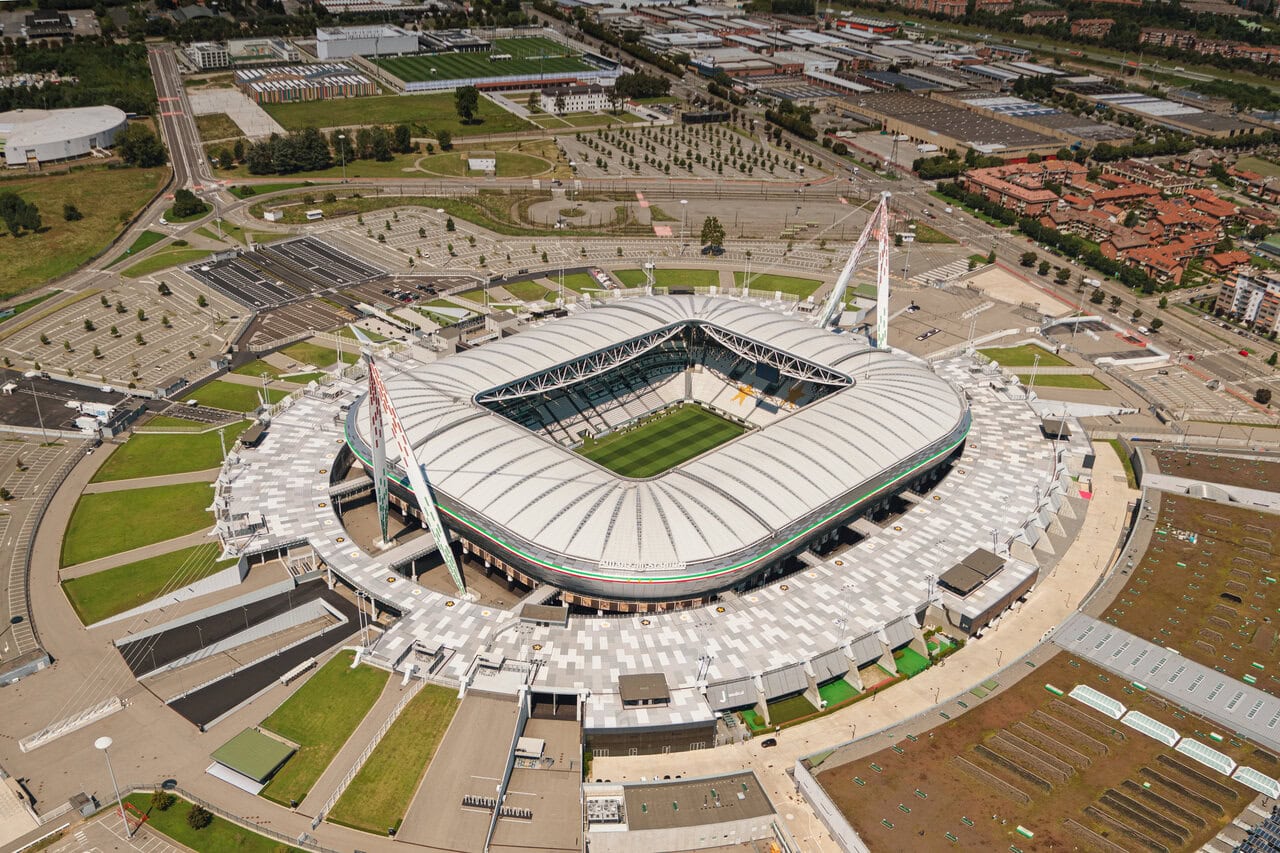
Getting to Juventus Stadium is genuinely more straightforward than its distance from the city centre might initially suggest, though it does require a little more planning than simply strolling to a ground located right in the heart of town. Officially known today as the Allianz Stadium, the ground sits in the Continassa district north of central Turin, roughly seven kilometres from Porta Nuova, and is served by a genuine mix of metro, tram, bus, train and taxi options depending on your starting point and whether you are travelling on a matchday.
Unlike stadiums built directly into a city’s historic core, Juventus Stadium was purpose built in 2011 on the site of the old Stadio delle Alpi, sitting just south of Turin’s Tangenziale ring road in a district that has grown up specifically around the club’s modern facilities. This guide covers every genuine route from the city’s main transport hubs, the airport, and the surrounding area, along with practical advice on matchday crowds, parking, and what to do before kick off.
Whether you’re a visiting supporter here for a single Serie A fixture, a Champions League night, or simply keen to tour the stadium and museum outside matchday hours entirely, the transport options genuinely differ depending on your exact circumstances. Matchdays bring dedicated tram services and considerably heavier crowds, while a quiet weekday tour visit can be reached comfortably using the same routes locals use every day.
This guide breaks down every option from Porta Nuova, Porta Susa, Turin Airport, and the wider city, along with genuine advice on timing your journey so you arrive with time to spare rather than rushing through the turnstiles as kick off approaches.
Stadium Information at a Glance
Before working through each transport option in detail, it genuinely helps to see how Juventus Stadium’s key facts and journey options compare at a glance. The stadium sits considerably further from the city centre than many of Turin’s other major attractions, so understanding the basics before you travel genuinely makes a difference to how smoothly your matchday actually goes from start to finish.
Journey times below are given from Turin’s two main railway stations, Porta Nuova and Porta Susa, both of which connect directly onto the city’s metro line and provide the most common starting point for visiting supporters staying centrally in the city. Times will naturally vary depending on matchday crowding, time of day, and which specific transport option you choose for the final stretch of the journey.
It is worth noting that the stadium’s official capacity and specific transport arrangements can shift slightly for major European nights compared with a routine domestic league fixture, since crowd management and dedicated tram services tend to scale up for the biggest matches on the calendar. Checking the club’s official matchday information before major fixtures specifically is always a genuinely sensible precaution, particularly if you are travelling from outside Turin and building your whole day around kick off.
Use this table as a quick reference before reading the dedicated sections further down this guide, each of which goes into considerably more detail on routes, costs, and the genuine practicalities of getting to and from the stadium on both matchdays and quieter non matchday visits for a stadium tour.
| Route | Journey Time | Best Option |
|---|---|---|
| Porta Nuova → Stadium (matchday) | ~20-25 minutes | Metro to Bernini + tram 9 |
| Porta Susa → Stadium (matchday) | ~15-20 minutes | Metro to Bernini + tram 9, or direct regional train |
| Porta Susa → Stadium (direct train) | ~14 minutes | Regional train to Venaria Reale Rigola Stadio |
| City centre → Stadium (non-matchday) | ~30-40 minutes | Bus 72 or 72b |
| Bernini → Stadium (non-matchday) | ~15-20 minutes | Bus 62 |
| Turin Airport → Stadium | ~25-35 minutes | Taxi, or train to Porta Susa + connection |
| Central Turin → Stadium by taxi | ~15-20 minutes | Taxi or ride-hailing app |
Compare hotels and other places to stay in Turin.
Check availabilityExplore holiday homes and apartments around Turin.
See holiday homesCompare prices for Turin hotels across multiple booking sites.
Check dealsTravelling from Turin Porta Nuova
Torino Porta Nuova is the city’s principal railway station and the most likely starting point for visiting supporters arriving in Turin by train from elsewhere in Italy or Europe. Getting from here to Juventus Stadium genuinely involves a short connection rather than a direct service, but the route is well established and easy to follow once you know the steps.
The most straightforward option is to take the metro from Porta Nuova station towards Fermi, alighting at Bernini station, the closest metro stop to the stadium. From Bernini, the final stretch depends on whether you are travelling on a matchday or not. On matchdays, a dedicated tram service, line 9, connects Bernini directly to the stadium in around fifteen minutes, typically beginning operation roughly two hours before kick off specifically to handle matchday crowds. Outside matchdays, bus 62 covers a similar route from Bernini, taking around fifteen to twenty minutes depending on traffic.
Alternatively, bus 72 runs a more direct route from central Turin, including stops close to Porta Nuova, all the way to the Stadio stop near the ground, though the journey takes considerably longer at around thirty to forty minutes given the number of intermediate stops along the way. This option suits visitors who would rather avoid changing between metro and tram or bus partway through the journey.
For those wanting to avoid public transport altogether, a taxi from Porta Nuova to the stadium typically takes around fifteen to twenty minutes outside matchday traffic, costing roughly fifteen to twenty euros depending on the exact drop off point and time of day. Given the crowds a major fixture brings, however, public transport options genuinely tend to be quicker and more predictable than a taxi once kick off approaches.
Reaching the Stadium from Porta Susa
Torino Porta Susa is Turin’s other major railway hub, particularly important for anyone arriving from Turin Airport, France, or high speed services from Milan and beyond, and it genuinely offers one of the quickest routes to Juventus Stadium of any station in the city. Given its slightly more northern position relative to Porta Nuova, several supporters actually find Porta Susa genuinely the more convenient starting point for matchday travel out to the ground.
The metro connection works exactly the same way as from Porta Nuova, with services running towards Fermi and Bernini station acting as the closest stop to the stadium, from where the matchday tram or non matchday bus 62 covers the final stretch. However, Porta Susa also offers a genuinely underused alternative worth knowing about: a direct regional train service running every thirty minutes from Torino Porta Susa to Venaria Reale Rigola Stadio, a dedicated stop serving the stadium directly, with the journey itself taking only around fourteen minutes.
This regional train option is particularly useful outside peak matchday crowding, since it avoids the need to change between metro and tram or bus entirely, delivering you close to the stadium in a single, short hop. It is worth checking the current timetable before relying on this route exclusively, however, since services run every half hour rather than continuously throughout the day.
For visitors staying near Porta Susa specifically, bus 72 also picks up from stops close to Piazza XVIII Dicembre directly outside the station, offering a familiar bus route straight through to the Stadio stop for those who prefer a single continuous journey over changing between different modes of transport partway through their trip out to the ground itself.
Airport Connections from Turin Airport
Turin Airport, officially Aeroporto di Torino, sits north west of the city and offers a genuinely reasonable connection to Juventus Stadium for visiting supporters flying in specifically for a match, though the journey does involve changing transport at least once along the way. Given the airport’s position relative to the stadium, some routes actually turn out considerably more direct than you might initially expect on first glance.
The most straightforward approach is to take the train from Caselle Aeroporto station, located directly beside the terminal, into Torino Porta Susa, a journey of around thirty minutes on regular services throughout the day. From Porta Susa, follow the routes covered in the previous section, either the metro to Bernini followed by the matchday tram or bus, or the genuinely useful direct regional train to Venaria Reale Rigola Stadio covered earlier in this guide.
For travellers arriving with significant luggage or on a tight schedule before kick off, a taxi directly from the airport to the stadium is also an option, bypassing central Turin entirely given the stadium’s northern location relative to the city centre. This route typically takes around twenty five to thirty five minutes depending on traffic conditions and avoids the need to navigate connections through the city’s public transport network altogether.
Given that most visiting supporters will want to drop luggage at accommodation before heading to the match, however, routing via Porta Susa or Porta Nuova first genuinely makes more practical sense for the majority of matchday visitors, even if a direct airport to stadium taxi is technically the faster option on paper for those arriving with genuinely no other stops planned along the way that day.
Using Turin’s Tram Network
Turin’s tram network genuinely plays a starring role in getting supporters to and from Juventus Stadium, particularly on matchdays when a dedicated service is laid on specifically to handle the crowds. Understanding how this system works before you travel makes a genuine difference to how smoothly your journey to the ground actually goes.
On matchdays, tram line 9 becomes the essential final link in the journey, connecting Bernini metro station directly to the stadium in around fifteen minutes. This dedicated service typically begins operating roughly two hours before kick off, giving supporters a reasonably generous window to make their way out from the city centre without needing to rush. Given the volume of fans using this specific service on big match nights, arriving at Bernini with some time to spare before boarding is genuinely worth doing rather than cutting things fine.
Outside matchday hours, the regular tram and bus network across Turin operates on its normal schedule, and reaching the stadium for a tour or museum visit simply means using the standard bus 62 or bus 72 services covered elsewhere in this guide, both of which run considerably more frequently than the dedicated matchday tram but take a little longer given they follow standard, less specialised routes through the city.
After the final whistle, expect the return journey on tram line 9 to be considerably busier and slower than the outbound trip, since a full stadium’s worth of supporters are all trying to reach the same limited number of trams simultaneously. Many experienced matchgoers build in a genuine buffer of thirty minutes or so after the match before heading to the tram stop, allowing the initial crush of departing fans to thin out before making their own way back towards the city centre.
Local Bus Services Explained
Beyond the dedicated matchday tram, Turin’s regular bus network offers several genuinely reliable ways to reach Juventus Stadium, particularly useful outside the specific matchday windows when tram line 9 is actually running, or for visitors who simply prefer buses to navigating a metro and tram connection together.
Bus 72, and its variant 72b, run from central Turin, with useful boarding points near Piazza XVIII Dicembre close to Porta Susa, all the way out to the Stadio stop near the ground. This route takes considerably longer than the tram connection from Bernini, typically around thirty to forty minutes depending on traffic conditions, but it offers the genuine advantage of a single continuous journey without needing to change onto a different mode of transport partway through the trip.
Bus 62 provides the more direct link from Bernini metro station specifically, covering a similar route to the matchday tram in a broadly comparable timeframe outside the dedicated tram’s operating window. This service runs throughout the day on a regular schedule, making it a genuinely useful option for stadium tours, museum visits, or any trip to the ground that falls entirely outside actual matchday hours.
Regardless of which bus route you choose, it is worth downloading a local transport app or checking current timetables before travelling, since bus frequencies and exact stop locations can shift periodically as Turin’s transport authority adjusts routes. Tickets for buses work on the same system as the metro and tram network, generally sold through vending machines, tobacconists, or transport apps, and should be validated on boarding to avoid any issues with ticket inspectors during your journey out to the stadium and back into the city afterwards.
Taking a Taxi or Private Transfer
Taking a taxi or booking a private transfer offers the most direct, hassle free way of reaching Juventus Stadium, particularly appealing for supporters travelling in a group, arriving with luggage, or simply wanting to avoid navigating public transport connections entirely on matchday.
From central Turin, including both Porta Nuova and Porta Susa, a taxi typically takes around fifteen to twenty minutes outside heavy traffic, with fares generally running to roughly fifteen to twenty euros depending on your exact starting point and the time of day. Official taxi ranks are available at both railway stations and throughout the city centre, and app based ride hailing services also operate in Turin for those who prefer to book through their phone rather than hailing a cab on the street.
On matchdays specifically, it is genuinely worth factoring in considerably heavier traffic around the stadium itself as kick off approaches, since a large number of supporters arriving by car and taxi simultaneously can slow the final approach roads noticeably. Booking a taxi with some buffer time before kick off, or simply allowing extra time compared with a quiet non matchday visit, is a sensible precaution for anyone relying on this option specifically for a big fixture.
After the match, taxis can also become considerably harder to find quickly given the sheer volume of departing supporters all looking for a ride at once, and pre booking a return taxi in advance, where the option is available, can save a genuinely frustrating wait standing outside the stadium alongside thousands of other fans. For matches where the stadium is likely to be at full capacity, public transport options covered earlier in this guide often prove more predictable than trying to secure a taxi immediately after the final whistle.
Search flights and useful route combinations for your trip.
View flightsChoose an Airalo eSIM and arrange mobile data before you arrive.
Browse eSIMsHave a private airport pickup arranged before you travel.
Book a transferDriving and Parking on Matchdays
Driving to Juventus Stadium is a genuinely realistic option for visitors with their own car, particularly given the stadium’s position just south of Turin’s Tangenziale ring road, which makes it relatively easy to reach from outside the city without navigating through the more congested historic centre first.
From the ring road, the exit signposted for Venaria provides direct access towards the stadium area, and dedicated car parks are available around the ground specifically for matchday use. Given the volume of traffic converging on the stadium before a big fixture, arriving with a genuine buffer of an hour or more before kick off is strongly recommended, since the immediate approach roads and car park entrances can back up considerably as capacity crowds arrive within a similar narrow window before the match begins.
Parking arrangements and pricing can vary depending on the specific fixture, with bigger European nights and high profile domestic matches typically seeing more official parking capacity in use, alongside considerably tighter local traffic management around the stadium itself. Checking the club’s official matchday guidance for parking information specific to your fixture is genuinely worth doing in advance, since arrangements are not always identical between a routine league match and a major European night.
After the match, expect the surrounding road network to remain heavily congested for a considerable period as thousands of vehicles attempt to leave the area simultaneously, and many experienced matchgoers factor in a genuine wait of thirty minutes or more before traffic clears sufficiently to make a comfortable exit. For supporters without a pressing reason to drive specifically, the public transport and taxi options covered elsewhere in this guide often prove considerably less stressful on matchdays overall.
Walking the Final Stretch
Once you have made your way out to the general Continassa area, whether by tram, bus, train, taxi or car, the final stretch to the stadium itself is genuinely straightforward to walk, and doing so on foot is often the easiest way to navigate the last few hundred metres, particularly on matchdays when vehicle access closer to the ground becomes considerably more restricted anyway.
From the Bernini tram and bus stops specifically, the walk to the stadium takes only a few minutes, with clear signage and, on matchdays, a genuinely obvious flow of fellow supporters all heading in the same direction to guide you the rest of the way without much need to check a map. The route is flat and well paved throughout, making it manageable for supporters of all ages and mobility levels without any particular difficulty along the way.
For visitors arriving by the direct regional train to Venaria Reale Rigola Stadio, the walk from the station to the stadium entrance is similarly short and straightforward, taking only a few minutes on a clearly marked path connecting the platform to the stadium concourse itself.
On matchdays, following the crowd genuinely becomes the simplest navigation strategy of all, since the sheer volume of fellow supporters walking the same route towards the turnstiles makes it almost impossible to lose your way, even for first time visitors unfamiliar with the specific layout of the Continassa district. Just be sure to allow enough time before kick off for this final walking stretch, since security checks and ticket scanning at the turnstiles themselves can add a further wait, particularly for capacity crowds attending a high profile fixture.
Stadium Tours and the Juventus Museum
Beyond matchdays, Juventus Stadium is also open for guided tours and museum visits throughout the week, giving supporters the chance to properly experience the ground without the crowds and time pressure of an actual fixture. Reaching the stadium for a tour uses the same routes covered earlier in this guide, though without the added complication of matchday crowding or the dedicated tram service, which only operates around actual fixtures specifically.
Guided tours take visitors through areas normally off limits to the public on matchdays, including the players’ tunnel, the dressing rooms, and pitchside access that genuinely conveys the scale of the ground far better than watching from the stands ever could. Tours typically run at scheduled times throughout the week and last around an hour, with an audio guide available in multiple languages for visitors preferring to explore certain sections at their own pace rather than sticking rigidly to a group.
Adjacent to the stadium, the J-Museum covers the club’s history since its founding in 1897 in considerable depth, including a genuinely impressive trophy room reflecting Juventus’s status as one of Italy’s most decorated football clubs. Interactive displays, historic match footage, and memorabilia bring the club’s story to life for supporters and casual visitors alike, and most visitors find combining the museum with a stadium tour on the same trip makes the most sense given how closely the two experiences complement each other.
Given that tours and museum visits run on a considerably calmer schedule than matchday itself, booking in advance is generally straightforward, though checking the official Juventus Museum and Stadium Tour page for current opening times and availability before travelling is still worth doing, particularly around major holidays or when the stadium hosts other events beyond regular football fixtures.
Food and Drink Before the Match
Given the stadium’s location a genuine distance outside Turin’s historic centre, thinking ahead about food and drink before a match is genuinely worth doing, since the immediate Continassa area around the ground is considerably more limited in options compared with the city centre itself, where Turin’s famous café and restaurant culture is concentrated.
Many supporters choose to eat properly in central Turin before travelling out, taking advantage of the city’s genuinely excellent café and restaurant scene covered in our wider Turin city guide, then heading to the stadium with enough time to arrive comfortably before kick off. This approach also avoids the inevitable queues at any food outlets closer to the ground once a large crowd of supporters converges on the same limited number of stalls in a narrow window before the match.
Around the stadium itself, official matchday catering typically covers the basics, snacks, sandwiches, and drinks, sold from kiosks within the stadium concourse and immediate surrounding area, though the range and quality tends towards convenience food suited to a quick pre match bite rather than a proper sit down meal. For supporters wanting something more substantial, arriving with extra time before kick off to explore whatever food options exist immediately around the ground is genuinely a sensible approach given the limited alternatives available once inside.
Alcohol availability around football stadiums in Italy is generally more restricted than some visitors from other countries might expect, with specific rules varying by fixture and often tightening further for high profile or historically tense matches, so it is genuinely worth checking current regulations rather than assuming the same rules apply to every single game on the calendar throughout the season.
Hotels Close to the Stadium
Most visiting supporters genuinely choose to stay in central Turin rather than immediately around Juventus Stadium itself, and for good reason, since the wider Continassa district is primarily built around the stadium and its associated facilities rather than functioning as a proper hotel or hospitality neighbourhood in its own right.
Staying near Porta Nuova or Porta Susa puts you within easy reach of both major railway stations, the wider historic centre covered in our Turin city guide, and the transport connections needed to reach the stadium on matchday, whether by metro, tram, bus or taxi. This approach also means your accommodation remains genuinely useful for exploring the rest of Turin on days when there is no match to attend, rather than being tied specifically to stadium proximity alone.
A small number of hotels do exist closer to the stadium itself, generally aimed at business travellers or supporters specifically prioritising a short walk on matchday over easy access to the rest of the city, though the surrounding area offers considerably less in the way of restaurants, bars, and general amenities compared with staying centrally. For most visitors, the modest extra travel time from a central hotel is genuinely a worthwhile trade off for the wider range of accommodation, dining and sightseeing options available.
If your trip to Turin is built entirely around a single match, particularly a late kick off with an early flight the following morning, it may still be worth checking availability closer to the stadium specifically, since the shorter journey back to your room after a night match can be a genuine convenience worth the trade off in location for that particular type of trip.

Rupert’s Handy Travel Tips
Matchday at Juventus Stadium runs smoother with a bit of planning, so here’s what’s worth knowing.
- Try the direct regional train from Porta Susa: it’s a genuinely underused route straight to Venaria Reale Rigola Stadio in around fourteen minutes.
- Arrive at Bernini with time to spare: tram line 9 only starts running around two hours before kick off, and it gets busy fast.
- Eat in the city centre first: food options right around the stadium are limited, so a proper meal in Turin beforehand is worth the extra time.
- Build in a buffer after the match: both the tram and the roads around the stadium get considerably busier for thirty minutes or so after the final whistle.
- Book stadium tours separately from matchday visits: tours run on a calmer weekday schedule and use the same routes without any of the crowding.
Want to meet the reindeer behind our travel tips? Find out more in our page Who is Rupert?.



Frequently Asked Questions
What is the closest metro stop to Juventus Stadium?
Bernini station on Turin’s metro line 1 is the closest stop, from where a matchday tram or regular bus covers the final stretch to the ground.
Is there a direct train to Juventus Stadium?
Yes, a regional train runs every thirty minutes from Torino Porta Susa to Venaria Reale Rigola Stadio, a dedicated stop close to the stadium, taking around fourteen minutes.
How do I get to the stadium on matchday?
Take the metro to Bernini station, then tram line 9, which runs a dedicated matchday service starting around two hours before kick off.
How much does a taxi to Juventus Stadium cost?
From central Turin, expect to pay roughly fifteen to twenty euros for a journey of around fifteen to twenty minutes outside matchday traffic.
Can I get to the stadium from Turin Airport?
Yes, either by taxi directly, taking around twenty five to thirty five minutes, or by train to Porta Susa followed by the metro and tram connection.
Is it easy to drive to Juventus Stadium?
Yes, the stadium sits just off Turin’s Tangenziale ring road at the Venaria exit, with dedicated matchday parking, though arriving at least an hour before kick off is recommended.
Can I visit the stadium and museum without a match on?
Yes, guided tours and the J-Museum run throughout the week outside matchday hours, using the same transport routes without any of the crowding.
Further Reading
If Juventus Stadium is just one part of your trip to Turin, our Things to Do in Turin guide covers the Egyptian Museum, Mole Antonelliana and every other essential city sight in detail, and our Best Day Trips from Turin guide rounds up the best excursions into Piedmont and the wider region if you have extra days to spare. If you’re planning to visit several museums and royal residences, our Torino + Piemonte Card guide explains whether the official city pass is worth buying.
Arriving by air, our Turin Airport to Turin City Centre guide covers every transfer option in detail, and if the mountains are also part of your trip, our Turin Airport to Ski Resorts guide explains the best routes from the terminal.
If you’re travelling on from Turin elsewhere in Italy, our Trenitalia Pass guide explains how to book a set number of high speed journeys, and our Italia in Tour Pass guide covers a regional alternative for slower, more flexible travel.