Reviewed by our editorial team Updated
Explore the Best of The Hague
The Hague (Den Haag to the Dutch) rarely gets the same instant name recognition as Amsterdam, and that is precisely what makes it such a rewarding place to visit. This is the Netherlands’ seat of government and the International City of Peace and Justice, home to the International Court of Justice and dozens of embassies, yet it sits just a short tram ride from a genuine North Sea beach resort at Scheveningen. Few European capitals-in-all-but-name pack this much contrast into one compact city: grand seventeenth-century architecture around a lake in the city centre, a working royal palace, a miniature version of the entire country, and a beachfront promenade with a pier stretching out over the waves.
This guide covers everything a visitor needs to plan a day, a weekend, or longer in The Hague. We start with the Mauritshuis, the small but world-famous museum that holds Vermeer’s Girl with a Pearl Earring, then move through the Peace Palace and the Binnenhof, the medieval complex at the heart of Dutch politics. We cover Scheveningen’s beach and pier, the miniature city of Madurodam, and a run of excellent smaller museums that most first-time visitors never hear about, from the panoramic painting at Panorama Mesdag to the mind-bending world of Escher in Het Paleis. We also cover where to shop, where the genuine hidden gems are, and how to decide what to prioritise if your time is limited.
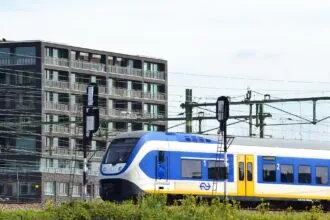
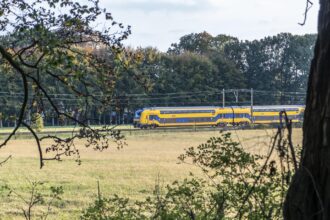
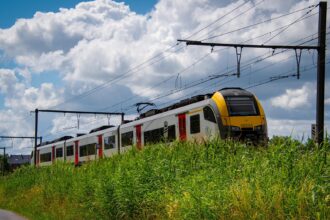
The Hague works well both as a standalone city break and as a day trip from Amsterdam or Rotterdam, thanks to fast, frequent NS intercity trains connecting all three. If you are basing yourself in Amsterdam for a wider Dutch trip, our Things to Do in Amsterdam guide and Day Trips from Amsterdam guide are the natural companions to this one. If you would rather explore The Hague as a base and branch out from there, our companion guide to Day Trips from The Hague covers excursions to Delft, Leiden and beyond.
Most of what is covered below sits within easy walking distance or a short tram ride of Den Haag Centraal or Den Haag HS (Hollands Spoor) stations, and the city’s HTM tram and bus network makes hopping between the historic centre, the museum quarter and the coast at Scheveningen straightforward. Expect to need a minimum of a full day to see the headline sights properly, and two to three days if you want to include the smaller museums, the beach, and some genuine off-the-beaten-path exploring.
A note on pricing throughout this guide: Dutch museums generally offer free entry to under-19s and discounts for students and Museumkaart (Museum Card) holders, and most now strongly encourage or require booking tickets online in advance for a specific time slot. Prices below are indicative for 2026 and are worth double-checking on the official websites before you travel, since several venues adjust admission fees annually.
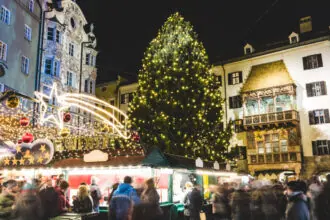
The best time to visit depends on what you want from the trip. Late spring through early autumn brings the most reliable weather for Scheveningen beach and the outdoor gardens, but it also means the busiest queues at the Mauritshuis and Madurodam. Visiting in the shoulder seasons of April-May or September-October gives a good balance: mild enough for the beach and the Haagse Bos, but noticeably quieter at the major museums, and April-May is also the only realistic window to catch the Japanese garden at Clingendael in bloom. Winter visits trade the beach for cosy museum days and shorter queues almost everywhere, plus the chance to see the city’s small Christmas markets around the Passage and Grote Markt.
| Attraction | Time Needed | Admission | Best For |
|---|---|---|---|
| Mauritshuis | 1.5-2 hours | Adults approx. €21; under-19s free | Vermeer, Rembrandt and Dutch Golden Age art |
| Peace Palace | 1-1.5 hours (Visitors Centre) | Free entry, donations welcome | International law, history and architecture |
| International Criminal Court | 1-2 hours (hearing dependent) | Free; public gallery access when court is in session | Watching a real international trial |
| Binnenhof & Dutch Parliament | 45 minutes–1.5 hours with tour | Courtyard free; ProDemos guided tours from around €12 | Dutch politics and medieval architecture |
| Scheveningen Beach & Pier | Half a day | Free (rides/activities extra) | Beach time, sea views, families |
| Madurodam | 2.5-3 hours | Adults approx. €22.50-24.50; children approx. €17.50-19.50 | Families and first-time visitors to the Netherlands |
| Panorama Mesdag | 30-45 minutes | Adults approx. €16 | A unique, immersive 19th-century artwork |
| Escher in Het Paleis | 1-1.5 hours | Adults approx. €12-15 | Optical illusions and a royal-palace setting |
| Kunstmuseum Den Haag | 1.5-2 hours | Adults approx. €18-20 (more with special exhibitions) | Mondrian, modern art and fashion |
| Louwman Museum | 1.5-2 hours | Adults approx. €20 | Car enthusiasts and design fans |
| Museon-Omniversum | 1.5-2.5 hours | Adults approx. €18-22 depending on combination | Families, science and planetarium shows |
| Grote Kerk & Zeeheldenkwartier | 1 hour | Tower climb approx. €7.50; church entry often free | City views and a laid-back local neighbourhood |
| Gevangenpoort (Prison Gate Museum) | 1 hour (guided tour only) | Adults approx. €10.50 | Medieval justice, torture chamber history |
| Noordeinde Palace & Paleistuin | 30-45 minutes | Free (exterior and garden; palace not open to public) | Royal history and a quiet city garden |
| Shopping (Passage, Grote Marktstraat, Noordeinde) | 2-3 hours | Free to browse | Fashion, antiques, and Dutch design |
| Hidden gems (Clingendael, Haagse Bos, Bosjes van Poot) | 1-3 hours | Mostly free | Escaping the crowds and green space |
Discover The Hague from the Water on a Canal Cruise
While Amsterdam is famous for its canals, The Hague also has an extensive network of waterways that reveal a completely different side of the city. A 90-minute guided canal cruise is one of the most relaxing ways to explore, taking you past elegant neighbourhoods, historic quaysides and quieter residential districts that many visitors never see on foot.
Departing from Bierkade in the city centre, the comfortable sightseeing boat glides through canals lined with historic buildings while your knowledgeable guide shares stories about The Hague’s history, politics and everyday life. Rather than focusing solely on famous landmarks, the cruise explores the city’s contrasting neighbourhoods, explaining how The Hague developed from a medieval settlement into the international city of Peace and Justice.
Along the way you’ll discover areas ranging from grand diplomatic districts to traditional working-class neighbourhoods, giving you a broader understanding of the city beyond the government buildings and museums. A complimentary bottle of water is included, making the leisurely cruise even more enjoyable during warmer weather.
With its informative commentary and unique perspective, this canal cruise is an excellent introduction to The Hague and one of the city’s most underrated sightseeing experiences.
Best if you want daily housekeeping and a front desk. Filter by area first, then by price.
Check availabilityBest for groups who want one address and separate bedrooms rather than three hotel rooms.
See holiday homesBest for double-checking. Runs the same The Hague search across several booking sites so you are not leaving money behind.
Compare pricesRide the Historic Hop-On Hop-Off Heritage Tram
One of the most enjoyable ways to explore The Hague is aboard the Historic Hop-on Hop-off Heritage Tram. Instead of modern sightseeing buses, you’ll travel on beautifully restored 65-year-old Dutch trams, combining convenient transport with a fascinating glimpse into the city’s public transport history.
Your ticket provides unlimited travel throughout the day, allowing you to hop on and off at 16 stops around the city. The route links many of The Hague’s biggest attractions, including the Binnenhof, Peace Palace, Madurodam, Scheveningen Beach, the elegant Kurhaus, Central Station, the World Forum and the city centre shopping district.
Trams operate approximately every 30 minutes between 10:15 am and 4:45 pm, making it easy to create your own sightseeing itinerary. A multilingual audio guide available in ten languages explains the history of the attractions and neighbourhoods as you travel, helping you understand the city while moving comfortably between sights.
For visitors wanting to see a lot without walking long distances, the Heritage Tram is one of the best-value sightseeing experiences in The Hague and an excellent way to combine transport with sightseeing.
Mauritshuis: Vermeer, Rembrandt and the Girl with a Pearl Earring
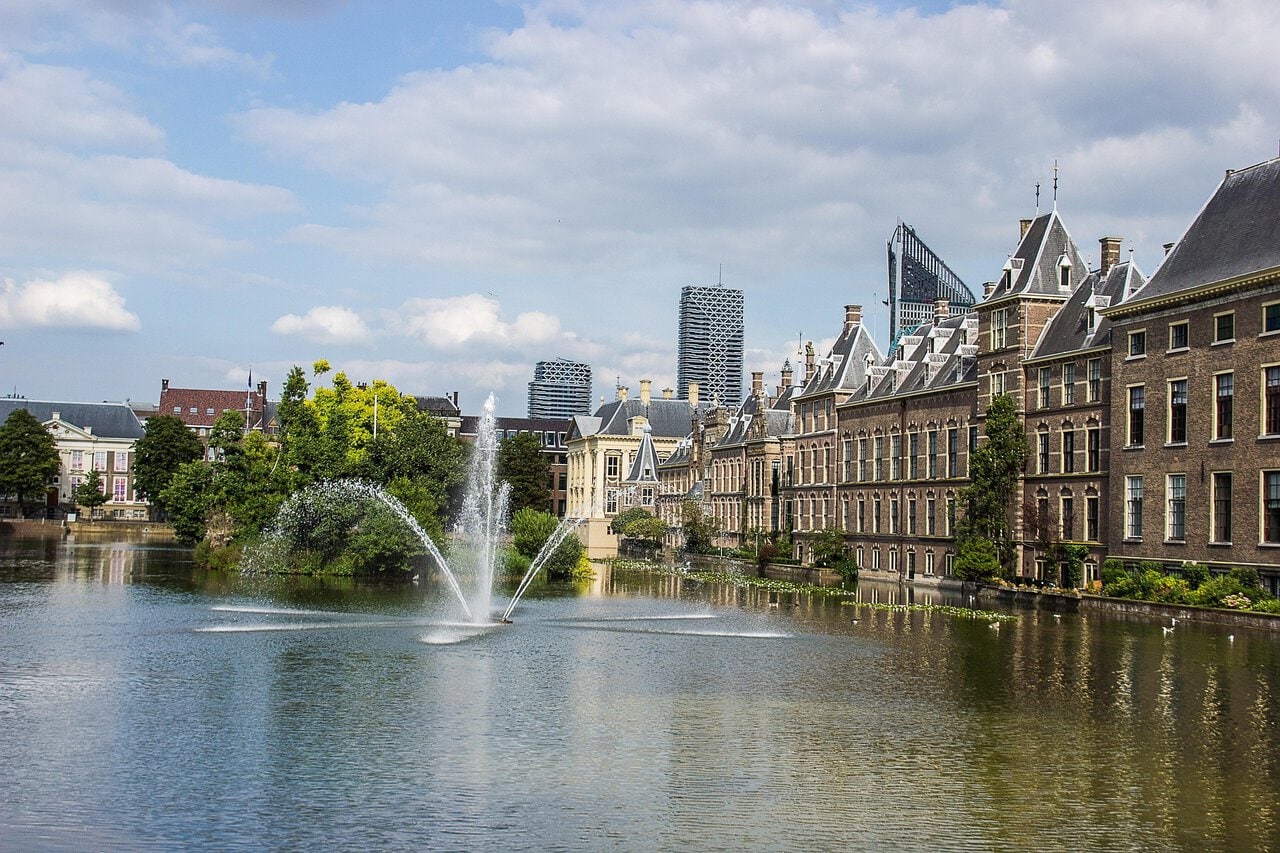
The Mauritshuis is a small seventeenth-century townhouse on the Hofvijver, the ornamental lake right in the centre of The Hague, and it is disproportionately famous for its size. This is where Johannes Vermeer’s Girl with a Pearl Earring hangs, alongside his View of Delft, and where Rembrandt’s The Anatomy Lesson of Dr Nicolaes Tulp and Self-Portrait are on permanent display. The whole collection can be seen in under two hours, which makes it one of the most efficient world-class museum visits in Europe: you are not wading through endless wings to find the highlights, because the highlights are more or less the entire building.
The museum is open Tuesday to Sunday from 10am to 6pm, and Monday from 1pm to 6pm, with last entry 30 minutes before closing. Standard adult admission is around €21, with visitors under 19 admitted free and students paying a reduced rate of roughly €13.50. A combination ticket covering the neighbouring Prince William V Gallery, the oldest surviving picture gallery in the Netherlands, costs around €24 and is worth it if you enjoy seeing Golden Age paintings displayed the way they were originally hung, floor to ceiling.
Because the museum is compact, it gets busy, especially around Girl with a Pearl Earring itself. Booking a timed-entry ticket online in advance is strongly recommended, particularly for weekend and school-holiday visits. Arriving right at opening or in the final ninety minutes before closing tends to mean smaller crowds around the star paintings.
The Mauritshuis sits directly opposite the Binnenhof across the Hofvijver, so it pairs naturally with a walk around the government quarter. The café inside has views over the water and is a pleasant stop even if you are not visiting the collection that day.
Peace Palace: The Heart of International Law
The Peace Palace (Vredespaleis) is one of the most significant buildings in the world for international law, even though most visitors know surprisingly little about what actually happens inside it. Built between 1907 and 1913 with funding from Scottish-American industrialist Andrew Carnegie, the neo-Renaissance palace today houses the International Court of Justice (the principal judicial organ of the United Nations), the Permanent Court of Arbitration, the Hague Academy of International Law, and the Peace Palace Library. It is where states bring disputes against one another and where some of the most consequential rulings in modern international relations are handed down.
Ordinary visitors cannot simply walk into the working court building, but the Peace Palace Visitors Centre, located just outside the palace gates, gives a genuinely excellent introduction. It combines a modern exhibition with a 35-to-40-minute film and an audio tour available in ten languages, covering the palace’s founding, its role during both World Wars, and the cases the Court has heard. Entry to the Visitors Centre is free, though donations are appreciated. It is open Tuesday to Sunday (and also Mondays in August) from 10am to 5pm, with reduced winter hours of 11am to 4pm from November to March, and it closes on major Dutch public holidays.
If you want to see inside the actual palace, that requires a separately booked guided tour, which typically runs at weekends and needs to be reserved well in advance, since group sizes are limited and the building remains a working court. Even without a full interior tour, the palace grounds, the rose garden, and the ornate main gate (a gift from the German Kaiser, ironically, given what followed) are worth the short tram ride out to the Sportlaan / Vredespaleis stop north-west of the centre.
Combine a Peace Palace visit with the walk out towards Scheveningen, since the two are roughly midway between each other and connected by tram, making it easy to see both in one outing.
International Criminal Court and the International Zone
It is easy to confuse the Peace Palace with the International Criminal Court (ICC), but they are two entirely separate institutions doing very different jobs. The Peace Palace houses the International Court of Justice, which settles legal disputes between states, while the ICC, based in a striking modern building on Oude Waalsdorperweg near the coast, prosecutes individuals for war crimes, crimes against humanity and genocide. The Hague’s role as host to both, alongside Europol’s headquarters and the international tribunals that dealt with the former Yugoslavia, is why the city markets itself as the International City of Peace and Justice.
What makes the ICC genuinely worth knowing about for visitors is that it is one of the few international courts in the world where the public can simply walk in and watch a real hearing. Visitors are welcome Monday to Friday from 9am to 4.30pm, entry is free, and no advance registration is required to sit in the public gallery when a hearing is in session, although the minimum age to attend is 16 and it is worth checking the ICC’s website beforehand for the day’s schedule and any current identification requirements, since these can change.
The ICC sits a little further out than most other attractions in this guide, in the same coastal district as the Louwman Museum, so it works best as part of a trip that also covers that side of the city rather than as a standalone city-centre stop. Even if you do not attend a hearing, the building itself, with its long horizontal glass facade, is a striking piece of contemporary architecture and a useful counterpoint to the historic government buildings in the centre.
Visit the Oranjehotel National Monument
One of the most moving historical sites in the Netherlands is the Nationaal Monument Oranjehotel, the former Nazi prison where thousands of Dutch resistance fighters, political prisoners and ordinary citizens were imprisoned during the Second World War.
Located in Scheveningen, the prison became infamous during the German occupation. More than 25,000 prisoners passed through its cells, while hundreds were sentenced to death. Today the preserved prison serves as a powerful memorial, telling the personal stories of those who were incarcerated here through photographs, original documents, interviews and multimedia presentations.
The emotional highlight of the visit is Cell 601, the notorious death cell where prisoners spent their final hours before execution. Throughout the museum you’ll hear stories of courage, sacrifice, hope and resistance, helping visitors understand the human impact of the occupation on individuals and their families.
Admission includes an excellent multilingual audio guide, allowing you to explore at your own pace while learning about one of the darkest chapters in Dutch history. Although this is not an easy visit emotionally, it is an important and unforgettable experience for anyone interested in European history or the Second World War.
Binnenhof and the Dutch Parliament
The Binnenhof is the medieval castle complex that has functioned as the seat of Dutch government since the 13th century, making it one of the oldest continuously used parliament buildings in the world. At its centre stands the Ridderzaal (Hall of Knights), a Gothic hall with a distinctive stepped roofline that is instantly recognisable from postcards of the city, and which is used for the King’s Speech (Prinsjesdag) on the third Tuesday of September each year, when the monarch arrives by golden carriage to open the parliamentary year.
One important, current thing to know before you visit: the Binnenhof has been undergoing a major renovation since 2021, and as of 2026 this is running significantly behind its original schedule, with completion now not expected until around 2031. The Dutch House of Representatives has temporarily relocated to a building on Bezuidenhoutseweg near Den Haag Centraal station, and much of the historic Binnenhof site is a construction zone. This means the interior tours that ProDemos (the organisation running educational visits to Dutch democracy) offers currently focus on the temporary House of Representatives building rather than the historic Ridderzaal itself.
The good news is that the Binnenhof’s courtyard remains accessible to walk through and photograph for free, hoardings and cranes notwithstanding, and the exterior views across the Hofvijver towards the complex are still one of the most attractive city views in the Netherlands. ProDemos also runs its own visitor centre on Hofweg with exhibitions on how Dutch democracy works, which is well suited to families and school groups. If seeing the interior of the historic Binnenhof specifically matters to you, check the ProDemos website close to your travel date, since access changes as the renovation progresses.
Even in its current construction state, this is still one of the most photographed spots in the city, and it is a five-minute walk from the Mauritshuis, making it easy to combine both in a single morning.
Best if you can move a day either way. Shows how the fare to The Hague changes across the month.
Compare flightsBest if you want maps and messaging working the moment you switch your phone on.
See eSIM plansBest after a long flight or a late landing. Price agreed before you travel, and no taxi queue.
Check transfersScheveningen Beach and Pier
Scheveningen is what genuinely sets The Hague apart from every other major Dutch city: a proper North Sea beach resort, complete with a wide sandy beach, a boulevard lined with cafés and beach clubs, and a pier stretching 350 metres out over the water. It is reachable from the city centre in around 20-25 minutes by tram (lines 1 and 9 both run there), which means you can genuinely combine a morning of museums in the centre with an afternoon at the seaside on the same day.
De Pier Scheveningen, rebuilt and reopened in its current form in 2015 after decades of a more run-down predecessor, has a glass skywalk section over the sea, a 60-metre-high Ferris wheel (the Ferris Wheel of The Hague) with views along the entire coastline on a clear day, a small amusement area, and a bungee jump for anyone wanting a more adrenaline-fuelled visit. Walking the pier itself is free; the wheel and other activities are paid extras, typically a few euros each.
Scheveningen harbour, a short walk or tram ride north of the main beach, is still a working fishing port and a good spot for fresh seafood, particularly the local speciality of raw or lightly salted herring (haring) sold from harbour-side stalls. The Scheveningen lighthouse and the small Muzee Scheveningen museum, which covers the town’s fishing history, are both nearby if you want more context on the area beyond the beach itself.
In summer, expect Scheveningen to be genuinely busy, Dutch-beach-town busy, with beach clubs charging for loungers and parasols along most of the central stretch. Outside of July and August, and especially in shoulder-season spring or autumn, it is a much quieter, wilder stretch of coastline, and the boulevard walk or a bike ride along the dunes towards Kijkduin further south is a pleasant way to spend a couple of hours regardless of the season.
Ride the SkyView Ferris Wheel at Scheveningen Pier
For spectacular views across Scheveningen Beach, the North Sea and the skyline of The Hague, head to SkyView de Pier, Europe’s first Ferris wheel built directly over the sea. Rising 50 metres above the famous pier, this unique attraction provides one of the city’s most memorable viewpoints.
Visitors travel in fully enclosed, climate-controlled gondolas, making the attraction enjoyable throughout the year regardless of the weather. Each rotation lasts around 12 to 15 minutes, giving you plenty of time to admire the sweeping coastline, watch surfers below and, on clear days, see for miles along the Dutch coast. If visibility is particularly good, you may even spot Rotterdam in the distance.
Many tickets also include tea or coffee together with a freshly baked apple pie or muffin, which you can enjoy during your ride. Whether you’re visiting as a couple, with friends or as a family, it’s a relaxing experience that combines stunning scenery with a traditional Dutch treat.
The Ferris wheel is located directly on Scheveningen Pier, making it easy to combine with the beach, Sea Life, restaurants, shopping or a stroll along the promenade. Sunset is one of the most popular times to visit, when the changing colours over the North Sea create particularly memorable views.
Madurodam: The Netherlands in Miniature
Madurodam is a miniature park built at 1:25 scale, recreating famous Dutch buildings, windmills, canals and even a working Schiphol Airport model with moving miniature planes, all set within landscaped gardens near Scheveningen. It was opened in 1952 and funded partly as a memorial to George Maduro, a Dutch law student and resistance fighter who died at Dachau concentration camp in 1945; part of the park’s proceeds still go to charitable causes connected to his memory, a detail that gives what could be a purely kitsch attraction a genuinely moving backstory.
The park recreates around 50 different Dutch landmarks in miniature, from Amsterdam’s canal houses to Rotterdam’s Erasmus Bridge and the Peace Palace itself, hidden speakers along the paths that play birdsong and canal sounds, and several interactive elements aimed squarely at children, including a splash zone in summer and rides that use the miniature theme (a small train and Ferris wheel scaled to the size of the models). In the evening during peak season, the park is illuminated, and Madurodam is open 365 days a year, though exact hours vary seasonally, generally running from mid-morning until early evening in winter and considerably later in summer.
Expect to pay approximately €22.50-24.50 for an adult ticket and around €17.50-19.50 for children aged 3-11 when booked online, with under-3s free; buying online in advance is typically cheaper than paying at the gate and helps avoid queues in peak season. Budget two and a half to three hours to see the park properly, more if travelling with young children who want to linger at the interactive stations.
Madurodam is particularly well suited as a first stop for visitors who are about to travel around the rest of the Netherlands, since it works as a kind of preview of the country’s greatest hits, and equally well as a nostalgic bookend if you visit at the end of a longer Dutch trip and can now recognise the real versions of the buildings on display.
Panorama Mesdag: A 19th-Century Immersive Masterpiece
Panorama Mesdag is one of the most unusual and underrated museums in the Netherlands: a single, enormous cylindrical painting, 14 metres high and 120 metres in circumference, depicting the fishing village of Scheveningen and its dunes as they looked in 1881. Painted by Hendrik Willem Mesdag with contributions from his wife Sientje and several other artists including a young George Hendrik Breitner, the panorama is viewed from a raised central platform designed to trick the eye into believing you are standing on top of a real dune looking out at a real coastal village, complete with a carefully lit ceiling that mimics sky and natural sand piled at the base of the canvas to blend the real floor into the painted horizon.
It remains in its original purpose-built rotunda near the city centre and is considered the oldest painted panorama in the world still displayed in its original location. Adult admission is around €16, and a visit takes 30 to 45 minutes, making it an easy add-on to a morning that also includes the Mauritshuis or Escher in Het Paleis, both a short walk away.
What makes this worth prioritising over many “bigger” museums is the sheer novelty of the experience: photographs of the panorama online do not do justice to how disorienting and beautiful it feels to stand in the middle of it in person, especially as the light through the canvas ceiling shifts. It is a favourite among visitors looking for something genuinely different from the standard Golden Age painting circuit.
Escher in Het Paleis
Escher in Het Paleis occupies the former Winter Palace of Queen Mother Emma, a grand nineteenth-century royal residence on Lange Voorhout, and is dedicated entirely to the work of Dutch graphic artist M.C. Escher, famous for his mathematically impossible staircases, tessellating animals, and mind-bending perspective tricks. The building itself is part of the appeal, still recognisably a royal palace, with high ceilings and grand rooms that make an interesting counterpoint to Escher’s playful, geometry-obsessed prints.
The permanent collection includes well-known works like Relativity, Waterfall, and Drawing Hands, alongside interactive elements on the top floor that let visitors experiment with the same optical illusion principles Escher used, which makes it a genuinely good option for children as well as adults who might otherwise find gallery visits tiring. Adult admission runs at roughly €12-15, and a visit typically takes an hour to an hour and a half.
Escher in Het Paleis sits directly on Lange Voorhout, one of the most elegant streets in the city, lined with chestnut trees and grand townhouses, several of which now house embassies. Combining a visit here with a stroll along the Voorhout and into the nearby Passage shopping arcade makes for a pleasant, low-effort afternoon in the city centre.
Kunstmuseum Den Haag
Kunstmuseum Den Haag, formerly known as the Gemeentemuseum and housed in a striking building designed by Dutch architect H.P. Berlage, holds the largest collection of Piet Mondrian paintings anywhere in the world, including his unfinished final work Victory Boogie Woogie. Beyond Mondrian, the museum’s collection spans decorative arts, musical instruments, and one of the most respected fashion and costume collections in Europe, which regularly rotates through themed exhibitions covering everything from historic Dutch dress to contemporary haute couture.
Standard adult admission is in the region of €18-20 for the permanent collection, with combined tickets for special exhibitions typically costing more. Budget around ninety minutes to two hours to do the museum justice, particularly if a major temporary exhibition is running alongside the permanent Mondrian rooms.
The museum sits a little further from the city centre in the museum quarter near Scheveningen, reachable by tram, and is often paired in the same trip with the neighbouring Museon-Omniversum, since both sit on the same square (the Museumplein-style Stadhouderslaan area), making it efficient to see both in one outing if science and art both interest you.
Best if you would rather spend the money on The Hague than on the room. Compare hostels by location and rating.
Search hostelsBest if you have ever given up on a claim. AirHelp checks whether the flight qualifies and pursues it for you.
See the benefitsBest for a day with a bag and nowhere to put it. Find a storage point near where you already are.
View storageLouwman Museum
The Louwman Museum is the world’s oldest privately assembled car collection, tracing the history of the automobile from its very earliest horseless-carriage experiments in the 1880s through to contemporary concept and celebrity-owned cars, housed in a purpose-built modern museum building near the city’s ADO Den Haag football stadium. Even visitors with only a casual interest in cars tend to come away impressed, since the collection is displayed more like a design and social-history museum than a straightforward car showroom, with context on how the automobile changed fashion, travel and daily life across more than a century.
The museum is open Tuesday to Sunday from 10am to 5pm, with adult admission priced at around €20. Expect to spend one and a half to two hours here, longer if you want to read through the extensive historical placards accompanying each era of the collection.
It sits slightly outside the main museum quarter, so it works best either as a dedicated half-day trip on its own or combined with a visit to Madurodam, since both are on the same side of the city and reachable by the same tram corridor.
Museon-Omniversum
Museon-Omniversum combines two attractions under one roof in the museum quarter: Museon, a hands-on science and natural history museum aimed squarely at families and school groups, and Omniversum, one of the Netherlands’ few large-format planetarium and IMAX-style domed cinemas, showing a rotating programme of space, nature and science documentaries on a huge curved screen.
The combination makes this one of the better wet-weather or family-with-younger-children options in the city, particularly useful if Madurodam’s outdoor setting is less appealing on a rainy day. Pricing varies depending on whether you visit Museon alone, Omniversum alone, or a combined ticket covering both, with combined adult tickets typically running to around €18-22. Plan for at least ninety minutes if visiting one part, or up to two and a half hours for both plus a film screening.
Because it sits directly alongside Kunstmuseum Den Haag on the same square, this is easy to combine into a single museum-quarter day, particularly if you are travelling with children who might otherwise find a straight run of art museums a hard sell.
Grote Kerk and the Zeeheldenkwartier
The Grote Kerk (Great Church, formally the Grote of Sint-Jacobskerk) is a late-Gothic hexagonal church dating back to the 15th century, distinguished by its freestanding bell tower rather than one attached directly to the main church building. The church itself now functions primarily as an events and exhibition space rather than for regular worship, but the real draw for visitors is climbing the tower, which offers one of the best panoramic views over The Hague’s rooftops, the Binnenhof, and, on a clear day, the coastline at Scheveningen. The tower climb costs around €7.50 and church entry, when open for exhibitions, is often free.
A short walk from the Grote Kerk brings you into the Zeeheldenkwartier (“Naval Heroes Quarter”), a residential neighbourhood named after Dutch admirals, with streets like Zoutmanstraat and Piet Heinstraat that have developed into one of the city’s most pleasant areas for independent cafés, vintage shops and a relaxed, distinctly non-touristy local atmosphere. It is not a “sight” in the traditional sense, but it is exactly the kind of neighbourhood that rewards an unhurried wander if you want a break from ticking off museums.
Together, an hour or so covers both the tower climb and a loop through the surrounding streets, and it slots naturally into a day that also includes the nearby city centre shopping streets.

Gevangenpoort: The Prison Gate Museum
The Gevangenpoort, or Prison Gate Museum, is a former medieval city gate that was converted into a prison in the 15th century and used for that purpose for more than 400 years, right up until the 19th century. It is most infamous as the site connected to the 1672 lynching of Dutch statesmen Johan and Cornelis de Witt, one of the darkest episodes in Dutch political history, and the museum today walks visitors through original cells, a torture chamber, and the building’s long history as a place of interrogation and punishment.
Visits are by guided tour only, run at set times throughout the day, lasting around an hour, with adult admission priced at roughly €10.50. It is not a large museum, but the combination of genuinely atmospheric medieval architecture and grim, well-told history makes it one of the more memorable smaller stops in the city, particularly for visitors who enjoy history with a darker edge alongside the art-focused museums nearby.
The Gevangenpoort sits right next to the Binnenhof, directly on the corner of the Hofvijver, so it is easy to combine with a Binnenhof walk-through and a Mauritshuis visit as part of the same city-centre loop.
Noordeinde Palace and the Paleistuin
Noordeinde Palace is one of three official working palaces of the Dutch royal family and serves as King Willem-Alexander’s main working office, which means, unlike Amsterdam’s Royal Palace, it is not generally open to the public to walk through, since it remains in active daily use. What you can do is walk right up to the elegant gates on Noordeinde street itself, watch the changing of the guard on days when the King is in residence (indicated by a flag flying above the palace), and photograph the equestrian statue of William the Silent in the square in front.
Behind the palace lies the Paleistuin (Palace Garden), a small, formally landscaped public garden that is free to enter and considerably quieter than the streets around it. It is an easy, pleasant spot to sit for twenty minutes between other sights, particularly after browsing the Noordeinde antique shops just around the corner.
Together, a loop around the palace exterior and through the garden takes 30 to 45 minutes and works well slotted between Escher in Het Paleis and a shopping stop on Noordeinde itself, since all three sit within a five-minute walk of one another.
Shopping: The Passage, Grote Marktstraat and Noordeinde
The Hague’s main shopping draw in the city centre is De Passage, a Victorian glass-roofed shopping arcade dating from 1885 and often described as the only historic covered shopping arcade in the Netherlands. Its ironwork and glass ceiling make it worth a look even if you are not buying anything, and it connects through to Buitenhof and the wider pedestrianised shopping streets around Spuistraat and Grote Marktstraat, where you will find the mainstream high-street chains most visitors expect.
For something more distinctive, Noordeinde street, running past the Palace, is the place to go for antiques, art galleries and higher-end independent boutiques, and is one of the more enjoyable browsing streets in the city even for visitors not planning to buy anything. The Denneweg, running roughly parallel a few streets over, has a similar reputation for antiques and design shops, plus a growing number of good cafés for a break between stops.
For food shopping and a genuinely local experience, De Haagse Markt, held on Wednesdays and Saturdays near Hollands Spoor station, is regularly cited as the largest outdoor market in the Netherlands, with hundreds of stalls selling everything from fresh produce and Indonesian and Surinamese street food (a reflection of The Hague’s historic ties to the former Dutch East Indies) to clothing and household goods. It is a working market for locals rather than a tourist attraction, which is exactly what makes it worth a visit if you want a sense of the city beyond the museum quarter.
Set aside two to three hours if you want to properly cover the Passage, the surrounding high streets, and Noordeinde in one outing, and treat the Haagse Markt as a separate half-morning trip given it operates on limited days.

Hidden Gems: Clingendael, Haagse Bos and Bosjes van Poot
The Hague is unusually green for a city its size, and several of its best-kept secrets are outdoor spaces most tourist itineraries skip entirely. Clingendael Park, on the eastern edge of the city, contains a genuine Japanese garden built in the early 20th century by Baroness Marguerite van Brienen after a trip to Japan, filled with maple trees, stone lanterns and koi ponds. Crucially, the Japanese garden only opens to the public for a few weeks each spring, typically in April and May when the azaleas bloom, and occasionally briefly again in autumn, so it rewards visitors who happen to time a trip around those windows and remains genuinely unknown to most casual visitors the rest of the year. The wider Clingendael estate and its surrounding woodland are open and free year-round.
Haagse Bos, the city forest stretching between the centre and the Peace Palace area, is a large expanse of woodland criss-crossed with walking and cycling paths, including the historic Koekamp deer park near Central Station, a small deer enclosure that has existed in some form for centuries and is free to visit. It is an easy, unhurried escape if the museum quarter starts to feel crowded, and it links up conveniently with a walk out towards the Peace Palace.
Closer to the coast, Bosjes van Poot is a stretch of dune woodland just behind Scheveningen’s northern beach, popular with locals for walking dogs and cycling but rarely visited by tourists heading straight for the pier. Combined with a wander through the quieter northern end of Scheveningen beach, away from the main boulevard crowds, it offers a genuinely different, calmer side of the coast.
None of these require an entry fee, and all reward a slower pace than the headline attractions, making them ideal for a second or third day in the city once you have covered the essentials.
Which Attractions Are Right for You?
If you only have one day in The Hague, prioritise the Mauritshuis, a walk around the Binnenhof and Hofvijver, and an afternoon at Scheveningen beach and pier. This combination gives you the art, the politics and the coast in a single, geographically logical loop that can comfortably be done on foot and tram without rushing.
Travelling with children tips the balance firmly towards Madurodam, Museon-Omniversum, and the pier’s rides at Scheveningen, all of which are designed with younger visitors in mind, while Escher in Het Paleis works well for families with slightly older children thanks to its interactive optical-illusion exhibits.
Art and history enthusiasts with two or more days should add Kunstmuseum Den Haag for the Mondrian collection, Panorama Mesdag for something genuinely unusual, and the Gevangenpoort for a darker slice of Dutch history, none of which get anywhere near the crowds of the Mauritshuis despite being just as worthwhile. Anyone with an interest in international law or current affairs should also check whether the International Criminal Court has a public hearing scheduled during their visit, since it is a rare chance to watch real international justice in progress at no cost.
If you are visiting on a Wednesday or Saturday, build in time for De Haagse Markt, and if your trip falls in April or May, check whether the Clingendael Japanese Garden is open that week, since it is one of the few genuinely seasonal, easy-to-miss experiences in the city that is worth adjusting an itinerary around.
Budget-conscious visitors should note that the Peace Palace Visitors Centre, the Binnenhof courtyard, Noordeinde Palace exterior and gardens, Grote Kerk (when not climbing the tower), the Haagse Bos, Bosjes van Poot, and simply walking Scheveningen’s beach and boulevard are all free, meaning a genuinely satisfying day is possible without paying a single admission fee.

Rupert’s Handy Travel Tips
I’ve trotted around The Hague’s museum quarter and along the Scheveningen boulevard more times than I can count, so here’s what I’ve learned along the way.
- Book the Mauritshuis ahead: It’s a small building holding one of the world’s most famous paintings, so timed tickets sell out on weekends and school holidays well before you’d expect.
- Use the trams, not the car: HTM trams 1 and 9 link the centre to Scheveningen directly, and a day pass is far less hassle than parking near the coast in summer.
- Check the Binnenhof status before you go: The complex is mid-renovation until around 2031, so confirm what’s currently accessible rather than assuming you’ll walk straight into the historic Ridderzaal.
- Time a spring visit for Clingendael: The Japanese garden there only opens for a few weeks a year, so if you’re visiting in April or May, it’s worth checking the exact dates in advance.
- Pace your museum days: The Hague’s best museums are genuinely small and specific rather than sprawling, so it’s easy to fit three or four into one day if you plan the route around the museum quarter and city centre loop.
Want to meet the reindeer behind our travel tips? Find out more in our page Who is Rupert?.




Frequently Asked Questions
How many days do you need to see The Hague properly?
One full day covers the essential highlights (Mauritshuis, Binnenhof, Scheveningen), but two to three days lets you add the smaller museums like Panorama Mesdag, Escher in Het Paleis and the Gevangenpoort, plus time at the beach and a genuine wander through neighbourhoods like the Zeeheldenkwartier.
Is The Hague worth visiting if I’m only doing one trip to the Netherlands?
Yes, particularly as a day trip from Amsterdam or Rotterdam. It offers a genuinely different experience from Amsterdam’s canals, combining world-class art, national politics, and an actual beach in one compact, walkable city.
Can you see Girl with a Pearl Earring at the Mauritshuis right now?
Yes, it is part of the permanent collection and normally on display, though museums occasionally loan individual works to exhibitions elsewhere, so it is worth checking the Mauritshuis website shortly before your visit if seeing that specific painting is your main reason for going.
Is the Binnenhof currently open to visitors?
The courtyard is open and free to walk through, but the complex is in the middle of a long-running renovation not expected to finish until around 2031, and the Dutch House of Representatives has moved temporarily to a nearby building. Interior access to the historic Ridderzaal is limited during this period, so check current arrangements with ProDemos before planning a visit around it.
How do I get from The Hague city centre to Scheveningen beach?
HTM tram lines 1 and 9 both run from the city centre directly to Scheveningen and take roughly 20-25 minutes. Both also connect near Den Haag Centraal station, making it an easy add-on regardless of where you start your day.
Is Madurodam worth it for adults without children?
Many adults enjoy it purely as a well-executed miniature-landscape attraction and a good introduction to Dutch landmarks before travelling elsewhere in the country, though it is undeniably designed with families in mind and the interactive elements are pitched at children.
What is the best way to get to The Hague from Amsterdam or Schiphol Airport?
NS intercity trains run frequently and directly from both Amsterdam Centraal and Schiphol Airport to Den Haag Centraal or Den Haag Hollands Spoor, generally taking under an hour, making The Hague one of the easiest Dutch cities to combine with an Amsterdam-based trip.
Are there free things to do in The Hague?
Yes. Walking the Binnenhof courtyard, the Peace Palace Visitors Centre exhibition, the International Criminal Court’s public gallery, the Noordeinde Palace exterior and Paleistuin garden, the Haagse Bos and Koekamp deer park, Bosjes van Poot, and the entire Scheveningen beach and boulevard are all free to visit.
Can I watch a real trial at the International Criminal Court?
Yes, when a hearing is in session the public gallery is open to visitors aged 16 and over, free of charge and generally without needing to book ahead, though it is worth checking the ICC’s website for that day’s schedule before travelling out to the building.
Further Reading
If you’re planning to explore beyond the city itself, our guide to Day Trips from The Hague covers nearby destinations reachable by tram and train, including the historic centre of Delft and the university city of Leiden, both of which pair naturally with the sights covered here. And if The Hague is one stop on a wider Dutch itinerary, our cornerstone guides to Things to Do in Amsterdam and Day Trips from Amsterdam are worth reading before you finalise your route.
For visitors combining The Hague with other Dutch cities in this region, our guides to Things to Do in Rotterdam and Things to Do in Utrecht cover two more cities within easy train reach, both of which make sensible additions to a longer South Holland or Randstad itinerary.
If you’re travelling around the country by rail, it’s also worth checking our guides to the NS Day Ticket, the Holland Travel Ticket, and the Interrail Benelux Pass, any of which can cover the short intercity hops between The Hague, Amsterdam, Rotterdam and Delft, and if you’re flying in via Schiphol, our Schiphol Airport Transfers guide covers getting from the airport straight into the city.