Reviewed by our editorial team Published
Discover the Best Things to Do in Helsinki
Helsinki is a capital that rewards curiosity rather than checklists. Spread across a peninsula and a scatter of granite islands on the Baltic coast, the city mixes neoclassical grandeur around Senate Square with the clean, functional lines of Nordic design and a coastline dotted with saunas, ferries and fortress walls. It never feels overwhelming the way some capitals do, and that is part of the appeal: Helsinki is compact enough to walk across in an afternoon, yet layered enough to reward several days of proper exploring. Locals call it a city where the sea, the forest and the city centre all sit within a short tram ride of one another, and that balance shapes almost everything worth doing here.
What makes Helsinki genuinely easy to enjoy is how well it connects to everything around it. Getting into the centre from the airport is refreshingly simple, and our Helsinki Airport to City Centre guide walks through the train and bus options so you can be at Senate Square within half an hour of landing. Once you have settled in, the city also makes a superb base for exploring further afield: medieval Porvoo, the sauna town of Tampere and the historic river city of Turku are all realistic day trips, and our Best Day Trips from Helsinki guide covers them in detail. This page focuses on the city itself: the landmarks, museums, markets and rituals that make Helsinki worth the visit in its own right, whatever else is on your itinerary.
Helsinki Attractions at a Glance
| Attraction | Time to Allow | Best For |
|---|---|---|
| Senate Square & Helsinki Cathedral | 30-45 minutes | First orientation, architecture, photos |
| Helsinki’s Christmas Markets (Tuomaan Markkinat) | 1-2 hours | Winter visits, festive shopping and food |
| Suomenlinna Sea Fortress | Half a day | History, walking, sea views, families |
| Market Square & Old Market Hall | 1-1.5 hours | Local food, souvenirs, harbour views |
| Design District | 2-3 hours | Shopping, design lovers, galleries |
| Temppeliaukio (Rock Church) | 20-30 minutes | Architecture, quiet reflection |
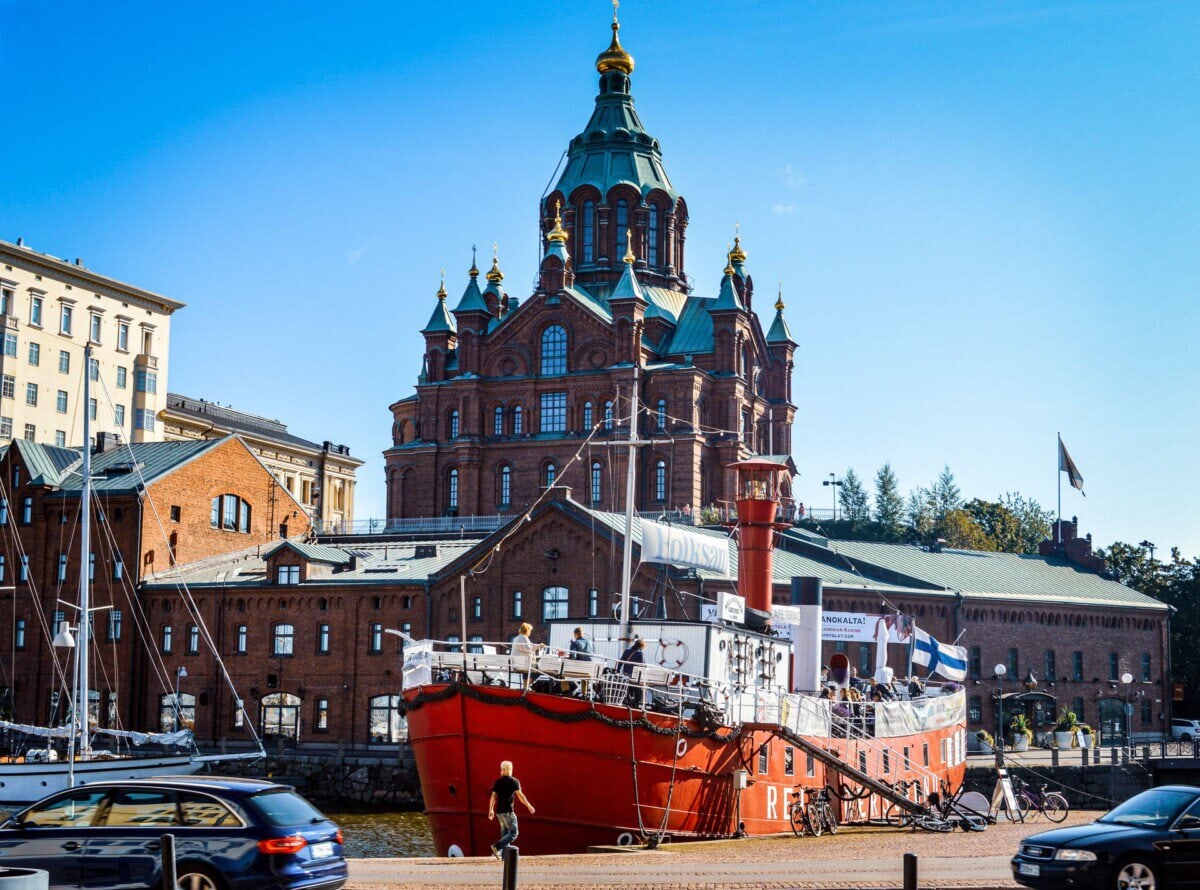
| Uspenski Cathedral | 20-30 minutes | Orthodox architecture, city views |
| Ateneum Art Museum & Amos Rex | 2-4 hours combined | Fine art, contemporary and interactive art |
| Helsinki’s Sauna Culture | 2-3 hours | Relaxation, a genuinely Finnish experience |
| SkyWheel Helsinki | 20-30 minutes | Harbour views, quick stop, all year round |
| Hop-On, Hop-Off Bus Tour | 90 minutes (full loop) | First orientation, limited mobility, overview |
| Korkeasaari Zoo | Half a day | Families, animal lovers, island scenery |
| Helsinki City Card | N/A (a pass) | Multi-attraction visitors, budgeting |
| Finnish Railway Museum (Hyvinkää) | Half a day, plus travel | Rail enthusiasts, a day trip out of the city |
| Railway Station Clock Tower | About 1 hour | Unusual viewpoints, history |
| Sightseeing Cruises | 90 minutes | Views of Suomenlinna and the islands from the water |
| Free & Budget Things to Do | Flexible | Tight budgets, parks, self-guided walks |
| Shopping in Helsinki | 1 hour | Stockmann, Kamppi, everyday shopping |
| Hakaniemi, Hietalahti and Teurastamo | 1 to 2 hours | Food halls, market culture |
| Shows and Theatres in Helsinki | 2 to 3 hours | Opera, ballet, Finnish and Swedish theatre |
| Helsinki’s Major Annual Events | Varies by event | Vappu, Helsinki Festival, Baltic Herring Market |
| Things to Do in Helsinki When It Rains | Half a day | Oodi, Kiasma, Allas Sea Pool |
Best for two or three nights. The widest choice of rooms, with filters for free cancellation and included breakfast.
View staysBest for longer stays. Whole apartments and houses, so you are not eating out three times a day.
View rentalsBest if you have already picked a hotel. Checks the big booking sites for the same room and shows who is cheapest.
Check dealsSenate Square and Helsinki Cathedral
Senate Square is the closest thing Helsinki has to a single defining postcard, and it earns that role honestly. The square is framed by four neoclassical buildings designed largely by Carl Ludvig Engel in the early 1800s, and its dazzling white centrepiece, Helsinki Cathedral, sits atop a broad flight of granite steps that doubles as an unofficial meeting point for the whole city. In summer the steps fill with people eating ice cream and watching street performers, while in winter the same square becomes the setting for the city’s biggest Christmas market, covered in its own section below.
The cathedral itself is a working Lutheran church, and its plain, luminous interior is a deliberate contrast to the ornate Orthodox cathedral visible on the skyline nearby. Entry to the cathedral is free, and it is generally open to visitors daily outside of services, though hours can shift around religious holidays and events, so it is worth checking the noticeboard at the entrance if you are planning around a specific time. Climbing the front steps for a photograph looking back down toward the harbour is one of the simplest, most reliable views in the city.
Around the square, look out for the statue of Tsar Alexander II, the House of the Estates and the main building of the University of Helsinki, all of which reflect the period when Finland was a Grand Duchy of the Russian Empire and Helsinki was being rebuilt as a showpiece capital. The whole ensemble is a short, flat walk from Market Square and the harbour, which makes it a natural first stop on any Helsinki itinerary. It is also one of the few genuinely free, all-weather attractions in the city, so it works just as well on a rainy afternoon as a clear summer morning.
Helsinki’s Christmas Markets
Every winter, Senate Square is transformed into the city’s main Christmas market, known locally as Tuomaan Markkinat. Wooden stalls cluster around the base of the cathedral steps selling handmade decorations, wool and felt goods, glögi (Finland’s spiced, warmed take on mulled wine) and seasonal treats, while the square’s usual grandeur gets a string-light makeover that photographs beautifully after dark. It typically runs for several weeks in the run-up to Christmas, though exact dates and stallholders shift from year to year, so it is worth checking closer to the time rather than assuming a fixed date.
The market is a genuinely local affair rather than a tourist-only production, and Finns treat it as a normal part of getting ready for Christmas: buying gifts, meeting friends for a coffee between stalls, and picking up ingredients for the holidays. It sits comfortably alongside the everyday market culture at Market Square and the Old Market Hall covered later on this page, and the two are an easy combined visit if you are in Helsinki over winter.
If a Helsinki Christmas market is the main reason for your trip, or you want a deeper, standalone guide to the market itself, our dedicated Helsinki Christmas Markets guide goes into far more detail on the Nordic design angle, what to buy and how the market fits into a wider winter visit. This section exists to place it in context alongside the rest of the city’s attractions rather than repeat that guide, so treat the two pages as companions: this one for planning a full Helsinki trip, the other for getting the most out of the market itself.
Helsinki’s Major Annual Events
Helsinki’s calendar is built around a handful of citywide events, each taking over a different corner of the city. The biggest is Vappu, on the 30th of April and 1st of May, when students ceremonially wash and crown the Havis Amanda statue at Market Square the evening before the holiday.
The next day, Kaivopuisto park fills with elaborate student and family picnics, and Linnanmäki amusement park opens for its new season. In August, the Helsinki Festival takes over venues across the city as Finland’s largest multi-arts festival, running in its current form since 1968.
Its Night of the Arts brings free outdoor performances to parks and streets, while the purpose-built Huvila Festival Tent hosts headline concerts for the festival’s duration. Early October brings the Baltic Herring Market to Market Square, a trading tradition dating back to 1743 and one of Finland’s oldest continuously running events.
Stalls there sell herring prepared several different ways alongside other traditional food, typically running daily from around 9am to 7pm for about a week. This page’s dedicated Christmas Markets section covers Tuomaan Markkinat separately, but Juhannus (Midsummer, late June) works the opposite way, since much of the city empties out as locals head to lakeside cottages.
Of the three, Vappu is the one worth planning a trip around if you can: it costs nothing to join, and nothing else on this list matches its all-city, first-day-of-spring atmosphere.
Suomenlinna Sea Fortress
If Helsinki has one unmissable half-day trip, it is Suomenlinna, a sprawling island sea fortress that has been a UNESCO World Heritage Site since 1991. Built by Sweden in the mid-1700s to defend the eastern Baltic, later expanded under Russian rule and now home to around 800 permanent residents, Suomenlinna is a genuinely lived-in place rather than a museum piece: bakeries, a brewery, artist studios and a small school all operate inside the old fortifications. Wandering the grassy ramparts, tunnels and cannon emplacements with the sea on almost every side is one of the most distinctive things to do anywhere in Helsinki.
Getting there is part of the charm. The HSL ferry departs from Market Square roughly every 20 minutes in summer and at least once an hour in winter, and the crossing itself takes about 15 minutes. A standard HSL public transport ticket covering zone A, priced from around €3 (£3/$4) for a single, covers the ferry in both directions, so there is no separate fortress admission fee: the island itself is free to explore, and you only pay for the boat and any museums you choose to enter.
Once ashore, the main Suomenlinna Museum gives a useful overview of the island’s history for around €10 (£9/$11) for an adult ticket, with reduced prices for students and children, and it is a sensible first stop before exploring further. History enthusiasts can also visit the Submarine Vesikko, a preserved World War Two-era Finnish submarine, and the Ehrensvärd Museum, both seasonal and ticketed separately. Give Suomenlinna at least half a day, longer in summer when the cafes, beaches and picnic spots are at their best, and wear comfortable shoes: the paths are a mix of cobbles, grass and gravel rather than smooth pavement.
This section only scratches the surface of what Suomenlinna offers, and our dedicated Suomenlinna Helsinki guide covers the island’s museums, walking routes and ferry timetable in far more depth, including which museums are worth the extra ticket price and how to time a visit around the ferry schedule.
Market Square and the Old Market Hall
Right on the harbourfront, Kauppatori (Market Square) is where Helsinki’s outdoor and indoor market cultures meet. Open-air stalls sell fresh berries, smoked fish, reindeer products and Finnish handicrafts within sight of the ferries heading to Suomenlinna, and it is as much a working market for locals doing their shopping as it is a tourist draw. Prices are reasonable rather than inflated, and browsing the stalls for ten or fifteen minutes is a good way to get a feel for Finnish produce before deciding what to actually buy.
A short walk along the waterfront brings you to the Old Market Hall (Vanha Kauppahalli), a handsome red-brick indoor market that has been trading since 1889. Inside, small independent vendors sell everything from artisan cheese and charcuterie to fresh salmon, baked goods and sit-down lunch counters, and it is a reliable spot for a proper Finnish lunch rather than a quick snack. It generally opens from around 8am to 6pm on weekdays and Saturdays, with shorter Sunday hours, though it is worth confirming current times before a visit since individual stallholders can vary slightly.
Together, the square and the hall make a natural pairing with a Suomenlinna ferry trip, since both sit right at the departure point. Come hungry rather than after a big breakfast, and treat it as a grazing stop: a coffee and pastry at one counter, a plate of smoked salmon at another, and perhaps a bag of cloudberries or lingonberries to take away. It is one of the easiest ways in the city to eat well without booking a restaurant table.
Hakaniemi, Hietalahti and Teurastamo: Helsinki’s Other Food Halls
Helsinki’s grazing culture doesn’t stop at the Old Market Hall covered earlier on this page. Two more historic market halls and one converted industrial site round out a food scene that rewards wandering between stalls rather than committing to a single restaurant.
Hakaniemi Market Hall, in the square of the same name north of the centre, reopened after a full renovation in 2023 and still runs on two floors. Fresh produce, cheese and artisan meats fill the ground floor, while handmade crafts and the brasserie Kirsikka occupy the level above.
A little further west along Bulevardi, Hietalahti Market Hall occupies a curved Art Nouveau building from 1903 and has reinvented itself as something closer to a food court. Japanese, Thai, Vietnamese and Filipino stalls sit alongside a straightforward pizzeria, and the surrounding square hosts a summer flea market for vintage Finnish design.
For something less traditional, Teurastamo occupies Helsinki’s former municipal abattoir buildings from 1933 in the Hermanni district, reopened as a food and culture hub in 2012. A coffee roastery, a distillery and a pasta workshop share the site with restaurants around a communal courtyard that hosts grilling and occasional block parties.
All three sit within a short tram ride of the centre, and pairing one with the Old Market Hall makes an easy full day of eating around the city.
For a fast lunch, Hietalahti‘s food-court format beats the other two; save Teurastamo for an evening, since its bars and courtyard suit a longer visit rather than a quick meal.
Best for finding routes the airlines do not sell as a single ticket. Combines carriers to bring the fare down.
Search flightsBest for short trips. Install the eSIM at home and arrive in Helsinki with working data, no shop queue.
Browse eSIMsBest if you would rather not work out the transport on arrival. Book it now and forget it.
View transfersThe Design District: Helsinki’s Creative Quarter of Shops and Studios
Helsinki’s reputation as a design capital is not just marketing: the city genuinely produced global names like Marimekko, Iittala and Artek, and its Design District is where that heritage is most visible today. Founded in 2005, the district spans around 25 streets across several central neighbourhoods, centred loosely on Diana Park, and brings together roughly 160 independent shops, galleries, ateliers, showrooms and design-focused restaurants and hotels. It is less a single fixed attraction than a loosely defined creative quarter you wander through, picking up the map (physical or digital) from the tourist office if you want to follow it systematically.
Inside its boundaries you will find everything from ceramics studios and vintage furniture dealers to concept stores stocking both established Finnish brands and newer independent labels, plus international names that have chosen to open here specifically for the neighbourhood’s reputation. The Design Museum and the adjacent Museum of Finnish Architecture sit within the district and make a good indoor anchor if the weather turns, tracing how Finnish design grew out of function-first thinking rather than pure aesthetics. Taidehalli (Kunsthalle Helsinki) nearby adds a rotating programme of contemporary art exhibitions.
Give the district two to three hours if shopping and browsing interest you, less if you are mainly passing through on the way somewhere else. It rewards an unhurried pace: ducking into a gallery you had not planned on, or stopping for coffee at one of the design-conscious cafes tucked between shopfronts, is often the most memorable part of a visit. It is a short walk or a couple of tram stops from both Senate Square and the central railway station, so it fits easily into a wider day of walking around the centre.
Shopping in Helsinki: Malls and Department Stores
Helsinki’s design-focused boutiques get most of the attention on this page already, but the city also has a straightforward mainstream shopping scene worth an hour if you enjoy browsing. The natural spine is Pohjoisesplanadi, the tree-lined boulevard running from Market Square, where Finnish flagship stores sit alongside international names.
The single biggest stop is Stockmann on Aleksanterinkatu, a twelve-floor department store often described as the largest in the Nordic region. Its clock above the main entrance has been Helsinki’s default meeting point for generations, and the basement food hall is worth a look even without buying anything.
For a wider spread of shops under one roof, Kamppi Shopping Centre sits directly above the metro and long-distance bus terminal, with close to ninety shops and roughly fifty cafes and restaurants. It connects underground to the smaller Forum centre on Mannerheimintie, so the two make an easy loop on a cold or wet afternoon.
Standard shop hours run roughly Monday to Friday from 10am to 8pm, Saturday 10am to 7pm and a shorter midday-to-evening window on Sunday, though individual stores vary. None of this competes with the independent ateliers of the Design District covered earlier, but it fills in the practical, everyday side of Helsinki shopping.
If you only have time for one, Stockmann is worth the stop for the building and the meeting-point clock alone; Kamppi is the better choice if you actually need to buy something specific under one roof.
Temppeliaukio Church (the Rock Church)
Few churches anywhere look like Temppeliaukio. Designed by brothers Timo and Tuomo Suomalainen and completed in 1969, it is carved directly into solid granite bedrock, with rough, exposed rock walls rising to a vast copper-ribbed dome lit by a ring of skylights around its rim. The effect inside is quiet and slightly disorienting: cool stone underfoot and overhead, natural light filtering down, and an acoustic quality that has made it a genuinely popular concert venue, not just a photogenic curiosity.
It is still an active Lutheran parish church, so it hosts regular services, weddings and occasional concerts, and photography is asked to be limited during these. Standard summer opening hours run roughly from 9am to 5pm Monday to Saturday and midday to 5pm on Sundays, with slightly reduced Friday hours, and winter hours can differ, so checking ahead is sensible if your visit is time-limited. Adult admission is around €8 (£7/$9), with under-18s admitted free and entry included for holders of the Helsinki Card or the Finnish Museum Card.
The church sits in the Töölö district, an easy walk or short tram ride from the centre, and pairs naturally with a wander through the surrounding residential streets, which are worth seeing in their own right for a look at everyday Helsinki away from the harbour. Twenty to thirty minutes is enough for most visitors, though music lovers may want to build in extra time to check whether a concert coincides with their visit.
Uspenski Cathedral: Western Europe’s Largest Orthodox Church
On a low hill just east of Market Square, Uspenski Cathedral is the largest Orthodox cathedral in Western Europe and a striking contrast to the plain white Lutheran cathedral visible across the water on Senate Square. Completed in 1868, its red-brick exterior is topped with thirteen gilded onion domes, one for Christ and twelve for the apostles, and the interior is correspondingly rich: dark wood, icons, chandeliers and gold detailing that feel a world away from the restrained Nordic aesthetic found elsewhere in the city.
Opening hours vary by season, generally running from around 9:30am to 4pm on weekdays outside summer and slightly later, until 6pm, from May to August, with shorter Saturday hours and an afternoon-only Sunday slot; the cathedral is closed to sightseers on Mondays. An admission fee of €5 (£4/$6) applies for adults, with under-18s admitted free and worshippers attending services exempt, and the fee covers a digital guide to the building’s history and art. As with any working place of worship, services can shift the visiting hours at short notice.
The terrace outside the cathedral is worth lingering on for the view back across the harbour toward Market Square and the cathedral steps, arguably one of the best vantage points in the city centre. It is an easy five to ten minute walk from Senate Square, which makes the two cathedrals a natural pairing on foot: the stark white one first, then the ornate red one, to appreciate just how different Helsinki’s two dominant church traditions really look.
Ateneum Art Museum and Amos Rex
For a small country, Finland’s flagship art museum punches well above its size. The Ateneum Art Museum, part of the Finnish National Gallery and housed in a grand nineteenth-century building opposite the central railway station, holds the country’s most important collection of classical Finnish art alongside international works from the Nordic Golden Age. Expect canvases by Akseli Gallen-Kallela, Helene Schjerfbeck and other names that shaped Finland’s visual identity, displayed across generously proportioned galleries that feel more European than austere.
Standard adult admission runs around €18 to €20 (£15/$20), with reduced pricing for students, pensioners and the unemployed, and free entry for under-18s and Finnish Museum Card holders. Opening hours generally run Tuesday to Sunday, with the museum closed on Mondays and its longest hours, until 8pm, typically falling midweek, though it is worth checking the current schedule for any temporary exhibition-related changes.
A short walk away, Amos Rex takes the opposite approach: a museum of contemporary and digital art built beneath Lasipalatsi Square, its domed skylights bulging up through the pavement like a lunar landscape that has become one of the most photographed spots in the city in its own right. Inside, large-scale immersive and digital installations rotate regularly, and general admission is around €20 to €22 (£17/$19), with a reduced rate of around €5 (£4/$6) for those aged 18 to 29 and free entry for under-18s. Together, the two museums make a genuinely complementary half-day: Finnish tradition at the Ateneum, boundary-pushing contemporary work at Amos Rex, both within a few minutes’ walk of each other.
Shows and Theatres in Helsinki
Helsinki’s performing arts scene sits a little below the radar compared with its museums and saunas, but the city takes opera, ballet and theatre seriously. The standout venue is the Finnish National Opera and Ballet, a striking glass-fronted building on the waterfront, where the foyer offers views over the bay before the curtain even goes up.
Tickets for Main Stage performances generally start from around €30 (£26/$33) for the cheapest seats and can run past €100 (£86/$109) for prime seating at a premiere. Discounted categories are available for students, pensioners and younger visitors, but the cheapest seats tend to sell out first.
For spoken theatre, the Finnish National Theatre near the Central Railway Station is the country’s oldest Finnish-speaking professional company, founded in 1872. Its productions are performed in Finnish with no English translation, so non-Finnish speakers get more from it as an architectural stop than an evening’s entertainment.
Svenska Teatern, Finland’s Swedish-language national theatre, is a better bet for some visitors, since it regularly surtitles performances into Finnish and Swedish. English surtitles appear occasionally for specific productions, so it’s worth checking the current season’s listings before assuming a show will be accessible.
Between these two theatres and the opera house, Helsinki’s performing arts scene is a genuine option for an evening rather than an afterthought.
Non-Finnish speakers get far more from the Opera and Ballet or a surtitled night at Svenska Teatern than the Finnish National Theatre, which is worth visiting for the building rather than a full evening without the language.
Best if you would rather spend the money on Helsinki than on the room. Compare hostels by location and rating.
Search hostelsBest for anyone flying more than once or twice a year. Handles the compensation claim so you are not chasing the airline.
See AirHelp+Best for a day with a bag and nowhere to put it. Find a storage point near where you already are.
View storageHelsinki’s Sauna Culture
No list of things to do in Helsinki is complete without addressing the sauna, and it is worth taking seriously rather than treating as a novelty. Finland has more saunas per capita than almost anywhere on earth, and in Helsinki that culture has moved firmly into public life, with a wave of design-led public saunas opening along the waterfront over the past decade. It is a genuinely social, everyday ritual for Finns rather than a spa indulgence, and visitors are welcome to take part properly rather than just observe.
The best known of the newer public saunas is Löyly, a striking timber-clad building on the Hernesaari waterfront with both a traditional smoke sauna and a wood-fired sauna, plus direct sea access for a cold plunge between rounds. A standard two-hour public sauna session costs around €29 (£25/$32), which includes a towel, seat cover and shower products, with each additional hour charged separately and swimwear rental available for those who did not bring their own. Booking ahead is strongly recommended, since sessions can fill up, particularly on weekend evenings.
Löyly is far from the only option: other public saunas have opened around the Helsinki waterfront and on nearby islands in recent years, and hotel saunas remain a common feature across the city. Whichever you choose, the etiquette is broadly consistent: shower before entering, keep phones out of the sauna room, and treat the cold plunge as optional rather than compulsory. Setting aside two to three hours, including changing, sauna rounds and a swim, gives you a proper taste of the ritual rather than a rushed one.
SkyWheel Helsinki: A 360-Degree View from the Harbour
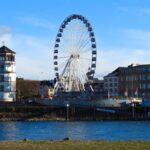
For a different angle on the city, SkyWheel Helsinki is a 40-metre observation wheel on the Katajanokka waterfront, close enough to Market Square and Uspenski Cathedral to fold into an afternoon of harbour sightseeing. Each enclosed gondola completes three to four rotations over about twelve minutes, giving a genuine 360-degree view across the harbour, the cathedral domes and, on a clear day, out toward Suomenlinna itself. It is a low-effort, high-reward stop rather than a full attraction in its own right, and works well as a short break between the harbourfront markets and the Design District.
A standard adult ticket costs around €15 (£13/$17), with a reduced rate for children aged three to eleven and free entry for under-threes, and a family ticket covering two adults and two children is available for a modest saving. For something more memorable, SkyWheel also runs a VIP gondola with a bottle of champagne included, and a heated SkySauna gondola that turns a ride into a genuinely unusual way to spend an hour above the harbour, though both need booking well ahead. The wheel operates year-round, so it is one of the few Helsinki attractions that works just as well on a dark winter afternoon as a bright summer evening.
Hop-On, Hop-Off Bus Tours
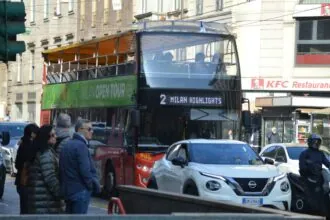
If you would rather see the city’s layout before deciding where to spend your time on foot, Stromma’s hop-on, hop-off bus is the most established option in Helsinki. The route covers nineteen stops looping past Senate Square, Market Square, Temppeliaukio Church, the Sibelius Monument, the Parliament building and the striking Oodi Library, with commentary available in eleven languages and free onboard Wi-Fi. Completing the full loop without getting off takes about ninety minutes, though the whole point of the ticket is that you do not have to: hop off wherever looks interesting and catch a later bus onward.
Tickets run for 24 or 48 hours from first use, starting at around €36 (£31/$39), with a discount for booking online in advance, and buses depart roughly every 30 to 40 minutes between 10am and 4pm during the May to September season. It is a sensible first move on a short stay, since it gives a quick overview of where everything sits relative to each other before you commit to a walking route, and it pairs naturally with the sightseeing cruises covered later on this page for a combined bus-and-boat day.

Korkeasaari Zoo: One of the World’s Oldest Zoos on Its Own Island
Helsinki’s zoo sits on its own island a short distance from the city centre, and Korkeasaari Zoo has been there since 1889, making it one of the oldest zoos still operating anywhere in the world. Around 150 animal species live across the island’s wooded paths, from snow leopards and Amur tigers to Arctic foxes and a well-regarded collection of birds of prey, and roughly a third of the species on show are part of international breeding programmes for endangered animals. It is a genuinely pleasant place to walk regardless of the animals, with sea views between enclosures and two restaurants for a lunch stop.
In summer, a dedicated ferry runs from Market Square directly to the island, which is the most scenic way to arrive and turns the trip into a mini boat excursion in its own right; outside the main season, the zoo is reached instead by bus and a footbridge. An adult day ticket bought online costs around €22 (£19/$24), rising slightly if bought on the day at the gate, and it is worth allowing at least half a day to see the island properly rather than rushing between enclosures.
The Helsinki City Card
Between the SkyWheel, the zoo, the hop-on hop-off bus and the museums covered elsewhere on this page, costs can add up quickly, which is where the Helsinki City Card tends to earn its place. The card bundles free or discounted entry to a long list of paid attractions, along with unlimited use of HSL trams, buses and the metro, into a single pass valid for a set number of days, so it works best for visitors planning to pack several paid sights into a short stay rather than those content with a couple of free landmarks.
Whether it actually saves money depends entirely on how many attractions you plan to tick off and how you would otherwise be paying for transport, so it is worth doing the sums before buying rather than assuming it pays for itself automatically. Our dedicated Helsinki City Card guide breaks down the current price tiers, exactly which attractions are included, and a few scenarios where it is, and is not, worth buying.
Finnish Railway Museum, Hyvinkää
Rail enthusiasts should know upfront that the Finnish Railway Museum is not in Helsinki itself: it moved to the town of Hyvinkää, about 55km (34 miles) north of the capital, in 1974, and sits on the old station and yard site of the historic Hanko-Hyvinkää railway. It is a genuine half-day excursion rather than a city-centre stop, so it suits visitors with an extra day to spare or a specific interest in trains more than a quick add-on to a Helsinki itinerary.
The museum itself is worth the trip for anyone with even a passing interest in trains: more than twenty steam and diesel locomotives dating from 1868 to 1964 are on display inside a preserved 1870s station building and roundhouse, including Finland’s oldest surviving locomotive. On selected days over summer, a live steam railway also runs short rides for visitors on the museum grounds. Direct trains from Helsinki’s central station take around 45 minutes and run frequently throughout the day, making it a straightforward, if separate, day trip rather than something to squeeze in between city-centre sights.

The Helsinki Railway Station Clock Tower
One of the least-known viewpoints in the city sits directly above the trains: the clock tower of Helsinki Central Railway Station, one of the capital’s most recognisable landmarks, opens for guided access up to its own small observation deck. The tour, known locally as Kellotorni, or Clock Tower Time Travel, takes visitors through parts of the tower that have stayed closed to the public for most of its history, with a guide explaining the station’s design and the tower’s place in the city’s skyline along the way.
Reaching the top means climbing around 250 steps, so it is not suitable for anyone with limited mobility, but the reward is a genuinely different view over the station roofs, Kaisaniemi and the surrounding city centre streets. Tours run on selected days each week, last about an hour and cost around €24 (£21/$26) per person, with English-language tours available on request, and same-day ticket holders get a discount on a drink afterwards in one of the tower’s historic rooms. Booking ahead is sensible, since spaces on each tour are limited.
Sightseeing Cruises on Helsinki’s Waters
Helsinki is built across a peninsula and dozens of islands, and one of the most relaxed ways to appreciate that is from the water rather than the pavement. Royal Line, a family-run operator that has been running sightseeing cruises here since 1945, departs from Market Square for a 90-minute loop around the harbour and the surrounding archipelago, passing Suomenlinna, Korkeasaari and a scatter of smaller islands that are otherwise invisible from the city streets. Boats have a cafe-bar on board and free Wi-Fi, and the running commentary points out landmarks you would otherwise miss from the deck.
Tickets cost around €14 (£12/$16) and cruises run from May to September, with an evening sailing added in the warmer months for a slower, golden-hour version of the same route. It is a genuinely different way to see Suomenlinna’s ramparts and the city’s waterfront saunas without setting foot on either, and works well either as a stand-alone outing or combined with Stromma’s bus-and-boat ticket for a fuller day of sightseeing without much walking involved.
Free and Budget Things to Do in Helsinki
Helsinki has a reputation for being an expensive Nordic capital, but a surprising amount of its appeal costs nothing. Walking the harbourfront from Market Square past the Cathedral, Uspenski Cathedral and out toward the Kaivopuisto park is free, scenic and gives a genuine feel for the city’s relationship with the sea. Senate Square, Helsinki Cathedral and Temppeliaukio’s exterior can all be admired without a ticket, and simply wandering the Design District’s streets and shopfronts costs nothing beyond whatever you decide to buy.
The city’s parks and public spaces are another strong free option. Esplanadi park, running between Market Square and the main shopping streets, is a favourite spot for people-watching and often hosts free outdoor concerts in summer, while Sibelius Park is home to the striking steel-pipe Sibelius Monument, a tribute to the composer Jean Sibelius that is worth the short walk or tram ride from the centre on its own. Kaivopuisto, the city’s oldest park, offers wide sea views and is a popular spot for picnics and swimming in warmer months.
For a genuinely low-cost day out, combine a walk through one or two of these parks with a Suomenlinna ferry ticket, since the fortress island itself has no entry fee, and finish at Market Square or the Old Market Hall for an affordable lunch. If you are visiting museums, checking whether the Helsinki City Card is worthwhile for your itinerary is a sensible budgeting step, and our Helsinki City Card guide breaks down exactly which attractions it covers and when it pays for itself.

Things to Do in Helsinki When It Rains
Helsinki’s rain rarely arrives as the dramatic kind you sprint from. It tends to settle in as a grey, steady drizzle that can last an afternoon, and the city has enough good indoor options that a wet day here doesn’t have to be a lost one.
Oodi, the central library near the railway station, is free to enter and spread across three floors, from a ground-floor cinema and cafe to a top-floor “book heaven” with windows over the Parliament House. It is a genuinely pleasant place to sit out a shower with a coffee rather than a last resort.
The Museum of Contemporary Art Kiasma, in its distinctive Steven Holl-designed building near the Parliament, offers a solid few hours of rotating exhibitions for around €20 (£17/$22) admission. It closes on Mondays, so a wet Monday is one day to plan around it.
Allas Sea Pool, on the South Harbour close to Market Square, turns bad weather into part of the experience. Heated seawater and freshwater pools plus five saunas mean you can stay warm and half-submerged while rain falls around you, from about €19 (£16/$21) on weekdays up to €24 (£21/$26) at weekends.
Beyond these, the Design Museum, Amos Rex and the Old Market Hall covered elsewhere on this page all double as reliable wet-weather stops. Helsinki’s wettest month, July, still averages a fairly modest amount of rainfall spread across many showery days rather than sudden downpours, so a light waterproof covers most eventualities.
If the rain rules out everything else, Oodi is the safest bet: it’s free, open every day and works equally well for a quick shelter or an entire afternoon.
How Long Do You Need in Helsinki?
A focused day and a half is enough to see Helsinki’s headline sights: Senate Square, both cathedrals, Market Square, the Old Market Hall and a couple of hours in the Design District can all be covered comfortably in that time, provided you are happy to keep moving. It makes for a satisfying stopover if Helsinki is one stop on a wider Baltic or Scandinavian trip, but it will feel rushed if you also want to fit in Suomenlinna and a sauna session properly.
Three full days is the sweet spot for most visitors. That gives you a relaxed first day around the centre, a full half-day dedicated to Suomenlinna without feeling rushed on the ferry timetable, and a day split between the Ateneum, Amos Rex and a proper sauna session to close things out. It also leaves enough slack to sit down for a long lunch or simply follow a street that looks interesting, which is often when Helsinki reveals itself best.
If you have four days or more, that extra time is best spent on a day trip rather than more city sightseeing, since Helsinki’s core attractions are genuinely finite. Porvoo’s old town, the sauna culture of Tampere and the river city of Turku are all realistic single-day trips from the capital, and our Best Day Trips from Helsinki guide lays out the transport options and timings for each so you can decide which suits the rest of your trip.
Accessibility and Visiting with Children
Helsinki is a genuinely well-organised city for accessibility. Pavements in the city centre are generally wide and well maintained, trams and the metro are step-free at most stops, and major attractions including Ateneum, Amos Rex and the Old Market Hall have step-free or lift access. Suomenlinna is the main exception to keep in mind: the island’s paths are a mix of cobbles, grass and gravel, and while the main routes are manageable with care, it is not a fully level surface, so wheelchair and pushchair users should expect some rougher stretches, particularly away from the main pier area.
Helsinki is also a genuinely easy city to bring children to. The open squares around Senate Square and Market Square give small children room to run without traffic worries, Suomenlinna’s grassy ramparts and cannons are a natural hit with kids who enjoy exploring, and several of the harbourfront parks have proper playgrounds. Families looking for a dedicated theme-park day can head to Linnanmäki, the city’s long-running amusement park, where entry to the grounds is inexpensive and rides are then either paid individually or covered by a day wristband, making it easy to tailor a visit to a child’s age and nerve for rides.
Weather is the other practical factor to plan around. Summers are mild and genuinely pleasant for walking and ferry trips, while winters are cold, with short daylight hours and the real possibility of snow and ice underfoot, so proper footwear matters more than in most European capitals. Whichever season you visit, layering and waterproof footwear will make far more difference to how much you enjoy the city than any single attraction choice.

Rupert’s Handy Travel Tips
Helsinki is friendly, walkable and easy to get wrong in small ways if you have not visited a Nordic capital before, so here are my top tips before you go.
- Buy transport tickets before boarding: HSL trams, buses and the Suomenlinna ferry expect you to have a ticket already, whether from the app, a machine or a kiosk, and buying onboard is often not possible at all.
- Pack for layers, not one big coat: Helsinki’s weather can shift quickly, especially near the water, so thin layers you can add or remove work better than a single heavy jacket in every season.
- Bring proper shoes for Suomenlinna: the island’s paths mix cobbles, grass and gravel, and the wrong footwear will slow you down far more than the ferry timetable will.
- Do the sauna properly, not half-heartedly: shower first, leave your phone outside the sauna room, and treat the cold plunge as optional rather than a dare.
- Check museum Monday closures before planning your day: several major sights, including Ateneum, close on Mondays, so it is worth checking opening days before you fix a tight itinerary.
Want to meet the reindeer behind our travel tips? Find out more in our page Who is Rupert?.




Frequently Asked Questions
How many days do you need in Helsinki?
A day and a half covers the headline sights, but three full days is the sweet spot for most visitors, giving you time for Suomenlinna, the main museums and a proper sauna session without rushing.
Is Suomenlinna free to visit?
The fortress island itself has no entry fee, so you only pay for the HSL ferry ticket from Market Square and any individual museums you choose to enter once ashore.
Is Helsinki an expensive city to visit?
Helsinki has a reputation for being pricey, particularly for food and drink, but many of its best experiences, including its churches, parks and harbourfront walks, cost nothing at all.
Do I need to book Löyly or another public sauna in advance?
Booking ahead is strongly recommended, especially for weekend evenings, since public sauna sessions in Helsinki can fill up well before the day itself.
When is the Helsinki Christmas market held?
Tuomaan Markkinat runs on Senate Square for several weeks in the run-up to Christmas each year, though exact dates and stallholders vary, so it is worth checking closer to your travel dates.
Further Reading
Before you land, it is worth reading our Helsinki Airport to City Centre guide, which covers the train and bus options into town so you are not working it out on arrival. Once you have settled into the city, our Helsinki City Card guide is worth checking if you plan to visit several paid museums and attractions, since it can make a genuine difference to your budget depending on how you plan your days.
Suomenlinna deserves more detail than a single section on this page can give it, and our standalone Suomenlinna Helsinki guide covers the island’s museums, walking routes and ferry timetable in far more depth. If you visited in winter, or are planning to, our dedicated Helsinki Christmas Markets guide goes much deeper into Tuomaan Markkinat itself, including its Nordic design angle and what makes it worth the seasonal detour.
Helsinki also makes an excellent base for exploring further into Finland. Our Best Day Trips from Helsinki guide is the natural next stop, and it links out to fuller individual guides including Porvoo from Helsinki, Helsinki to Tampere, Helsinki to Turku and even a day trip across to Tallinn. If you would rather explore the capital on foot with a guide leading the way, our Helsinki Walking Tour guide rounds out this page nicely, and travellers heading further north afterwards may also want our Northern Lights Travel Guide or our guide to Finland’s sleeper trains for getting there overnight.