Reviewed by our editorial team Updated
Sri Lanka Train Guide: What Travellers Need to Know
This Sri Lanka train guide covers everything travellers need to know about exploring the island by rail, including train tickets, travel classes, overnight services, seat reservations, and the country’s most famous scenic railway journeys.
For many visitors, travelling by train becomes one of the highlights of an entire Sri Lanka itinerary. While buses, taxis, and private transfers can often be faster, the railway offers something very different. Passengers travel through tea-covered mountains, misty highland landscapes, historic cities, coastal scenery, and countless rural communities, providing a perspective of Sri Lanka that simply cannot be experienced from a plane or private vehicle.
The railway network connects many of the country’s most important destinations, including Colombo, Kandy, Ella, Nuwara Eliya, Jaffna, Galle, Anuradhapura, Batticaloa, and Trincomalee. This makes rail travel a practical option for visitors exploring both the famous tourist highlights and lesser-known regions of the island.
Sri Lanka’s railways combine several very different travel experiences. Alongside world-famous scenic routes such as the Kandy to Ella train, the network also operates long-distance intercity services, overnight trains, commuter routes, and historic mountain railways that still follow alignments first built during the British colonial era. Every day, millions of Sri Lankans rely on these services for work, education, and everyday travel, creating an authentic local experience alongside the country’s growing tourism market.
One of the most important things travellers should understand before booking is that Sri Lankan train travel prioritises scenery and atmosphere over speed. Trains are often slower than equivalent road journeys, delays can occur, and comfort levels vary significantly depending on the route and class of travel selected. Unlike many modern European or Asian rail networks, schedules should generally be viewed as approximate rather than guaranteed.
However, this slower pace is also part of the appeal. Watching tea pickers working on hillside plantations, passing through mountain tunnels, crossing historic viaducts, and sharing carriages with local families creates an experience that feels far more immersive than simply travelling between destinations. For many visitors, the train journey becomes just as memorable as the attractions waiting at the other end.
Whether you are planning to ride the famous Ella railway, travel north to Jaffna, follow the spectacular Indian Ocean coastline south of Colombo, or explore Sri Lanka’s historic cultural cities by rail, understanding how the railway network operates will help you get the most from one of the country’s most rewarding travel experiences.
Why Train Travel in Sri Lanka Is So Famous
Train travel in Sri Lanka has become internationally famous because of the extraordinary scenery surrounding many of the island’s railway lines, particularly in the central highlands.
The most famous route is the legendary Kandy to Ella train, where passengers travel through:
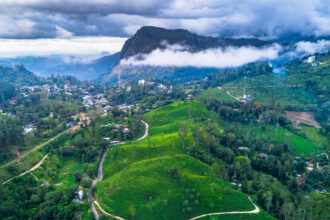
tea plantations, mist covered mountains, cloud forests, waterfalls, and dramatic valleys surrounded by some of the most spectacular landscapes anywhere in Asia.
Images of travellers standing near open train doors while mountain scenery unfolds behind them have become one of the defining visual symbols of Sri Lanka tourism.
However, Sri Lanka’s railway system is famous for more than scenery alone.
Unlike many scenic railways built primarily for tourists, the Sri Lankan rail network remains a genuine working transport system used daily by commuters, students, families, backpackers, and local travellers.
This creates an atmosphere that feels authentic rather than staged. Busy stations, station food vendors, open windows, older rolling stock, and constantly changing landscapes all combine into an experience that feels very different from modern high speed rail travel elsewhere in the world.
The railway network also carries strong historical importance. Many lines were originally built during the colonial period to support Sri Lanka’s tea industry, connecting mountain plantations with ports and commercial centres.
Today, those same railways have become some of the world’s most famous scenic train journeys.
See hotel options and places to stay in Sri Lanka.
Browse hotelsBrowse apartments, holiday homes and self-catering stays in Sri Lanka.
View rentalsSee hotel prices from multiple booking sites in one search.
Compare ratesOverview of the Sri Lanka Railways Network
Sri Lanka Railways operates the national railway network across much of the island. The system links major cities, mountain regions, coastal destinations, and northern Sri Lanka through a mixture of long distance intercity routes and local commuter services.
The railway network is centred around Colombo Fort Railway Station, the country’s main rail hub. Most long distance services either begin, end, or pass through Colombo before continuing towards the rest of the island.
The main railway corridors include:
the Main Line towards Kandy, Nanu Oya, Ella, and Badulla, the Northern Line towards Jaffna, the Coastal Line towards Galle and Matara, and eastern routes towards Batticaloa and Trincomalee.
| Main Railway Line | Key Destinations |
|---|---|
| Main Line | Kandy, Ella, Badulla |
| Northern Line | Anuradhapura, Jaffna |
| Coastal Line | Galle, Matara |
| Eastern Lines | Batticaloa, Trincomalee |
One of the most interesting developments in recent years has been the reopening of rail services into northern Sri Lanka after decades of disruption during the civil war period.
The railway network remains heavily used by local passengers, meaning trains can become extremely busy during peak periods, especially on commuter routes and famous scenic services.
Travellers should also understand that railway infrastructure in Sri Lanka is older and less modernised than in many developed countries. Delays, slower speeds, and operational unpredictability are normal parts of the experience.
For many visitors, however, this older style railway atmosphere is exactly what makes Sri Lanka’s trains feel so memorable.
Main Train Routes in Sri Lanka
Sri Lanka’s railway network is far more than a means of transport. For many visitors, travelling by train becomes one of the highlights of the entire trip, offering an opportunity to experience tea-covered mountains, Indian Ocean coastlines, historic cities and remote rural landscapes without ever leaving the rails.
The route most travellers dream about is the famous journey through the Sri Lankan Hill Country. Frequently ranked among the world’s greatest railway experiences, trains climbing between Kandy, Nanu Oya, Haputale and Ella pass through endless tea plantations, dramatic mountain scenery, deep valleys and historic stations dating back to the colonial era. The section between Kandy and Ella has become one of the country’s defining travel experiences and remains particularly popular with photographers, backpackers and independent travellers.
Starting in Colombo adds another dimension to the journey. As the train leaves the capital behind, passengers can watch the landscape gradually change from busy urban districts and tropical lowlands to the cooler scenery of the Central Highlands. For many visitors, the full Colombo to Ella journey provides a far richer experience than simply travelling between the better-known tourist destinations.
A completely different atmosphere awaits on the Northern Line to Jaffna. Running through Sri Lanka’s dry-zone interior, this route showcases landscapes, communities and cultures that differ significantly from those found in the hill country. Travellers looking to explore beyond the classic tourist trail often find the journey to Jaffna one of the most rewarding long-distance rail experiences on the island.
Equally memorable is the Coastal Line south of Colombo, where trains run beside the Indian Ocean for much of the journey towards Galle and Matara. In some locations, passengers are treated to uninterrupted views of golden beaches, fishing villages, palm-fringed coastline and rolling surf breaking only metres from the railway line. Few railways anywhere in the world offer such prolonged coastal scenery.
Services towards Batticaloa and Trincomalee may receive less international attention, yet they provide access to some of Sri Lanka’s quieter regions and help reveal another side of the country beyond the most visited destinations. These eastern routes remain important transport links for both residents and visitors exploring the island’s less crowded coastline.
What makes train travel in Sri Lanka so remarkable is the sheer variety encountered along the way. Within a relatively small country, passengers can experience mountain railways, coastal routes, historic cities, tea estates, tropical forests and remote rural communities, often within the same trip. For many travellers, the trains become an attraction in their own right rather than simply a way of getting from one destination to the next.
Colombo Fort Railway Station Guide
Colombo Fort Railway Station is the centre of Sri Lanka’s railway network and one of the most important transport hubs anywhere in Sri Lanka. Almost every major long distance train journey across the island passes through this vast, noisy, and constantly moving station in central Colombo.
For first time visitors, the station can feel overwhelming in the best possible way. Commuters rush between platforms, long distance passengers sit beside huge luggage piles waiting for overnight trains, station announcements echo through the building, and food vendors move constantly through the crowds selling hot tea and local snacks.
The atmosphere feels completely different from the polished calm of many modern European stations. Colombo Fort still feels like a genuine working railway terminal where everyday life unfolds constantly around the trains.
This is also where many travellers begin Sri Lanka’s most famous railway journeys towards:
Kandy, Ella, Badulla, Jaffna, and the southern coast.
The station itself still carries traces of Sri Lanka’s colonial railway history. While the infrastructure is functional rather than modern, that slightly worn atmosphere is part of what gives the railway system its character. Travellers quickly realise Sri Lankan rail travel is built around experience and atmosphere rather than speed or luxury.
Food culture forms a major part of the station environment. Before long journeys, passengers buy:
fresh rice packets, fried snacks, fruit, bottled drinks, and the sweet milk tea found almost everywhere across Sri Lanka’s railway network.
Travellers should arrive early for major departures because platforms can become crowded very quickly, particularly on scenic routes into the hill country. During busy tourism periods, the areas around trains towards Kandy and Ella become especially hectic as backpackers, photographers, and local travellers all compete for space.
Outside the station, the wider transport connections are excellent. Travellers can continue using:
local buses, tuk tuks, taxis, and ride hailing apps such as PickMe.
For many visitors, Colombo Fort becomes more than simply a railway station. It becomes the symbolic starting point for exploring Sri Lanka itself.

Sri Lanka Train Classes Explained
Understanding the different Sri Lanka train classes is essential because the carriage you choose can have a major impact on your overall railway experience. Unlike many countries where travellers automatically book the highest class available, train travel in Sri Lanka is often more about atmosphere, scenery, and the type of experience you want than simply selecting the most expensive ticket.
On the island’s most famous routes, particularly through the spectacular Central Highlands, many experienced travellers deliberately choose Second Class Reserved over First Class. While this may seem surprising, there is a good reason for it.
Second Class Reserved offers what many people consider the classic Sri Lankan railway experience. The opening windows allow fresh mountain air to flow through the carriage as trains wind past tea plantations, waterfalls, forests, bridges, and dramatic hill country landscapes. Travellers frequently move around the carriage, gather at the doors, and chat with fellow passengers while enjoying uninterrupted views of the scenery outside.
The atmosphere feels lively, social, and closely connected to the landscape. For many visitors, this is exactly what makes train travel in Sri Lanka so memorable.
By comparison, First Class Observation Cars typically provide air conditioning, reserved seating, larger viewing windows, and a quieter environment. These carriages can be more comfortable on longer journeys, particularly during warmer weather. However, some travellers feel that the sealed windows create a degree of separation from the experience itself.
Photography can also be affected. While the panoramic windows offer excellent views, reflections from the glass can sometimes make photography more difficult than using the open windows found in Second Class carriages. Travellers hoping to capture the famous scenery around Ella, Nanu Oya, and Haputale often find Second Class more rewarding for photography.
At the other end of the spectrum is Third Class, which provides the most local and authentic railway experience available. These carriages are heavily used by everyday commuters, students, workers, and families travelling throughout the country. During busy periods they can become extremely crowded, particularly around major cities and on public holidays.
Comfort levels are lower, and finding space can sometimes be challenging. However, Third Class also offers a fascinating glimpse into everyday life in Sri Lanka. Travellers willing to sacrifice some comfort often find these journeys among the most memorable experiences of their trip.
For most international visitors travelling on scenic routes, Second Class Reserved generally provides the best overall balance of comfort, atmosphere, photography opportunities, value for money, and scenic enjoyment. It combines guaranteed seating with the open-air experience that has helped make Sri Lanka’s railways famous around the world.
Reserved vs Unreserved Tickets
Understanding the difference between reserved and unreserved tickets is one of the most important aspects of planning rail travel in Sri Lanka. While the distinction sounds simple, it can completely transform the journey experience.
A reserved ticket guarantees a specific seat on a particular train. An unreserved ticket simply gives passengers permission to travel if space is available, with no guarantee of a seat.
On quieter routes this may not seem particularly important. However, on popular services towards Kandy, Ella, Nanu Oya, and other destinations in the Hill Country, the difference can be dramatic.
Some of Sri Lanka’s most famous trains become extremely busy, especially during weekends, school holidays, public holidays, and peak tourist seasons. Travellers holding unreserved tickets may find themselves standing for significant portions of the journey, squeezed into crowded corridors, or competing for limited space alongside luggage and other passengers.
For shorter local journeys this can still feel enjoyable and atmospheric. Many travellers actually appreciate the lively environment and opportunity to interact with local passengers. However, on scenic routes that can last six, seven, or even eight hours, standing for much of the trip quickly becomes tiring.
Reserved seating removes most of this uncertainty. Travellers can board the train knowing they already have a guaranteed seat and can focus entirely on enjoying the scenery. This becomes especially valuable for first-time visitors, travellers carrying luggage, families, and anyone planning long-distance rail journeys across the island.
Despite this, unreserved travel still has its supporters. Many backpackers deliberately choose unreserved tickets because the experience often feels more spontaneous, social, and unpredictable. Crowded platforms, open doorways, conversations with local passengers, and constantly changing station scenes all contribute to the unique atmosphere that makes Sri Lankan rail travel so distinctive.
However, visitors using the famous scenic routes for the first time should strongly consider booking reserved seating whenever possible. The additional certainty and comfort generally outweigh the modest extra cost.
One of the most common mistakes travellers make is assuming reserved seats will still be available shortly before departure. On popular routes such as the famous Kandy to Ella train, reserved tickets can sell out surprisingly quickly, particularly during peak travel periods.
Planning ahead is therefore one of the most important elements of successful railway travel in Sri Lanka. Securing reserved seats early allows travellers to relax, enjoy the journey, and focus on the spectacular scenery rather than worrying about finding space on one of the country’s busiest trains.
How to Buy Sri Lanka Train Tickets
Buying train tickets in Sri Lanka is one of the most important parts of planning a successful railway journey across the island, particularly on the country’s internationally famous scenic routes through the hill country.
Many first time visitors assume tickets will always be available on the day of travel. That can sometimes work for shorter regional services and commuter routes, but it is often completely unrealistic for popular trains towards Kandy, Ella, Badulla, and Sri Lanka’s long distance overnight rail services.
The growth of social media and travel photography has transformed Sri Lanka’s mountain railways into globally recognised travel experiences. Reserved seats on scenic trains now disappear surprisingly quickly during busy tourism periods, especially between December and April, during weekends, and around major public holidays.
Travellers can buy tickets directly through Sri Lanka Railways, at railway stations, through local travel agencies, or by asking hotels and guesthouses to arrange reservations on their behalf.
However, one of the first things travellers notice is that Sri Lanka’s railway booking system still feels much more traditional than the highly digitised systems used in countries such as Japan, Switzerland, or France.
The process often relies on manual reservations, physical tickets, local knowledge, and flexibility rather than seamless automation.
Because of this, many travellers simply allow their accommodation providers in places such as Colombo, Kandy, Ella, and Nuwara Eliya to handle the booking process instead. Hotels and guesthouses arrange train tickets constantly and often know which services are easiest to secure during busy periods. Accommodation offering this kind of help is normally registered with the Sri Lanka Tourism Development Authority, which keeps the official register of licensed hotels and guesthouses across the island.
Understanding the exact type of train before booking also matters enormously because not all services provide the same experience.
Some trains include famous observation cars with panoramic mountain views and air conditioned seating designed specifically for scenic travel through Sri Lanka’s highlands.
Other services are far more basic and crowded, particularly trains used heavily by local commuters and everyday passengers.
For many travellers, choosing the right train becomes just as important as choosing the destination itself.
Flexibility also remains essential throughout the booking process. Delays are common, schedules occasionally change, and availability can fluctuate quickly during peak travel periods.
Yet this unpredictability is also part of what gives Sri Lanka’s railway system its personality. The trains still feel deeply connected to everyday life across the island rather than functioning as sterile transport systems built purely for efficiency.
Compare routes and fares for your journey to Sri Lanka.
Compare flightsUse an eSIM to get online without hunting for a local SIM after arrival.
See eSIM optionsCheck private pickup options and plan your onward journey before arrival.
View transfersSri Lanka Sleeper Trains Explained
While Sri Lanka is most famous internationally for its scenic daytime mountain railways, the country also operates a number of important overnight train services connecting distant parts of Sri Lanka.
These sleeper style and overnight trains play a major role in long distance travel across the island, particularly on routes towards Jaffna, Batticaloa, Trincomalee, and other destinations far from Colombo.
For many travellers, overnight trains provide a very different experience from the famous hill country routes. Instead of sightseeing and photography, the focus shifts towards practicality, atmosphere, and travelling long distances while avoiding daytime road journeys.
The overnight railway experience in Sri Lanka still feels deeply old fashioned in places. Stations late at night become quieter and more atmospheric, passengers settle into long distance journeys with food and blankets, and trains move slowly through dark landscapes while much of the country sleeps.
Comfort levels vary substantially depending on the service and carriage type. Some overnight trains provide reserved seating designed for longer journeys, while others include sleeper style accommodation with bunks or couchette style arrangements.
These trains are especially useful for travellers trying to maximise limited time in Sri Lanka without constantly flying or using exhausting overnight buses.
Routes towards northern and eastern Sri Lanka are particularly important because journey times by road can become very long. Overnight rail therefore provides one of the most practical and memorable ways to explore regions beyond the main tourism corridor around Colombo, Kandy, and the southern beaches.
At the same time, travellers should keep expectations realistic. Sri Lankan overnight trains are atmospheric and memorable, but they are not luxury sleeper rail experiences comparable to premium trains in Europe or Japan.
The appeal comes from the experience itself. Travellers fall asleep while crossing the island by rail, wake up in completely different landscapes, and experience parts of Sri Lanka that many tourists never reach.
Scenic Train Journeys in Sri Lanka
Sri Lanka has become internationally famous for its scenic railway journeys, and for many travellers the country now ranks alongside some of the world’s greatest rail destinations.
The most iconic route is undoubtedly the legendary Kandy to Ella train, where passengers travel through:
rolling tea plantations, cloud forests, waterfalls, deep valleys, and mist covered mountain scenery in the heart of Sri Lanka’s central highlands.
However, focusing only on Ella overlooks how visually diverse Sri Lanka’s railway network actually is.
The longer Colombo to Ella route offers an even broader experience, gradually transforming from the crowded urban sprawl of Colombo into the cool mountain landscapes of the hill country.
Meanwhile, the Coastal Line south from Colombo towards Galle and Matara delivers a completely different atmosphere. Here, trains run astonishingly close to the Indian Ocean, with beaches, fishing villages, palm trees, and crashing waves visible directly beside the railway tracks.
Northern routes towards Jaffna feel quieter and more spacious, crossing dry landscapes and regions that many mainstream tourists still rarely explore.
One of the reasons Sri Lanka’s scenic trains feel so memorable is that the railway never feels isolated from the country itself. Passengers experience changing weather, local conversations, station food culture, open windows, and constantly shifting landscapes throughout the journey.
The trains feel deeply woven into everyday Sri Lankan life rather than operating purely as tourism products.
For many travellers, the most memorable moments are not always the famous viewpoints. They are the smaller details such as mountain mist entering the carriage through open windows, tea sellers moving through crowded platforms, or watching village life pass slowly beside the railway tracks.
The Famous Kandy to Ella Train
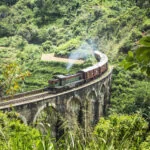
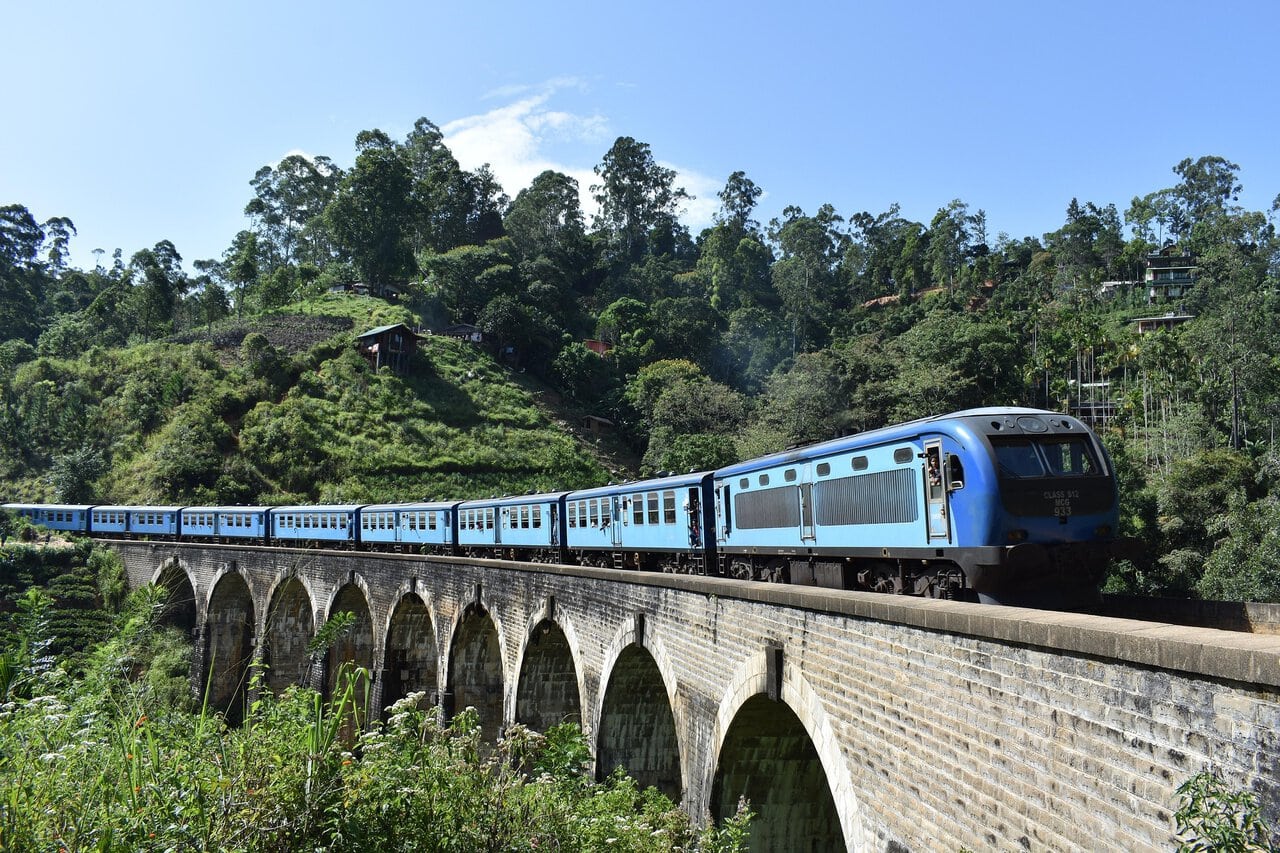
The Kandy to Ella train has become one of the world’s most photographed railway journeys and is now considered one of the defining travel experiences in Sri Lanka.
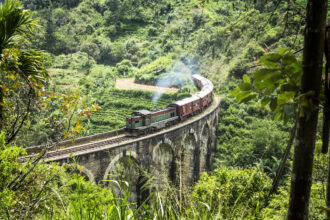
The route climbs through Sri Lanka’s central highlands, passing: tea estates, forests, mountain ridges, colonial era railway stations, waterfalls, and deep valleys before reaching the small hill country town of Ella.
For many travellers, the railway journey itself becomes more memorable than the destination.
Part of the route’s appeal comes from how immersive the experience feels. Travellers stand near open train doors, lean from windows to photograph the scenery, and spend hours watching Sri Lanka’s landscapes slowly transform as the train climbs deeper into the mountains.
The atmosphere onboard also contributes heavily to the route’s popularity. Backpackers, photographers, local commuters, families, and railway enthusiasts all share the same space, creating a constantly social and energetic environment.
Stations such as Nanu Oya, serving Nuwara Eliya, are especially famous because they sit deep within Sri Lanka’s tea country surrounded by rolling green hills and cooler mountain air.
The final sections approaching Ella are often considered the most spectacular, particularly around:
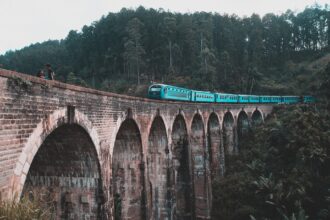
Haputale, Demodara, and the landscapes surrounding the famous Nine Arches Bridge.
Despite its global popularity, however, the railway still feels surprisingly authentic because it remains part of Sri Lanka’s everyday transport network rather than functioning purely as a tourist attraction.
That balance between spectacular scenery and real everyday railway life is one of the reasons the route continues to leave such a strong impression on travellers from around the world.
Train Travel in Northern Sri Lanka
Train travel through northern Sri Lanka feels completely different from the famous mountain railways of the central highlands. The atmosphere is quieter, the landscapes are broader and drier, and the pace of travel feels slower and less tourism focused than around destinations such as Ella or Kandy.
The reopening of rail services towards Jaffna was one of the most significant developments in modern Sri Lankan railway history. Large parts of the northern rail network were heavily damaged during the civil war period, and for many years trains could not operate properly into the region.
Today, long distance trains once again connect Colombo with Anuradhapura, Jaffna, and the northern peninsula, allowing travellers to cross huge sections of the island by rail.
The scenery also changes dramatically compared with the lush hill country routes. Dense forests and tea plantations gradually disappear, replaced by dry landscapes, lagoons, open plains, scattered villages, and long straight railway lines stretching towards northern Sri Lanka.
For many travellers, northern Sri Lanka feels less commercialised and less internationally visited than the southern tourism circuit. Railway travel therefore becomes one of the best ways to experience a quieter and more regional side of the country.
Long distance trains towards Jaffna are especially important because road journeys across the island can become extremely long and tiring. Overnight services are popular with local passengers travelling for work, family visits, and everyday life across the region.
The atmosphere onboard northern trains also feels more local overall. Many passengers are commuting or visiting relatives rather than travelling specifically for scenic tourism.
Yet this is exactly what makes the experience rewarding. Travelling north by rail gives visitors a much broader understanding of Sri Lanka beyond the country’s most photographed destinations.
Train Delays and Realistic Expectations
One of the most important things travellers should understand before using trains in Sri Lanka is that delays are completely normal.
Sri Lanka’s railway network is famous for its scenery, atmosphere, and character, but it is not built around strict punctuality. Trains regularly run behind schedule because of ageing infrastructure, signalling limitations, weather conditions, operational congestion, and the complexity of moving huge numbers of passengers across the island every day.
For travellers arriving from countries with highly modernised rail systems, this can initially feel frustrating. Journey times often stretch substantially longer than expected, especially on mountain routes where trains climb slowly through steep terrain and winding curves.
However, most visitors quickly realise that Sri Lankan rail travel works best when approached with patience rather than rigid scheduling.
The famous hill country railways are the perfect example. A train officially scheduled to take six hours may easily take much longer depending on conditions that day. Yet many passengers barely notice because the constantly changing scenery, station activity, open windows, and conversations onboard become part of the journey itself.
Trying to treat Sri Lankan railways like precision high speed transport systems usually leads to frustration. Treating them as immersive travel experiences generally leads to a much better trip.
This is particularly important when planning onward connections. Travellers should avoid building extremely tight itineraries around train arrivals, especially when connecting onwards towards airports, buses, tours, or hotel transfers.
At the same time, the unpredictability is also part of the railway network’s personality. The trains feel deeply human, social, imperfect, noisy, and completely connected to everyday life across Sri Lanka.
Food, Luggage and Comfort on Sri Lanka Trains
Long distance train journeys in Sri Lanka often last for many hours, meaning comfort and preparation can completely shape the overall railway experience.
Food culture is deeply woven into Sri Lanka Railways, and almost every major journey involves a constant flow of station vendors, carriage sellers, and passengers carrying meals onboard for long trips across the island.
At major stations and smaller rural stops alike, vendors move through platforms selling fresh fruit, fried snacks, rice packets, curries, bottled drinks, and the famous sweet Sri Lankan milk tea found throughout the railway network.
Many travellers actually remember the food atmosphere almost as vividly as the scenery itself. Buying hot tea at a mist covered mountain station or watching food sellers move between crowded carriages becomes part of the rhythm of travelling across Sri Lanka by rail.
On scenic routes such as the Kandy to Ella train, passengers often spend large parts of the journey leaning near open windows or standing beside carriage doors watching the mountains unfold outside. Carrying extra water, snacks, tissues, and portable chargers therefore makes long journeys substantially more comfortable.
Luggage is another major consideration, especially on crowded scenic trains.
Large rigid suitcases quickly become awkward inside busy carriages, particularly in second class and unreserved compartments where space is limited and passengers move constantly between seats and doorways.
Travellers carrying compact backpacks or smaller flexible luggage usually find Sri Lankan railway travel much easier overall.
This becomes especially important at stations such as Colombo Fort, Kandy, and Ella, where crowded platforms, narrow carriage entrances, stairs, and sudden boarding rushes can make oversized luggage frustrating very quickly.
Comfort levels also vary dramatically depending on the train class, crowding levels, weather conditions, and whether seating is reserved.
Second class reserved seating is often considered the best overall balance between atmosphere and comfort because travellers still experience open windows and mountain air while keeping guaranteed seating for long journeys.
At the same time, travellers should keep expectations realistic. Sri Lankan trains are memorable because they feel alive and authentic, not because they operate like luxury rail products.
Open windows, noisy stations, changing weather, crowded platforms, local conversations, and constantly shifting scenery are all part of what makes rail travel across Sri Lanka feel so distinctive.
Compare hostels and lower-cost places to stay in Sri Lanka.
Search hostelsGet help with compensation, eligible lounge access and disruption support.
Explore AirHelp+Arriving before check-in or leaving later? Store your luggage and make more of your time in Sri Lanka.
Store your bagsSafety Tips for Sri Lanka Railway Travel
Rail travel in Sri Lanka is generally safe for travellers, and millions of passengers use the railway network every year without problems. However, the system operates very differently from heavily controlled modern railways in some other parts of the world, meaning travellers should still use normal awareness and common sense throughout their journey.
The most important safety issue involves the famous open train doors on scenic routes such as the Kandy to Ella train. Standing near the doors has become internationally famous through travel photography and social media, but travellers should remember the railway passes extremely close to tunnels, poles, vegetation, bridges, and steep drops in some areas.
Passengers should always remain cautious and avoid risky behaviour while taking photographs or leaning from carriages.
Crowded stations are another area where travellers should stay aware of luggage, phones, passports, and valuables, particularly at major hubs such as Colombo Fort Railway Station and Kandy Railway Station.
Overnight trains also require slightly more awareness than daytime journeys. Keeping valuables close, securing bags properly, and carrying important documents in hand luggage rather than larger suitcases is strongly recommended.
At the same time, one of the most striking things about Sri Lankan railway travel is how social and communal it feels. Local passengers regularly help travellers with directions, luggage, food advice, and seating arrangements, especially on long distance routes.
For many visitors, the friendliness of fellow passengers becomes one of the strongest memories of travelling across Sri Lanka by train.
Travellers should also prepare carefully for heat, dehydration, and long travel times, especially in unreserved compartments where crowding can become intense during busy periods.
Overall, Sri Lanka’s railway network rewards travellers who approach it with patience, flexibility, awareness, and a willingness to embrace the atmosphere rather than expecting a perfectly controlled transport experience.
Best Apps, eSIMs and Tools for Sri Lanka Trains
Modern apps and mobile connectivity have transformed railway travel across Sri Lanka, especially for international travellers navigating the network for the first time.
Reliable internet access becomes extremely important because many travellers now rely heavily on smartphones for train information, ticket bookings, hotel reservations, maps, tuk tuk apps, translation tools, and communication while moving across the island.
One of the biggest problems travellers face after arriving in Sri Lanka is trying to organise onward transport without working mobile data. This becomes especially stressful at busy locations such as:
Colombo Fort Railway Station, Kandy Railway Station, and around long distance overnight services.
Because of this, many travellers now activate Sri Lanka eSIMs before departure rather than waiting to purchase physical SIM cards after landing.
Reliable mobile data makes a major difference throughout the journey. Travellers can track routes using Google Maps, arrange pickups using PickMe, communicate with hotels through WhatsApp, and monitor changing travel plans while crossing the island by rail.
This becomes particularly useful on longer routes where delays are common and onward connections may need adjusting during the journey itself.
Several regional eSIM providers work particularly well for Sri Lanka including Airalo, Nomad, and GigSky.
Travellers continuing onwards through South Asia often prefer regional plans covering multiple countries rather than constantly changing SIM cards during longer trips.
Offline preparation is also extremely useful. Downloading offline maps before travelling into mountain regions or northern Sri Lanka can make journeys substantially easier when signal quality fluctuates.
For many travellers, smartphones now function almost like digital travel companions across Sri Lanka’s railway network, helping manage everything from station navigation to overnight accommodation bookings while moving across the country.
Combining Trains with Tuk Tuks and Ferries
One of the best ways to explore Sri Lanka is by combining long distance train travel with local tuk tuks, ferries, and regional transport connections.
Sri Lanka’s railway network reaches many important destinations, but travellers often still require local transport for the final part of the journey. This is especially true in Ella, Kandy, Galle, Jaffna, and many beach destinations where hotels and attractions sit away from the railway station itself.
Tuk tuks therefore become a natural extension of railway travel across Sri Lanka. After arriving at busy stations, travellers frequently continue onwards using local tuk tuks, taxis, or ride hailing apps such as PickMe.
This combination works especially well for independent travellers because it removes the need for expensive private drivers while still allowing flexibility across the island.
The growing international ferry connection between Nagapattinam in India and Kankesanthurai in northern Sri Lanka has also created new possibilities for combining ferries and trains into wider overland journeys.
Travellers can now realistically combine Indian railways, the ferry crossing, northern Sri Lankan rail services, and overnight trains into one continuous regional travel experience.
This style of travel feels increasingly rare in the modern tourism world, where most journeys are dominated entirely by airports and flights.
Sri Lanka’s transport system works best when travellers think flexibly rather than treating each mode of transport separately. Trains, tuk tuks, ferries, buses, and walking routes all naturally combine together into the wider experience of moving across the island.
For many visitors, this layered style of travel becomes one of the most memorable aspects of exploring Sri Lanka itself.

Rupert’s Handy Travel Tips
Rupert recommends treating Sri Lanka’s railways as part of the adventure rather than simply transport between destinations. The trains work best when travellers leave flexibility in their plans and embrace the atmosphere of the journey itself.
- Book reserved seating early for famous routes such as the Kandy to Ella train.
- Carry snacks, water, tissues, and a portable charger for long journeys.
- Use a Sri Lanka eSIM so maps, hotels, and tuk tuk apps continue working throughout the trip.
- Avoid rigid itineraries because delays on Sri Lanka’s railways are common.
- Travel with smaller flexible luggage whenever possible because crowded trains and stations can make oversized suitcases difficult to manage.
Want to meet the reindeer behind our travel tips? Find out more in our page Who is Rupert?.





Frequently Asked Questions About Sri Lanka Trains
What is the most famous train journey in Sri Lanka?
The Kandy to Ella train is widely considered Sri Lanka’s most famous railway journey because of its spectacular mountain scenery.
Are trains in Sri Lanka cheap?
Yes. Railway travel in Sri Lanka is generally very affordable compared with private drivers or domestic flights.
Should I reserve Sri Lanka train tickets in advance?
Yes, especially for scenic routes and overnight trains where reserved seating can sell out quickly during peak tourism periods.
What is the best train class in Sri Lanka?
Many travellers consider second class reserved seating the best balance between scenery, comfort, atmosphere, and price.
Do Sri Lanka trains have sleeper cars?
Some long distance overnight services provide sleeper style accommodation or reserved overnight seating depending on the route.
Are Sri Lanka trains safe for tourists?
Yes. Sri Lanka’s railway network is generally safe, although travellers should still use normal awareness around crowded stations and open train doors.
Further Reading & Related Guides
If you are planning a wider railway journey across Sri Lanka, our related transport and travel guides can help you explore the island in far greater depth.
Travellers interested in Sri Lanka’s most famous scenic railway should also read our detailed Kandy to Ella Train Guide, covering classes, seat selection, ticket booking, mountain scenery, and realistic expectations for the journey through the central highlands.
For travellers starting in the capital, our Colombo to Ella Train Guide explains the longer hill country route from Colombo Fort Railway Station into Sri Lanka’s tea plantation regions and mountain landscapes.
If you are planning overnight rail travel, our Sri Lanka Sleeper Trains Guide covers long distance services towards Jaffna, Batticaloa, Trincomalee, and other major railway corridors across the island.
Travellers arriving internationally should also read our SriLankan Airlines Guide, particularly when combining flights with onward train travel from Colombo into the hill country or northern Sri Lanka.
Reliable internet access is also extremely important for modern rail travel, so our Sri Lanka eSIM Guide explains the best mobile data options for maps, hotel bookings, ride hailing apps, and railway planning throughout the trip.
For local transport connections after arriving at stations, our Sri Lanka Tuk Tuk Apps Guide explains how apps such as PickMe can simplify travel around cities, beaches, and hill country towns after long train journeys.