
Reviewed by our editorial team Updated
Colombo to Ella Train: What You Need to Know
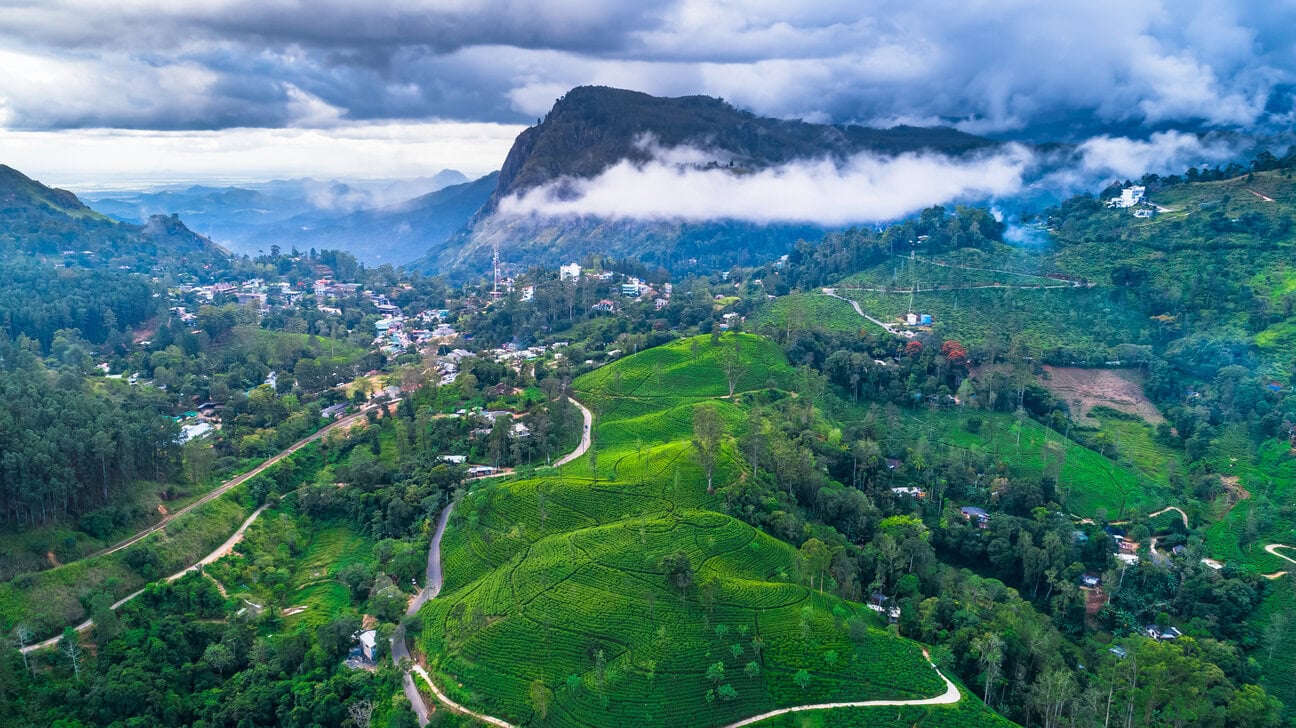
The Colombo to Ella train is widely considered one of the most spectacular railway journeys anywhere in the world. Travelling from the busy lowlands of Colombo into the mist covered mountains of Sri Lanka’s central highlands, the route passes through tea plantations, waterfalls, cloud forests, mountain villages, and dramatic railway scenery that has become internationally famous across social media and travel photography.
For many travellers visiting Sri Lanka, the train journey itself becomes one of the highlights of the entire trip rather than simply a method of transport. The route is especially popular with backpackers, railway enthusiasts, photographers, and travellers exploring Sri Lanka for the first time.
One of the biggest reasons the journey is so famous is the dramatic change in scenery. Trains leave the humid coastal lowlands around Colombo before gradually climbing into cooler mountain landscapes filled with rolling tea estates and steep valleys. By the time the train reaches Ella, the atmosphere feels completely different from the tropical coastline.
The journey is long, often taking around 9 to 11 hours depending on the service, delays, and operational conditions. However, most travellers consider the length part of the experience rather than a drawback.
Why the Colombo to Ella Railway Is So Famous
The Colombo to Ella railway has become globally famous because it combines spectacular scenery with one of the most atmospheric rail experiences in Asia. Unlike luxury tourism trains designed primarily for wealthy visitors, Sri Lanka’s hill country railway still functions as a real working transport route used daily by commuters, local residents, tourists, and backpackers.
This creates an experience that feels authentic rather than staged. Open doors, leaning viewpoints, mountain tunnels, station vendors, and constantly changing scenery all contribute to the journey’s reputation as one of the world’s greatest train rides.
The most visually famous sections are usually found after Kandy, when the railway begins climbing deeper into Sri Lanka’s central highlands. The scenery becomes progressively more dramatic as the train passes through tea plantations, bridges, dense jungle, and steep mountain ridges.
One of the most photographed parts of the route is around Ella itself, particularly near the famous Nine Arches Bridge, where trains curve through dense green landscapes surrounded by tea estates and tropical forest.
Social media has also massively increased the route’s global popularity. Images of travellers sitting in open train doorways surrounded by mountain scenery have become one of the defining travel images associated with Sri Lanka tourism.
Compare hotels and other places to stay for your trip.
Check availabilityBrowse apartments, holiday homes and self-catering stays.
View rentalsCompare hotel deals from multiple booking sites in one search.
Compare pricesColombo to Ella Train Route Overview
The railway between Colombo and Ella forms part of Sri Lanka’s historic Main Line, one of the country’s most important rail corridors. The route begins at Colombo Fort Railway Station before gradually climbing inland towards the central mountains.
| Major Stop | Why It Matters |
|---|---|
| Colombo Fort | Main departure station |
| Kandy | Cultural and rail hub |
| Nanu Oya | Access for Nuwara Eliya |
| Haputale | Mountain scenery |
| Ella | Backpacker and hiking hub |
| Badulla | Final destination on many services |
The first section between Colombo and Kandy passes through heavily populated lowland regions and suburban towns. After Kandy, the railway becomes significantly more scenic as the line climbs into Sri Lanka’s hill country.
The section around Nanu Oya is particularly important because it acts as the gateway to Nuwara Eliya, one of Sri Lanka’s most famous tea plantation towns. Many travellers break the journey here before continuing onwards to Ella later.
The final approach into Ella includes some of the route’s most dramatic scenery, with steep valleys, bridges, mountain forests, and tea estates dominating the landscape.
Although many travellers travel directly from Colombo to Ella in one day, others choose to split the journey across multiple destinations such as Kandy or Nuwara Eliya to explore Sri Lanka’s hill country more slowly.
Colombo Fort Railway Station Guide
Nearly all Colombo to Ella train journeys begin at Colombo Fort Railway Station, the main long distance railway hub in Sri Lanka. Located close to the historic Fort district of Colombo, the station acts as the gateway to rail travel across much of the island.
The station can initially feel chaotic for first time visitors, particularly during busy morning departures when large numbers of commuters, tourists, and long distance travellers all move through the platforms simultaneously.
Travellers should ideally arrive at least 45 to 60 minutes before departure, especially when travelling with reserved tickets or large luggage. Platform information occasionally changes at short notice, and finding the correct carriage can take time during crowded periods.
Inside the station complex, travellers will find food stalls, small shops, ticket counters, waiting areas, and basic railway facilities. Many passengers purchase snacks and water before boarding because onboard catering standards vary between services.
The station area outside is also extremely busy, with tuk tuks, taxis, buses, and ride hailing apps constantly moving through the surrounding streets. Travellers arriving directly from Bandaranaike International Airport should allow substantial extra time because Colombo traffic can delay transfers significantly.
Colombo to Ella Train Classes Explained
Choosing the right class on the Colombo to Ella train can dramatically affect the overall experience. Sri Lankan trains are not luxury rail journeys in the European sense, and the atmosphere varies enormously between first class, second class, and third class.
For many travellers, selecting the “best” class is not simply about comfort. Some passengers prioritise scenery and atmosphere over air conditioning or reserved seating, while others simply want the least stressful option for such a long journey.
| Class | Main Features | Best For |
|---|---|---|
| First Class Observation | Air conditioned, panoramic windows | Scenic comfort |
| First Class Reserved | Reserved seats, quieter atmosphere | Comfort focused travellers |
| Second Class Reserved | Open windows, reserved seating | Best balance overall |
| Second Class Unreserved | Flexible but crowded | Budget travellers |
| Third Class | Cheapest option | Local experience and backpackers |
The most popular option for many travellers is usually second class reserved seating because it combines open windows with guaranteed seats. Open windows are important because much of the famous photography associated with the route depends on unobstructed views and natural airflow.
Meanwhile, first class observation cars are especially popular with tourists because of the large panoramic windows and more comfortable environment. However, some travellers actually prefer second class because the atmosphere feels more authentic and social.
Unreserved tickets are technically available on many services, but these can become extremely crowded, particularly during weekends, holidays, and peak tourism periods. Standing for long sections of a 10 hour mountain railway journey can become exhausting very quickly.

First Class vs Second Class on the Ella Train
One of the biggest debates surrounding the Colombo to Ella railway is whether travellers should choose first class or second class. Both options offer completely different experiences, and the “better” choice depends heavily on personal travel style.
First class provides more comfort, quieter carriages, and often air conditioning depending on the train type. Observation cars also provide large windows specifically designed for sightseeing and photography.
However, many experienced travellers still recommend second class reserved seating because of the atmosphere. Open windows, fresh mountain air, conversations with local passengers, and easier access to doorway views often make second class feel more immersive and memorable.
One important issue with air conditioned first class carriages is photography. Reflections on sealed windows can make photography more difficult compared with open window second class seating.
Second class also tends to feel more lively and social. Backpackers, independent travellers, local families, and tourists often interact throughout the journey, creating a far more communal atmosphere than the quieter first class environment.
For travellers prioritising comfort after long flights or during busy tourism periods, first class may still be the better option overall. But for many visitors wanting the classic “Sri Lanka train experience,” second class reserved seating is usually considered the sweet spot.
How to Buy Colombo to Ella Train Tickets
Buying Colombo to Ella train tickets can be surprisingly competitive, especially during peak tourism periods when reserved seats regularly sell out days or even weeks in advance.
Most travellers purchase tickets through Sri Lanka Railways, local travel agencies, hotels, or transport booking platforms. Reserved tickets are strongly recommended because unreserved carriages can become extremely crowded on this route.
| Booking Method | Best For |
|---|---|
| Sri Lanka Railways Official Website | Direct bookings |
| Hotel Booking Services | Convenience |
| Local Travel Agencies | Hard to get tickets |
| 12Go Asia | International travellers |
One of the biggest mistakes travellers make is assuming tickets will always be available on the day of travel. During busy periods, particularly between December and April, reserved seats on scenic services can disappear very quickly.
Many hotels and guesthouses across Sri Lanka also help guests secure train reservations, particularly in major tourist areas such as Ella, Kandy, and Colombo. While this sometimes involves additional fees, it can significantly simplify the process for first time visitors unfamiliar with the Sri Lankan rail system.
Travellers should also understand that different train services offer different carriage types. Some trains include observation cars, while others may only provide standard reserved seating or unreserved compartments.
Best Side of the Train from Colombo to Ella
One of the most common questions travellers ask about the Colombo to Ella train is which side provides the best scenery. The answer varies slightly depending on the exact section of the route, but for most of the journey the right hand side when travelling from Colombo towards Ella is generally considered superior for mountain views.
This becomes particularly important after Kandy, where the railway enters Sri Lanka’s dramatic hill country landscapes. Tea plantations, valleys, forests, and mountain ridges are often more visible from the right side during many of the most scenic sections.
However, the reality is that scenery appears on both sides throughout the route, and many travellers move around the carriage frequently anyway, especially in second class where passengers often gather near open doors and windows.
The most iconic photographs are usually taken from train doorways rather than traditional seated positions. Travellers should still be extremely careful when leaning from doors because the railway passes close to tunnels, poles, and vegetation in some sections.
Morning and afternoon lighting conditions can also affect photography dramatically. Mist, cloud, and changing mountain weather often create completely different atmospheres depending on the season and time of day.
For many travellers, the best strategy is simply to remain flexible, move around when possible, and enjoy the constantly changing scenery rather than obsessing too heavily about specific seat positions.
Compare routes and fares for your next trip.
Compare flightsUse an eSIM to get online without hunting for a local SIM after arrival.
See eSIM optionsBook a private airport transfer in advance and have your ride planned before you arrive.
Check transfersBest Time to Take the Colombo to Ella Train
The best time to experience the Colombo to Ella train depends heavily on weather conditions, visibility, tourism levels, and what kind of scenery travellers hope to experience while crossing Sri Lanka.
For most travellers, the most popular period is between December and April, when conditions across much of Sri Lanka’s hill country are generally drier and visibility is often better. During these months, travellers are more likely to enjoy clear mountain views across the tea plantations, valleys, and forests surrounding Ella, Nanu Oya, and Haputale.
However, the hill country climate changes rapidly throughout the day. Morning sunshine can quickly become mist, cloud, or tropical rain, particularly at higher elevations. Ironically, some of the most atmospheric photographs of the route actually occur during misty weather when the mountains become partially hidden beneath cloud.
| Season | Conditions on the Ella Railway |
|---|---|
| December to April | Drier weather and clearer views |
| May to September | Greener landscapes and occasional rain |
| October to November | Heavier rainfall and mistier conditions |
It is worth checking the public holiday calendar published by Sri Lanka Tourism, the country’s official tourist board, because Poya days and national holidays fill trains with domestic travellers as well as visitors. Peak tourism periods also dramatically affect ticket availability. Reserved seats, especially in first class observation cars and second class reserved carriages, can sell out extremely quickly during Christmas, Easter, and major international holiday periods.
Travellers hoping to avoid crowds may actually enjoy shoulder season travel more, particularly when the landscapes become exceptionally green after periods of rainfall. The scenery around Ella, Nine Arches Bridge, and the surrounding tea plantations often looks most dramatic immediately after rain.
Scenic Highlights on the Colombo to Ella Railway
The Colombo to Ella railway is famous because the scenery changes constantly throughout the journey. Travellers move from the dense lowland suburbs of Colombo into some of the most spectacular mountain landscapes anywhere in Asia.
The first major transition occurs after Kandy, where the railway begins climbing into Sri Lanka’s central highlands. From this point onward, the scenery becomes increasingly dramatic with steep valleys, mountain forests, waterfalls, and endless tea plantations dominating the landscape.
One of the most famous sections is around Nanu Oya, the station serving Nuwara Eliya, often referred to as “Little England” because of its cooler climate and colonial tea plantation heritage. The surrounding hills are filled with tea pickers, winding mountain roads, and rolling green scenery.
As the train approaches Haputale and Ella, the landscapes become even more dramatic. Deep valleys, cloud forests, mountain ridges, and railway bridges create some of the most iconic views in Sri Lanka.
The area surrounding the famous Nine Arches Bridge near Ella has become internationally famous through social media and travel photography. Many travellers specifically stay several days in Ella purely to photograph trains crossing the bridge surrounded by dense tropical greenery.
Open train doors also contribute heavily to the route’s popularity. Travellers standing carefully near the carriage entrances experience uninterrupted views across the mountains while feeling the cool hill country air rushing through the train.
Food and Drinks on the Colombo to Ella Train
Food becomes surprisingly important on the Colombo to Ella train because the journey is so long. Travellers can easily spend 9 to 11 hours onboard, meaning preparation makes a major difference to overall comfort.
Sri Lankan trains usually have vendors moving through the carriages selling tea, snacks, rice dishes, samosas, fruit, and bottled drinks throughout parts of the route. However, the quality and availability vary depending on the specific service, carriage, and time of day.
Many experienced travellers therefore buy food before departure from Colombo Fort Railway Station. Station stalls, bakeries, supermarkets, and nearby shops provide far more choice than relying entirely on onboard catering.
One of the most memorable parts of Sri Lankan rail travel is actually the station food culture itself. Vendors often appear briefly at smaller stations selling fresh fruit, spicy snacks, tea, and local street food directly through train windows during short stops.
Travellers should also carry plenty of drinking water, particularly when travelling in second class with open windows and warmer daytime conditions. Despite the mountain climate becoming cooler later in the journey, the lower sections near Colombo can still feel hot and humid.
For backpackers and photographers spending large amounts of time standing near train doors or moving between carriages, portable snacks and drinks become particularly useful during the longer mountain sections of the route.
Colombo to Ella Train Delays and Realistic Expectations
One of the most important things travellers should understand about the Colombo to Ella train is that delays are completely normal. Sri Lanka’s railway system is scenic and memorable, but it does not operate with the precision of modern high speed European or Japanese railways.
Journey times often fluctuate because of track conditions, congestion, weather, signalling systems, and operational delays across the network. A train officially scheduled for around 9 hours can sometimes take substantially longer.
For many travellers, this unpredictability becomes part of the experience rather than a serious problem. The atmosphere onboard is usually relaxed, and passengers quickly adapt to the slower rhythm of Sri Lankan rail travel.
Travellers with extremely tight itineraries, however, should plan carefully. Booking onward buses, tours, or airport transfers immediately after arrival in Ella can become risky if delays occur during the mountain sections of the route.
The carriages themselves can also feel older and more basic than many international visitors initially expect. This is not a luxury rail product. Open windows, worn interiors, crowded platforms, and changing onboard conditions are all part of the authentic character of the Sri Lankan railway experience.
For most visitors, embracing the slower pace is essential. Travellers who approach the journey as an experience rather than simply transportation usually enjoy the railway far more.
Colombo to Ella Train for Backpackers
The Colombo to Ella train has become one of the defining backpacker experiences in Sri Lanka. For many travellers, the railway is not simply transport between destinations. It is a major part of the adventure itself.
Backpackers are especially drawn to the route because it combines spectacular scenery, relatively cheap fares, social atmosphere, and direct access to Sri Lanka’s most famous mountain destinations. Travellers from around the world often spend hours talking, sharing food, taking photographs, and moving between carriages during the journey.
One of the biggest advantages for backpackers is flexibility. Many travellers stop along the route at destinations such as Kandy, Nuwara Eliya, Haputale, or Ella before continuing onwards later.
The route also connects naturally with many of Sri Lanka’s other major travel experiences including surf beaches, UNESCO heritage sites, national parks, and sleeper trains across the island.
However, backpackers should also prepare for the realities of Sri Lankan rail travel. Crowded carriages, delays, limited luggage space, and long travel days are all common. Travellers expecting luxury conditions often misunderstand what makes the route special in the first place.
For many backpackers, the most memorable moments actually happen between the famous viewpoints. Conversations with local passengers, chai vendors at stations, mist rolling through mountain valleys, and standing at open train doors often become the defining memories of the journey.
Using the Colombo to Ella Train with Luggage
Luggage management is one of the most overlooked parts of planning the Colombo to Ella train. Because the journey lasts most of the day and carriages can become crowded, oversized suitcases quickly become frustrating.
Travellers carrying compact backpacks usually have a much easier experience than those travelling with multiple heavy suitcases. Smaller bags are easier to store above seats, beneath benches, or beside passengers during crowded sections of the route.
First class observation cars generally provide slightly more comfortable luggage conditions, while second class reserved carriages can become busy enough that large suitcases block walkways and movement between seats.
Backpackers staying in Ella often leave larger bags at accommodation elsewhere in Sri Lanka before taking the train with smaller overnight luggage. This is particularly useful for travellers planning hiking trips around Ella Rock, Little Adam’s Peak, or the surrounding tea plantations.
Travellers should also remember that railway platforms and stations in Sri Lanka are not always designed around heavy luggage. Uneven surfaces, crowded boarding areas, stairs, and narrow carriage entrances can all make large suitcases awkward during busy departures.
For most travellers, lightweight and flexible luggage makes the entire Sri Lanka railway experience substantially easier.
Compare hostels and lower-cost accommodation for your trip.
Search hostelsAccess compensation support, eligible lounge benefits and faster payouts.
See the benefitsArriving before check-in or leaving later? Store your luggage and enjoy the extra time hands-free.
Store your bagsIs the Colombo to Ella Train Worth It?
Despite the long journey time, ticket competition, and occasional delays, the answer for most travellers is overwhelmingly yes. The Colombo to Ella train remains one of the greatest railway journeys in Asia and one of the defining travel experiences in Sri Lanka.
The route succeeds because it offers far more than scenery alone. The constantly changing landscapes, social atmosphere, mountain air, tea plantation views, station culture, and slower pace of travel all combine into something that feels genuinely memorable rather than overly commercialised.
Many travellers actually rate the railway as the highlight of their entire Sri Lanka trip, even above famous attractions such as Sigiriya, Galle Fort, or the island’s beaches.
The train is particularly rewarding for travellers who enjoy slow travel, photography, railways, and immersive transport experiences. Those expecting luxury tourism infrastructure may find the route rougher and more chaotic than anticipated, but this authenticity is also exactly why so many people love it.
For many visitors, the railway becomes symbolic of Sri Lanka itself. Beautiful scenery, organised chaos, warmth, unpredictability, and unforgettable travel moments all combine throughout the journey.

Rupert’s Handy Travel Tips
Rupert recommends booking the Colombo to Ella train as early as possible, especially if you want second class reserved seating or a place in the famous observation car. Popular departures regularly sell out days in advance during peak season.
- Sit on the right hand side travelling from Colombo for many of the best mountain views.
- Carry snacks, water, tissues, and a portable charger because the journey is much longer than many travellers expect.
- Use caution around open train doors because tunnels, poles, and vegetation pass extremely close to the carriages.
- Allow flexibility in your itinerary because delays on Sri Lankan railways are completely normal.
- Stay at least a few nights in Ella rather than rushing onwards immediately after the train ride.
Want to meet the reindeer behind our travel tips? Find out more in our page Who is Rupert?.


Frequently Asked Questions About the Colombo to Ella Train
How long does the Colombo to Ella train take?
The Colombo to Ella train usually takes around 9 to 11 hours depending on the specific service and delays along the route.
What is the best class on the Ella train?
Many travellers consider second class reserved seating the best balance between comfort, scenery, and atmosphere.
Which side of the train is best from Colombo to Ella?
The right hand side travelling from Colombo towards Ella is generally considered best for mountain scenery during many sections of the route.
Can you open windows on the Ella train?
Yes. Open windows are one of the reasons many travellers prefer second class over air conditioned first class carriages.
Do Colombo to Ella train tickets sell out?
Yes. Reserved seats often sell out quickly, especially during peak tourism periods between December and April.
Is the Colombo to Ella railway safe?
Yes. The route is generally safe, although travellers should still be extremely careful around open carriage doors and crowded boarding areas.
Further Reading & Related Guides
If you are planning a wider railway journey across Sri Lanka, our related travel guides can help you build a smoother itinerary around the island’s famous rail network. Travellers using the Colombo to Ella train should also read our detailed guide to Sri Lanka sleeper trains, covering overnight rail routes towards Jaffna, Batticaloa, Trincomalee, and Sri Lanka’s wider long distance railway system.
Travellers arriving internationally may also find our Colombo Airport Transfers Guide useful for reaching Colombo Fort Railway Station before beginning the hill country railway journey. To stay connected throughout the trip, our Sri Lanka eSIM Guide explains the best mobile data options for maps, train bookings, and transport apps while travelling between Colombo, Kandy, and Ella.
For travellers exploring Sri Lanka’s cultural and historical attractions after the railway journey, our Sri Lanka UNESCO Sites Guide covers destinations such as Sigiriya, Kandy, Polonnaruwa, and Galle Fort, all of which combine naturally with Sri Lanka’s railway network.











