
Reviewed by our editorial team Updated
Why Choose the Portugal Pass
The Interrail Portugal Pass is one of the simplest ways to explore Portugal by train, especially if you want to connect Lisbon, Porto, Coimbra, Braga, Faro, and the Douro Valley without buying a separate ticket for every journey. Portugal is compact, scenic, and well suited to rail travel, so a focused one-country pass can make a lot of sense for travellers who want freedom without overcomplicating the trip.
Unlike some larger European countries, Portugal’s rail network is easy to understand. Most domestic passenger services are operated by CP, Comboios de Portugal, which means the pass has a clear purpose and fewer operator complications. You can use it on major long-distance services such as Alfa Pendular and Intercidades, as well as slower Regional and InterRegional trains that reach smaller towns and more scenic areas.
The pass is particularly useful if your itinerary includes several medium or long-distance journeys. A simple route such as Porto to Lisbon, Lisbon to Faro, and Porto to the Douro Valley can quickly make the pass worth considering. It also gives you the flexibility to build a slower trip, with city breaks, coastal stays, wine regions, and historic towns all linked together by rail.
Portugal is also a strong choice for first-time Interrail travellers. The distances are manageable, the main stations are easy to navigate, and reservation costs are usually lower than in some other popular European rail destinations. You still need to plan ahead for Alfa Pendular and Intercidades trains, but the overall system is straightforward.
The Portugal Pass is best for travellers who want to explore one country properly rather than race across Europe. If your aim is to experience historic cities, Atlantic coastlines, vineyard landscapes, and relaxed regional journeys, this pass gives you a practical and flexible rail backbone for the trip.
Interrail Portugal Pass Overview and Key Facts
The Interrail Portugal Pass is valid for rail travel within Portugal on trains operated by CP, Comboios de Portugal, the national railway operator. It is designed as a one-country rail pass, making it most useful for travellers who want to explore Portugal in depth rather than combine several countries in one fast-moving itinerary.
The pass is sold as a flexi pass, which means you choose a set number of travel days within a longer validity period. On each travel day, you can take multiple eligible trains, which is helpful if you want to combine journeys such as Lisbon to Coimbra and Coimbra to Porto on the same day. This can make the pass better value when you plan your travel days carefully.
It covers Portugal’s main train categories, including Alfa Pendular, Intercidades, Regional, and InterRegional services. The fastest options are the Alfa Pendular trains, which connect major cities including Braga, Porto, Coimbra, Lisbon, and Faro. Intercidades trains also cover key long-distance routes, often at a slightly slower pace.
However, the pass does not cover every form of transport in Portugal. It is not valid on Lisbon Metro, Porto Metro, local buses, trams, ferries, or private tourist trains. These require separate tickets, so you should budget for local transport, especially in bigger cities.
Seat reservations are required on Alfa Pendular and Intercidades trains. Regional trains are generally more flexible, with no compulsory reservation. This makes the pass useful for combining planned long-distance journeys with slower, scenic trips such as the Douro Valley line.
The pass is available for youth, adult, and senior travellers, with children under 12 able to travel free when linked to an adult pass. Mobile passes are available through the Rail Planner app, while paper passes may also be offered.
Best for two or three nights. The widest choice of rooms, with filters for free cancellation and included breakfast.
View staysBest for longer stays. Whole apartments and houses, so you are not eating out three times a day.
View rentalsBest as a last check before booking. Compares Portugal hotel rates across several sites in one search.
Compare ratesKey Operators and Rail Network Size
The Interrail Portugal Pass is mainly about one operator: CP, Comboios de Portugal. This makes the pass easier to understand than rail passes in countries with several competing train companies. CP operates Portugal’s national passenger rail services, including the major long-distance routes, regional trains, and many commuter-style services.
Portugal’s railway network is smaller than neighbouring Spain’s, but it is very useful for travellers because it links the country’s most important cities and several major visitor regions. The strongest rail corridor runs north to south, connecting Braga, Porto, Coimbra, Lisbon, and Faro. This route forms the backbone of most Portugal rail itineraries and is where the pass is often easiest to justify.
The premium service is Alfa Pendular, Portugal’s fastest long-distance train. These trains are comfortable, modern, and especially useful for journeys such as Porto to Lisbon or Lisbon to Faro. They are ideal when you want to cover distance efficiently while keeping the trip relaxed. However, they require a seat reservation, so they are not completely turn-up-and-go.
Below Alfa Pendular, Intercidades trains provide another important layer of long-distance travel. They connect many of the same major destinations, often with more stops and slightly longer journey times. For pass holders, they are still highly valuable, especially where Alfa Pendular services are limited.
The regional network is where Portugal becomes more interesting. Regional and InterRegional trains reach smaller towns, inland areas, and scenic routes. The Douro Valley line east of Porto is the best-known example. These slower routes are not always the fastest way to travel, but they can be among the most memorable.
It is worth noting that Portugal currently has no operational high-speed rail line, so even the fastest Alfa Pendular services run on conventional upgraded track rather than dedicated high-speed infrastructure. That is changing on paper, at least: a new Lisbon to Porto high-speed line is now genuinely under construction, being delivered in three phases. The Portuguese government has put the planned investment at around €4.9 billion (£4.3bn / $5.6bn) to 2030. The phasing published for Infraestruturas de Portugal’s Porto to Lisbon high-speed line project puts the first section, Porto Campanhã to Oiã, at 2030, with the remaining phases following behind it. Completion is therefore expected sometime after 2030, so this remains a future development rather than something pass holders can use today.
The pass does have limits. It does not include local metro systems, buses, or private tourist services. Still, for national rail travel, the operator setup is simple, and the network is strong enough to support a well-planned Portugal itinerary.
Transport Hubs and Major Routes
Portugal’s rail system is built around a few important transport hubs, with Lisbon and Porto sitting at the centre of most Interrail journeys. Understanding these stations makes trip planning much easier, especially because some cities have more than one major rail terminal.
In Lisbon, the two key long-distance stations are Lisbon Oriente and Lisbon Santa Apolónia. Oriente is the main modern rail hub and is especially useful for Alfa Pendular and Intercidades services heading north toward Coimbra and Porto, or south toward Faro and the Algarve. It is also close to Lisbon Airport, which makes it convenient for travellers arriving by air. Santa Apolónia is closer to the historic centre and is useful for some long-distance and regional services.
In Porto, the main long-distance hub is Campanhã. This is where most major trains arrive and depart, including services to Lisbon, Coimbra, Braga, and the south of Portugal. São Bento station is much more famous visually, thanks to its tiled entrance hall, but it mainly handles regional and local services. Many travellers visit São Bento for the building, then use Campanhã for longer journeys.
The most important route for pass holders is the north to south corridor from Braga and Porto through Coimbra and Lisbon to Faro. This line links many of Portugal’s strongest travel destinations and makes the pass especially useful for first-time visitors. Typical itineraries often use this route as the backbone, with extra regional trips added along the way.
Another standout journey is the Douro Valley line, which runs east from Porto and trades speed for some of the best scenery on the Portuguese network.
For inland travel, the route from Lisbon to Évora opens up the Alentejo, including one of Portugal’s most historic cities. The Algarve is reached by trains to Faro, with onward regional services along the southern coast. Together, these routes give the Portugal Pass enough range for a varied and rewarding rail trip.
Example Ticket Prices vs Pass Value
One of the biggest questions surrounding the Interrail Portugal Pass is whether it actually offers good value compared to buying normal train tickets individually. Portugal is generally cheaper for rail travel than countries such as France, Switzerland, or Italy, so the pass works best for travellers planning several medium- or long-distance journeys rather than just one or two simple trips.
A standard journey between Lisbon and Porto on the fast Alfa Pendular service usually costs around €30 (£26 / $35) to €35 (£30 / $40) each way when purchased as a normal ticket. Even slightly slower Intercidades services often cost around €25 (£22 / $29) to €30 (£26 / $35). That means a simple return journey between Portugal’s two biggest cities can already approach €60 (£52 / $69) to €70 (£61 / $81) before any additional travel is added.
The same pattern appears on southern routes. A trip from Lisbon to Faro in the Algarve commonly costs between €25 (£22 / $29) and €35 (£30 / $40), depending on the service and booking time. Once you begin combining routes such as Porto to Lisbon, Lisbon to Faro, and regional journeys around the Algarve or the Douro Valley, the overall cost of separate tickets rises quickly.
Regional rail fares are cheaper individually but still add up across a longer itinerary. Journeys such as Porto to Régua in the Douro Valley or Lisbon to Évora may only cost around €10 (£9 / $12) to €15 (£13 / $17), but travellers exploring multiple regions often end up taking several of these smaller trips alongside the more expensive intercity routes.
The pass becomes particularly attractive for travellers planning a broad circuit of Portugal over one or two weeks. A trip covering Porto, Coimbra, Lisbon, Évora, Faro, and the Douro Valley can easily exceed €180 (£157 / $207) to €220 (£191 / $253) in normal ticket costs if booked separately. In those situations, the pass often works out cheaper overall while also giving more flexibility to adjust plans during the journey.
There is also a convenience factor that many travellers underestimate. With the pass, you avoid constantly comparing fares, managing multiple bookings, and worrying about changing ticket prices. Instead, you simply activate your travel day and focus on the journey itself.
However, the Portugal Pass is not automatically the cheapest option for everyone. If you only plan one or two long-distance train journeys, especially when booked far in advance, individual tickets may still cost less. The pass delivers its strongest value when used frequently and strategically across several regions.

Interrail Portugal Pass Prices (Flexi Passes)
The Interrail Portugal Pass is sold as a flexi pass, meaning you select a set number of travel days that can be used within a one-month period. This structure suits Portugal particularly well because most travellers naturally spend several days in each destination before moving on to the next city.
Instead of travelling continuously every day, the pass encourages a more relaxed style of exploration. You might spend a few nights in Porto, activate one travel day to continue to Coimbra and Lisbon, then use another travel day several days later to head south toward the Algarve.
Adult pricing for the Portugal Pass starts at around €114 (£99 / $131) for 3 travel days within one month. Moving up to 4 travel days costs approximately €139 (£121 / $160), while 5 travel days are usually around €163 (£142 / $187). Longer options include 6 travel days for roughly €186 (£162 / $214) and 8 travel days for around €229 (£199 / $263).
Youth travellers aged between 12 and 27 receive discounted pricing, which makes Portugal one of the more affordable Interrail destinations for backpackers and younger travellers. A youth pass with 3 travel days generally costs around €101 (£88 / $116), increasing to approximately €145 (£126 / $167) for 5 travel days and around €204 (£178 / $235) for the 8-day version.
Senior travellers aged 60 and over also receive reduced pricing. Senior fares are usually slightly above youth prices but below standard adult pricing, with the 3-day pass commonly costing around €103 (£90 / $118) and the 8-day version around €205 (£178 / $236).
For many travellers, the best balance between value and flexibility is usually the 5-day or 6-day pass. These options comfortably support a classic Portugal itinerary covering Porto, Lisbon, the Douro Valley, Évora, and the Algarve without forcing rushed daily travel.
All Portugal Passes are available in both mobile and paper versions. Most travellers now choose the mobile pass through the Rail Planner app because it is easier to manage, instantly delivered, and reduces the risk of losing physical documents during the trip.
Although Portugal’s rail fares are relatively affordable compared to much of Western Europe, the pass still becomes highly competitive once multiple intercity journeys are combined together, especially on premium long-distance trains.
How the Portugal Pass Works
The Interrail Portugal Pass works on a flexi-day system. Rather than giving unlimited travel every single day for a continuous period, the pass provides a set number of travel days that can be used anytime within one month.
On each active travel day, you can use as many eligible trains as you want between midnight and midnight. This is one of the reasons the pass works well in Portugal, where travellers often combine multiple shorter journeys in the same day.
For example, you could leave Porto in the morning, stop briefly in Coimbra, and continue onward to Lisbon later that afternoon using only a single travel day. The number of trains taken does not matter, only whether the day itself is activated.
The pass is available in both mobile and paper formats. Most travellers now use the mobile version through the Rail Planner app. Inside the app, you activate your pass, add train journeys before boarding, and display the QR code ticket during inspections onboard.
The app also includes journey planning tools, train schedules, and reservation guidance. Once journeys are loaded into the system, much of the functionality works offline, which is useful during longer regional trips or in areas with weaker mobile coverage.
Paper passes remain available for travellers who prefer physical tickets, but they require manual journey recording before boarding each train. This older system is less convenient and generally slower to manage.
One of the most important details to understand is reservations. Portugal’s premium long-distance trains, including Alfa Pendular and Intercidades services, require compulsory seat reservations even when you hold the pass. These reservations usually cost around €5 (£4 / $6) per journey and must be secured before travel.
Regional and InterRegional trains are much more flexible. Most do not require reservations, allowing pass holders to simply board and travel freely once the travel day is active.
The pass is valid only on trains operated by CP, Comboios de Portugal. Local transport systems such as metros, trams, ferries, and buses are not included, meaning separate tickets are still required for city transport.
Overall, Portugal’s rail system is relatively straightforward compared to many other European countries, which makes the pass particularly approachable for first-time Interrail users.
Where You Can Travel with the Portugal Pass
The Interrail Portugal Pass covers most of Portugal’s key rail corridors, allowing travellers to move between major cities, coastal resorts, historic towns, and scenic inland regions using the national rail network operated by CP, Comboios de Portugal.
The backbone of the system is the main north to south railway connecting Braga, Porto, Coimbra, Lisbon, and Faro. This route alone covers many of Portugal’s most important tourist destinations and forms the basis of most rail itineraries across the country.
In northern Portugal, the pass allows easy access between Porto and Braga, two cities rich in architecture, history, and culture. Porto acts as the main northern transport hub and is also the gateway to the famous Douro Valley railway.
The Douro line is one of the highlights of train travel in Portugal. Running eastward from Porto through Peso da Régua, Pinhão, and toward Pocinho, the railway follows the Douro River past vineyard-covered hillsides and traditional wine villages. Many travellers consider this one of the most scenic rail journeys in Europe.
Further south, the pass comfortably links Coimbra and Lisbon, two of Portugal’s most important historic cities. Coimbra is known for its medieval university and compact atmosphere, while Lisbon offers a mix of historic neighbourhoods, waterfront districts, and major transport connections.
The Algarve is also fully accessible by rail. Long-distance trains reach Faro, where regional services continue along the southern coastline toward destinations such as Lagos and Tavira. Although Algarve trains are slower than the intercity routes, they remain useful for travellers combining beaches, coastal towns, and rail travel together.
The Portugal Pass also reaches inland areas through routes such as Lisbon to Évora, opening access to the Alentejo region and one of Portugal’s most important UNESCO-listed historic cities.
There are still some limitations. Portugal’s railway network does not cover every remote beach area, mountain region, or rural village, particularly in the deeper interior and parts of the far south-west. Some trips still require buses or car hire to complete.
Internationally, the Portugal Pass is of no use at all, because a One Country Pass is valid only inside the country named on it. Only a handful of routes extend toward Spain in any case, and most travellers planning wider Iberian rail trips eventually combine the Portugal Pass with separate Spanish tickets or choose a broader Interrail Global Pass instead.
For travellers focused mainly on Portugal itself, however, the pass provides access to nearly all of the country’s strongest rail-connected destinations in a simple and efficient way.
Best if you can move a day either way. Shows how the fare to Portugal changes across the month.
Compare flightsBest for short trips. Install the eSIM at home and arrive in Portugal with working data, no shop queue.
Browse eSIMsBest after a long flight or a late landing. Price agreed before you travel, and no taxi queue.
Check transfersHow to Buy the Interrail Portugal Pass
Buying the Interrail Portugal Pass is relatively straightforward, and most travellers now purchase it online before arriving in Portugal. The easiest option is through the official Interrail website, where you can choose the number of travel days, your age category, and whether you want a mobile or paper pass.
For most people, the mobile pass is now the best option. After purchase, it is delivered directly to the Rail Planner app, where you can activate it closer to your departure date. This removes the need to carry physical tickets and makes it easier to manage journeys while travelling around Portugal.
The mobile system is particularly useful because you do not need constant internet access after activation. Once journeys are added to your pass, the QR code and trip information remain available offline, which is helpful on longer regional routes or in stations with weaker mobile coverage.
Paper passes are still available for travellers who prefer physical documentation. These are shipped by post before departure or can sometimes be purchased from larger railway stations and international rail agencies. However, paper passes are gradually becoming less common, and they require manual journey logging before each train trip.
Travellers already inside Portugal can sometimes purchase passes through major CP stations, particularly in cities such as Lisbon and Porto, but availability is generally more reliable online. The largest city stations are the most likely to handle international rail pass sales.
When purchasing the pass, it is important to choose the correct number of travel days. Portugal’s network naturally supports slower travel, so many visitors find that 5 or 6 travel days within one month offers the best balance between flexibility and value.
It is also worth remembering that the pass itself does not automatically include seat reservations. Once your pass is purchased, reservations for Alfa Pendular and Intercidades services must still be booked separately. Interrail lists these reservations as compulsory and purchasable locally only, so plan to arrange them at CP ticket offices or station counters in Portugal rather than online before you leave.
Booking in advance is particularly important during summer holidays, weekends, and major Portuguese public holidays, when long-distance trains between Lisbon, Porto, and the Algarve can become extremely busy.

Explore Europe by Train with Rail Passes
Travelling by train in Europe can quickly become expensive if you book individual tickets. Rail passes offer a flexible way to travel across one or multiple countries with a single ticket, making it easier to plan your journey.
Rail Europe allows you to compare and buy a wide range of rail passes, including Interrail-style options, helping you choose the best pass for your route and travel style.
Top Routes and Itineraries with the Portugal Pass
One of the strengths of the Interrail Portugal Pass is how naturally it supports different styles of travel. Portugal’s compact geography means you can comfortably combine major cities, coastal regions, wine country, and historic inland destinations without spending endless hours on trains.
The classic Portugal itinerary begins in Porto before heading south through Coimbra and onward to Lisbon. From there, many travellers continue into the Algarve, finishing in destinations such as Faro, Lagos, or Tavira. This route combines Portugal’s biggest cities with beaches, culture, and historic architecture while remaining easy to manage by rail.
For travellers interested in scenery rather than speed, the Douro Valley is one of the best uses of the pass. Stops such as Peso da Régua and Pinhão are particularly popular for wine tourism and river cruises, and both are easy to build into a slower northern itinerary.
Another strong itinerary focuses on central and inland Portugal. Travellers can base themselves in Lisbon before taking trips toward Évora and the wider Alentejo region. This part of Portugal feels slower and more traditional, with Roman ruins, whitewashed towns, and open landscapes very different from the busy coastal cities.
The Algarve can also be explored gradually using the pass. While the southern regional railways are slower than the main intercity routes, they connect several coastal towns effectively. Travellers can combine beach stays with rail travel while avoiding the stress of driving during busy summer periods.
Portugal also works well as part of a broader Iberian rail journey. Some travellers begin in Porto, travel south through Portugal, and later continue toward Spain using separate tickets or a wider Interrail Global Pass. However, because direct rail connections between Portugal and Spain remain relatively limited, Portugal usually works best as a dedicated standalone rail destination rather than merely a transit country.
One of the major advantages of travelling Portugal by rail is that distances remain manageable. Unlike larger European countries where full travel days disappear between destinations, many Portuguese routes allow you to relocate comfortably while still having time to explore after arrival.
This creates a more relaxed pace of travel, which suits the country itself. Portugal rewards slower itineraries where time is left for wandering historic districts, sitting beside the Atlantic, visiting wine estates, or simply enjoying regional food between train journeys.
Seat Reservations and Supplements
Seat reservations are one of the most important practical details to understand when using the Interrail Portugal Pass. Although the pass covers the rail fare itself, some Portuguese trains require an additional reservation before boarding.
Reservations are compulsory on Portugal’s premium long-distance services, including Alfa Pendular and Intercidades trains. These are the main trains used on routes such as Porto to Lisbon and Lisbon to Faro, so most pass holders will encounter reservation requirements during their trip.
The good news is that Portugal’s reservation fees are relatively affordable compared to many other European countries. Most reservations cost around €5 (£4 / $6) per journey, which is significantly cheaper than reservation systems in countries such as France or Spain, where supplements can become much more expensive.
Interrail states that Portuguese pass reservations can only be bought locally, so they are arranged in person at railway station ticket counters rather than online. Stations such as Lisbon Oriente, Santa Apolónia, and Porto Campanhã are the easiest places for pass holders to sort them out.
Planning ahead is still important, especially during summer holidays, weekends, and public holidays. Trains between Lisbon, Porto, and the Algarve can fill up quickly during busy periods, and pass holders are not guaranteed a seat without a reservation.
Regional and InterRegional trains are much simpler. These services normally do not require reservations at all, allowing travellers to board freely once their travel day is activated. This makes regional routes particularly useful for flexible travel and spontaneous day trips.
Portugal’s reservation system is also less restrictive than in some neighbouring countries because there are no major hidden surcharges or expensive high-speed supplements beyond the reservation fee itself. Once the reservation is paid, the process is generally straightforward.
Travellers heading toward Spain should be aware that cross-border routes sit outside the pass altogether. The Portugal Pass is valid only within Portugal, so any train that crosses the border needs its own ticket, and the international reservation has to be arranged alongside it.
Overall, Portugal remains one of the easier Interrail countries when it comes to reservations. The system still requires planning, but costs remain relatively low and the process is generally manageable even for first-time rail pass users.

Benefits of the Portugal Pass
The Interrail Portugal Pass offers several clear advantages for travellers who want to explore the country by rail without constantly managing separate tickets and changing fares.
One of the biggest benefits is flexibility. Instead of locking yourself into rigid advance-purchase tickets, the pass allows you to adapt your trip as you go. If you decide to spend an extra day in Porto, continue further into the Douro Valley, or stay longer in the Algarve because of good weather, the pass makes those changes much easier.
The pass also works particularly well because Portugal’s geography naturally supports rail travel. The country’s main cities sit along strong north to south railway corridors, allowing travellers to move efficiently between destinations such as Braga, Porto, Coimbra, Lisbon, and Faro without needing domestic flights or long motorway drives.
Another major advantage is convenience. Rather than repeatedly booking individual journeys, comparing fares, and worrying about price changes, you already have most of your rail travel organised in advance. This creates a more relaxed style of travel and reduces the stress of constantly managing transport logistics.
The pass also provides excellent access to scenic regional routes. While the fast Alfa Pendular services are impressive, some of Portugal’s best rail experiences happen on slower lines such as the Douro Valley railway, where trains follow the river through vineyard landscapes and traditional towns.
Portugal is also relatively friendly for first-time Interrail users. The rail network is smaller and easier to understand than those in larger European countries, and reservation fees are comparatively low. This makes the Portugal Pass less intimidating than rail travel in more complex networks.
Youth and senior discounts improve the value further, while children under 12 can travel free with an adult pass holder. For families planning multiple train journeys, this can create meaningful savings over individual ticket purchases.
Perhaps most importantly, the pass encourages a slower and more immersive style of travel. Portugal is not a country that rewards rushing from attraction to attraction. The rail network allows travellers to experience cities, coastlines, vineyards, and inland towns gradually, with the train acting as part of the overall experience rather than simply transport between destinations.
Drawbacks and Limitations
While the Interrail Portugal Pass works very well for many travellers, it is not perfect for every type of trip. Portugal’s railway system is efficient along the main north to south corridor, but there are still limitations that are important to understand before purchasing the pass.
The biggest drawback is the overall size of the rail network. Portugal’s trains connect the major cities and several important regional destinations, but large parts of the country remain poorly served by rail. Remote beaches, smaller inland villages, mountain areas, and parts of the western coastline often require buses or car hire to reach properly.
This means the pass is strongest when your itinerary focuses on cities and established rail corridors rather than highly rural exploration. Travellers expecting Switzerland-style rail coverage across every corner of the country may find Portugal’s network more limited than expected.
Another important limitation involves reservations. Although Portugal’s reservation fees are lower than in many European countries, the requirement still reduces spontaneity on long-distance routes. Popular trains between Porto, Lisbon, and Faro can become busy during summer and holiday periods, meaning pass holders still need to plan ahead to secure seats.
The pass also does not include local transport systems. Many first-time Interrail travellers assume that metros, trams, and city buses are covered, but this is not the case in Portugal. Systems such as Lisbon Metro, Porto Metro, local buses, ferries, and historic tram routes all require separate tickets.
International rail connectivity is another weakness. Portugal’s rail system is heavily focused inward toward domestic travel, and cross-border services into Spain remain relatively limited compared to central European rail networks. Travellers planning a larger Iberian trip may eventually find more value in the Interrail Global Pass or separate point-to-point tickets once Spain is added to the itinerary.
The pass can also become poor value if used lightly. Portugal’s standard rail fares are already relatively affordable compared to much of Western Europe. If you only plan two or three major train journeys, especially if booked well in advance, normal tickets can easily work out cheaper than the pass.
Lastly, Portugal’s regional services are sometimes slower than travellers expect. Scenic routes such as the Douro Valley are beautiful, but they prioritise scenery and local access over speed. Travellers trying to move rapidly around the country every day may eventually find the pace tiring.
Despite these limitations, the Portugal Pass remains highly effective for travellers whose plans align with the strengths of the national rail network.
Who the Pass is Best For
The Interrail Portugal Pass is best suited to travellers who want to explore several different regions of Portugal within one trip while maintaining flexibility and avoiding the hassle of booking separate tickets for every journey.
It works particularly well for travellers planning a classic route through Porto, Coimbra, Lisbon, and the Algarve, especially when combined with scenic side trips into the Douro Valley or inland destinations such as Évora. These routes align closely with Portugal’s strongest railway corridors and make the pass easier to justify financially.
Youth travellers and backpackers often get excellent value from the pass because Portugal offers relatively low youth pricing combined with manageable travel distances. Younger travellers also tend to value flexibility more highly, making the ability to adjust plans during the trip especially useful.
The pass is also attractive for senior travellers who prefer organised transport without the stress of driving. Portugal’s long-distance trains are comfortable, stations are relatively easy to navigate, and the pace of rail travel suits slower sightseeing itineraries.
Families can benefit as well, particularly because children under 12 travel free with an adult pass holder. When several longer train journeys are involved, this can create noticeable savings compared to purchasing multiple separate tickets.
The Portugal Pass is also ideal for travellers who enjoy scenic rail travel itself rather than simply using trains as transport. Routes such as the Douro Valley railway become part of the experience, turning the journey into a highlight rather than just a transfer between cities.
However, the pass is not especially well suited to travellers staying mostly in one city. If your trip is focused entirely on Lisbon with only one or two day trips, separate tickets are normally cheaper and more practical.
It is also less useful for travellers whose priorities revolve around remote beaches, mountain villages, or highly rural regions that lack strong rail coverage. In those cases, a rental car often provides far greater flexibility than the rail network.
Overall, the Portugal Pass works best for travellers planning at least 4 to 6 meaningful rail journeys across Portugal over one or two weeks. For those travellers, it combines flexibility, simplicity, and convenience in a way that fits Portugal’s relaxed travel style very naturally.
Interrail Portugal Pass vs buying direct from CP: Portugal’s own operator, Comboios de Portugal (CP), sells a Portugal Rail Pass directly to non-residents, alongside a shorter CP Tourist Pass built for a single-base city break. The CP-branded Portugal Rail Pass comes in fixed 3-day or 7-day blocks of unlimited travel and can beat the Interrail Portugal Pass on a shorter, more concentrated trip, while the CP Tourist Pass suits travellers staying entirely around Lisbon, Porto, or the Algarve rather than covering the whole country. Anyone planning a longer or more varied route through Portugal will usually still find the Interrail Portugal Pass’s flexible travel days a better fit. Our Portugal Rail Pass Guide compares all of CP’s own products in detail, including which one actually beats Interrail for a given trip.
Best for solo travellers and anyone watching the budget. Dorm beds and private rooms in the same search.
Browse hostelsBest arranged before you fly rather than after. Covers claim handling, plus lounge access on eligible delays.
Explore AirHelp+Best if your room is not ready yet. Left luggage booked in advance, so you are not hunting for a locker.
Check storageTips for Using the Portugal Pass
Using the Interrail Portugal Pass effectively comes down to understanding how Portugal’s rail network works and planning around its strengths rather than fighting against its limitations.
One of the most important tips is to reserve long-distance trains early. Services between Porto, Lisbon, and the Algarve can become extremely busy during weekends, holidays, and summer travel periods. Even though reservation fees are relatively cheap, waiting too long can leave pass holders struggling to secure seats on preferred departures.
Another useful strategy is to combine multiple train journeys into one travel day. Since the pass counts travel days rather than individual trains, you gain maximum value by chaining journeys together. Travelling from Porto to Coimbra and continuing onward to Lisbon on the same day uses only one travel day while covering a large part of the country.
Travellers should also avoid focusing only on the fastest trains. Portugal’s slower regional services often provide some of the country’s best scenery and most enjoyable rail experiences. The Douro Valley line is the clearest example, where slower trains reveal landscapes that are largely invisible from the motorways.
Understanding Portugal’s major stations also helps significantly. In Lisbon, for example, long-distance trains may depart from either Oriente or Santa Apolónia, while in Porto, travellers often confuse the famous São Bento station with Campanhã, which actually handles most intercity services.
Packing lightly makes a noticeable difference as well. Many Portuguese stations are historic buildings with stairs, uneven surfaces, or busy platforms. Travelling with manageable luggage creates a much smoother experience, especially when changing trains.
It is also wise to leave some flexibility in your itinerary. Portugal is a country that rewards slower travel. Some of the best experiences happen unexpectedly, whether that means staying longer beside the Douro River, adding an unplanned stop in Coimbra, or spending another evening in Lisbon instead of rushing onward immediately.
Finally, remember that the rail pass is only one part of the overall journey. Portugal’s metros, trams, ferries, and buses remain important for local exploration, so combining the pass with good urban transport planning creates the smoothest experience overall.
Apps for Train Travel
Using the right apps alongside the Interrail Portugal Pass makes travelling around Portugal significantly easier, particularly when managing reservations, checking schedules, or navigating larger stations.
The most important app is the official Rail Planner app. This is where mobile Interrail passes are stored and activated, but it also functions as a route planner, timetable checker, and travel management tool. Travellers can add journeys to their pass, generate QR code tickets, and review reservation requirements directly inside the app.
The Rail Planner app is especially useful because much of it works offline once journeys are loaded. This becomes helpful on regional routes or during longer journeys where mobile reception may occasionally weaken.
For Portugal-specific rail information, the CP, Comboios de Portugal app is highly recommended. This is the official app of Portugal’s national rail operator and provides live departure boards, platform information, delays, and reservation tools for long-distance trains.
The app is particularly valuable in Portugal’s busiest stations, where multiple departures and crowded platforms can otherwise become confusing.
For local city transport, separate apps are useful because urban systems are not included within the Portugal Pass itself. In Lisbon, the Navegante app helps manage metro, tram, ferry, and bus tickets, while Porto’s local systems are supported through apps such as Anda.
General navigation apps are also extremely helpful in Portugal. Google Maps integrates rail, metro, bus, ferry, and walking directions very effectively across Portuguese cities. Moovit can also provide reliable live public transport guidance.
Travellers exploring the Douro Valley often combine train travel with wine estate visits or river cruises. Booking platforms such as GetYourGuide can help organise activities around train arrival times.
Finally, keeping ticket comparison apps such as Omio or Trainline installed can still be useful for international routes, supplementary tickets, or checking alternative fares outside the pass system.



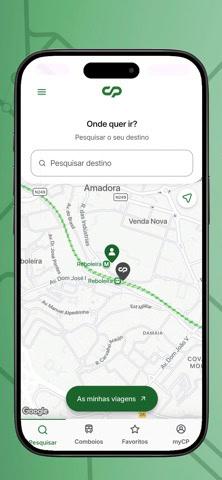
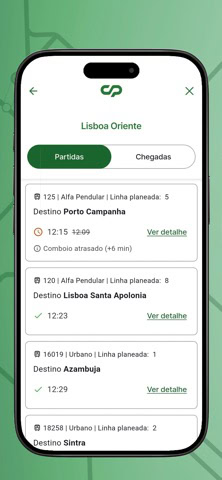
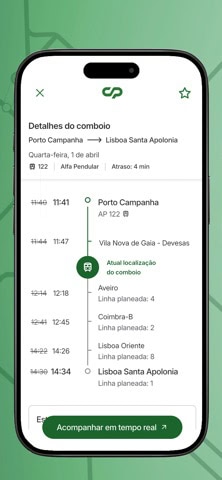
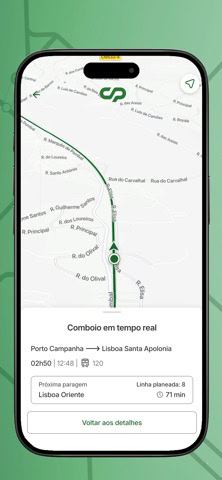
App availability and prices vary by country. Some of these may not appear in your local App Store or Google Play.

Rupert’s Handy Travel Tips
Before you set off with your Interrail Portugal Pass, here are a few things I have picked up that make travelling Portugal’s railways a lot smoother.
- Book Alfa Pendular seats early: the fastest trains between Lisbon, Porto, and Faro sell out their reservation quota on weekends and holidays, so lock in your seat a few days ahead rather than turning up and hoping.
- Know your Lisbon and Porto stations: long-distance trains use Lisbon Oriente and Porto Campanhã, not the prettier Santa Apolónia or São Bento buildings, so double-check which station your train actually departs from.
- Ride the Douro Valley line in the low season: the Porto to Pocinho route gets crowded with day-trippers in summer, so travelling in spring or autumn gives you the same vineyard views with a lot more elbow room.
- Keep small change for CP ticket machines: some regional stations along the coastal and Alentejo lines have limited staffing, so having coins or a contactless card handy avoids delays validating your Regional train journeys.
- Download offline maps before heading inland: mobile coverage can drop out on the slower InterRegional lines toward Évora and the Alentejo, so save your route in the Rail Planner app while you still have signal.
Want to meet the reindeer behind our travel tips? Find out more in our page Who is Rupert?.



Frequently Asked Questions about the Interrail Portugal Pass
Do I need seat reservations on all trains?
No. Reservations are only required on Alfa Pendular and Intercidades services, costing around €5 (£4 / $6) per journey. Regional and InterRegional trains do not require reservations.
Can I use the pass on Lisbon or Porto metro systems?
No. The pass is valid only on CP (Comboios de Portugal) trains. Metro, tram, and bus systems in Lisbon and Porto are separate and require their own tickets.
Is the Portugal Pass valid on international trains?
No. An Interrail One Country Pass is only valid within the single country named on it, so the Portugal Pass covers travel inside Portugal and nothing beyond the border. Cross-border services towards Badajoz (Spain) are not included, and for Madrid and beyond you’ll need separate tickets or a Global Pass.
Can children travel for free?
Yes. Children under 12 can travel free with an accompanying adult, but you must request a free child pass at the time of purchase.
Which pass format is best: mobile or paper?
Most travellers prefer the mobile pass, which is stored in the Rail Planner app. Paper passes are still available but require manual recording of journeys and carry the risk of being lost.

Further Reading & Related App Guides
Want to prepare for every part of your journey? These related guides will help you stay informed, connected, and ready to travel with confidence.
If Portugal is one leg of a longer trip, our Interrail Europe Pass Guide covers routes and value tips for the wider network, and our eSIM Apps Guide covers the easiest ways to stay connected across Europe without swapping physical SIM cards.
When it comes to mealtimes on the move, our Restaurant Table Booking Apps Guide rounds up the apps worth having installed to find the best food along your route, and our Currency Converter Apps Guide makes it easy to track exchange rates on the go.