Reviewed by our editorial team Updated
Why the Cinque Terre Deserves a Place on Your Itinerary
The Cinque Terre genuinely lives up to its reputation as one of Italy’s most extraordinary landscapes, five centuries old fishing villages clinging to a dramatic stretch of Ligurian coastline where terraced vineyards plunge directly into the sea. Despite the crowds that now arrive every summer, the sheer visual drama of the place remains genuinely difficult to overstate until you’re standing on a clifftop path looking down at Manarola or Vernazza for the first time.
The name itself simply means “five lands,” referring to Monterosso al Mare, Vernazza, Corniglia, Manarola and Riomaggiore, the five settlements that make up this UNESCO World Heritage Site and National Park along the Riviera di Levante. Remarkably, the combined population across all five villages numbers only around three and a half thousand people, even as the region welcomes well over three million visitors annually.
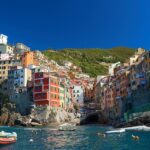
What makes the Cinque Terre genuinely special is how differently each village presents itself despite sitting only a few minutes apart by train. Monterosso offers a proper sandy beach and resort atmosphere, Vernazza a postcard perfect natural harbour, Corniglia a quiet, cliff top position with no harbour at all, Manarola a romantic tangle of pastel houses famous for sunset views, and Riomaggiore dramatic tower houses stacked above a working fishing harbour.
This guide covers everything you genuinely need to plan a Cinque Terre visit, from an overview of each individual village through to the Cinque Terre Card, when to visit, where to base yourself, and how the train, boat and hiking trail network fits together. For deeper detail on any single topic, including getting here, the famous Cinque Terre Express train, and whether a day trip or overnight stay suits your itinerary better, we’ve linked to dedicated guides throughout.
Learn More from UNESCO
This destination is connected to a UNESCO World Heritage Site, recognised for its outstanding cultural, historical, or natural importance. You can explore official listings, background information, and protected heritage sites through UNESCO’s global database.
The Five Villages at a Glance
Before working through each village in detail, it genuinely helps to see how the five settlements compare at a glance, since first time visitors are often surprised by just how different they feel from one another despite the short distances involved. Deciding where to base yourself, or which villages to prioritise on a rushed day trip, becomes considerably easier once you understand these distinctions.
All five villages sit along the same short stretch of the La Spezia to Levanto regional railway line, with trains running every ten to twenty minutes during peak season, so physical distance rarely dictates which village suits you best. Character, atmosphere and practical considerations like beach access or step count matter far more than raw geography here.
The table below summarises what each village is genuinely known for, giving you a starting point before reading the more detailed sections that follow. Bear in mind that opinions on which village is “best” vary enormously between visitors, and many people who fall in love with the Cinque Terre end up rating whichever village they happened to stay in as their personal favourite.
Whether you’re planning a single day trip covering all five villages or a longer stay based in just one, understanding these differences upfront will help you build a considerably more satisfying itinerary than simply following whichever village photographs best on social media.
| Village | Known For | Beach? | Best For |
|---|---|---|---|
| Monterosso al Mare | Sandy beach, resort feel | Yes, the only proper beach | Families, relaxed bases |
| Vernazza | Natural harbour, Doria Castle | Pebbles only | Photography, central base |
| Corniglia | Clifftop position, quiet | None, no harbour | Views, quieter atmosphere |
| Manarola | Pastel houses, sunsets | Rocks only | Sunset views, wine |
| Riomaggiore | Tower houses, Via dell’Amore | Rocks only | First stop from La Spezia |
Browse hotels and accommodation for your journey.
View staysBrowse apartments, homes and self-catering accommodation.
Browse rentalsCompare hotel deals from multiple booking sites in one search.
Compare pricesMonterosso al Mare
Monterosso al Mare is the largest of the five villages and sits at the westernmost end of the line closest to Levanto, genuinely distinguishing itself from its neighbours as the only village with a proper sandy beach rather than a small harbour or rocky shoreline. If a genuine beach holiday is part of your Cinque Terre plans, Monterosso is genuinely the only sensible base.
The village splits neatly into two distinct halves. The old town, with its narrow medieval caruggi, or alleyways, clusters around the harbour and railway station, while Fegina, the newer district reached by a short tunnel, holds the area’s widest stretch of beach lined with colourful umbrellas and beachfront hotels. A striking statue known as the Gigante, a giant carved into the cliff face, watches over Fegina beach and ranks among the region’s more unusual landmarks.
Beyond the beach, Monterosso’s old town holds a genuinely handsome historic centre worth exploring beyond simply passing through en route to the sand. The Church of San Giovanni Battista, with its distinctive striped Ligurian Gothic facade, and the ruined Castello dei Doria overlooking the village both reward a wander away from the waterfront.
Given its beach and relatively flat, easy to navigate layout compared with the steeper streets found elsewhere in the Cinque Terre, Monterosso genuinely suits families, older travellers or anyone wanting a more relaxed base with considerably easier access than the cliffside villages further south along the line. It also tends to offer the widest choice of hotels and restaurants of any single village.
Before catching the train to the next village, take a little extra time to explore the Church of San Giovanni Battista, one of the finest examples of Ligurian Gothic architecture in the region, before wandering through the colourful streets of the old town. Walk along the promenade to see Il Gigante, the enormous stone statue that overlooks Fegina Beach, and, if you don’t mind a short uphill stroll, continue to the Capuchin Monastery for one of the best panoramic views across Monterosso and the Ligurian coastline. If you’re visiting during the warmer months, this is also the best place in the Cinque Terre to enjoy a proper beach break before continuing your journey.
Vernazza
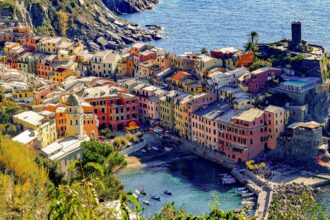
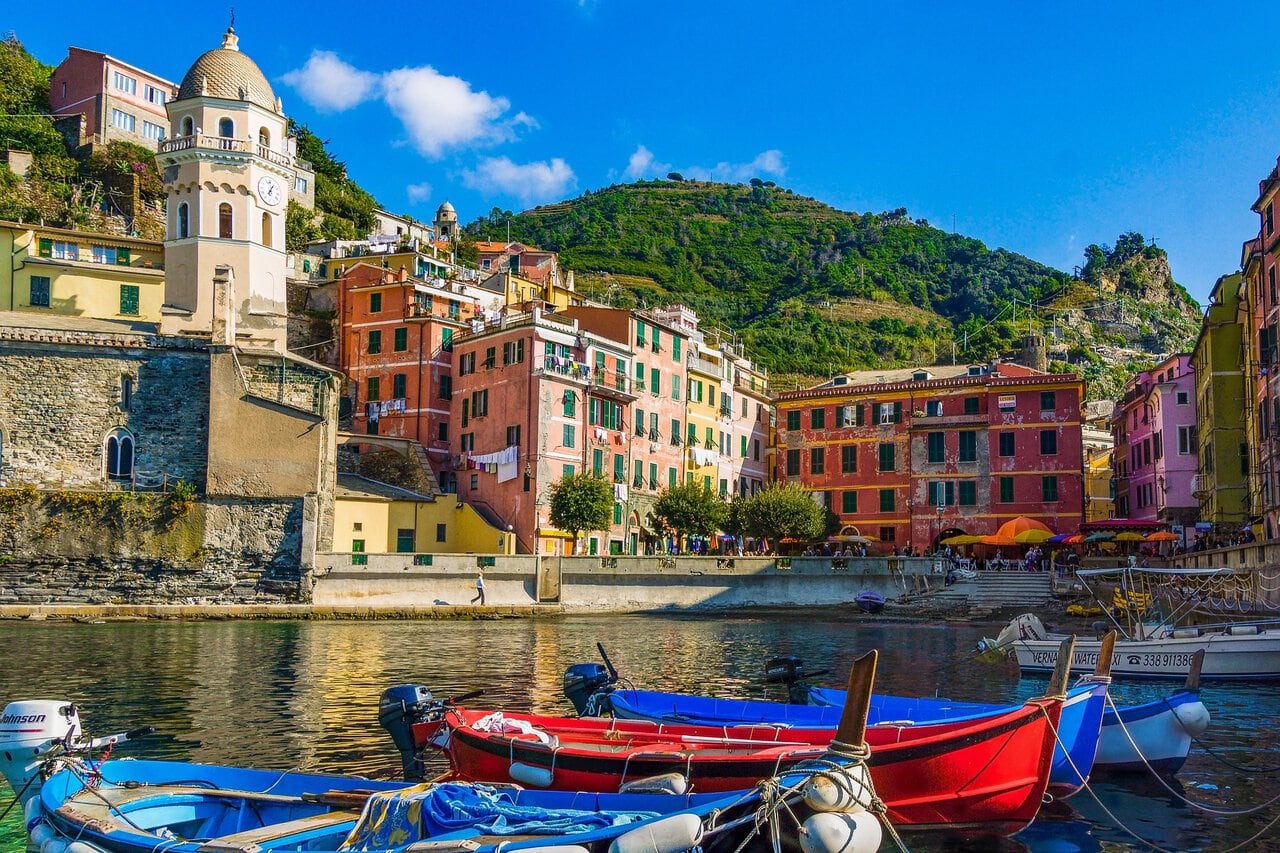
Vernazza is widely considered the most photogenic of the five villages, and stepping off the train here genuinely explains why it appears on the cover of so many Cinque Terre guidebooks. Its small natural harbour, ringed by tall pastel-coloured houses and dominated by a medieval watchtower, forms one of the most recognisable views anywhere along the Italian coastline.
The harbour itself, the only natural harbour along the entire Cinque Terre coastline, is overlooked by the impressive Doria Castle, whose eleventh-century circular watchtower can be climbed for one of the finest panoramic views in the National Park. Looking down across the colourful rooftops, fishing boats and sparkling Mediterranean Sea, it’s easy to see why this has become one of the region’s most photographed viewpoints. Beside the harbour stands the beautiful Church of Santa Margherita d’Antiochia, instantly recognisable by its distinctive octagonal bell tower and dramatic waterfront setting.
Vernazza’s main street, Via Roma, runs from the railway station to the harbour and is lined with traditional restaurants, gelaterias, wine bars and small shops selling local pesto, olive oil and regional wines. Spend a little time exploring the narrow side streets branching away from the main route and you’ll discover quiet corners, hidden staircases and excellent viewpoints away from the busiest crowds. If you’re looking for the classic postcard photograph, continue beyond the harbour towards the Belforte viewpoint, where you’ll enjoy one of the best perspectives of the entire village.
Vernazza has no proper beach, with only a small pebble area beside the harbour wall, so this is a village best enjoyed at a slower pace. Wander the waterfront, climb to the castle, enjoy a leisurely seafood lunch overlooking the harbour and simply soak up the atmosphere. Positioned almost exactly in the middle of the Cinque Terre, it also makes an excellent base for exploring the other villages in either direction by train.
Corniglia
Corniglia stands apart from the other four villages in one important way. It is the only settlement not directly beside the sea, instead sitting around 100 metres above the Mediterranean on a rocky promontory surrounded by terraced vineyards. This elevated position gives Corniglia a quieter, more authentic atmosphere and spectacular views that simply aren’t possible elsewhere in the Cinque Terre.
Reaching the village requires either climbing the famous Lardarina, a staircase of more than 300 steps, or using the Corniglia Shuttle Bus, which meets most arriving Cinque Terre Express trains outside Corniglia railway station. The shuttle takes just a few minutes to reach the village centre and is included with both the Cinque Terre Trekking Card and the Cinque Terre Treno MS Card. Visitors without a card can also purchase a separate ticket. For most travellers, particularly those carrying luggage, travelling with children or simply wanting to avoid the climb, the shuttle is by far the easiest option.
Once inside the village, follow Via Fieschi, the main street running through the historic centre. Along the way you’ll pass family-run cafés, wine bars and artisan shops before reaching the Santa Maria Terrace, one of the finest viewpoints in the entire Cinque Terre. From here, you’ll enjoy sweeping views along the coastline in both directions, with the villages of Manarola and Vernazza visible on clear days.
While you’re exploring, don’t miss the beautiful Church of San Pietro, widely regarded as one of the finest examples of Ligurian Gothic architecture in the region. Built during the fourteenth century, its elegant rose window and richly decorated stone façade make it one of the village’s architectural highlights. Combined with the surrounding vineyards and peaceful atmosphere, Corniglia feels noticeably different from the more bustling harbour villages below.
With no harbour and no beach, Corniglia is all about spectacular scenery, local wine and taking your time. It’s an excellent place to stop for lunch during a day of exploring or hiking, rewarding visitors with some of the most breathtaking panoramic views anywhere along the Ligurian coast.

Manarola
Manarola is one of the most romantic corners of the entire Cinque Terre, its tightly packed pastel houses tumbling down a narrow ravine towards a small rocky harbour where local fishing boats are still hauled onto the stone slipway each evening. Many visitors consider it the most beautiful of the five villages, particularly as the afternoon light begins to illuminate the colourful buildings above the sea.
The village’s main street, Via Renato Birolli, leads from the railway station to the harbour, where flat rocks provide a popular place to relax beside the water or enjoy a swim during the warmer months. The harbour itself is one of the Cinque Terre’s classic photography locations, but for the truly iconic view continue along the coastal path to Punta Bonfiglio. From here you’ll enjoy the famous panorama looking back across Manarola’s colourful houses, with the Mediterranean stretching into the distance beyond.
Nearby you’ll also find the celebrated Nessun Dorma viewpoint, where visitors gather to enjoy drinks while admiring one of Italy’s most photographed landscapes. Before leaving the village, take time to visit the historic Church of San Lorenzo, built in 1338, before wandering through the surrounding lanes lined with independent shops and traditional wine bars.
Manarola also sits at the heart of the Cinque Terre’s wine-producing landscape. The steep terraced vineyards surrounding the village produce the grapes used to create Sciacchetrà, Liguria’s famous sweet dessert wine. If you have time, stop at one of the village’s small enotecas to sample this unique local speciality before continuing your journey.
Although Manarola has no sandy beach, the clear water around the harbour makes it one of the most popular places for swimming in the Cinque Terre. While many visitors stay only an hour or two, those who remain until sunset are often rewarded with one of the most memorable views anywhere in Italy.
Riomaggiore
Riomaggiore is the southernmost of the five Cinque Terre villages and, for many visitors arriving from La Spezia, provides the first glimpse of the colourful coastline that has made the region famous. Tall, narrow tower houses painted in shades of pink, ochre and burnt orange rise steeply above the harbour, creating one of the most recognisable streetscapes anywhere in Italy.
The village developed around the Rio Maggiore, the stream from which it takes its name and which now flows beneath Via Colombo, the lively pedestrian street linking the railway station with the harbour. This bustling thoroughfare is lined with cafés, bakeries, wine bars and independent shops, making it an excellent place to pause for a coffee or browse local produce before heading down to the waterfront.
The picturesque harbour remains Riomaggiore’s main attraction, with colourful fishing boats resting beside the slipway and dramatic cliffs framing the entrance to the sea. For an even better perspective, climb to the Castle of Riomaggiore, whose medieval fortifications provide panoramic views across the rooftops and coastline. Nearby, the Church of San Giovanni Battista, dating from the fourteenth century, is another worthwhile stop thanks to its impressive Gothic architecture and peaceful interior.
Riomaggiore is also the starting point of the famous Via dell’Amore, the spectacular coastal walkway linking the village with Manarola. Since reopening in 2024 after extensive restoration work, access has been carefully managed through timed entry slots, which are reserved when purchasing the appropriate Cinque Terre Card. If you’re planning to walk the route, booking in advance is highly recommended during the busiest months.
Below the village you’ll also find a small rocky area popular for swimming during the summer, although it lacks the sandy beach found in Monterosso. Thanks to its close proximity to La Spezia, Riomaggiore is often the first or last village people visit, but it deserves much more than a quick stop. Between its colourful harbour, medieval castle, lively main street and famous coastal walkway, it’s one of the most rewarding places to explore in the entire Cinque Terre.
Understanding the Cinque Terre Card
Understanding the Cinque Terre Card is genuinely essential before your visit, since it governs access to both the coastal hiking trails and, in its combined version, unlimited train travel between the villages. The card is only required between mid March and early November each year, and outside this paid season the trails are free to walk without one.
There are two distinct versions available. The Trekking Card, priced from €10 (£9 / $12) for a single day and rising to €15 (£13 / $18) on peak days, covers trail access, the local shuttle buses within the park, station wifi and toilets, and a handful of museum discounts in La Spezia, but does not include train travel. The Train Card, running from €22 (£19 / $26) for a single day up to €35 (£30 / $41) in the highest season band, adds unlimited travel on the Cinque Terre Express regional train between La Spezia and Levanto on top of everything the Trekking Card includes.
Pricing genuinely varies by season, split into green, yellow and red bands reflecting low, average and peak demand, with red days covering weekends and holidays throughout the busiest summer months costing noticeably more than a quiet weekday in spring. Given how frequently most visitors hop between villages by train, the Train Card version tends to pay for itself quickly if you’re planning to visit more than two villages in a single day.
The famous Via dell’Amore walkway between Riomaggiore and Manarola requires a separate timed entry booking alongside the card itself, given the capacity limits introduced after its 2024 reopening. Buying your card online in advance through the official Cinque Terre National Park website or the Trenitalia app is genuinely worth doing during peak season, when ticket queues at village stations can become considerably long.
Planning to travel between the villages by rail? Our Complete Guide to the Cinque Terre Express explains everything you need to know about train frequencies, buying tickets, using the Cinque Terre Train Card, the Italia in Tour Pass, and how to get the best value from the region’s rail network.
Search flights and useful route combinations in one place.
View flightsBrowse Airalo eSIM options for convenient travel data.
Check eSIMsArrange a private pickup before travel instead of sorting transport after landing.
Book a transferWalk the Famous Via dell’Amore
The Via dell’Amore, or Path of Love, is one of the most famous coastal walks in Italy and one of the highlights of any visit to Cinque Terre. Linking Riomaggiore and Manarola, this spectacular cliffside pathway hugs the rugged Ligurian coastline, offering breathtaking views across the Mediterranean. Unlike many of the region’s more demanding hiking trails, the Via dell’Amore is largely flat and fully accessible, making it suitable for families, couples and visitors who want to experience the beauty of Cinque Terre without tackling steep climbs.
Originally created in the 1920s during the construction of the railway line, the path quickly became a favourite meeting place for local residents from the neighbouring villages. Over the years it gained its romantic nickname thanks to the countless couples who strolled along the route, enjoying the dramatic scenery and peaceful atmosphere. After being closed for several years following landslides, the walkway has now reopened following extensive restoration work, with visitor numbers carefully managed to help preserve this unique stretch of coastline.
Although the walk itself takes only around 20 to 30 minutes, most visitors spend considerably longer stopping at the panoramic viewpoints overlooking the sea. The route offers uninterrupted views of colourful fishing boats, rocky coves and the steep terraced vineyards that have made the Cinque Terre a UNESCO World Heritage Site. Early morning and late afternoon are often considered the best times to visit, when the path is quieter and the softer light makes the coastal scenery even more spectacular.
Access to the Via dell’Amore is controlled, with visitor numbers limited through timed entry slots. When purchasing either the Cinque Terre Trekking Card or the Cinque Terre Treno MS Card that includes access to the walkway, you’ll be asked to reserve a specific entry time for your visit. During the busiest months these slots can sell out well in advance, so booking early is highly recommended if you’re planning to walk the route. Access runs one way only, from Riomaggiore towards Manarola, so the walk must be started at the Riomaggiore end. Both villages are served by the Cinque Terre Express, making it easy to continue your journey through the remaining villages by train or ferry once you arrive.
The Ultimate One-Day Cinque Terre Itinerary
If you’ve only got one day to explore the Cinque Terre, it’s tempting to try and race through all five villages as quickly as possible. We’d recommend doing the opposite. This itinerary has been designed to let you experience all five villages, travel by train, shuttle bus, boat and on foot, walk the famous Via dell’Amore, and still leave enough time to actually enjoy each destination rather than simply photographing it before rushing for the next train.
Start your day by catching an early Cinque Terre Express from La Spezia Centrale to Riomaggiore. Arriving early means quieter streets, better photographs and a more relaxed atmosphere before the busiest trains begin arriving. Spend around an hour exploring Via Colombo, the colourful harbour and, if you don’t mind a short climb, the viewpoint near Riomaggiore Castle.
With your pre-booked timed slot, continue along the Via dell’Amore to Manarola. The walk takes around 20 to 30 minutes and is almost completely flat, making it suitable for most visitors. Once in Manarola, allow time to visit the harbour before following the short path to Punta Bonfiglio, widely regarded as one of the finest viewpoints in the Cinque Terre. If you’re feeling peckish, stop for a coffee or an early snack while enjoying the spectacular scenery.
From Manarola, take the Cinque Terre Express one stop north to Corniglia. On arrival, board the Corniglia Shuttle Bus, which meets most arriving trains and climbs to the village centre in just a few minutes. This avoids tackling the famous Lardarina staircase while still allowing you to enjoy the village’s peaceful atmosphere. Wander along Via Fieschi, visit the beautiful Church of San Pietro and make your way to the Santa Maria Terrace, where you’ll enjoy some of the widest panoramic views anywhere along the Ligurian coastline.
Return to the station using the shuttle bus before taking the train to Vernazza, arriving in time for lunch. Enjoy fresh seafood or traditional Ligurian pasta overlooking the harbour before climbing to Doria Castle if you’re happy with a moderate uphill walk. Afterwards, spend time exploring the colourful harbour and the narrow streets surrounding Via Roma, which are home to some of the region’s best independent cafés, wine bars and artisan shops.
During the afternoon, continue by train to Monterosso al Mare. Unlike the other villages, Monterosso offers a broad sandy beach, a spacious promenade and a much flatter layout, making it an ideal place to slow down after a busy morning. Walk through the historic centre, visit Il Gigante, relax with a gelato or simply enjoy a stroll along the waterfront while taking in the Mediterranean views.
Rather than retracing your journey entirely by train, finish your day with a seasonal ferry back towards La Spezia. Seeing the villages from the sea provides a completely different perspective, revealing the dramatic cliffs, terraced vineyards and colourful houses that can’t be appreciated from the railway. Watching the coastline disappear behind you is the perfect finale to a day exploring one of Italy’s most extraordinary landscapes.
Best Time to Visit the Cinque Terre
Choosing when to visit the Cinque Terre genuinely makes a bigger difference to your experience here than almost anywhere else in Italy, given how narrow the villages’ streets are and how quickly they fill during peak periods. Timing your trip well can be the difference between a magical, unhurried wander and an exhausting shuffle through crowded alleyways.
Late spring, particularly May and early June, is widely considered the sweet spot, offering warm enough weather for hiking and swimming without the intense heat or overwhelming crowds of high summer. Wildflowers and blooming vineyards add extra colour to the terraced hillsides during this period, and hiking trail conditions tend to be at their best before summer’s heat sets in.
July and August bring the busiest crowds and highest Cinque Terre Card prices, with temperatures regularly climbing above thirty degrees and making the steeper hiking trails, particularly the Corniglia to Vernazza stretch, genuinely tough going in the middle of the day. If summer is your only option, arriving at each village as early as possible and avoiding the hottest afternoon hours makes a considerable difference.
September and early October offer a genuinely excellent alternative, with warm sea temperatures for swimming, thinner crowds than summer, and the added bonus of the grape harvest bringing extra activity to the vineyard terraces. Visiting outside the mid March to early November paid season removes the need for a Cinque Terre Card entirely for hiking, though train frequency and some village amenities also reduce considerably during the quieter winter months, so shoulder season genuinely offers the best overall balance.
Where to Stay: Village or La Spezia?
Deciding where to base yourself is one of the more important planning decisions for a Cinque Terre trip, and the choice generally comes down to staying within one of the five villages themselves or basing yourself in the considerably larger, more practical town of La Spezia just south along the same railway line.
Staying within the National Park itself, whether in Monterosso, Vernazza, Manarola, Corniglia or Riomaggiore, offers the genuine advantage of being able to explore each village in the quiet early morning or evening hours after the day trip crowds have departed on the last trains back to their hotels elsewhere. Accommodation within the villages tends to be smaller scale, often family run rooms rather than large hotels, and booking well in advance is genuinely essential given how limited capacity is compared with demand.
La Spezia, by contrast, offers a considerably larger selection of hotels at a wider range of price points, along with the practical benefit of better connections to the wider Ligurian and Tuscan rail network for onward travel. The trade off is a short but necessary train journey each time you want to reach the villages themselves, generally taking only a matter of minutes given how frequently the Cinque Terre Express runs during the day.
For a genuinely first time visit focused purely on soaking up village atmosphere, staying inside the park, even for just one or two nights, is generally worth the higher cost and more limited choice. For longer stays, or if the villages’ accommodation is fully booked, La Spezia remains a genuinely practical and considerably cheaper alternative base.
Getting to and Around the Cinque Terre
Getting to and moving around the Cinque Terre relies on a genuinely simple combination of train, boat and your own two feet, though understanding how these three options fit together in advance makes for a considerably smoother visit than figuring it out on arrival. Most visitors arrive via La Spezia or Levanto, the two towns bookending the National Park at either end of the regional railway line.
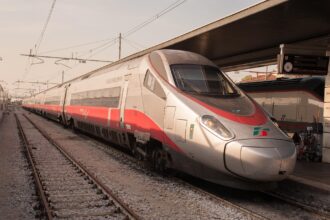
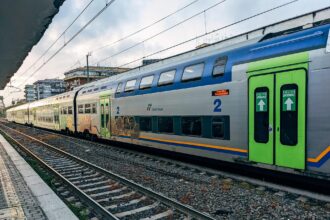
The Cinque Terre Express, the regional train connecting all five villages plus La Spezia and Levanto, runs every ten to twenty minutes during peak season and remains genuinely the fastest and most reliable way to move between villages, with most individual hops taking only a few minutes. Given how central the train is to any Cinque Terre visit, we’ve covered it in considerably more depth, including every station, ticket options and how the Cinque Terre Card interacts with wider Italian rail passes, in our dedicated Cinque Terre by Train guide.
Seasonal ferries connect Monterosso, Vernazza, Manarola and Riomaggiore, though notably not Corniglia given its clifftop position without a harbour, offering a genuinely different perspective on the villages from the water and a pleasant alternative to the train during the warmer months. Our dedicated Cinque Terre Boat and Ferry Guide covers routes, pricing and seasonal timetables in full.
For visitors arriving from further afield, whether from Florence, Pisa, Milan or elsewhere in Italy, our How to Get to Cinque Terre guide covers every practical route in detail, while our Cinque Terre Day Trip Guide addresses the honest question of whether a single day visit genuinely does the region justice compared with staying overnight within the park itself.
Should You Visit for a Day or Stay Overnight?
Whether to visit the Cinque Terre as a day trip or commit to an overnight stay is genuinely one of the most common questions we hear from visitors planning their Italy itinerary, and the honest answer depends heavily on where you’re travelling from and how much of the region you actually want to experience.
A day trip, whether from Florence, Pisa or a base in La Spezia, genuinely allows you to see the highlights of two or three villages, particularly if you focus on the most accessible stops rather than trying to rush through all five in a single day. The trade off is losing the genuinely magical early morning and evening hours, when day trip crowds have departed and the villages return to something closer to their authentic, quieter character.
Staying overnight within the National Park itself, even for just a single night, transforms the experience considerably, letting you watch the sunset from Manarola’s harbour, wander Vernazza’s streets after the last train has left, and start hiking the coastal trails before the day’s heat and crowds set in. For visitors with a genuine appreciation for atmosphere over simply ticking off a checklist of sights, an overnight stay is genuinely worth prioritising over a rushed day visit.
If your itinerary genuinely only allows for a single day, our dedicated Cinque Terre Day Trip Guide covers exactly how to make the most of a rushed visit, including which villages to prioritise and realistic timing for reaching the region from major Italian cities and back again in a single day.
Browse hostels and budget-friendly stays.
See hostelsGet fast compensation payouts, eligible lounge benefits and expert help when flights go wrong.
See AirHelp+ benefitsUse convenient luggage storage between arrival, check-in and departure.
Check storageShould You Explore Cinque Terre by Train, Ferry or on Foot?
One of the best things about visiting the Cinque Terre is that there are several different ways to experience the coastline, and each offers a completely different perspective. While many visitors automatically rely on the train, combining rail, ferry and walking trails often provides the most rewarding experience, allowing you to appreciate the villages from the sea, the hillsides and the narrow streets alike.
| Travel Method | Best For | Advantages | Things to Consider |
|---|---|---|---|
| Cinque Terre Express | First-time visitors and day trips | Fast, frequent and operates throughout most of the year | Coastal views are limited as much of the railway passes through tunnels |
| Seasonal Ferry | Sightseeing and photography | Spectacular views of the villages from the sea | Seasonal service and weather dependent. Corniglia cannot be reached by ferry |
| Walking Trails | Active travellers | Beautiful scenery, vineyards and quieter viewpoints | Some routes are steep and can take several hours |
For most visitors, the Cinque Terre Express is the easiest way to travel. The railway links all five villages in only a few minutes, making it possible to explore several places in a single day without worrying about traffic or parking. During the main tourist season, trains operate approximately every 20 minutes, allowing you to hop between villages whenever you’re ready to continue your journey. It’s the quickest and most practical option for first-time visitors or anyone with limited time.
The seasonal ferry service provides an entirely different experience. Instead of disappearing through tunnels, you’ll travel beneath dramatic cliffs, terraced vineyards and colourful fishing villages that seem to cling impossibly to the coastline. Many of the classic postcard photographs of Manarola, Vernazza and Riomaggiore are taken from the sea, making the ferry a favourite with photographers. It also allows you to appreciate just how rugged the landscape really is. Remember, however, that Corniglia cannot be reached by ferry because it sits high above the coastline without a harbour.
For visitors who enjoy being active, the Cinque Terre’s walking trails connect several of the villages through vineyards, olive groves and Mediterranean woodland. These paths offer some of the finest scenery in Liguria, although they also require considerably more time and effort than travelling by train or ferry. Routes such as Vernazza to Corniglia involve steep climbs and uneven surfaces, so sturdy footwear and plenty of water are essential.
The best approach is often to combine all three methods. Travel quickly between villages by train, enjoy one ferry journey to experience the coastline from the water, and include at least one section of the famous walking trails if time and fitness allow. This combination provides the fullest appreciation of what makes the Cinque Terre National Park so special.
What Food and Drink Should You Try in Cinque Terre?
Exploring the Cinque Terre isn’t just about colourful villages and spectacular coastal scenery. The region is also one of the best places in Liguria to experience traditional local food, much of it shaped by generations of fishermen and vineyard owners who made the most of the dramatic landscape surrounding them. Whether you’re stopping for a leisurely lunch or simply grabbing a snack between train journeys, there are several regional specialities that deserve a place on your itinerary.
No visit would be complete without trying pesto alla Genovese, the sauce that originated in neighbouring Genoa but is enjoyed throughout Liguria. Made using fresh basil, pine nuts, Parmesan, Pecorino, garlic and olive oil, authentic Ligurian pesto tastes noticeably fresher and more fragrant than versions found elsewhere. It’s commonly served with trofie or trenette pasta and makes an excellent lunch before continuing your journey.
Being a coastal region, fresh seafood also plays a starring role. Restaurants throughout the villages serve dishes featuring anchovies, mussels, octopus, calamari and locally caught fish. Monterosso al Mare is particularly famous for its anchovies, which have been prepared here for centuries and are considered among the finest in Italy. They’re often served simply with olive oil and lemon, allowing the quality of the fish to shine through.
For a quick bite between villages, look out for Ligurian focaccia, available from bakeries throughout the Cinque Terre. Soft, golden and generously drizzled with olive oil, it’s ideal for eating on the move or enjoying beside the harbour with a coffee. Many bakeries also produce versions topped with olives, onions or tomatoes, while sweet focaccia can often be found during local festivals.
Wine lovers should make time to sample Sciacchetrà, the region’s famous sweet dessert wine. Produced from grapes grown on the spectacular terraced vineyards that cling to the cliffs above the villages, this distinctive wine is made using traditional methods that have been passed down for generations. It’s usually served alongside local desserts or mature cheeses and offers a true taste of the Cinque Terre’s agricultural heritage. If sweeter wines aren’t your preference, several excellent Ligurian white wines are also produced locally and pair beautifully with seafood dishes.
To finish your meal, treat yourself to authentic Italian gelato while strolling through Vernazza, Manarola or Riomaggiore. Combined with the sea views and colourful harbour scenery, it’s one of the simplest and most enjoyable pleasures of any visit to the Cinque Terre.
Where Can You Swim in Cinque Terre?
Although the Cinque Terre is famous for its colourful villages and dramatic cliffs rather than sandy beaches, there are still plenty of opportunities to cool off in the Mediterranean Sea during the warmer months. Each village offers a different swimming experience, so knowing what to expect will help you choose the right place to spend a few relaxing hours.
Monterosso al Mare is by far the best option if you’re looking for a traditional beach day. It is the only village with a large sandy beach, complete with rows of colourful umbrellas, sun loungers, beach clubs and gently shelving water that’s suitable for families. Public areas of beach are also available, making Monterosso the natural choice if swimming is one of your priorities.
Vernazza has a small harbour where locals and visitors often swim during the summer. There is also a tiny pebble beach tucked beside the harbour wall, although it becomes extremely busy during peak season. Swimming here is more about enjoying the atmosphere than spending hours on the beach, but the backdrop of colourful houses and the medieval tower makes it one of the most picturesque places to take a dip.
In Manarola, there is no beach, but confident swimmers regularly enter the sea from the flat rocks surrounding the harbour. The water is exceptionally clear, making it a popular place for snorkelling and watching fish beneath the surface. Entry can be slippery, so suitable footwear is recommended, particularly if the rocks are wet.
Riomaggiore also offers swimming from a rocky shoreline below the village. While there is no sandy beach, the clear water and dramatic cliffs create a memorable setting. The small harbour remains an active fishing port, so visitors should always pay attention to local signs and avoid swimming where boats are manoeuvring.
Corniglia is the only village where swimming isn’t easily accessible. Sitting high on a cliff around 100 metres above sea level, it has no harbour or beach, and reaching the water requires a considerable walk away from the village itself. Most visitors come to Corniglia for the panoramic views rather than for a day beside the sea.
If you’re visiting during the summer, it’s worth packing swimwear and a towel, even if swimming isn’t your main objective. Spending half an hour cooling off between sightseeing stops is one of the great pleasures of a visit to the Cinque Terre, particularly after exploring the villages or walking the coastal trails.

Common Mistakes First-Time Visitors Make
The Cinque Terre may look compact on the map, but there are several mistakes that first-time visitors commonly make which can turn an enjoyable day into a rushed or frustrating experience. A little planning beforehand makes an enormous difference and allows you to enjoy the villages at a much more relaxed pace.
Perhaps the biggest mistake is trying to visit all five villages in a single day. While it’s technically possible using the Cinque Terre Express, many visitors spend more time on trains than actually exploring. Unless you’re staying overnight, it’s usually far more rewarding to concentrate on two or three villages, giving yourself enough time to wander the streets, enjoy lunch and take in the spectacular coastal scenery.
Another common error is arriving too late in the day. By late morning, particularly during July and August, trains, ferry services and village streets become considerably busier. Starting early allows you to enjoy quieter harbours, shorter queues and better opportunities for photography before the largest crowds arrive.
Many visitors also underestimate the physical nature of the Cinque Terre. Villages such as Corniglia involve climbing hundreds of steps, while the hiking trails include steep ascents, uneven surfaces and exposed sections. Comfortable footwear is essential, even if you have no intention of completing a long hike.
Some travellers assume the seasonal ferry service operates throughout the year. In reality, ferries normally run only during the warmer months, with services depending on weather and sea conditions. If you’re visiting outside the main season, expect to rely primarily on the Cinque Terre Express.
Finally, don’t forget to book the Via dell’Amore if you plan to walk it. Timed entry slots can sell out well in advance during peak periods, and simply arriving in Riomaggiore without a reservation may leave you disappointed. Spending just a few minutes organising your itinerary before you travel will help you avoid these common pitfalls and make the most of your visit.
What Should You Pack for a Visit to Cinque Terre?
Packing for the Cinque Terre is refreshingly straightforward, but bringing the right items can make your visit significantly more comfortable, particularly if you’re planning to combine sightseeing with hiking, swimming or boat trips.
The single most important item is a pair of comfortable walking shoes. Even if you’re travelling exclusively by train, the villages themselves feature steep lanes, uneven stone surfaces and plenty of steps. Visitors tackling the coastal walking trails will appreciate lightweight hiking shoes or supportive trainers with good grip, especially during warmer weather when dusty paths can become slippery.
During the summer months, a refillable water bottle is highly recommended. Exploring the villages, climbing viewpoints and walking between attractions can quickly become tiring in temperatures that often exceed 30°C. You’ll also benefit from carrying sunscreen, sunglasses and a sun hat, particularly if you’re planning to spend time on the ferry or relaxing beside the sea.
If swimming appeals, don’t forget swimwear and a small towel. Whether you’re spending time on Monterosso’s sandy beach or taking a refreshing dip from the rocks in Manarola or Riomaggiore, you’ll be glad you packed them. A lightweight change of clothes can also be useful after swimming before continuing your journey.
A portable power bank is another worthwhile addition, especially if you’re relying on your phone for train tickets, ferry information, navigation and photography throughout the day. Mobile signal is generally good, but taking hundreds of photographs quickly drains your battery.
Finally, it’s sensible to pack a light waterproof jacket if you’re visiting during spring or autumn, as weather conditions along the Ligurian coast can change surprisingly quickly. Travelling light will also make moving between stations, ferries and village streets much easier, allowing you to enjoy your visit without carrying unnecessary luggage.
Which Village Is the Most Accessible?
While all five villages are connected by the Cinque Terre Express, their layouts vary considerably, making some much easier to explore than others. Visitors with limited mobility, young children, heavy luggage or pushchairs should think carefully about which villages they prioritise.
Monterosso al Mare is generally regarded as the most accessible village. The newer Fegina area is relatively flat, with wide promenades, the region’s only large sandy beach and easier walking than elsewhere in the Cinque Terre. Although the historic centre still contains cobbled streets, overall it requires far less climbing than the other villages.
Riomaggiore and Manarola are more challenging. Both are built around steep valleys leading down to the sea, meaning many of the streets involve noticeable inclines. Visitors can still enjoy the main attractions without completing lengthy climbs, but some effort is unavoidable, particularly when walking to viewpoints or harbour areas.
Vernazza also requires negotiating narrow lanes and steps, especially around the harbour and the climb towards Doria Castle. While the village itself is compact, the terrain is uneven in places and can become crowded during the busiest months, making progress slower than expected.
Corniglia is by far the least accessible of the five villages. The railway station sits at sea level, while the village itself is perched high above the coast. Visitors can either climb the famous Lardarina staircase, with well over 300 steps, or take the dedicated shuttle bus linking the station with the village centre. Although the bus makes the journey much easier, Corniglia still involves more walking than the other villages once you arrive.
For visitors seeking the easiest overall experience, Monterosso al Mare is usually the best choice. Those happy to tackle a few hills will find Riomaggiore, Manarola and Vernazza perfectly manageable, while Corniglia is best suited to visitors who don’t mind a little extra effort in exchange for some of the finest panoramic views in the Cinque Terre.

Should You Also Visit Portovenere?
Although Portovenere isn’t officially one of the five villages that make up the Cinque Terre, many visitors consider it just as beautiful, and it’s well worth including in your itinerary if time allows. Sitting at the southern entrance to the Gulf of the Poets, this colourful harbour town is also recognised as part of the UNESCO World Heritage Site and is easily reached by both seasonal ferry and local bus from La Spezia.
Like the Cinque Terre villages, Portovenere is built around a picturesque waterfront lined with pastel-coloured buildings, seafood restaurants and small cafés. However, it feels noticeably more spacious than places such as Vernazza or Manarola, making it an excellent alternative if you’re visiting during the busiest summer months. The attractive harbour is the perfect place to enjoy a leisurely lunch while watching fishing boats and ferries arrive throughout the day.
The town’s most recognisable landmark is the striking Church of St Peter, dramatically perched on a rocky headland overlooking the sea. Built on the site of an ancient Roman temple, the church occupies one of the most spectacular positions anywhere on the Ligurian coast. Just behind it stands Doria Castle, whose impressive fortifications offer magnificent panoramic views across the Gulf of the Poets, Palmaria Island and the surrounding coastline.
Don’t miss a walk through Portovenere’s medieval centre, where narrow alleyways known as caruggi are lined with independent shops, artisan boutiques and traditional Ligurian restaurants. One of the town’s most unusual attractions is Byron’s Grotto, a rocky inlet named after the English poet Lord Byron, who is said to have swum from Portovenere to Lerici across the gulf.
Many visitors choose to combine Portovenere with the Cinque Terre ferry service, travelling north through the five villages before returning to La Spezia later in the day. If you’re spending several days in the region rather than visiting on a rushed day trip, adding Portovenere provides another fascinating perspective on this beautiful stretch of the Ligurian coastline and is an extension you’ll rarely regret.

Rupert’s Handy Travel Tips
The Cinque Terre rewards a bit of planning, so here’s what I’d want to know before visiting.
- Book accommodation inside the park early: capacity is genuinely limited across all five villages, and rooms sell out months ahead in peak season.
- Buy your Cinque Terre Card online in advance: station queues during peak season can be considerably long, especially in summer.
- Visit Corniglia by shuttle bus if stairs aren’t for you: the Lardarina staircase runs to well over three hundred steps from the station.
- Book the Via dell’Amore ahead if you want to walk it: capacity is limited to around two hundred people every thirty minutes.
- Aim for shoulder season if you can: late May, June, September and early October offer the best balance of weather and crowds.
Want to meet the reindeer behind our travel tips? Find out more in our page Who is Rupert?.



Frequently Asked Questions
Which is the best village to stay in the Cinque Terre?
It depends on your priorities. Monterosso suits beach lovers, Vernazza suits photography and central access, while Manarola and Riomaggiore suit sunset views and atmosphere.
Do I need the Cinque Terre Card?
Only between mid March and early November if you plan to hike the coastal trails or want unlimited train travel between villages. Outside this season, trails are free.
How many days do you need in the Cinque Terre?
Two to three days allows a relaxed visit to all five villages. A single day trip is possible but genuinely limits you to two or three villages at most.
Which village has a beach?
Monterosso al Mare is the only village with a proper sandy beach. The others offer only small areas of rocks or pebbles for swimming.
Is the Via dell’Amore open?
Yes, it reopened in 2024 after twelve years of closure, though it now operates one way from Riomaggiore to Manarola with a timed entry booking required.
Is the Cinque Terre expensive to visit?
Village accommodation and the Cinque Terre Card add cost compared with many Italian destinations, though day trips from nearby cities can be considerably cheaper.
Further Reading
For the full detail on the region’s train network, our Cinque Terre by Train guide covers every station, the Cinque Terre Express, ticket options and how wider Italian rail passes interact with the villages. Our Cinque Terre Boat and Ferry Guide and How to Get to Cinque Terre guide cover the remaining transport options in full.
If your time is limited, our Cinque Terre Day Trip Guide explains how to make the most of a single day visit from Florence, Pisa or elsewhere in Italy.
Exploring more of Italy by rail? Our Trenitalia Pass Italy guide, Italia in Tour Pass guide and Interrail Italy Pass guide explain the wider rail pass landscape, including the important exclusions that apply to the Cinque Terre National Park.
If you’re travelling around Italy more widely, our Best eSIM Apps Guide and Train Booking Apps Guide will help you stay connected and book rail journeys with confidence.