Reviewed by our editorial team Updated
Discover France’s Great Atlantic Port
Perched on the western tip of Brittany, Brest is unlike any other city in France. Shaped by the sea for centuries, it has grown into one of the country’s most important naval ports, a centre for maritime research and the gateway to the spectacular coastline of Finistère. While much of the historic city was rebuilt after the Second World War, Brest has emerged as a fascinating destination where maritime heritage, modern architecture, world-class attractions and breathtaking coastal scenery combine to create an unforgettable visit.
For many travellers, Brest is best known as home to Océanopolis, one of Europe’s finest ocean discovery centres. Others come to explore the impressive National Maritime Museum, ride France’s first urban cable car, or discover the city’s long association with the French Navy. Whatever brings you here, you’ll quickly find there’s far more to Brest than simply being a working port.
The city also provides an excellent base for exploring western Brittany. Within a short drive you’ll reach dramatic Atlantic cliffs, picturesque fishing villages, sandy beaches and some of France’s most spectacular coastal landscapes. Combined with excellent seafood, welcoming cafés and a relaxed atmosphere, Brest rewards visitors who spend time getting to know it.
Whether you’re fascinated by history, ships, marine wildlife, coastal walks or simply want to experience a different side of Brittany, Brest offers enough attractions to comfortably fill several days.
| Attraction | Best For | Allow |
|---|---|---|
| Océanopolis | Marine life and aquariums | Half to full day |
| Brest Castle & National Maritime Museum | History and naval heritage | 2 to 3 hours |
| Brest Cable Car | City views and photography | 20 to 30 mins |
| Ateliers des Capucins | Food, culture and exhibitions | 1 to 3 hours |
| Tour Tanguy | Medieval history | 45 to 60 mins |
| Moulin Blanc Beach | Relaxing and watersports | 2 to 4 hours |
| National Botanical Conservatory | Gardens and nature | 1.5 to 2 hours |
| Harbour Cruise | Maritime sightseeing | 1 to 2 hours |
| Fort Montbarey | Second World War history | 1.5 to 2 hours |
| Pointe Saint-Mathieu | Coastal scenery and lighthouse | Half day |
Visit Océanopolis
No attraction defines Brest quite like Océanopolis. Widely regarded as one of Europe’s leading ocean discovery centres, it offers an extraordinary journey through the world’s marine environments and is easily one of the best attractions in Brittany. Ticket prices, opening hours and pavilion details are all available on the official Océanopolis website.
Rather than being a traditional aquarium, Océanopolis is divided into several immersive pavilions, each focusing on a different ecosystem. Visitors can explore the Polar Pavilion, home to playful penguins, fascinating seals and marine species adapted to freezing conditions. The Tropical Pavilion transports you beneath warm coral reefs filled with colourful fish, graceful rays and impressive sharks, while the Brittany Pavilion showcases the rich marine life found along the local coastline.
Throughout the complex you’ll discover enormous viewing tanks, interactive exhibits, educational displays and behind-the-scenes insights into marine conservation and scientific research. The attraction works closely with marine biologists and conservation organisations, helping visitors understand the importance of protecting the world’s oceans while still providing an entertaining experience for all ages.
Allow at least half a day, and ideally a full day, to explore everything properly. Whether you’re travelling with children or simply have an interest in the natural world, Océanopolis is an attraction that consistently exceeds expectations.
Best if you want daily housekeeping and a front desk. Filter by area first, then by price.
Check availabilityBest for longer stays. Whole apartments and houses, so you are not eating out three times a day.
View rentalsBest for double-checking. Runs the same Brittany search across several booking sites so you are not leaving money behind.
Compare pricesExplore Brest Castle and the National Maritime Museum
Standing proudly above the River Penfeld, Brest Castle is the oldest monument in the city and one of the most important historic sites in Brittany. Remarkably, while much of Brest was destroyed during the Second World War, the castle survived, allowing visitors to experience almost 1,700 years of military history.
Originally built during the Roman period, the fortress has been expanded and strengthened by successive rulers, including medieval dukes, French kings and military engineers. Massive stone walls, imposing towers and commanding views over the harbour demonstrate why Brest has remained one of France’s most strategically important ports for centuries.
Within the castle you’ll find the outstanding National Maritime Museum, which tells the story of France’s long relationship with the sea. Exhibits include beautifully crafted model ships, historic navigation instruments, naval paintings, maritime artefacts and fascinating displays explaining Brest’s role in exploration, trade and naval warfare.
One of the highlights is walking along the castle ramparts, where you’ll enjoy panoramic views across Brest Harbour, the Penfeld River, the naval dockyards and the modern city beyond. For anyone interested in history, architecture or ships, this is an essential stop.
Ride the Brest Cable Car
One of Brest’s most distinctive attractions is its striking urban cable car, the first of its kind in France. Opened in 2016, it links the city centre with the impressive Ateliers des Capucins, carrying passengers high above the River Penfeld while providing spectacular views across the harbour and naval dockyards.
Although the journey itself lasts only a few minutes, it’s one of the most memorable experiences in the city. The large glass cabins provide almost uninterrupted views in every direction, allowing you to appreciate Brest’s unique geography from above. As you glide across the river you’ll see Brest Castle, the busy harbour, the historic Recouvrance district and one of Europe’s largest naval bases stretching into the distance.
The cable car isn’t simply a tourist attraction. It’s fully integrated into Brest’s public transport network, meaning locals use it every day alongside visitors. That gives the experience an authentic feel while also making it an easy and inexpensive way to travel between two of the city’s main attractions.
For photographers, the cable car provides some of the finest viewpoints in Brest, particularly on bright mornings or during the golden light before sunset, when the harbour takes on an entirely different character.
Wander the Ateliers des Capucins
Once a vast industrial complex where the French Navy built, repaired and maintained warships, the Ateliers des Capucins has been transformed into one of Brest’s most impressive cultural attractions. Rather than demolishing these enormous workshops, the city has reinvented them as a vibrant public space filled with restaurants, cafés, shops, exhibitions, art installations and community events.
The sheer scale of the former workshops is remarkable. High steel beams, huge open halls and original industrial features have all been carefully preserved, creating a fascinating blend of historic engineering and modern architecture. Walking through the building gives you a real sense of Brest’s long naval history while showcasing how historic spaces can be successfully brought back to life.
The complex is also home to Europe’s largest public media library, climbing areas, cultural venues and regular temporary exhibitions. Throughout the year you’ll often find food festivals, markets, concerts and family events taking place, ensuring there’s always something new to discover.
Even if you’re not planning to visit a particular exhibition, it’s worth spending time here simply to admire the architecture, enjoy lunch or a coffee and watch local life unfold in one of Brest’s most innovative public spaces.
Discover the Historic Recouvrance District
Across the River Penfeld lies Recouvrance, one of Brest’s oldest neighbourhoods and an area that retains a very different character from the modern city centre. Traditionally home to sailors, dockworkers and naval families, it still reflects the city’s deep connection with the sea.
The district’s narrow streets climb the hillside towards colourful houses, historic churches and viewpoints overlooking the harbour. As you wander through the neighbourhood you’ll notice reminders of Brest’s maritime past everywhere, from old dockyard buildings to traditional cafés that have welcomed generations of seafarers.
One of the district’s most recognisable landmarks is the Pont de Recouvrance, one of Europe’s largest vertical-lift bridges. Watching the bridge rise to allow large ships to pass beneath is an impressive sight and a reminder that Brest remains a busy working port as well as a visitor destination.
Recouvrance also offers some of the city’s best panoramic views across the harbour towards Brest Castle, the marina and the modern waterfront. It’s a rewarding area to explore on foot and provides a more authentic glimpse of everyday life than many of the city’s better-known attractions.
Visit Tour Tanguy
Standing opposite Brest Castle on the western bank of the River Penfeld, Tour Tanguy is one of the oldest surviving buildings in the city and an important reminder of medieval Brest. Dating from the fourteenth century, this defensive tower has guarded the river crossing for centuries and today houses one of the city’s most interesting museums.
Inside, visitors can discover beautifully crafted scale models recreating Brest as it appeared before the widespread destruction of the Second World War. These incredibly detailed models provide a fascinating insight into the streets, buildings and harbour that once existed, allowing you to compare the historic city with the Brest you see today.
The museum also explains how the city developed around its strategic harbour and why Brest became one of France’s most important naval bases. Historical photographs, maps and displays help tell the story of a city that has continually adapted to changing times while maintaining its maritime identity.
After exploring the tower, spend a few minutes outside enjoying one of the finest views in Brest. Looking across the Penfeld towards Brest Castle provides an excellent perspective of two of the city’s oldest landmarks standing opposite one another across the river.
Learn About Brest’s Naval Heritage
Few cities in France have a stronger connection with the sea than Brest. For more than three centuries, it has served as one of the country’s principal naval bases, playing a vital role in exploration, defence and maritime innovation. Although much of the base remains an active military facility and is not open to the public, its influence can be seen throughout the city.
As you explore Brest you’ll encounter historic dockyards, military architecture, naval memorials and countless references to famous explorers, admirals and ships that departed from the harbour. The city’s development has always been closely linked to the French Navy, shaping everything from its economy to its architecture.
Several attractions help bring this history to life, particularly the National Maritime Museum, Brest Castle, Tour Tanguy and the harbour itself. Harbour cruises also provide a rare opportunity to appreciate the scale of the naval facilities from the water, offering views that simply aren’t possible from land.
Understanding Brest’s naval heritage adds a completely different dimension to your visit. Rather than seeing it simply as a modern port city, you’ll begin to appreciate why Brest has been regarded as one of France’s most strategically important maritime centres for hundreds of years.
Best for finding routes the airlines do not sell as a single ticket. Combines carriers to bring the fare down.
Search flightsBest for short trips. Install the eSIM at home and arrive in Brittany with working data, no shop queue.
Browse eSIMsBest after a long flight or a late landing. Price agreed before you travel, and no taxi queue.
Check transfersWalk Around Brest Marina and Harbour
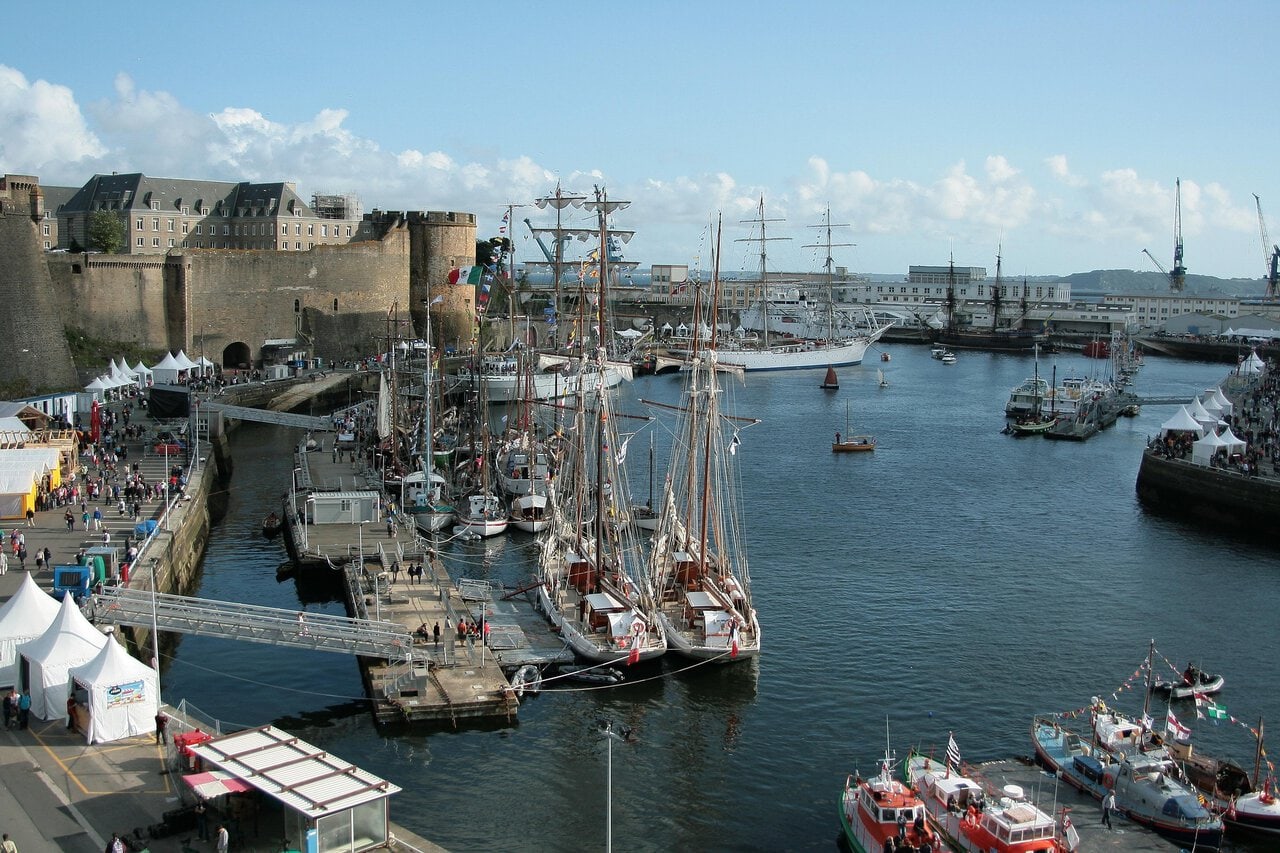
The sea has always been at the heart of Brest, and one of the best ways to experience the city is by taking a leisurely walk around its attractive marina and waterfront. Sitting on the edge of one of the world’s largest natural harbours, the area offers constantly changing views of sailing yachts, fishing boats, naval vessels and visiting cruise ships.
The modern marina is a lively place throughout the year, with cafés, restaurants and waterside terraces providing plenty of opportunities to pause and enjoy the atmosphere. On sunny days you’ll find locals strolling along the quays, sailors preparing their boats and visitors watching vessels arrive and depart from the harbour.
As you continue along the waterfront you’ll gain a real appreciation for the sheer scale of Brest Harbour, known locally as the Rade de Brest. Sheltered from the Atlantic by the dramatic Crozon Peninsula, it has provided a safe anchorage for ships for centuries and remains one of France’s most important maritime locations.
Whether you’re interested in photography, maritime history or simply enjoying the sea air, the harbour is one of the city’s most rewarding places to spend an hour or two.
Relax at Moulin Blanc Beach
While Brest is famous for its naval heritage, many visitors are surprised to discover that it also has its own attractive beach. Moulin Blanc Beach, located just east of the city centre beside Océanopolis, is one of Brest’s most popular places to relax during the warmer months.
The gently sloping sandy beach provides calm waters thanks to the shelter offered by the vast natural harbour, making it a favourite with families and anyone looking for a peaceful place to unwind. During summer you’ll often see people swimming, paddleboarding, kayaking and enjoying the sunshine along the shoreline.
A wide promenade runs alongside the beach, linking together cafés, restaurants, playgrounds and green spaces. It’s an ideal location for an evening stroll, particularly as the sun begins to set across the harbour, casting warm light across the water and surrounding hills.
Even outside the summer season, Moulin Blanc remains a pleasant place to visit. The fresh Atlantic air, panoramic views and easy access from the city centre make it a worthwhile stop whatever the time of year.
Visit the National Botanical Conservatory
Hidden away on the eastern side of the city is one of Brest’s most unexpected attractions, the National Botanical Conservatory of Brest (Conservatoire Botanique National de Brest). Established in 1975, it was the first botanical conservatory of its kind in the world dedicated to protecting endangered plant species.
Visitors can explore beautifully landscaped gardens containing thousands of plants from across the globe, including rare species from Atlantic islands, Mediterranean climates, South America, Asia and Oceania. The conservatory also features impressive tropical greenhouses where exotic plants flourish all year round.
Unlike many botanical gardens, the emphasis here is not simply on displaying beautiful flowers but on important international conservation work. The conservatory plays a leading role in protecting threatened plants and reintroducing species that have disappeared from the wild, making a visit both enjoyable and educational.
Quiet pathways, colourful planting schemes and peaceful surroundings make this one of Brest’s most relaxing attractions. It’s particularly rewarding during spring and summer when the gardens are at their most colourful, although the tropical glasshouses provide interest throughout the year.
Walk the Coastal Paths Around Brest
Some of the finest scenery around Brest lies just beyond the city centre. The coastline surrounding the Rade de Brest offers miles of spectacular coastal paths, providing breathtaking views across the Atlantic, dramatic cliffs, hidden coves and historic fortifications.
Several sections of the famous GR34, often called the Customs Officers’ Path, pass close to Brest. These well-maintained trails follow the coastline for hundreds of kilometres around Brittany and are considered among the finest long-distance walking routes in France.
Even a short walk rewards visitors with magnificent views over the harbour, the Crozon Peninsula, passing sailing boats and the ever-changing Atlantic coastline. Depending on the route you choose, you’ll encounter historic forts, quiet beaches, rocky headlands and abundant wildlife, making every walk slightly different.
Whether you’re looking for a gentle stroll lasting an hour or a more challenging coastal hike, the landscapes surrounding Brest provide an unforgettable reminder that this is one of France’s great maritime cities, where the sea is never far away.
Visit Fort Montbarey
One of Brest’s most important historic attractions is Fort Montbarey, a powerful eighteenth-century fortress that today houses an excellent museum dedicated to the Second World War and the Liberation of Brittany. While Brest Castle tells the story of the city’s long naval history, Fort Montbarey focuses on the dramatic events that shaped modern Brest.
The museum contains an impressive collection of military vehicles, artillery, uniforms, personal belongings, maps and wartime artefacts, helping visitors understand the fierce fighting that took place during the liberation of Brest in 1944. The city suffered extensive destruction during the conflict, and the exhibits explain both the military campaign and the enormous rebuilding effort that followed.
Walking around the fort itself is equally rewarding. Thick stone walls, defensive positions and open grounds provide a fascinating glimpse into military engineering while also offering plenty of space to explore at your own pace.
Whether you’re interested in military history, architecture or simply gaining a better understanding of Brest’s past, Fort Montbarey is well worth adding to your itinerary.
Take a Harbour Cruise Around Brest Bay
Seeing Brest from the water provides a completely different perspective on the city. A harbour cruise around the Rade de Brest allows visitors to appreciate the sheer scale of one of Europe’s largest natural harbours, while also enjoying views that simply aren’t possible from land.
Depending on the operator and the route, cruises pass the impressive French naval base, Brest Castle, the bustling marina, historic fortifications and dramatic headlands guarding the entrance to the harbour. Knowledgeable commentary often explains the city’s maritime history, naval importance and the unique geography that has made Brest such a strategically significant port for centuries.
Many cruises also venture further into the bay, offering views of the Crozon Peninsula, secluded coves and rugged Atlantic coastline. On calm days the reflections across the sheltered waters create excellent opportunities for photography, while seabirds and occasional marine wildlife add another dimension to the experience.
Whether you’re a keen photographer, interested in maritime history or simply looking for a relaxing way to spend an afternoon, a harbour cruise is one of the best ways to appreciate Brest’s unique relationship with the sea.
Best if you would rather spend the money on Brittany than on the room. Compare hostels by location and rating.
Search hostelsBest for anyone flying more than once or twice a year. Handles the compensation claim so you are not chasing the airline.
See AirHelp+Best for the gap between checking out and your train. Drop bags at a shop or hotel nearby and carry on.
Store your bagsVisit Pointe Saint-Mathieu
Around 30 minutes from Brest, Pointe Saint-Mathieu is one of the most spectacular places to visit anywhere in Brittany and makes an outstanding excursion from the city. Standing dramatically above the Atlantic Ocean, it combines breathtaking coastal scenery with centuries of history in a single unforgettable location.
The headland is dominated by the striking Saint-Mathieu Lighthouse, which rises beside the atmospheric ruins of a medieval abbey. The contrast between the towering lighthouse, ancient stone walls and crashing Atlantic waves creates one of Brittany’s most iconic landscapes and attracts photographers throughout the year.
Walking paths lead around the cliffs, providing magnificent views across the ocean towards the Iroise Sea and, on exceptionally clear days, as far as the islands of Molène and Ouessant (Ushant). You’ll also find a moving French naval memorial, recognising sailors who lost their lives while serving at sea, reinforcing the area’s deep maritime connections.
Whether you visit for the scenery, the history or simply to experience one of Brittany’s wildest coastal viewpoints, Pointe Saint-Mathieu is a memorable addition to any stay in Brest.
Experience Brest After Dark
Although Brest is a working port, it also has a lively evening atmosphere, particularly around the marina, Rue de Siam and the Ateliers des Capucins. As daylight fades, restaurants begin filling with diners enjoying freshly landed seafood, while bars and cafés welcome both locals and visitors looking to unwind after a day of sightseeing.
The waterfront is especially attractive after sunset. Reflections from yachts, harbour lights and passing ships shimmer across the water, creating a completely different atmosphere from the daytime. It’s an excellent place for an evening walk, particularly during the warmer months when outdoor terraces remain busy well into the night.
For something cultural, check what’s happening at the Ateliers des Capucins, where concerts, exhibitions, performances and seasonal events regularly take place throughout the year. Brest also hosts several major festivals celebrating music, maritime culture and the arts, adding even more life to the city after dark.
If you prefer a quieter evening, simply enjoy a meal overlooking the harbour before taking one last stroll along the waterfront. Watching the lights of the marina, the cable car gliding across the River Penfeld and the silhouette of Brest Castle illuminated against the night sky provides a memorable way to end your day.

Rupert’s Handy Travel Tips
Brest is very different from many French cities. Rather than medieval streets, you’ll find a fascinating maritime city shaped by the sea, making it well worth slowing down and exploring beyond the main attractions.
- Allow a full day for Océanopolis. It is much larger than most visitors expect and is easily one of the best aquariums in Europe.
- Use the cable car. It isn’t just a tourist attraction, it’s part of Brest’s public transport network and offers some of the city’s best harbour views.
- Explore beyond the city centre. Places like Pointe Saint-Mathieu, the Crozon Peninsula and the GR34 coastal paths showcase some of Brittany’s most spectacular scenery.
- Pack a waterproof. Brest’s Atlantic location means the weather can change quickly, even during summer, so it’s worth being prepared.
- Try the local seafood. Fresh fish, oysters, langoustines, Breton galettes and cider are highlights of any visit.
Want to meet the reindeer behind our travel tips? Find out more on our page Who is Rupert?.




Frequently Asked Questions
How many days should you spend in Brest?
One full day is enough to visit the main attractions, but two to three days allows time to enjoy Océanopolis, the museums, harbour, beaches and several excellent day trips along the Brittany coast.
Is Brest worth visiting?
Yes. Brest is one of Brittany’s most distinctive cities, combining fascinating maritime history, outstanding museums, beautiful coastal scenery and one of Europe’s finest ocean discovery centres.
What is Brest famous for?
Brest is best known for Océanopolis, its historic naval base, Brest Castle, the National Maritime Museum, France’s first urban cable car and its position on one of the world’s largest natural harbours.
Can you visit the French naval base in Brest?
The operational naval base is not generally open to the public, but you can learn about its history at the National Maritime Museum, enjoy excellent views from around the harbour or see parts of the dockyards during selected harbour cruises.
Is Brest good for families?
Absolutely. Families will enjoy Océanopolis, Moulin Blanc Beach, the Brest Cable Car, the Ateliers des Capucins and the city’s many waterfront walks and open spaces.
When is the best time to visit Brest?
Late spring, summer and early autumn usually offer the best weather for exploring the coastline, enjoying harbour cruises and visiting nearby beaches, although Brest is an interesting destination throughout the year.
How do you get to Brest?
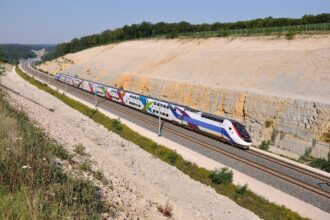
Brest can be reached by high-speed train from Paris via Rennes, by domestic flights to Brest Bretagne Airport, or by road using Brittany’s excellent motorway network.
What food should you try in Brest?
Fresh Atlantic seafood, Breton galettes, sweet crêpes, locally caught fish, oysters, langoustines and a glass of traditional Breton cider are all well worth trying during your visit.
Further Reading
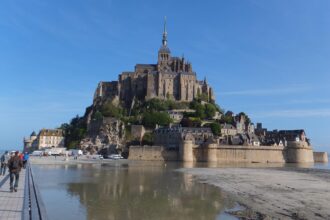
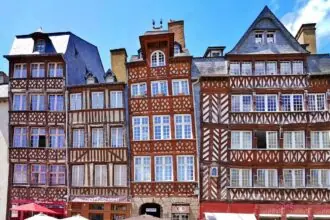
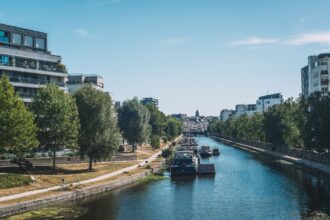
Continue exploring Brittany with our guides to Explore Rennes, Things to Do in Nantes, Visiting Mont-Saint-Michel and our Rennes Airport Transfers guide, covering more of the region’s finest cities and landmarks.
If you’re planning your onward rail journey, our guides to the Interrail France Pass, the Carte Avantage France and the Eurostar Guide will help you travel around France with confidence.