Reviewed by our editorial team Updated
Discover the Vibrant Capital of Brittany
Often overlooked in favour of nearby Saint-Malo or Mont Saint-Michel, Rennes is one of France’s most rewarding cities to explore. As the capital of Brittany, it combines a beautifully preserved medieval centre with elegant eighteenth-century squares, excellent museums, lively cafés and one of the country’s best food scenes. Whether you’re visiting for a day or planning a longer stay, Rennes offers a wonderful mix of history, culture, architecture and Breton traditions.
Situated at the meeting point of the Ille and Vilaine rivers, Rennes has been an important settlement for more than 2,000 years. Today, it is also one of France’s fastest-growing university cities, giving it a youthful atmosphere alongside its rich historic heritage. This blend of old and new makes Rennes feel both authentic and energetic, with bustling markets, independent shops and lively public squares sitting beside centuries-old buildings.
The city is also exceptionally well connected. High-speed TGV trains reach Paris in around 90 minutes, while excellent rail services link Rennes with Saint-Malo, Nantes, Brest and many other destinations across Brittany. Its compact centre means most attractions are within comfortable walking distance, making it one of the easiest French cities to explore without a car.
Whether you’re fascinated by medieval architecture, interested in Breton culture, searching for outstanding local food or simply looking for a relaxed city break, Rennes has plenty to offer and often surprises visitors who arrive with few expectations.
| Attraction | Time Needed | Admission | Best For |
|---|---|---|---|
| Medieval Old Town | 1 to 2 hours | Free | History, architecture and photography |
| Parliament of Brittany | 1 hour | Guided tour ticket | History and beautiful interiors |
| Rennes Cathedral | 30 to 45 minutes | Free | Architecture and religious heritage |
| Parc du Thabor | 1 to 2 hours | Free | Gardens, families and relaxing walks |
| Marché des Lices (Saturday) | 1 to 2 hours | Free to browse | Local food and Breton culture |
| Museum of Fine Arts | 1.5 to 2 hours | Paid | Art lovers |
| Les Champs Libres | 2 to 3 hours | Varies | Families, museums and science |
| River Vilaine Walk | 30 to 60 minutes | Free | Scenic walks and photography |
Wander Through Rennes’ Medieval Old Town
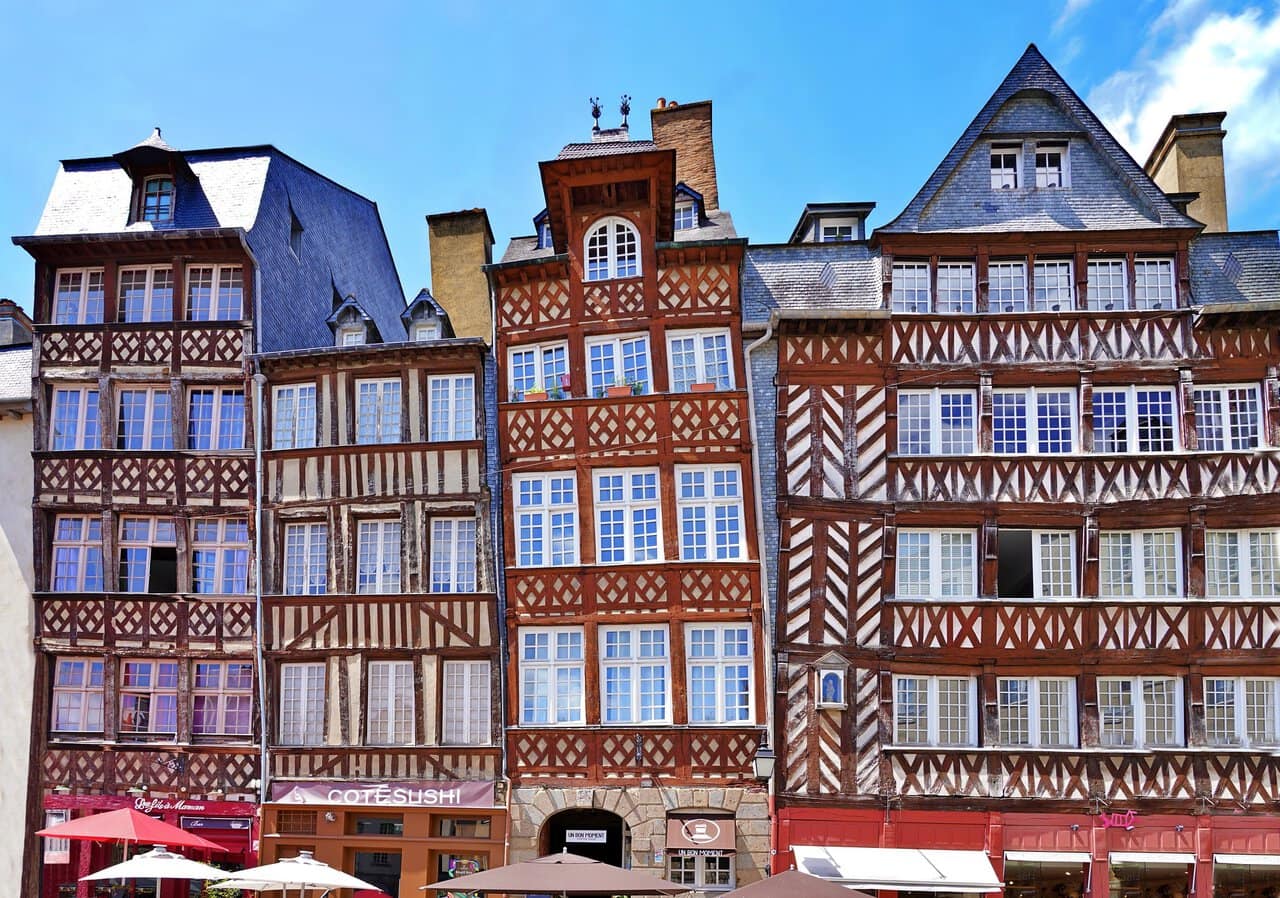
The heart of Rennes is its magnificent medieval old town, where winding streets are lined with some of the finest collections of half-timbered houses anywhere in France. Many of these colourful buildings date back to the fifteenth, sixteenth and seventeenth centuries, creating an atmosphere that feels wonderfully untouched by time.
Walking through the narrow lanes is one of the highlights of any visit. Buildings lean gently towards one another above the streets, their brightly painted timber frames creating a distinctive appearance that has become one of Rennes’ defining features. Around almost every corner you’ll discover hidden courtyards, independent boutiques, traditional cafés and inviting restaurants serving classic Breton dishes.
The old town centres around attractive squares such as Place Sainte-Anne and Place des Lices, where locals gather throughout the day to enjoy coffee, shop at independent stores or simply relax outside. Street musicians, seasonal markets and festivals regularly bring additional life to these historic spaces, ensuring that the area always feels vibrant rather than simply preserved.
Unlike many historic city centres, Rennes’ old town remains a genuine place to live and work rather than becoming an open-air museum. That authenticity is one of its greatest strengths and makes wandering its streets one of the most enjoyable experiences anywhere in Brittany.
Best if you want daily housekeeping and a front desk. Filter by area first, then by price.
Check availabilityBest for groups who want one address and separate bedrooms rather than three hotel rooms.
See holiday homesBest if you have already picked a hotel. Checks the big booking sites for the same room and shows who is cheapest.
Check dealsVisit the Parliament of Brittany
Standing proudly in the city centre, the magnificent Parliament of Brittany (Parlement de Bretagne) is one of Rennes’ most important landmarks and one of the finest classical buildings in western France. Constructed during the seventeenth century, it originally served as the highest court of justice for Brittany and remains one of the region’s most significant historic buildings.
The impressive exterior immediately catches the eye with its elegant stone façade, symmetrical design and richly decorated roofline. However, the real highlight lies inside, where guided tours reveal lavishly decorated ceremonial rooms filled with painted ceilings, gilded woodwork, magnificent tapestries and intricate artwork created by some of France’s finest craftsmen.
The building also has a fascinating modern history. In 1994, a devastating fire caused extensive damage following protests by local fishermen. Years of painstaking restoration returned the Parliament to its former glory, and today visitors can once again admire its spectacular interiors while learning about both its historic importance and remarkable restoration.
Located just a short walk from the medieval centre, the Parliament of Brittany is one of Rennes’ must-see attractions and provides an excellent introduction to the region’s political and cultural history.
Explore Rennes Cathedral
Just a few streets away stands the impressive Rennes Cathedral (Cathédrale Saint-Pierre de Rennes), one of Brittany’s most important religious buildings. Although the current cathedral largely dates from the eighteenth and nineteenth centuries, it occupies the site of much earlier churches that have served Rennes for well over a thousand years.
Unlike many French cathedrals, Rennes Cathedral surprises visitors with its richly decorated interior. Marble columns, ornate gilding, colourful frescoes and impressive religious artwork create an atmosphere that feels more like an Italian basilica than a traditional Gothic cathedral. The contrast between its relatively restrained exterior and its lavish interior makes stepping inside particularly memorable.
Among the cathedral’s treasures are beautiful stained-glass windows, historic chapels and an impressive high altar, while the peaceful atmosphere provides a welcome break from the busy streets outside. Whether you’re interested in architecture, history, art or simply looking for a quiet place to pause during your sightseeing, the cathedral rewards even a brief visit.
Its central location also makes it easy to combine with the nearby Parliament of Brittany, medieval old town and several of Rennes’ finest cafés, creating an enjoyable walking route through the historic heart of the city.
Relax in the Beautiful Parc du Thabor
Widely regarded as one of France’s finest public parks, Parc du Thabor is an essential stop during any visit to Rennes, as detailed on the official Rennes tourist office website. Covering more than 10 hectares, this magnificent green space combines elegant French formal gardens, an English-style landscape park, a stunning rose garden, fountains, sculptures and peaceful tree-lined avenues, creating the perfect escape from the busy city centre.
Originally belonging to the monks of the nearby abbey, the park was transformed into a public garden during the nineteenth century. Today it attracts both locals and visitors looking to enjoy a leisurely walk, relax with a picnic or simply admire the beautifully maintained flower displays.
One of the highlights is the spectacular rose garden, home to hundreds of different varieties that burst into colour during late spring and summer. Nearby you’ll also discover ornamental ponds, elegant bandstands, carefully clipped hedges and countless quiet benches tucked beneath mature trees.
Whether you visit for half an hour or an entire afternoon, Parc du Thabor offers a welcome change of pace and is easily one of Rennes’ most beautiful attractions.
Browse the Famous Marché des Lices
If your visit falls on a Saturday morning, don’t miss the opportunity to explore the legendary Marché des Lices, one of France’s largest and oldest outdoor markets. Dating back for centuries, the market has become an institution in Rennes and attracts thousands of shoppers every week.
More than 300 stalls fill Place des Lices, selling an incredible variety of fresh local produce. You’ll find artisan cheeses, fresh seafood, seasonal fruit and vegetables, freshly baked bread, Breton pastries, local cider, charcuterie, flowers and countless regional specialities. It’s one of the best places to experience the flavours of Brittany.
The market is particularly famous for its traditional galettes, crêpes, kouign-amann and locally produced salted butter caramel, all of which are well worth trying during your visit. Many of the traders have been attending the market for generations, creating an authentic atmosphere that’s difficult to find elsewhere.
Even if you’re not planning to buy anything, simply wandering between the colourful stalls, listening to the lively conversations and soaking up the atmosphere makes this one of Rennes’ most memorable experiences.
Explore the Museum of Fine Arts
Art lovers should make time for the excellent Museum of Fine Arts of Rennes (Musée des Beaux-Arts de Rennes), home to one of the finest municipal art collections in France. The museum houses works spanning more than 2,000 years, from Ancient Egypt through to contemporary art.
Among the highlights are paintings by internationally renowned artists including Rubens, Veronese, Picasso, Botticelli, Georges de La Tour and many others. The collection is surprisingly extensive for a city of Rennes’ size, making it one of Brittany’s leading cultural attractions.
Alongside the permanent galleries, the museum regularly hosts temporary exhibitions, ensuring there’s often something new to discover even for returning visitors. The building itself is spacious, well laid out and easy to explore, making it an enjoyable destination whether you’re an art enthusiast or simply looking for an interesting indoor attraction.
Located just a short walk from the Parliament of Brittany and the historic centre, the museum fits easily into a day’s sightseeing and provides an excellent contrast to the city’s medieval streets.
Walk Along the Vilaine River
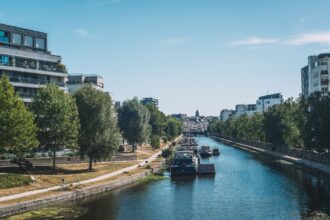
Flowing through the heart of Rennes, the River Vilaine has shaped the city’s history for centuries and today provides one of its most relaxing places to explore. Attractive riverside paths, leafy walkways and pedestrian bridges make this an ideal area for a leisurely stroll after visiting the city’s historic attractions.
The river offers a completely different perspective of Rennes. As you wander along the banks you’ll pass attractive parks, historic buildings, waterside cafés and quiet residential neighbourhoods, while several bridges provide excellent viewpoints back towards the city centre.
The riverside is particularly popular during the warmer months, when locals gather for picnics, cycling and evening walks. Outdoor terraces become busy with people enjoying drinks beside the water, giving the area a lively yet relaxed atmosphere that’s perfect for slowing down after a day of sightseeing.
If you’re looking for somewhere to escape the busiest streets without leaving the city centre, the River Vilaine provides exactly that. It’s a peaceful side of Rennes that many visitors overlook, yet it’s one of the most enjoyable places to simply wander without a fixed destination.
Best for long or awkward journeys. Builds one itinerary out of separate flights.
View flightsBest if you want maps and messaging working the moment you switch your phone on.
See eSIM plansBest if you would rather not work out the transport on arrival. Book it now and forget it.
View transfersExplore Place des Lices and Place Sainte-Anne
Two of Rennes’ most attractive public squares, Place des Lices and Place Sainte-Anne, perfectly capture the city’s lively character and are well worth exploring during your visit. Although only a short walk apart, each has its own distinctive atmosphere and together they form the social heart of the historic centre.
Place des Lices is best known for hosting the famous Marché des Lices every Saturday, but it’s worth visiting throughout the week. Surrounded by historic half-timbered buildings, traditional cafés and welcoming restaurants, the square provides an excellent place to pause for a coffee while watching everyday life unfold. Throughout the year it also hosts festivals, concerts and seasonal events, ensuring there’s almost always something happening.
Just a few minutes away, Place Sainte-Anne offers a younger, more energetic atmosphere thanks to its proximity to the university district. Street performers, musicians and busy café terraces give the square a vibrant feel throughout the day and well into the evening. It’s an excellent place to experience modern Rennes while still being surrounded by centuries of history.
Together, these two squares provide some of the best opportunities to enjoy the city’s unique blend of medieval architecture, Breton culture and modern French café life.
Discover the Jacobins Convent
One of Rennes’ most impressive restoration projects is the Couvent des Jacobins, a beautifully restored fourteenth-century Dominican convent that has been transformed into a modern conference and cultural centre while carefully preserving its historic character.
From the outside, the building retains its impressive medieval appearance, but inside visitors will discover a fascinating combination of historic architecture and contemporary design. The restoration has won international praise for successfully blending old and new, allowing the convent to remain an important part of city life rather than simply becoming a museum.
Throughout the year the Jacobins hosts art exhibitions, concerts, lectures, cultural festivals and major international conferences. Even if no event is taking place during your visit, it’s worth admiring the building’s impressive exterior and learning about its remarkable transformation.
Located close to the Parliament of Brittany and the medieval old town, the Jacobins fits naturally into any walking tour of Rennes and provides another fascinating insight into the city’s long history.
Visit FRAC Bretagne
For something completely different, head to FRAC Bretagne (Fonds Régional d’Art Contemporain Bretagne), one of France’s leading centres for contemporary art. While Rennes is rightly celebrated for its medieval heritage, attractions like FRAC Bretagne demonstrate that the city also has a thriving modern cultural scene.
The gallery presents an ever-changing programme of temporary exhibitions, showcasing works by both established international artists and emerging contemporary talent. Exhibitions regularly explore topics ranging from photography and sculpture to digital installations and multimedia art, meaning no two visits are ever quite the same.
The striking modern building itself is part of the experience, with spacious galleries designed to encourage visitors to engage with the artwork in new ways. Even those who don’t usually visit contemporary art galleries often find the exhibitions thought-provoking and surprisingly accessible.
For anyone interested in modern creativity, FRAC Bretagne provides an excellent contrast to Rennes’ historic landmarks and highlights the city’s reputation as one of France’s most dynamic cultural centres.
Visit Les Champs Libres
One of Rennes’ flagship attractions is Les Champs Libres, an outstanding cultural complex bringing together the Brittany Museum, the Science Centre, a planetarium and the city’s main public library under one roof. Located beside the railway station, it’s one of the best places to visit if the weather turns wet or if you’re travelling with children.
The Brittany Museum offers an excellent introduction to the region’s history, traditions and identity. Through interactive displays, artefacts and multimedia exhibits, you’ll discover how Brittany has evolved from prehistoric times to the present day while learning about its unique language, customs and maritime heritage.
Families will particularly enjoy the Science Centre, where interactive exhibits encourage visitors of all ages to experiment, explore and learn through hands-on activities. The planetarium is another highlight, offering fascinating presentations about space, the night sky and astronomy throughout the year.
Because several major attractions are housed in one modern building, Les Champs Libres can easily occupy half a day and provides one of the most rewarding cultural experiences in Rennes. It’s an excellent reminder that the city offers much more than beautiful medieval streets alone.
Experience Rennes After Dark
As the sun sets, Rennes transforms into one of Brittany’s liveliest evening destinations. Thanks to its large university population, the city has a youthful energy that continues well into the night, while the beautifully illuminated medieval streets, historic squares and half-timbered houses create a wonderfully atmospheric setting for an evening stroll.
The streets around Place Sainte-Anne, Rue Saint-Michel and the surrounding lanes are particularly popular after dark. Nicknamed “Rue de la Soif” or “Thirst Street”, Rue Saint-Michel is famous for its concentration of bars, pubs and lively terraces. Whether you’re looking for a traditional Breton cider house, a relaxed wine bar or somewhere to enjoy live music, you’ll find plenty of choice within a few minutes’ walk.
For something more peaceful, take an evening walk through the softly lit old town, where the historic buildings take on a completely different character after sunset. Many restaurants spill onto the streets during the warmer months, creating a welcoming atmosphere that’s perfect for enjoying local specialities while watching the city come to life.
Throughout the year Rennes also hosts numerous concerts, festivals, theatre performances and cultural events, ensuring there’s almost always something happening once the sightseeing ends.
Family-Friendly Things to Do in Rennes
Rennes is an excellent destination for families, combining interactive museums, beautiful parks, wide pedestrian areas and plenty of open spaces where children can explore safely.
One of the city’s biggest family attractions is Les Champs Libres, where the Science Centre features engaging hands-on exhibits designed to encourage children to experiment and discover. The planetarium is another highlight, offering fascinating shows that appeal to both younger visitors and adults.
Outside, Parc du Thabor is perfect for families wanting to slow the pace. Children have plenty of space to run around, while parents can enjoy the colourful gardens, ornamental ponds and shaded pathways. During the summer, the park often hosts outdoor entertainment and seasonal events that add even more to the experience.
Families also enjoy simply wandering through Rennes’ medieval streets, where colourful timber-framed buildings, lively squares and frequent street performers help keep younger visitors entertained. Combined with the city’s relaxed atmosphere and compact layout, Rennes is one of the easiest French cities to explore with children.
Best for a short stop where being central matters more than the room. Dorms and private rooms both listed.
See hostelsBest if you have ever given up on a claim. AirHelp checks whether the flight qualifies and pursues it for you.
See the benefitsBest if your room is not ready yet. Left luggage booked in advance, so you are not hunting for a locker.
Check storageBest Day Trips from Rennes
One of Rennes’ greatest strengths is its location. Sitting at the heart of Brittany, the city makes an excellent base for discovering some of north western France’s most spectacular destinations.
Perhaps the most famous excursion is Mont Saint-Michel, located around one hour away. Rising dramatically from its tidal island, this UNESCO World Heritage Site is one of France’s most recognisable landmarks and remains one of the country’s most unforgettable day trips.
To the north lies the beautiful walled port of Saint-Malo, where visitors can walk the historic ramparts, explore narrow cobbled streets and enjoy fresh seafood overlooking the English Channel. Nearby Dinan offers one of Brittany’s best-preserved medieval centres, while Cancale is renowned throughout France for its exceptional oysters.
Nature lovers may prefer the dramatic coastline around Cap Fréhel, while history enthusiasts can visit the magnificent Château de Fougères, home to one of Europe’s largest medieval fortresses. Thanks to Rennes’ excellent rail and road connections, each of these destinations is easily accessible, making the city an outstanding base for exploring Brittany.
Where to Eat in Rennes
Food plays a central role in Breton culture, and Rennes is one of the best places to experience it. From traditional crêperies and bustling markets to elegant fine dining restaurants, the city offers something for every taste and budget.
No visit is complete without trying an authentic Breton galette, made from buckwheat flour and traditionally filled with ingredients such as ham, cheese, egg, mushrooms or local seafood. Finish your meal with a sweet crêpe, accompanied by a glass of traditional Breton cider, and you’ll have enjoyed one of the region’s classic culinary experiences.
The streets around the old town, Place Sainte-Anne and Place des Lices are packed with excellent restaurants serving everything from fresh seafood and regional specialities to modern French cuisine. If you’re visiting on Saturday, the nearby Marché des Lices is also an excellent place to sample artisan cheeses, pastries, charcuterie, locally produced cider and the famous salted butter caramel that Brittany is known for.
Whether you’re searching for a quick lunch between sightseeing, a cosy neighbourhood bistro or an unforgettable evening meal, Rennes has developed into one of western France’s most exciting food destinations, and exploring its restaurants is every bit as rewarding as visiting its historic landmarks.

Rupert’s Handy Travel Tips
Rennes is one of France’s easiest cities to explore on foot, and a little planning will help you make the most of your visit.
- Visit on a Saturday if you can. Marché des Lices is one of France’s finest markets and is a real highlight of any trip to Rennes.
- Wear comfortable shoes. The medieval centre is wonderfully walkable, but you’ll spend plenty of time exploring cobbled streets and historic squares.
- Don’t miss Parc du Thabor. It’s one of the most beautiful public parks in France and makes a perfect break from sightseeing.
- Use Rennes as a base. High-speed rail and excellent road links make it easy to visit Saint-Malo, Dinan and Mont Saint-Michel on day trips.
- Try the local food. Traditional Breton galettes, sweet crêpes, cider and salted butter caramel are all local specialities worth sampling.
Want to meet the reindeer behind our travel tips? Find out more on our page Who is Rupert?.




Frequently Asked Questions
How many days should you spend in Rennes?
One full day is enough to see Rennes’ main attractions, but two to three days gives you time to explore the city’s museums, parks, markets and restaurants while also taking a day trip to destinations such as Saint-Malo or Mont Saint-Michel.
Is Rennes worth visiting?
Yes. Rennes is one of France’s most underrated cities, offering a beautiful medieval old town, impressive historic buildings, excellent museums, outstanding parks and one of the best food scenes in Brittany.
What is Rennes famous for?
Rennes is known as the capital of Brittany and is famous for its half-timbered houses, the Parliament of Brittany, Marché des Lices, Parc du Thabor and its vibrant student atmosphere.
Can you explore Rennes on foot?
Yes. The historic centre is compact and most of the city’s major attractions are within comfortable walking distance of one another, making Rennes an ideal city to explore without a car.
When is the best time to visit Rennes?
Late spring, summer and early autumn generally offer the most pleasant weather. If possible, plan your visit for a Saturday to experience the famous Marché des Lices.
Is Rennes good for families?
Yes. Families will enjoy Parc du Thabor, Les Champs Libres, the Science Centre, wide pedestrian streets and plenty of open public spaces throughout the city.
How do you get to Rennes?
Rennes is served by high-speed TGV trains from Paris in around 90 minutes, with regular rail services connecting the city to Nantes, Saint-Malo, Brest and many other destinations across Brittany.
What food should you try in Rennes?
Don’t miss traditional Breton galettes, sweet crêpes, salted butter caramel, fresh seafood, artisan cheeses and a glass of authentic Breton cider.
Further Reading
Continue exploring Brittany with our guides to Things to Do in Nantes, Visiting Brest, Visiting Mont-Saint-Michel and our Rennes Airport Transfers guide to help plan the rest of your trip across the region.
If you’re planning your onward rail journey, our guides to the Interrail France Pass, the Carte Avantage France and the Eurostar Guide will help you travel around France with confidence.