Reviewed by our editorial team Updated
Welcome to Nantes
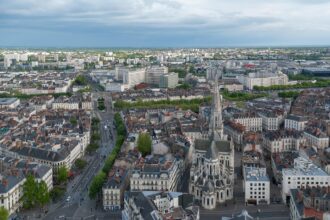
Standing proudly on the banks of the Loire River, Nantes is one of France’s most exciting and distinctive cities. Once the historic capital of Brittany, it has transformed itself into a vibrant destination where medieval history, cutting-edge art, innovative attractions and beautiful green spaces exist side by side.
Unlike many French cities, Nantes doesn’t rely on a single landmark. Instead, it surprises visitors with its remarkable variety. You can spend the morning exploring a magnificent medieval castle, ride a giant mechanical elephant in the afternoon, relax beside peaceful rivers and gardens before enjoying outstanding restaurants and a lively nightlife after dark.
The city is also famous as the birthplace of Jules Verne, whose imagination helped inspire many of Nantes’ modern attractions. Nowhere is this more evident than the spectacular Machines de l’Île, where enormous mechanical creatures, fantastical sculptures and extraordinary engineering have become internationally recognised symbols of the city.
Nantes is also one of France’s easiest cities to explore. A compact historic centre, excellent tram network, pedestrian-friendly streets and the famous Green Line walking trail connect almost every major attraction, allowing visitors to discover the city almost entirely on foot.
Whether you’re interested in history, architecture, art, food, gardens, river cruises, family attractions or simply experiencing one of France’s most creative cities, Nantes offers something for every traveller.
This guide brings together the very best things to do in Nantes, helping you make the most of your visit to this remarkable city on the Loire.
| Attraction | Time Needed | Admission | Best For |
|---|---|---|---|
| Château des Ducs de Bretagne | 2–3 hours | Castle free, museum paid | History and architecture |
| Machines de l’Île & Grand Éléphant | 2–3 hours | Paid | Families and first-time visitors |
| Carrousel des Mondes Marins | 45–60 mins | Paid | Families and photography |
| Bouffay Quarter | 1–2 hours | Free | Food, shopping and atmosphere |
| Nantes Cathedral | 30–45 mins | Free | Gothic architecture; partially reopened while restoration continues |
| Jardin des Plantes | 1–2 hours | Free | Gardens and relaxation |
| Passage Pommeraye | 30–60 mins | Free | Shopping and architecture |
| Trentemoult | Half day | Ferry fare | Colourful streets and cafés |
| Loire Estuary Cruise | 2.5–5 hours | Paid | Scenery and river heritage |
| Clisson | Half day | Free (castle extra) | Day trip and photography |
Visit the Château des Ducs de Bretagne
Dominating the heart of the city, the magnificent Château des Ducs de Bretagne is Nantes’ most important historic landmark and the perfect place to begin exploring the city’s fascinating past.
Originally constructed during the thirteenth century and later transformed into an elegant royal residence, the castle served as the home of the Dukes of Brittany, whose influence shaped the history of western France for centuries. Today, its gleaming white stone walls, imposing towers and wide defensive moat make it one of the country’s finest preserved urban castles.
Visitors can explore the impressive courtyards, historic rooms and beautifully restored fortifications before climbing onto the ramparts, where a complete circuit offers outstanding views across the rooftops of Nantes. Walking the walls provides a unique perspective of both the medieval city and the modern skyline beyond.
Inside the castle is the excellent History Museum of Nantes, whose interactive exhibitions trace the city’s development from a Roman settlement through the Breton duchy, maritime expansion, the Industrial Revolution and its transformation into the vibrant city visitors see today.
Beautiful gardens surrounding the castle provide a peaceful place to relax, while the moat reflects the impressive walls, creating one of the city’s best photographic locations.
Whether you’re fascinated by medieval history, architecture or simply looking for Nantes’ most iconic attraction, the Château des Ducs de Bretagne is an essential visit.
Best for a short trip. Compare rooms by neighbourhood, price and guest rating before you book.
Compare hotelsBest for longer stays. Whole apartments and houses, so you are not eating out three times a day.
View rentalsBest for double-checking. Runs the same Nantes search across several booking sites so you are not leaving money behind.
Compare pricesSee the Giant Elephant at Machines de l’Île
No visit to Nantes is complete without experiencing the extraordinary Machines de l’Île, one of the most imaginative attractions anywhere in Europe.
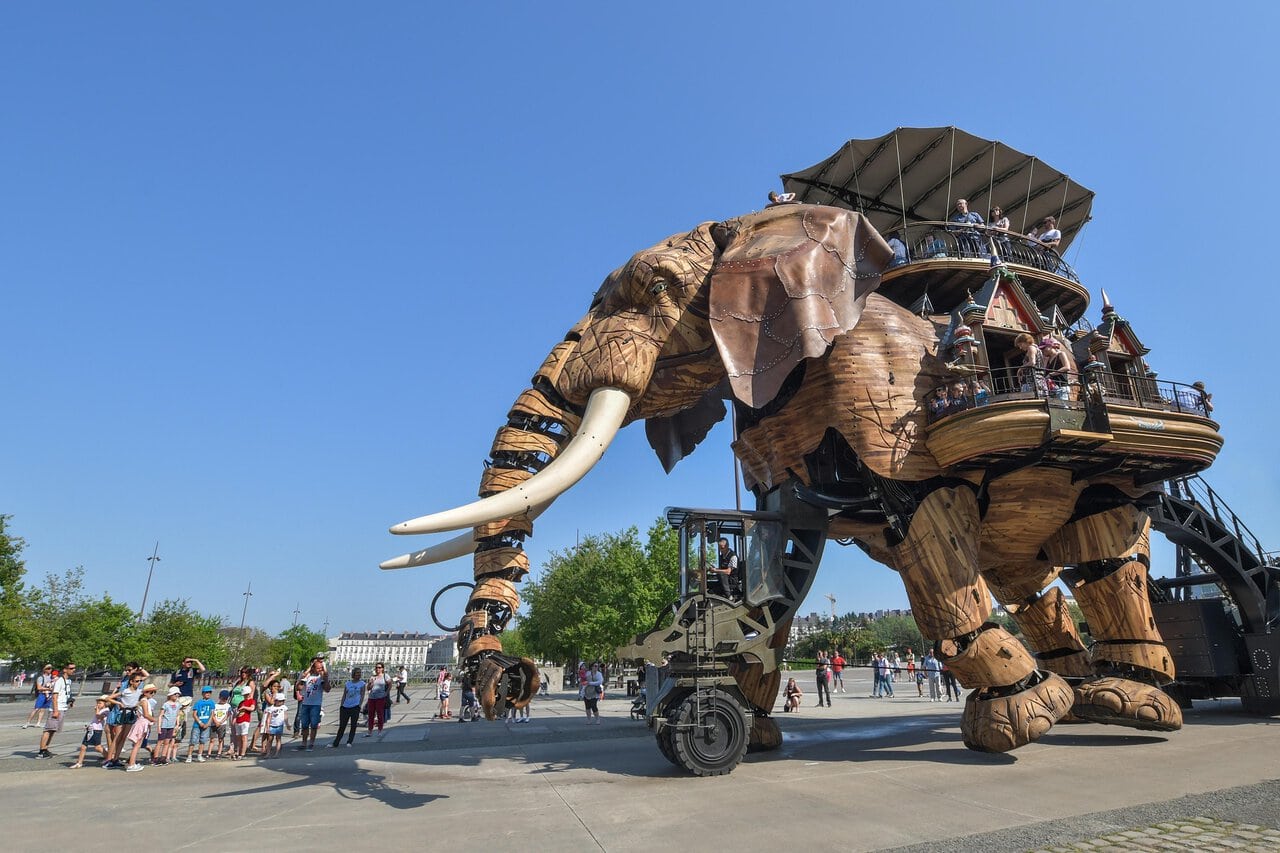
Built on the former shipyards of Île de Nantes, this remarkable project combines engineering, art, theatre and the fantastical imagination of Jules Verne into an unforgettable experience. At its heart stands the city’s most famous resident: the enormous Grand Éléphant.
Standing around 12 metres high and weighing almost 50 tonnes, this incredible mechanical elephant slowly walks around the site carrying passengers on its back. As it moves, its trunk swings from side to side, its ears flap and it occasionally sprays water over delighted crowds gathered below.
Watching the elephant come to life is an attraction in itself, but riding aboard provides a completely different perspective as you gently travel around the former dockyards while admiring the remarkable engineering involved in its construction. Ride departures run to a set daily timetable and can be affected by weather, so check the official ride timetable before you arrive.
The attraction appeals to visitors of every age. Children are captivated by the moving machine, while adults often find themselves equally fascinated by the craftsmanship, mechanics and creativity that brought this giant creature to life.
Few attractions capture the spirit of modern Nantes quite so perfectly. Combining the city’s industrial heritage with bold artistic ambition, the Grand Éléphant has become one of France’s most recognisable landmarks and remains an unforgettable highlight of any visit.
Explore the Machines Gallery and Carrousel des Mondes Marins
While the Grand Éléphant may attract most of the attention, the rest of Machines de l’Île is equally remarkable and deserves plenty of time.
The fascinating Machines Gallery (Galerie des Machines) acts as a living workshop where engineers, artists and craftsmen continue to create extraordinary mechanical creatures inspired by the worlds of Jules Verne, Leonardo da Vinci and the industrial history of Nantes.
Inside, visitors can watch giant mechanical spiders, birds, caterpillars, ants and other imaginative creations spring into life as staff demonstrate how each machine moves. Many of the exhibits are interactive, allowing visitors to operate parts of the mechanisms themselves and gain a greater appreciation of the remarkable engineering involved.
Nearby stands another masterpiece: the spectacular Carrousel des Mondes Marins. Rising almost 25 metres above the riverfront, this enormous three-level carousel celebrates the marine world through beautifully crafted mechanical sea creatures. Instead of traditional carousel horses, riders can climb aboard giant crabs, flying fish, submarines, sea serpents and other fantastical creations inspired by the oceans.
The level of craftsmanship throughout the attraction is extraordinary. Every moving creature has its own personality, intricate details and carefully engineered movements, making it just as enjoyable for adults as it is for children.
Together with the Grand Éléphant, these attractions make Machines de l’Île one of the most original visitor experiences in Europe and the defining symbol of Nantes’ creativity.
Save Money with the Nantes CityPass
If you’re planning to spend at least a full day exploring Nantes, the Nantes CityPass can offer excellent value. Available as 24-hour, 48-hour, 72-hour or 7-day passes, it combines unlimited public transport with free admission to many of the city’s top attractions, helping you save both time and money during your visit.
One of the biggest advantages is that the pass includes unlimited travel on Nantes’ public transport network, including buses, trams, Navibus river shuttles and even the airport shuttle, making it ideal if you’re arriving by plane. To use the airport shuttle, you’ll need to link your e-Pass to the official Pass Nantes mobile app after receiving your digital pass. This is an important step, as the airport transfer isn’t activated until the pass has been added to the app.
Beyond transport, the CityPass provides free entry to more than 50 attractions and experiences. Highlights include Les Machines de l’Île, the Château des Ducs de Bretagne, the Nantes Museum of Arts, the Jules Verne Museum, guided walking tours, river cruises and, depending on the season, bike hire, kayak hire and even complimentary drinks at selected cafés and restaurants.
The pass is activated the first time you use it and then remains valid for the chosen duration of 24, 48, 72 consecutive hours or 7 consecutive days. If you’re planning to visit several museums, use public transport frequently and take a river cruise or guided tour, it’s easy for the pass to pay for itself.
Before purchasing, it’s worth checking whether any attractions you want to visit require advance reservations, particularly river cruises and guided tours, as these can be popular during the summer months.
Walk Through the Historic Bouffay Quarter
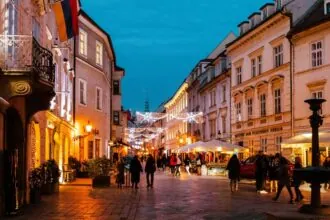
The Bouffay Quarter is the historic heart of Nantes and one of the most enjoyable places to explore on foot. Once enclosed within the city’s medieval walls, this lively district is filled with narrow cobbled streets, colourful timber-framed buildings, hidden courtyards and bustling squares that preserve the character of old Nantes.
Today, Bouffay is where history meets modern city life. Independent boutiques, artisan bakeries, wine bars and traditional French restaurants occupy centuries-old buildings, while outdoor terraces spill into the pedestrian streets throughout the day and evening. It’s the perfect place to slow down, wander without a map and soak up the atmosphere.
As you explore, you’ll come across beautifully restored façades, historic churches, small public squares and reminders of Nantes’ medieval past around almost every corner. Information panels explain the area’s history, while many of the surviving buildings date back hundreds of years.
Bouffay is also one of the city’s best places to eat. Whether you’re looking for traditional Breton crêpes, fresh seafood, modern French cuisine or international food, you’ll find an enormous choice within just a few streets.
In the evening, the district becomes one of Nantes’ liveliest neighbourhoods. Restaurants fill with locals, bars open onto the streets and live music often spills into the squares, creating an atmosphere that’s welcoming without feeling overwhelming.
Whether you’re interested in history, architecture, shopping or simply enjoying a leisurely meal, the Bouffay Quarter is an essential stop during any visit to Nantes.
Visit Nantes Cathedral
Standing beside the Château des Ducs de Bretagne, the magnificent Cathedral of Saint Peter and Saint Paul is one of the finest Gothic churches in western France.
Construction began in 1434 and continued for more than 450 years, resulting in a remarkable building that combines soaring Gothic architecture with an elegant, light-filled interior. Its striking white stone gives the cathedral a bright appearance both inside and out, creating a very different atmosphere from many of France’s darker medieval churches.
Stepping inside, visitors are immediately struck by the cathedral’s enormous height. The elegant vaulted ceilings rise more than 37 metres, making the interior feel both vast and peaceful. Beautiful stained-glass windows, intricate carvings and impressive pipe organs add further interest as you explore.
One of the cathedral’s greatest treasures is the magnificent Tomb of Francis II, Duke of Brittany, and Marguerite de Foix. Widely regarded as one of the masterpieces of French Renaissance sculpture, the intricately carved marble monument attracts visitors from around the world and is considered one of the cathedral’s finest artistic highlights.
Although the cathedral suffered significant fire damage in recent years, restoration work continues to preserve this important landmark for future generations. Even while restoration is underway, it remains one of the city’s most important historic and architectural sites.
For anyone interested in Gothic architecture, religious history or simply discovering one of Nantes’ most iconic landmarks, the cathedral deserves a place on every itinerary.
Discover the History Museum of Nantes
Located inside the Château des Ducs de Bretagne, the History Museum of Nantes is one of the best city museums in France and provides an excellent introduction to Nantes’ remarkable past.
Spread across more than 30 galleries, the museum tells the story of Nantes from its earliest origins through to the modern day. Interactive displays, historic artefacts, detailed models, multimedia presentations and original documents bring more than 2,000 years of history to life.
Visitors learn about Nantes’ time as the capital of Brittany, its importance as a major Atlantic port and its role during the Industrial Revolution. The museum also addresses the city’s involvement in the transatlantic slave trade, presenting this difficult chapter with honesty and sensitivity while explaining how Nantes has worked to acknowledge and remember its past.
Families will appreciate the museum’s engaging displays, while history enthusiasts can easily spend several hours exploring the extensive collections. The exhibitions are thoughtfully designed, making them accessible even if you know little about the city’s history before arriving.
Because admission to the museum includes access to the castle ramparts, many visitors combine both experiences into a single visit, making it excellent value and one of the highlights of any trip to Nantes.
Best for finding routes the airlines do not sell as a single ticket. Combines carriers to bring the fare down.
Search flightsBest if you want maps and messaging working the moment you switch your phone on.
See eSIM plansBest after a long flight or a late landing. Price agreed before you travel, and no taxi queue.
Check transfersShop in the Beautiful Passage Pommeraye
Hidden between two busy shopping streets lies one of Nantes’ most elegant architectural treasures. Passage Pommeraye is a magnificent nineteenth-century shopping arcade that has been delighting visitors since 1843 and remains one of the most beautiful covered arcades in Europe.
Built across three levels to overcome the natural slope of the city, the arcade is famous for its grand staircases, decorative balconies, glass roof and richly ornamented sculptures. Sunlight pours through the elegant glass ceiling, illuminating the intricate details that make this one of Nantes’ most photographed buildings.
Today, the arcade is home to a carefully selected collection of independent boutiques, fashion stores, bookshops, gift shops and cafés. Even if you have no intention of shopping, it’s worth visiting simply to admire the architecture and soak up the refined atmosphere.
Passage Pommeraye has also appeared in several films and continues to inspire photographers and artists thanks to its timeless elegance. It’s a wonderful place to escape the weather, browse unique shops or enjoy a coffee while surrounded by one of Nantes’ most beautiful interiors.
Whether you’re interested in architecture, shopping, photography or simply discovering one of the city’s hidden gems, Passage Pommeraye is an attraction you shouldn’t miss.
Walk Along the Loire and Erdre Rivers
Water has shaped Nantes for centuries, and one of the best ways to experience the city is by following the banks of its two rivers, the mighty Loire and the tranquil Erdre. Together they create attractive promenades, peaceful parks and ever-changing views that encourage visitors to slow down and enjoy the city’s relaxed atmosphere.
The Loire River was once one of France’s busiest commercial waterways, bringing wealth and prosperity to Nantes. Today its former industrial docks have been transformed into vibrant public spaces where you’ll find riverside cafés, contemporary art installations and excellent viewpoints across the water.
The quieter Erdre River offers a completely different experience. Lined with elegant townhouses, leafy parks and moored boats, it has often been described as one of France’s most beautiful rivers. Walking beside its tree-lined banks provides a welcome escape from the bustle of the city centre, while numerous bridges offer wonderful opportunities for photography.
The riverside paths are also ideal for cycling, jogging or simply enjoying a leisurely stroll. Along the way you’ll discover floating restaurants, public artworks, landscaped gardens and plenty of places to stop for a drink while watching boats glide past.
Whether you’re exploring during the day or taking an evening walk as the city lights begin reflecting on the water, Nantes’ rivers remain one of its greatest attractions and help give the city its distinctive character.
Visit the Jardin des Plantes
Just opposite Nantes Railway Station lies one of the city’s most beautiful green spaces. The magnificent Jardin des Plantes covers more than seven hectares and is considered one of the finest botanical gardens in France.
Originally established in the early nineteenth century, the gardens contain thousands of plant species collected from around the world. Colourful flower beds, towering exotic trees, elegant greenhouses and beautifully maintained lawns create a peaceful oasis just a short walk from the historic centre.
One of the garden’s most distinctive features is its playful approach to landscape design. Oversized topiary sculptures, imaginative floral displays and quirky artistic installations appear throughout the park, reflecting the same creativity that has made Nantes famous worldwide.
Families particularly enjoy the gardens thanks to their open spaces, ponds, children’s play areas and friendly ducks wandering freely around the grounds. During spring and summer the colourful displays are especially impressive, while autumn brings spectacular seasonal colours to the mature trees.
The greenhouses are also worth exploring, housing tropical plants and rare botanical collections that provide year-round interest regardless of the weather.
Whether you’re looking for somewhere to relax after sightseeing, enjoy a picnic or simply admire one of France’s finest public gardens, the Jardin des Plantes is a highlight of any visit to Nantes.
Take a River Cruise
Seeing Nantes from the water offers a completely different perspective on the city. A river cruise along the Loire or Erdre allows visitors to appreciate both the city’s historic waterfront and its beautiful natural surroundings without the crowds often found on the streets.
Several operators offer a variety of cruises throughout the year, ranging from short sightseeing trips to longer excursions into the countryside. As your boat glides along the river you’ll pass elegant bridges, historic quays, modern architecture and riverside parks while learning about Nantes’ maritime history through onboard commentary.
Cruises on the Erdre River are particularly scenic. The river winds past magnificent country houses, grand châteaux, wooded riverbanks and secluded marinas, creating a peaceful atmosphere that’s very different from the busy city centre. It’s easy to understand why King Francis I is said to have described the Erdre as “the most beautiful river in France.”
Many cruises also include refreshments or dining options, allowing you to enjoy lunch, dinner or a glass of local wine while watching the scenery drift by. Evening departures are especially popular during the summer, when the setting sun casts a golden glow across the river.
Whether you’re celebrating a special occasion or simply looking for a relaxing way to experience Nantes, a river cruise is one of the city’s most enjoyable attractions.
Explore the Colourful Village of Trentemoult
Just across the Loire River from central Nantes lies Trentemoult, a former fishing village that feels like stepping into an entirely different world.
The easiest and most enjoyable way to reach the village is by taking the Navibus ferry, which crosses the Loire in just a few minutes and is included within the city’s public transport network. The short journey also provides wonderful views back towards Nantes’ skyline.
Once ashore, you’ll discover a maze of narrow streets, brightly painted houses, flower-filled alleyways and charming cafés that give Trentemoult its distinctive character. Every corner seems to reveal another colourful façade, making the village one of the most photogenic places in the region.
For generations, Trentemoult was home to sailors, fishermen and shipbuilders. Today many of the old cottages have been transformed into artisan workshops, galleries and independent restaurants, while the relaxed waterfront remains a favourite meeting place for locals.
The riverside is the perfect spot to enjoy lunch overlooking the Loire before wandering through the peaceful back streets in search of hidden courtyards and colourful gardens. Unlike many tourist destinations, Trentemoult has retained a genuine neighbourhood atmosphere, making it feel wonderfully authentic.
Whether you’re interested in photography, local history, food or simply escaping the city for a few hours, Trentemoult is one of the most rewarding places to visit during your stay in Nantes.
Follow the Green Line Walking Trail
One of the most enjoyable and unique ways to explore Nantes is by following the famous Green Line (Le Voyage à Nantes). Rather than relying on a map, this painted green line guides visitors through the city, linking together many of Nantes’ most important attractions, hidden corners and public art installations.
Stretching for around 20 kilometres, the route passes more than 120 places of interest, allowing you to discover everything from medieval streets and historic churches to contemporary sculptures, riverside parks and innovative architecture. You don’t need to complete the entire route in one day. Many visitors simply join the line wherever it’s convenient and follow it until the next attraction catches their eye.
One of the great pleasures of the trail is its element of surprise. Around almost every corner you’ll encounter quirky artworks, interactive installations, unusual viewpoints or imaginative pieces of street art that reflect Nantes’ reputation as France’s most creative city.
The Green Line also removes much of the stress from sightseeing. Instead of constantly checking your phone or unfolding a paper map, you simply follow the painted line through the streets, allowing yourself to enjoy the city at a much more relaxed pace.
Whether it’s your first visit or your fifth, following the Green Line is one of the very best ways to discover both the famous landmarks and the hidden gems that make Nantes such a fascinating destination.
Best for solo travellers and anyone watching the budget. Dorm beds and private rooms in the same search.
Browse hostelsBest arranged before you fly rather than after. Covers claim handling, plus lounge access on eligible delays.
Explore AirHelp+Best for the gap between checking out and your train. Drop bags at a shop or hotel nearby and carry on.
Store your bagsDiscover Jules Verne’s Nantes
Few writers have captured the imagination quite like Jules Verne, and nowhere is his legacy more evident than in his hometown of Nantes.
Born here in 1828, Verne spent his childhood surrounded by the bustling docks, sailing ships and the mighty Loire River. These early experiences would later inspire many of his famous novels, including Twenty Thousand Leagues Under the Seas, Around the World in Eighty Days and Journey to the Centre of the Earth.
Visitors can learn more about his life at the excellent Jules Verne Museum, overlooking the Loire. The museum contains first editions, manuscripts, illustrations, personal belongings and fascinating displays explaining how Nantes influenced one of the world’s greatest adventure writers.
His imagination continues to shape the city today. The spectacular Machines de l’Île, with its giant mechanical elephant and extraordinary moving creatures, draws heavily on Verne’s fantastical ideas, while many public artworks throughout Nantes celebrate his legacy.
Walking through the old docks and riverside districts, it’s easy to imagine the young Verne watching ships arrive from around the world, dreaming of distant adventures that would eventually inspire millions of readers.
For lovers of literature, history and creative storytelling, discovering Jules Verne’s Nantes offers a fascinating insight into both the author and the city that helped shape his extraordinary imagination.
Visit the Memorial to the Abolition of Slavery
One of the most moving and thought-provoking attractions in Nantes is the Memorial to the Abolition of Slavery. Located beside the Loire River, this powerful monument acknowledges one of the darkest chapters in the city’s history while promoting reflection, education and hope.
During the eighteenth century, Nantes became France’s largest slave-trading port. Thousands of ships departed from its quays as part of the transatlantic slave trade, bringing enormous wealth to the city but causing unimaginable human suffering. Rather than ignoring this past, Nantes has chosen to confront it openly.
The memorial stretches for almost 400 metres along the riverbank. As visitors descend below ground, the atmosphere changes dramatically. Glass panels, historical quotations, documents and the names of slave ships create a quiet space for reflection, encouraging visitors to consider the lasting impact of slavery across the world.
Unlike many traditional museums, the memorial relies on architecture, light and carefully chosen words to tell its story. The result is both powerful and deeply emotional, leaving a lasting impression on almost everyone who visits.
It’s an important reminder that understanding a city’s history means recognising both its achievements and its mistakes. Visiting the memorial provides a deeper appreciation of Nantes and demonstrates how the city has worked to acknowledge its past with honesty and dignity.
Relax at Île de Versailles Japanese Garden
If you’re looking for a peaceful escape from the busy streets, the beautiful Île de Versailles offers one of the most tranquil settings in Nantes.
Situated on a small island in the Erdre River, this beautifully landscaped Japanese garden was created during the 1980s and has become one of the city’s favourite places to relax. Carefully designed rock gardens, waterfalls, wooden bridges, bamboo groves and ornamental ponds create an atmosphere that feels far removed from the surrounding city.
Walking through the gardens is wonderfully calming. Koi carp glide through the ponds, carefully pruned trees frame the pathways and traditional Japanese-inspired architecture provides attractive viewpoints across the water. Every season brings something different, from colourful spring blossoms to vibrant autumn foliage.
The island is also home to the charming Maison de l’Erdre, where visitors can learn more about the wildlife, history and ecology of the river that has shaped Nantes for centuries.
Whether you’re taking a break between sightseeing, enjoying a picnic or simply looking for one of the city’s most peaceful locations, Île de Versailles offers the perfect opportunity to slow down and appreciate another side of Nantes. It’s a wonderful reminder that alongside its castles, creative attractions and historic streets, Nantes is also one of France’s greenest and most relaxing cities.

Discover the Loire Estuary by River Cruise
If you’re looking to experience the Loire from a completely different perspective, this Loire Estuary cruise between Nantes and Saint-Nazaire is one of the region’s most unique excursions. Travelling aboard a panoramic sightseeing boat, you’ll sail through around 60 kilometres of the Loire Estuary, discovering landscapes, wildlife, villages and contemporary artworks that are impossible to appreciate from the road.
The cruise can be taken from either Nantes or Saint-Nazaire, making it an excellent option whether you’re staying in the city or exploring the Atlantic coast. Throughout the journey, a live guide explains the fascinating history of the estuary, from its importance as a major shipping route to the development of the ports, shipbuilding industry and surrounding communities.
One of the highlights is the opportunity to see the Estuaire art trail, a collection of striking contemporary artworks installed along the banks of the Loire. These large-scale sculptures interact with the surrounding landscape, creating a constantly changing outdoor gallery that has become one of the Loire’s most distinctive attractions.
Nature lovers will also appreciate the chance to observe the estuary’s diverse habitats. The Loire Estuary supports an impressive variety of birds, plants and wildlife, while the ever-changing scenery combines peaceful marshland with industrial heritage, historic villages and busy commercial shipping.
Depending on the departure you choose, the cruise lasts between 2.5 and 5 hours, giving you plenty of time to relax, enjoy the scenery and learn more about one of France’s most important rivers. It’s an ideal activity if you’ve already explored Nantes’ city centre and want to discover another side of the region at a slower pace.
Visit the Natural History Museum
Located close to the banks of the Loire River, the excellent Natural History Museum of Nantes is one of the city’s most underrated attractions. Founded in 1810, it houses one of the largest natural history collections in western France and offers something to interest visitors of every age.
The museum’s extensive galleries explore the incredible diversity of life on Earth, with exhibits covering mammals, birds, marine life, insects, minerals, fossils and the natural environments of both France and the wider world. Beautifully preserved specimens and interactive displays make the collections engaging whether you’re visiting as a family or exploring on your own.
One of the highlights is the impressive whale skeleton, suspended dramatically from the ceiling, while other galleries examine the wildlife of the Loire Estuary, helping visitors understand the importance of the region’s rivers, wetlands and coastline.
Temporary exhibitions throughout the year ensure there’s always something new to discover, while the museum’s manageable size means you can comfortably explore it in one to two hours.
Whether you’re interested in wildlife, science, geology or simply looking for an excellent indoor attraction on a rainy day, the Natural History Museum is well worth adding to your itinerary.
Explore the LU Tower and Le Lieu Unique
One of Nantes’ most recognisable landmarks is the colourful LU Tower, the last surviving part of the famous LU biscuit factory that once produced the iconic Petit Beurre biscuits enjoyed throughout France.
Rather than demolishing the historic factory, Nantes transformed the site into Le Lieu Unique, an innovative cultural centre that perfectly reflects the city’s creative spirit. Today, the beautifully restored building hosts art exhibitions, concerts, live performances, film screenings, literary events and festivals throughout the year.
The striking tower itself has become an icon of the city. Decorated with vibrant colours and intricate architectural details, it stands as a reminder of Nantes’ industrial heritage while symbolising its successful reinvention as one of France’s leading cultural destinations.
Inside, visitors will also find a lively bookshop, restaurant, bar and one of the city’s most unusual attractions — a hammam housed within the former factory complex. It’s a fascinating combination that somehow works perfectly.
Even if there isn’t an exhibition taking place during your visit, Le Lieu Unique is worth exploring simply to admire how an industrial building has been transformed into one of the most imaginative cultural venues in France.

Take a Day Trip to Clisson
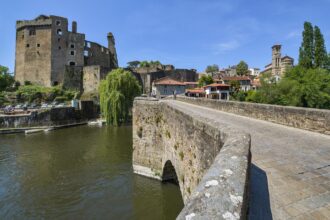
Just 30 minutes from Nantes by train lies one of the most unexpected destinations in western France. The attractive town of Clisson looks more like Tuscany than the Loire Valley, thanks to its Italian-inspired architecture, terracotta roofs and picturesque riverside setting.
Following the destruction of the town during the French Revolution, architects rebuilt much of Clisson during the nineteenth century using Italian designs, creating a unique atmosphere that’s unlike anywhere else in France.
The imposing Château de Clisson dominates the skyline. Although now partly in ruins, the medieval fortress remains an impressive place to explore, offering wonderful views across the surrounding countryside and rivers.
The town itself is a delight to wander. Stone bridges, flower-filled streets, riverside cafés and charming squares create a wonderfully relaxed atmosphere, while independent shops and traditional restaurants make it easy to spend an entire day exploring.
Clisson is also internationally famous for hosting Hellfest, one of Europe’s largest rock and heavy metal festivals, which attracts visitors from around the world each summer.
Whether you’re interested in history, architecture, photography or simply escaping the city for a few hours, Clisson is one of the very best day trips from Nantes.
Visit During Le Voyage à Nantes
If you’re fortunate enough to visit during the summer, you’ll experience Le Voyage à Nantes, one of the most innovative urban festivals in Europe.
Held annually between June and September, the festival transforms the entire city into an enormous open-air art gallery. Contemporary artworks, temporary installations, performances, exhibitions and imaginative displays appear throughout Nantes, many of them in surprising locations that encourage visitors to see familiar streets in completely new ways.
The famous Green Line becomes the festival’s backbone, guiding visitors between dozens of installations created by internationally renowned artists alongside emerging local talent. Every year introduces new artworks, ensuring that even returning visitors discover something different.
The festival also extends beyond the city centre, with sculptures appearing beside the Loire River, inside historic buildings, in public squares and even throughout nearby vineyards and countryside. The result is an event that celebrates not only art but also the creativity and identity of Nantes itself.
Many attractions remain free to visit, making Le Voyage à Nantes one of the city’s greatest cultural experiences. Combined with outdoor concerts, food events, extended museum opening hours and a lively atmosphere throughout the city, it’s widely regarded as the best time of year to visit Nantes.
Whether you’re passionate about modern art, architecture, photography or simply looking to experience Nantes at its most vibrant, planning your trip around Le Voyage à Nantes is highly recommended.
Discover Nantes After Dark
As the sun begins to set, Nantes takes on a completely different character. Historic buildings are beautifully illuminated, lively squares fill with people enjoying dinner outdoors and the city’s riverside comes alive with music, conversation and late-night cafés. Whether you’re looking for a relaxed evening or a vibrant night out, there’s plenty to enjoy after dark.
Begin your evening in the Bouffay Quarter, where centuries-old streets become one of the city’s busiest social hubs. Restaurants serve everything from traditional Breton specialities and fresh seafood to modern French cuisine and international dishes, while wine bars and pavement terraces create a wonderfully welcoming atmosphere. It’s the perfect place to enjoy a leisurely dinner before continuing your evening.
The waterfront around Île de Nantes offers a more contemporary feel. As darkness falls, the illuminated Machines de l’Île, riverside pathways and modern architecture create a striking backdrop for an evening stroll. During the warmer months you’ll often find outdoor events, live music and pop-up bars overlooking the Loire River, giving the area a lively but relaxed atmosphere.
If you’re interested in culture, check the programme at Le Lieu Unique, where concerts, exhibitions, theatre performances and late-night events frequently continue into the evening. Throughout the year, Nantes also hosts numerous festivals, meaning there is often something unexpected taking place after sunset.
For those looking to experience the local nightlife, the areas around Place Royale, Place du Commerce and the Bouffay Quarter offer an excellent choice of pubs, cocktail bars and live music venues. Despite being one of France’s largest cities, Nantes has a friendly and approachable nightlife that’s easy to enjoy whether you’re travelling alone, as a couple or with friends.
Whether you’re admiring the beautifully lit Château des Ducs de Bretagne, enjoying dinner beside the river or simply wandering through the illuminated streets of the historic centre, Nantes after dark provides the perfect ending to a day of sightseeing.

Rupert’s Handy Travel Tips
Nantes is one of the easiest cities in France to explore, and with a little planning you can see a remarkable amount without ever needing a car.
- Follow the Green Line. Painted onto the streets throughout the city, it links together Nantes’ main attractions and hidden gems, making sightseeing incredibly easy without constantly checking a map.
- Consider buying the Nantes CityPass. If you’re planning to visit several attractions and use public transport, it can save a considerable amount of money. Remember to link your e-Pass to the Pass Nantes app if you want to use the airport shuttle included with the pass.
- Take the Navibus to Trentemoult. The short ferry crossing is part of Nantes’ public transport network and is one of the most enjoyable ways to discover the colourful former fishing village.
- Allow plenty of time at Machines de l’Île. Most visitors underestimate how much there is to see beyond the famous Grand Éléphant, so don’t rush your visit.
- Stay out after dark. The Bouffay Quarter, Château des Ducs de Bretagne and the Loire waterfront become beautifully illuminated during the evening, giving Nantes a completely different atmosphere.
Want to meet the reindeer behind our travel tips? Find out more on our page Who is Rupert?.




Frequently Asked Questions
What is Nantes famous for?
Nantes is famous for the spectacular Machines de l’Île, the Château des Ducs de Bretagne, its connection with Jules Verne, the vibrant Le Voyage à Nantes art festival and its beautiful location on the Loire River.
Is Nantes worth visiting?
Absolutely. Nantes combines medieval history, innovative attractions, excellent museums, beautiful gardens, river cruises and a thriving food and cultural scene, making it one of France’s most rewarding city breaks.
How many days do you need in Nantes?
A full day is enough to see the main attractions, but two to three days allows you to visit museums, enjoy a river cruise, explore Trentemoult and take a day trip to Clisson or the Loire Valley.
Can you explore Nantes on foot?
Yes. Most major attractions are within walking distance of one another, while the city’s famous Green Line helps visitors navigate between landmarks. For longer journeys, Nantes also has an excellent tram, bus and Navibus network.
What is the biggest attraction in Nantes?
The Machines de l’Île, particularly the famous Grand Éléphant, is Nantes’ best-known attraction and one of the most unique visitor experiences anywhere in Europe.
Is Nantes good for families?
Yes. Attractions such as the Grand Éléphant, Carrousel des Mondes Marins, Jardin des Plantes, river cruises and numerous parks make Nantes an excellent destination for families with children.
When is the best time to visit Nantes?
Late spring, summer and early autumn offer the best weather for sightseeing. Visiting during Le Voyage à Nantes between June and September provides the opportunity to experience the city at its most creative and vibrant.
Can you visit the Loire Valley from Nantes?
Yes. Nantes is an excellent gateway to the Loire Valley, with many famous vineyards, historic towns and magnificent châteaux easily reached by train, guided tour or hire car.
Further Reading
Continue planning your trip with our guides to Nantes Airport Transfers and the Best Day Trips from Nantes, helping you plan the rest of your visit to western France.
Travelling further afield? Our guides to the Interrail France Pass, the Carte Avantage France and the Eurostar Guide will help you make the most of your journey across France.