Reviewed by our editorial team Updated
A Greek Island Shaped by History and the Sea
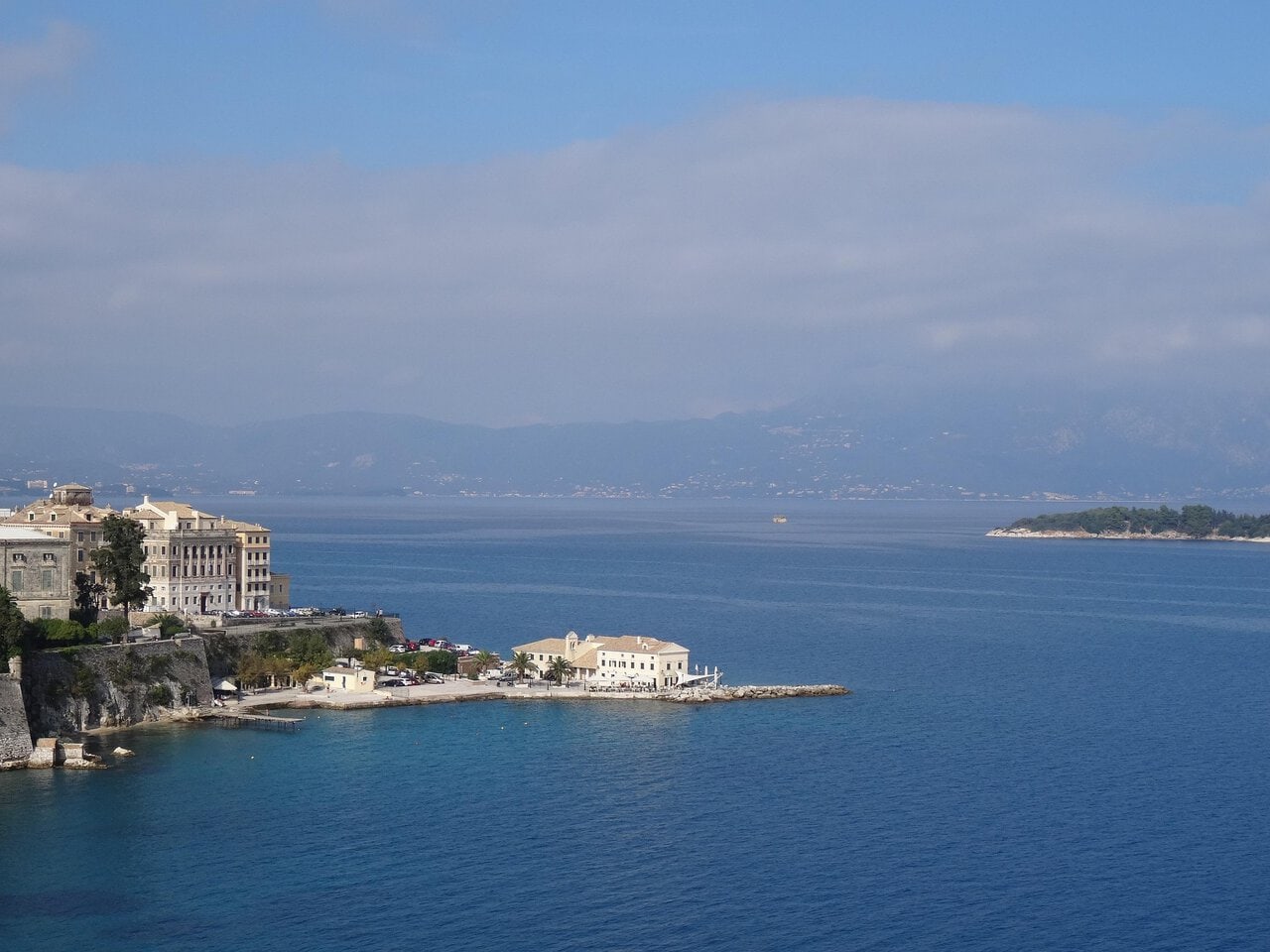
Corfu is one of Greece’s most rewarding destinations, combining UNESCO World Heritage streets, Venetian fortresses, golden beaches, mountain villages and crystal-clear Ionian waters on a single island. Unlike many Greek islands, Corfu’s history has been shaped by several European powers, including the Venetians, French and British, leaving behind an architectural style that feels very different from the whitewashed villages of the Cyclades.
Whether you are planning a relaxing beach holiday, a cultural city break or an island road trip, Corfu offers an impressive variety of attractions within relatively short driving distances. One morning you could be exploring a 500-year-old fortress, before swimming in a secluded bay during the afternoon and finishing the day watching the sun set from a waterfront taverna.
The island’s compact size also makes sightseeing remarkably easy. Corfu Town forms an excellent base for visitors without a car, while those hiring a vehicle can comfortably reach places such as Paleokastritsa, Mount Pantokrator, Achilleion Palace and dozens of picturesque villages in a single holiday.
Families will find water parks, gentle beaches and pirate ship cruises, couples can enjoy romantic coastal walks and luxury yacht excursions, while history lovers could easily spend several days exploring churches, museums and military fortifications.
One of the greatest advantages of visiting Corfu is that many of its highlights complement each other perfectly. A morning exploring the winding lanes of Corfu Old Town naturally leads to the imposing Old Fortress, while a short drive south brings you to Kanoni, Mouse Island and the famous monastery that has become one of the island’s most photographed landmarks.
No matter how long you are staying, Corfu rewards visitors who mix its famous attractions with quieter corners of the island, creating a holiday that combines history, scenery, beaches and authentic Greek hospitality in equal measure.
| Attraction | Time Needed | Admission | Best For |
|---|---|---|---|
| Corfu Old Town (UNESCO) | 2–4 hours | Free | History, shopping and cafés |
| Old Fortress | 2–3 hours | Paid | History and panoramic views |
| New Fortress | 1–2 hours | Paid | Military history and photography |
| Paleokastritsa | Half day | Free | Beaches, boat hire and scenery |
| Achilleion Palace | 2–3 hours | Paid | History, gardens and architecture |
| Kanoni & Mouse Island | 1–2 hours | Free | Iconic views and plane spotting |
| Mount Pantokrator | Half day | Free | Scenic drives and viewpoints |
| Aqualand Corfu | Full day | Paid | Families and thrill seekers |
| Corfu Beaches | Half to full day | Free | Swimming and relaxation |
| Boat Trips | Half to full day | Paid | Island hopping and coastal scenery |
Wander the UNESCO-listed Streets of Corfu Old Town
The historic heart of Corfu Town is undoubtedly one of the finest places to visit anywhere in Greece. Recognised as a UNESCO World Heritage Site, the old town is a fascinating maze of narrow cobbled streets, elegant Venetian buildings, hidden courtyards and lively squares that reveal something different around almost every corner.
Unlike many historic centres that feel preserved purely for tourists, Corfu Old Town remains a living city. Local residents still shop in family-run businesses, children play in quiet alleyways and cafés spill onto centuries-old streets beneath colourful shuttered houses. This combination of history and everyday life gives the town an atmosphere that feels both authentic and welcoming.
Allow yourself plenty of time to simply wander without a fixed plan. Some of the best discoveries are made by turning into side streets where you’ll find artisan shops, traditional bakeries, hidden churches and small restaurants serving authentic Corfiot cuisine. The Venetian influence is immediately obvious in the elegant architecture, balconies and pastel-coloured buildings that line the narrow lanes known locally as kantounia.
The town is also home to many of Corfu’s most important landmarks, including the Church of Saint Spyridon, the island’s patron saint, the impressive Liston promenade, the vast Spianada Square, the Museum of Asian Art, and the entrances to both the Old Fortress and New Fortress.
Because much of the centre is pedestrianised, exploring on foot is the best way to experience its atmosphere. Comfortable footwear is highly recommended, particularly during the summer months when you’ll likely spend several hours wandering between attractions.
Many visitors find themselves returning to the old town more than once during their stay. It has a completely different feel during the early morning, when cruise crowds have yet to arrive, compared with the evening when the cafés, restaurants and bars come alive beneath beautifully illuminated historic buildings. It is one of those rare places that never feels quite the same twice.
Best for two or three nights. The widest choice of rooms, with filters for free cancellation and included breakfast.
View staysBest for families, or any stay past about four nights. A kitchen and a washing machine start paying for themselves.
Browse rentalsBest if you have already picked a hotel. Checks the big booking sites for the same room and shows who is cheapest.
Check dealsExplore the Old Fortress
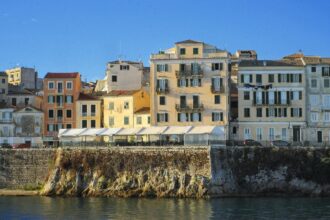
Standing proudly on a rocky peninsula overlooking Corfu Town, the Old Fortress is one of the island’s most impressive historical monuments and an essential stop for anyone interested in military history, architecture or panoramic views.
Originally fortified during the Byzantine period before being extensively rebuilt by the Venetians, the fortress played a crucial role in defending Corfu against repeated Ottoman attacks. Massive defensive walls, deep moats and strategic bastions demonstrate just how important the island once was in controlling trade routes across the Adriatic and Ionian Seas.
Entering the fortress, you’ll cross the famous stone bridge spanning the moat before exploring a vast complex of defensive walls, underground passages, historic buildings and open courtyards. The climb towards the highest points is rewarded with spectacular views across Corfu Town, the coastline and even neighbouring Albania on clear days.
Within the fortress grounds you’ll also find the elegant Church of Saint George, whose distinctive Doric columns make it look more like a classical Greek temple than a traditional Orthodox church. Throughout the site, interpretation boards help explain the fortress’s military history and the role it played over several centuries.
Although there are plenty of shaded areas, much of the fortress is exposed to the sun, so carrying water is advisable during warmer months. The paths are generally well maintained, although there are several uphill sections and uneven surfaces that require sensible footwear.
For photographers, this is one of the island’s finest viewpoints. Whether looking back across the rooftops of Corfu Old Town or out towards the endless blue waters of the Ionian Sea, the fortress offers some of the most memorable scenery on the entire island.
Visit the New Fortress
While many visitors make a beeline for the Old Fortress, the New Fortress deserves just as much attention. Built by the Venetians during the late sixteenth century, this enormous defensive complex was constructed to strengthen Corfu’s growing network of fortifications and protect the island from further Ottoman invasions.
Despite its name, the fortress is now more than 400 years old, and its commanding position above Corfu Town still offers some of the best panoramic views on the island. From the upper terraces you can look across the rooftops of the Old Town, the bustling harbour, the Ionian Sea and, on clear days, towards the mountains of mainland Greece and Albania.
Inside, visitors can wander through stone tunnels, vaulted passageways, defensive walls and large open courtyards that once housed soldiers, ammunition stores and military supplies. The impressive Venetian engineering is evident throughout, with thick walls, carefully designed bastions and elevated firing positions demonstrating how advanced the fortress was for its time.
The New Fortress is usually quieter than its older counterpart, allowing you to explore at a more relaxed pace. It is an excellent choice for travellers looking to escape the busiest crowds while still enjoying one of Corfu’s most significant historic attractions.
If you have time to visit only one fortress, the Old Fortress is generally the better choice. However, those with a full day in Corfu Town will find that visiting both fortresses provides a fascinating insight into the island’s strategic importance and centuries of military history. The Greek Ministry of Culture publishes official Old Fortress visitor information, including current ticket prices.
Relax in the Spianada and Liston
Between Corfu Old Town and the Old Fortress lies the Spianada, the largest public square in Greece and one of the most elegant open spaces anywhere in the Mediterranean. It provides a welcome contrast to the narrow streets of the Old Town, with wide lawns, mature trees and plenty of places to sit and enjoy the atmosphere.
Bordering the square is the famous Liston, an elegant arcade built during the French occupation and inspired by the fashionable Rue de Rivoli in Paris. Today, its cafés and restaurants are among the most popular places on the island to enjoy a coffee, leisurely lunch or evening drink while watching the world go by.
The Spianada is far more than simply a park. Throughout the year it hosts concerts, festivals, sporting events and cultural celebrations, while locals regularly gather here for walks, socialising and games of cricket, a surprising legacy of the British period of rule. Corfu remains one of the few places in Greece where cricket continues to be widely played.
Spend some time strolling through the gardens, admiring the historic buildings surrounding the square and watching daily life unfold. It is also an excellent place to pause between sightseeing stops, especially during warmer months when the shaded areas offer a welcome escape from the afternoon sun.
The combination of the Liston’s elegant architecture, the vast green spaces of the Spianada and the dramatic backdrop of the Old Fortress creates one of Corfu’s most recognisable and photographed scenes.
See Kanoni, Mouse Island and Vlacherna Monastery
Few places are as closely associated with Corfu as the spectacular viewpoint at Kanoni. Located just south of Corfu Town, this small peninsula offers one of the island’s most famous panoramas, looking across the water towards the tiny Vlacherna Monastery and the equally iconic Mouse Island (Pontikonisi).
The brilliant white monastery, connected to the mainland by a narrow causeway, has become one of Corfu’s defining images. Originally founded in the seventeenth century, it remains an active religious site and welcomes respectful visitors wishing to admire its peaceful setting and traditional architecture.
Just beyond the monastery sits Mouse Island, a small, densely wooded islet that can be reached by a short boat ride during the tourist season. Tiny walking paths wind beneath tall cypress trees, leading to a small Byzantine chapel and several viewpoints overlooking the surrounding coastline. According to local legend, the island is the petrified ship of Odysseus, transformed into stone by Poseidon.
Kanoni is also one of the best places in Europe to watch aircraft arriving at Corfu International Airport. The runway extends into the sea, meaning planes descend remarkably low over the nearby viewing areas before landing. Aviation enthusiasts regularly gather here throughout the day, while many other visitors simply enjoy the unusual spectacle alongside the beautiful coastal scenery.
Whether you arrive by bus, taxi or hire car, Kanoni combines history, natural beauty, photography opportunities and one of Corfu’s most distinctive viewpoints, making it an essential stop during any visit to the island.
Discover Mon Repos Palace and Gardens
Just a few minutes from Corfu Town, Mon Repos offers a peaceful escape from the busy streets while combining history, archaeology and beautiful landscaped gardens. Built in the early nineteenth century during the British administration of Corfu, the elegant neoclassical villa later became a royal residence and is perhaps best known as the birthplace of Prince Philip, Duke of Edinburgh, in 1921.
Today, the restored palace houses a small museum showcasing artefacts from ancient Corfu, alongside displays explaining the building’s royal connections and the island’s fascinating past. While the museum itself is relatively compact, the surrounding estate is one of the attraction’s biggest highlights.
Walking paths weave through ancient olive groves, towering trees and colourful gardens, creating plenty of shaded areas that are particularly welcome during the hottest months of the year. Along the trails you’ll also discover the remains of ancient temples, early Christian ruins and archaeological sites dating back thousands of years.
One of the nicest aspects of visiting Mon Repos is that it never feels overcrowded. Instead of rushing between exhibits, visitors can enjoy a leisurely stroll, listen to birdsong and appreciate the peaceful surroundings that once attracted royalty to this corner of the island.
If you’re already visiting Kanoni, Mouse Island or the nearby beaches, Mon Repos fits naturally into the same day and offers a completely different side of Corfu beyond its famous coastline.
Step Inside the Museum of Asian Art
It often surprises first-time visitors to discover that one of Europe’s most important collections of Asian art is located in the heart of Corfu. Housed inside the magnificent Palace of St Michael and St George overlooking the Spianada, the Museum of Asian Art is unique in Greece and contains thousands of fascinating exhibits from across Asia.
The museum’s collections span countries including China, Japan, India, Korea, Nepal, Thailand and several others, featuring everything from delicate porcelain and ancient ceramics to samurai armour, Buddhist sculptures, textiles, wood carvings and intricate decorative arts.
Even before entering, the palace itself is worth admiring. Constructed during the British Protectorate, its grand colonnades, elegant staircases and impressive reception rooms provide an appropriately prestigious setting for the museum’s extensive collections.
Inside, the galleries are spacious, well presented and fully air-conditioned, making this an excellent attraction for hot summer afternoons or the occasional rainy day. Information panels are available throughout, allowing visitors to understand both the artistic importance and cultural significance of many of the exhibits.
Whether you have a particular interest in Asian history or are simply looking for something different from beaches and fortresses, the museum offers a fascinating contrast to Corfu’s predominantly Venetian heritage and is one of the island’s most underrated attractions.
Best for finding routes the airlines do not sell as a single ticket. Combines carriers to bring the fare down.
Search flightsBest for anyone whose home plan charges by the megabyte abroad. Pay a fixed price up front.
Check eSIMsBest after a long flight or a late landing. Price agreed before you travel, and no taxi queue.
Check transfersVisit Achilleion Palace
Few places on Corfu capture the island’s elegance quite like the Achilleion Palace. Built in the late nineteenth century for Empress Elisabeth of Austria, better known as Empress Sisi, the palace was designed as both a luxurious retreat and a tribute to the ancient Greek hero Achilles, whose image appears throughout the estate.
Although the palace is currently undergoing a major restoration programme, it remains one of Corfu’s most famous landmarks and continues to attract visitors from around the world. The beautifully landscaped gardens are among the highlights, filled with classical statues, ornamental terraces, colourful flowers and spectacular viewpoints overlooking the Ionian Sea.
The most recognisable sculpture is undoubtedly the dramatic Dying Achilles, depicting the legendary warrior in his final moments. Later, Kaiser Wilhelm II of Germany purchased the palace and added the enormous Triumphant Achilles statue, creating an interesting contrast between two very different artistic interpretations of the same hero.
As you walk through the gardens, you’ll enjoy panoramic views stretching across Corfu’s coastline, making this one of the island’s finest photography locations. The combination of royal history, mythology and breathtaking scenery gives Achilleion a distinctive atmosphere unlike anywhere else on the island.
Located around 10 kilometres south of Corfu Town, the palace is easily reached by hire car, local bus, organised excursions or taxi, making it an easy addition to almost any sightseeing itinerary. With the palace interior currently closed for restoration, the gardens and grounds alone make the visit worthwhile for anyone interested in history, architecture and some of the best views in Corfu.
Spend a Day at Paleokastritsa
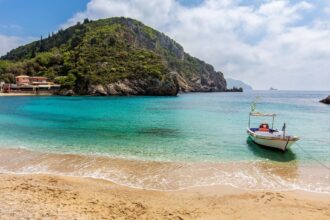
Ask locals or repeat visitors to recommend just one scenic destination outside Corfu Town, and Paleokastritsa is likely to top the list. Widely regarded as one of the most beautiful parts of Corfu, this spectacular stretch of coastline combines turquoise bays, dramatic cliffs, sea caves, hidden beaches and one of the island’s oldest monasteries.
The area is made up of several picturesque coves, each with remarkably clear water that is perfect for swimming, snorkelling and paddleboarding. Small boats can also be hired without a licence, allowing you to explore the coastline independently and discover secluded beaches and sea caves that cannot easily be reached on foot.
High above the bay sits the historic Monastery of Paleokastritsa, dating back to the thirteenth century. Visitors are welcome to explore its peaceful courtyards, admire the beautiful Orthodox church and enjoy some of the best panoramic viewpoints anywhere on the island. Looking down across the emerald headlands and sparkling Ionian Sea, it’s easy to understand why this has become one of Corfu’s most photographed locations.
Beyond the beaches, Paleokastritsa also offers waterside tavernas, cafés and walking trails, making it easy to spend an entire day here without running out of things to do. Whether you choose to relax by the sea, explore hidden coves by boat or simply enjoy lunch overlooking the water, the area perfectly showcases the natural beauty that has made Corfu one of Greece’s most popular islands.
Swim at Corfu’s Best Beaches
Corfu is home to dozens of spectacular beaches, each offering something slightly different. Some are long stretches of golden sand ideal for families, while others are secluded pebble coves backed by dramatic cliffs and reached only by boat or winding coastal roads. Whether you want to relax on a sunbed, snorkel in crystal-clear water or enjoy watersports, you’ll find a beach to suit every style of holiday.
Among the island’s best-known beaches is Glyfada, famous for its soft golden sand, clear blue water and excellent facilities. It is one of Corfu’s most popular family beaches, with sunbeds, beach bars, restaurants and watersports all within easy reach.
Agios Gordios offers an entirely different setting. Surrounded by towering green hills and dramatic rock formations, this wide sandy beach is particularly popular with couples and visitors looking for spectacular sunsets. The relaxed atmosphere and traditional tavernas make it easy to spend an entire day here.
On the northeast coast, Barbati Beach is renowned for its crystal-clear water and stunning views across to the mountains of Albania. Although the beach is made up of smooth pebbles rather than sand, the exceptionally clear sea makes it one of the island’s best places for swimming and snorkelling.
If you’re looking for somewhere quieter, consider beaches such as Rovinia, Porto Timoni or Agni Bay, each offering beautiful scenery and a more peaceful atmosphere away from the busiest tourist resorts. Some require a short walk to reach, but the reward is often uncrowded coves, turquoise water and a much more natural setting.
One of the joys of exploring Corfu is that every stretch of coastline feels different. Hiring a car allows you to discover several beaches in a single day, while local boats and organised excursions can take you to hidden bays that many visitors never see.
Take a Boat Trip Around Corfu
Seeing Corfu from the sea is one of the very best experiences on the island. While the beaches are beautiful from the shore, it is only when you head out onto the Ionian Sea that you truly appreciate the dramatic coastline, hidden sea caves, secluded coves and neighbouring islands that make Corfu such a special destination.
Visitors are spoiled for choice. You can join full-day cruises to Paxos and Antipaxos, relax aboard a luxury yacht, enjoy a fun pirate ship cruise around Corfu Town, visit the spectacular Blue Lagoon, or simply hire your own small boat to explore at your own pace. Many excursions include opportunities for swimming, snorkelling and visiting beaches that are inaccessible by road.
If you’re travelling as a couple, a luxury yacht cruise offers a more intimate experience with smaller passenger numbers and premium service. Families often enjoy the themed pirate ship cruises, while visitors wanting to see more of the region frequently choose the longer trips to Paxos, Antipaxos and the famous Blue Caves.
With so many different options available, choosing the right excursion can sometimes be confusing. That’s why we’ve created a dedicated Corfu Boat Trips Guide, where you’ll find a detailed comparison of the island’s most popular cruises, practical advice, what each tour includes and which experiences offer the best value for different types of travellers.
Whether you have two hours or an entire day, spending time on the water is an experience that many visitors describe as the highlight of their holiday.
Explore the Island by Hop-On Hop-Off Bus
If you’re short on time or prefer not to hire a car, the Corfu Hop-On Hop-Off Bus provides one of the easiest ways to see several of the island’s major attractions in a single day. The open-top buses combine convenience, flexibility and excellent views, making them particularly popular with cruise passengers and first-time visitors.
Unlike many city sightseeing buses, Corfu offers two different routes. One focuses on the historic centre and the famous Kanoni viewpoint, while the second extends to the magnificent Achilleion Palace, allowing visitors to choose the itinerary that best suits their interests.
Along the way you’ll pass many of Corfu’s best-known landmarks, including Corfu Old Town, the Old Fortress, Spianada Square, Kanoni, Mouse Island and several important cultural sites. Audio commentary explains the island’s history, helping visitors understand the significance of what they’re seeing rather than simply travelling between attractions.
Because you can leave the bus and rejoin later services, it’s easy to spend time exploring individual locations before continuing your journey. This flexibility makes the service particularly useful if you’re only visiting Corfu for a day but still want to experience more than just the Old Town.
The buses operate during the main tourist season and depart regularly, allowing visitors to explore at their own pace without worrying about parking or navigating unfamiliar roads.
Enjoy Aqualand Corfu Water Park
If you’re looking for a break from sightseeing or travelling with children, Aqualand Corfu is one of the island’s most popular family attractions. Frequently ranked among Europe’s best water parks, it offers an impressive selection of slides, pools and attractions suitable for visitors of almost every age.
Thrill seekers can tackle high-speed slides, twisting flumes and adrenaline-filled rides, while younger children have their own dedicated splash zones, shallow pools and interactive water play areas. Families can also relax together on the lazy river, enjoy the extensive swimming pools or unwind beneath shaded seating areas between rides.
The park is well equipped with restaurants, cafés, changing facilities, lockers and sunbed areas, making it easy to spend an entire day here. Lifeguards are stationed throughout the park, helping create a safe environment for families with younger children.
Located in the centre of the island, Aqualand is easily reached by car, taxi and seasonal transfer services from many of Corfu’s main resorts. During the busiest summer months it is worth arriving early to make the most of the attractions before queues begin to build.
For families, groups of friends and anyone looking for a fun day away from the beach, Aqualand Corfu provides a completely different side of the island and is consistently rated as one of Corfu’s top attractions.
Best if you would rather spend the money on the trip than on the room. Compare hostels by location and rating.
Search hostelsBest arranged before you fly rather than after. Covers claim handling, plus lounge access on eligible delays.
Explore AirHelp+Best for the gap between checking out and your train. Drop bags at a shop or hotel nearby and carry on.
Store your bagsDrive to Mount Pantokrator
Rising to 906 metres (2,972 feet), Mount Pantokrator is the highest point on Corfu and offers some of the most spectacular views anywhere on the island. On a clear day you can see across the whole of Corfu, the Ionian Sea, the mountains of mainland Greece and even the coastline of Albania, making it one of the island’s must-visit viewpoints.
The drive to the summit is an attraction in itself. Narrow mountain roads wind through traditional villages, olive groves and forested hillsides, with numerous places to stop for photographs as the scenery becomes increasingly dramatic. Villages such as Old Perithia also make excellent stops along the way, giving visitors the chance to experience a quieter, more traditional side of Corfu.
At the summit you’ll find the historic Pantokrator Monastery, which has stood here in various forms since the fourteenth century. Although modest in size, it remains an active place of worship and adds another layer of history to your visit. The peaceful surroundings and breathtaking scenery create an atmosphere that feels far removed from the island’s busy beach resorts.
The final section of road is steep and winding, so drivers should take their time, particularly during the busy summer months. However, the reward is one of the finest panoramic viewpoints in the Ionian Islands and a chance to appreciate just how varied Corfu’s landscape really is.
Whether you visit at midday for the far-reaching views or later in the afternoon when the light softens across the coastline, Mount Pantokrator is a destination that deserves a place on every Corfu itinerary.
Visit Traditional Villages Beyond the Coast
While Corfu’s beaches attract most visitors, some of the island’s greatest charms are found in its traditional inland villages. Here you’ll discover a slower pace of life, historic stone houses, shaded village squares and family-run tavernas serving authentic Corfiot cuisine.
One of the most fascinating places to visit is Old Perithia, Corfu’s oldest surviving village. Nestled beneath Mount Pantokrator, this partially restored settlement dates back several centuries and offers a glimpse into life before tourism transformed the island. Walking through its quiet streets, you’ll pass Venetian stone buildings, old churches and beautifully restored homes that tell the story of Corfu’s past.
Elsewhere across the island, villages such as Lakones, Sinarades and Doukades reward visitors with spectacular viewpoints, colourful houses and welcoming cafés where locals still gather each day. These communities provide an authentic contrast to the lively coastal resorts and allow you to experience a more traditional side of island life.
Many of the villages are surrounded by olive groves, vineyards and gentle walking trails, making them excellent destinations for anyone who enjoys combining sightseeing with nature. Small artisan shops also sell locally produced olive oil, kumquat liqueur, honey and handmade crafts, making them ideal places to pick up unique souvenirs.
Exploring these villages is easiest with a hire car, allowing you to travel at your own pace and stop whenever a scenic viewpoint catches your eye. Even spending just half a day away from the coast gives you a much broader appreciation of Corfu beyond its famous beaches.
Discover Corfu’s Local Food and Wine
Sampling Corfiot cuisine is an experience in its own right and deserves a place on every visitor’s itinerary. Thanks to centuries of Venetian, French and British influence, the island’s cooking is noticeably different from many other parts of Greece, blending Mediterranean flavours with recipes that have evolved over hundreds of years.
One dish you should look out for is Pastitsada, a rich slow-cooked beef dish served with pasta and flavoured with warming spices, tomatoes and red wine. Another local speciality is Sofrito, where tender slices of beef are cooked in a delicate white wine, garlic and parsley sauce. Seafood lovers will also find plenty to enjoy, with freshly caught fish, octopus, calamari and prawns appearing on menus throughout the island.
Corfu is equally famous for its kumquats, a small citrus fruit introduced during the nineteenth century that has since become one of the island’s best-known products. You’ll find kumquat liqueur, jams, sweets and preserves in shops across Corfu, making them some of the most popular souvenirs to take home.
To accompany your meal, try one of Corfu’s locally produced wines or sample traditional spirits such as ouzo, tsipouro or the island’s distinctive kumquat liqueur. Dining in a family-run taverna overlooking the sea or tucked away in a mountain village is one of the most memorable ways to experience the island’s warm hospitality.
Food is far more than just part of the holiday in Corfu. It offers another window into the island’s history, culture and traditions, making every meal an opportunity to discover something new.

The Best Sunset Spots on the Island
Corfu’s position in the Ionian Sea means it enjoys some of the most beautiful sunsets in Greece, particularly along its western coastline where the sun sinks directly into the sea. Watching the changing colours spread across the sky is one of the simplest yet most memorable things to do during your visit.
Paleokastritsa is among the island’s finest sunset locations, with its dramatic cliffs and sheltered bays creating spectacular reflections across the calm evening water. Nearby restaurants and cafés provide excellent places to enjoy dinner while the sun disappears beyond the horizon.
Another favourite is Loggas Beach near Peroulades, where towering sandstone cliffs overlook the sea from one of Corfu’s highest coastal viewpoints. The elevated position provides uninterrupted views and has made it one of the island’s most photographed sunset destinations.
For visitors staying in or around Corfu Town, the Old Fortress and parts of the waterfront also provide beautiful evening views, while Kanoni combines colourful sunsets with the iconic silhouette of Vlacherna Monastery and Mouse Island.
Whether you choose a lively beach bar, a quiet clifftop viewpoint or a peaceful waterfront taverna, setting aside time for at least one Corfu sunset is an experience that perfectly captures the island’s relaxed atmosphere and natural beauty.
Things to Do in Corfu with Children
Corfu is one of the most family-friendly islands in Greece, offering far more than just beaches and swimming pools. Whether you’re travelling with toddlers, teenagers or multiple generations, you’ll find plenty of attractions that combine fun, adventure and opportunities to discover the island together.
Many families begin with Aqualand Corfu, where water slides, splash zones and lazy rivers provide a full day’s entertainment. Others choose one of the island’s gentle sandy beaches, such as Glyfada or Agios Gordios, where calm waters make swimming safer for younger children and there are plenty of cafés, toilets and facilities nearby.
Boat trips are another fantastic option. Children often love the Pirate Ship Coastal Cruise, where the themed vessel creates a memorable experience before you’ve even left the harbour. Families looking for something more relaxing may prefer shorter sightseeing cruises or glass-bottom boat excursions that showcase Corfu’s beautiful coastline without requiring a full day’s commitment.
The Hop-On Hop-Off Bus is another excellent choice, particularly if you’re visiting from a cruise ship or only have limited time. The open-top buses keep children entertained while allowing parents to reach attractions such as Kanoni, Mouse Island, Achilleion Palace and Corfu Old Town without the stress of driving or parking.
For families who enjoy exploring outdoors, Mon Repos, Paleokastritsa and Mount Pantokrator all provide opportunities to combine gentle walks with beautiful scenery, wildlife and incredible viewpoints. Many villages also have welcoming cafés where children can enjoy ice cream while parents relax in the shade.
With its combination of safe beaches, historic attractions, boat trips, water parks and easy day trips, Corfu is an island that genuinely offers something for every age group.
Where to Stay for Sightseeing
Choosing the right base can make a huge difference to your Corfu holiday. Fortunately, the island offers a wide variety of destinations depending on the type of trip you’re planning.
If your priority is history, restaurants, shopping and being able to explore on foot, Corfu Town is the obvious choice. Staying here places you within easy walking distance of the UNESCO-listed Old Town, the Old Fortress, New Fortress, Liston, Spianada, museums and the harbour. It’s also well connected by local buses if you don’t plan on hiring a car.
Visitors looking for beautiful scenery and easy access to the sea often choose Paleokastritsa, where spectacular bays, boat hire and cliff-top viewpoints create one of the island’s most picturesque holiday settings.
For lively nightlife and long sandy beaches, resorts such as Sidari, Kavos and Ipsos remain popular, while couples seeking a quieter escape may prefer places like Agios Gordios, Barbati or the charming fishing village of Benitses.
If you intend to explore the island extensively, hiring a car and staying somewhere central allows you to reach almost every major attraction within an hour’s drive. Corfu’s road network makes it relatively easy to combine mountain villages, beaches, historic sites and scenic viewpoints during the same holiday.
There is no single perfect place to stay in Corfu. The best choice depends on whether you want to prioritise beaches, history, family attractions, nightlife or simply having a peaceful base from which to explore one of Greece’s most diverse islands

Rupert’s Handy Travel Tips
Corfu offers far more than beautiful beaches. Mix the island’s history, coastline and mountain scenery together and you’ll enjoy a much richer experience than simply staying in one resort.
- Explore beyond your resort. Corfu is surprisingly compact, making it easy to visit beaches, mountain villages and historic sites during the same holiday.
- Start Corfu Town early. Arriving in the morning lets you enjoy the UNESCO-listed Old Town before the busiest cruise ship crowds arrive.
- Spend at least one day on the water. Boat trips to Paxos, Antipaxos and the Blue Lagoon are among the highlights of visiting Corfu and showcase parts of the coastline that can’t be reached by road.
- Hire a car if you can. Attractions such as Mount Pantokrator, Old Perithia and some of Corfu’s quieter beaches are much easier to reach with your own transport.
- Stay for sunset. The west coast around Paleokastritsa, Loggas Beach and several coastal tavernas offers some of the most spectacular sunsets anywhere in Greece.
Want to meet the reindeer behind our travel tips? Find out more on our page Who is Rupert?.




Frequently Asked Questions
How many days do you need in Corfu?
Three to five days is enough to see Corfu’s main highlights, including Corfu Town, Paleokastritsa, Achilleion Palace and several beaches. A week gives you time to add mountain villages, boat trips and quieter parts of the island.
Is Corfu worth visiting?
Absolutely. Corfu combines UNESCO-listed history, beautiful beaches, excellent food, mountain scenery and some of the best boat trips in the Ionian Islands, making it one of Greece’s most varied destinations.
Can you explore Corfu without a car?
Yes. Corfu Town is very walkable, and local buses connect many popular resorts and attractions. However, hiring a car provides much greater flexibility if you want to visit mountain villages, quieter beaches and viewpoints such as Mount Pantokrator.
Further Reading
If you’re planning to explore more of the island, don’t miss our Corfu Airport Transfers Guide, where you’ll find detailed advice on travelling from the airport to Corfu Town, popular beach resorts and villages across the island by bus, taxi, private transfer or hire car.
To experience Corfu from a different perspective, take a look at our dedicated Corfu Boat Trips Guide. We compare the island’s most popular cruises, including Paxos and Antipaxos day trips, Blue Lagoon excursions, luxury yacht cruises, pirate ship experiences and other unforgettable ways to explore the Ionian Sea.
If Corfu is just one stop on your Greek adventure, browse our growing collection of Corfu Ferry Routes Guide, where you’ll find everything you need to plan onward ferry journeys to mainland Greece, Albania, Italy and the neighbouring Ionian Islands.
If your travels continue elsewhere in Greece, our Aegean Airlines guide covers domestic routes, baggage rules and check-in tips for flying onward from Corfu.