Reviewed by our editorial team Updated
Welcome to Perpignan
Sitting between the Mediterranean Sea, the Pyrenees and the Spanish border, Perpignan is unlike any other city in France. Proudly embracing its Catalan heritage, the city blends French elegance with Spanish influences, creating a destination full of colourful streets, impressive monuments, bustling squares and outstanding cuisine.
For centuries, Perpignan was the capital of the Kingdom of Majorca, a powerful Mediterranean kingdom that stretched across the Balearic Islands and parts of southern France. This fascinating history can still be seen throughout the city, from its imposing royal palace and mighty medieval walls to its churches, markets and beautifully preserved Old Town.
Despite its rich heritage, Perpignan often receives far fewer visitors than nearby destinations such as Carcassonne or Montpellier. Those who do visit are rewarded with magnificent architecture, lively café culture, excellent museums, outstanding food and easy access to both the Mediterranean coastline and the mountains of the Pyrenees.
Whether you’re interested in history, Catalan culture, art, food, wine, architecture or simply enjoying one of southern France’s sunniest cities, Perpignan offers an unforgettable experience.
This guide brings together the very best things to do in Perpignan, helping you discover one of the most distinctive and underrated destinations in French Catalonia.
| Attraction | Time Needed | Admission | Best For |
|---|---|---|---|
| Palace of the Kings of Majorca | 2–3 hours | Paid | History and panoramic views |
| Le Castillet & Casa Pairal Museum | 1–2 hours | Paid | Catalan heritage |
| Perpignan Cathedral & Campo Santo | 1–2 hours | Free | Gothic architecture and history |
| Historic Old Town | 2–3 hours | Free | Shopping, cafés and photography |
| Hyacinthe Rigaud Museum | 1–2 hours | Paid | Art and culture |
| Place de la République & Markets | 1 hour | Free | Food and local atmosphere |
| Roussillon Wine Tour | Half day | Paid | Wine lovers |
| Collioure | Full day | Free | Coastal scenery and art |
| Canet-en-Roussillon | Half to full day | Free | Beaches and relaxation |
| Pyrenees Scenic Drive | Full day | Free | Nature and mountain villages |
Visit the Palace of the Kings of Majorca
Standing proudly above the city, the magnificent Palace of the Kings of Majorca is Perpignan’s most famous landmark and one of the finest medieval royal residences in southern Europe.
Constructed during the thirteenth century, the palace served as the seat of the Kings of Majorca, who ruled a kingdom stretching from the Balearic Islands to parts of modern-day southern France. More than simply a royal residence, it functioned as a heavily fortified palace, reflecting the political importance of Perpignan during the Middle Ages. Built between 1276 and 1300, it has been protected since 1913 under the national Monument Historique listing for the palace and its citadel.
Approaching the palace is impressive in itself. Thick defensive walls, towers, drawbridges and commanding gateways create the appearance of a mighty fortress. Once inside, visitors discover elegant courtyards, beautifully restored royal apartments, chapels and reception halls that reveal how medieval royalty once lived.
One of the highlights is climbing onto the fortified ramparts, where breathtaking panoramic views stretch across Perpignan, the Mediterranean coastline, the surrounding vineyards and the snow-capped Pyrenees on clear days.
Throughout the palace you’ll also learn about the fascinating history of the Kingdom of Majorca, a chapter of European history that many visitors know little about before arriving.
Whether you’re fascinated by castles, royal history, architecture or simply looking for the finest viewpoint in the city, the Palace of the Kings of Majorca is an essential part of any visit to Perpignan.
Best for a short trip. Compare rooms by neighbourhood, price and guest rating before you book.
Compare hotelsBest for groups who want one address and separate bedrooms rather than three hotel rooms.
See holiday homesBest for double-checking. Runs the same Perpignan search across several booking sites so you are not leaving money behind.
Compare pricesExplore Le Castillet
Few buildings symbolise Perpignan quite like Le Castillet. This striking red-brick fortress once formed the principal gateway into the medieval city and has become the city’s best-known landmark.
Originally built during the fourteenth century as part of Perpignan’s defensive walls, Le Castillet later served as a prison before eventually becoming one of the city’s most important historic monuments. Its distinctive Catalan architecture immediately catches the eye, making it one of the most photographed buildings in the region.
Inside you’ll find the excellent Casa Pairal Museum, which explores the traditions, customs and daily life of French Catalonia. Traditional costumes, household objects, crafts and historical displays provide an engaging introduction to the unique Catalan identity that continues to shape Perpignan today.
Those willing to climb the tower are rewarded with another spectacular viewpoint overlooking the rooftops of the historic centre, the surrounding countryside and the distant mountains. It’s one of the best places to appreciate how compact and walkable Perpignan really is.
Located at the entrance to the Old Town, Le Castillet is the perfect place to begin your exploration of the city before wandering into the maze of historic streets beyond.
Visit Perpignan Cathedral
The magnificent Cathédrale Saint-Jean-Baptiste dominates the historic centre and is one of the most impressive examples of Catalan Gothic architecture anywhere in France.
Construction began in the fourteenth century and continued for more than 150 years, resulting in an extraordinary building that combines soaring Gothic design with distinctive Catalan influences. The cathedral’s warm brick exterior contrasts beautifully with its richly decorated interior, creating an unforgettable first impression.
Inside, visitors are greeted by towering columns, beautiful stained-glass windows, elaborate altarpieces and one of the largest single naves in southern France. The peaceful atmosphere makes it easy to appreciate the remarkable craftsmanship that has survived for centuries.
One of the cathedral’s most unusual features is the adjacent Campo Santo, a rare medieval cemetery cloister that further enhances the historic importance of the site. Together they form one of the finest religious complexes in Occitanie.
Whether you’re interested in architecture, history, religious art or simply discovering Perpignan’s most important landmark, Perpignan Cathedral is a place you’ll want to spend time exploring rather than simply passing through.
Walk Through Perpignan’s Historic Old Town
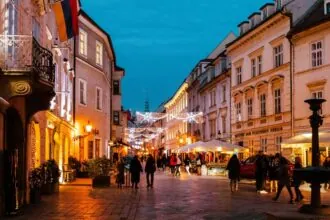
One of the greatest pleasures of visiting Perpignan is simply wandering through its beautiful Old Town. Beyond the city’s famous landmarks lies a maze of narrow medieval streets, colourful buildings, lively squares and hidden courtyards that perfectly capture the character of French Catalonia.
Unlike many larger French cities, Perpignan’s historic centre still feels wonderfully authentic. Independent boutiques, artisan bakeries, traditional cafés and family-run restaurants line the winding streets, while colourful shutters and elegant balconies add to the city’s distinctive Mediterranean charm.
Take time to wander without a fixed route. Around almost every corner you’ll discover another historic church, attractive fountain or peaceful square where local residents gather beneath the shade of mature trees. Many of the city’s finest buildings are tucked away behind unassuming façades, rewarding visitors who take the time to explore.
The Old Town is also an excellent place to experience Perpignan’s unique blend of French and Catalan culture. Street names, local traditions, food and even the architecture reflect the city’s fascinating position close to the Spanish border.
Whether you’re shopping, photographing historic buildings or simply enjoying a coffee in one of the city’s picturesque squares, exploring the Old Town is one of the highlights of any visit to Perpignan.
Browse Place de la République and Local Markets
At the heart of Perpignan’s historic centre lies the lively Place de la République, one of the city’s most attractive public squares and the perfect place to experience everyday life.
Throughout the day the square buzzes with activity. Locals meet for coffee on sunny terraces, shoppers browse nearby boutiques and visitors relax beneath the shade of the surrounding trees while enjoying the warm Mediterranean climate.
The square is surrounded by excellent cafés, wine bars and traditional restaurants serving everything from freshly baked pastries to classic Catalan specialities. It’s an ideal place to pause during a day of sightseeing and watch the city go by.
Regular markets are also held around the square and nearby streets, offering everything from fresh fruit and vegetables to artisan cheeses, olives, local wines, handmade crafts and regional delicacies. These markets provide an excellent opportunity to sample authentic products while supporting local traders.
If you’re looking for souvenirs, regional food or simply somewhere to soak up Perpignan’s atmosphere, Place de la République should be high on your itinerary.
Visit the Hyacinthe Rigaud Museum
Art lovers shouldn’t miss the outstanding Hyacinthe Rigaud Museum, one of the most important museums in French Catalonia.
Named after the celebrated portrait painter Hyacinthe Rigaud, who was born in Perpignan and became famous for painting King Louis XIV, the museum houses an impressive collection spanning several centuries of European art.
Visitors can admire works by Catalan, French and international artists, alongside decorative arts, sculptures and temporary exhibitions that regularly bring fresh displays to the galleries. The museum also celebrates the work of local artists who helped shape the cultural identity of the region.
The beautifully restored historic buildings that house the museum are attractions in their own right. Elegant courtyards, period architecture and thoughtfully designed galleries create a relaxing environment in which to explore the collections.
Allow at least one to two hours for your visit, particularly if you enjoy art or cultural history. Whether you’re interested in fine art, local heritage or discovering Perpignan’s artistic legacy, the Hyacinthe Rigaud Museum is well worth your time.
Walk Along the Basse River
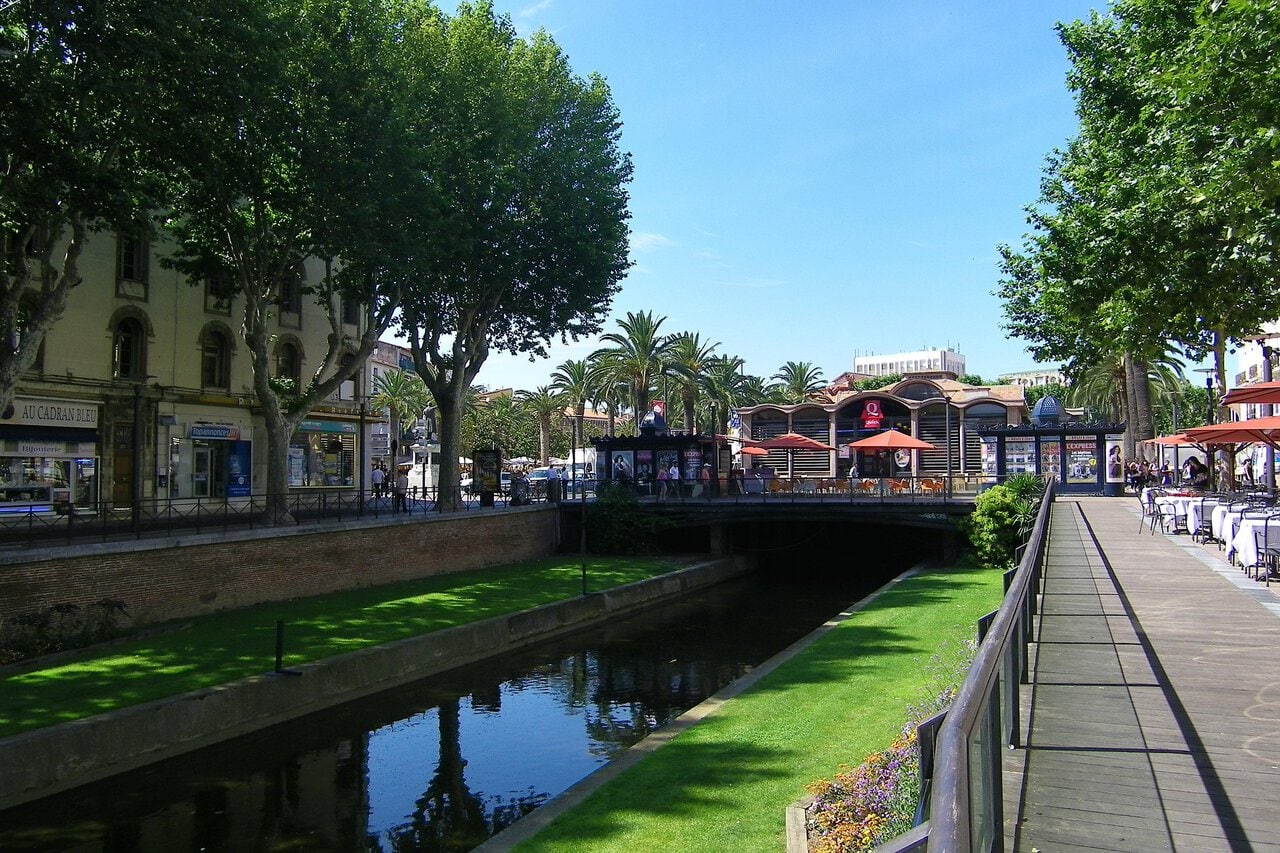
Flowing quietly through the centre of the city, the River Basse provides one of Perpignan’s most pleasant walking routes. The riverside offers a peaceful contrast to the busy shopping streets, with wide pavements, attractive bridges and excellent views of several of the city’s most important landmarks.
Following the river allows you to see Perpignan from a different perspective. Historic buildings, colourful façades and church towers are beautifully reflected in the water, while mature trees provide welcome shade during the warmer months.
Several attractive bridges cross the river, each offering slightly different views towards Le Castillet, the historic centre and surrounding neighbourhoods. Early morning and late afternoon are particularly rewarding times for photographers, when the Mediterranean sunlight gives the city’s warm-coloured buildings a beautiful golden glow.
The riverside is also dotted with cafés and benches where you can pause and relax before continuing your exploration. It’s a favourite place for local residents to walk, jog or simply enjoy the outdoors, giving visitors another glimpse into everyday life in Perpignan.
Whether you’re looking for a scenic stroll, somewhere to take photographs or simply a peaceful break from sightseeing, a walk along the River Basse is one of the city’s most enjoyable experiences.
Best for finding routes the airlines do not sell as a single ticket. Combines carriers to bring the fare down.
Search flightsBest if you want maps and messaging working the moment you switch your phone on.
See eSIM plansBest when public transport has stopped, or when you are travelling with children and bags.
Book a transferExplore the Atmospheric Campo Santo
Hidden beside Perpignan Cathedral, the remarkable Campo Santo is one of the city’s most unusual historic attractions. Dating from the fourteenth century, it is the largest surviving medieval cloister cemetery in France, making it an important architectural and historical landmark.
Surrounded by elegant Gothic arcades, the peaceful courtyard once served as the city’s principal burial ground. Today, its beautifully preserved cloisters provide a tranquil retreat from the busy streets outside, while the impressive stone architecture offers a fascinating insight into medieval Perpignan.
Walking beneath the vaulted walkways, you’ll notice intricate stone carvings, historic tombs and beautifully restored arches that have survived for more than 700 years. The combination of the cathedral rising above the cloisters and the quiet atmosphere makes this one of the most photogenic corners of the city.
During the summer, Campo Santo is transformed into an open-air cultural venue, hosting concerts, music festivals, theatre performances and other cultural events. Experiencing live music within this extraordinary medieval setting is one of the most memorable things to do in Perpignan.
Whether you’re interested in history, architecture, photography or simply discovering one of the city’s hidden gems, Campo Santo is well worth taking the time to explore.
Visit the Historic Loge de Mer
Standing proudly in the heart of Perpignan, the beautiful Loge de Mer reflects the city’s importance as a medieval trading centre.
Constructed during the fourteenth century, this elegant Gothic building originally served as the headquarters of Perpignan’s merchants, where commercial agreements were negotiated and maritime trade was organised. At a time when Perpignan was one of the Mediterranean’s most prosperous cities, the Loge de Mer stood at the centre of its commercial life.
Its distinctive Catalan Gothic architecture, graceful arches and decorative stonework make it one of the finest historic buildings in the city. Although its role has changed over the centuries, it remains an important symbol of Perpignan’s wealthy trading past.
The surrounding square is always full of life, with cafés, restaurants and outdoor terraces providing the perfect place to stop for coffee while admiring one of the city’s most elegant landmarks.
Located just a short walk from Le Castillet, Place de la République and the Old Town, the Loge de Mer is easily included in any walking tour and offers another fascinating glimpse into Perpignan’s rich history.
Discover Perpignan Railway Station Inspired by Salvador Dalí
One of Perpignan’s most unusual claims to fame comes courtesy of the surrealist artist Salvador Dalí, who famously declared Perpignan Railway Station to be the “Centre of the Universe.”
Dalí visited the station several times during the 1960s and claimed to have experienced one of his greatest artistic revelations there. So important was the location to him that he later incorporated the station into several of his surrealist paintings, forever linking this everyday transport hub with one of the twentieth century’s greatest artists.
Today, visitors can still see references to Dalí throughout the station, including reproductions of his artwork and displays explaining his unusual connection with Perpignan. It’s a fun and unexpected stop that adds another layer to the city’s cultural story.
The station itself is also an important transport hub, served by TGV high-speed trains, TER regional services and international routes to Spain, making it one of southern France’s key railway gateways.
Whether you’re catching a train or simply curious about Dalí’s eccentric declaration, visiting Perpignan Railway Station offers a fascinating blend of modern transport, art history and surrealist legend.
Take a Wine Tour Through the Roussillon Vineyards
Surrounding Perpignan are some of the most beautiful vineyards in southern France. The Roussillon wine region produces exceptional reds, whites, rosés and the famous Vins Doux Naturels, making it one of the country’s most rewarding destinations for wine lovers.
Joining a guided wine tour allows you to discover family-run wineries, historic estates and picturesque villages without worrying about driving. Most excursions include visits to two or three vineyards, where knowledgeable winemakers explain how the region’s Mediterranean climate, Pyrenean foothills and mineral-rich soils create wines with such distinctive character.
You’ll have the opportunity to sample elegant Grenache, Syrah, Carignan, Mourvèdre and Macabeu wines, often accompanied by artisan cheeses, Catalan charcuterie, locally produced olive oils and freshly baked bread. These tastings provide a genuine introduction to the flavours of French Catalonia.
Beyond the wines themselves, the scenery is magnificent. Vineyards stretch towards the Pyrenees, while quiet country roads pass medieval villages, olive groves and historic monasteries, creating a memorable day in the countryside.
Whether you’re an experienced wine enthusiast or simply looking for a relaxing excursion, a Roussillon vineyard tour is one of the finest experiences available from Perpignan and one of the page’s strongest opportunities to book an unforgettable day out.
Spend the Day in Beautiful Collioure
If you only have time for one day trip from Perpignan, make it Collioure. Located just 30 minutes away by train or car, this colourful Mediterranean town is widely regarded as one of the most beautiful destinations in southern France.
Nestled between the Pyrenees and the Mediterranean Sea, Collioure has inspired artists for generations. Henri Matisse and André Derain famously painted here in 1905, giving birth to the Fauvist movement, and it’s easy to understand why. Colourful fishing boats bob in the harbour, pastel-coloured houses line the waterfront and narrow streets wind through the historic centre towards hidden squares and cafés.
The town’s most recognisable landmark is the impressive Château Royal de Collioure, a medieval fortress standing dramatically beside the harbour. Visitors can explore its historic walls, towers and courtyards while enjoying spectacular views across the coastline.
A stroll through the old streets reveals art galleries, independent boutiques, traditional Catalan restaurants and charming cafés, while nearby beaches provide the perfect place to relax after sightseeing. Seafood is a particular speciality here, especially the famous Collioure anchovies, which have been produced using traditional methods for centuries.
Collioure is easy enough to explore independently by train, but organised guided excursions are also available if you’d prefer transport and sightseeing to be arranged for you. Whether you’re interested in history, art, photography, food or simply spending a day beside one of France’s most beautiful harbours, Collioure is an unforgettable experience.
Relax at Canet-en-Roussillon Beach
Just 15 kilometres east of Perpignan, Canet-en-Roussillon offers one of the longest and most beautiful beaches on the French Mediterranean coast.
Stretching for around nine kilometres, the resort’s wide golden sandy beach provides plenty of space even during the busiest summer months. Calm, shallow water makes it particularly popular with families, while the steady sea breeze also attracts visitors interested in windsurfing, kitesurfing, sailing and paddleboarding.
Running behind the beach is a lively promenade lined with restaurants, beach bars, cafés, boutiques and ice cream parlours. Whether you’re looking for a leisurely seafood lunch, an afternoon cocktail overlooking the sea or simply somewhere to enjoy the sunshine, you’ll find plenty of choice.
The marina is also worth exploring, with luxury yachts, fishing boats and pleasure craft creating an attractive setting for an evening stroll. During the summer months the resort hosts concerts, night markets and family entertainment, giving it a lively yet relaxed holiday atmosphere.
Thanks to its close proximity to Perpignan, Canet-en-Roussillon is easily reached by bus, taxi, hire car or bicycle, making it one of the easiest and most enjoyable excursions from the city.
Best for solo travellers and anyone watching the budget. Dorm beds and private rooms in the same search.
Browse hostelsBest if you have ever given up on a claim. AirHelp checks whether the flight qualifies and pursues it for you.
See the benefitsBest for the gap between checking out and your train. Drop bags at a shop or hotel nearby and carry on.
Store your bagsVisit During the Festival of Saint John or the Christmas Market
Perpignan’s Catalan identity comes alive during its annual festivals, making these some of the best times of year to experience the city.
The biggest celebration is the Festival of Saint John (La Saint-Jean), held each year in June. This centuries-old tradition marks the beginning of summer and is celebrated throughout French Catalonia. The city fills with live music, traditional dancing, colourful parades and cultural performances, while the famous Flame of Canigou is carried into Perpignan before lighting enormous bonfires across the region.
The festival offers visitors a wonderful opportunity to experience authentic Catalan traditions, with local residents proudly celebrating their history through music, costumes and food. It’s one of the most distinctive cultural events anywhere in southern France.
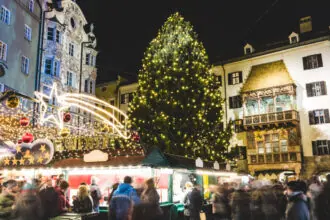
During December, Perpignan takes on a festive atmosphere as its popular Christmas Market transforms the city centre. Wooden chalets sell artisan gifts, local produce and seasonal treats, while festive lights illuminate the historic streets surrounding Place de la République and Le Castillet.
Whether you visit during the warmth of summer or the festive atmosphere of winter, timing your trip to coincide with one of Perpignan’s major celebrations adds an unforgettable cultural dimension to your visit.
Explore the Historic Fortifications and City Gates
Perpignan’s strategic position close to the Spanish border meant it spent centuries as an important frontier city. As a result, impressive fortifications, defensive walls and historic gateways were constructed to protect the city, many of which can still be seen today.
The most famous surviving gateway is Le Castillet, but as you continue exploring you’ll discover additional sections of the medieval and later defensive walls that once enclosed the entire city. These fortifications were strengthened over the centuries by successive rulers, including the Kings of Majorca, the Spanish Crown and later the French military engineer Vauban.
Walking around these surviving defences provides a fascinating insight into Perpignan’s military history and its importance as a gateway between France and Spain. Information panels throughout the city explain how the walls evolved as weapons and military tactics changed over the centuries.
Several sections also offer attractive viewpoints across the city and towards the distant Pyrenees, making them rewarding not only for history enthusiasts but also for photographers.
Exploring Perpignan’s fortifications helps visitors understand why this beautiful city played such a significant role in the history of both France and Catalonia for hundreds of years.
Discover Authentic Catalan Food and Wine
One of the highlights of visiting Perpignan is discovering its unique Catalan cuisine. While the city is part of France, its location just north of the Spanish border means its food combines the very best of both cultures, creating flavours and traditions that are quite different from elsewhere in the country.
Traditional restaurants throughout the Old Town serve hearty Catalan dishes prepared using fresh Mediterranean seafood, locally grown vegetables, fragrant herbs and excellent regional olive oil. Look out for specialities such as boles de picolat (Catalan meatballs), escalivada (chargrilled Mediterranean vegetables), seafood stews and locally cured charcuterie that reflect centuries of shared culinary heritage.
The surrounding countryside also produces exceptional ingredients. Fresh peaches, apricots, cherries and tomatoes flourish in the warm climate, while nearby vineyards supply many restaurants with excellent Roussillon wines. Finish your meal with one of the region’s famous Vins Doux Naturels, naturally sweet fortified wines that have been produced here for generations.
For an authentic experience, choose one of the family-run restaurants tucked away in the narrow streets around Place de la République, where you’ll often find seasonal menus featuring locally sourced produce and traditional Catalan recipes passed down through generations.
Whether you’re enjoying a relaxed lunch on a sunny terrace or a long evening meal accompanied by local wine, discovering Catalan food and wine is an essential part of any visit to Perpignan.

Visit the Museum of Natural History
For something a little different, head to the fascinating Museum of Natural History of Perpignan, one of the city’s lesser-known attractions that rewards visitors with an impressive collection covering the natural history of French Catalonia.
Its origins lie in a cabinet of curiosities assembled in 1770, although the museum itself was formally established in 1840, and it contains thousands of exhibits exploring the wildlife, geology and ecosystems of the region. Displays include preserved mammals, birds, reptiles, insects, fossils and minerals, alongside fascinating information about the landscapes stretching from the Mediterranean coast to the Pyrenees.
The museum also highlights the area’s remarkable biodiversity, explaining how the combination of mountains, wetlands, vineyards and coastline supports such a wide variety of plant and animal life. Families travelling with children will find plenty to keep younger visitors interested, while nature enthusiasts can easily spend an hour or more exploring the collections.
Although smaller than many national museums, its local focus makes it particularly interesting for anyone planning to explore the surrounding countryside after visiting the city.
If you’re looking to discover another side of Perpignan beyond its castles and churches, the Museum of Natural History is well worth including in your itinerary.
Visit the Elegant Hôtel Pams
Hidden away in the historic centre is one of Perpignan’s most spectacular buildings. The magnificent Hôtel Pams is an extraordinary Art Nouveau mansion that many visitors walk straight past without realising the treasures hidden behind its elegant façade.
Originally built for the wealthy Bardou family, who made their fortune manufacturing cigarette papers, the mansion was transformed at the beginning of the twentieth century into one of the finest private residences in southern France.
Stepping inside reveals lavish marble staircases, magnificent painted ceilings, stained glass, elaborate sculptures, decorative fireplaces and richly decorated reception rooms that perfectly capture the luxury of the Belle Époque period.
Today the mansion hosts exhibitions, cultural events and guided visits, allowing visitors to admire interiors that would normally only be found in royal palaces or grand Parisian townhouses.
For anyone interested in architecture, interior design, history or simply discovering one of Perpignan’s best-kept secrets, Hôtel Pams is an unforgettable stop.
Explore the Friday Riverside Market
If your visit falls on a Friday morning, don’t miss one of the largest and liveliest weekly markets in southern France.
Stretching for a considerable distance along the banks of the River Basse, Perpignan’s famous Friday Market attracts traders and shoppers from across the region. Hundreds of stalls fill the streets with colourful displays of fresh fruit, vegetables, cheeses, olives, charcuterie, clothing, flowers, artisan crafts and countless local specialities.
The atmosphere is every bit as enjoyable as the shopping itself. Traders enthusiastically call out their latest bargains, cafés overflow onto the pavements and the aromas of freshly baked bread, grilled food and roasted coffee drift through the air.
It’s an excellent place to buy authentic souvenirs, sample regional delicacies or simply experience everyday life in French Catalonia. Many visitors pick up picnic supplies before heading to one of Perpignan’s parks or continuing their exploration of the historic centre.
Whether you’re interested in food, shopping, photography or local culture, the Friday Riverside Market offers one of the most authentic experiences you’ll find in Perpignan.

Discover the Casa Pairal Museum
Housed within the historic Le Castillet, the fascinating Casa Pairal Museum offers one of the best introductions to the traditions and culture of French Catalonia. While many visitors climb the tower for its spectacular views, the museum itself is equally deserving of your time.
The museum celebrates everyday Catalan life through an impressive collection of traditional costumes, handcrafted furniture, ceramics, agricultural tools, jewellery and household objects that have been carefully preserved over the centuries. Together, these exhibits tell the story of the people who have lived in the Roussillon region and the customs that continue to shape local identity today.
As you move through the galleries you’ll learn about traditional festivals, rural life, craftsmanship and the strong cultural links that still unite Perpignan with neighbouring Catalonia in Spain. Historic photographs and detailed displays help bring these traditions to life, making it easy to understand why Perpignan feels so different from many other French cities.
Because the museum occupies the city’s most famous landmark, it’s easy to combine with a climb to the top of Le Castillet, creating one of the most rewarding visits in Perpignan.
Whether you’re interested in history, folk traditions, Catalan culture or simply understanding the city beyond its monuments, the Casa Pairal Museum is well worth exploring.
Visit the Chapelle Notre-Dame-des-Anges
One of Perpignan’s lesser-known architectural treasures is the elegant Chapelle Notre-Dame-des-Anges, a peaceful place of worship that offers a welcome break from the busier tourist attractions.
Although more modest than Perpignan Cathedral, the chapel possesses a quiet beauty of its own. Its graceful architecture, attractive interior and historic atmosphere make it a rewarding stop for visitors interested in the city’s religious heritage.
Inside you’ll find beautifully decorated chapels, historic religious artwork and an atmosphere of calm that encourages visitors to slow down and appreciate the craftsmanship surrounding them. The building has played an important role in the spiritual life of Perpignan for centuries and continues to host services and religious events today.
Its location also makes it easy to include while exploring the surrounding historic streets, allowing you to discover another side of Perpignan that’s often overlooked by visitors following only the main tourist trail.
Whether you’re interested in historic churches, architecture or simply finding a peaceful place to pause during your sightseeing, the Chapelle Notre-Dame-des-Anges is a worthwhile addition to your walking route.
Take a Scenic Drive into the Pyrenees
One of the greatest advantages of staying in Perpignan is how quickly you can exchange Mediterranean beaches for dramatic mountain scenery. Within less than an hour, the rolling vineyards surrounding the city give way to the spectacular landscapes of the Pyrenees, creating one of southern France’s most rewarding day trips.
The drive itself is part of the experience. Quiet mountain roads wind through picturesque Catalan villages, forests, deep valleys and scenic mountain passes, with countless opportunities to stop for photographs along the way. Charming towns such as Villefranche-de-Conflent, Eus and Prades provide excellent places to explore, each offering their own blend of history, architecture and local culture.
Nature lovers will find endless opportunities for walking, cycling, wildlife watching and scenic viewpoints, while during the winter months the higher mountains become popular destinations for skiing and other snow sports.
Many visitors also combine a drive through the mountains with a ride on the famous Little Yellow Train (Le Train Jaune), one of France’s most spectacular railway journeys, crossing dramatic viaducts and climbing high into the Pyrenees with breathtaking panoramic views.
Whether you’re seeking mountain scenery, historic villages, outdoor adventures or simply an unforgettable drive through some of France’s most beautiful countryside, the Pyrenees provide the perfect escape from the city.

Rupert’s Handy Travel Tips
Perpignan is one of southern France’s most underrated cities. Its unique blend of French and Catalan culture means you’ll get much more from your visit if you take time to explore beyond the main landmarks.
- Begin at Le Castillet: This iconic gateway marks the entrance to the Old Town and is the perfect starting point for a walking tour of Perpignan’s historic centre.
- Leave time for the Palace of the Kings of Majorca: Many visitors underestimate how much there is to see. Allow at least two hours to explore the palace, ramparts and enjoy the panoramic views.
- Sample the local cuisine: Perpignan is the heart of French Catalonia, so don’t leave without trying traditional Catalan dishes accompanied by wines from the nearby Roussillon vineyards.
- Take a day trip: Beautiful destinations such as Collioure, Canet-en-Roussillon and the Pyrenees are all within easy reach and add another dimension to your visit.
- Travel onwards by train: Perpignan has excellent rail links to Narbonne, Montpellier, Toulouse and Barcelona. Comparing tickets with Omio can make planning your onward journey much easier.
Want to meet the reindeer behind our travel tips? Find out more in our page Who is Rupert?.




Frequently Asked Questions
What is Perpignan famous for?
Perpignan is famous for its unique Catalan heritage, the magnificent Palace of the Kings of Majorca, Le Castillet, Perpignan Cathedral, colourful Old Town, excellent markets and its location between the Mediterranean Sea and the Pyrenees.
Is Perpignan worth visiting?
Absolutely. Perpignan combines royal history, medieval architecture, Catalan culture, outstanding food and wine, excellent museums and easy access to both the Mediterranean coast and the mountains. It remains one of the most underrated city breaks in southern France.
How many days do you need in Perpignan?
A full day is enough to explore the main attractions, but two to three days allows you to visit museums, enjoy the local food scene and take day trips to Collioure, Canet-en-Roussillon or the Pyrenees.
Can you explore Perpignan on foot?
Yes. The historic centre is compact and very walkable. Major attractions including Le Castillet, the Palace of the Kings of Majorca, Perpignan Cathedral, Campo Santo, Place de la République and the Archbishop’s Quarter can all be reached on foot.
What is the main attraction in Perpignan?
The Palace of the Kings of Majorca is widely regarded as Perpignan’s most important attraction. Its impressive medieval architecture, fascinating royal history and panoramic views make it the city’s standout landmark.
Is Perpignan close to the beach?
Yes. Canet-en-Roussillon is only around 15 kilometres away and offers a long sandy Mediterranean beach. Other popular coastal destinations, including Collioure, Argelès-sur-Mer and Saint-Cyprien, are also within easy reach.
What local food should I try in Perpignan?
Be sure to try traditional Catalan dishes, boles de picolat, escalivada, fresh Mediterranean seafood, local charcuterie, artisan cheeses and wines from the nearby Roussillon vineyards, including the region’s famous Vins Doux Naturels.
When is the best time to visit Perpignan?
Spring and autumn offer warm weather that’s ideal for sightseeing, while summer brings lively festivals and beach weather. December is also an excellent time to visit thanks to Perpignan’s atmospheric Christmas Market.
Further Reading
Continue planning your visit with our guides to Perpignan Airport Transfers and Day Trips from Perpignan. If you’re exploring further afield in Occitanie, don’t miss our guides to Narbonne, Béziers, Carcassonne and Montpellier.
For onward travel, our Interrail France Pass Guide and Carte Avantage France guide explain how to save on rail journeys around the country, while our Eurostar Guide is worth a look if you’re travelling on from the UK.