Reviewed by our editorial team Updated
Welcome to Montpellier
With its sun-drenched squares, elegant architecture and lively café culture, Montpellier is one of southern France’s most enjoyable cities to explore. Often overshadowed by nearby Marseille and Nice, it rewards visitors with a beautiful historic centre, outstanding museums, leafy parks, excellent restaurants and easy access to both the Mediterranean coast and the famous vineyards of Languedoc.
Founded in the tenth century, Montpellier grew into one of Europe’s leading centres of learning, with its prestigious University of Montpellier ranking among the oldest universities in the world. Today, thousands of students give the city a vibrant, youthful atmosphere, while centuries-old streets, grand mansions and historic monuments remind visitors of its remarkable past.
One of Montpellier’s greatest strengths is its variety. You can spend the morning wandering medieval alleyways, admire masterpieces in world-class museums during the afternoon, relax in botanical gardens before dinner, then finish the evening enjoying local wines in one of the city’s bustling squares. Better still, many of the main attractions are located within easy walking distance of one another.
Whether you’re interested in history, architecture, art, food, shopping, wine or simply soaking up the relaxed Mediterranean lifestyle, Montpellier offers something for every traveller.
This guide highlights the very best things to do in Montpellier, helping you experience one of France’s most exciting and underrated city break destinations.
| Attraction | Time Needed | Admission | Best For |
|---|---|---|---|
| Place de la Comédie | 30–60 mins | Free | First-time visitors |
| Écusson Old Town | 2–3 hours | Free | History, shopping and cafés |
| Musée Fabre | 2–3 hours | Paid | Art and culture |
| Montpellier Cathedral | 30–45 mins | Free | Gothic architecture |
| Promenade du Peyrou | 30–60 mins | Free | Views and photography |
| Jardin des Plantes | 1–2 hours | Free | Gardens and relaxation |
| Planet Ocean | 2–3 hours | Paid | Families and marine life |
| Wine Tour | Half day | Paid | Wine lovers |
| Palavas-les-Flots | Half to full day | Free | Beaches and seaside atmosphere |
| Montpellier Zoo | Half day | Closed until 2028 | Families and wildlife |
Explore Place de la Comédie
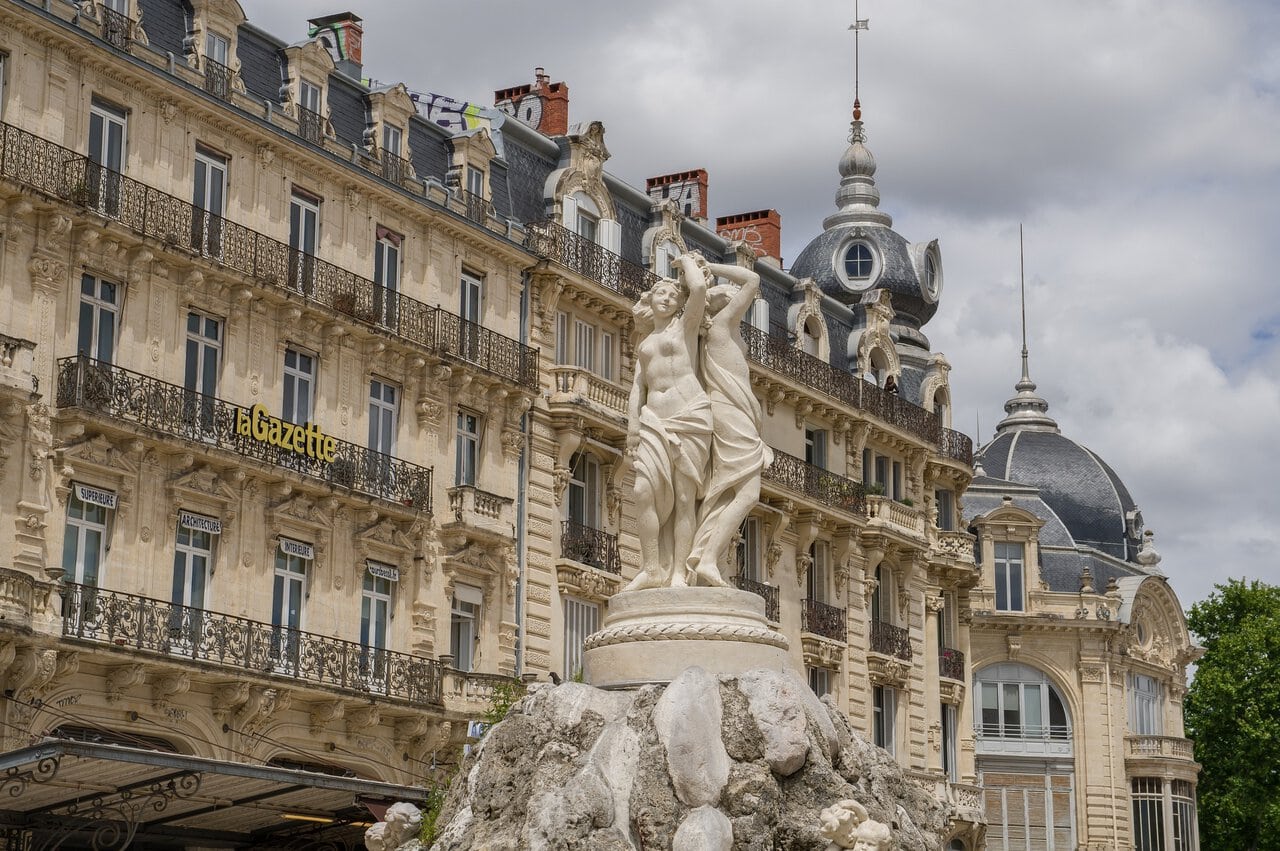
If Montpellier has a beating heart, it’s Place de la Comédie. This magnificent square has been the city’s main meeting place for centuries and remains one of the largest and liveliest pedestrian squares in Europe.
Surrounded by elegant nineteenth-century buildings, cafés, restaurants, hotels and shops, it’s almost impossible to visit Montpellier without passing through here several times. Throughout the day the square buzzes with life as shoppers, students, street performers and visitors fill the terraces and broad open spaces.
At the centre stands the beautiful Three Graces Fountain, one of Montpellier’s best-known landmarks. Featuring the three daughters of Zeus from Greek mythology, it has become one of the city’s most photographed monuments and an obvious meeting point for locals.
Overlooking the square is the magnificent Opéra Comédie, an impressive opera house that has dominated the skyline since the late nineteenth century. Its elegant façade provides a fitting backdrop to one of France’s most attractive public spaces.
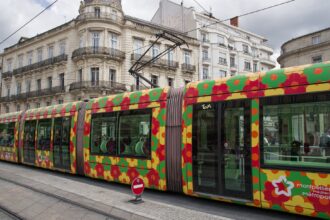
Because Montpellier’s tram network passes directly beside the square, Place de la Comédie is also the perfect starting point for exploring the rest of the city. Whether you’re arriving from the airport or simply beginning your sightseeing, this is where your Montpellier adventure should begin.
Best if you want daily housekeeping and a front desk. Filter by area first, then by price.
Check availabilityBest for families, or any stay past about four nights. A kitchen and a washing machine start paying for themselves.
Browse rentalsBest if you have already picked a hotel. Checks the big booking sites for the same room and shows who is cheapest.
Check dealsWander Through the Écusson Old Town
Behind Place de la Comédie lies the historic Écusson, Montpellier’s beautiful medieval Old Town. Named after its shield-like shape, this maze of narrow cobbled streets, elegant townhouses and hidden courtyards forms one of the largest pedestrianised historic centres in France.
Walking through the Écusson is one of the greatest pleasures of visiting Montpellier. Around every corner you’ll discover independent boutiques, artisan bakeries, lively cafés, shaded squares and impressive churches, all connected by winding streets that have changed little over the centuries.
Unlike many historic centres that feel dominated by tourism, the Écusson remains wonderfully authentic. Students from the nearby university mix with local residents, while traditional shops stand beside fashionable boutiques and contemporary restaurants, giving the district a lively atmosphere throughout the day.
Take time to explore without a map. Some of Montpellier’s finest architecture is hidden away in quiet side streets where elegant mansions, decorative doorways and peaceful courtyards reveal themselves unexpectedly. Looking upwards often rewards visitors with beautiful wrought-iron balconies, colourful shutters and centuries-old stone façades bathed in Mediterranean sunshine.
Whether you’re shopping, photographing the architecture or simply wandering aimlessly, the Écusson perfectly captures Montpellier’s unique blend of history, culture and southern French charm.
Visit Montpellier Cathedral
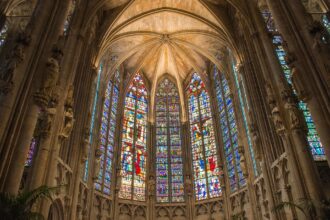
Standing proudly above the surrounding streets, Montpellier Cathedral is one of the city’s most striking historic landmarks. Officially known as the Cathédrale Saint-Pierre de Montpellier, it has dominated the skyline since the fourteenth century and remains one of the finest examples of Gothic architecture in southern France.
The cathedral is instantly recognisable thanks to its extraordinary entrance porch, supported by two enormous circular stone pillars that resemble medieval defensive towers. Originally built as the chapel of a monastery, it later became Montpellier’s cathedral during the sixteenth century, surviving centuries of religious conflict and political change.
Inside, visitors are greeted by soaring vaulted ceilings, elegant stained-glass windows and a peaceful atmosphere that feels far removed from the lively streets outside. Despite its impressive size, the cathedral retains an intimate feel, encouraging visitors to pause and appreciate both its architecture and history.
Its location beside the historic Faculty of Medicine is no coincidence. Montpellier has long been associated with medical education, and generations of students have passed through these streets while studying at one of Europe’s oldest universities.
Whether you’re interested in history, architecture, religious heritage or simply discovering one of Montpellier’s most impressive buildings, Saint-Pierre Cathedral is an essential stop during your visit.
Discover the Arc de Triomphe and Promenade du Peyrou
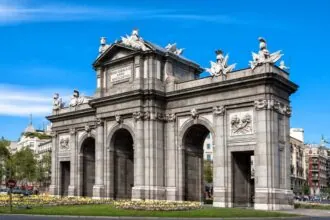
Standing at the western edge of Montpellier’s historic centre, the impressive Arc de Triomphe is one of the city’s most recognisable landmarks. Built in 1691 to celebrate the reign of King Louis XIV, the monument marks the entrance to the magnificent Promenade du Peyrou, one of the finest public spaces in southern France.
Inspired by the great triumphal arches of ancient Rome, the monument is richly decorated with carvings celebrating the achievements of the Sun King. Although smaller than the famous arch in Paris, it possesses an elegance that perfectly suits Montpellier’s historic centre.
Passing beneath the arch brings you onto the broad Promenade du Peyrou, a beautiful tree-lined esplanade that has served as a public gathering place for more than three centuries. The area is wonderfully spacious, making it ideal for a leisurely stroll while enjoying panoramic views across the city.
At the centre of the promenade stands the magnificent equestrian statue of Louis XIV, while the western end opens onto one of Montpellier’s finest viewpoints. From here you can admire the surrounding countryside and appreciate just how beautifully the city blends historic architecture with open green spaces.
The Arc de Triomphe and Promenade du Peyrou are particularly beautiful during the late afternoon, when the warm Mediterranean sunlight illuminates the honey-coloured stone and locals gather to enjoy one of Montpellier’s most elegant public spaces.
Explore the Outstanding Musée Fabre
For lovers of art, the Musée Fabre is one of the finest museums anywhere in France. Located just a few minutes from Place de la Comédie, it houses an exceptional collection spanning more than 700 years of European painting, sculpture and decorative arts.
Founded in 1825 by local artist François-Xavier Fabre, the museum has grown into one of France’s leading regional galleries. Its beautifully restored buildings combine historic architecture with contemporary exhibition spaces, creating a museum that’s as impressive architecturally as it is artistically.
The collection features masterpieces by internationally renowned artists including Delacroix, Rubens, Veronese, Courbet, Frédéric Bazille, Pierre Soulages and many others. The museum is particularly celebrated for its outstanding collection of French nineteenth-century art, while its modern galleries showcase important contemporary works.
Temporary exhibitions regularly attract major international collections, ensuring there’s always something new to discover. Interactive displays, spacious galleries and excellent visitor facilities make the museum accessible whether you’re an experienced art enthusiast or simply looking for an enjoyable cultural experience.
Allow at least two to three hours to appreciate the museum properly. Whether you’re fascinated by Old Masters, Impressionism or modern art, the Musée Fabre is undoubtedly one of Montpellier’s greatest attractions.
Ride the Montpellier Tourist Train
If you’re visiting Montpellier for the first time, the Petit Train Touristique offers a relaxing way to discover many of the city’s highlights without spending the entire day on foot. This charming road train is particularly popular with families, older visitors and anyone wanting a gentle introduction to Montpellier before exploring independently.
Departing from the city centre during the tourist season, the train winds its way through the historic streets, passing many of Montpellier’s best-known landmarks while multilingual commentary explains the city’s fascinating history and architecture.
Along the route you’ll enjoy views of Place de la Comédie, the Écusson Old Town, Montpellier Cathedral, the Arc de Triomphe, the elegant Promenade du Peyrou and several of the city’s most attractive squares and boulevards. Because the train travels at a leisurely pace, it provides excellent opportunities for photography while allowing you to appreciate details that are often missed when walking.
One of the biggest advantages of starting your visit with the Tourist Train is that it helps you understand the layout of Montpellier. After completing the circuit, you’ll have a much better idea of which attractions you’d like to return to and explore in greater detail.
Whether you’re short on time or simply looking for a comfortable sightseeing experience, the Montpellier Tourist Train is an enjoyable addition to any visit.
Relax in the Jardin des Plantes
Hidden beside the historic University of Montpellier, the beautiful Jardin des Plantes is the oldest botanical garden in France, having been founded in 1593 to support the university’s famous medical school.
Today, the garden offers a peaceful escape from the busy city streets. Mature trees, winding pathways, ornamental ponds and carefully maintained collections of rare plants create a wonderfully tranquil setting where visitors can slow down and enjoy one of Montpellier’s hidden treasures.
More than simply a public park, the Jardin des Plantes continues to play an important role in botanical research, plant conservation and scientific education. Throughout the gardens you’ll find an impressive variety of Mediterranean species alongside exotic plants collected from around the world over several centuries.
The peaceful atmosphere makes it an ideal place to relax after exploring the nearby Écusson or Montpellier Cathedral. Shaded benches, colourful flower displays and historic greenhouses encourage visitors to linger, while birdsong provides a welcome contrast to the lively cafés and shopping streets just beyond the walls.
Whether you’re interested in gardening, photography, history or simply looking for somewhere quiet to unwind, the Jardin des Plantes is one of Montpellier’s most rewarding and underrated attractions.
Best for finding routes the airlines do not sell as a single ticket. Combines carriers to bring the fare down.
Search flightsBest if you want maps and messaging working the moment you switch your phone on.
See eSIM plansBest if you would rather not work out the transport on arrival. Book it now and forget it.
View transfersExplore the Striking Antigone District
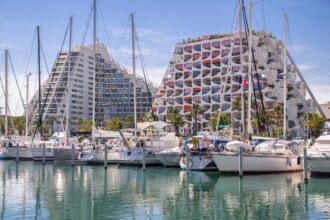
Just a short walk from Place de la Comédie, you’ll find one of the most distinctive neighbourhoods in Montpellier. The Antigone District couldn’t be more different from the medieval streets of the Écusson, replacing narrow alleyways with wide boulevards, monumental buildings and bold neo-classical architecture.
Designed by internationally renowned Spanish architect Ricardo Bofill during the late twentieth century, Antigone was created as an ambitious extension to Montpellier’s historic centre. Inspired by the grandeur of Ancient Greece and Rome, the district features enormous squares, elegant columns, symmetrical façades and impressive public spaces unlike anywhere else in France.
Walking through Antigone is a fascinating experience because it feels both modern and timeless. Large fountains, tree-lined avenues and dramatic civic buildings create a sense of scale that’s completely different from the intimate atmosphere of the Old Town. The district is also largely pedestrian-friendly, making it an enjoyable place to explore at a relaxed pace.
The neighbourhood stretches towards the River Lez, linking Montpellier’s historic centre with its modern business and residential districts. Along the way you’ll pass cafés, restaurants, designer apartment buildings and attractive public art installations that demonstrate Montpellier’s reputation as one of France’s most forward-thinking cities.
Whether you’re interested in modern architecture, urban planning or simply seeing a different side of Montpellier, Antigone is one of the city’s most unique attractions.
Discover Planet Ocean Montpellier
For families and anyone fascinated by the natural world, Planet Ocean Montpellier is one of the city’s most popular attractions. Combining a large aquarium with immersive exhibitions about the oceans and space, it offers an entertaining and educational day out that’s suitable for visitors of all ages.
The attraction is home to hundreds of marine species from around the world. As you move through the different themed zones you’ll encounter sharks, rays, sea turtles, colourful tropical fish, jellyfish and fascinating freshwater species, all displayed in beautifully designed habitats that recreate environments from across the globe.
One of the highlights is the enormous shark tank, where visitors can watch these magnificent predators glide silently overhead through panoramic viewing windows. Interactive displays throughout the aquarium explain marine conservation, ocean ecosystems and the importance of protecting our seas.
Beyond the aquarium, Planet Ocean also features immersive exhibitions exploring space, climate and the Earth from above, creating an attraction that’s far more than a traditional aquarium. Modern multimedia presentations and hands-on exhibits make it particularly enjoyable for children while remaining equally interesting for adults.
Located close to the Odysseum shopping and leisure district, Planet Ocean is easily reached by Montpellier’s tram network and makes an excellent choice if you’re visiting with a family or looking for an indoor attraction on a hot or rainy day.
Take a Wine Tour Through the Languedoc Vineyards
Few places in France are better positioned for discovering outstanding wines than Montpellier. Sitting on the doorstep of the famous Languedoc wine region, the city provides easy access to hundreds of vineyards producing everything from crisp whites and elegant rosés to full-bodied reds that rival many of France’s more famous wine regions.
Joining a guided wine tour is one of the best ways to experience this remarkable landscape. Most excursions collect visitors directly from Montpellier before travelling into the surrounding countryside, where rolling vineyards stretch towards picturesque villages, medieval castles and the distant Mediterranean coastline.
A typical tour includes visits to two or three wineries, where you’ll meet local winemakers, explore historic cellars and learn how the region’s climate, soils and grape varieties influence the wines produced here. Guided tastings introduce visitors to local specialities while explaining the traditions that have shaped Languedoc wine production for centuries.
Many tours also include opportunities to sample regional cheeses, charcuterie, olive oils and other local delicacies alongside the wines, creating a complete introduction to the flavours of southern France.
Whether you’re an experienced wine enthusiast or simply curious to discover one of Europe’s largest wine-producing regions, a Languedoc vineyard tour is one of the most rewarding experiences available from Montpellier and one of the page’s strongest opportunities for visitors to book an unforgettable excursion.
Spend the Day at Palavas-les-Flots
One of the biggest advantages of staying in Montpellier is how easily you can reach the Mediterranean coast. Just a short journey from the city, Palavas-les-Flots is one of the region’s most popular seaside resorts and makes an excellent escape if you fancy swapping historic streets for sandy beaches.
The resort is famous for its long stretches of golden sand, lively promenade and relaxed holiday atmosphere. During the summer months visitors come here to swim, sunbathe, enjoy watersports or simply relax beside the Mediterranean with a drink overlooking the sea. Bathing water at the resort is sampled through the season, and the results are published on the French health ministry’s national bathing water quality register.
Beyond the beach you’ll find seafood restaurants, ice cream parlours, cafés and small shops lining the waterfront, while the marina provides an attractive setting for an evening stroll. Fresh fish and local Mediterranean cuisine feature prominently on restaurant menus, making Palavas-les-Flots an excellent place for a leisurely lunch.
The resort is easily reached from Montpellier using public transport, taxi, Uber or a hire car, with the journey usually taking around 20 to 30 minutes, depending on your chosen method of transport.
If you’re visiting Montpellier during the warmer months, combining the city’s historic attractions with a relaxing afternoon at Palavas-les-Flots offers the perfect balance of culture, history and Mediterranean beach life.
Explore the Historic Marché des Arceaux
If you’d like to experience Montpellier like a local, make time for the wonderful Marché des Arceaux. Held beneath the impressive Saint-Clément Aqueduct, this bustling open-air market is one of the city’s most authentic attractions and a favourite with residents throughout the week.
The market takes place beneath the towering stone arches of the eighteenth-century aqueduct, creating one of the most atmospheric shopping locations in southern France. Stalls overflow with fresh fruit and vegetables, artisan cheeses, charcuterie, fresh seafood, flowers, local wines, olive oils, freshly baked bread and countless other regional specialities.
Walking through the market is an experience in itself. The sounds of traders chatting with customers, the aromas of freshly baked pastries and roasted coffee, and the colourful displays of local produce perfectly capture the relaxed rhythm of life in Occitanie.
Many visitors pick up picnic supplies before heading to the nearby Promenade du Peyrou or Jardin des Plantes, while others simply enjoy browsing before stopping at one of the cafés surrounding the market for lunch.
Whether you’re a passionate foodie or simply looking for an authentic slice of everyday life, Marché des Arceaux is one of Montpellier’s hidden highlights and a wonderful place to discover the flavours of southern France.
Walk Along the River Lez
For a completely different perspective on Montpellier, head towards the River Lez. Flowing through the eastern side of the city, the river has become one of Montpellier’s most attractive recreational areas, with wide promenades, landscaped parks and modern architecture creating an enjoyable contrast to the medieval streets of the historic centre.
Walking beside the Lez is particularly relaxing. Broad pedestrian paths follow the river through some of Montpellier’s newest neighbourhoods, passing contemporary apartment buildings, cafés, public art and attractive green spaces where local residents come to exercise, cycle or simply enjoy the sunshine.
The riverside also links several of the city’s major attractions, including the Antigone District, Hôtel de Région, Port Marianne and the leisure complex around Planet Ocean Montpellier. Thanks to the city’s excellent tram network, it’s easy to combine several of these attractions into a single day of sightseeing.
Cyclists will also appreciate the excellent riverside cycle paths, while photographers will enjoy the reflections of Montpellier’s striking modern architecture mirrored in the calm waters of the Lez.
Whether you choose a short stroll or spend an afternoon exploring the entire riverside, the River Lez showcases a modern side of Montpellier that many visitors never discover.
Best if you would rather spend the money on Montpellier than on the room. Compare hostels by location and rating.
Search hostelsBest arranged before you fly rather than after. Covers claim handling, plus lounge access on eligible delays.
Explore AirHelp+Best for a day with a bag and nowhere to put it. Find a storage point near where you already are.
View storageDiscover Château de Flaugergues
Just a few kilometres from the city centre stands one of Montpellier’s most elegant historic estates. Château de Flaugergues is a magnificent seventeenth-century château surrounded by beautiful formal gardens and a working vineyard, offering visitors the chance to combine history, architecture and wine in a single visit.
Often described as the “Folly of Montpellier,” the château remains privately owned by the same family that has cared for the estate for generations. Inside, visitors can admire beautifully furnished reception rooms, period artwork, antique furniture and decorative interiors that provide a fascinating glimpse into aristocratic life in southern France.
Outside, the carefully landscaped French gardens are every bit as impressive. Elegant avenues, ornamental ponds, sculptures, ancient trees and colourful flowerbeds create a peaceful setting that’s perfect for a leisurely walk. The estate’s vineyards stretch beyond the gardens, reminding visitors that wine production remains an important part of the property’s identity.
Many visits finish with a wine tasting, where you’ll have the opportunity to sample wines produced directly on the estate while learning about the grape varieties and traditions that have shaped Languedoc winemaking for centuries.
Whether you’re interested in historic houses, beautiful gardens, wine or simply escaping the city for a few hours, Château de Flaugergues is one of Montpellier’s finest hidden gems.
Experience Montpellier Zoo
Montpellier Zoo (Parc Zoologique de Montpellier) closed to the public on 1 August 2026 for a major rebuild and is not due to reopen until the second half of 2028, so it cannot be visited on a trip made before then. When it does reopen it will once again be one of Montpellier’s biggest surprises: among the largest zoos in France, covering 60 hectares of landscaped woodland, and completely free to enter.
Its collection takes in giraffes, rhinos, lions, cheetahs, wolves, red pandas, monkeys, lemurs, zebras and many other fascinating species. Wide walking paths guide visitors through themed areas representing different continents, making it easy to spend half a day exploring.
Unlike many traditional zoos, the generous size of the enclosures allows animals plenty of space, creating a much more natural environment while offering visitors an enjoyable walking experience beneath mature trees and shaded woodland.
The zoo’s Amazonian Greenhouse, a separate tropical attraction where exotic plants, colourful birds, reptiles and aquatic species recreated the atmosphere of a South American rainforest, has been closed to the public since 2021 and will not reopen in its previous form. The city plans to give the building a new use as part of the wider Grand Parc de Lunaret project.
Once the rebuild is complete, Montpellier Zoo will again be one of the city’s outstanding attractions for anyone travelling with children, keen on wildlife photography or simply after a relaxing day outdoors. Until then, Planet Ocean Montpellier is the city’s main family wildlife attraction.
Discover the Carré Sainte-Anne Art Centre
One of Montpellier’s most unusual attractions is the remarkable Carré Sainte-Anne, where centuries of history meet contemporary art in spectacular fashion. Housed inside a beautifully restored nineteenth-century neo-Gothic church, this unique venue has been transformed into one of the city’s leading exhibition spaces while carefully preserving its magnificent architecture.
Stepping inside is a memorable experience. The soaring vaulted ceilings, colourful stained-glass windows and elegant stone columns remain intact, providing a dramatic backdrop for regularly changing exhibitions by French and international contemporary artists. The contrast between the historic church interior and cutting-edge artwork creates one of the most distinctive cultural experiences in southern France.
Because exhibitions change throughout the year, no two visits are ever quite the same. Installations often make imaginative use of the building’s height and natural light, transforming the former church into a space that’s every bit as impressive architecturally as it is artistically.
Located just a short walk from Place de la Comédie and the Écusson, it’s easy to include the Carré Sainte-Anne while exploring Montpellier’s historic centre. Whether you’re passionate about modern art or simply curious to see one of the city’s most unusual buildings, it’s well worth adding to your itinerary.

Enjoy Montpellier’s Outstanding Food and Wine Scene
One of the greatest pleasures of visiting Montpellier is discovering its outstanding food and wine culture. Sitting between the Mediterranean Sea and the vineyards of Languedoc, the city enjoys access to some of the freshest ingredients and finest wines in southern France.
The streets of the Écusson are filled with traditional bistros, elegant restaurants, lively wine bars and welcoming cafés, many serving seasonal dishes prepared using locally sourced produce. Fresh seafood, Mediterranean vegetables, olive oil, herbs and artisan cheeses all feature prominently on menus, creating cuisine that’s both colourful and full of flavour.
Don’t miss the opportunity to sample regional specialities including Brandade de Nîmes, tielle sétoise, Pélardon goat’s cheese, fresh oysters from nearby Étang de Thau, and locally produced olive oils and charcuterie. Many restaurants also offer tasting menus paired with wines from the surrounding Languedoc vineyards.
Montpellier has also become one of southern France’s leading destinations for natural wines and independent wine bars. Knowledgeable staff are often happy to recommend local producers, giving visitors the chance to discover outstanding wines that rarely appear outside the region.
Whether you’re enjoying a leisurely lunch in Place de la Comédie, dining beneath the trees in the Old Town or relaxing with a glass of wine on a sunny terrace, experiencing Montpellier’s culinary scene is every bit as rewarding as visiting its historic attractions.
Visit During One of Montpellier’s Festivals or Christmas Market
There’s never really a bad time to visit Montpellier, but planning your trip around one of the city’s festivals or seasonal celebrations makes the experience even more memorable. Thanks to its large student population and thriving cultural scene, there’s almost always something happening throughout the year.
During the summer months, Montpellier comes alive with music festivals, street performances, open-air concerts, dance events and cultural celebrations that fill the city’s historic squares with visitors and local residents alike. Outdoor cafés remain busy long into the evening, creating a lively Mediterranean atmosphere that’s perfect for exploring after sunset.
One of the city’s biggest highlights is the annual Montpellier Danse Festival, which attracts internationally renowned performers and audiences from across Europe. Classical music lovers can also enjoy the celebrated Radio France Occitanie Montpellier Festival, while numerous smaller events celebrate everything from cinema and photography to food and local culture.
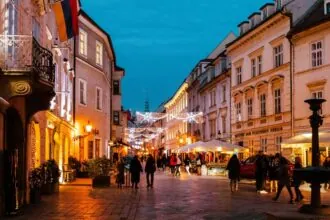
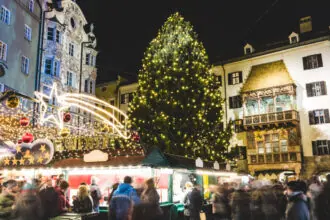
In December, the city centre transforms with the arrival of the Montpellier Christmas Market. Wooden chalets, festive lighting, artisan gifts and seasonal food create a magical atmosphere around Place de la Comédie and the surrounding streets, making winter a surprisingly attractive time to visit.
If your travel dates are flexible, checking Montpellier’s events calendar before you arrive is well worthwhile. Experiencing the city during one of its many festivals offers a wonderful opportunity to enjoy its culture, music, food and Mediterranean lifestyle at their very

Rupert’s Handy Travel Tips
Montpellier is one of France’s easiest cities to explore on foot, but a little planning will help you get even more from your visit.
- Start at Place de la Comédie: Almost every sightseeing route passes through Montpellier’s main square, making it the perfect place to begin exploring the city.
- Buy a tram ticket if you’re exploring further afield: Attractions such as Planet Ocean, Odysseum and the River Lez are all easy to reach using Montpellier’s excellent tram network.
- Leave time for a wine tour: Montpellier sits in the heart of the Languedoc wine region, and joining an organised vineyard tour is one of the city’s most memorable experiences.
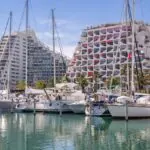
- Combine the city with the coast: Resorts such as Palavas-les-Flots and La Grande-Motte are close enough to enjoy after a morning of sightseeing.
- Stay into the evening: The cafés, wine bars and restaurants around the Écusson and Place de la Comédie come alive after dark, creating one of the best atmospheres in southern France.
Want to meet the reindeer behind our travel tips? Find out more in our page Who is Rupert?.




Frequently Asked Questions
What is Montpellier famous for?
Montpellier is famous for its beautiful Place de la Comédie, the medieval Écusson Old Town, one of the world’s oldest medical universities, excellent museums, lively café culture and its location close to the Mediterranean coast and the Languedoc wine region.
Is Montpellier worth visiting?
Absolutely. Montpellier combines historic architecture, excellent museums, vibrant public squares, Mediterranean cuisine, nearby beaches and easy access to some of France’s finest vineyards, making it one of the country’s most rewarding city break destinations.
How many days do you need in Montpellier?
A full day is enough to see the city’s main attractions, but two to three days allows time to explore the museums, visit Planet Ocean, enjoy a wine tour, relax at the beach and experience Montpellier’s outstanding food scene.
Can you explore Montpellier on foot?
Yes. Most of the historic centre, including Place de la Comédie, the Écusson, Montpellier Cathedral, the Musée Fabre and the Promenade du Peyrou, is easily explored on foot. For attractions further away, Montpellier’s excellent tram network makes getting around simple.
What is the best museum in Montpellier?
The Musée Fabre is widely regarded as Montpellier’s finest museum. It houses an outstanding collection of European paintings, sculptures and contemporary art, and is considered one of the best art museums in France outside Paris.
Is Montpellier close to the beach?
Yes. The popular seaside resort of Palavas-les-Flots is only around 20 to 30 minutes from the city by car or public transport, making it easy to combine a city break with time on the Mediterranean coast.
What local food should I try in Montpellier?
Be sure to sample Brandade de Nîmes, tielle sétoise, Pélardon goat’s cheese, fresh seafood from the Étang de Thau, local olive oils and wines from the surrounding Languedoc vineyards.
When is the best time to visit Montpellier?
Spring and autumn offer warm weather and fewer crowds, while summer brings festivals, outdoor dining and long sunny days. December is also a lovely time to visit for the city’s Christmas Market and festive atmosphere.
Further Reading
Continue planning your visit with our guides to Montpellier Airport Transfers and Day Trips from Montpellier. If you’re exploring more of the region, our guides to Things to Do in Béziers, Things to Do in Narbonne and Things to Do in Nîmes make excellent additions to your itinerary.
Travelling further afield in Occitanie? Our guides to Things to Do in Perpignan and Best Things to Do in Carcassonne are worth bookmarking, and if you’re planning onward rail journeys, our Interrail France Pass Guide explains how to make the most of TGV and TER travel around France.