Reviewed by our editorial team Updated
Discover the Best of Olbia
Olbia sits on Sardinia’s northeast coast and works as far more than a landing point for the island. Most visitors touch down at Olbia Costa Smeralda Airport or step off a ferry and head straight for the coast, but the town itself holds Roman remains, a Romanesque basilica and a genuinely likeable old centre worth an afternoon.
The town’s history stretches back over two thousand years, from Nuragic settlers through Carthaginian and Roman occupation to Pisan and Genoese trading posts. That layered past shows up in the Olbia Archaeological Museum, the Roman-era foundations near the town hall and the ancient Basilica of San Simplicio, one of the finest Romanesque buildings in Sardinia.
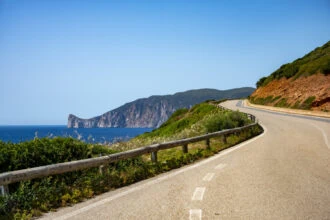
Beyond the historic centre, Olbia is the gateway to some of Sardinia’s most photographed coastline. The Costa Smeralda, with its glamorous marinas at Porto Cervo and Porto Rotondo, lies roughly 30-45 minutes north by car, while a scattering of excellent beaches sits within a 15-30 minute drive of town in the other direction.
Boat trips from Olbia’s harbour reach Tavolara Island and, further afield, the La Maddalena Archipelago, making the town a genuinely practical base rather than just a transit stop. Families, history fans and beach lovers can all build a satisfying trip around it.
This guide covers Olbia’s key sights, its best nearby beaches, the boat trips worth booking and how to fold the Costa Smeralda into your visit. Whether you have a spare afternoon between flights or several days based in town, there is enough here to fill an itinerary.
Olbia’s Attractions at a Glance
Olbia rewards a mixed approach: a couple of hours in the historic centre, a half-day at the coast and, if time allows, a full day trip to the Costa Smeralda or an island. The old town is compact and entirely walkable, built around Corso Umberto and anchored by the Basilica of San Simplicio at one end and the harbour at the other.
For culture and archaeology, prioritise the Olbia Archaeological Museum, the Roman ruins near the municipio and, if you have a car, the Nuragic Sa Testa sacred well just outside town. History buffs with a full day free can also detour to the Nuragic Complex of La Prisgiona near Arzachena.
Beach time is best organised by distance: Pittulongu and Porto Istana are closest at around 15-20 minutes from the centre, while Cala Brandinchi near San Teodoro and the coves of the Costa Smeralda need 30-40 minutes. Boat trips to Tavolara depart from nearby Porto San Paolo, and excursions to La Maddalena run from Olbia’s own port or from Palau further north.
Later sections of this guide work through each of these in turn, with practical detail on distances and opening hours and how to get there without a car where that is realistic.
Best for a short trip. Compare rooms by neighbourhood, price and guest rating before you book.
Compare hotelsBest for groups who want one address and separate bedrooms rather than three hotel rooms.
See holiday homesBest for double-checking. Runs the same search across several booking sites so you are not leaving money behind.
Compare pricesA Brief History of Olbia
Olbia’s name comes from the Greek word for “happy”, though the settlement’s earliest roots lie with Nuragic communities who built stone towers and sacred wells across the surrounding countryside from the Bronze Age onward.
The town later became a Carthaginian trading post, protected by defensive walls whose remains still survive on the edge of the historic centre, before falling under Roman control following the wars between Rome and Carthage.
Under Rome, Olbia grew into a significant port, with shipwrecks recovered from the harbour, now displayed in the archaeological museum, offering direct physical evidence of that era. The town’s fortunes continued through medieval Pisan and Genoese rule, reflected in structures like Pedres Castle.
Modern Olbia developed rapidly through the 20th century as tourism to the Costa Smeralda took off from the 1960s onward, transforming the town from a modest port into the main gateway for one of Europe’s most glamorous coastlines.
Basilica of San Simplicio: Sardinia’s Finest Romanesque Church
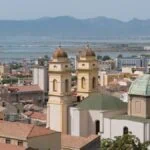
The Basilica of San Simplicio is widely regarded as the best-preserved Romanesque church in Sardinia, built between the 11th and 12th centuries from local granite. Its plain, almost austere facade gives little away, but the interior’s bare stone columns and simple proportions have real presence.
The church is dedicated to Saint Simplicius, an early bishop martyred in the area, and it stands on the site of a Roman-era necropolis. Fragments of Roman inscriptions were reused in the church walls during construction, a detail that hints at how much older material lies beneath modern Olbia.
Every May, the basilica becomes the focus of the Festa di San Simplicio, one of the biggest religious and folk festivals in northern Sardinia. Traditional costume parades, horse displays and music fill the surrounding streets, and if your visit coincides with it, the atmosphere is worth planning around.
Entry to the basilica itself is generally free, and it sits an easy five-minute walk from Corso Umberto, making it simple to combine with a stroll through the old town. Opening hours vary seasonally, so a quick check locally before visiting is sensible, particularly outside peak summer months, and the regional tourism board SardegnaTurismo lists current visitor information for the town on its official Olbia page.
A small archaeological area beside the basilica displays recovered Roman tombstones and inscriptions, giving useful context before or after a visit to the Olbia Archaeological Museum across town.
Photographers should aim for late afternoon light, when the granite facade takes on a warm colour that suits the building’s plain lines. The small square in front is quiet even in high season, a contrast to the bustle a few streets away.
Olbia Archaeological Museum
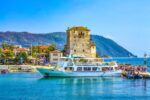
The Olbia Archaeological Museum occupies a striking modern building on Peddone island, a small islet in the harbour connected to the mainland by a short bridge. Its unusual castle-like design makes it one of the most photographed buildings in town, quite apart from what is inside.
Inside, the collection spans Nuragic, Punic and Roman Olbia, with ceramics, coins, tools and everyday objects recovered from excavations around the town. The undoubted highlight is the display of Roman-era shipwrecks, recovered from the harbour and giving a rare, tangible sense of Olbia’s role as a working ancient port.
The museum is compact, so a visit typically takes 45 minutes to an hour, making it easy to fit alongside a walk through the historic centre. It is generally open Tuesday to Sunday, with reduced hours outside the summer season, and admission is free, per the regional SardegnaCultura authority.
Information panels are provided in both Italian and English, which helps make sense of the artefacts without needing a guide. The setting alone, surrounded by water on three sides with views back over the harbour, is worth the short walk even for visitors who are not usually drawn to museums.

Corso Umberto and Olbia’s Historic Centre
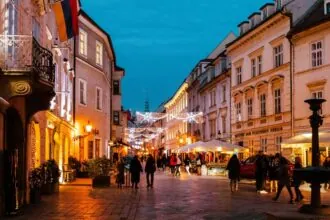
Corso Umberto is Olbia’s main pedestrian street, running through the heart of the old town and lined with Liberty-style buildings, cafes and small shops. It is the natural spine for exploring on foot, and most other sights in the centre sit within a few minutes of it.
Halfway along, San Paolo Church stands out for its colourful majolica dome, visible from several points around the harbour. The church itself is modest in size, but the dome’s blue and yellow tiles make it one of Olbia’s most recognisable landmarks against the skyline.
Near the town hall, exposed Roman ruins sit at street level, a reminder that modern Olbia was built directly over its ancient predecessor. These fragments are unfenced and free to view at any time, tucked between contemporary shopfronts in a way that feels distinctly Sardinian.
Piazza Regina Margherita is the town’s main square and a good spot for a coffee or an evening aperitivo. Locals gather here after work, and the surrounding streets host a lively passeggiata as temperatures drop in the early evening.
The harbour end of Corso Umberto opens onto the waterfront, where the Olbia Ferris Wheel and museum sit close together, covered in more detail below. Allow at least an hour or two to wander the old town properly, longer if you stop to eat.
Shopping and Local Markets
Corso Umberto and the surrounding streets hold most of Olbia’s shopping, from independent boutiques and jewellers to the usual mix of Italian fashion chains. It is a pleasant place to browse between sightseeing, particularly during the cooler evening hours.
A weekly general market sets up on the outskirts of town, typically on a weekday morning, selling clothing, household goods and fresh produce at prices well below the resort towns further north. It is worth asking your accommodation for the current day and location.
For a more atmospheric shopping trip, the Thursday market in San Pantaleo, covered later in this guide, draws visitors from across the Costa Smeralda for local crafts, leather goods and food stalls, and makes a nicer souvenir hunt than the main town itself.
Small delicatessens along Corso Umberto sell Gallura specialities worth taking home, including local honey, Vermentino wine and pecorino cheese, all reasonably priced compared with the boutiques further up the coast.
Pedres Castle and Olbia’s Ancient Fortifications
Pedres Castle is a ruined 13th-century fortress perched on a granite hill a short drive south of Olbia. Built during the medieval Giudicato period, it once controlled the surrounding plain and coastline, and its position still offers commanding views today.
Little of the original structure remains beyond crumbling walls and foundations, but the site rewards visitors with a genuinely quiet, atmospheric spot away from the crowds. A marked hiking trail leads up from the base of the hill, taking around 20-30 minutes at an easy pace.
Closer to town, sections of Punic-era defensive walls survive on the outskirts of the historic centre, evidence of Olbia’s earlier life as a Carthaginian trading settlement before Roman conquest. These are less visited than the castle but easy to combine with a wider walk or drive around the edge of town.
Neither site has facilities or an entry fee, so bring water and sturdy shoes, especially for the Pedres Castle climb in summer heat. Early morning or late afternoon visits avoid the strongest sun and generally offer the clearest light for photography.
Best for long or awkward journeys. Builds one itinerary out of separate flights.
View flightsBest for short trips. Install the eSIM at home and arrive with working data, no shop queue.
Browse eSIMsBest after a long flight or a late landing. Price agreed before you travel, and no taxi queue.
Check transfersNuragic Sites Around Olbia
Sardinia’s Nuragic civilisation, which built the island’s distinctive stone tower complexes from the Bronze Age onward, left several traces around Olbia. The most accessible is the Sa Testa sacred well, a Nuragic water sanctuary just north of town near the road to Pittulongu.
Sacred wells like Sa Testa were built with precise stone steps descending to a water source, likely used for ritual purposes connected to water worship. The site is small but well preserved, and its rural setting, away from any built-up area, adds to the sense of stepping back thousands of years.
A short drive from the city, the Su Monte ‘e s’Abe giants’ tomb is a Bronze Age burial monument made from large upright granite slabs. Giants’ tombs were communal graves used by Nuragic communities, and this example is one of the better-preserved ones in the Olbia area.
For visitors keen to go further into Nuragic Sardinia, the Nuragic Complex of La Prisgiona near Arzachena, around 30 minutes north, is one of the region’s most significant sites, with a substantial central tower and surrounding village remains open to explore on foot.
The Olbia Ferris Wheel and Waterfront
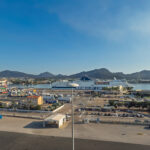
Olbia’s waterfront got a modern addition with the installation of a 36-metre Ferris wheel near the archaeological museum, offering views across the harbour and out towards the Golfo di Olbia. Its 26 enclosed cabins make it accessible year-round, whatever the weather.
It is a fun stop for families, with rides costing around €8 (£7 / $9) for adults and €5 (£4 / $5) for children, and the view from the top gives a useful overview of how the town relates to the water, the museum island and the wider Golfo di Olbia. A ride typically takes 10-15 minutes but the perspective is worth it.
The surrounding waterfront promenade is pleasant for an evening stroll, with restaurants and gelaterias overlooking the marina. Boats moored along the harbour range from small fishing vessels to the yachts that hint at the town’s proximity to the glamour of the Costa Smeralda further north.
This stretch works well as a natural end point to a day exploring the historic centre, combining easily with dinner and, in warmer months, a late gelato while watching the light fade over the water.
Parco Fausto Noce
Parco Fausto Noce is Olbia’s largest public park, a green space of pine woodland and open lawns a short walk from the historic centre. It is a genuinely useful spot for families needing to burn off energy between sightseeing or before a flight.
The park includes playgrounds, sports facilities and shaded walking paths that make it comfortable even in the height of summer. Locals use it for jogging and dog walking, and it rarely feels crowded with tourists, giving a more everyday feel of the town.
There is no entry fee, and Parco Fausto Noce is open throughout the day. It is a sensible place to pause for a picnic if you have picked up supplies from one of the shops or bakeries along Corso Umberto.
For visitors with a long layover before an evening flight, the park’s shade and open space make it a more relaxing option than sitting in the airport terminal, especially given how close Olbia’s centre sits to the runway.
Best Beaches Near Olbia
Olbia is not primarily a beach town itself, but it sits within easy reach of some genuinely excellent stretches of coastline. The closest and most popular is Pittulongu, about 8 km (5 miles) north, a 15-minute drive with several linked coves and decent facilities.
Further options range from the sheltered, family-friendly Porto Istana to the wilder, service-free coves south of town. The table below summarises distance, drive time and character for the main choices, and each is covered in its own section afterward.
| Beach | Distance from Olbia | Character |
|---|---|---|
| Pittulongu | 8 km, ~15 min drive | Main city beach, multiple coves, facilities |
| Porto Istana | 10 km, ~20 min drive | Protected marine area, views to Tavolara |
| Le Saline | ~15 min drive | Windswept, dog-friendly, popular for kite and windsurfing |
| Porto Taverna | 10 km, ~30 min drive | Equipped beach with services, flamingo lagoon behind |
| Cala Brandinchi | 25 km, ~35 min drive | Fine white sand near San Teodoro, “little Tahiti” |
| Capriccioli | 26 km, ~30 min drive | Two small coves on the Costa Smeralda |
If you are without a car, Pittulongu and Porto Istana are the most realistic options, reachable by local bus in season. The more distant beaches, including those on the Costa Smeralda, are far easier with a hire car or an organised tour.
All of these beaches get busy in July and August, so arriving early in the day secures both parking and a decent spot on the sand. Shoulder-season visits in June or September offer a quieter, arguably more enjoyable experience with warm water and thinner crowds.
Pittulongu: Olbia’s Own Beach in Five Linked Coves
Pittulongu is Olbia’s own beach, the one locals actually use themselves, an easy 8 km north of the centre. Rather than one continuous strand, it is really a string of linked coves sharing the name, running from the main Playa through Spiaggia dello Squalo, Pellicano, Mare e Rocce and Bados.
The main Playa forms a wide crescent of fine, pale sand mixed with small shell fragments, while the smaller coves further along vary from sandy to rockier stretches. The seabed shelves gently and stays shallow well offshore, making it a reliable choice for families with young children.
Tavolara’s silhouette frames the whole stretch, and the water is clear enough for casual snorkelling close to shore. The beach also draws a steady following of windsurfers and divers who use it as a base for exploring the wider gulf.
Facilities are the best of any Olbia beach: accessible walkways for visitors with mobility needs, ample parking, gear and watersports rental, and a run of bars and restaurants looking straight out at Tavolara.
It is also the easiest of the nearby beaches to reach without a car, with a local bus service running from town through the summer season.
Porto Istana: Sheltered Coves in a Marine Reserve
Porto Istana sits a little further out, around 10 km and a 20-minute drive from Olbia, and is really a sheltered bay made up of four separate coves. Fine white sand meets pink granite outcrops and Mediterranean scrub, rockrose and arbutus among them, giving the setting a wilder edge despite the family-friendly water.
The beach marks the northern edge of the Capo Coda Cavallo marine protected area, and the richer seabed here draws divers and snorkellers toward sites like the Papa Bank and the Molara wreck further offshore.
Tavolara’s near-vertical profile dominates the view across the water, arguably even more dramatically than from Pittulongu, making this one of the more photogenic beach stops near Olbia.
Facilities match Pittulongu’s: accessible access, parking, equipment rental, and nearby hotels, restaurants and bars, with a local bus connecting back to Olbia in around 20 minutes during summer.
Steady onshore winds also make it a reasonable, if secondary, spot for sailing and windsurfing when Pittulongu gets crowded.
Best for solo travellers and anyone watching the budget. Dorm beds and private rooms in the same search.
Browse hostelsBest if you have ever given up on a claim. AirHelp checks whether the flight qualifies and pursues it for you.
See the benefitsBest for a day with a suitcase and nowhere to put it. Find a storage point near where you already are.
View storageLe Saline: Gallura’s Kitesurfing Beach
Le Saline runs along Olbia’s southern coast toward Murta Maria, roughly a 15-minute drive from the centre. The sand here is coarser and paler than at Pittulongu or Porto Istana, and the water deepens more quickly offshore, worth knowing if you are watching young children.
What the beach is really known for is wind. Le Saline is one of Gallura’s established kitesurf and windsurf spots, with reliable onshore breezes that draw a dedicated crowd of instructors and regulars through the season.
A small saltwater channel, a remnant of the former salt flats that gave the beach its name, cuts in from the sea and adds a bit of scenic variety to an otherwise straightforward stretch of sand.
The left-hand side of the beach is set aside for dogs, a rarity on this stretch of coast and worth knowing if you are travelling with a pet.
Facilities include kayak rental, umbrella hire, a bar and restaurant, wheelchair access and paid parking, making it a practical rather than glamorous choice compared with the beaches further north.
Porto Taverna: Flamingos and Tavolara Views
Porto Taverna lies in the Loiri Porto San Paolo area south of Olbia, further out than it first appears on a map despite the relatively short distance, since the road winds through several small settlements on the way.
The beach itself is fine, pale sand shelving gently into blue-to-emerald water, calm and shallow enough to suit families with young children and older visitors who prefer an easy entry into the sea.
Its standout feature is the view: Tavolara rises directly offshore here, close enough to feel like part of the beach itself rather than a distant backdrop.
A small lagoon behind the beach attracts flamingos through the summer months, an unexpected bonus for anyone who wanders past the dunes at the back of the sand.
Facilities include inflatable boat and kayak rental, umbrella hire, a restaurant and bar, with paid parking close to the beach entrance.
The drive out is part of the appeal: the road winds past small vineyards and scrubby farmland rather than the built-up coast further north, so allow a little extra time and treat the journey itself as part of a relaxed day rather than a quick dash to the sand.
Because Porto Taverna sits a touch further from Olbia than beaches like Pittulongu, it tends to feel noticeably less crowded even in August, making it a good pick for visitors who want Tavolara’s dramatic backdrop without the busier facilities and parking scramble closer to town.
Cala Brandinchi: Sardinia’s ‘Little Tahiti’
Near San Teodoro, around 25 km and a 35-minute drive from Olbia, Cala Brandinchi has earned its nickname of Sardinia’s “little Tahiti” honestly: brilliant white sand meets water that shifts from turquoise to cobalt depending on the light.
The seabed stays extremely shallow for a long way out, creating a natural swimming-pool effect that makes it one of the safer beaches on this list for small children to play in.
The beach itself is a long, narrow strip running between Punta Sabbatino and Capo Coda Cavallo, directly opposite Tavolara, with the equally good but slightly wider Lu Impostu beach sitting immediately alongside it.
Behind the sand, pine groves and maintained gardens offer genuine shade, a rarity on this stretch of coast, alongside parking that stretches to accommodate campervans.
Rental options cover pedalos, canoes and small motorboats, plus beach bars for anyone happy to make a full day of it rather than a quick dip.

Capriccioli: Twin Coves on the Costa Smeralda
Capriccioli, around 26 km and a 30-minute drive north on the Costa Smeralda, is really two beaches divided by a block of pink granite: the sheltered eastern cove of La Celvia, with shallow sand ideal for families, and a livelier western side.
That western side splits again into Spiaggia del Pirata, with a wooden pier used for watersports rental, and Spiaggia delle Tartarughe, a protected stretch known for nesting sea turtles that is best left undisturbed if you spot one.
Granite boulders streaked pink and yellow-red frame the coves throughout, backed by junipers and maritime pines that give the whole area a slightly wilder feel than the manicured resorts further along the coast.
Facilities are comprehensive: accessible access, parking, an information point, restrooms, showers, and bars and restaurants, with loungers, canoes and small motorboats all available to rent.
Well-known neighbours Cala di Volpe, Liscia Ruja and Grande Pevero sit within easy reach, and boat trips run out to the small islands of Mortorio, Soffi and Camere just offshore.
Golfo Aranci: A Quieter Alternative
Golfo Aranci is a small fishing-town-turned-resort about 20 km northeast of Olbia, roughly a 30-minute drive. It has its own ferry connections to the Italian mainland and a noticeably quieter, more local atmosphere than the glossier resorts of the Costa Smeralda.
The town’s beaches include the wild, largely unserviced Cala Moresca, tucked into a rocky inlet with clear water and minimal crowds even in August. It suits travellers who prefer a low-key beach day over the see-and-be-seen scene further north.
A small promenade along the harbour has restaurants serving fresh seafood, and the town’s dolphin-watching cruises depart from here as an alternative to Olbia’s own harbour. It is an easy half-day addition if you have a car and want a change of pace.
Golfo Aranci also has a small passenger and vehicle ferry link to Livorno in summer, run alongside the main Olbia crossings, which some travellers use to avoid Olbia’s busier port during the peak weeks of July and August.
Boat Trips and Dolphin Watching from Olbia
Several operators run boat tours around the Gulf of Olbia, typically lasting around two hours with a local guide narrating the coastline’s history and pointing out wildlife along the way. These make an easy, low-effort way to see the coast from the water.
Dolphin watching cruises are also popular, departing from Olbia’s harbour or from nearby Golfo Aranci, generally running for around two hours. Sightings are never guaranteed, but the gulf’s calmer waters and resident pods give reasonably good odds outside the busiest midday hours.
For a longer day out, several companies combine a boat trip with a stop at a beach only reachable by sea, or link Olbia with excursions further along the coast towards the Costa Smeralda. Booking a day or two ahead in peak season is sensible, as popular sailings fill up.
Most tours depart from the main harbour close to the historic centre, so no separate transport is needed if you are already staying in town. Bring sun protection, as shade on smaller boats is often limited.
Private charters are also available for smaller groups wanting a customised route, typically at a higher price than the shared group tours but with the flexibility to choose swimming stops and timing. Ask locally or book through your accommodation for reputable operators.

Tavolara Island: A Boat Trip to Sardinia’s Mini ‘Kingdom’
Tavolara is a dramatic limestone island rising sharply from the sea roughly 15 km south of Olbia, easily visible from the mainland coast on a clear day. Much of it is a protected marine reserve, and only a small part is open to casual visitors.
Boats to Tavolara generally depart from Porto San Paolo, a short drive south of Olbia, with regular crossings in summer taking around 15-20 minutes. A standard one-way crossing costs roughly €18 (£16 / $20), or around €30 (£26 / $33) for a guided excursion, with reduced fares for children aged 3-8. The island’s sandbar beach and turquoise shallows are a highlight, popular for both swimming and snorkelling.
Facilities on Tavolara are limited, with a small number of beach clubs and restaurants near the main landing point, so it is worth checking what is open before travelling out of peak season. Many visitors combine the crossing with a half-day or full-day boat tour that includes swimming stops.
Tavolara is also historically curious: it briefly styled itself an independent “kingdom” in the 19th century, a quirky detail local guides enjoy sharing. Combined with the scenery, it is one of the more memorable half-day trips available from the Olbia area.
Day Trip to the La Maddalena Archipelago
The La Maddalena Archipelago, a cluster of granite islands with some of Sardinia’s most striking water, lies around an hour north of Olbia by boat, or can be reached by driving to Palau and taking the short ferry crossing from there.
Full-day excursions from Olbia typically visit several islands, including Spargi and Santa Maria, with swimming stops in the archipelago’s famously clear water. Shared group tours generally cost around €50-65 (£44-57 / $55-71) per person, roughly €40 (£35 / $44) for children, rising to €70-120 (£61-104 / $76-131) per person for smaller premium boats. The legendary Budelli, home to the fragile Pink Beach, has restricted access, but boats often pass close by.
If you would rather organise the trip independently, driving or taking a bus to Palau and picking up the regular ferry to La Maddalena town is straightforward and often cheaper than a guided excursion. Our Palau to La Maddalena Ferry guide covers operators, timings and travelling with a car.
Palau itself is worth a look too, with its own beaches and coastal viewpoints; see our guide to Things to Do in Palau if you are planning to base part of your trip further north.
Whichever route you choose, pack a light jumper even in summer, as the archipelago’s exposed waters can feel breezy compared with the sheltered Gulf of Olbia, particularly on the return leg of a full-day trip.
Exploring the Costa Smeralda from Olbia
Olbia is the main gateway to the Costa Smeralda, Sardinia’s famous “Emerald Coast”, and no visit to the area is complete without at least a half-day exploring it. The glamorous marina town of Porto Cervo sits around 30-40 minutes north of Olbia by car.
Porto Cervo‘s harbour is famous for its superyachts and designer boutiques, and even without spending a euro, wandering the marina and the pretty hilltop piazza above it is an enjoyable way to spend a couple of hours. Summer evenings bring a genuinely glitzy atmosphere.
Porto Rotondo, a little closer to Olbia at around 25-30 minutes, offers a similar mix of upmarket shopping and marina views with a slightly more relaxed feel. Both towns sit close to some of the coast’s best beaches, including Capriccioli and Liscia Ruja.
Beach clubs along Liscia Ruja and the coves near Capriccioli offer sunbed rental and light lunch service, typically around €25-40 (£22-35 / $27-44) per day for a sunbed and umbrella and rising considerably at the more exclusive clubs in peak August, a popular way to spend a full day without moving from one spot. Booking ahead in August is wise, as the best-known clubs sell out.
Without a car, reaching the Costa Smeralda takes more planning: seasonal buses run from Olbia to the main resort towns, though services are infrequent outside peak summer months. A hire car or organised tour is by far the easiest option, and our Olbia Airport Transfers guide covers car hire pickup at the airport in detail.
For a longer exploration of this coastline and beyond, our Road Trip Around Sardinia guide includes the Costa Smeralda as part of a wider island driving route worth considering if you have a full week or more.

San Pantaleo and the Gallura Hills
Tucked into the hills between Olbia and the Costa Smeralda, San Pantaleo is a small village known for its granite boulder scenery and relaxed, artsy atmosphere. It makes a pleasant contrast to the polish of the coastal resorts nearby.
The village comes alive every Thursday for its long-running market, when stalls selling local crafts, food and clothing fill the small central piazza. It draws both locals and visitors staying along the Costa Smeralda, so arriving reasonably early avoids the busiest midday crowds.
Beyond San Pantaleo, the wider Gallura region is known for its cork oak forests, vineyards producing the local Vermentino wine, and dramatic granite formations shaped by centuries of wind erosion. A drive through the area makes a scenic addition to a Costa Smeralda day trip.
Further inland, Tempio Pausania is worth a stop for its granite-built old town and cooler hillside climate, a refreshing change from the coastal heat in high summer. It sits around 45 minutes to an hour from Olbia.
Several family-run wineries near Tempio Pausania and along the road to Arzachena offer tastings of Vermentino di Gallura, Sardinia’s flagship white wine, often paired with local cheese and cured meats. Most welcome visitors without a booking outside peak lunch hours.
San Pantaleo sits on the Cugnana granite massif, its stone-built stazzu farmhouses giving the village a rougher, more rural character than the polished resorts nearby. The village briefly found fame as a filming location for the 1976 James Bond film The Spy Who Loved Me, a detail local guides enjoy pointing out.
Tempio Pausania itself is nicknamed Sardinia’s “city of stone” for its granite buildings and paved streets, including the 18th-century Palazzo Pes di Villamarina. The town also sits beside the Fonti di Rinaggiu mineral springs, recognised since Roman times, at the foot of Monte Limbara, giving it noticeably cooler air than the coast in summer.
Arzachena and the Nuragic Complex of La Prisgiona
Arzachena functions as the practical gateway town to the Costa Smeralda, with more everyday shops and services than the resort towns themselves. It sits around 25-30 minutes north of Olbia and makes a useful stop for supplies or a cheaper lunch.
Its main draw for visitors is the Nuragic Complex of La Prisgiona, one of the most substantial archaeological sites in the region. The central nuraghe tower and surrounding hut village give a real sense of scale for how these Bronze Age communities lived.
The site is well signposted and has a small visitor centre, with guided tours available in Italian and often English during summer. Entry costs around €4 (£3 / $4) for the site alone, or roughly €7 (£6 / $8) combined with the nearby Coddu Ecchju giants’ tomb, with under-12s free. Allow around an hour for a proper look, more if you enjoy archaeology.
Just 700 metres from La Prisgiona, the Coddu Ecchju giants’ tomb is worth combining with the nuraghe visit. Its central stele stands roughly 4 metres tall, the tallest of its kind in Sardinia, and the tomb is thought to have served as La Prisgiona’s burial ground for the community that lived there.
The tomb’s design evolved in two phases: an initial gallery grave built around 1800 BC, later transformed into the monumental facade seen today between roughly 1600 and 1400 BC with the addition of its semicircular forecourt.
Combining Arzachena with a stop in San Pantaleo and an afternoon on the Costa Smeralda makes for a well-rounded day trip north of Olbia, covering history, village life and coastline in a single outing.
Family-Friendly Tips for Olbia
Olbia works well for families thanks to its manageable size, calm harbour beaches and a genuine attraction in the Ferris wheel that appeals to younger children after a day of sightseeing. Nothing in the historic centre involves much walking uphill, unlike hillier towns elsewhere on the island.
Pittulongu and Porto Istana are the easiest beach choices for families, with shallow, sheltered water and enough facilities nearby to avoid packing everything from your accommodation. Both are a short, straightforward drive from the centre.
Boat trips around the Gulf of Olbia and short crossings to Tavolara tend to suit families better than the longer La Maddalena excursions, simply because the shorter journey times are kinder to younger children who tire of being on a boat.
Parco Fausto Noce, covered earlier, is a genuinely useful pressure valve for children needing to run around between more structured activities, and it costs nothing to use. Pack sun hats and reef-safe sunscreen year-round, as the Mediterranean sun is stronger than it looks even outside peak summer.
The old town’s flat, paved streets make pushing a pram straightforward, and shaded squares like Piazza Regina Margherita give a natural spot to pause for a gelato between sights.
Most restaurants in Olbia are used to family diners and will happily provide a high chair on request, and the town’s proximity to the airport means young children face a short transfer rather than a long drive at the start or end of a trip.

Which Olbia Attractions Are Right for You?
If you only have a few hours, focus on the historic centre: the basilica, the archaeological museum and a walk down Corso Umberto give a satisfying taste of Olbia without needing a car. This suits travellers with a long layover or a single overnight stop.
With a full day and a hire car, the Costa Smeralda is the obvious priority, combined with a beach stop at Capriccioli or Liscia Ruja and a wander around Porto Cervo’s marina. This is the classic “why come to this part of Sardinia” experience.
Families or anyone keen on the water should prioritise a boat trip, whether that is a short dolphin-watching cruise, a crossing to Tavolara, or a full day out to the La Maddalena Archipelago. These need more advance planning but tend to be trip highlights.
History-focused travellers with a car should build in the Nuragic sites around town and the La Prisgiona complex near Arzachena, spreading them across a morning or afternoon alongside the archaeological museum in Olbia itself.
Cruise passengers or anyone with only a few hours between a flight or ferry should stick close to the centre: the basilica, the archaeological museum and a walk down Corso Umberto fit comfortably into a half-day without needing transport.
Visiting outside summer, when boat trips and beach clubs wind down, shifts the balance toward the historic centre, the museum and a day trip inland to Arzachena or Tempio Pausania rather than the coast.
Where to Eat in Olbia
Olbia’s dining scene leans heavily on fresh seafood, unsurprising for a working port town, with restaurants along the harbour and around Corso Umberto serving everything from simple grilled catch to more elaborate tasting menus.
Look out for bottarga, cured mullet roe used to flavour pasta, and zuppa gallurese, a hearty layered bread and cheese dish from the surrounding Gallura region. Both are regional specialities worth seeking out over generic tourist menus.
For a casual lunch, the side streets off Corso Umberto hide several good-value trattorias popular with locals rather than tourists, generally offering better prices than restaurants directly on the waterfront promenade.
If you are heading up to the Costa Smeralda for the day, expect prices in Porto Cervo and Porto Rotondo to run considerably higher than in Olbia itself, so a lunch back in town can be a sensible way to balance the budget.
Pair a meal with Vermentino di Gallura, the region’s DOCG white wine, or the deeper red Cannonau if you prefer something heavier, both widely available even at casual trattorias around town.
An early evening aperitivo along the waterfront promenade near the Ferris wheel and museum is a popular way to start the evening, with small plates of local cheese and cured meats typically included with a drink.
Getting Around Olbia: Practical Tips
Olbia’s historic centre is small enough to cover entirely on foot, and most visitors will not need transport at all if they are simply staying in town. The airport itself sits remarkably close, only around 4 km from the centre, detailed further in our Olbia Airport Transfers guide.
For beaches and day trips beyond walking distance, a hire car gives the most flexibility, especially for reaching the Costa Smeralda or the more remote coves south of town. Local buses cover some routes but with limited frequency outside peak season.
If you are exploring Sardinia more widely without your own vehicle, our Getting Around Sardinia Without a Car guide covers trains, buses and ferries across the island, including how Olbia fits into that wider network.
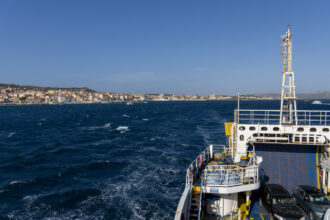
Arriving by sea rather than air is also common, with regular ferries connecting Olbia to several Italian mainland ports; see our Olbia Ferry Routes guide for operators, journey times and port practicalities.
Whatever your base, June, July and September generally offer the best balance of warm weather and manageable crowds, while August is busiest and priciest across the whole Costa Smeralda area.
Taxis are readily available at the airport, port and around Piazza Regina Margherita, though they run on a metered or pre-agreed fare rather than a fixed rate, so it’s worth confirming the price before setting off for longer journeys.
Parking in the historic centre is limited, so most visitors leave a car in one of the paid car parks near the port or waterfront and cover the old town on foot from there.
Weather and Best Time to Visit
Olbia enjoys a classic Mediterranean climate, with hot, dry summers and mild, wetter winters. Daytime temperatures in July and August regularly reach the low 30s Celsius, and sea temperatures stay comfortably warm well into October.
Spring, from April through early June, brings pleasant temperatures and wildflowers across the Gallura countryside, though the sea is still on the cool side for swimming until late May. It is an excellent time for sightseeing without the summer crowds.
Autumn, particularly September and early October, is arguably the sweet spot: warm enough for the beach, quieter than peak summer, and with lower prices on accommodation and car hire across the Costa Smeralda.
Winter is genuinely quiet, with many seasonal restaurants and boat operators closed between November and March. It suits visitors purely interested in the historic centre and museum rather than beaches or boat trips.
Average daytime highs in July and August reach around 29-30°C, with July the driest month of the year at just 8mm of rainfall on average. Winter lows in February average around 9°C, dropping close to 6°C overnight.
Rainfall is concentrated in the cooler months, with November the wettest at around 82mm, against annual totals of roughly 553mm. Sea temperatures generally stay swimmable from late May through October.
Choosing a Base Near Olbia
Basing yourself in Olbia town makes the most sense for travellers relying on public transport, ferries or an early flight, given its proximity to the airport, port and historic centre, all within a few minutes of each other.
For a beach-focused stay, the areas around Pittulongu and further north towards the Costa Smeralda offer resort hotels closer to the sand, though generally at higher prices, especially in Porto Cervo and Porto Rotondo during peak summer.
Travellers with a hire car have the most flexibility, and basing themselves inland around San Pantaleo or Arzachena can offer better value while still keeping the coast within a short drive.
Whichever base you choose, booking well ahead for July and August is essential, as the whole area, from budget guesthouses to five-star resorts, fills up quickly during the peak Italian holiday weeks.
For a first visit, staying centrally in Olbia town generally makes the most sense: it keeps the airport, port and a genuine choice of restaurants within easy walking distance, and every other option on this list, from the Costa Smeralda to the quieter southern coves, remains a manageable drive away.
Returning visitors who already know Olbia’s centre well often prefer to split a longer stay, spending the first few nights in town before relocating closer to the coast for a beach-focused second half, avoiding the need to drive back and forth each day for dinner or an evening stroll.

Rupert’s Handy Travel Tips
I’ve spent plenty of time trotting around Olbia’s harbour and the Costa Smeralda, so here’s what I’d want you to know before you go.
- Book boat trips early: Popular Tavolara and La Maddalena excursions fill up fast in July and August, so reserve a few days ahead.
- Visit the basilica in late afternoon: The granite facade of San Simplicio glows best a couple of hours before sunset.
- Hire a car for the Costa Smeralda: Public buses are infrequent, and a car lets you chase the quieter coves further from Porto Cervo.
- Pack water for Pedres Castle: There are no facilities on the hiking trail up, and it gets hot fast in summer.
Want to meet the reindeer behind our travel tips? Find out more in our page Who is Rupert?.




Frequently Asked Questions
Is Olbia worth visiting, or just a transit point?
Olbia is worth an afternoon in its own right, with a Romanesque basilica, an archaeological museum and a pleasant historic centre, quite apart from being the main gateway to the Costa Smeralda.
How far is the Costa Smeralda from Olbia?
Porto Cervo and Porto Rotondo sit roughly 25-45 minutes north of Olbia by car, depending on traffic and the exact resort town you are heading to.
Do I need a car to enjoy Olbia?
Not for the historic centre itself, but a car makes a big difference for reaching beaches, the Costa Smeralda and inland villages like San Pantaleo comfortably.
What is the best beach close to Olbia?
Pittulongu is the most convenient at around 15 minutes from the centre, though Porto Istana and the coves near San Teodoro are worth the extra drive time.
Can I visit Tavolara Island as a day trip?
Yes, boats run from Porto San Paolo, a short drive south of Olbia, with crossings typically taking 15-20 minutes in summer.
Is the La Maddalena Archipelago reachable from Olbia?
Yes, either via a full-day boat excursion from Olbia’s harbour, or by driving to Palau and taking the short ferry crossing to La Maddalena town.
When is the best time to visit Olbia?
June, July and September offer warm weather with more manageable crowds than the peak of August, when the whole Costa Smeralda area is busiest and most expensive.
Further Reading
If you are flying into or out of Olbia, our Olbia Airport Transfers guide covers buses, taxis, private transfers and car hire in detail, including the routes out to the Costa Smeralda. Arriving by sea instead, our Olbia Ferry Routes guide breaks down operators, journey times and what to expect at the port.
For travellers heading beyond the Olbia area, our Getting Around Sardinia Without a Car guide and our Road Trip Around Sardinia guide both help with planning the wider island, including how the Costa Smeralda and Gallura region fit into a longer itinerary.
If the La Maddalena Archipelago has caught your eye, our guide to Things to Do in Palau and our Palau to La Maddalena Ferry guide cover that side of the trip in full.