Reviewed by our editorial team Updated
A Journey Through the Most Beautiful Corners of Provence
This 14-day Provence road trip brings together some of southern France’s most memorable landscapes, from the turquoise waters of the Gorges du Verdon to the lavender fields of Valensole, the ochre cliffs of Roussillon and the medieval villages of the Luberon. It is designed for travellers who want to see the highlights without changing accommodation every night or spending entire days behind the wheel.
The route begins in Aix-en-Provence, within easy reach of Marseille Airport, before heading east towards Moustiers-Sainte-Marie, Lac de Sainte-Croix and the dramatic roads surrounding the Verdon Gorge. From there, it turns west through the Luberon, where hilltop villages, vineyards, markets and historic abbeys provide some of the most recognisable scenes in Provence.
The final part of the journey explores Saint-Rémy-de-Provence, Les Baux-de-Provence, Avignon, the Pont du Gard and, depending on your return flight, either Nîmes or an extended drive towards the French Riviera. The itinerary includes enough structure to ensure you see the major landmarks, but it also leaves room for relaxed lunches, village markets, wine tastings and spontaneous stops at roadside viewpoints.
Rather than attempting to rush through every destination, the road trip uses a small number of carefully chosen bases. This means less time packing, checking in and moving luggage, and more time enjoying the scenery, food and slower pace that make Provence such a rewarding region to explore.
| Stop | Distance/Time from Start | Best For | Travel By |
|---|---|---|---|
| Aix-en-Provence | 30–40 min from Marseille Airport | Elegant base city, Cours Mirabeau, Old Town | Hire car from Marseille Airport |
| Cassis & the Calanques | 45 min from Aix-en-Provence | Turquoise coves, boat cruises, coastal cliffs | Car |
| Valensole Plateau | 1 hr 30 min from Aix-en-Provence | Lavender fields (late June–mid-July) | Car |
| Moustiers-Sainte-Marie | 1 hr 45 min from Aix-en-Provence | Hilltop village, faïence pottery, gateway to the Verdon | Car |
| Gorges du Verdon & Lac de Sainte-Croix | Short drive from Moustiers-Sainte-Marie | Dramatic canyon scenery, kayaking, Route des Crêtes | Car |
| The Luberon (Gordes, Bonnieux, Lourmarin) | 2–2½ hrs from Moustiers-Sainte-Marie | Hilltop villages, markets, wine tasting | Car |
| Saint-Rémy-de-Provence | Around 1 hr from the Luberon | Van Gogh trail, Glanum ruins, Les Baux | Car |
| Pont du Gard & Avignon | 40 min + 35 min from Saint-Rémy | Roman aqueduct, Palais des Papes | Car |
| Nîmes / French Riviera extension | 45 min (Nîmes) from Avignon, or extended drive to Nice | Roman monuments, or Riviera villages en route to Nice | Car |
Provence Road Trip at a Glance
The complete itinerary covers approximately 800 to 1,000 kilometres, depending on whether you return to Marseille Airport or continue east towards Nice. Although that may sound like a considerable distance, the driving is spread across two weeks and most individual journeys take less than two hours.
The recommended route begins with three nights in Aix-en-Provence, followed by two nights in Moustiers-Sainte-Marie. The heart of the trip is a five-night stay in the Luberon, ideally around Gordes, Bonnieux or one of the surrounding villages. You then spend two nights in Saint-Rémy-de-Provence and finish with two nights in Avignon, unless you choose the optional French Riviera extension.
This arrangement creates five practical bases:
Aix-en-Provence for the city, Cassis, the Calanques and Valensole.
Moustiers-Sainte-Marie for the Verdon Gorge and Lac de Sainte-Croix.
The Luberon for Gordes, Roussillon, Bonnieux, Lacoste, Lourmarin and the surrounding villages.
Saint-Rémy-de-Provence for Glanum, Les Baux-de-Provence and the Alpilles.
Avignon for the Pont du Gard, Nîmes and the final journey towards the airport.
The longest driving day is likely to be the optional journey towards Nice, particularly if you stop at Grasse, Saint-Paul-de-Vence and Èze along the way. Every other section of the route is deliberately compact, allowing plenty of time for sightseeing without turning the holiday into a continuous road journey.
Best for two or three nights. The widest choice of rooms, with filters for free cancellation and included breakfast.
View staysBest for groups who want one address and separate bedrooms rather than three hotel rooms.
See holiday homesBest if you have already picked a hotel. Checks the big booking sites for the same room and shows who is cheapest.
Check dealsWhen to Take a Provence Road Trip
The best time for this itinerary depends on what you most want to experience. Late spring and early autumn generally provide the best balance of pleasant weather, manageable crowds and comfortable driving conditions. May, June, September and early October are particularly good choices, with warm days, cooler evenings and quieter roads than during the busiest summer period.
Travellers hoping to see the famous lavender fields of Valensole should normally plan their visit between late June and mid-July. The exact flowering period varies according to weather conditions, altitude and the individual field, but the first half of July usually provides the most reliable display. Harvesting often begins during the middle or later part of July, so waiting until August may be too late for the classic purple landscapes.
July and August bring long, sunny days and a lively atmosphere throughout Provence, but they are also the busiest and hottest months. Accommodation prices rise, car parks fill early and roads around places such as Gordes, Roussillon, Cassis and the Gorges du Verdon can become heavily congested. If travelling during this period, begin sightseeing early in the morning and reserve hotels, boat trips and major attractions well in advance.
Spring brings wildflowers, green landscapes and comfortable walking temperatures, while autumn is ideal for vineyards, markets and relaxed village exploration. Winter offers much quieter streets and lower prices, but some seasonal attractions, restaurants and boat services may be closed, and the mountain areas around Verdon can feel considerably colder than the coast.
Choosing Between Marseille and Nice Airports
For most versions of this road trip, Marseille Provence Airport is the best place to begin. It is close to Aix-en-Provence, provides straightforward access to the regional motorway network and avoids the need to drive through central Marseille. All the major car hire companies have desks on site, listed on the Marseille Provence Airport website. After collecting your hire car, the journey to Aix normally takes around 30 to 40 minutes, depending on traffic.
The simplest option is to book return flights to Marseille. After finishing in Avignon, Saint-Rémy-de-Provence or Nîmes, you can drive back to the airport in approximately one to one and a half hours. This usually provides the widest choice of flights and avoids the possible one-way fee charged by some car hire companies.
An open-jaw itinerary, flying into Marseille and home from Nice Côte d’Azur Airport, creates a more adventurous route. After visiting Avignon and the western part of Provence, you can continue east through Grasse, Gourdon, Tourrettes-sur-Loup, Saint-Paul-de-Vence and Èze before finishing in Nice. This adds several outstanding Riviera destinations but also increases the total driving distance and requires a one-way car rental.
Flying into Nice and travelling west towards Marseille works equally well in reverse, especially if flights are cheaper or more convenient. You would begin with the Riviera, continue towards the Verdon Gorge and Valensole, then move through the Luberon and finish around Avignon or Marseille.
For the most relaxed 14-day itinerary, use Marseille Airport in both directions. For the widest variety of landscapes and destinations, fly into Marseille and out of Nice, accepting the additional driving and possible car hire surcharge.
Hiring a Car in Provence
A hire car is essential for getting the most out of this road trip. While larger towns such as Aix-en-Provence, Avignon and Marseille are well served by public transport, many of Provence’s most spectacular villages, viewpoints and natural attractions are either difficult or impossible to reach efficiently without your own vehicle.
Collecting your car directly from Marseille Provence Airport is the easiest option. Most major international and French rental companies operate from the airport, and the motorway network begins only a short drive from the terminal. This allows you to avoid city traffic and begin your journey towards Aix-en-Provence almost immediately.
If you’re planning an open-jaw itinerary, arriving in Marseille and departing from Nice, remember to compare the cost of one-way rentals. While many companies offer this option, an additional one-way fee is sometimes charged. Booking several months in advance often results in significantly lower prices, particularly during the busy summer season.
A compact or mid-sized car is usually the best choice. Many of Provence’s medieval villages were built centuries before cars existed, meaning streets can be narrow and parking spaces limited. Smaller vehicles are far easier to manoeuvre through places such as Gordes, Bonnieux, Lacoste and Roussillon, while still providing plenty of luggage space for two people.
Before setting off, check whether your accommodation includes private parking. Many historic hotels are located within pedestrian areas or old town centres where parking is restricted. It’s also worth confirming whether your rental includes unlimited mileage, roadside assistance and suitable insurance cover, particularly if you plan to continue into neighbouring regions.
Throughout this itinerary, you’ll mainly be driving on well-maintained motorways and quiet departmental roads. Some of the most memorable drives, including the Route des Crêtes through the Gorges du Verdon and the winding roads between the hilltop villages of the Luberon, require more care but reward you with some of the finest scenery in France.

Plan Your your destination Car Hire
If a road trip or several day trips are part of your visit to your destination, arranging car hire before arrival can make planning much simpler.
Use Discover Cars and EconomyBookings to compare available vehicles, suppliers and booking conditions for your travel dates.

Where to Stay Throughout the Road Trip
One of the biggest mistakes visitors make when touring Provence is changing hotels almost every night. Although the region contains dozens of beautiful villages, constantly packing, checking out and driving to new accommodation quickly becomes tiring and reduces the amount of time available for sightseeing.
Instead, this itinerary uses five carefully chosen bases, allowing you to explore each area thoroughly before moving on.
Your first base is Aix-en-Provence, where three nights provide plenty of time to explore the city itself while making easy excursions to Cassis, the Calanques National Park and the Valensole Plateau. Aix also offers an excellent choice of hotels, restaurants and secure parking.
Next comes Moustiers-Sainte-Marie for two nights. Staying here allows you to experience the village during the quieter evening hours after many day visitors have left, while also giving you a full day to explore the Gorges du Verdon and Lac de Sainte-Croix without rushing.
The longest stay should be in the Luberon, ideally based in or close to Gordes, Bonnieux or Lourmarin. Spending five nights here gives you time to explore numerous hilltop villages, browse local markets, visit vineyards, enjoy long Provençal lunches and discover attractions such as Sénanque Abbey, Fontaine-de-Vaucluse and the Colorado Provençal at a relaxed pace.
Your fourth base is Saint-Rémy-de-Provence, where two nights allow enough time to explore the historic centre, visit Glanum and discover nearby Les Baux-de-Provence and Carrières des Lumières.
Finally, spend your last two nights in Avignon. From here, it’s easy to visit the Pont du Gard, explore the Palais des Papes, walk across the famous Pont d’Avignon and, if time allows, make an excursion to Nîmes before returning to Marseille Airport. Travellers choosing the French Riviera extension can instead replace these final nights with accommodation around Nice, allowing time to explore Grasse, Saint-Paul-de-Vence and Èze before flying home.
Using these five bases creates a relaxed pace, keeps daily driving manageable and ensures you spend far more time enjoying Provence than packing and unpacking suitcases.
Discover Elegant Aix-en-Provence (Day 1)
After arriving at Marseille Provence Airport, collecting your hire car and making the short drive to Aix-en-Provence, your Provence adventure begins in one of southern France’s most elegant cities.
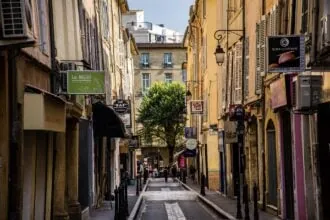
Rather than trying to fit too much into your arrival day, spend your first afternoon getting to know Aix at a relaxed pace. Begin along the famous Cours Mirabeau, the city’s grand tree-lined boulevard, where historic mansions, lively cafés and bubbling fountains immediately introduce you to the atmosphere that makes Aix so appealing.
From there, wander into the compact Old Town, where narrow streets reveal bustling squares, artisan shops, traditional markets and countless opportunities to stop for coffee or an early glass of local rosé. The beautiful Place de l’Hôtel de Ville, with its elegant town hall and surrounding cafés, is one of the city’s most attractive gathering places.
If time allows, visit Saint-Sauveur Cathedral, a fascinating building that combines Romanesque, Gothic and Baroque architecture, reflecting more than a thousand years of history. Nearby, the charming streets around the cathedral are filled with boutiques selling Provençal products, soaps, lavender and local delicacies.
As evening arrives, settle into one of Aix’s many excellent restaurants and enjoy your first taste of Provençal cuisine. There’s no better introduction to the region than dining beneath the plane trees of Cours Mirabeau, watching the city come alive as locals and visitors fill the terraces. After a long day of travelling, it’s the perfect start to what promises to be an unforgettable road trip.
Explore Cassis and the Calanques (Day 2)
Your second day introduces you to one of the most spectacular stretches of coastline in southern France. Just 45 minutes’ drive from Aix-en-Provence, the colourful fishing port of Cassis combines waterfront cafés, turquoise seas and dramatic limestone cliffs, making it one of Provence’s most popular destinations.
Aim to arrive early, particularly between June and September, when the town’s car parks fill quickly. Several public car parks are located on the edge of the centre, from where it’s a pleasant walk down to the harbour.
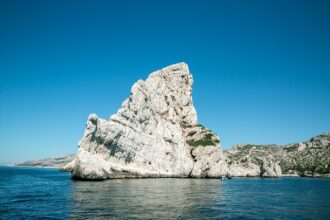
Spend the morning exploring the picturesque waterfront before boarding a boat cruise into the Calanques National Park. These cruises are the highlight of any visit, taking you past towering white limestone cliffs, hidden coves and crystal-clear water that rivals anywhere in the Mediterranean. Depending on the operator, you can choose cruises visiting three, five, eight or even nine calanques, with longer trips providing access to more of the national park’s dramatic coastline.
After your cruise, enjoy lunch overlooking the harbour. Fresh seafood is naturally the speciality, although there are plenty of traditional Provençal restaurants and cafés to choose from.
During the afternoon, either relax in Cassis itself or drive up to Cap Canaille, one of the highest sea cliffs in Europe. The viewpoints along the Route des Crêtes offer breathtaking panoramic views across Cassis, the Mediterranean and the rugged coastline stretching towards Marseille.
Return to Aix-en-Provence during the early evening, allowing time for another relaxed dinner in the city.
Best for finding routes the airlines do not sell as a single ticket. Combines carriers to bring the fare down.
Search flightsBest if you want maps and messaging working the moment you switch your phone on.
See eSIM plansBest when public transport has stopped, or when you are travelling with children and bags.
Book a transferExperience the Valensole Lavender Plateau (Day 3)
Today takes you into the heart of one of Provence’s most iconic landscapes. The Valensole Plateau is famous throughout the world for its endless fields of lavender, creating an unforgettable display of purple stretching towards the horizon during early summer.
Leave Aix-en-Provence after breakfast and drive approximately 1 hour 30 minutes to the plateau. The roads themselves are part of the experience, winding through open countryside before suddenly revealing the famous lavender fields that have become synonymous with Provence.
If you’re visiting between late June and mid-July, you’ll find many of the fields in full bloom. Depending on the season, you’ll also pass fields of vibrant sunflowers, creating spectacular contrasts against the lavender and surrounding hills. Please remember that these are working farms, so admire the fields from designated areas and avoid walking through the crops.
Spend the morning exploring the quieter country roads around Valensole village, where some of the region’s most photogenic fields can be found. Several lavender farms and distilleries welcome visitors, offering demonstrations of the distillation process alongside shops selling essential oils, soaps, honey and other locally produced goods.
Enjoy lunch in Valensole, a traditional Provençal village with attractive squares and cafés, before continuing to explore more of the surrounding countryside during the afternoon. There’s no need to rush today. One of the joys of the plateau is simply stopping whenever another beautiful view appears.
Later in the afternoon, return to Aix-en-Provence for your final evening before beginning the next stage of your road trip.
Discover Moustiers-Sainte-Marie (Day 4)
After breakfast, check out of your hotel and begin the scenic drive towards Moustiers-Sainte-Marie, one of Les Plus Beaux Villages de France. The journey takes around 1 hour 45 minutes, passing rolling countryside and offering increasingly dramatic views as you approach the foothills surrounding the Gorges du Verdon.
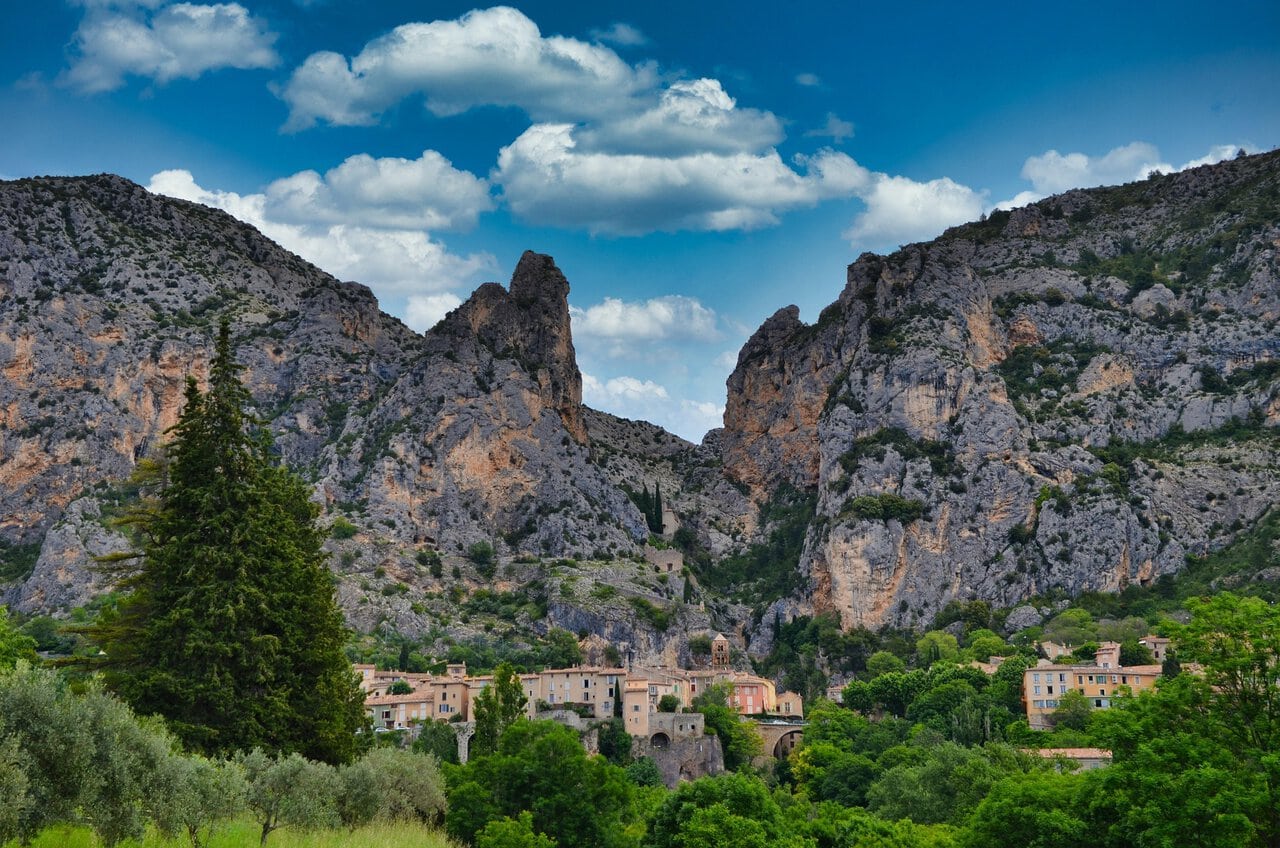
Perched beneath towering limestone cliffs, Moustiers is immediately recognisable by the golden star suspended high above the village between two rocky peaks. According to local legend, the star commemorates the safe return of a knight from the Crusades, although several different stories surround its origins.
After checking into your accommodation, spend the afternoon exploring the village’s steep, winding streets. Moustiers has long been famous for producing beautiful faïence pottery, and you’ll find numerous workshops and galleries where local artisans continue this centuries-old tradition.
One of the highlights of the afternoon is climbing the stone path to the Chapel of Notre-Dame de Beauvoir, which overlooks the village. The climb takes around 20 to 30 minutes, but the panoramic views across Moustiers, the surrounding countryside and the distant mountains make the effort worthwhile.
As evening falls, the village becomes noticeably quieter after many day visitors depart. This is one of the main advantages of staying overnight. Enjoy dinner in one of the village restaurants before taking a final stroll through the beautifully illuminated streets, ready for tomorrow’s exploration of the Gorges du Verdon.
Drive the Gorges du Verdon and Visit Lac de Sainte-Croix (Day 5)
Today is the highlight of the road trip and one of the most spectacular drives anywhere in Europe. The Gorges du Verdon is often described as the Grand Canyon of Europe, with towering limestone cliffs dropping hundreds of metres into the striking turquoise waters of the Verdon River below.
Leave Moustiers-Sainte-Marie after breakfast and begin by driving the short distance to Lac de Sainte-Croix. This beautiful artificial lake marks the western entrance to the gorge and is famous for its vivid blue-green water. Arriving early gives you the best chance of finding parking close to the waterfront before the crowds arrive.
Spend the morning enjoying the lake. One of the most popular activities is hiring a kayak, canoe or pedalo and paddling into the mouth of the gorge itself. Floating between the sheer cliffs is an unforgettable experience and allows you to appreciate the scale of the canyon from water level. If you prefer to stay on land, the lakeside beaches provide an excellent place for a swim or simply relaxing beside the water.
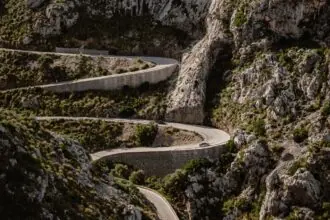
After lunch, begin driving the famous Route des Crêtes, regarded as one of France’s finest scenic roads. This 24-kilometre loop begins just outside La Palud-sur-Verdon and follows the northern rim of the gorge, passing a series of spectacular viewpoints where you can safely stop and admire the dramatic landscape. Drive it clockwise, as the stretch between Jas d’Aire and La Maline is one-way, and note that this section closes each year from the fourth Friday in November to the fourth Friday in March. Highlights include Belvédère de la Carelle, Belvédère de Trescaïre, Belvédère de l’Escalès and several other panoramic overlooks offering breathtaking views deep into the canyon. The Balcons de la Mescla, often listed alongside these, are not on the Route des Crêtes at all: they sit on the opposite southern rim, along the Corniche Sublime.
Keep an eye out for the region’s impressive wildlife. Griffon vultures are frequently seen soaring above the cliffs, while the surrounding countryside is home to wild goats, eagles and a variety of alpine plants.
During the afternoon, continue to the attractive mountain town of Castellane. Dominated by its enormous limestone rock and the Chapelle Notre-Dame du Roc, Castellane is an ideal place to stop for coffee or an early evening stroll before returning to Moustiers-Sainte-Marie. If you have the energy, the walk up to the chapel rewards you with magnificent views across the town and surrounding mountains.
After a full day exploring one of France’s greatest natural wonders, return to Moustiers for your final evening before continuing west towards the villages of the Luberon.

Explore Saignon and Arrive in the Luberon (Day 6)
After checking out of Moustiers-Sainte-Marie, begin the scenic drive west towards the Luberon, one of Provence’s most celebrated regions. The journey takes around 2 to 2½ hours, depending on your chosen route, but there is no need to hurry. Today’s drive introduces you to quieter roads, rolling vineyards, olive groves and the beautiful hilltop villages that define inland Provence.
Your first destination is the charming village of Saignon, one of the Luberon’s lesser-known treasures. While many visitors head straight for Gordes or Roussillon, Saignon remains wonderfully peaceful and rewards those looking for a more authentic Provençal atmosphere.
Park outside the village and spend time wandering its narrow lanes, shaded squares and stone archways before climbing to the Rocher de Bellevue. This rocky viewpoint sits above the village and offers sweeping views across the Luberon Valley, stretching towards the surrounding vineyards and distant mountains.
After lunch in one of the village cafés, continue to your accommodation in the Luberon, ideally based around Gordes, Bonnieux or Lourmarin. Staying here for the next five nights means you can explore the surrounding villages without constantly packing and unpacking.
Once you’ve checked in, spend the remainder of the afternoon relaxing at your hotel, perhaps enjoying the pool or simply soaking up the Provençal countryside. If time allows, take a short drive to a nearby viewpoint to watch the sun begin to set across the vineyards and stone villages.
The next few days are deliberately slower paced. Rather than covering long distances, you’ll explore some of the most beautiful villages in France, with plenty of opportunities to stop whenever a market, winery or scenic viewpoint catches your eye.
Visit Gordes, Sénanque Abbey, Fontaine-de-Vaucluse and L’Isle-sur-la-Sorgue (Day 7)
Today combines four of the most iconic destinations in Provence, taking you from one of France’s most photographed villages to a peaceful abbey surrounded by lavender, a crystal-clear natural spring and one of the region’s prettiest market towns.
Begin your morning in Gordes, ideally arriving before 9:00 am. This spectacular hilltop village is one of Les Plus Beaux Villages de France and becomes extremely busy later in the day, so an early start allows you to enjoy its narrow cobbled streets before the crowds arrive.
Spend time wandering the village, exploring its stone houses, artisan shops and cafés before making your way to Gordes Castle, which dominates the centre of the village. Don’t miss the famous viewpoint on the approach road into Gordes, where you’ll find one of the most photographed panoramas in Provence.
From Gordes it’s only a short drive to Abbaye Notre-Dame de Sénanque, one of the region’s most recognisable landmarks. Founded in 1148, this beautifully preserved Cistercian abbey is still home to a small community of monks today. During late June and early July, the surrounding lavender fields create one of the most famous views in France, although the abbey is impressive throughout the year. Guided tours allow visitors to explore parts of the monastery while learning about its remarkable history.
Continue to Fontaine-de-Vaucluse, a picturesque riverside village built around one of the largest natural springs in Europe. Follow the pleasant riverside path towards the famous spring, where crystal-clear water emerges from the base of towering limestone cliffs. Although the exact source lies deep underground and remains one of France’s great geological mysteries, the vivid turquoise water alone makes the walk worthwhile.
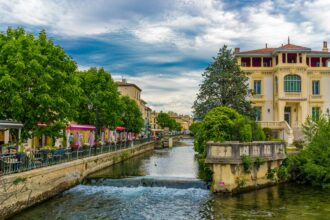
After lunch beside the river, complete the day in L’Isle-sur-la-Sorgue, often called the Venice of Provence because of the canals flowing through its historic centre. The town is internationally renowned for its antique shops and brocantes, with hundreds of dealers selling everything from antique furniture to vintage books, artwork and decorative treasures. Even if you aren’t planning to buy anything, strolling beside the canals and watching the old waterwheels turn gently in the river is one of the great pleasures of visiting Provence.
Return to your accommodation in the Luberon during the early evening after one of the most varied and memorable days of the entire road trip.
Discover Roussillon and the Colorado Provençal (Day 8)
Today’s route showcases a completely different side of Provence. Instead of vineyards and stone villages, you’ll discover landscapes coloured in brilliant shades of red, orange and gold, created by some of Europe’s richest natural ochre deposits.
Begin the morning in Roussillon, another member of Les Plus Beaux Villages de France. Perched on a ridge overlooking the Luberon, the village immediately stands out thanks to its extraordinary buildings, many of which have been constructed or painted using locally quarried ochre pigments.
Take time to wander through the colourful streets before following the Sentier des Ocres, a walking trail that winds through dramatic ochre cliffs, pinnacles and woodland. Depending on which route you choose, the walk takes between 30 and 60 minutes, with every corner revealing another remarkable combination of colours.
After lunch, continue to the Colorado Provençal near Rustrel, approximately 25 minutes away by car. Although less famous than Roussillon, many visitors consider it even more spectacular. Former ochre quarries have created an extraordinary landscape resembling the deserts of the American Southwest, with towering rock formations, colourful cliffs and winding walking trails stretching across the valley.
Several marked routes allow you to explore the area, ranging from easy walks to longer circuits lasting two hours or more. Whichever route you choose, wear comfortable shoes, carry plenty of water and be prepared for some of the most unusual scenery anywhere in France.
As you drive back through the Luberon during the late afternoon, you’ll pass vineyards, lavender fields and olive groves that provide a striking contrast to the vivid colours of the day’s earlier landscapes.
Best for solo travellers and anyone watching the budget. Dorm beds and private rooms in the same search.
Browse hostelsBest for anyone flying more than once or twice a year. Handles the compensation claim so you are not chasing the airline.
See AirHelp+Best if your room is not ready yet. Left luggage booked in advance, so you are not hunting for a locker.
Check storageExplore Bonnieux, Lacoste, Ménerbes, Oppède-le-Vieux and Lourmarin (Day 9)
Today is dedicated to discovering the timeless villages that have made the Luberon famous around the world. Although each village has its own distinct character, they’re all connected by quiet country roads that make driving through this part of Provence one of the highlights of the entire itinerary.
Begin in Bonnieux, a beautiful hilltop village where steep stone streets climb towards the historic church at the summit. Along the way you’ll pass attractive cafés, galleries and boutiques, while the higher viewpoints offer magnificent panoramas across vineyards and the surrounding countryside.
Just a few minutes away lies Lacoste, best known for the impressive ruins of the Marquis de Sade’s castle. Today the village combines centuries of history with contemporary art thanks to the presence of the Savannah College of Art and Design, whose students have helped breathe new life into many of the historic buildings.
Continue to Ménerbes, another of France’s most beautiful villages. Surrounded by vineyards and olive groves, it became internationally famous through Peter Mayle’s book A Year in Provence. Wander the quiet streets, admire the stone houses and enjoy lunch overlooking the valley before continuing your journey.
During the afternoon, visit Oppède-le-Vieux, one of the Luberon’s hidden gems. Unlike some of the better-known villages, it remains remarkably peaceful, with narrow lanes leading to the atmospheric ruins of its medieval castle and church.
Finish your day in Lourmarin, perhaps the liveliest village in the region. Its elegant streets are filled with cafés, restaurants, independent shops and galleries, making it the perfect place to enjoy a leisurely dinner before returning to your accommodation. If time allows, visit the beautiful Château de Lourmarin, regarded as one of the finest Renaissance châteaux in Provence.
Enjoy a Relaxed Day in the Heart of the Luberon (Day 10)
After several busy days exploring villages and scenic drives, today gives you the opportunity to slow down and experience Provence at its own pace. One of the greatest pleasures of staying in the Luberon is that you don’t always need a fixed itinerary. Some of the most memorable moments come from lingering over lunch, browsing local markets or discovering an unexpected village that wasn’t in the guidebook.
If your visit coincides with one of the region’s famous weekly markets, make that your first stop. Markets rotate between villages throughout the week, with places such as Lourmarin, Gordes, L’Isle-sur-la-Sorgue, Apt and Bonnieux hosting excellent markets selling fresh produce, cheeses, olives, lavender products, ceramics, Provençal fabrics and handmade gifts. Arriving early gives you the best choice before the crowds build.
The remainder of the day is perfect for following the quieter roads that wind through vineyards, cherry orchards and olive groves. Stop whenever a viewpoint catches your eye, visit a family-run winery to sample local Rosé, Côtes du Luberon or Ventoux wines, or simply enjoy coffee in a village square while watching everyday life unfold around you.
If you enjoy walking, several short trails begin close to Gordes, Bonnieux and Lourmarin, providing wonderful views across the valley without requiring a full day’s hike. Alternatively, spend a few hours relaxing beside your hotel pool before heading out for another leisurely evening meal.
This slower day also provides flexibility. If poor weather affected one of your earlier excursions, or you discovered somewhere you’d like to revisit, today allows you to adjust your itinerary without feeling rushed. It’s a welcome pause before continuing towards the Alpilles tomorrow.
Explore Saint-Rémy-de-Provence and Glanum (Day 11)
Leave the Luberon after breakfast and enjoy the scenic drive of approximately 1 hour to Saint-Rémy-de-Provence, one of the most elegant towns in southern France. Surrounded by olive groves and the limestone hills of the Alpilles, Saint-Rémy combines Roman history, Provençal charm and a fascinating connection with one of the world’s greatest artists.
Begin by exploring the historic centre. Attractive squares, shaded boulevards, independent boutiques and inviting cafés make Saint-Rémy one of the most pleasant towns in Provence for a relaxed morning stroll. The colourful weekly market, if your visit coincides with market day, is regarded as one of the best in the region.
The town is closely associated with Vincent van Gogh, who spent a year here after admitting himself to the nearby Saint-Paul de Mausole asylum in 1889. During his stay he created around 150 paintings, including several of his most famous works. Today you can follow the Van Gogh Walking Trail, where reproductions of his paintings have been placed at the exact locations where they were created, allowing you to compare the modern landscape with his masterpieces.
In the afternoon, visit the remarkable archaeological site of Glanum, located just outside the town. Founded by the Celts and later expanded by the Romans, Glanum preserves impressive streets, temples, baths, fountains and public buildings that provide a fascinating insight into life in Roman Provence. Just outside the entrance stand two of the site’s most recognisable monuments, the beautifully preserved Roman Mausoleum and the Arch of Glanum, both of which have survived for almost 2,000 years.
Spend the evening enjoying dinner in Saint-Rémy before settling into your accommodation. Tomorrow brings another of Provence’s most spectacular hilltop villages.

Visit Les Baux-de-Provence and Carrières des Lumières (Day 12)
Few villages capture the imagination quite like Les Baux-de-Provence. Dramatically perched on a rocky outcrop high above the Alpilles, this fortified village offers magnificent views, fascinating history and one of the most unique art experiences in France.
Arrive early to enjoy the village before the busiest crowds. Wander through the narrow stone streets, browse artisan shops and climb towards the impressive Château des Baux, whose ruined fortress dominates the surrounding landscape. Interactive displays and reconstructed siege engines help bring the castle’s turbulent medieval history to life, while the panoramic views stretch across olive groves, vineyards and the plains of Provence.
After exploring the village, make the short drive to the nearby Carrières des Lumières. Housed inside a vast former limestone quarry, this extraordinary attraction projects the works of famous artists across towering quarry walls, accompanied by immersive music and light. The exhibitions change regularly, but whether the focus is Van Gogh, Monet, Picasso, Dalí or another renowned artist, the experience is unlike any conventional art gallery.
Allow plenty of time for both attractions, as together they comfortably fill most of the day. Before returning to Saint-Rémy, consider stopping at one of the local olive estates, where many producers offer tastings of award-winning extra virgin olive oils made from olives grown in the Alpilles.
Finish your day with dinner back in Saint-Rémy, reflecting on another unforgettable day in one of Provence’s most beautiful regions.
Discover Pont du Gard and Historic Avignon (Day 13)
Today combines one of the greatest engineering achievements of the Roman Empire with one of the most important historic cities in France. Leaving Saint-Rémy-de-Provence after breakfast, it’s around a 40-minute drive to the magnificent Pont du Gard, one of the country’s most impressive UNESCO World Heritage Sites.
Built during the first century AD, the Pont du Gard carried water more than 50 kilometres from Uzès to the Roman city of Nîmes. Standing almost 50 metres high, it is the tallest surviving Roman aqueduct anywhere in the world and remains an extraordinary testament to Roman engineering.
Allow several hours to explore the site. Walking across the bridge itself provides an appreciation of its immense scale, while the surrounding walking trails offer excellent viewpoints from both sides of the River Gardon. The excellent visitor centre explains how the aqueduct was constructed and the crucial role it played in supplying water to Roman Nîmes. During warmer months, many visitors also enjoy swimming or relaxing on the riverbank beneath the arches.
After lunch, continue approximately 35 minutes to Avignon, one of Provence’s most famous cities and your final overnight base of the road trip.
Begin your exploration at the magnificent Palais des Papes, the largest Gothic palace in Europe. During the fourteenth century, Avignon briefly became the centre of the Catholic Church when a succession of popes chose to rule from here rather than Rome. Today, visitors can explore its vast ceremonial halls, chapels, private apartments and defensive towers while learning about one of the most remarkable chapters in European history.
From the palace, stroll through the atmospheric streets of the old town before visiting the world-famous Pont Saint-Bénézet, better known as the Pont d’Avignon. Although only four of its original twenty-two arches remain, the bridge is recognised around the world thanks to the traditional French song Sur le Pont d’Avignon.
Spend the remainder of the afternoon exploring Avignon’s elegant squares, boutique-lined streets and city walls before enjoying your final evening in Provence at one of the many excellent restaurants within the historic centre.
Explore Nîmes or Continue to the French Riviera (Day 14)
Your final day offers two excellent options depending on your return flight and how much time you have available.
If you’re returning from Marseille Airport, head first to Nîmes, located around 45 minutes from Avignon. Often described as the most Roman city outside Italy, Nîmes is home to some of the finest Roman monuments anywhere in Europe.
Begin at the spectacular Arena of Nîmes, one of the best-preserved Roman amphitheatres in existence. Built around 70 AD, it once held more than 20,000 spectators and today still hosts concerts, festivals and cultural events. Walking through the ancient seating areas provides a remarkable insight into Roman entertainment nearly two thousand years ago.
A short walk away stands the magnificent Maison Carrée, an exceptionally well-preserved Roman temple that has stood at the heart of the city for almost two millennia. Nearby, the beautifully landscaped Jardins de la Fontaine provide a peaceful place for a final stroll, while the Tour Magne offers panoramic views across the city for those willing to make the short climb.
After exploring Nîmes, allow approximately 1 hour 20 minutes to drive back to Marseille Provence Airport, returning your hire car before checking in for your flight home.
If you’ve chosen the Marseille to Nice open-jaw itinerary, today’s route becomes an unforgettable drive along the edge of Provence towards the French Riviera. Travel first to Grasse, the world’s perfume capital, where historic perfumeries offer fascinating guided tours. Continue to the medieval village of Gourdon, dramatically perched high above the surrounding countryside, before visiting the artists’ favourite Saint-Paul-de-Vence, renowned for its galleries, cafés and beautifully preserved stone streets.
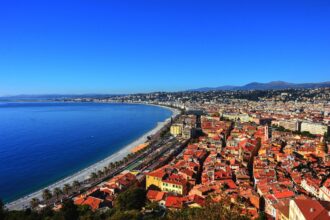
Finish the journey in Èze, one of the Riviera’s most spectacular hilltop villages. Perched high above the Mediterranean, its exotic gardens and panoramic viewpoints provide a fitting finale to two unforgettable weeks exploring southern France. From here, it’s only a short drive to Nice Côte d’Azur Airport, where your Provence road trip comes to an end.

Optional Extensions to Your Provence Road Trip
If you have a few extra days available, Provence offers plenty of opportunities to extend your journey. Whether you’re interested in spectacular scenery, Roman history, the Mediterranean coast or charming hilltop villages, these additions fit naturally into the itinerary without requiring major changes.
One of the best extensions is the French Riviera, particularly if you’re flying home from Nice. From Avignon, follow the scenic route through Grasse, famous for its centuries-old perfume industry, before continuing to the medieval villages of Gourdon, Tourrettes-sur-Loup and Saint-Paul-de-Vence. Finish with a night or two in Nice, or climb to Èze for breathtaking views across the Mediterranean before flying home.
Nature lovers may prefer adding a visit to the Camargue Regional Nature Park. Located south of Arles, this remarkable landscape of wetlands, lagoons and salt marshes is famous for its wild white horses, black bulls and thousands of pink flamingos. The fortified town of Aigues-Mortes, surrounded by perfectly preserved medieval walls, also makes an excellent stop in this area.
If Roman history fascinates you, consider spending an extra day in Arles. Its magnificent Roman Amphitheatre, ancient theatre, cryptoporticus and beautifully preserved streets have earned the city UNESCO World Heritage status. Arles is also closely linked to Vincent van Gogh, who painted many of his best-known works while living here.
Those looking for a slower pace could simply spend another day in the Luberon. Visit quieter villages such as Ansouis, Cucuron or Venasque, browse another Provençal market or enjoy a leisurely vineyard lunch surrounded by olive groves and lavender fields.
Whatever extension you choose, the greatest strength of this itinerary is its flexibility. It can easily be adapted into a 10-day, 14-day or even three-week holiday without ever feeling rushed.
Budgeting for Your Provence Road Trip
Provence caters for almost every budget, although careful planning can significantly reduce costs, particularly during the busy summer months.
Car hire will usually be one of your biggest expenses. Prices vary considerably depending on the season, vehicle size and booking date, so reserving well in advance is highly recommended. Fuel costs should also be factored into your budget, particularly if you’re following the optional French Riviera extension.
Accommodation ranges from simple guesthouses and family-run hotels to luxury country estates with swimming pools and spa facilities. Staying in a handful of carefully chosen bases, rather than changing hotels every night, often results in better value and a far more relaxing experience.
Food can also suit a wide range of budgets. A morning coffee and pastry from a local bakery costs very little, while village markets provide an excellent opportunity to assemble affordable picnic lunches using fresh bread, cheeses, olives and seasonal fruit. In the evenings, traditional bistros and Provençal restaurants offer excellent regional cuisine, although waterfront locations and Michelin-starred restaurants naturally command higher prices.
Many of the itinerary’s highlights, including Gordes, Roussillon, Bonnieux, Lourmarin, Saignon and much of the Verdon Gorge, can be enjoyed free of charge. Admission fees mainly apply to attractions such as Carrières des Lumières, Palais des Papes, Pont du Gard, Sénanque Abbey, museums and boat cruises.
Travelling during May, June, September or October often provides the best balance of pleasant weather, lower accommodation costs and quieter attractions, making these months particularly good value.
Driving Tips for Provence
Driving is undoubtedly the best way to explore Provence, but a few simple tips will make your journey considerably more enjoyable.
Many of the region’s most beautiful villages were built centuries before the arrival of the motor car. Streets are often extremely narrow, while historic centres are frequently pedestrianised. Rather than attempting to drive into the villages themselves, use the clearly signposted public car parks on the outskirts and enjoy walking the remaining distance.
During July and August, popular destinations such as Gordes, Roussillon, Moustiers-Sainte-Marie and Cassis become extremely busy. Arriving before 9:00 am not only makes parking much easier but also allows you to experience these villages before the largest crowds arrive.
Motorways throughout southern France are generally excellent but many are toll roads. Credit cards are widely accepted at the toll booths, although carrying a small amount of cash is sensible just in case. Once you leave the motorways, expect quieter country roads that wind through vineyards, forests and hilltop villages. These slower roads are often the most enjoyable part of the journey.
Always keep plenty of water in the car during summer, particularly when exploring the Gorges du Verdon or walking around the Colorado Provençal. Temperatures regularly exceed 30°C, and shade can be limited.
Finally, don’t be afraid to stop frequently. Some of Provence’s most memorable moments come from unexpected viewpoints, roadside lavender fields, local markets or cafés that weren’t on the original itinerary. Allowing time for spontaneous discoveries is one of the greatest pleasures of a Provence road trip.

What to Pack for Provence
Packing for Provence is relatively straightforward, but a few carefully chosen items will make your road trip considerably more comfortable.
Comfortable walking shoes are essential. Many of the villages featured in this itinerary have steep cobbled streets, uneven pavements and stone staircases, while attractions such as Les Baux-de-Provence, Moustiers-Sainte-Marie and Gordes involve more walking than many visitors expect.
During the warmer months, lightweight clothing, a sun hat, high-factor sunscreen and reusable water bottle are all highly recommended. Even outside the height of summer, the Provençal sun can be surprisingly strong, particularly around the Verdon Gorge, Pont du Gard and the lavender fields.
A light waterproof jacket is useful during spring and autumn, while evenings can occasionally become cooler in the mountains around the Verdon Gorge and Moustiers-Sainte-Marie. If you’re planning to enjoy boat trips or spend time on the beaches near Cassis or Lac de Sainte-Croix, remember to pack swimwear and a towel.
Finally, don’t forget a camera or ensure you have plenty of storage available on your phone. Between the lavender fields, dramatic gorges, medieval villages, Roman monuments and spectacular viewpoints, this road trip offers countless opportunities for memorable photographs that you’ll want to keep long after returning home.

Rupert’s Handy Travel Tips
A Provence road trip rewards a bit of planning; here are my top tips for making the drive as smooth as the scenery.
- Time the lavender carefully: Aim for late June to mid-July for the Valensole Plateau and Sénanque Abbey in full bloom, and harvesting often starts in late July, so waiting until August usually means missing the purple fields.
- Arrive at hilltop villages before 9am: Gordes, Roussillon and Moustiers-Sainte-Marie get busy fast in July and August, and the small car parks on the outskirts fill quickly.
- Pick a compact car: Many Luberon villages have narrow medieval streets, so a smaller hire car makes parking and manoeuvring far easier than a larger vehicle.
- Carry water and sun protection: Summer temperatures around the Gorges du Verdon and Colorado Provençal regularly exceed 30°C, with limited shade on the walking trails.
- Keep some cash for tolls: Most Provençal motorways are toll roads. Cards are accepted almost everywhere, but a little cash is a useful backup.
Want to meet the reindeer behind our travel tips? Find out more in our page Who is Rupert?.




Frequently Asked Questions
How many days do you need for a Provence road trip?
A 14-day itinerary offers the best balance, allowing enough time to explore the Verdon Gorge, Luberon villages, Saint-Rémy-de-Provence, Avignon and Pont du Gard without feeling rushed. If you’re short on time, the route can also be shortened to 10 days.
Where should a Provence road trip start?
For most travellers, Marseille Provence Airport is the best starting point. It offers excellent flight connections, a wide choice of hire cars and easy access to Aix-en-Provence, making it an ideal gateway to the region.
Is a car essential in Provence?
Yes. While cities such as Aix-en-Provence and Avignon have good public transport, many of Provence’s most beautiful villages and natural attractions are difficult to reach without a hire car.
When is the best time to see the lavender fields?
The Valensole Plateau is usually at its best between late June and mid-July, although flowering times vary slightly depending on the weather and the altitude.
Which are the most beautiful villages in Provence?
Many travellers consider Gordes, Roussillon, Bonnieux, Lourmarin, Moustiers-Sainte-Marie, Ménerbes, Oppède-le-Vieux and Les Baux-de-Provence among the finest villages in the region.
Can this itinerary be completed from one hotel?
It’s possible, but not recommended. Using five accommodation bases dramatically reduces daily driving while allowing you to experience different parts of Provence at a much more relaxed pace.
Is the Gorges du Verdon worth visiting?
Absolutely. Often called the Grand Canyon of Europe, it is one of France’s greatest natural attractions, with spectacular viewpoints, scenic drives and opportunities for kayaking, swimming and hiking.
Should I fly into Marseille or Nice?
For a classic Provence itinerary, Marseille is usually the best choice. If you’d like to combine Provence with the French Riviera, consider flying into Marseille and home from Nice.
Further Reading
If Aix-en-Provence is your first base, our guide to things to do in Aix-en-Provence has more ideas for exploring the city beyond Cours Mirabeau, while our Marseille Airport Transfers guide covers collecting your hire car and reaching Aix on arrival. If you’re spending time browsing the canals and antique markets of L’Isle-sur-la-Sorgue on Day 7, our guide to L’Isle-sur-la-Sorgue is worth a look too.
If two weeks isn’t possible, many of this itinerary’s highlights, including Cassis, the Calanques and the Verdon Gorge, can also be explored as day trips from Marseille. And if you’re taking the French Riviera extension and flying home from Nice, our Nice Airport Transfers guide covers returning your hire car and getting to the terminal.