Reviewed by our editorial team Updated
Discovering Turku
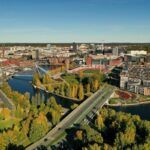
Turku is Finland’s oldest city and its former capital, sitting where the River Aura meets the Baltic on the country’s southwest coast. Long before Helsinki grew into the capital, Turku was the seat of Swedish administration in Finland, and that history is still written into the streets around its cathedral and castle.
What makes Turku worth a dedicated day, or ideally two, is how much of its story you can actually walk through. The River Aura runs straight through the centre, and almost everything worth seeing sits within a comfortable walk of its banks, from the medieval castle at the harbour end to the cathedral and market hall further inland.
Beyond the historic core, Turku is also a genuine working port city. Large ferries leave from its harbour for Stockholm and the Åland Islands most days of the year, which gives the city a maritime, slightly international feel that a purely inland Finnish town does not have.
That port role connects Turku to a wider world of islands too. The city is the mainland gateway to the Turku Archipelago, one of the largest and most scattered archipelagos on earth, and several of the entries below take you a short way out into it rather than keeping you in the city centre.
This guide covers the castle, the cathedral, the museums along and near the river, the archipelago and Ruissalo island, and the short hop out to Naantali and Moomin World. If you are combining Turku with the rest of southern Finland, our Best Day Trips from Helsinki guide puts it alongside Porvoo, Tampere and Tallinn so you can see how it compares.
How to Get There
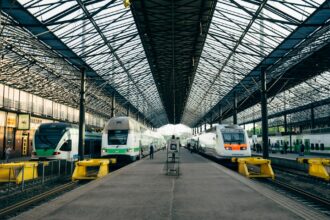
Most visitors reach Turku from Helsinki, and the train is the easiest option by a clear margin. VR’s InterCity and Pendolino services cover the roughly 165 kilometres in about two hours, running frequently throughout the day from Helsinki Central Station to Turku Central Station or the more central Kupittaa stop.
Tickets bought in advance typically run from around €15 to €30 (£13/$17 to £26/$33) each way, and long-distance buses cover the same route a little more slowly and a little more cheaply. For the full breakdown of train times, bus operators and driving the E18 motorway, our Helsinki to Turku Guide goes into far more detail than this section needs to.
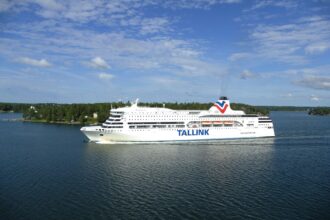
Turku is also a genuine sea gateway rather than just a rail terminus. Viking Line and Tallink Silja both run large car ferries out of Turku harbour to Stockholm, with crossings generally taking somewhere between roughly 10 and 12 hours depending on the operator and route.
The same harbour also serves shorter routes into the Åland Islands, which sit roughly halfway across the Gulf of Bothnia between Finland and Sweden. Combining an overnight ferry with a rail pass is a genuinely popular way to link Finland and Sweden, rather than a niche option only serious ferry enthusiasts consider.
For the practical details of that crossing, our dedicated Åland Islands Ferry Routes guide covers Turku, Stockholm and the direct Grisslehamn crossing in full, and our companion Things to Do on the Åland Islands guide covers Mariehamn and the wider archipelago for anyone breaking the journey there.
If you are building a wider Finnish rail itinerary rather than a single day trip, it is worth checking whether a pass makes sense before buying individual tickets. Our Interrail Finland Pass guide explains how one ticket can cover Helsinki, Tampere and Turku together, plus onward travel north to Lapland if that is part of your trip.
Best for two or three nights. The widest choice of rooms, with filters for free cancellation and included breakfast.
View staysBest for families, or any stay past about four nights. A kitchen and a washing machine start paying for themselves.
Browse rentalsBest for double-checking. Runs the same Turku search across several booking sites so you are not leaving money behind.
Compare pricesTurku Castle and Its Layered History
Turku Castle sits right at the mouth of the Aura River near the harbour, and it is the single most recognisable sight in the city. Construction began in the late 13th century under Swedish rule, making it one of the oldest surviving buildings anywhere in Finland.
Over the centuries the castle has served as a fortress, a royal residence and even a prison, and that layered history is exactly what the museum inside sets out to explain. Suits of armour, reconstructed medieval rooms and displays on Finnish and Swedish history fill the round and bailey sections of the building.
A visit realistically takes one to two hours, longer if you follow every exhibition room rather than skimming the highlights. The rooms are spread across several floors and staircases, so comfortable shoes make a genuine difference here.
Adult admission runs at €18 (£16/$20), with a reduced child rate for ages 7 to 15 of €8 (£7/$9). The castle’s own site carries the current opening hours and seasonal exceptions, and it is worth checking before you travel since hours shift with the seasons and shorten around Christmas.
The castle sits a short bus ride or a longer walk from the city centre, and most visitors combine it with a walk back along the river towards the cathedral. For the current timetable and any exhibition-specific pricing, the official Turku Castle website is the most reliable source.
Turku Cathedral and the Old Great Square
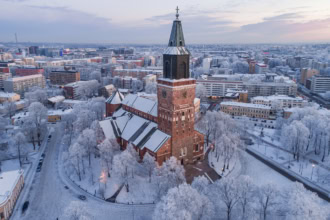
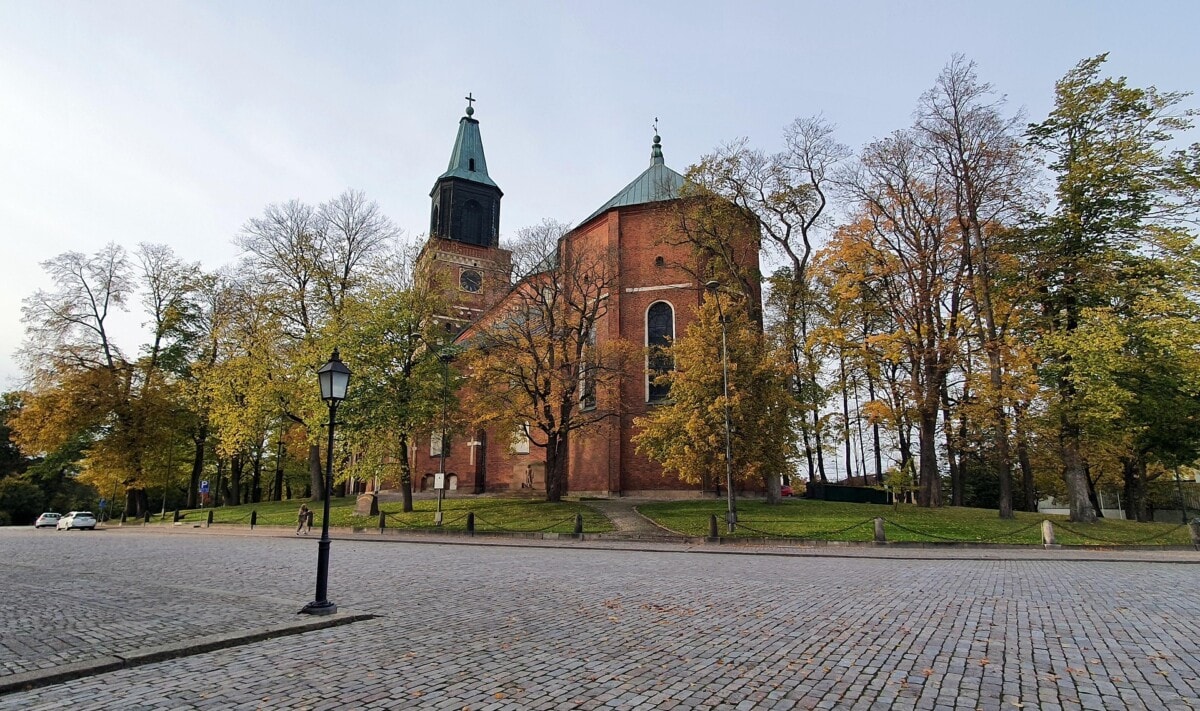
Turku Cathedral stands on the opposite end of the historic centre from the castle, and it is regarded as the mother church of Finland’s Lutheran faith. Building work began in the 13th century, and the tall brick tower is visible from much of the riverside area today.
Inside, the cathedral holds the tombs of several historical Finnish and Swedish figures, along with a small museum covering the building’s long and occasionally dramatic past, including the fires that have damaged it more than once. Entry to the main church is generally free, though the museum section sometimes carries a small fee.
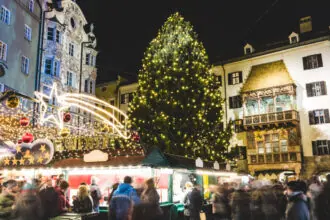
Immediately around the cathedral sits the Old Great Square, or Vanha Suurtori, one of the oldest public spaces in the city. Historic buildings, small galleries and the Brinkkala mansion line the square, and it regularly hosts markets and events, including a well-known Christmas market in December.
The square works well as a natural midpoint on a walking route between the castle and the market hall, and there are several cafés and lunch spots tucked into its edges. Give yourself half an hour to an hour here if you want to actually sit down rather than just pass through.
Because the cathedral and square sit at the heart of the old town, they are also the easiest place to get your bearings before heading further afield to the museums and the archipelago. Most first-time visitors end up passing through here more than once in a single day.
The Aura River Waterfront
The stretch of the River Aura between the cathedral and the castle is arguably the best single reason to visit Turku at all. Old wooden boats moored along both banks have been converted into floating restaurants and bars, and the promenade above them is lined with more conventional cafés and museums.
In summer this is where the city genuinely comes alive, with outdoor seating spilling onto the paths and the river itself busy with small boats and kayaks. In winter the atmosphere is quieter and more reflective, though the riverside lights and the occasional ice on the water still make it worth the walk.
Several bridges cross the river along this stretch, and walking the full length from the harbour to the cathedral takes roughly twenty to thirty minutes at an easy pace. Most visitors stretch it out considerably longer by stopping at museums, ships and cafés along the way.
The riverside is also where several of Turku’s museum ships are permanently moored, blurring the line between a simple walk and an actual sightseeing route. It is genuinely one of the few Finnish city walks where the setting itself, rather than any single building, is the main attraction.
Because the walk is flat, free and largely traffic-free, it also works well as a way to link several of the paid attractions below without needing a bus or taxi in between. Plan your day around the river rather than against it.

Turku Market Hall and Its Escape from Demolition
Turku Market Hall opened in 1900 to move the city’s fresh food trade indoors, and it remains a working marketplace rather than a tourist reconstruction. The building holds the highest level of heritage protection in Finland, and its ornate interior still houses independent butchers, bakers, fishmongers and small cafés.
It is a genuinely useful stop for lunch, since several stalls serve simple hot food alongside the produce counters, and it is generally a good deal cheaper than a sit-down riverside restaurant. Locals shop here as much as visitors browse it, which keeps the atmosphere honest rather than staged.
The hall came close to demolition in the 1960s when the building was considered technically outdated, and it survives today largely because of public protest at the time. That history is part of why locals are proud of the building rather than merely fond of it.
Opening hours run roughly Monday to Friday, 8am to 6pm, and Saturday, 8am to 4pm, with the hall closed on Sundays. It sits a short walk inland from the cathedral, making it an easy addition to a morning spent around the old town.
Because it is a real working market rather than a curated food hall, prices and stock vary stall by stall, and there is no single admission fee since anyone can simply walk in and browse. Come with a little cash and an appetite rather than a fixed shopping list.
Luostarinmäki Handicrafts Museum
Luostarinmäki is a genuine surviving 18th and 19th century wooden neighbourhood, one of the few parts of old Turku to escape the great fire of 1827 that destroyed most of the rest of the city. Rather than being reconstructed, these are the original wooden houses, workshops and courtyards.
Today the district functions as an open-air museum, with each small house set up as a working craft workshop, from watchmaking and bookbinding to weaving and metalwork. During the open season, costumed guides demonstrate the trades much as they would have been practised a century or more ago.
It is a genuinely atmospheric place to wander, with narrow cobbled lanes and low doorways that feel a world away from the cathedral square just a few minutes’ walk uphill. Give yourself at least an hour to walk the full site properly.
Adult admission is €12 (£10/$13), with a child rate for ages 7 to 15 of €5 (£4/$6). The museum runs on a seasonal schedule rather than opening year-round, so check current dates before planning a visit outside the main summer and autumn period.
Because it sits slightly uphill from the river on the eastern side of the centre, it pairs well with a visit to the nearby art museum or a longer riverside walk on the same day, rather than standing entirely on its own.
Forum Marinum and the Museum Ships
Forum Marinum is Finland’s national maritime museum, and it sits appropriately close to the water on the western bank of the Aura, not far from the castle. The main building covers Finnish naval and merchant shipping history through models, uniforms and full-scale exhibits.
What makes it genuinely stand out, though, is the collection of real museum ships moored outside, which visitors can board and explore during the open season. These have included a former Finnish Navy minelayer and sailing vessels that once worked the Baltic trade routes.
The ships are a strong draw for families in particular, since children can actually climb through decks and cabins rather than just looking at exhibits behind glass. It is worth allowing two to three hours if you want to properly cover both the indoor museum and the ships outside.
Access to the ships themselves is generally seasonal, running through the warmer months when the vessels are safely moored and staffed, while the indoor museum stays open year-round. Check the museum’s own site for the current combined ticket price and which ships are open before you go, since the seasonal line-up shifts from year to year.
Forum Marinum sits within easy walking distance of Turku Castle, and the two make a natural pairing for anyone spending a morning around the harbour end of the river rather than the cathedral end.
Best if you can move a day either way. Shows how the fare to Turku changes across the month.
Compare flightsBest if you want maps and messaging working the moment you switch your phone on.
See eSIM plansBest if you would rather not work out the transport on arrival. Book it now and forget it.
View transfersAboa Vetus and Ars Nova
Aboa Vetus and Ars Nova is an unusual pairing of two museums under one roof, built directly above genuine medieval street layers uncovered during excavation. Aboa Vetus covers that archaeology in place, with walkways passing over the actual foundations of the old town.
Ars Nova, upstairs and in the same building, is a contemporary art gallery with rotating exhibitions, giving the whole site an interesting contrast between the very old and the deliberately modern. Few museums anywhere let you walk over 700-year-old foundations and then look at contemporary art minutes later.
A combined ticket covering both sections costs €20 (£17/$22) for adults, or €14 (£12/$15) for a single section if you only want the archaeology or only the gallery. Children aged 7 to 15 pay €8 (£7/$9), and a family ticket covering one or two adults with children under 15 is available for €40 (£35/$44).
The museum opens daily from 11am to 6pm, with ticket sales closing twenty minutes before that, and there is a small on-site café for a coffee or light lunch between sections. Budget roughly an hour to ninety minutes if you want to see both parts properly.
It sits close to the cathedral and the Old Great Square, which makes it an easy fit into the same stretch of walking as the rest of the historic centre.
Turku Art Museum and Its Finnish Collection
Turku Art Museum sits on a small hill just off the market square, in a distinctive granite building that is itself worth a second look before you even step inside. The collection spans Finnish art from the 19th century to the present, alongside changing contemporary exhibitions.
It is a smaller, more manageable museum than the big national galleries in Helsinki, which makes it a realistic add-on to a day already built around the castle and cathedral rather than a destination requiring its own separate trip. Most visitors comfortably cover the permanent collection in an hour.
Adult admission is €15 (£13/$17), and the museum runs free guided tours in English on the second Sunday of each month at 3pm, included in the normal ticket price. That is a genuinely useful detail if your visit happens to line up with the right weekend.
Opening hours generally run Tuesday to Friday from 11am to 7pm, and Saturday and Sunday from 11am to 5pm, with the museum closed on Mondays. Its elevated position also gives a decent view back down over the market square and rooftops.
Because it sits within a few minutes of both the market hall and the Old Great Square, it fits naturally into the same central loop as the rest of the old town rather than requiring a detour.
Sibelius Museum
Named after Finland’s most famous composer, the Sibelius Museum is actually a broader music museum rather than a single-artist shrine, holding one of the largest music archives in the Nordic region. Instrument collections, manuscripts and listening exhibits fill a compact modern building near the cathedral.
It suits anyone with a genuine interest in classical music or Finnish cultural history more than a casual passer-by, since the exhibits lean academic rather than flashy. That said, the instrument collection alone, spanning centuries and continents, is worth a look even without much prior knowledge of Sibelius himself.
Adult admission runs at €10 (£9/$11), and the museum offers free entry on a handful of specific dates through the year, including Turku Day in September. Checking the calendar before you go could genuinely save you the ticket price.
Opening hours are unusually specific: Wednesday 11am to 4pm, Thursday 11am to 6pm, and Friday through Sunday 11am to 4pm, with the museum closed on Mondays and Tuesdays. Plan around that pattern rather than assuming standard daily hours.
Because it sits so close to the cathedral, it is an easy, low-effort add-on to a morning already spent in the historic centre rather than a museum that needs its own dedicated trip.
Turku Biological Museum and Its Taxidermy Dioramas
The Biological Museum is one of Turku’s more unusual small museums, built around large taxidermy dioramas depicting Finnish wildlife in something close to natural habitat scenes. Bears, elk, birds of prey and forest scenes fill a building specifically designed around the exhibits when it opened in the early 20th century.
It has a distinctly old-fashioned, slightly eerie charm that appeals particularly to families with curious children and anyone interested in natural history museums as objects in their own right, not just what they display. The building itself is part of the appeal.
Admission is genuinely inexpensive at €7 (£6/$8) for adults and €2.50 (£2/$3) for children aged 7 to 15, making it one of the cheaper indoor attractions on this list. It also rarely draws large crowds, so it is a good option on a rainy afternoon.
A visit typically takes thirty to forty-five minutes, which makes it easy to slot in alongside a longer museum or a walk elsewhere in the city on the same day. It is not a headline attraction, but it is a genuinely distinctive one.
The museum sits a short walk from the city centre in a small park setting, and it is worth checking current opening days before visiting since hours can vary seasonally.
Ruissalo Island and the Botanical Garden
Ruissalo is a large wooded island just a short drive or bus ride from central Turku, and it functions as the city’s main green escape without requiring a ferry or a long journey. Beaches, forest trails and old wooden villas dot the island, making it a popular local retreat as much as a visitor attraction.
The main draw for most visitors is the University of Turku’s Botanical Garden, which holds several thousand species of plants across outdoor beds, ponds and indoor glasshouses. Water lilies, exotic trees and seasonal flower displays make it worth visiting across different times of year rather than just in high summer.
The outdoor garden and grounds are generally free to wander, though it is worth checking locally whether the indoor glasshouses carry a small separate charge, since this can vary by season. Either way, it remains one of the better value stops on this list.
Beyond the garden itself, Ruissalo has several sandy beaches that get genuinely busy on warm summer days, plus a network of walking and cycling trails through mixed forest. It is a realistic half-day trip on its own if the weather cooperates.
A car or local bus is the easiest way across, since the island connects to the mainland by a bridge rather than a ferry, which keeps the whole trip simple and quick from the city centre.
Turku Archipelago Boat Trips
Turku sits at the edge of the Turku Archipelago, a scattering of tens of thousands of islands and skerries stretching out towards the Åland Islands and Sweden. For visitors without their own boat, a guided cruise or scheduled ferry is the easiest way to actually experience it rather than just admiring the map.
Several operators run short sightseeing cruises directly from the Turku riverside, typically lasting a couple of hours and passing smaller islands, summer cottages and open water. These are a comfortable option if you want a taste of the archipelago without committing to a full day trip.
For a longer, more independent option, the Archipelago Trail (Saariston rengastie) is a signposted route linking several islands by a mix of roads, bridges and small car ferries. It is most commonly driven or cycled over a full day or more, rather than attempted as a quick afternoon excursion.
Ferry connections on the smaller island-hopping routes run more frequently in summer than in winter, and some of the smallest crossings can be seasonal or weather-dependent, so it is worth checking current schedules rather than assuming a fixed year-round timetable.
Even a short taste of the archipelago is genuinely worth the effort, since it is one of the clearest ways to understand why Turku’s identity is as much maritime as it is medieval.
Best for a short stop where being central matters more than the room. Dorms and private rooms both listed.
See hostelsBest if you have ever given up on a claim. AirHelp checks whether the flight qualifies and pursues it for you.
See the benefitsBest for the gap between checking out and your train. Drop bags at a shop or hotel nearby and carry on.
Store your bagsNaantali Old Town
Naantali is a small coastal town roughly 20 minutes from central Turku by car or bus, and its old town is genuinely pretty enough to justify the short trip on its own, separate from anything to do with Moomin World next door. Narrow lanes of colourful wooden houses run down towards the harbour.
Many of the old houses now hold small galleries, craft shops and cafés, and the town has a noticeably slower, more relaxed pace than central Turku even in peak summer. A medieval church and a former convent add a genuine historic layer beneath the pretty surface.
The harbour itself is worth lingering at, with sailing boats, small ferries and a handful of seafood restaurants right on the water. In summer, evening light over the harbour is one of the more understated highlights of a trip to this part of Finland.
Naantali also holds a presidential summer residence, Kultaranta, whose gardens are occasionally open to the public on specific dates, adding a slightly unexpected extra layer to what might otherwise look like a purely picturesque coastal town.
Because it sits so close to Turku, Naantali works well as a half-day add-on rather than requiring an overnight stay, and it pairs naturally with a visit to Moomin World if you are travelling with children.
Moomin World in Naantali
Moomin World is a small theme park built around Finland’s beloved Moomin characters, sitting on its own island just outside Naantali and connected to the mainland by a short bridge. For families travelling with young children, it is genuinely one of the most memorable stops on a Turku-area trip.
The park recreates locations from the books almost life-size, including Moominhouse itself, and staff in character costumes wander the paths interacting with visitors rather than staying behind a counter. It is aimed squarely at younger children rather than teenagers or adults without kids in tow.
This is a genuinely seasonal attraction, opening only through the summer months, and exact dates shift from year to year, so it is essential to check the park’s own site before building a visit around it, especially if you are travelling outside the main school holiday period.
A one-day adult ticket booked online costs around €43 (£37/$47), rising to roughly €45 (£39/$50) if bought at the gate on the day, with a cheaper two-day option available for anyone splitting the visit across two afternoons. Under-twos are free.
Because it sits right next to Naantali’s old town, it makes sense to combine both in a single day trip from Turku rather than treating Moomin World as a completely separate excursion.
Things to Do in Turku in the Rain
Turku sits close enough to open water that the weather can turn from bright to overcast within an hour, and the city’s indoor attractions covered above are the answer rather than anything new. Between the castle, the cathedral and the museums along the river, there is genuinely enough here to fill a full wet day.
Turku Castle and Forum Marinum sit close together at the harbour end of the river, and both are entirely indoors regardless of the weather outside, which makes them the natural pairing for a rained-off morning. Aboa Vetus and Ars Nova, a short walk further along, adds medieval foundations and contemporary art under the same roof.
The Turku Art Museum and the Sibelius Museum both sit within a few minutes of the cathedral, so it is easy to duck between them without getting properly soaked. Neither takes much more than an hour, which leaves room to fit two or three of these smaller stops into a single afternoon.
The Biological Museum rarely draws a crowd even in high season, which makes it a particularly good option once the rain sets in properly, and its taxidermy dioramas do not depend on daylight the way an outdoor view does. The Market Hall doubles as a dry, warm lunch stop between museum visits rather than a destination in its own right.
Save Ruissalo, the archipelago boat trips and the riverside walk itself for a clearer day, since their whole appeal depends on being outside and looking at something. Everything else on this page works just as well under grey skies as it does in sunshine.

Food Scene and Food Halls
Beyond the Market Hall, Turku has quietly built a reputation as one of Finland’s stronger food cities, and locals will often describe it as the country’s unofficial food capital given how many restaurants have opened or been renovated in the last decade. It is a claim worth taking with a small pinch of salt, but the density of good, unpretentious dining is real.
Much of that identity comes from the surrounding archipelago rather than the city itself, and menus lean heavily on fresh Baltic fish, smoked salmon soup and open-topped prawn or fish toasts that reflect the maritime setting more than mainland Finnish cooking generally does. It is the kind of food that makes more sense once you have seen the harbour and the ferries leaving for the islands.
The floating restaurants moored along the Aura, already mentioned as part of the riverside walk, are where a lot of that cooking actually happens. Svarte Rudolf runs as a proper restaurant year-round on its boat, while Vaakahuone leans into fish dishes and live music through the warmer months when its terrace is at its best.
A less obvious food destination is Kakolanmäki, the hill above the centre once occupied by Turku’s old state prison and now redeveloped around a boutique hotel, a café and the restaurant Kakolanruusu inside the former cell blocks. It is an unusual, slightly atmospheric setting for a meal and a genuinely different dining district from the river or the Market Hall.
Between the Market Hall for something quick, the boats for a proper sit-down meal and Kakolanmäki for something with a story attached, Turku’s food scene rewards spreading a day’s eating around rather than picking one spot and staying put.
Nightlife and After Dark
Turku is home to two universities, the University of Turku and Åbo Akademi, and that student population keeps the after-dark scene livelier than a city of its size might otherwise suggest. It is a genuinely walkable nightlife, mostly clustered around the old town and the river rather than spread thinly across the suburbs.
Once the sun goes down, the same floating boats along the Aura that serve as restaurants by day shift into some of the city’s most distinctive bars, with strings of lights along the riverbank replacing the daytime view. Summer evenings here draw a properly mixed crowd of students, locals and visitors rather than any single scene.
Away from the water, Panimoravintola Koulu, a brewery pub housed in a converted 19th-century schoolhouse, is one of the more atmospheric places for a beer brewed on site, while branches of the Finnish craft brewery chain Teerenpeli offer a more straightforward pint closer to the market square.
For live music, Klubi is the city’s best-known mid-sized venue for touring bands and club nights, and Apollo Live Club fills a similar role for gigs and DJ sets on the smaller side. Both sit within easy walking distance of the old town, so a night out rarely needs a taxi between stops.
Winter strips away the riverside terraces, but the indoor pubs and brewery bars keep running through the colder months regardless, which makes Turku a reasonable choice for an evening out even outside the short Nordic summer.
Shopping and Markets
Away from the Market Hall’s food stalls, Turku’s main shopping is centred on Hansakortteli, a large city-centre shopping centre right next to the market square. It opened in 1988 and now holds around 140 shops, cafés and restaurants under one roof, making it the obvious first stop for anyone after clothes, homeware or a pharmacy rather than produce.
The centre’s anchor tenant is the Turku branch of Stockmann, Finland’s well-known department store chain, and Hansakortteli also happens to house Åbo Svenska Teater, the country’s oldest professional theatre, tucked in among the shopfronts. It is a genuinely central spot, only a couple of minutes from the cathedral and the Old Great Square.
The market square itself, Kauppatori, is worth treating as a shopping stop in its own right rather than only a transport hub, since a lively outdoor market runs there on weekdays selling everything from clothing to household goods alongside the produce stalls. It sits directly outside Hansakortteli, so the two are easy to combine in a single stop.
For bigger, out-of-town shopping, Mylly in nearby Raisio is a large suburban shopping centre anchored by an IKEA, reachable by bus or car in around fifteen to twenty minutes from the centre. It suits anyone after a wider range of shops than the compact old town can offer, though it does mean leaving the walkable core behind.
For most visitors, though, a short loop between Hansakortteli and Kauppatori covers everything shopping-related worth doing without needing to leave the historic centre at all.

Rupert’s Handy Travel Tips
Planning a day (or two) around Turku? Here are a few things worth knowing before you set off:
- Group the harbour-end sights together: Turku Castle and Forum Marinum sit close to each other, so tackle them in the same morning rather than crossing back and forth across the city.
- Check seasonal opening dates first: Luostarinmäki, the museum ships and Moomin World all run on seasonal schedules rather than year-round hours.
- Walk the river rather than bus it: most of the historic centre is genuinely walkable, and the riverside path is free, flat and scenic.
- Book the Helsinki train early: advance VR tickets on the Helsinki to Turku route are considerably cheaper than same-day fares.
- Bring cash-friendly plans for Naantali: smaller cafés and craft shops in the old town don’t always take every card type.
Want to meet the reindeer behind our travel tips? Find out more in our page Who is Rupert?.




Frequently Asked Questions
How many days do you need for things to do in Turku?
A single long day covers the castle, cathedral and riverfront comfortably, but two days lets you add the archipelago, Ruissalo and a trip out to Naantali without rushing.
Is Moomin World worth visiting without children?
It is squarely aimed at younger children, so most adult travellers without kids are better served spending that time in Naantali’s old town or back in central Turku instead.
Can you take a ferry from Turku to Sweden?
Yes, both Viking Line and Tallink Silja run regular ferries from Turku harbour to Stockholm, with crossings generally taking somewhere between about 10 and 12 hours depending on the operator.
What is the best way to get around Turku itself?
The historic centre is small enough to cover on foot, with the river as a natural spine linking most attractions, though local buses are useful for reaching Ruissalo or the castle end of town.
Is Turku worth visiting outside summer?
Yes, the castle, cathedral and most museums stay open year-round, though a handful of seasonal attractions like Luostarinmäki, the museum ships and Moomin World only operate through the warmer months.

Further Reading and Related Finland Guides
If Turku is one stop on a wider Finnish itinerary, our Helsinki to Turku Guide covers the full train, bus and driving breakdown in more depth than this page needs to, and our Best Day Trips from Helsinki guide puts Turku alongside Porvoo, Tampere and Tallinn so you can weigh up which excursions suit your trip best.
Spending time in the capital before or after Turku? Our Best Things to Do in Helsinki guide covers the city’s own top sights, from Suomenlinna to the Design District. If you are building a longer rail trip around several Finnish cities, our Interrail Finland Pass guide explains how one ticket can cover Helsinki, Tampere and Turku together, plus onward travel north to Rovaniemi.
Flying into Finland rather than travelling overland the whole way? Our Finnair Airline Guide covers the national carrier’s routes and fleet, and if a wider Baltic or Scandinavian trip is on the cards, our Ferry Routes from Turku guide covers the Stockholm and Åland Islands crossings in full, a natural next step to research once your time in the city itself is planned.