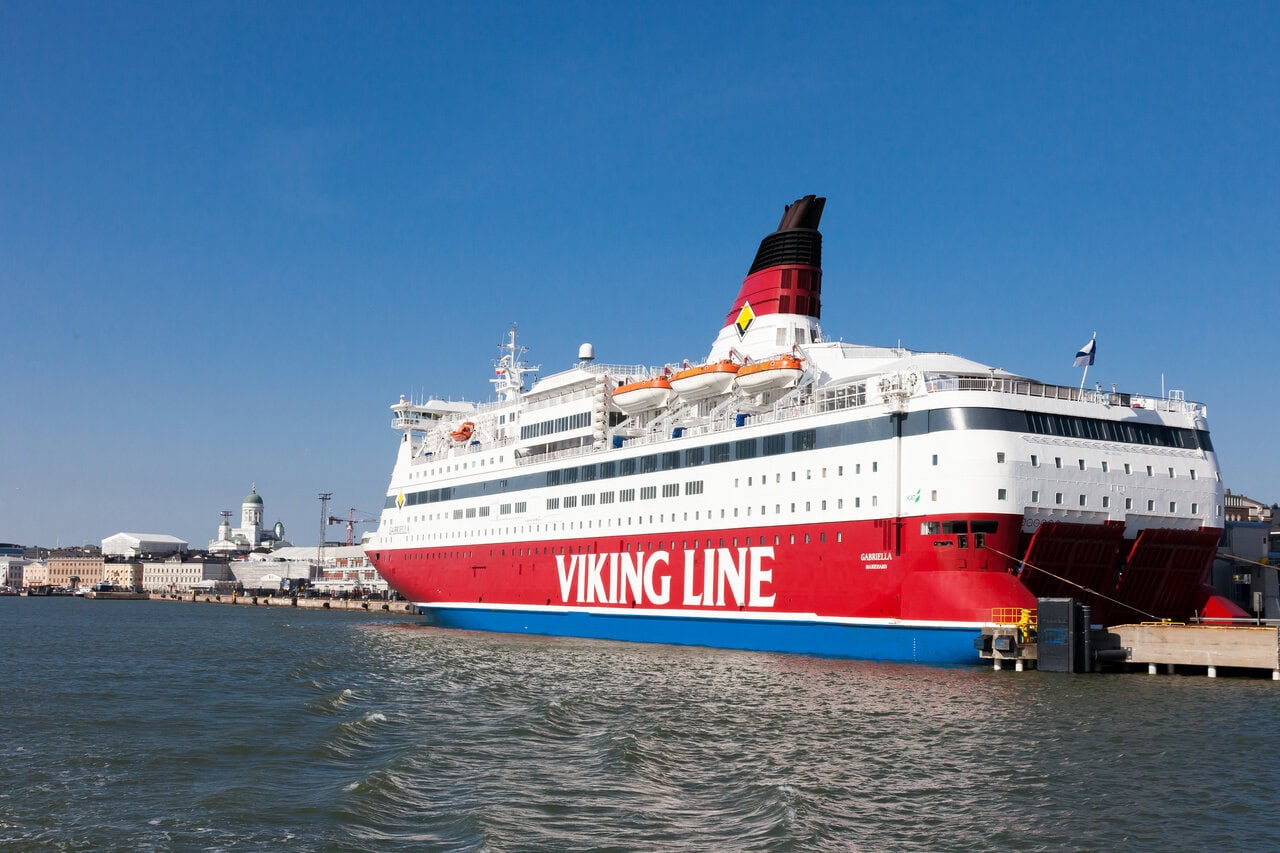
Tallinn to Helsinki Ferry: Complete Guide
The Tallinn to Helsinki ferry is one of the most popular ferry routes in Europe, connecting Estonia and Finland across the Gulf of Finland. The journey is short, comfortable, and runs multiple times per day, which makes it popular with tourists, commuters, and day-trippers travelling between the two capitals.
Many travellers use the ferry as part of a wider Baltic or Northern Europe trip, while others take the ferry simply for a day trip between Tallinn and Helsinki. The crossing itself usually takes around two to two and a half hours, and ferries are large cruise-style ships with restaurants, shops, seating areas, and viewing decks.
One of the main advantages of this route is how easy it is. Both ferry terminals are close to the city centres, the ships are comfortable, and tickets are often reasonably priced, especially if booked in advance. The route is also popular for travellers using Interrail, backpacking around Europe, or visiting multiple Baltic and Nordic countries in one trip.
Whether you are planning a day trip, travelling between countries, or including the ferry as part of a longer European journey, the Tallinn to Helsinki ferry is one of the easiest and most enjoyable ways to travel between Estonia and Finland.
Ferry Overview: Tallinn to Helsinki
The ferry route between Tallinn and Helsinki crosses the Gulf of Finland and is one of the busiest ferry routes in northern Europe. Ferries operate throughout the day, and you can usually choose from several departure times in both directions.
The journey typically takes between two hours and two and a half hours depending on the ferry operator and ship type. Some ferries are slightly faster, while others are larger cruise ferries with more facilities onboard.
Day trips between Tallinn and Helsinki are very common, and many travellers take an early morning ferry and return in the evening. This makes it possible to visit Finland from Estonia, or Estonia from Finland, without needing to stay overnight.
The route is operated by three main ferry companies:
- Tallink Silja Line
- Viking Line
- Eckerö Line
All three companies operate large passenger ferries with seating areas, restaurants, cafés, shops, and outdoor decks. Some ferries also have cabins available if you want a private space during the crossing.
In general, this route is known for being comfortable, efficient, and relatively affordable, which is why it is such a popular travel route in the Baltic region.
Ferry Companies on the Tallinn to Helsinki Route
There are three main ferry companies operating between Tallinn and Helsinki, and while the journey time is similar for all of them, the ships, facilities, and prices can vary slightly.
Tallink Silja Line is the largest and most well-known operator on this route. Their ships are large cruise-style ferries with multiple restaurants, bars, shops, seating areas, and outdoor decks. Tallink ferries often feel more like mini cruise ships than simple transport ferries, and they are very popular with tourists.
Viking Line also operates large ferries between Tallinn and Helsinki. Their ships are similar in style, with restaurants, cafés, duty-free shops, and comfortable seating areas. Viking Line is often competitively priced and is a good option for both day trips and one-way travel.
Eckerö Line usually operates slightly simpler ferries, but they are often cheaper and still very comfortable. Many travellers choose Eckerö Line if they are looking for the lowest price rather than the most luxurious ship.
In practice, the ferry companies are all very similar in terms of journey time and overall experience. Most travellers choose based on departure time and ticket price rather than the ferry company itself.
Ferry Timetable and Frequency
Ferries between Tallinn and Helsinki run frequently throughout the day, usually from early morning until late evening. On most days, there are multiple departures in both directions, which makes the route very flexible and easy to plan.
Typically, the first ferries depart early in the morning, often around 07:00, and the last ferries depart in the evening. This schedule makes it possible to take an early ferry to Helsinki, spend the day exploring the city, and return to Tallinn in the evening.
Journey times are usually between two and two and a half hours, so the ferry is often faster and easier than flying when you consider airport security, transfers, and waiting times.
For day trips, the best option is usually to take one of the earliest ferries in the morning and one of the later ferries in the evening, which gives you several hours to explore your destination.
Ferry schedules can vary slightly depending on the season, weekends, and holidays, so it is always worth checking timetables in advance when planning your trip.
Tallinn Ferry Terminal Guide
Most ferries from Tallinn to Helsinki depart from the passenger ferry terminals located close to Tallinn’s city centre and Old Town. This makes the ferry very convenient, as you usually do not need long transfers to reach the port.
The main terminals used for the Tallinn to Helsinki ferry are Terminal D and the A-Terminal, both located in the Port of Tallinn area. These terminals are only a short taxi ride or around a 15–20 minute walk from Tallinn Old Town, depending on exactly where you are staying.
Inside the terminal buildings you will find check-in desks, self-service ticket machines, waiting areas, cafés, and shops. The process is generally straightforward. If you already have a ticket, you usually just scan your boarding pass and go through to the waiting area before boarding begins.
Passengers travelling on foot usually need to arrive around 30–45 minutes before departure, while passengers travelling with a car should arrive earlier, typically around 60–90 minutes before departure depending on the ferry company.
Boarding is usually very organised, with passengers walking through a covered walkway directly onto the ship. The ferries are large, so boarding can take a little time, but the process is generally smooth and easy.
Overall, the Tallinn ferry terminal is very easy to use, and its location close to the city centre is one of the reasons the Tallinn to Helsinki ferry route is so popular.
Helsinki Ferry Terminal Guide
Ferries from Tallinn usually arrive at terminals located close to central Helsinki, which makes it very easy to continue your journey once you arrive in Finland. Most ferries arrive at either the West Terminal (Länsiterminaali) or the Olympia Terminal, depending on the ferry company and ship.
The West Terminal is the most commonly used terminal for ferries from Tallinn. From here, you can reach Helsinki city centre easily using public transport. Trams run directly from the terminal to the main railway station and central Helsinki, and the journey usually takes around 15–20 minutes.
The Olympia Terminal is slightly closer to the city centre, and from here it is sometimes possible to walk into central Helsinki in around 20–30 minutes, depending on where you are heading. Taxis and public transport are also available outside the terminal buildings.
Inside the Helsinki ferry terminals you will find ticket desks, waiting areas, cafés, toilets, and transport connections, so continuing your journey is usually straightforward.
One of the main advantages of the Tallinn to Helsinki ferry compared to flying is that both ferry terminals are close to the city centres, which means you save time on airport transfers and security procedures.
Ticket Prices and How to Book
icket prices for the Tallinn to Helsinki ferry can vary depending on the ferry company, time of day, day of the week, and how far in advance you book. In general, foot passenger tickets are usually quite affordable, especially if booked early.
Typical one-way foot passenger tickets are often in the range of €20 to €50, although prices can be higher during weekends, holidays, and busy summer periods. Day return tickets are also available and are often good value if you are planning a day trip between the two cities.
If you want a cabin during the crossing, this will increase the ticket price, but cabins are not usually necessary for a two-hour crossing unless you want privacy or a place to rest.
Tickets can be booked directly through the ferry company websites, but many travellers use comparison websites to check times and prices across multiple operators. One of the easiest ways to compare ferry times and prices is by using Direct Ferries, which shows multiple ferry companies and departure times in one place.
Booking in advance is usually recommended, especially in summer or if you are travelling on a specific ferry. Prices are often cheaper when booked early, and the most convenient departure times can sell out during busy periods.
Tickets are usually mobile tickets that you can show on your phone when boarding, which makes the whole process very easy and straightforward.ur phone when boarding, which makes the whole process very easy.
Can You Do a Day Trip from Tallinn to Helsinki?
Yes, a day trip between Tallinn and Helsinki is very easy and very popular. In fact, many travellers visit Helsinki from Tallinn or Tallinn from Helsinki as a day trip rather than staying overnight.
The key to a good day trip is choosing the right ferry times. The best option is usually to take one of the early morning ferries and return on an evening ferry, which gives you several hours to explore the city.
For example, you might take a ferry around 07:30 or 08:00, arrive in Helsinki around 10:00, spend the day exploring the city, and then take a return ferry around 18:00 or 19:00. This usually gives you six to eight hours in Helsinki, which is enough time to see the main sights, walk around the city centre, visit the harbour area, and stop for food or coffee.
Helsinki is a very walkable city, and many of the main attractions are relatively close to the ferry terminals or easily reached by tram. Popular places to visit include Senate Square, Helsinki Cathedral, Market Square, the waterfront, and the Design District.
A day trip also works well in the opposite direction, with travellers staying in Helsinki and visiting Tallinn Old Town for the day. Tallinn’s medieval Old Town is compact and easy to explore, which makes it ideal for a day visit.
Overall, the Tallinn to Helsinki ferry is one of the easiest international day trips in Europe, and it is definitely worth doing if you are visiting either city.
Ferry Facilities and Onboard Experience
The Tallinn to Helsinki ferry is more like a small cruise ship than a basic transport ferry. The ships on this route are large, modern, and designed for both short crossings and day trips, so there are plenty of facilities onboard to keep passengers comfortable during the journey.
Most ferries have restaurants, cafés, bars, seating areas, shops, and outdoor decks, so you can walk around the ship rather than staying in one seat for the whole journey. Many people spend the crossing having breakfast, coffee, or lunch while watching the sea from the windows or outdoor decks.
Duty free shopping is also very popular on this route. Ferries often have large duty free shops selling alcohol, sweets, cosmetics, and souvenirs, and many passengers travel specifically to buy cheaper alcohol between Estonia and Finland.
Seating is usually open seating, meaning you can sit in lounges, cafés, or public seating areas. Some ferries also offer reserved seating areas or cabins if you want a quieter space or more privacy during the crossing.
The crossing is usually quite smooth because the ships are large and the Gulf of Finland is relatively sheltered, although it can occasionally be rough in winter. In general, the ferry is a very comfortable way to travel between Tallinn and Helsinki.
Taking a Car on the Ferry
It is possible to take a car on the Tallinn to Helsinki ferry, and many people do this when travelling around Estonia and Finland by road. The ferries are designed to carry cars, vans, motorhomes, and even trucks, so the process is straightforward.
If you are travelling with a car, you will need to arrive at the ferry terminal earlier than foot passengers, usually around 60 to 90 minutes before departure. You will be directed into vehicle lanes and then drive onto the ferry when boarding begins.
During the crossing, passengers are usually not allowed to remain in their cars, so you will need to go up to the passenger decks and use the seating areas, restaurants, and shops while the ferry is moving.
Taking a car on the ferry can be useful if you are planning to drive around Finland or Estonia, especially if you are visiting multiple cities or travelling into the countryside. However, if you are only visiting Helsinki or Tallinn city centres, you usually do not need a car, as both cities have good public transport and are easy to explore on foot.
Car ferry tickets are significantly more expensive than foot passenger tickets, so it is usually only worth bringing a car if you plan to travel further than the city centres.
Passport, Schengen, and Border Controls
Estonia and Finland are both part of the Schengen Area, which means there are usually no formal passport control checks when travelling between Tallinn and Helsinki. However, you are still required to carry a valid passport or national ID card when travelling.
When boarding the ferry, ferry staff may check your passport or ID before you board the ship. In some cases, there may also be random checks when arriving in Finland or Estonia, but there are usually no airport-style immigration queues like you would experience when flying between countries.
Customs rules do still apply when travelling between Estonia and Finland, particularly for alcohol and tobacco purchases. Many passengers buy alcohol on the ferry or in Tallinn because prices are lower than in Finland, but there are limits on how much alcohol you can bring for personal use.
In general, travelling between Tallinn and Helsinki is very easy because both countries are in the Schengen Area, and the ferry crossing feels more like domestic travel than international travel.
Is the Tallinn to Helsinki Ferry Worth It?
The Tallinn to Helsinki ferry is definitely worth doing, whether you are travelling between the two cities or just visiting for a day trip. The journey is short, comfortable, and often cheaper and easier than flying once you consider airport transfers and security procedures.
One of the biggest advantages of the ferry is convenience. The ferry terminals are close to both city centres, boarding is simple, and the crossing is comfortable, which makes the whole journey very easy compared to many other international travel routes.
The ferry is also a very scenic journey, especially in good weather, and spending time on the outdoor decks as the ship leaves Tallinn or arrives in Helsinki is one of the highlights of the trip.
For many travellers, the ferry is not just transport but part of the travel experience. You can walk around the ship, eat, shop, and enjoy the views during the crossing rather than just sitting in a plane seat.
Overall, the Tallinn to Helsinki ferry is one of the easiest and most enjoyable international travel routes in Europe, and it is highly recommended if you are visiting either Estonia or Finland.

Rupert’s Handy Travel Tips
Taking the ferry between Tallinn and Helsinki? Here are a few useful tips to make the journey smoother:
- Book early morning ferries for day trips: This gives you the most time to explore Helsinki or Tallinn before returning.
- Arrive early at the terminal: Foot passengers should arrive around 30–45 minutes before departure, and earlier if travelling with a car.
- Bring a passport or ID: Even though Estonia and Finland are both in the Schengen Area, identification is still required for ferry travel.
- Explore the ship: The ferries have restaurants, shops, and outdoor decks, so the crossing is part of the travel experience.
- Use Direct Ferries to compare prices: This is often the easiest way to find the cheapest tickets and best departure times.
Want to meet the reindeer behind our travel tips? Find out more in our page Who is Rupert?.
Frequently Asked Questions
How long is the Tallinn to Helsinki ferry?
The ferry journey between Tallinn and Helsinki usually takes between two hours and two and a half hours depending on the ferry company and ship. Some ferries are slightly faster, but most crossings are around two hours. Boarding and disembarking can add a little extra time, so you should allow around three hours in total for the journey.
Can you do a day trip from Tallinn to Helsinki?
Yes, a day trip between Tallinn and Helsinki is very easy and very popular. Many travellers take an early morning ferry and return in the evening, which usually gives six to eight hours to explore the city. Helsinki is easy to walk around and has good public transport, so it works very well as a day trip destination.
How much does the Tallinn to Helsinki ferry cost?
Ticket prices usually range from around €20 to €50 for a one-way foot passenger ticket, depending on the ferry company, time of day, and how early you book. Prices can be higher during weekends and summer, but day return tickets are often good value.
Which ferry company is best between Tallinn and Helsinki?
Tallink Silja Line, Viking Line, and Eckerö Line all operate ferries on this route, and the journey time is similar for all of them. Most travellers choose based on price and departure time rather than the ferry company itself, as the onboard experience is fairly similar across all operators.
Do you need a passport for the Tallinn to Helsinki ferry?
Yes, you should carry a valid passport or national ID card when travelling between Estonia and Finland. Both countries are in the Schengen Area, so there are usually no formal border checks, but identification is still required when boarding the ferry.
Can you take luggage on the ferry?
Yes, there are usually no strict luggage limits for foot passengers on the ferry. You can bring suitcases, backpacks, and hand luggage onboard, and there are luggage storage areas available on some ferries.
Further Reading & Related App Guides
Planning ferry travel and trips around Northern Europe? These guides will help you plan transport, tickets, and travel between cities more easily.
Compare ferry routes and prices with our guide → Direct Ferries Guide
Stay connected while travelling between Estonia and Finland → eSIM Apps Guide
Navigate cities easily after arriving → Local Transport Apps Guide
Find the best apps for booking ferry tickets → Ferry Booking Apps Guide
Last Updated
March 2026
Affiliate Disclosure
This page contains affiliate links. If you click through and make a purchase or booking, we may earn a small commission at no extra cost to you. This helps support our work and allows us to continue providing detailed, independent travel advice. We only recommend apps and services we personally use or have verified as high-quality.