
Smart Ways to Save Money While Travelling
Travelling does not have to mean constantly watching your wallet. In fact, with a little preparation and a few smart habits, it is perfectly possible to save money while travelling without sacrificing the experiences that make a trip memorable.
One of the biggest mistakes travellers make is focusing only on the big costs like flights and hotels. In reality, it is usually the small daily expenses that quietly drain a travel budget. Bottled water, taxis, snacks near attractions, overpriced breakfasts and last-minute attraction tickets can easily add hundreds of pounds to the total cost of a holiday.
The good news is that most of these costs are completely avoidable. A few simple choices — carrying a refillable water bottle, using public transport passes, booking tickets in advance or using local food markets — can dramatically reduce daily spending.
Technology also plays a growing role in helping travellers keep costs down. Many destinations now offer tourist transport apps, digital attraction tickets and food-saving apps that make it easier than ever to avoid unnecessary expenses.
This guide brings together practical ideas that work almost anywhere in the world. From smarter accommodation choices to simple daily habits, these tips show how travellers can stretch their budget further while still enjoying everything a destination has to offer.
Carry a Refillable Water Bottle
Buying bottled water every day might seem like a minor expense, but over the course of a trip it can become surprisingly expensive. In many major cities, a single bottle of water near a popular attraction can cost several pounds. Multiply that by several purchases per day and a week-long trip can easily add £30–£50 in unnecessary spending.
A simple way to reduce this cost is by carrying a refillable water bottle. Many airports, railway stations, museums and city parks now offer public refill fountains where travellers can top up their bottles for free.
Several apps can also help travellers locate refill points:
– Refill shows public water refill stations around the world
– Tap highlights cafés and restaurants that allow bottle refills
– Flush, primarily a toilet finder app, often indicates nearby water points as well
Using these tools makes it easy to stay hydrated without repeatedly buying drinks from convenience stores.
A refillable bottle also makes travel easier in practical ways. Security restrictions at airports mean bottles must be empty when passing through security, but they can usually be filled immediately afterwards. Many travellers now make it a habit to refill before boarding flights or long train journeys.
Over time, this small habit can save a surprising amount of money while also reducing plastic waste — a rare travel tip that benefits both your budget and the environment.
Use City Tourist Cards and Attraction Passes
Many popular destinations offer tourist city cards designed to bundle transport, attraction entry and sometimes guided tours into a single pass. For travellers planning to visit several major sights, these passes can significantly reduce overall costs.
Examples of well-known city cards include:
– Paris Pass
– Roma Pass
– Berlin WelcomeCard
– I Amsterdam City Card
Most passes include a combination of benefits such as unlimited public transport, discounted or free museum entry, and access to certain tours or attractions. In some cities they also include extras such as airport transfers, river cruises or skip-the-line entry.
While these passes are not always the best option for every traveller, they can be extremely good value when used strategically. For example, if you plan to visit several museums in a single day or make frequent journeys on the metro, the cost of the pass can quickly pay for itself.
The key is to check exactly what is included before buying. Some passes cover only specific attractions, while others include nearly everything a visitor might want to see.
Many travellers researching how to save money while travelling overlook city cards entirely, yet in the right destination they can remove the need to buy multiple tickets and often simplify transport at the same time.
Book Self-Catering Accommodation
Hotels offer convenience, but they can also encourage spending habits that quickly increase the cost of a trip. Eating every meal in restaurants, buying drinks from hotel minibars and paying for expensive breakfast packages can add a significant amount to the overall travel budget.
Choosing self-catering accommodation, such as an apartment or holiday rental, provides much more flexibility.
Platforms like Airbnb and similar rental sites allow travellers to stay in apartments that include basic kitchen facilities. This makes it possible to prepare simple meals, store drinks and snacks, and even cook dinner occasionally instead of eating out every evening.
One of the easiest ways to reduce daily costs is by preparing your own breakfast. A simple breakfast from a local supermarket or bakery usually costs a fraction of a hotel buffet, which in some cities can cost £20 or more per person.
Self-catering accommodation also allows travellers to shop at local food markets and supermarkets, which can become an enjoyable part of the travel experience. Trying local cheeses, fresh bread or regional produce often feels more authentic than eating exclusively in tourist restaurants.
For longer stays, these small savings quickly add up. Many travellers who prioritise self-catering find it one of the most effective ways to reduce travel costs without sacrificing comfort or flexibility.
Use Food-Saving Apps Like Too Good To Go
One of the easiest ways to save money while travelling is by taking advantage of apps that help reduce food waste. Restaurants, cafés and bakeries often have unsold food at the end of the day, and instead of throwing it away many now sell it at heavily discounted prices.
The best known example is Too Good To Go, an app used widely across Europe and increasingly in North America and parts of Asia. Businesses list “magic bags” containing leftover food that customers can collect near closing time. These bags often cost only a few pounds yet contain items that would normally sell for much more.
Typical examples include:
– bakery bags filled with pastries or bread
– restaurant meals sold at half price
– supermarket food bundles
– café sandwiches and salads
For travellers, this can be an excellent way to pick up lunch or dinner cheaply while also discovering local bakeries and cafés that might otherwise go unnoticed.
Food-saving apps are especially useful in cities where restaurant prices are high. Instead of paying full tourist prices, travellers can often enjoy high-quality food at a fraction of the normal cost.
Beyond saving money, many travellers also appreciate that using these apps helps reduce food waste. It is a small change in travel habits that can make both financial and environmental sense.



Buy Public Transport Passes Instead of Individual Tickets
Transport costs can quietly become one of the most expensive parts of a trip, particularly in large cities where taxis and ride-hailing services are widely used. While these options are convenient, they are rarely the most economical.
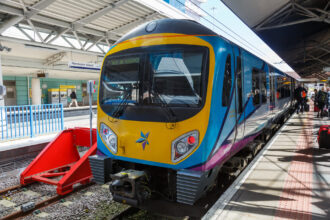
Most cities offer daily or multi-day public transport passes that provide unlimited travel on buses, metros and trams. In many cases, the price of a single taxi journey can equal or exceed the cost of a full day of public transport.
For example, a typical metro day pass might cost the equivalent of £6–£10, while a short taxi ride between tourist attractions could cost significantly more. Travellers who rely on taxis several times per day may spend far more than necessary without realising it.
Using public transport not only reduces costs but also allows visitors to experience a city more like a local. Metro systems, trams and buses often reach neighbourhoods that taxis simply pass through.
Apps such as Citymapper, Moovit and local transport apps can help travellers navigate unfamiliar transport systems with ease. These tools show live departures, route planning and estimated journey times, making public transport far less intimidating than it might initially appear.
Choosing the right transport pass early in a trip is one of the simplest ways to keep a travel budget under control.
Visit Supermarkets and Local Food Markets
Restaurants near major attractions tend to charge premium prices, and travellers who rely entirely on these venues often end up paying far more than necessary for everyday meals.
A much more affordable option is to visit local supermarkets, bakeries and food markets. In many destinations these places offer excellent ready-to-eat meals at a fraction of the price of tourist restaurants.
European supermarkets in particular are well known for high-quality prepared foods such as fresh sandwiches, salads, pasta dishes and hot meals. Travellers can often assemble a satisfying lunch for just a few pounds.
Food markets also provide an opportunity to sample regional specialities without committing to a full restaurant meal. Instead of ordering several expensive dishes, visitors can try smaller portions from different stalls and experience a wider range of local flavours.
Another advantage is convenience. Supermarkets allow travellers to buy snacks, drinks and breakfast items that can be kept in accommodation for later. Having these options available helps avoid the temptation of buying overpriced food near tourist attractions.
For travellers looking to reduce daily spending, incorporating supermarkets and markets into their routine is one of the most effective strategies.
Download Offline Maps to Avoid Data Charges
Mobile data costs can add up quickly when travelling, particularly in destinations where international roaming fees still apply. Constantly using navigation apps, translation tools and restaurant searches can consume large amounts of data without travellers realising it.
Downloading offline maps before arriving at a destination is a simple way to avoid these charges.
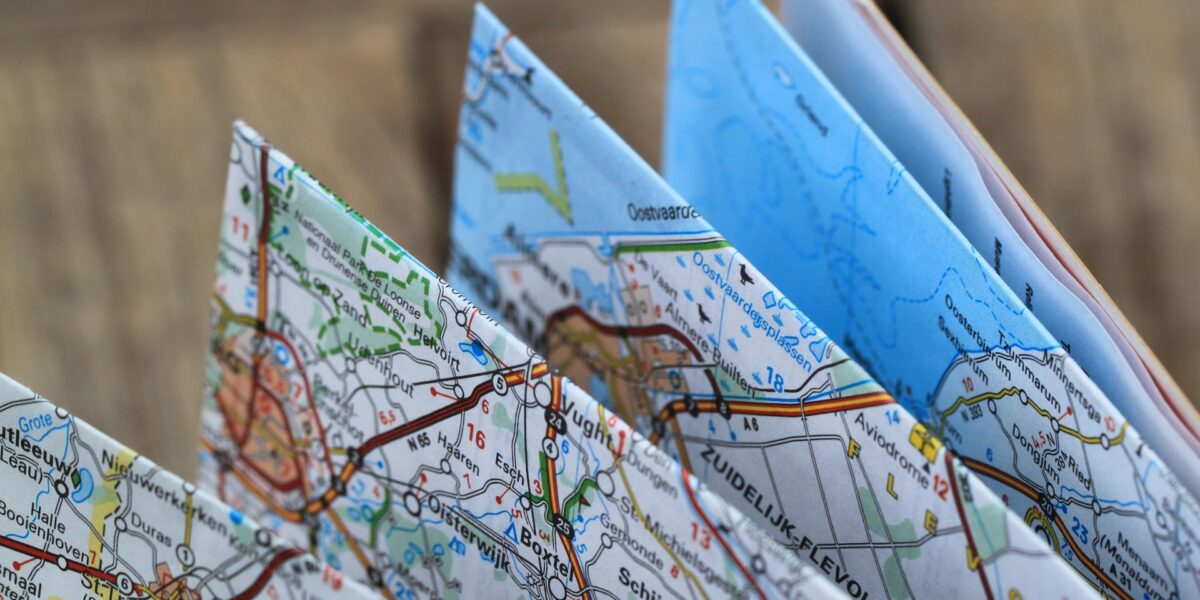
Apps such as Google Maps, Maps.me and Organic Maps allow users to download entire city maps to their phone. Once downloaded, travellers can search for streets, navigate between locations and view points of interest without using mobile data.
Offline maps are particularly helpful when exploring unfamiliar neighbourhoods where mobile signal may be weak or unavailable. They also reduce reliance on expensive roaming packages or the need to constantly search for Wi-Fi.
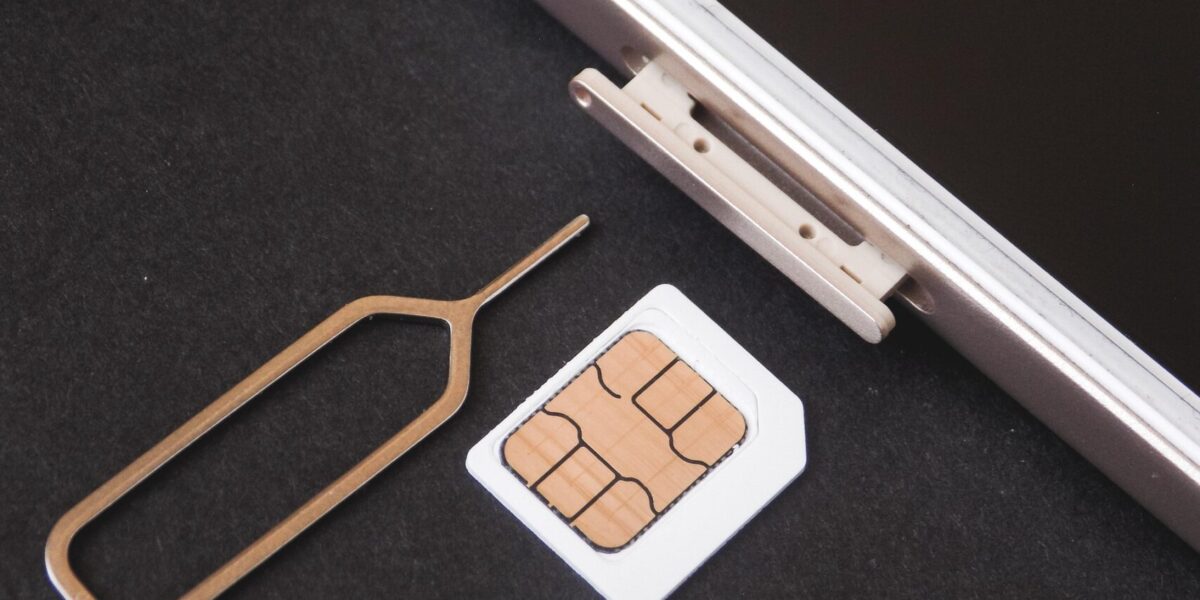
Many travellers also combine offline maps with an international eSIM or travel SIM card. This ensures reliable connectivity when needed while keeping data usage under control.
For anyone trying to save money while travelling, taking a few minutes to download maps before departure can prevent unexpected phone bills and make navigation far easier throughout the trip.
Our guide to the best offline map apps for travellers explains how to download maps in advance, navigate cities and hiking trails without signal, and choose the right GPS apps for travel. Whether you’re planning a city break, road trip, or remote adventure, these tools help you explore confidently anywhere in the world.
Global eSIM Data

Book Attractions Online in Advance
One of the easiest ways travellers overspend is by purchasing attraction tickets at the entrance. Many popular museums, landmarks and tours charge higher walk-up prices, especially in major tourist cities where demand is constant.
Booking tickets online in advance often provides immediate savings. Many attractions offer discounted online prices, bundled entry packages or combined tickets that cover multiple sites. These options are rarely available at the ticket desk.
Another advantage is avoiding queues. Popular attractions can have extremely long lines, particularly during peak seasons. Buying tickets ahead of time often allows visitors to use fast-track or timed-entry tickets, saving both time and money.
Online booking platforms such as GetYourGuide, Klook and Tiqets have made it easier to compare ticket options before arriving at an attraction. These services frequently offer small discounts, bundled packages or mobile tickets that remove the need to print anything.
Planning ahead also helps travellers prioritise what they truly want to see. Instead of making expensive last-minute decisions, booking in advance allows visitors to build a clear itinerary and avoid unnecessary spending.
For travellers researching how to save money while travelling, advance booking is one of the simplest habits that consistently delivers better value.
Travel Outside Peak Times
Timing can have a major impact on travel costs. Flights, accommodation and attraction tickets often vary significantly in price depending on when they are booked and when the trip takes place.
Travelling outside peak periods is one of the most effective ways to reduce overall expenses. School holidays, major festivals and summer travel seasons tend to push prices higher across the entire travel industry.
Visiting a destination just before or after peak season — often called shoulder season — can provide an excellent balance. Prices are typically lower, crowds are smaller and the experience can feel far more relaxed.
The same principle applies within individual days. Many attractions offer cheaper tickets for early morning or late afternoon entry, while restaurants and tours may provide lower prices outside the busiest hours.
Even small timing adjustments can produce meaningful savings. Flying midweek instead of on weekends, or visiting major attractions earlier in the day, can often reduce both costs and crowds.
Travellers who remain flexible with their schedules often discover that slightly adjusting travel dates is one of the easiest ways to stretch a travel budget further.
Look for Free Attractions and Experiences
Not every memorable travel experience comes with a ticket price. In many destinations, some of the best activities are completely free.
Historic neighbourhoods, scenic viewpoints, public parks and local markets often provide experiences that rival paid attractions. Many cities also organise free cultural events, concerts or festivals throughout the year.
Museums frequently offer free entry days or evening openings, particularly once per month. Travellers who plan ahead can take advantage of these opportunities while still visiting major cultural institutions.
Free walking tours have also become popular in many cities. While these tours typically operate on a tip-based system rather than a fixed ticket price, they provide an affordable way to learn about a destination while exploring key landmarks.
Some of the most memorable travel moments come from simply wandering through historic streets, visiting waterfront promenades or watching local life unfold in public squares. These experiences cost nothing yet often leave the strongest impressions.
For travellers focused on saving money, incorporating a mix of free attractions alongside paid sights helps keep the overall budget balanced while still delivering a rich travel experience.
Simple Daily Habits That Reduce Travel Costs
While big decisions such as flights and accommodation influence the cost of a trip, daily habits often have an equally important impact. Small choices repeated throughout a journey can quietly determine whether a travel budget lasts or disappears faster than expected.
A few practical habits can make a noticeable difference:
– Avoid buying food and drinks directly beside major landmarks
– Walk a few streets away before choosing restaurants
– Carry snacks and water when exploring a city
– Check prices online before purchasing attraction tickets
– Use public transport passes rather than taxis
These habits require very little effort but can significantly reduce everyday spending.
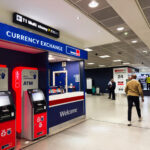
It is also helpful to maintain awareness of prices when travelling. Visitors often lose track of costs in unfamiliar currencies, especially when payments are made quickly using contactless cards. Taking a moment to check prices or convert currencies can prevent accidental overspending.
Ultimately, saving money while travelling does not require strict budgeting or sacrificing enjoyable experiences. Instead, it is about recognising where unnecessary spending occurs and making a few smarter choices along the way.
Further Reading & Related App Guides
Want to stretch your travel budget even further? These related guides highlight useful apps and smart travel tools that help reduce costs while travelling.
Save money on restaurant meals with our guide to the Too Good To Go app → Too Good To Go App Guide
Stay connected without expensive roaming charges using our eSIM apps guide → eSIM Apps Guide
Navigate unfamiliar cities easily with our local public transport apps guide → Local Public Transport Apps Guide
Book museums, tours and attractions in advance with our tourist attraction apps guide → Attraction Ticket Apps Guide
Plan your activities around the forecast with our weather apps guide → Weather Apps Guide
Avoid overpriced experiences and common travel mistakes in our Hidden Tourist Traps That Waste Your Travel Budget → Tourist Trap Travel Guide
Last Updated
March 2026
Affiliate Disclosure
This page contains affiliate links. If you click through and make a purchase or booking, we may earn a small commission at no extra cost to you. This helps support our work and allows us to continue providing detailed, independent travel advice. We only recommend apps and services we personally use or have verified as high-quality.