Reviewed by our editorial team Updated
Discover Brittany’s International Ferry Gateway
Roscoff Ferry Port is one of France’s most convenient ferry terminals for travellers heading to both the United Kingdom and Ireland. Located on the beautiful north coast of Brittany, the port offers a relaxed alternative to many of France’s larger ferry hubs, with shorter driving distances, straightforward navigation and easy access to some of the country’s most spectacular coastline.
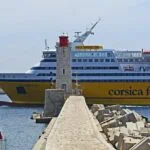
The port is operated by Brittany Ferries and provides regular international crossings to Plymouth, Cork and Rosslare. Whether you are travelling by car, motorhome, motorcycle, bicycle or as a foot passenger, Roscoff provides an efficient and well-organised departure point with modern facilities and excellent transport connections.
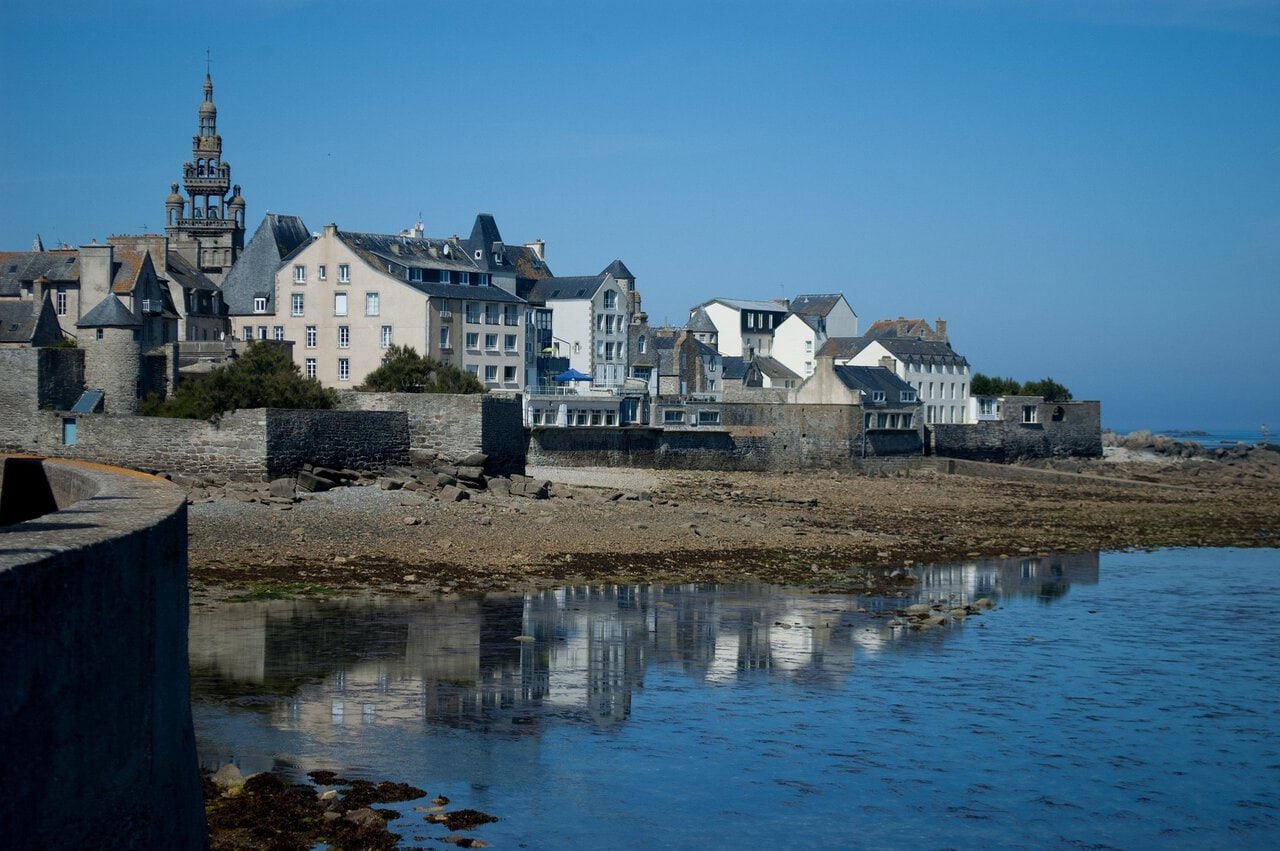
For many visitors, Roscoff is more than simply somewhere to board a ferry. The attractive harbour town is packed with historic streets, seafood restaurants, coastal walks and traditional Breton character, making it well worth arriving early or staying overnight before your crossing. If you are beginning a road trip around France or arriving from Britain or Ireland, the location provides an excellent introduction to the Brittany region.
Unlike some larger ferry ports where long queues and complicated road systems can make the start of your journey stressful, Roscoff is relatively compact. Check in is clearly signposted, vehicle movements are straightforward and the terminal is only a short distance from the town centre.
| Destination | Typical Journey Time | Best For | Service Availability |
|---|---|---|---|
| Plymouth | 5–6 hours (daytime); longer overnight | South West England road trips to Cornwall, Devon and Somerset | Seasonal, generally March to November |
| Cork | 13–15 hours (overnight) | South West Ireland, Kinsale, Killarney and the Wild Atlantic Way | Seasonal (spring to autumn) |
| Rosslare | 17–18 hours (overnight) | Ireland’s south east, Wexford, Waterford, Kilkenny and Dublin | Seasonal |
Where is Roscoff Ferry Port?
Roscoff Ferry Port is situated in the Finistère department of Brittany, approximately 65 kilometres north of Brest and around 25 kilometres from Morlaix. It occupies a prominent position on France’s northern coastline, making it one of the country’s closest ferry ports to both southern England and southern Ireland.
Drivers approaching the port usually travel via the N12 dual carriageway, one of Brittany’s main roads. The N12 links Roscoff with Morlaix, Guingamp, Saint-Brieuc and Rennes, where connections continue towards Paris, Normandy and the rest of France’s motorway network. The final approach into Roscoff is well signposted, with dedicated directions for ferry traffic helping vehicles reach the terminal efficiently.
Passengers travelling by public transport should currently use the BreizhGo coach connection between Roscoff and Morlaix. Roscoff no longer has a regular passenger rail service, so Morlaix is the nearest practical rail interchange for continuing onto France’s national rail network, including high-speed TGV services. Local buses and taxis are also available for those carrying heavier luggage.
Because the ferry terminal sits close to the town, many travellers choose to spend a few hours exploring Roscoff before departure, enjoying the cafés, waterfront and shops without needing additional transport.
Best for two or three nights. The widest choice of rooms, with filters for free cancellation and included breakfast.
View staysBest for longer stays. Whole apartments and houses, so you are not eating out three times a day.
View rentalsBest as a last check before booking. Compares Roscoff hotel rates across several sites in one search.
Compare ratesFerry Routes from Roscoff
Roscoff currently offers three international ferry routes, all operated by Brittany Ferries, providing direct sea connections between Brittany, England and Ireland.
The busiest route links Roscoff with Plymouth, offering one of the most direct crossings between Brittany and south west England. This service is particularly popular with holidaymakers, touring motorists and motorhome travellers looking to avoid the longer drive to ports in northern France.
Roscoff also offers a direct crossing to Cork, providing an excellent gateway into south west Ireland. This seasonal service is ideal for visitors exploring destinations such as Kinsale, Killarney, West Cork and the Wild Atlantic Way, allowing travellers to bypass Britain completely.
The third route connects Roscoff with Rosslare on Ireland’s south east coast. This crossing is well suited to those travelling towards Waterford, Kilkenny, Wexford, Dublin and Ireland’s Ancient East, while also providing convenient onward road connections throughout the country.
Sailing frequencies vary depending on the season. During the busy summer months there are generally more departures, while winter timetables may operate less frequently. Advance booking is strongly recommended, particularly if travelling with a vehicle, pets or requiring a cabin.
Roscoff to Plymouth
The Roscoff to Plymouth ferry is one of Brittany Ferries’ flagship international routes, providing a convenient connection between north west France and Devon in south west England. For many travellers, it offers a much shorter onward drive than arriving through Dover or the Channel Tunnel, making it particularly attractive for holidays in Cornwall, Devon, Somerset, South Wales and the wider South West.
The crossing usually takes around five to six hours on faster daytime sailings, while overnight services generally take longer, allowing passengers to enjoy a full night’s sleep before arriving refreshed the following morning. Journey times can vary depending on the vessel and seasonal timetable, so it is always worth checking the schedule before travelling.
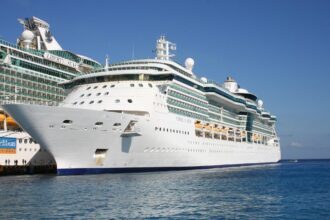
On board, passengers can enjoy a range of facilities including restaurants, cafés, lounges, children’s play areas, shops and comfortable cabins on overnight crossings. Travellers bringing cars, motorcycles, bicycles and motorhomes are all well catered for, with spacious vehicle decks and straightforward boarding procedures.
Arriving in Plymouth places you immediately on England’s excellent road network, with easy access to the A38 towards Exeter and the M5, as well as routes into Cornwall. Whether you are beginning a tour of southern England or returning home after exploring France, the Roscoff to Plymouth route remains one of the most enjoyable ferry crossings available.
Roscoff to Plymouth Ferry Times & Departures
Use Ferryhopper to check live sailings between Roscoff and Plymouth in both directions. Select your travel date to compare scheduled ferry departures, sailing times and available tickets.
Select the date you want to travel. The times shown on the right-hand side are the scheduled departure and arrival times for each ferry.
Availability can change quickly, particularly during weekends and the summer season. Some sailings may stop accepting bookings a few hours before departure. If a timetable is blank, there may be no available sailings for today. Try moving to a later date to check future services.
This is the timetable for the outward direction. Use it to check sailings from Roscoff to Plymouth for the date you plan to travel.
This is a separate timetable for the opposite direction. It does not select a return ticket for the journey above. Use it to check sailings from Plymouth to Roscoff.
Want to compare different routes and other ferry options?
Compare routes, operators, sailing times and prices with Ferryhopper or Direct Ferries.
Direct Sailings to Cork
If you’re planning to explore Ireland’s spectacular south west, the direct ferry from Roscoff to Cork is one of the most convenient ways to begin your journey. Operated by Brittany Ferries, this route allows travellers to sail straight between Brittany and Ireland without driving through Britain, saving time and avoiding additional border crossings.
The service is generally seasonal, operating between spring and autumn when demand is highest. Most crossings take around 13 to 15 hours, making them ideal for overnight travel. Booking a cabin is highly recommended, allowing you to enjoy a proper night’s sleep before arriving refreshed the following morning.
On board you’ll find a range of facilities including restaurants, cafés, bars, comfortable lounges, shops and spacious outdoor decks where you can enjoy views across the Celtic Sea. Families, cyclists, motorcyclists and motorhome owners are all well catered for, while pet-friendly cabins are available on selected sailings for those travelling with animals.
The ferry arrives at Ringaskiddy, approximately 20 minutes from Cork city centre. From here you have easy access to Kinsale, Cobh, Killarney National Park, the Ring of Kerry, the Beara Peninsula and the Wild Atlantic Way, making this route particularly attractive for scenic touring holidays.
Roscoff to Cork Ferry Schedules & Tickets
Check the current Roscoff to Cork ferry schedule with Ferryhopper. Change the date to compare available crossings, departure times and bookable tickets for both directions.
Select the date you want to travel. The times shown on the right-hand side are the scheduled departure and arrival times for each ferry.
Availability can change quickly, particularly during weekends and the summer season. Some sailings may stop accepting bookings a few hours before departure. If a timetable is blank, there may be no available sailings for today. Try moving to a later date to check future services.
This is the timetable for the outward direction. Use it to check sailings from Roscoff to Cork for the date you plan to travel.
This is a separate timetable for the opposite direction. It does not select a return ticket for the journey above. Use it to check sailings from Cork to Roscoff.
Want to compare alternative ferry routes and more sailing options?
Compare routes, operators, sailing times and prices with Ferryhopper or Direct Ferries.
Crossing to Rosslare
For travellers heading towards Ireland’s east and south east, the Roscoff to Rosslare crossing is an excellent alternative. Rather than arriving on the country’s western coastline, passengers step ashore within easy reach of Wexford, Waterford, Kilkenny and Dublin, making it an ideal starting point for exploring a different side of Ireland.
The route is operated by Brittany Ferries and usually runs on a seasonal timetable, with sailing frequencies changing throughout the year. The crossing typically lasts around 17 to 18 hours, giving passengers plenty of time to enjoy the ship’s facilities before arriving the following day.
Accommodation ranges from standard seating areas through to private en suite cabins, while onboard facilities include restaurants, cafés, bars, shopping, children’s entertainment and comfortable lounges. Travellers bringing vehicles benefit from simple boarding procedures and can leave the ship quickly once docking is complete.
Rosslare Europort enjoys excellent onward connections via the M11 and M9, making journeys across eastern Ireland straightforward. The port is also served by Ireland’s railway network, providing another convenient option for foot passengers continuing to destinations throughout the country.
Roscoff to Rosslare Ferry Crossings & Times
Compare ferry crossings between Roscoff and Rosslare with Ferryhopper. The live timetable shows scheduled departure and arrival times so you can choose a suitable sailing in either direction.
Select the date you want to travel. The times shown on the right-hand side are the scheduled departure and arrival times for each ferry.
Availability can change quickly, particularly during weekends and the summer season. Some sailings may stop accepting bookings a few hours before departure. If a timetable is blank, there may be no available sailings for today. Try moving to a later date to check future services.
This is the timetable for the outward direction. Use it to check sailings from Roscoff to Rosslare for the date you plan to travel.
This is a separate timetable for the opposite direction. It does not select a return ticket for the journey above. Use it to check sailings from Rosslare to Roscoff.
Looking for different ferry routes or other ferry options?
Compare routes, operators, sailing times and prices with Ferryhopper or Direct Ferries.
Which Crossing Best Suits Your Journey?
Each route from Roscoff serves a different part of the British Isles, so choosing the right crossing can save both time and driving distance once you arrive.
The Plymouth service is the obvious choice for anyone heading to Cornwall, Devon, Somerset or the wider south west of England. It also provides convenient onward access to the M5 and the rest of the UK road network, making it popular with both holidaymakers and business travellers.
If your itinerary focuses on County Cork, Killarney, the Ring of Kerry or the Wild Atlantic Way, sailing directly into Cork is by far the most convenient option. Arriving in southern Ireland means you can begin exploring almost immediately without spending hours crossing the country by road.
Meanwhile, travellers planning to visit Waterford, Kilkenny, Wicklow, Dublin or Ireland’s Ancient East will usually find Rosslare the better arrival point. Whichever crossing you choose, booking several weeks or months in advance is advisable during the busy summer season, particularly if you’re travelling with a vehicle, require a cabin or are taking pets.
Compare Ferry Prices from Roscoff
Once you’ve decided which destination best suits your trip, it’s worth comparing the available sailings before booking. Departure times, journey durations, ticket prices and cabin availability can vary considerably depending on the date, sailing and season, while travelling a day earlier or later can sometimes result in significant savings.
The comparison tool below allows you to search departures from Roscoff Ferry Port, check the latest availability and compare fares in one place. Whether you’re travelling as a foot passenger or taking a car, motorhome, motorcycle or bicycle, you can quickly see which crossings best match your plans.
During school holidays, bank holiday weekends and throughout the summer peak season, many of the most popular sailings sell out well in advance. Reserving early not only gives you the greatest choice of departure times and cabins, but can also help secure the lowest available fares.
Best for long or awkward journeys. Builds one itinerary out of separate flights.
View flightsBest for anyone whose home plan charges by the megabyte abroad. Pay a fixed price up front.
Check eSIMsBest after a long flight or a late landing. Price agreed before you travel, and no taxi queue.
Check transfersGetting to Roscoff Ferry Port
Roscoff Ferry Port is easy to reach whether you’re travelling from elsewhere in Brittany, other parts of France or continuing a wider European road trip. The terminal is located on the northern edge of Roscoff, with dedicated signs directing ferry traffic from the moment you approach the town.
Most drivers arrive via the N12, Brittany’s main east to west dual carriageway. This road links Roscoff with Morlaix, Guingamp, Saint-Brieuc and Rennes, where connections continue to France’s national motorway network. The roads approaching the port are generally quiet compared with many larger ferry terminals, making the final stages of your journey relatively stress free.
If you’re travelling by rail, the nearest station with passenger services is Morlaix, around 25 kilometres away. The Roscoff to Morlaix railway has been closed to passenger trains since 2018, and the region now runs the BreizhGo line 929 coach in its place, calling at the ferry port before continuing to Morlaix station. From there, passengers can transfer onto the French TGV network for destinations including Paris, Rennes and beyond. Taxis are also available for anyone needing assistance or carrying heavier luggage.
If you’re arriving early, it’s well worth spending some time in Roscoff itself. The harbour, cafés, historic streets and seafront promenade are all within easy reach of the terminal, allowing you to begin your journey at a much more relaxed pace.
Checking In Before Your Sailing
Checking in at Roscoff Ferry Port is generally a smooth and well-organised process, although it is important to leave yourself plenty of time before departure. Brittany Ferries publishes recommended arrival times for each sailing, and these should always be followed, particularly during the busy summer season.
Passengers travelling with cars, motorhomes, motorcycles or other vehicles should have their booking confirmation, passport and any other required travel documents readily available before reaching the check in booths. Staff will verify your reservation before directing you towards the appropriate vehicle lanes ready for boarding.
Foot passengers follow a separate check in procedure inside the passenger terminal before waiting in the designated departure lounge until boarding is announced. Electronic information screens and staff announcements make it easy to follow the process, while the compact size of the terminal means walking distances are relatively short.
As international sailings involve immigration and security procedures, arriving at the last minute is never advisable. Giving yourself extra time helps avoid unnecessary stress and leaves plenty of opportunity to collect boarding passes, use the terminal facilities and prepare for your crossing.
Travelling as a Foot Passenger
Roscoff is an excellent port for foot passengers, particularly those combining ferry travel with France’s rail network or touring Brittany without a car. The passenger terminal is compact, clearly signposted and easy to navigate, making the entire departure process straightforward.
After checking in, passengers can relax inside the terminal before boarding begins. Seating areas, toilets and passenger information screens are available, while the nearby town centre offers cafés and restaurants if you arrive well ahead of your sailing.
Once on board, foot passengers enjoy exactly the same facilities as those travelling with vehicles. Depending on the ship, this may include restaurants, cafés, bars, shops, lounges, outdoor viewing decks and private cabins on overnight crossings. Whether you’re sailing to Plymouth, Cork or Rosslare, the journey is designed to be comfortable regardless of how you reach the port.
At your destination, onward transport is generally straightforward. Plymouth, Cork and Rosslare all offer taxi services and public transport connections, allowing passengers without vehicles to continue their journeys with ease.

Taking Your Car, Motorcycle or Motorhome
Many passengers choose Roscoff because it is perfectly suited to self-drive holidays. Bringing your own vehicle gives you complete freedom to explore Brittany, England or Ireland at your own pace, without relying on public transport or organised tours.
Cars, motorcycles, campervans and motorhomes are all accommodated on Brittany Ferries services, although availability can become limited during peak travel periods. Larger vehicles, especially motorhomes, caravans and vehicles carrying roof boxes or bicycles, should be measured accurately when booking to ensure the correct fare is paid and sufficient deck space is reserved.
Before boarding, vehicle passengers are directed into clearly marked lanes where staff organise loading according to the destination and type of vehicle. Once instructed, drivers simply follow the crew onto the ship’s vehicle deck before securing their vehicle and making their way upstairs to the passenger accommodation. Remember that access to the vehicle deck is normally restricted during the crossing, so make sure you take any medication, valuables and anything else you’ll need for the journey with you before leaving your vehicle.
For anyone planning an extended touring holiday, travelling with your own vehicle can be one of the most enjoyable ways to explore Brittany, southern England or Ireland, giving you the flexibility to discover smaller towns, coastal roads and rural attractions that are often difficult to reach by public transport.
Facilities at Roscoff Ferry Terminal
Although Roscoff is a smaller ferry port than terminals such as Calais or Cherbourg, it still provides everything most travellers need before boarding. The passenger terminal is modern, well maintained and easy to navigate, helping create a relaxed start to your journey. The regional port authority profile of the Bloscon deep water port sets out the terminal facilities, including the free shuttle into town.
Inside the terminal you’ll find comfortable seating areas, toilets, baby changing facilities and passenger information screens displaying the latest boarding announcements and sailing information. Free Wi-Fi may be available in parts of the terminal, allowing passengers to check emails, confirm accommodation bookings or simply browse the internet while waiting to board.
If you’ve arrived early, you’ll also discover that Roscoff town centre is only a short distance away. Rather than remaining inside the terminal, many passengers choose to enjoy a coffee, fresh seafood lunch or a stroll along the attractive waterfront before returning for check in. This is one of Roscoff’s biggest advantages, as relatively few ferry ports are so closely integrated with their surrounding town.
Once onboard, the facilities expand considerably. Depending on the vessel, you’ll have access to restaurants, cafés, bars, comfortable lounges, shopping, children’s play areas, private cabins and spacious outdoor decks, ensuring your crossing is both comfortable and enjoyable.
Parking at Roscoff Ferry Port
Roscoff Ferry Port provides dedicated parking for passengers, making it convenient whether you’re leaving a vehicle for several days or simply dropping somebody off before their sailing. The parking areas are located close to the terminal, keeping walking distances relatively short even when travelling with luggage.
For travellers leaving their vehicle behind, it’s sensible to book long stay parking in advance if this option is available, particularly during the summer holiday season when demand is highest. If you’re only collecting or dropping off passengers, there are also designated areas where short visits can normally be made without difficulty.
As Roscoff is a relatively compact port, traffic congestion is usually much lighter than at many larger ferry terminals. Nevertheless, during school holidays, bank holiday weekends and busy summer departures it’s still wise to allow extra time in case of queues approaching the terminal.
If you’re staying overnight before your crossing, many nearby hotels also provide guest parking, allowing you to leave your vehicle safely while exploring the town before departure.
Best if you would rather spend the money on Roscoff than on the room. Compare hostels by location and rating.
Search hostelsBest if you have ever given up on a claim. AirHelp checks whether the flight qualifies and pursues it for you.
See the benefitsBest if your room is not ready yet. Left luggage booked in advance, so you are not hunting for a locker.
Check storagePublic Transport Connections
Roscoff is one of the easier French ferry ports to reach without a car, thanks to its coach connection towards Morlaix and local transport links. This makes it a practical option for foot passengers, cyclists and travellers combining ferry travel with France’s excellent railway network.
There are no longer any passenger trains at Roscoff. The line to Morlaix closed to passenger services in 2018 and is now covered by the BreizhGo line 929 coach, which calls at the ferry port and continues to Morlaix station. From Morlaix, passengers can connect onto high speed TGV services for destinations including Rennes, Paris, Brest and many other French cities.
Several regional bus services also serve Roscoff, providing connections to nearby towns across Brittany. While most international visitors arrive by car or train, these bus services can be useful for local journeys or reaching accommodation elsewhere in the region.
Taxi services are readily available around the town and ferry terminal, offering another convenient option for passengers carrying heavy luggage or travelling with young children. Because Roscoff is relatively small, journey times are usually short and fares remain reasonable.
Accessibility at the Ferry Port
Roscoff Ferry Port aims to make travel as straightforward as possible for passengers with reduced mobility or additional accessibility requirements. Both the terminal and Brittany Ferries’ ships include a variety of facilities designed to help ensure every passenger enjoys a comfortable journey.
The passenger terminal provides step free access, while accessible toilets and clearly marked routes help passengers move easily through the building. Staff are available to assist where required, although anyone needing additional help should notify Brittany Ferries when making their booking so suitable arrangements can be put in place before the day of travel.
On board, many vessels feature accessible cabins, lifts between passenger decks, wheelchair accessible lounges and specially adapted toilet facilities. Assistance with boarding and disembarkation can also be arranged, helping passengers move safely between the terminal and the ship.
If you’re travelling with mobility equipment, medical devices or assistance dogs, it is always advisable to discuss your requirements with the ferry operator before departure. Doing so helps ensure everything is ready on arrival, allowing you to begin your journey with confidence and without unnecessary delays.
Hotels Near Roscoff Ferry Port
If you have an early morning departure or arrive on a late evening sailing, staying overnight in Roscoff can make your journey far more relaxing. The town offers a good selection of accommodation, ranging from boutique hotels overlooking the harbour to comfortable guesthouses and self catering apartments, all within easy reach of the ferry terminal.
Many visitors choose to spend a night in Roscoff so they can enjoy the town rather than rushing straight onto the ferry. The historic centre is full of granite buildings, traditional Breton restaurants, independent cafés and attractive coastal walks, making it an enjoyable place to begin or end your holiday. Several hotels are located within walking distance of the terminal, meaning you may not even need to use your car once you’ve checked in.
Travellers looking for additional facilities will also find accommodation in nearby towns such as Saint-Pol-de-Léon and Morlaix, both of which provide a wider choice of hotels and holiday accommodation while remaining within an easy drive of the port.
If you’re travelling during July, August or over public holidays, it is worth reserving accommodation well in advance. Roscoff is popular with both ferry passengers and holidaymakers exploring Brittany, and the best located hotels can become fully booked surprisingly quickly.

When is the Best Time to Travel?
Roscoff Ferry Port operates throughout the year, but the experience can vary considerably depending on when you choose to travel. Understanding the seasonal differences can help you find the right balance between price, availability and weather.
The busiest period is during the summer months, particularly July and August, when families travel during school holidays and Brittany enjoys its warmest weather. During this time you’ll find the greatest choice of ferry departures, but you’ll also encounter higher fares, greater demand for cabins and busier roads around the region. Booking several months in advance is strongly recommended if you’re travelling during this period.
The shoulder seasons of May, June, September and early October are often considered the ideal time to travel. Temperatures are usually pleasant, Brittany is less crowded and ferry fares can often be significantly lower than during the summer peak. These months are particularly popular with couples, motorhome owners and cyclists exploring the region at a more leisurely pace.
Winter crossings are generally much quieter and can offer attractive prices, although sailing schedules are usually reduced and weather conditions across the English Channel and Celtic Sea may occasionally affect journey times. If travelling during the colder months, it is always sensible to check the latest sailing information before setting off.
Things to Do Near Roscoff Ferry Port Before You Sail
If your schedule allows, don’t head straight for the terminal. Roscoff is one of Brittany’s most attractive coastal towns and is well worth exploring before your ferry departs. Spending a few extra hours here can turn a simple crossing into the start of a memorable holiday.
A walk around the Old Town reveals narrow streets lined with beautifully preserved granite merchants’ houses, colourful shopfronts and traditional Breton architecture. Along the waterfront you’ll find plenty of cafés where you can enjoy fresh coffee while watching fishing boats and ferries come and go.
Roscoff is also famous for its seafood restaurants, serving everything from locally caught fish to oysters, mussels and shellfish harvested along Brittany’s coastline. If you’re travelling later in the day, enjoying a relaxed lunch overlooking the harbour is an excellent way to begin your journey.
Nature lovers may also wish to visit the Jardin Exotique et Botanique de Roscoff, home to an impressive collection of exotic plants overlooking the sea. Alternatively, take a stroll along the harbour promenade or simply enjoy the coastal views before returning to the ferry terminal. Because everything is located within a relatively compact area, it’s easy to make the most of your time without worrying about a long journey back to check in.

Rupert’s Handy Travel Tips
Sailing from Roscoff? Here are a few useful tips to make your crossing smoother:
- Arrive early for a harbour stroll: Roscoff’s Old Town and waterfront cafés are only steps from the terminal, so build in time before check-in to enjoy a coffee or fresh seafood lunch rather than waiting inside.
- Book ahead for the Ireland routes: the Cork and Rosslare sailings run seasonally and cabins sell out fast for the 13-18 hour overnight crossings, so reserve well in advance if you want a proper night’s sleep.
- Keep essentials with you on the vehicle deck: access is restricted once the ship sails, so take medication, valuables and anything else you’ll need for the crossing before heading up to the passenger decks.
- Foot passengers can skip the car entirely: the BreizhGo 929 coach calls at the ferry port and runs to Morlaix station, where you can pick up the TGV network, making this one of the easiest French ports to reach car-free.
Want to meet the reindeer behind our travel tips? Find out more in our page Who is Rupert?.




Frequently Asked Questions
Which ferry companies operate from Roscoff Ferry Port?
Brittany Ferries operates all scheduled ferry services from Roscoff, with crossings to Plymouth in England and seasonal routes to Cork and Rosslare in Ireland.
How early should I arrive before my ferry departs?
You should follow the arrival time recommended by Brittany Ferries when you book. During summer, school holidays and bank holiday weekends, it’s sensible to allow extra time in case of heavier traffic or longer check in queues.
Can I travel as a foot passenger from Roscoff?
Yes. Foot passengers are welcome on all Roscoff ferry routes. Roscoff no longer has passenger trains, but the BreizhGo line 929 coach calls at the ferry port and runs to Morlaix station, making it easy to combine ferry travel with France’s rail network.
Can I take my car, motorcycle or motorhome?
Yes. You can travel with cars, motorcycles, motorhomes, campervans, caravans and bicycles on Brittany Ferries services. Vehicle spaces are limited on some sailings, so booking early is highly recommended.
Are cabins available onboard?
Yes. Cabins are available on the longer crossings and are strongly recommended for overnight sailings. Booking a cabin allows you to arrive well rested and is particularly worthwhile on the Ireland routes.
Is parking available at Roscoff Ferry Port?
Yes. Parking is available close to the terminal for both short visits and longer stays. If you’re planning to leave your vehicle for several days during the busy season, it’s worth checking availability before travelling.
Can I take my pet?
Yes. Pets can travel on many Brittany Ferries sailings, provided they meet the latest pet travel requirements for your destination. Pet-friendly cabins and kennel spaces are limited, so they should be reserved well in advance.
Is there anywhere to eat before boarding?
Yes. Roscoff’s restaurants, cafés and bakeries are only a short walk from the ferry terminal, while food and drink are also available onboard throughout your crossing.
Further Reading
If you’re continuing your journey after arriving, take a look at our Visiting Brest and Things to Do in Rennes guides for more on touring Brittany by road or rail.
Travelling onward by train? Our Interrail France Pass Guide covers rail travel across the country, while our St Malo Ferry Routes guide is worth a read if you’re comparing other Brittany ferry ports.
You can also compare fares and routes across operators using the Direct Ferries App before booking your next crossing.