Reviewed by our editorial team Updated
Why Use Rosslare Ferry Terminal
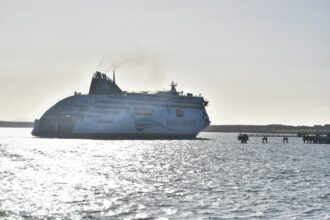
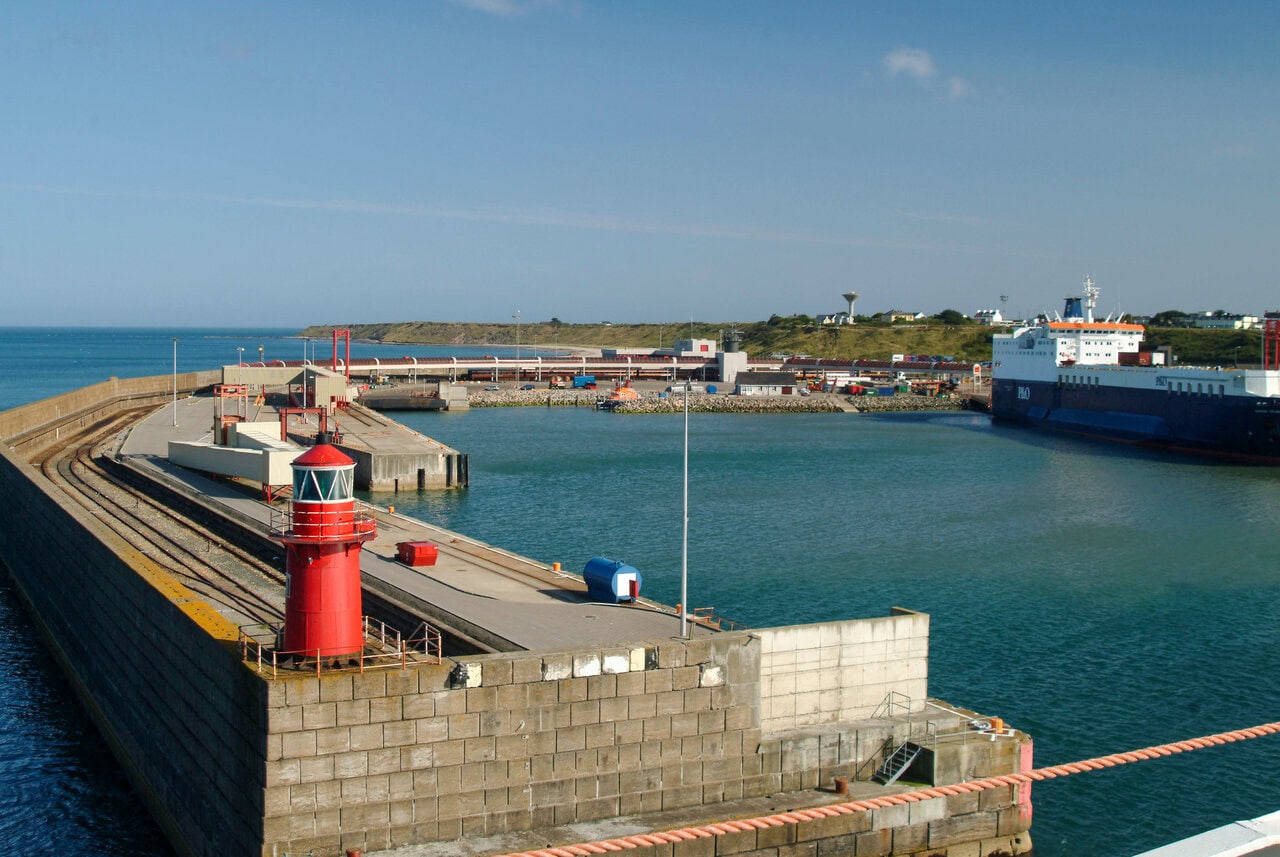
Rosslare Ferry Terminal, officially known as Rosslare Europort, is Ireland’s principal passenger ferry gateway to both Great Britain and mainland Europe. Located on the south-east coast in County Wexford, the port occupies a unique position within Ireland’s transport network, serving as one of the country’s most important links to the outside world. Whether you are travelling to Wales, France, Spain, or arriving in Ireland by sea, Rosslare is often the first or last stop on the journey.
Unlike some ferry ports that primarily focus on freight traffic, Rosslare Europort remains highly accessible for tourists, foot passengers, rail travellers, cyclists, motorhome users, and motorists. The port combines ferry services with direct railway connections and road access, making it one of the easiest Irish ports to reach without a car. For travellers seeking alternatives to flying, Rosslare offers one of the most practical ways to travel between Ireland and Europe.
The port’s importance has grown significantly in recent years. Following Brexit, many ferry operators expanded direct sailings between Ireland and continental Europe, reducing reliance on land routes through the United Kingdom. This transformed Rosslare from an important regional port into one of the key gateways between Ireland, France, Spain, and the wider European Union.
For travellers planning rail and ferry journeys, Rosslare is particularly attractive because of its direct connection to the Ireland rail network. Passengers can travel from Dublin, Wexford, and intermediate stations directly to the ferry terminal, creating one of the most convenient rail-and-sail hubs anywhere in Ireland.
Rosslare Ferry Terminal at a Glance
| Feature | Details |
|---|---|
| Official Name | Rosslare Europort |
| Location | Rosslare Harbour, County Wexford |
| Province | Leinster |
| Main Ferry Operators | Stena Line, Irish Ferries, Brittany Ferries |
| Rail Station | Rosslare Europort Station |
| Main UK Routes | Fishguard, Pembroke |
| Main European Routes | Cherbourg, Dunkirk, Bilbao |
| Public Transport | Train and coach connections |
| Parking Available | Yes |
| Foot Passenger Facilities | Yes |
| Freight Traffic | Extensive |
| Distance from Dublin | Approximately 170 km |
The modern Rosslare Ferry Terminal combines passenger, freight, rail, and road transport within a single integrated complex. Unlike many ferry ports that require lengthy transfers between stations and terminals, Rosslare has been designed around convenient onward connections, helping passengers move easily between different modes of transport.
One of the terminal’s biggest advantages is its compact layout. Passengers generally find navigation straightforward, whether arriving by train, coach, taxi, bicycle, or private vehicle. Signage is clear, facilities are modern, and the port’s manageable size helps reduce stress compared with some of Europe’s largest ferry terminals.
Rosslare’s strategic location on Ireland’s south-east coast also gives ferry operators efficient access to both the Irish Sea and the English Channel. This allows the port to support a diverse range of services, from short crossings to Wales through to overnight sailings reaching deep into continental Europe.
Best for a short trip. Compare rooms by neighbourhood, price and guest rating before you book.
Compare hotelsBest for groups who want one address and separate bedrooms rather than three hotel rooms.
See holiday homesBest as a last check before booking. Compares hotel rates across several sites in one search.
Compare ratesWhere is Rosslare Ferry Terminal?
Rosslare Ferry Terminal sits in Rosslare Harbour, a small settlement located in the south-east corner of County Wexford. Positioned directly on the Irish Sea, the port lies close to Ireland’s nearest point to southern Wales, making it a natural location for ferry services connecting Ireland and Britain. Its position also provides excellent access to routes serving France, Belgium, and Spain.
The terminal is located approximately 170 kilometres south of Dublin, making it easily reachable from the Irish capital by both road and rail. Travellers driving from Dublin can typically reach Rosslare in around two and a half hours depending on traffic, while direct rail services provide a comfortable alternative for passengers travelling without a car.
The nearby town of Wexford lies around 20 kilometres to the north and serves as the main urban centre for the surrounding region. Many travellers choose to stay overnight in Wexford before an early ferry departure, while others use the town as a base for exploring Ireland’s sunny south-east coast.
Rosslare’s location also places it within easy reach of attractions such as the Hook Peninsula, Johnstown Castle, Irish National Heritage Park, and the beaches of County Wexford. For visitors arriving from overseas, the port can therefore serve not only as a transport hub but also as a gateway to one of Ireland’s most attractive coastal regions.
| Destination | Approximate Distance |
|---|---|
| Wexford | 20 km |
| Waterford | 75 km |
| Kilkenny | 110 km |
| Dublin | 170 km |
| Cork | 220 km |
| Galway | 260 km |
A Brief History of Rosslare Europort
The story of Rosslare Europort is closely tied to Ireland’s maritime connections with Britain and mainland Europe. The harbour was developed during the late nineteenth and early twentieth centuries as demand grew for reliable sea links between Ireland and the rest of Europe. Its location, facing directly towards Wales, made it an obvious choice for ferry operations.
Throughout much of the twentieth century, Rosslare became one of Ireland’s busiest passenger ports. Services to Fishguard and Pembroke helped connect Irish travellers with Britain’s railway network, while growing tourism increased demand for passenger ferry crossings. The port developed alongside Ireland’s railway system, creating the integrated transport hub that still exists today.
Ireland’s membership of the European Economic Community and later the European Union further increased Rosslare’s importance. Direct ferry services to continental Europe gradually expanded, opening new travel opportunities for both passengers and freight operators. The port evolved from a primarily Britain-focused gateway into an international transport hub linking Ireland directly with mainland Europe.
The most dramatic transformation occurred following Brexit. Many freight companies and ferry operators sought alternatives to the UK land bridge, leading to significant growth in direct European services. Today, Rosslare Europort is recognised as one of Ireland’s most strategically important ports, handling large volumes of both passenger and freight traffic while providing crucial transport links between Ireland, Britain, France, Belgium, and Spain.
Ferry Routes from Rosslare
One of the biggest strengths of Rosslare Ferry Terminal is the diversity of destinations available from a single port. Unlike some Irish ferry terminals that focus almost exclusively on Britain, Rosslare Europort serves both the United Kingdom and mainland Europe, giving travellers a wide range of options whether they are planning a short crossing or a multi-day journey.
For passengers travelling to Britain, the port offers regular services to Fishguard and Pembroke in Wales. These routes provide convenient access to the Welsh rail network, onward train services to Cardiff, Swansea, Bristol, Birmingham, and London, and excellent road connections across the UK. They remain particularly popular with holidaymakers, rail travellers, and those bringing vehicles between Ireland and Britain.
Rosslare’s continental services have grown substantially in recent years. Direct sailings now connect Ireland with destinations including Cherbourg, Dunkirk, and Bilbao, allowing travellers to reach mainland Europe without setting foot in Britain. These routes have become increasingly attractive to motorists, motorhome owners, cyclists, and travellers seeking slower, more relaxed alternatives to flying.
Perhaps the greatest advantage of Rosslare’s route network is flexibility. A traveller can leave Ireland by ferry, continue through France, Belgium, or Spain, and then return via an entirely different route. This makes Rosslare one of the most useful ports in Ireland for creating circular European travel itineraries without relying on airports.

Rosslare to Fishguard Ferry
The Rosslare to Fishguard Ferry is one of the most historic and important sea routes linking Ireland and Wales. Operated by Stena Line, the service provides a direct connection between Rosslare Europort and the Welsh port of Fishguard, creating a vital transport corridor between Ireland and western Britain.
The crossing typically takes around three and a half hours, making it one of the quickest ferry routes available from southern Ireland. Multiple sailings are usually available throughout the week, allowing flexibility for both foot passengers and vehicle users. The relatively short duration also makes the route popular with travellers who prefer daytime crossings rather than overnight sailings.
One of the route’s greatest advantages is its excellent rail integration. Fishguard Harbour Station sits directly beside the ferry terminal, allowing passengers to transfer seamlessly between ferry and train. From Fishguard, rail services provide onward connections towards Swansea, Cardiff, and London Paddington, making the route particularly attractive for rail-and-sail travellers.
For visitors arriving in Ireland, the route also provides straightforward access to the Ireland rail network. Trains serving Rosslare Europort Station allow passengers to continue towards Wexford and Dublin, making it possible to travel from central London to Dublin using only trains and ferries. Few transport routes offer such a simple combination of sea and rail travel.
| Route | Rosslare – Fishguard |
|---|---|
| Operator | Stena Line |
| Crossing Time | Approximately 3 hours 30 minutes |
| Country Served | Wales |
| Foot Passengers | Yes |
| Vehicles | Yes |
| Rail Connection | Excellent |
Rosslare to Fishguard Ferry Times & Departures
Use Ferryhopper to check live sailings between Rosslare and Fishguard in both directions. Select your travel date to compare scheduled ferry departures, sailing times and available tickets.
Select the date you want to travel. The times shown on the right-hand side are the scheduled departure and arrival times for each ferry.
Availability can change quickly, particularly during weekends and the summer season. Some sailings may stop accepting bookings a few hours before departure. If a timetable is blank, there may be no available sailings for today. Try moving to a later date to check future services.
This is the timetable for the outward direction. Use it to check sailings from Rosslare to Fishguard for the date you plan to travel.
This is a separate timetable for the opposite direction. It does not select a return ticket for the journey above. Use it to check sailings from Fishguard to Rosslare.
Want to compare different routes and other ferry options?
Compare routes, operators, sailing times and prices with Ferryhopper or Direct Ferries.
Rosslare to Pembroke Ferry
The Rosslare to Pembroke Ferry provides another important link between Ireland and Wales. Operated by Irish Ferries, this route connects Rosslare with Pembroke Dock, offering travellers an alternative gateway to southern Wales and western Britain.
Crossing times are generally around four hours, depending on weather conditions and vessel schedules. The route is particularly popular with motorists because of its convenient road connections into south Wales and western England. Travellers heading towards destinations such as Cardiff, Bristol, Bath, and the West Country often find Pembroke to be a highly practical arrival point.
Although the rail connection is not quite as seamless as the Fishguard route, railway access remains good. Pembroke Dock Station is located close to the ferry terminal and provides connections into the wider Welsh rail network. Passengers can travel onwards towards Swansea, Cardiff, and other major destinations using regular train services.
For travellers arriving in Ireland, the route offers easy access to the south-east of the country. The relatively short distance between Rosslare and Wexford, combined with rail services towards Dublin, means that onward travel is generally straightforward. The combination of ferry, rail, and road connectivity continues to make the Pembroke route one of the busiest links between Ireland and Britain.
| Route | Rosslare – Pembroke |
|---|---|
| Operator | Irish Ferries |
| Crossing Time | Approximately 4 hours |
| Country Served | Wales |
| Foot Passengers | Yes |
| Vehicles | Yes |
| Rail Connection | Good |
Rosslare to Pembroke Ferry Schedules & Tickets
Check the current Rosslare to Pembroke ferry schedule with Ferryhopper. Change the date to compare available crossings, departure times and bookable tickets for both directions.
Select the date you want to travel. The times shown on the right-hand side are the scheduled departure and arrival times for each ferry.
Availability can change quickly, particularly during weekends and the summer season. Some sailings may stop accepting bookings a few hours before departure. If a timetable is blank, there may be no available sailings for today. Try moving to a later date to check future services.
This is the timetable for the outward direction. Use it to check sailings from Rosslare to Pembroke for the date you plan to travel.
This is a separate timetable for the opposite direction. It does not select a return ticket for the journey above. Use it to check sailings from Pembroke to Rosslare.
Want to compare alternative ferry routes and more sailing options?
Compare routes, operators, sailing times and prices with Ferryhopper or Direct Ferries.

Plan Your Ferry Journey with Irish Ferries
Travelling between Ireland, Britain, and France can be simple and flexible by ferry. Irish Ferries operates passenger and vehicle services, making it easy to travel with your car, motorhome, bicycle, or luggage without airline restrictions.
It is ideal for road trips, family holidays, and travellers who prefer a more relaxed journey. Whether you are crossing the Irish Sea or travelling between Ireland and continental Europe, ferry travel offers flexibility, comfort, and generous luggage allowances.
Rosslare to Cherbourg Ferry
For travellers heading to mainland Europe, the Rosslare to Cherbourg Ferry is one of the most important international routes operating from Ireland. Linking Rosslare Europort with the major French port of Cherbourg, the service provides direct access to Normandy and the wider European transport network.
Unlike the shorter Welsh crossings, the journey to Cherbourg is typically an overnight sailing. Depending on the operator and specific service, crossing times are usually between 16 and 20 hours. Modern ferries provide cabins, restaurants, bars, lounges, and entertainment facilities, allowing passengers to treat the crossing as part of the holiday experience rather than simply a means of transport.
Cherbourg’s location makes it an excellent entry point for exploring northern France. Travellers can quickly reach destinations such as Caen, Rouen, Paris, and the beaches of Normandy, while onward rail connections provide access to the rest of France and mainland Europe. For rail travellers, the route opens up opportunities for extensive European journeys without needing to fly.
The route has become increasingly significant since Brexit, with many travellers preferring direct links between Ireland and continental Europe. By avoiding transit through Britain, passengers can travel directly between Ireland and the European Union while remaining entirely within EU territory. This has helped establish the Rosslare to Cherbourg Ferry as one of the most strategically important passenger routes operating from Ireland today.
| Route | Rosslare – Cherbourg |
|---|---|
| Operators | Brittany Ferries / Irish Ferries |
| Crossing Time | Approximately 16–20 hours |
| Country Served | France |
| Foot Passengers | Yes |
| Vehicles | Yes |
| Overnight Cabins | Available |
Rosslare to Cherbourg-en-Cotentin Ferry Crossings & Times
Compare ferry crossings between Rosslare and Cherbourg-en-Cotentin with Ferryhopper. The live timetable shows scheduled departure and arrival times so you can choose a suitable sailing in either direction.
Select the date you want to travel. The times shown on the right-hand side are the scheduled departure and arrival times for each ferry.
Availability can change quickly, particularly during weekends and the summer season. Some sailings may stop accepting bookings a few hours before departure. If a timetable is blank, there may be no available sailings for today. Try moving to a later date to check future services.
This is the timetable for the outward direction. Use it to check sailings from Rosslare to Cherbourg-en-Cotentin for the date you plan to travel.
This is a separate timetable for the opposite direction. It does not select a return ticket for the journey above. Use it to check sailings from Cherbourg-en-Cotentin to Rosslare.
Looking for different ferry routes or other ferry options?
Compare routes, operators, sailing times and prices with Ferryhopper or Direct Ferries.
Best for finding routes the airlines do not sell as a single ticket. Combines carriers to bring the fare down.
Search flightsBest if you want maps and messaging working the moment you switch your phone on.
See eSIM plansBest after a long flight or a late landing. Price agreed before you travel, and no taxi queue.
Check transfersRosslare to Dunkirk Ferry
The Rosslare to Dunkirk Ferry has become one of the most important direct freight and passenger links between Ireland and mainland Europe. Operated by DFDS, the route connects Rosslare Europort with Dunkirk in northern France, providing direct access to the European mainland without the need to travel through Britain.
As one of the longest ferry routes from Ireland, the crossing typically takes around 24 hours, making it a genuine sea voyage rather than a simple ferry trip. Passengers travelling on the route generally book cabins, allowing them to relax overnight while crossing the Celtic Sea and the English Channel. Modern onboard facilities include restaurants, lounges, shops, and comfortable accommodation, making the journey surprisingly enjoyable for those who prefer slower travel.
Dunkirk’s location close to the borders of Belgium, Luxembourg, Germany, and the Netherlands makes the route particularly attractive for travellers exploring northern Europe. Major cities such as Brussels, Antwerp, Rotterdam, Amsterdam, and Cologne can all be reached relatively easily after arrival, either by road or rail.
For Irish travellers planning long European road trips, motorhome holidays, or rail adventures, the route offers one of the most convenient ways to reach mainland Europe while avoiding airport restrictions, baggage limits, and car rental costs. The service has become especially popular with travellers seeking a relaxed start to a wider European journey.
| Route | Rosslare – Dunkirk |
|---|---|
| Operator | DFDS |
| Crossing Time | Approximately 24 hours |
| Country Served | France |
| Foot Passengers | Limited availability depending on sailing |
| Vehicles | Yes |
| Overnight Cabins | Available |
Compare DFDS Ferry Routes and Sailings
Travelling by ferry can be one of the most relaxing ways to reach your destination. DFDS operates ferry routes across the United Kingdom, France, the Netherlands, Denmark, Norway, Sweden, Germany, Estonia and Lithuania, connecting travellers with key destinations throughout Northern Europe.
DFDS is ideal for foot passengers, car and motorcycle travellers, and those taking motorhomes or campervans abroad. Many routes offer onboard dining, shopping, cabins and comfortable lounges, making the journey part of the travel experience rather than simply a transfer.
Rosslare to Bilbao Ferry
Among all services operating from Rosslare Ferry Terminal, few are as distinctive as the route to Bilbao. Operated by Brittany Ferries, this long-distance service links Ireland directly with northern Spain and provides one of the most unusual ferry journeys available anywhere in Europe.
The crossing typically takes between 28 and 32 hours, making it one of the longest passenger ferry routes from Ireland. Rather than viewing the journey as simple transport, many travellers treat it as part of the holiday itself. Modern vessels offer restaurants, bars, lounges, shops, cabins, and outdoor viewing areas, creating an experience that feels closer to a mini-cruise than a traditional ferry crossing.
Bilbao is located in Spain’s Basque Country, providing immediate access to destinations such as San Sebastián, Santander, Pamplona, and the famous vineyards of La Rioja. For travellers planning road trips across Spain or onward journeys into Portugal, the route offers an attractive alternative to flying.
The Bilbao service is particularly popular with motorhome owners, cyclists, and travellers undertaking extended European adventures. Instead of flying into Spain and hiring a vehicle, passengers can simply take their own car, motorcycle, campervan, or bicycle directly across the Bay of Biscay. For those who enjoy slow travel, it remains one of the most appealing ferry journeys operating from Ireland.
| Route | Rosslare – Bilbao |
|---|---|
| Operator | Brittany Ferries |
| Crossing Time | Approximately 28–32 hours |
| Country Served | Spain |
| Foot Passengers | Yes |
| Vehicles | Yes |
| Overnight Cabins | Available |
Rosslare to Bilbao Ferry Departures & Schedules
Use Ferryhopper to compare scheduled ferry departures between Rosslare and Bilbao. Choose your travel date to see available sailings, journey times and tickets in both directions.
Select the date you want to travel. The times shown on the right-hand side are the scheduled departure and arrival times for each ferry.
Availability can change quickly, particularly during weekends and the summer season. Some sailings may stop accepting bookings a few hours before departure. If a timetable is blank, there may be no available sailings for today. Try moving to a later date to check future services.
This is the timetable for the outward direction. Use it to check sailings from Rosslare to Bilbao for the date you plan to travel.
This is a separate timetable for the opposite direction. It does not select a return ticket for the journey above. Use it to check sailings from Bilbao to Rosslare.
Want to check different routes and more ferry choices?
Compare routes, operators, sailing times and prices with Ferryhopper or Direct Ferries.
Ferry Operators at Rosslare
The success of Rosslare Europort is built upon the services provided by three major ferry companies. Together, these operators connect Ireland with destinations across Britain, France, Belgium, and Spain, giving passengers a wide range of travel options throughout the year.
Irish Ferries operates some of the port’s busiest services, including the important route to Pembroke in Wales and direct sailings to Cherbourg. The company is one of Ireland’s best-known ferry operators and carries large numbers of both passenger and freight vehicles between Ireland and Europe.
Stena Line provides the long-established connection between Rosslare and Fishguard. The route remains particularly important for rail-and-sail travellers because of the direct railway connection available at Fishguard Harbour. Stena’s services are widely used by tourists, motorists, and business travellers moving between Ireland and Wales.
Brittany Ferries specialises in longer-distance European routes and provides direct links from Rosslare to destinations including Cherbourg and Bilbao. The operator has become increasingly important in recent years as demand for direct Ireland-to-Europe travel has grown.
Finally, DFDS operates the strategic Rosslare to Dunkirk service. Although historically associated with freight transport, the route has also become popular with passengers seeking direct access to mainland Europe. Together, these operators ensure Rosslare remains one of the most internationally connected ports in Ireland.
Rosslare Ferry Terminal Facilities
Modern Rosslare Ferry Terminal has been designed to handle both large volumes of freight traffic and growing numbers of passengers. While it is not a vast cruise-style terminal, it offers the facilities most travellers require before boarding or after arriving in Ireland.
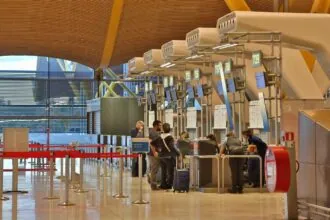
Passengers will find comfortable waiting areas within the terminal building, allowing travellers to relax before departure. Seating is available throughout the passenger areas, while information displays provide updates on sailing times, check-in requirements, and boarding procedures. The terminal’s relatively compact layout means that facilities are easy to locate and generally within a short walking distance of one another.
Essential amenities such as toilets, accessible facilities, and baby-changing areas are available for passenger use. The terminal is designed to accommodate travellers with reduced mobility, and ferry operators can provide additional assistance when requested in advance. Accessibility continues to improve as the port invests in modern infrastructure and passenger services.
Food and drink options vary depending on sailing schedules and operating hours, while vending facilities are generally available within the terminal area. Most passengers travelling on longer routes also benefit from extensive onboard facilities once they board their ferry, including restaurants, bars, shops, lounges, and cabin accommodation.
For many travellers, one of Rosslare’s greatest advantages is convenience. The combination of ferry terminal, railway station, coach services, and road access within a relatively small area creates a transport hub that is far easier to navigate than many larger European ports. This simplicity is one of the reasons why Rosslare remains such a popular departure point for both Irish and international travellers.
Rosslare Ferry Terminal Parking
For travellers arriving by car, Rosslare Ferry Terminal offers convenient parking facilities located close to the passenger terminal. Whether you are dropping off passengers, leaving a vehicle while travelling abroad, or arriving early for a sailing, the port has been designed to accommodate a variety of parking requirements.
Most passengers using the port for international travel choose the long-stay parking facilities. These are particularly popular with travellers taking ferry holidays to France, Spain, or Britain, as they allow vehicles to be left securely while passengers travel as foot passengers. The proximity of the parking areas to the terminal building means that luggage transfers are generally straightforward and do not require lengthy walks.
Short-stay parking is also available for those meeting arriving passengers or dropping off friends and family before departure. During peak holiday periods, particularly throughout summer and major holiday weekends, parking demand can increase significantly. Arriving early is therefore advisable, especially for passengers travelling with vehicles or large amounts of luggage.
Motorhomes, campervans, motorcycles, and larger vehicles are common sights at Rosslare due to the popularity of the port’s European ferry routes. Travellers planning extended trips through France, Spain, or wider Europe often begin their journeys here, making parking and vehicle access a key component of the port’s infrastructure.
| Parking Type | Suitable For |
|---|---|
| Short Stay | Drop-offs and pick-ups |
| Long Stay | Extended travel |
| Motorcycle Parking | Available |
| Motorhome Access | Available |
| Disabled Parking | Available near terminal |
Rosslare Ferry Terminal Check-In Process
The check-in process at Rosslare Ferry Terminal is generally straightforward, but requirements vary depending on the ferry operator, destination, and whether passengers are travelling on foot or with a vehicle. Understanding the process before arrival can help reduce stress and ensure a smooth departure.
Passengers travelling with cars, motorcycles, motorhomes, or caravans should typically arrive well before departure. Ferry operators usually recommend arriving at least 60 to 90 minutes before sailing, although longer check-in times may apply on international routes or during busy travel periods. Vehicle passengers will normally pass through dedicated check-in lanes before being directed towards the appropriate boarding area.
Foot passengers generally follow a separate process. After checking in at the terminal, travellers proceed through security and passport checks before entering the departure lounge. Boarding is usually announced shortly before departure, with passengers guided onto the vessel by terminal staff.
Because Rosslare serves international destinations, valid travel documents are essential. Passengers travelling to Britain, France, Spain, or other European destinations should carefully check passport validity requirements and any visa obligations before travelling. Requirements can vary depending on nationality and destination.
Security procedures are generally efficient, but peak summer sailings can generate large passenger volumes. Allowing additional time remains the safest approach, particularly when travelling with children, pets, oversized luggage, or vehicles.
| Passenger Type | Recommended Arrival |
|---|---|
| Foot Passenger | 60–90 minutes before departure |
| Car Passenger | 90 minutes before departure |
| Motorhome or Caravan | 90–120 minutes before departure |
| International Routes | Check operator guidance |
Best for short city stops where being central matters more than the room. Dorms and private rooms both listed.
See hostelsBest arranged before you fly rather than after. Covers claim handling, plus lounge access on eligible delays.
Explore AirHelp+Best for a day with a suitcase and nowhere to put it. Find a storage point near where you already are.
View storageRosslare Ferry Terminal by Train
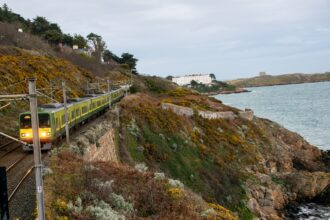
One of the features that makes Rosslare Ferry Terminal unique within Ireland is its direct railway connection. Unlike many ferry ports where passengers must rely on buses or taxis to reach the terminal, Rosslare Europort Station sits immediately beside the port, creating one of the most convenient rail-and-ferry interchanges in the country.
The station forms part of the Dublin to Rosslare Europort railway line, allowing passengers to travel directly from the Irish capital to the ferry terminal. Services generally operate via Bray, Wicklow, Arklow, Gorey, and Wexford before reaching Rosslare. For travellers arriving from elsewhere in Ireland, connections can normally be made through Dublin Connolly Station. Current departure times are published in the Irish Rail route timetables.
Journey times from Dublin are typically around two hours and forty-five minutes to three hours, depending on the service. While not as fast as driving, the railway offers a comfortable and scenic alternative that eliminates parking concerns and allows passengers to arrive directly at the terminal entrance.
For rail enthusiasts and environmentally conscious travellers, Rosslare provides one of Ireland’s best opportunities for genuine rail-and-sail travel. Passengers can leave central Dublin by train, arrive at the ferry terminal without changing transport modes, and continue onwards to destinations such as Fishguard, Pembroke, Cherbourg, Dunkirk, or Bilbao.
The station’s integration with the port also makes Rosslare one of the most important transport hubs on the Ireland rail network, despite serving a relatively small local population.
| Route | Typical Journey Time |
|---|---|
| Dublin Connolly – Rosslare Europort | 2 hrs 45 mins – 3 hrs |
| Wexford – Rosslare Europort | Around 20 mins |
| Gorey – Rosslare Europort | Around 1 hr |
| Wicklow – Rosslare Europort | Around 2 hrs |
Rosslare Ferry Terminal by Bus
For travellers without access to a car or convenient rail service, coach and bus connections provide another practical way to reach Rosslare Ferry Terminal. The port is served by several long-distance and regional services that connect the south-east of Ireland with major cities and towns across the country.
The most important services are operated by Bus Éireann Expressway, which provides connections between Rosslare and destinations including Dublin, Waterford, Wexford, and other regional centres. Many coach services are scheduled to align with ferry departures and arrivals, making them particularly useful for foot passengers travelling to or from Britain and mainland Europe.
Regional bus routes also link the port with surrounding towns throughout County Wexford. These services are valuable for local residents and visitors staying in nearby accommodation before early morning departures or after late evening arrivals.
Although rail travel offers the most seamless public transport connection to the terminal, coaches can sometimes provide faster journeys depending on departure times and traffic conditions. For some travellers, particularly those staying outside the rail network, bus services may represent the most convenient option.
The combination of rail, coach, taxi, and road access gives Rosslare excellent transport connectivity by Irish standards. This flexibility is one of the reasons why the port continues to attract passengers from across the island rather than serving only the local region.
Rosslare Ferry Terminal by Car
For many passengers, driving remains the most convenient way to reach Rosslare Ferry Terminal. The port is connected to Ireland’s national road network via the N25, allowing straightforward access from Dublin, Waterford, Kilkenny, Cork, and much of the south-east. Signage to Rosslare Europort is generally excellent, making navigation relatively simple even for first-time visitors.
Travellers approaching from Dublin will normally follow the M11 and N11 south through Wicklow, Arklow, Gorey, and Wexford before continuing to the port. The route is largely high-quality road and remains the most popular driving corridor for ferry passengers arriving from the capital and eastern Ireland.
Visitors travelling from Cork and the south-west generally use the N25, which follows the southern coastline through Waterford before continuing towards Rosslare. This route offers a direct connection between Ireland’s second-largest city and one of its busiest ferry ports, making it popular with both tourists and freight operators.
One advantage of driving to Rosslare is flexibility. Early morning departures, overnight sailings, and late arrivals are often easier to manage when using a private vehicle. However, passengers travelling during summer weekends, public holidays, and school holiday periods should allow additional time for traffic and ferry check-in procedures.
| Starting Point | Approximate Driving Time |
|---|---|
| Dublin | 2 hrs 30 mins |
| Wexford | 25 mins |
| Waterford | 1 hr 15 mins |
| Kilkenny | 1 hr 45 mins |
| Cork | 2 hrs 45 mins |
| Galway | 3 hrs 45 mins |

Rail & Sail Journeys from Rosslare
One of the most overlooked advantages of Rosslare Europort is its ability to support genuine rail-and-sail travel. While many travellers automatically book flights, Rosslare allows passengers to combine trains and ferries to create surprisingly comfortable journeys between Ireland, Britain, and mainland Europe.
The classic rail-and-sail route is undoubtedly Dublin to Fishguard and London. Travellers can board a train at Dublin Connolly Station, travel directly to Rosslare Europort, walk from the station into the ferry terminal, and continue by sea to Fishguard Harbour. Upon arrival in Wales, railway services connect directly with the British rail network, allowing onward travel towards Cardiff, Bristol, Birmingham, and London.
The port also opens up fascinating opportunities for European travel. A passenger could travel by train from Dublin to Rosslare, board an overnight ferry to Cherbourg, and then continue by rail across France, Belgium, Germany, Switzerland, or beyond. For those who enjoy slower travel and scenic journeys, this can be a far more rewarding experience than flying.
Longer adventures are also possible. The Rosslare to Bilbao route allows travellers to combine ferry travel with Spain’s extensive rail network, while the Rosslare to Dunkirk service provides direct access to northern Europe. These routes have become increasingly attractive for travellers seeking lower-stress alternatives to airports and security queues.
For rail enthusiasts in particular, Rosslare occupies a unique position. Few locations in Ireland offer such a seamless connection between the Ireland rail network, international ferry services, and onward European railway systems. As a result, it remains one of the country’s most important transport hubs despite its relatively remote location.
Hotels Near Rosslare Ferry Terminal
Many passengers choose to stay overnight before an early sailing or after a late arrival, making accommodation around Rosslare Ferry Terminal an important consideration. Fortunately, the surrounding area offers a range of hotels, guesthouses, and holiday accommodation suitable for ferry passengers.
The most convenient option is often accommodation in Rosslare Harbour itself. Staying close to the terminal allows travellers to avoid an early-morning drive and can make ferry departures significantly less stressful. Several locally owned properties cater specifically to ferry passengers and understand the unusual arrival and departure times associated with international sailings.
The nearby seaside resort of Rosslare Strand provides a broader range of accommodation choices. Located a short drive from the ferry terminal, the area combines attractive beaches, restaurants, golf facilities, and visitor services with convenient access to the port. Many travellers regard Rosslare Strand as the ideal location for an overnight stay before travelling.
For visitors seeking additional facilities, Wexford offers the largest concentration of hotels in the region. The town provides a wide range of accommodation standards, from budget-friendly options through to full-service hotels with restaurants, bars, leisure facilities, and parking. Although slightly further from the terminal, Wexford remains a popular choice for passengers wanting to combine ferry travel with a short stay in the area.
| Hotel | Location | Approximate Distance to Terminal |
|---|---|---|
| Ferryport House B&B | Rosslare Harbour | Walking distance |
| Hotel Rosslare | Rosslare Harbour | Walking distance |
| Coast Rosslare Strand Hotel | Rosslare Strand | 8 km |
| Talbot Hotel Wexford | Wexford | 20 km |
| Whitford House Hotel | Wexford | 18 km |
Is Rosslare Ferry Terminal Worth Using?
For many travellers, Rosslare Ferry Terminal is one of the most useful transport hubs in Ireland. While it may lack the size and passenger numbers of larger ports such as Dublin Port, it offers something arguably more valuable: a combination of convenience, international connectivity, and direct integration with the Ireland rail network. Few other locations in Ireland allow passengers to step off a train and walk directly into an international ferry terminal.
The port is particularly attractive for travellers seeking alternatives to flying. Direct sailings to Wales, France, and Spain make Rosslare an excellent option for those who prefer to travel with their own vehicle, avoid airport security procedures, or simply enjoy a more relaxed style of travel. For motorhome owners, cyclists, and rail enthusiasts, the port opens up travel opportunities that would otherwise be difficult to replicate.
Rosslare also benefits from its manageable size. Passengers generally find the terminal easy to navigate, queues are often less intimidating than those found at larger ports, and transfers between train, coach, car, and ferry services are relatively straightforward. This simplicity can significantly reduce travel stress, particularly for first-time ferry passengers.
The main drawback is location. Travellers based in western Ireland may find Dublin Port, Cork, or Shannon Airport more convenient depending on their final destination. However, for anyone travelling between Ireland, Britain, and mainland Europe, particularly those wishing to combine rail and ferry travel, Rosslare Europort remains one of the strongest transport options available.

Rupert’s Handy Travel Tips
Travelling through Rosslare Ferry Terminal? Here are a few useful tips to make your journey smoother:
- Book cabins early on European routes: Sailings to Cherbourg, Dunkirk, and Bilbao can be very popular during summer and school holidays.
- Take advantage of the train connection: Rosslare is one of the few ferry terminals in Ireland with a railway station directly beside the port.
- Allow extra time for passport checks: International sailings can involve additional document checks, particularly during busy periods.
- Consider an overnight stay: Hotels in Rosslare Harbour and Rosslare Strand can make early departures much less stressful.
- Pack essentials in a small bag: If you’re travelling on an overnight ferry, keeping important items separate from vehicle luggage makes life much easier onboard.
Want to meet the reindeer behind our travel tips? Find out more in our page Who is Rupert?.





Frequently Asked Questions About Rosslare Ferry Terminal
Where is Rosslare Ferry Terminal located?
Rosslare Ferry Terminal, officially known as Rosslare Europort, is located in Rosslare Harbour, County Wexford, on Ireland’s south-east coast.
Can you get a train directly to Rosslare Ferry Terminal?
Yes. Rosslare Europort Station is located directly beside the ferry terminal and is served by trains from Dublin Connolly, Wexford, and intermediate stations.
What ferry routes operate from Rosslare?
Rosslare offers ferry services to Fishguard, Pembroke, Cherbourg, Dunkirk, and Bilbao, depending on operator schedules and seasonal availability.
Which ferry companies use Rosslare Europort?
The main operators are Irish Ferries, Stena Line, Brittany Ferries, and DFDS.
How early should I arrive before my ferry departs?
Most operators recommend arriving between 60 and 90 minutes before departure, although passengers travelling with vehicles or on international routes may require additional time.
Can foot passengers use Rosslare Ferry Terminal?
Yes. Rosslare caters for both foot passengers and vehicle passengers, with dedicated check-in procedures for each.
Is parking available at Rosslare Ferry Terminal?
Yes. Both short-stay and long-stay parking facilities are available close to the terminal building.
Can I travel from Rosslare to London without flying?
Yes. Travellers can take a ferry from Rosslare to Fishguard and then continue by train through Wales to London Paddington.
Does Rosslare have direct ferries to Europe?
Yes. Direct sailings operate to destinations including Cherbourg, Dunkirk, and Bilbao, providing access to mainland Europe without travelling through Britain.
Is Rosslare Ferry Terminal accessible for passengers with reduced mobility?
Yes. The terminal provides accessible facilities and ferry operators can arrange additional assistance when requested in advance.
Further Reading & Related Guides
Planning onward travel from Rosslare Europort? Our Ireland Rail Network Guide is especially useful, as Rosslare sits on Ireland’s southeastern rail corridor with connections towards Wexford, Dublin and the wider national network. If you are travelling with a rail pass, our Interrail Ireland Guide explains how Irish rail travel works and when a pass may be worthwhile.
For travellers arriving from Britain, our Holyhead to Dublin Ferry Guide can help compare alternative Irish Sea crossing options, particularly if you are deciding between entering Ireland through Rosslare or Dublin. Visitors continuing by air may also find our Aer Lingus Guide useful when planning multi-modal journeys across Ireland and beyond.
If your journey continues around the southeast or towards the capital, our Best Things to Do in Dublin Guide can help shape the next stage of your itinerary. To stay connected after arriving by ferry, compare travel data options in our eSIM Apps Guide.