Reviewed by our editorial team Updated
Getting Around Newcastle
One of the biggest advantages of visiting Newcastle upon Tyne is that you can explore almost the entire city without needing a car. Whether you’re arriving for a weekend city break, travelling to watch Newcastle United at St James’ Park, or planning to explore the wider North East of England, you’ll find a public transport network that is frequent, well connected and relatively straightforward for visitors to use.
At the heart of the system is the Tyne and Wear Metro, which links Newcastle International Airport, the city centre, Gateshead, Sunderland, Tynemouth, Whitley Bay, North Shields and South Shields. For most visitors, it is the quickest way to travel between the airport, hotels, the football stadium and the coast. Stations including Central Station, Monument, Haymarket and St James are particularly useful when exploring central Newcastle.
The Metro is supported by a large bus network operated by companies including Go North East, Stagecoach North East and Arriva North East. Buses reach areas beyond the Metro network and are useful for residential districts, shopping centres and attractions that would otherwise require a taxi. Most services accept contactless payments, while operator apps provide live departures and mobile tickets.
For longer journeys, Newcastle Central Station provides direct rail services to Durham, York, Edinburgh, London and many other destinations. The Shields Ferry also forms part of the local network, carrying passengers across the River Tyne between North Shields and South Shields.
If you’re arriving by air, our Newcastle Airport to City Centre Guide compares the Metro, buses, taxis and private transfers in detail. This guide focuses on how to travel once you have arrived, including ticketing, apps, service patterns and the easiest ways to reach the places featured in our Things to Do in Newcastle, Visiting St James’ Park and Best Day Trips from Newcastle guides.
Newcastle Public Transport at a Glance
| Transport | Best For | Typical Frequency | Operating Pattern | Payment |
|---|---|---|---|---|
| Tyne and Wear Metro | Airport, city centre, coast and St James’ Park | Every 6–15 minutes | Early morning until late evening | Tickets and Pop products |
| Local buses | Areas beyond the Metro network | Every 5–30 minutes | Most routes from early morning until late evening | Contactless, app or cash |
| Shields Ferry | Crossing between North and South Shields | Usually every 30 minutes | Daily daytime and evening service | Tickets and Pop products |
| National Rail | Durham, York, Edinburgh and longer journeys | Frequent | Early morning until late evening | Rail ticket or mobile ticket |
| Taxi and ride-hailing | Door-to-door travel and late journeys | On demand | 24 hours | Card, app or cash |
For most visitors, the Metro will handle the journeys that matter most. It is particularly useful for Newcastle Airport, Central Station, St James’ Park and trips to the coast. The network is split into fare zones, so the price depends on how far you travel. Visitors spending most of their time around the city centre may only need occasional journeys, while a day involving the airport or coast can make a day ticket more attractive.
Buses are more complicated because several operators serve the region, but they offer much broader coverage. When the Metro does not go close to your destination, Google Maps, Traveline or the relevant operator app will normally show the most practical route. The Shields Ferry is both functional and enjoyable, especially when combined with a coastal day out.
National Rail is separate from the Metro and local bus network. It is the right choice for places such as Durham, York and Edinburgh, while Metro tickets cannot be used on these longer-distance services. For a simple Newcastle city break, walking plus the Metro is generally the best combination.
Compare hotels and other places to stay in Newcastle.
Check availabilityBrowse apartments, holiday homes and self-catering stays in Newcastle.
View rentalsCompare prices for Newcastle hotels across multiple booking sites.
Check dealsTravelling Around Newcastle by Metro
The Tyne and Wear Metro is the backbone of public transport in Newcastle and, for most visitors, it is the quickest and easiest way to travel around the city and the wider region. Operated by Nexus, the Metro connects Newcastle city centre with Gateshead, Newcastle International Airport, Sunderland, South Shields, Tynemouth, Whitley Bay and many other destinations, making it ideal for both sightseeing and day trips.
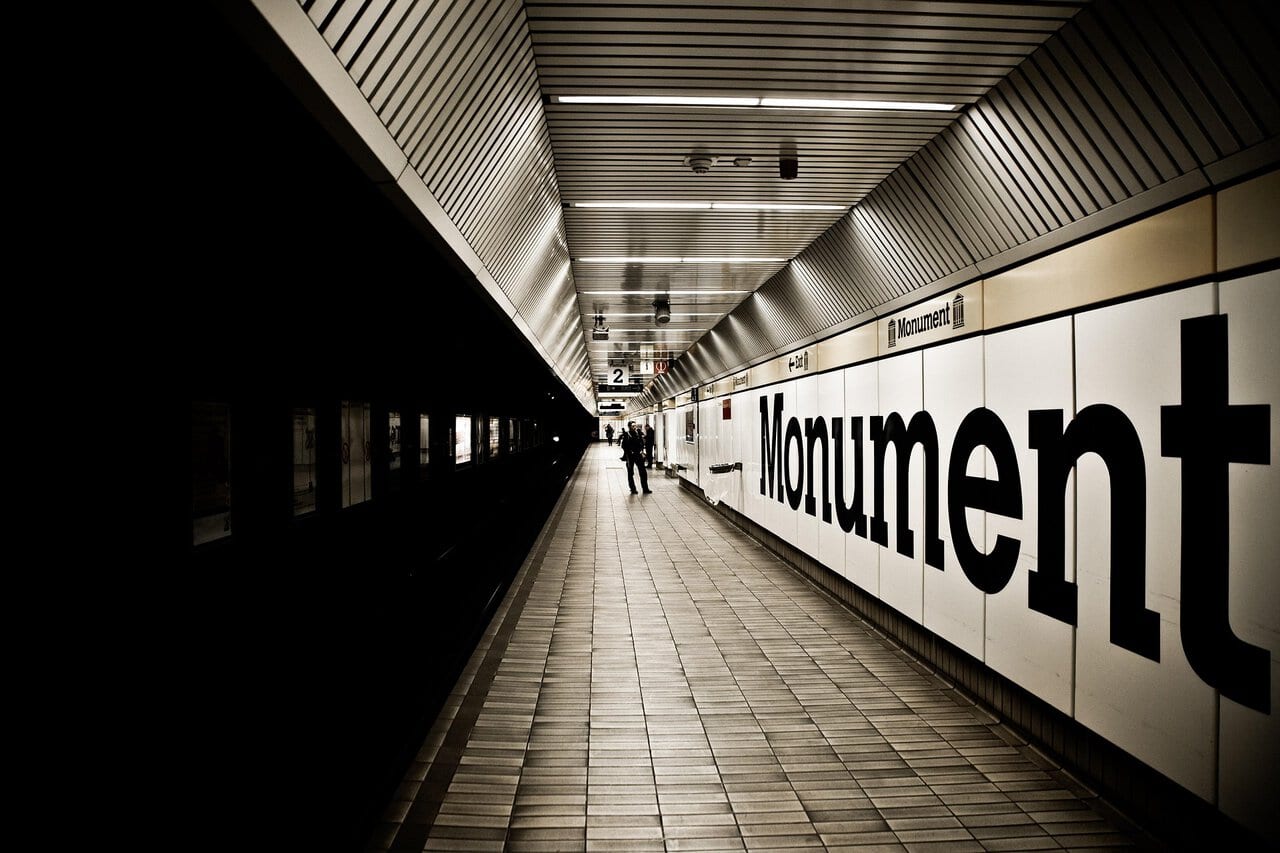
The network is made up of two main lines that overlap through the centre of Newcastle, providing very frequent services between the city’s busiest stations. Haymarket, Monument, Central Station and St James are the four stations most visitors are likely to use, with trains running every 6 to 12 minutes through the city centre for much of the day. Services generally begin at around 5.00am and continue until approximately 11.00pm, although first and last train times vary by station and route. If you are travelling early in the morning or late at night, it is worth checking the timetable in advance using the official journey planner.
One of the Metro’s biggest advantages is how many of Newcastle’s main attractions it serves. Airport Station is located directly outside the terminal at Newcastle International Airport, Central Station provides easy connections with National Rail services, Monument is the best stop for Grey Street, Eldon Square and the city centre shopping district, while St James Station sits immediately beside St James’ Park, home of Newcastle United. The Metro also provides a quick route to the coast, making Tynemouth, Whitley Bay and South Shields popular day trips without needing a car.
Tickets can be purchased from the ticket machines at every Metro station before boarding. Fares are based on a simple zone system, with single, return and all-day tickets available. Frequent travellers may benefit from a Pop Pay As You Go smartcard, while occasional visitors can simply buy paper tickets or use the Pop app to plan journeys and view the latest fares. Unlike many metro systems, stations do not always have ticket barriers, but ticket inspections are carried out regularly, so you should always buy and validate your ticket before travelling.
The Pop app and the Nexus website provide live service information, planned engineering works and journey planning, while Google Maps also offers reliable Metro directions. Luggage is permitted on all Metro services, although trains can become busy during weekday commuter periods and after major events such as Newcastle United matches.
For most visitors, the Metro offers the fastest, most reliable and most economical way to travel around Newcastle, especially if you are planning to visit attractions beyond the city centre or take day trips to the Northumberland coast, Gateshead or Sunderland.
Using Local Buses in Newcastle
Newcastle’s bus network fills the gaps left by the Metro, reaching residential areas, shopping centres, business parks and attractions that are not close to a rail station. The main operators are Go North East, Stagecoach North East and Arriva North East, with additional services provided by smaller companies. Because there is no single route map covering every operator in a simple tourist format, journey-planning apps are particularly useful.
The most important city-centre bus hubs are Haymarket Bus Station, Eldon Square Bus Station and stops around Newcastle Central Station, Blackett Street and the city centre. Frequencies vary widely. Busy urban routes can run every few minutes, while suburban and rural services may operate every thirty or sixty minutes. Most daytime routes begin early in the morning and continue into the evening, but late-night provision is more limited and depends on the day of the week.
Most buses accept contactless bank cards, Apple Pay, Google Pay and cash. Single tickets can normally be bought from the driver, while day tickets and multi-journey products are available through each operator’s app. The Go North East, Stagecoach Bus and Arriva UK Bus apps provide mobile tickets, live vehicle tracking and service alerts. Before buying an operator-specific day ticket, check that all the routes you plan to use are run by that company.
Buses are accessible on most urban routes, with low-floor boarding and spaces for wheelchairs and pushchairs. Normal luggage is allowed, but dedicated luggage racks are uncommon, so travellers with large suitcases may find the Metro or a taxi easier. Buses are particularly useful for destinations such as Beamish Museum and for neighbourhoods away from Metro stations.
For tourists, buses work best as a complement to walking and the Metro rather than the only way to get around. Plan the outward and return journeys in advance, check the final service of the day and allow extra time during rush hour or major events.
Crossing the River on the Shields Ferry
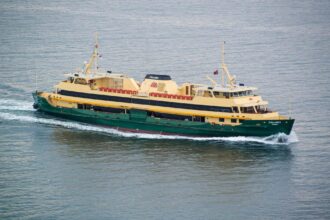
The Shields Ferry is one of the most unique ways to travel around Tyne and Wear and is both a practical transport service and a visitor attraction in its own right. Operated by Nexus, the ferry crosses the River Tyne between North Shields and South Shields, linking the two communities in just a few minutes while offering excellent views of the river, the Port of Tyne and the surrounding waterfront.
The crossing takes around seven minutes, with ferries normally operating every 30 minutes throughout the day. Services generally begin in the early morning and continue until the early evening, although first and last sailing times vary depending on the day of the week. The ferry does not operate overnight, and services can occasionally be suspended because of adverse weather, river conditions or essential maintenance, so it is worth checking the timetable before travelling.
The North Shields Ferry Landing is located close to the Fish Quay and around a 10 to 15-minute walk from North Shields Metro Station, while the South Shields Ferry Landing is just a short walk from the town centre and approximately 10 minutes on foot from South Shields Metro Station. Both terminals are served by local bus routes, making it easy to continue your journey after crossing the river.
Tickets can be purchased at the ferry terminals before boarding, with single and return fares available. Many Pop Pay As You Go products and certain Nexus day tickets can also be used on the ferry, making it easy to combine the crossing with Metro and bus travel. The Pop app and the Nexus website provide current fares, timetables, service updates and journey planning.
The ferry welcomes bicycles, pushchairs, wheelchairs and reasonable amounts of luggage, although space can be limited during busy periods. Boarding is straightforward, and the short crossing is suitable for visitors of all ages.
One of the best ways to experience the Shields Ferry is as part of a circular day out. Many visitors take the Metro to Tynemouth, spend time exploring the seafront and Fish Quay, walk to the North Shields Ferry Landing, cross the River Tyne by ferry and then return to Newcastle via South Shields Metro Station. It is a relaxing way to explore both sides of the river without retracing your steps.
Although the Shields Ferry is not an essential part of a Newcastle city break, it is highly recommended if you are visiting the coast. It combines a useful transport link with a scenic river crossing and offers a different perspective on one of northeast England’s most important waterways.
Travelling Beyond Newcastle by Train
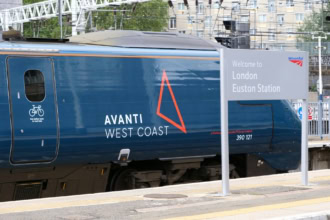
Newcastle Central Station is the main gateway for journeys beyond the Tyne and Wear Metro area. Located in the city centre, it is served by operators including LNER, Lumo, CrossCountry, TransPennine Express and Northern. Direct trains connect Newcastle with Durham, York, Edinburgh, Leeds, Manchester, Birmingham and London, making the city an excellent base for wider rail travel.
For day trips, Durham is the easiest option and can be reached in around fifteen minutes on the fastest services. Berwick-upon-Tweed, York and Edinburgh are also served directly, although longer journeys require more careful planning to make the most of the day. Our Best Day Trips from Newcastle guide explains which destinations work well by train and which are easier by car or organised tour.
Tickets can be bought from the station ticket office, machines or online. Advance tickets can be considerably cheaper than flexible fares, but they usually tie you to a specific train. Off-Peak and Anytime tickets offer more flexibility at a higher price. The easiest way to compare options is through a rail retailer or one of the services covered in our Train Booking Apps Guide. Eligible travellers should also check our Railcard Savings Guide, as many UK railcards reduce qualifying fares by around one third.
Central Station has step-free access, ticket facilities, toilets, shops and places to eat. The Metro station is directly connected, so transferring between local and national rail is straightforward. Passengers with luggage should allow additional time because platforms can become busy before long-distance departures.
Tickets, Day Passes and Contactless Payments
Newcastle’s transport ticketing is easier once you separate the network into three parts: Metro and Nexus services, individual bus operators and National Rail. Each has its own ticketing system, and one product will not necessarily cover every journey. Visitors should therefore plan the day’s main journeys before buying a pass.
Metro fares are based on zones. Ticket machines at stations sell single, return and day products, while Nexus offers Pop smartcard and app-based options. A day ticket can be worthwhile when combining several Metro journeys, particularly if travelling between the city centre, airport and coast. Always check the current validity rules, because some products cover the ferry or buses while others are Metro-only.
Local buses generally accept contactless bank cards, Apple Pay, Google Pay and cash. Each major operator sells mobile tickets and day passes through its own app. These can offer good value if all your journeys use the same company, but they may not be accepted on another operator’s buses. Integrated tickets are available for some journeys and areas, so compare the coverage rather than assuming the cheapest-looking ticket will work everywhere.
National Rail tickets are completely separate. A Metro day ticket cannot be used to Durham or York, and a rail ticket does not automatically include local Metro or bus travel unless the fare specifically says so. Rail tickets can be digital, printed or collected from a machine depending on how they are booked.
For a short city break, the simplest approach is often to walk in the centre, buy Metro tickets only when needed and use contactless payment on buses. Travellers making numerous journeys should check Nexus and operator apps for current day-ticket prices. Remember to activate mobile tickets before boarding and keep your phone charged throughout the day.
Using Public Transport from Newcastle Airport
Newcastle International Airport is around ten kilometres north-west of the city centre and has one of the UK’s most convenient airport rail connections. The terminal is linked by a covered walkway to its own Tyne and Wear Metro station, making the Metro the default choice for most solo travellers and couples.
Trains normally run at regular intervals throughout the day, and the journey to Newcastle Central Station takes roughly twenty-five minutes. Other useful city-centre stops include Haymarket, Monument and St James. The Metro also allows passengers to continue towards Gateshead or the coast, although some journeys require a change in central Newcastle.
Tickets are available from the machines at the airport station. The airport lies in the outer fare area, so make sure the ticket covers all required zones. The Pop App and Nexus journey planner show current service times and disruption information. The Metro does not operate throughout the night, which is important for passengers arriving on delayed or very late flights.
Local buses serve the airport and surrounding communities, but they are usually less convenient than the Metro for central Newcastle. Taxis and pre-booked transfers operate outside the terminal and are better suited to families, groups, heavy luggage or arrivals after the final Metro. Standard suitcases are permitted on Metro trains, although there are no airline-style luggage compartments.
Our dedicated Newcastle Airport to City Centre Guide includes detailed comparisons of every option, including operators, boarding points, journey times, ticketing and late-night travel.
Compare routes and fares for your journey to Newcastle.
Compare flightsUse an eSIM to get online without hunting for a local SIM after arrival.
See eSIM optionsArrange a private airport pickup for your trip to Newcastle.
Check transfersThe Best Way to Reach Newcastle’s Main Attractions
| Attraction | Best Transport | Nearest Stop | Typical Final Walk |
|---|---|---|---|
| St James’ Park | Metro or walk | St James | Immediately beside the station |
| Quayside | Walk or bus | Central Station or Monument | About 10–15 minutes downhill |
| Newcastle Castle | Walk or Metro | Central Station | About 5 minutes |
| Grainger Town and Grey Street | Walk or Metro | Monument | About 2–5 minutes |
| BALTIC Centre for Contemporary Art | Walk or bus | Gateshead Interchange or Quayside stops | About 10–20 minutes |
| The Glasshouse | Walk or bus | Gateshead Quays | Short walk |
| Tynemouth | Metro | Tynemouth | Town centre at the station |
| Whitley Bay | Metro | Whitley Bay | About 10–15 minutes to the seafront |
| South Shields | Metro | South Shields | Town centre at the station |
| Beamish Museum | Bus | Beamish Museum stop | At the entrance |
Many of Newcastle’s central attractions are close enough to walk between, including Grey Street, Grainger Market, Newcastle Castle, St James’ Park and the Quayside. Using the Metro for very short city-centre journeys can sometimes take longer than walking once access time and waiting are included.
The Metro becomes most valuable for Newcastle Airport, the football stadium when mobility is limited, and coastal trips to Tynemouth, Whitley Bay or South Shields. Buses are more useful for Beamish and destinations not served directly by rail. Visitors planning a stadium visit should read our Visiting St James’ Park Guide, while our Things to Do in Newcastle guide provides more ideas for building a practical city itinerary.
Choosing the Best Way to Travel Around Newcastle
For most visitors, the best Newcastle transport strategy is a combination of walking and the Metro. The city centre is compact, and many major sights are grouped around Grainger Town, the railway station and the Quayside. Walking also allows you to appreciate Newcastle’s architecture and avoids paying for journeys that save very little time.
Use the Metro for Newcastle Airport, St James’ Park when required, Gateshead and the coast. It is the easiest system for first-time visitors because the lines are clear and services are frequent. Buses become more useful when the destination lies away from a Metro station, but route planning is essential because several operators share the network.
The Shields Ferry is worth including as part of a coastal day rather than as a standalone journey. National Rail is the correct choice for Durham, York, Edinburgh and other destinations beyond Tyne and Wear. Taxis and ride-hailing services remain useful late at night, for heavy luggage and for journeys involving several passengers.
Before each day, check service updates, identify the final train or bus back and decide whether individual fares or a day ticket provide better value. Keep a contactless card available, but do not assume the same payment system or daily cap applies across every operator. Downloading the Pop App and the relevant bus apps before travelling makes disruption and live departures easier to manage.
Combined with our Newcastle airport, attraction, stadium and day-trip guides, this approach allows you to explore the city and surrounding area confidently without hiring a car.

Rupert’s Handy Travel Tips
Newcastle has one of the UK’s easiest public transport systems for a short city break, but a little planning will save time and prevent unnecessary ticket purchases.
- Walk around the centre. Many major attractions are closer together than they first appear, particularly around Grey Street, Grainger Town and the Quayside.
- Use the Metro for the airport and coast. It is usually the simplest option for Newcastle Airport, Tynemouth, Whitley Bay and South Shields, and you can check live departures on the Nexus website before you travel.
- Check which company operates your bus. An operator-specific mobile ticket may not be accepted on another company’s service.
- Look up the final service. Metro trains and most buses do not run through the night, so plan an alternative for very late journeys.
- Book longer train journeys early. Advance tickets to places such as York or Edinburgh can be much cheaper than flexible fares bought on the day.
Want to meet the reindeer behind our travel tips? Find out more in our page Who Is Rupert?




Frequently Asked Questions
Is Newcastle easy to get around without a car?
Yes. Newcastle has a walkable centre, a useful Metro network and extensive local bus services. Most visitors do not need a car unless they are exploring rural Northumberland.
What is the best way to travel from Newcastle Airport to the city centre?
For most visitors, the Tyne and Wear Metro is the quickest and most affordable choice, taking roughly twenty-five minutes to reach Central Station.
Can I use contactless payment on Newcastle public transport?
Contactless cards and mobile wallets are widely accepted on local buses. Metro ticketing uses Nexus and Pop products, so check the current rules before relying on a bank card alone.
Who operates the Tyne and Wear Metro?
The network is managed through Nexus, the passenger transport executive for Tyne and Wear.
Do I need separate tickets for buses and the Metro?
That depends on the product. Some tickets are operator-specific, while selected integrated tickets cover more than one form of transport. Check the validity before purchase.
Can I visit Tynemouth by public transport?
Yes. Direct Metro services connect central Newcastle with Tynemouth, making it one of the easiest coastal trips from the city.
Is the Shields Ferry part of the public transport network?
Yes. It is operated by Nexus and links North Shields with South Shields. Selected integrated tickets and Pop products may include the crossing.
Where do trains to Durham and Edinburgh leave from?
Regional and long-distance trains depart from Newcastle Central Station, which is connected directly to the Metro.
Further Reading
If you’re flying into the region, our Newcastle Airport to City Centre Guide compares the Metro, buses, taxis and private transfers to help you choose the most suitable journey.
Our Things to Do in Newcastle guide covers the city’s main attractions, while the Visiting St James’ Park Guide explains stadium tours, matchdays and transport. For journeys beyond the city, continue with our Best Day Trips from Newcastle guide.
Travellers exploring more of Britain by rail may also find our Railcard Savings Guide, Train Booking Apps Guide and eSIM Apps Guide useful.