
Finnair – Finland’s Gateway Between Europe and Asia
Finnair is the national airline of Finland and one of the oldest continuously operating airlines in the world. Based at Helsinki Airport, the airline has built a reputation for efficient connections between Europe and Asia, modern aircraft and a distinctly Nordic style of service. Travellers flying to Finland, Japan, Korea, or parts of Southeast Asia often find Finnair appearing in flight search results because of its strategically located hub in northern Europe.
For passengers travelling from the UK or continental Europe, Finnair frequently provides fast and straightforward connections via Helsinki. The airport’s compact layout and well-organised terminals mean that transferring between flights can be surprisingly quick compared with some of Europe’s larger hubs. As a result, Helsinki has become an important gateway between Western Europe and destinations further east.
Another reason many travellers choose Finnair is the airline’s modern long-haul fleet, particularly its Airbus A350 aircraft used on routes to Asia and North America. These aircraft are known for quieter cabins, improved air quality and advanced lighting systems designed to reduce travel fatigue on longer journeys.
The airline is also part of the Oneworld alliance, giving passengers access to a global network of partner airlines and frequent flyer benefits. For travellers planning trips to Northern Europe or onward journeys across Asia, this Finnair airline guide explains what the airline offers, how its network works and what to expect when flying with Finland’s flagship carrier.
A Brief History of Finnair
Finnair’s history stretches back more than a century, making it one of the world’s oldest airlines still operating under its original identity. The company was founded in 1923 under the name Aero O/Y, initially operating seaplane routes across Finland and neighbouring countries. Early services connected Helsinki with Tallinn and other Baltic destinations, laying the foundation for Finland’s future aviation industry.
During the decades that followed, the airline gradually expanded its European network. The arrival of jet aircraft in the 1960s transformed long-distance travel, allowing Finnair to introduce faster routes and reach destinations further afield. By the late twentieth century, the airline had begun developing the strategy that still defines it today: connecting Europe and Asia through a northern hub.
Because of Finland’s geographic position, flights from Western Europe to East Asia can often follow shorter polar routes. Finnair recognised this advantage early and began building strong links to cities such as Tokyo, Osaka and later Seoul and Bangkok. Over time, Helsinki Airport evolved into a specialised transfer hub for travellers moving between continents.
The airline joined the Oneworld alliance in 1999, strengthening its global partnerships and expanding its network through codeshare agreements. In recent decades Finnair has invested heavily in new aircraft, particularly the Airbus A350, which now forms the backbone of its long-haul fleet.
Today Finnair continues to position itself as a reliable bridge between Europe and Asia, while also maintaining strong regional connections across the Nordic and Baltic regions.
Finnair’s Main Hub: Helsinki Airport
Nearly every Finnair journey passes through Helsinki Airport, the airline’s main operational hub and one of the most efficient transfer airports in Europe. Located around 20 kilometres north of central Helsinki, the airport has been designed with connections in mind, making it a key part of Finnair’s strategy.
Unlike sprawling hub airports such as Frankfurt or Paris Charles de Gaulle, Helsinki Airport is relatively compact. This allows many passengers to transfer between flights in as little as 35–40 minutes, depending on the route and terminal. For travellers heading between Europe and Asia, these short connection times can significantly reduce total journey length.
The airport’s layout also reflects Finland’s emphasis on efficiency and design. Terminals are modern, clearly signposted and easy to navigate. Travellers will notice Nordic architecture, large windows and minimalist interiors, creating a calm atmosphere compared with many busy European hubs.
Finnair operates the majority of its flights from Helsinki, linking the airport to destinations across Europe, Asia and North America. Frequent flights connect Helsinki with cities such as London, Paris, Berlin and Stockholm, feeding passengers into the airline’s long-haul services.
If you want to explore the city during a stopover, Helsinki’s excellent rail connection makes it easy to reach the centre in around 30 minutes. Travellers planning a longer stay can also explore the city in more depth using our Helsinki travel guide, which covers transport, attractions and practical tips for visiting Finland’s capital.
Finnair Route Network
Finnair’s route network is built around the idea of efficient global connections through Helsinki. While the airline serves many European destinations directly, its real strength lies in linking those routes with long-haul flights to Asia and beyond.
Across Europe, Finnair operates regular services to major cities including London, Amsterdam, Paris, Madrid and Rome. It also provides extensive coverage within the Nordic region, connecting Helsinki with destinations such as Stockholm, Copenhagen and Oslo. These short-haul routes act as feeder services, bringing passengers into the Helsinki hub for onward flights.
Long-haul routes are where Finnair stands out. The airline has traditionally maintained strong connections to Japan, operating flights to Tokyo, Osaka and occasionally other Japanese cities depending on seasonal demand. South Korea, Thailand and Singapore have also been important destinations, while services to North America link Helsinki with cities such as New York and occasionally other US destinations.
Because of Finland’s northern location, many flights between Europe and Asia can take more direct polar routes, reducing flight time compared with more southerly hubs. This geographic advantage helped Finnair build its reputation as a convenient airline for travellers moving between continents.
The airline also works with partner carriers through the Oneworld alliance and other codeshare agreements. These partnerships allow passengers to book single-ticket journeys across multiple airlines, making Finnair part of a much wider global network.
Fleet and Cabin Experience
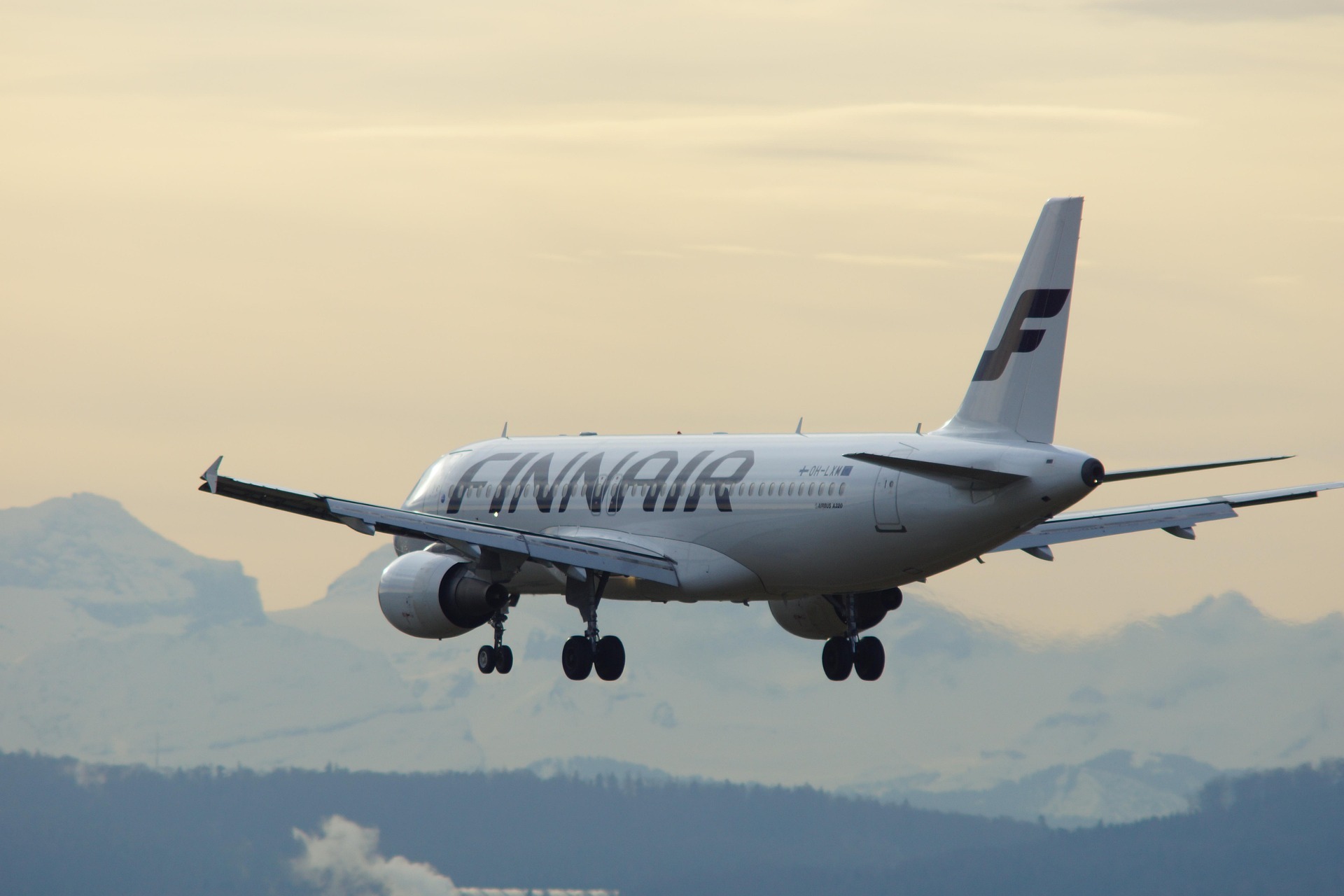
Finnair operates a modern Airbus-dominated fleet, designed to provide a consistent passenger experience across both short and long-haul routes. The airline primarily uses aircraft from the Airbus A320 family for European services, while long-haul flights are operated using Airbus A330 and Airbus A350 aircraft.
The Airbus A350 has become the flagship of the Finnair fleet. These aircraft are widely regarded as some of the most comfortable long-haul planes currently in service. Passengers often notice the quieter cabin environment, larger windows and improved air pressure, all of which help reduce fatigue during long flights. Finnair has also invested heavily in cabin interiors, using Nordic design principles to create a calm and minimalist atmosphere onboard.
Finnair’s long-haul cabins are divided into Economy Class, Premium Economy and Business Class. The airline introduced a distinctive new business class seat in recent years that focuses on space and privacy rather than traditional reclining seats. While the design may feel unusual at first, many travellers find it comfortable on overnight routes.
Premium Economy provides a middle option for travellers who want extra legroom and upgraded meals without paying full business class fares. Meanwhile, the standard Economy cabin is designed for efficiency and comfort on longer flights, with seatback entertainment screens and adjustable lighting.
Across the fleet, Finnair places a strong emphasis on quiet design, modern lighting and Scandinavian styling, creating a travel environment that feels noticeably different from many larger European carriers.
Finnair Loyalty Programme: Finnair Plus
Frequent travellers flying with Finnair can earn rewards through the airline’s loyalty programme, Finnair Plus. The programme allows passengers to collect points from flights, partner airlines and a range of travel-related purchases.
One of the most significant developments in recent years has been the integration of Avios as the programme’s reward currency. This change means Finnair Plus members can earn and redeem the same points used by other major airlines, including British Airways, Iberia and Qatar Airways. For travellers who already collect Avios through flights or credit cards, this creates a much more flexible system for redeeming rewards.
Members earn points based on ticket type, cabin class and distance flown. These points can be used for reward flights, cabin upgrades, lounge access and additional baggage allowances. Travellers who fly regularly with Finnair can also qualify for status levels that provide additional benefits such as priority boarding and check-in.
Because the programme is linked to the wider Avios ecosystem, many travellers use Finnair flights as part of a broader loyalty strategy across multiple airlines. This flexibility can make the programme particularly appealing for people who travel frequently between Europe and Asia.
Understanding how Avios works can help travellers maximise the value of their flights. If you want to explore the system in more detail, a helpful overview of Avios and how the programme works is available from the official British Airways Executive Club guide.
Finnair and the Oneworld Alliance
Finnair has been a member of the Oneworld airline alliance since 1999, placing it alongside some of the world’s best-known international carriers. This partnership significantly expands the airline’s reach beyond its own route network.
Through Oneworld, Finnair passengers can connect with airlines such as British Airways, American Airlines, Qatar Airways, Iberia, Cathay Pacific and Japan Airlines. These partnerships allow travellers to book multi-airline journeys under a single ticket, making complex international travel much easier to manage.
Alliance membership also means that frequent flyer benefits can carry across multiple airlines. For example, passengers holding elite status with Finnair Plus may receive priority boarding, lounge access and additional baggage allowances when flying with other Oneworld carriers.
The alliance is particularly valuable for travellers connecting between Europe and Asia. Finnair flights can feed passengers into long-haul routes operated by partner airlines, while also providing onward connections within Europe.
In practical terms, this network means Finnair is rarely operating in isolation. Instead, it functions as part of a much larger global aviation system, allowing travellers to reach destinations far beyond the airline’s own route map.
Finnair Mobile App and Digital Services
Like most modern airlines, Finnair offers a mobile application designed to simplify the travel experience from booking to boarding. The app acts as a central hub for managing flights, helping passengers keep track of travel details and receive updates throughout their journey.
Once a booking is made, the Finnair app allows travellers to access digital boarding passes, seat selection and flight notifications directly from their phone. These tools can be particularly useful during busy travel periods, when quick access to gate information and boarding times helps reduce stress at the airport.
Passengers can also use the app to upgrade seats, manage loyalty accounts and check baggage allowances. Real-time flight updates are delivered through notifications, helping travellers stay informed if schedules change.
Another useful feature is the ability to store multiple trips within the same account. This means travellers who fly frequently with Finnair can keep track of upcoming journeys without needing to repeatedly search through emails or booking confirmations.
While the airline’s website remains the main place to book tickets, the mobile app works well as a travel companion during the journey itself, especially for accessing boarding passes and flight information while moving through the airport.


Who Should Fly Finnair?
Finnair is particularly well suited to travellers looking for efficient connections between Europe and Asia. Because of its location in northern Europe and its well-organised hub at Helsinki Airport, the airline often provides shorter total journey times than airlines routing passengers through central European hubs.
Travellers flying to Japan, South Korea or Southeast Asia frequently choose Finnair because the airline has built a strong network to these destinations. Routes to Tokyo and other Asian cities have long been a core part of the airline’s strategy, and the airline’s Airbus A350 aircraft are widely used on these long-haul services.
The airline can also be a good choice for travellers heading to Finland or the wider Nordic region. Finnair operates a dense regional network connecting Helsinki with cities across Scandinavia and the Baltic region. This makes it easy to combine international flights with onward travel within northern Europe.
Passengers who value modern aircraft and a calm onboard atmosphere may also find Finnair appealing. The airline’s Scandinavian design approach focuses on simplicity and comfort rather than heavy branding or elaborate cabin features.
However, Finnair is not always the cheapest option on every route. Budget carriers may offer lower prices on some short-haul journeys, particularly within Europe. Even so, travellers who prioritise reliable connections, modern aircraft and efficient airport transfers often find Finnair to be a practical and comfortable choice.

Flying through Helsinki can be one of the easiest ways to travel between Europe and Asia. Here are a few tips to help make the most of your Finnair journey.
- Choose A350 flights for long-haul comfort. Finnair’s Airbus A350 aircraft are noticeably quieter and more comfortable on overnight journeys.
- Allow time for a Helsinki stopover. The city centre is only about 30 minutes from the airport by train, making short visits surprisingly easy.
- Check seat maps before selecting seats. Some aircraft layouts offer noticeably more legroom in specific rows.
- Use the Finnair app for boarding passes and gate updates. It can save time during busy transfer connections.
Want to meet the reindeer behind our travel tips? Find out more in our page Who is Rupert?.
Frequently Asked Questions About Finnair
Is Finnair a good airline to fly with?
Finnair is generally considered a reliable airline with modern aircraft and a reputation for punctuality. The airline focuses strongly on efficiency and passenger comfort, particularly on long-haul routes operated by its Airbus A350 fleet.
Why do many flights connect through Helsinki?
Helsinki’s location allows aircraft to take shorter polar routes between Europe and Asia. This geographic advantage means many Finnair journeys involve quick transfers through Helsinki Airport.
What alliance is Finnair part of?
Finnair is a member of the Oneworld alliance. This partnership allows travellers to connect with airlines such as British Airways, Qatar Airways, American Airlines and Japan Airlines on a single ticket.
Does Finnair use Avios points?
Yes. Finnair Plus uses Avios as its reward currency. This allows travellers to earn and redeem points across several airlines that participate in the Avios system.
What aircraft does Finnair fly long haul?
Finnair primarily uses Airbus A350 and Airbus A330 aircraft for long-haul flights. The A350 is now the airline’s flagship aircraft and operates many routes between Europe and Asia.
Further Reading & Related Guides
Travellers flying internationally may also want to stay connected abroad using the tools featured in our eSIM apps guide, which explains how to access affordable mobile data when travelling.
For tracking flights and avoiding delays, our flight tracker apps guide highlights the most useful tools for monitoring aircraft movements and airport schedules in real time.
Before travelling, it is also worth reviewing the options explained in our travel insurance apps guide, which compares several platforms designed to help travellers manage coverage quickly from their phone.
Last Updated
This guide was last updated in March 2026 to reflect current Finnair routes, fleet information and traveller services.
Affiliate Disclosure
This page contains affiliate links. If you click through and make a purchase or booking, we may earn a small commission at no extra cost to you. This helps support our work and allows us to continue providing detailed, independent travel advice. We only recommend apps and services we personally use or have verified as high-quality.