Reviewed by our editorial team Updated
Panama Unlocked: Your Essential Travel Guide
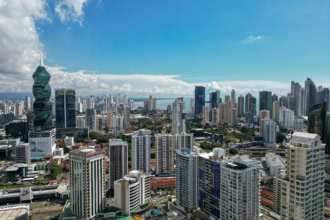
From Caribbean beaches to misty cloud forests, Panama offers one of the most varied travel experiences in Central America. Compact enough to explore without difficulty, yet diverse enough to feel constantly fresh, it is a country where modern skylines, colonial streets, rainforest, islands, and Indigenous culture all sit within easy reach of one another.
What makes Panama so compelling is the contrast. In Panama City, you can walk through the historic streets of Casco Viejo in the morning, then take the Metro past glass towers and modern business districts in the afternoon. From there, it is entirely possible to continue on to the San Blas Islands, the highlands of Boquete, or the laid-back Caribbean coast of Bocas del Toro. Few countries offer this much variety with so little internal travel friction.
Panama is also a true crossroads. It links North and South America, and for centuries it has connected people, goods, and cultures moving between oceans and continents. That role is still visible today, not only through the Panama Canal, but also in the country’s food, architecture, and daily life. Indigenous communities such as the Guna, Emberá, and Ngäbe-Buglé continue to shape the cultural fabric of the country, giving a deeper dimension to any visit.
For many visitors, the canal is the main reason to come, and it absolutely deserves its reputation. But the country’s real strength lies in what surrounds it. One day might involve coffee in the highlands, the next snorkelling off a remote island, and the next exploring forts, markets, and historic plazas.
Panama is easy to travel independently thanks to good infrastructure, solid internet, domestic flight links, and straightforward transport options. That makes it a strong choice for short city breaks, longer adventures, digital nomads, and cruise travellers alike.
This guide is built to help you understand the country properly, not just skim the highlights. Whether you want nature, history, beaches, wildlife, nightlife, or cultural depth, Panama gives you space to build a trip that feels varied, personal, and memorable.
Key Neighbourhoods, Areas & Regions
Panama is small in size, but it delivers a remarkable range of travel experiences. The country shifts quickly from high-rise capital city to Caribbean coast, from cool highlands to Indigenous island communities, which makes choosing the right regions an important part of planning well.
Panama City and the Canal Zone form the main gateway for most travellers. This is where you will find the country’s most urban and international atmosphere, along with major highlights such as Casco Viejo, the Miraflores Locks, and the Cinta Costera. It is the best base for travellers who want a mix of history, transport convenience, food, and access to the canal.
To the north, Colón and the Caribbean coast present a very different character. This region is tied closely to shipping, Afro-Caribbean heritage, and colonial military history. Portobelo and San Lorenzo Fort are especially important for travellers interested in Panama’s role in the Spanish Empire and Caribbean trade routes.
Further northwest, Bocas del Toro is one of the country’s best-known beach destinations. This Caribbean archipelago is known for its island atmosphere, coral reefs, water taxis, nightlife, and overwater accommodation. It attracts a wide mix of travellers, from backpackers to couples seeking a tropical escape.
Inland, the Chiriquí Highlands and Boquete offer a complete contrast to the coasts. This region is defined by cooler temperatures, cloud forest scenery, hiking, coffee estates, and mountain views. It is one of the strongest areas in Panama for nature, outdoor adventure, and slower-paced travel.
On the Pacific side, Veraguas and Santa Catalina are especially attractive for travellers interested in surfing, diving, and access to Coiba National Park. This region feels more remote and less polished, which is exactly part of its appeal.
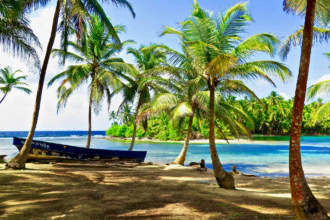
The San Blas Islands, governed by the Guna people, are among the most distinctive places in the country. They offer a much more community-led and low-impact experience, with turquoise water, white sand, and simple island stays. It is one of the best areas for travellers who want something more personal and less commercial.
At the far edge of the country, Darién Province is the most remote and least accessible region. It is rich in biodiversity and cultural interest, but travel here is more demanding and generally requires guides, local permissions, and stronger planning.
Each of these areas reveals a different side of Panama. That is one of the country’s biggest advantages. You are not choosing between city, beach, culture, or nature. You can realistically experience all of them in one well-planned trip.
Best if you want daily housekeeping and a front desk. Filter by area first, then by price.
Check availabilityBest for groups who want one address and separate bedrooms rather than three hotel rooms.
See holiday homesBest for double-checking. Runs the same Panama search across several booking sites so you are not leaving money behind.
Compare pricesQuick Facts Table
Before getting into the finer detail, here is a quick snapshot of the essentials worth knowing before you travel.
| Category | Information |
|---|---|
| Capital City | Panama City |
| Official Language | Spanish |
| Currency | Panamanian Balboa (PAB); U.S. Dollar widely used |
| Time Zone | UTC -5 (no daylight savings) |
| International Dial Code | +507 |
| Main Airports | Tocumen International (PTY), Albrook (PAC) |
| Driving Side | Right |
| Plug Type / Voltage | Type A/B, 110V |
| Population (est.) | 4.5 million |
| Visa Requirements | Varies; 90-day visa-free for many nationalities |
| Internet / eSIM | eSIM widely available; strong 4G in urban areas |
| Emergency Number | 911 |
This quick reference gives a snapshot of essential travel details. If you’re visiting Panama from abroad, note that U.S. dollars are accepted everywhere, and your devices will likely work without an adaptor if you’re from North America. eSIM providers such as Airalo (covered later in this guide) make staying connected easy from the moment you arrive.
Brief History & Background
Panama’s history is far older and more layered than the canal alone. Long before modern engineering reshaped the isthmus, the area was home to Indigenous societies such as the Coclé, Ngäbe, and Guna, whose trade networks, craftsmanship, and cultural traditions shaped the region for centuries. Their presence is not simply historical. It remains visible today in both archaeology and living communities.
European contact began in the early 16th century, and Panama’s location immediately made it strategically valuable. After Vasco Núñez de Balboa crossed the isthmus and saw the Pacific Ocean, Spain recognised the area as a vital route for moving wealth between the Americas and Europe. Panama became one of the empire’s key transit points, with goods and treasure crossing the isthmus before continuing to the Caribbean and beyond.
Following independence from Spain in 1821, Panama became part of Gran Colombia, and later remained linked to Colombia. Throughout the 19th century, the idea of building a canal attracted international ambition. A French attempt led by Ferdinand de Lesseps failed in the 1880s after being overwhelmed by disease, terrain, and engineering difficulties.
In 1903, Panama declared independence from Colombia with U.S. backing. The United States then secured control of the canal zone and completed the Panama Canal, which opened in 1914. It transformed world shipping and fixed Panama’s identity as a global point of connection.
The canal remained under U.S. control until 1999, when Panama assumed full sovereignty. Since then, the country has developed into a major regional hub for finance, logistics, transport, and tourism.
Modern Panama reflects all of these layers. It is at once Indigenous, colonial, commercial, Caribbean, Pacific, and global. That is part of what makes travelling here so interesting. You are not visiting a country with one dominant story. You are visiting a country shaped by movement, exchange, and reinvention.
Airport Overview & Transfers
For most travellers, arrival begins at Tocumen International Airport, the country’s main international gateway and one of the most important transit hubs in Latin America. Located around 24 kilometres east of central Panama City, Tocumen handles the bulk of long-haul and regional traffic and is the most likely entry point for international visitors.
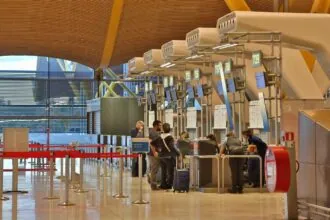
The airport itself is modern, functional, and increasingly polished, with Terminal 1 and Terminal 2 connected by shuttle. It is busy, but generally straightforward to navigate, with the usual range of services including Wi-Fi, ATMs, food outlets, and transport options. For domestic and some regional flights, the relevant airport is Albrook “Marcos A. Gelabert” Airport, which sits much closer to the city centre and connects Panama City to destinations such as Bocas del Toro and David.
| Feature | Details |
|---|---|
| Main Airport Name | Tocumen International Airport (PTY) |
| Type | International |
| Annual Passenger Numbers | Over 20 million |
| No. of Terminals | 2 operational terminals connected by shuttle |
| Distance from City Centre | Approx. 24 km, around 25 minutes by road in lighter traffic |
| Budget Airlines | Various regional low-cost carriers |
| Major Airlines | Copa Airlines and major international carriers |
| Top Domestic Destinations | None from Tocumen, domestic flights use Albrook |
| Top International Destinations | North America, Central America, South America, Caribbean, selected European routes |
| Other Nearby Airports | Albrook Airport for domestic and regional services |
Getting into the city is relatively easy, though the best option depends on your budget, luggage, and confidence level.
A taxi or ride-hailing service is the most direct and generally the easiest option for first-time visitors. Ride-hailing apps often provide clearer pricing and a more predictable experience, while official taxis are widely available but should always be agreed in advance if there is no fixed fare system in place.
Some hotels offer pre-booked airport shuttles, which can be worth arranging in advance if you are arriving late or want a smoother arrival.
There is also a public bus connection into the city, but it is less convenient for travellers with luggage and requires understanding the local payment system. For many visitors, especially after a long flight, this is not the easiest first experience of Panama.
The key advantage here is that Panama is well connected from the outset. Between Tocumen for international arrivals and Albrook for onward domestic flights, the country gives you a relatively efficient launch point for both city stays and wider exploration.
Panama’s Flag Carrier: Copa Airlines
Copa Airlines is the national airline of Panama and a major player in connecting the Americas. Founded in 1947, the company began with domestic flights before shifting focus to regional and international routes in the 1980s. Today, its main hub at Tocumen International Airport in Panama City is known as the “Hub of the Americas,” offering passengers efficient connections between North, Central, and South America, as well as the Caribbean.
A member of the Star Alliance since 2012, Copa operates a modern fleet primarily composed of Boeing 737 aircraft. It’s known for reliable service, on-time performance, and a comprehensive network of over 80 destinations. Passengers can enjoy complimentary meals, in-flight entertainment, and a generous baggage allowance on most routes.
Copa’s key regional routes include services to San José (Costa Rica), Bogotá (Colombia), Mexico City, and Kingston (Jamaica). While Panama has limited domestic flights, Copa operates to David in Chiriquí Province, providing quick access to the highlands. Long-haul connections reach cities such as Los Angeles, Buenos Aires, and Montevideo, with the furthest destinations including São Paulo in Brazil and Montreal in Canada. The airline’s app supports mobile check-in, boarding pass storage, flight status updates, and booking management.

App availability and prices vary by country. Some of these may not appear in your local App Store or Google Play.
Trains
Panama is not a rail-heavy country, but what it lacks in network size it makes up for with one standout experience. The Panama Canal Railway is one of the most scenic and historically significant train journeys in the Americas.
Running 76 km between Panama City and Colón, this railway dates back to 1855, making it one of the oldest transcontinental rail routes in the world. Originally built to move goods and gold across the isthmus during the California Gold Rush, it later played a key role in the construction of the Panama Canal.
Today, the railway operates primarily as a freight line, but it also offers a weekday passenger service that has become a popular travel experience. The journey takes around one hour each way and passes through dense rainforest, alongside sections of the canal, and across Gatun Lake, offering a perspective of Panama that you simply do not get from the road.
Trains typically run Monday to Friday, with a morning departure from Panama City and a return in the late afternoon. Seating is comfortable, with large windows designed for sightseeing, and there is often an observation-style carriage for better views.
This is not a practical commuting option, but it is a worthwhile addition if you have time. It works particularly well when combined with a visit to Colón, the Agua Clara Locks, or nearby Caribbean coastal sites.
Buses & Coaches
Buses are the backbone of travel in Panama. If you are moving between cities or regions, this is the system you will rely on most.
The main hub is the Albrook Bus Terminal, located next to a major shopping mall and directly connected to the Metro. From here, you can reach destinations across the country, including David, Santiago, Chitré, and Bocas del Toro.
Long-distance buses are generally modern, air-conditioned, and reliable, especially on major routes. Journeys are affordable, typically ranging between $15 and $25 USD, even for cross-country travel. On longer routes, such as Panama City to David, overnight buses are common and offer reclining seats and onboard facilities.
Regional travel is more varied. You will find everything from standard minibuses to the famous “diablo rojo” buses, which are brightly painted, heavily customised vehicles that were once the backbone of the system. While these have largely disappeared from Panama City, they still operate in some rural areas and are very much part of the local culture.
Cross-border travel to Costa Rica is also possible by bus, with routes running via Paso Canoas and Sixaola. Immigration procedures are handled along the route, so you need to be prepared with documents and time.
For planning routes and checking connections, apps like Moovit are extremely useful. They provide route maps, timings, and stop locations, which removes a lot of the guesswork from navigating the system.
Buses may not be glamorous, but they are reliable, cheap, and cover almost the entire country, making them one of the most important tools for getting around.

App availability and prices vary by country. Some of these may not appear in your local App Store or Google Play.
By using Moovit, travellers can confidently explore Panama tourism hotspots and hidden gems alike, without relying solely on ticket counters or word-of-mouth directions.
Best for finding routes the airlines do not sell as a single ticket. Combines carriers to bring the fare down.
Search flightsBest for anyone whose home plan charges by the megabyte abroad. Pay a fixed price up front.
Check eSIMsBest after a long flight or a late landing. Price agreed before you travel, and no taxi queue.
Check transfersLocal Public Transport
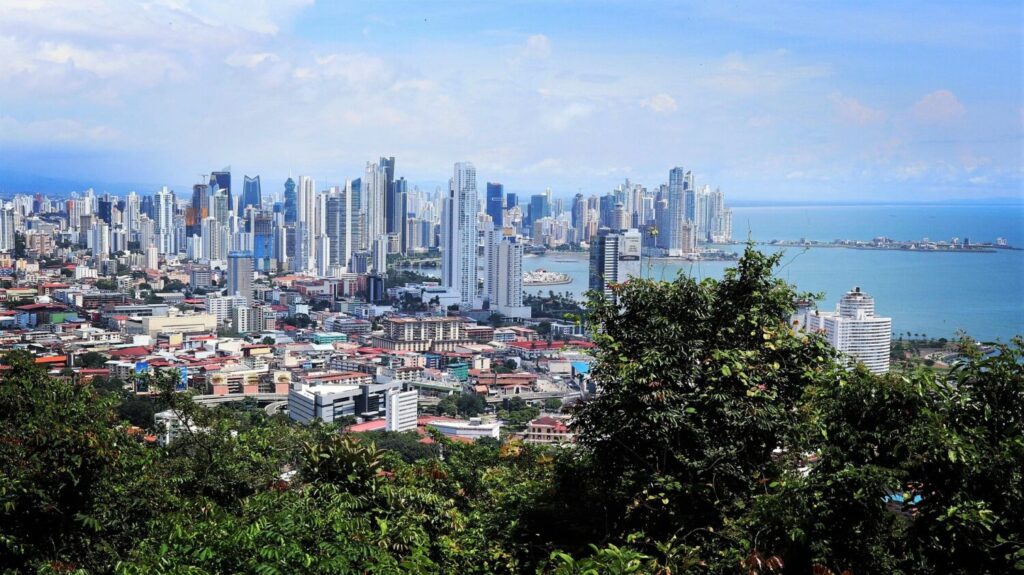
Public transport in Panama is centred almost entirely around Panama City, which has the only fully modern and integrated system in the country. For travellers, this is where getting around is easiest, cheapest, and most predictable.
The core of the network is the Metro de Panamá, a clean, efficient, and well-maintained rail system that connects key parts of the capital. Line 1 runs north to south through the city, linking major residential and commercial districts, while Line 2 runs east from San Miguelito and, since March 2023, a short branch has carried it directly into Tocumen International Airport, where the stop is called Aeropuerto. Coming from the city centre you change between the two lines at San Miguelito. Trains are frequent, air-conditioned, and simple to navigate, with clear signage and straightforward station layouts.
Supporting the metro is the MiBus network, which connects areas not directly served by rail. These buses are modern and reliable, although journey times can slow during peak traffic. Together, the metro and bus system form a joined-up transport network that allows you to move around the city without needing a car.
Both systems operate using a RapiPass card, which must be purchased and topped up before use. Fares are very low by international standards, typically costing only a small amount per journey, making public transport the most cost-effective way to get around the capital.
Outside Panama City, the situation changes. There is no unified transport system, and most travel relies on minibuses and shared taxis. These services run frequently but without strict timetables, often departing when full rather than on a fixed schedule. It can feel less structured, but it generally works well for local travel.
In practice, public transport in Panama is a two-speed system. In the capital, it is modern, structured, and easy to use. Outside the city, it becomes more informal and flexible, requiring a bit more patience but still providing a reliable way to move around.
Taxis & Ride Shares
Taxis are widely available across Panama, particularly in Panama City and other major towns, but the way they operate is slightly different from what many travellers are used to. Most taxis do not use meters, which means you should always agree the fare before starting your journey. For short trips within the city, prices are generally low, often falling in the $2 to $5 USD range, while longer journeys, such as airport transfers, can rise to $20 to $30 USD depending on distance and traffic.
Licensed taxis are easy to spot and are generally safe, but standards can vary, and communication can sometimes be a challenge if you do not speak Spanish. For this reason, many visitors prefer a more structured option, especially when arriving for the first time.
Ride-hailing apps such as Uber have become the most convenient way to get around in Panama City. They offer clear, upfront pricing, GPS tracking, and cashless payment, removing the need to negotiate fares and making journeys far more predictable. Other services such as DiDi and InDriver also operate, but Uber is typically the most widely used and easiest for travellers.
In smaller towns and rural areas, you will often come across shared taxis, which operate on informal routes and pick up multiple passengers heading in the same direction. These are cheaper than private taxis but less direct, as drivers may stop to collect additional passengers along the way.
Overall, taxis and ride shares are a simple and effective way to move around Panama, particularly when public transport is limited or when convenience matters. In cities, app-based rides are usually the easiest option, while in more remote areas, traditional taxis and shared services remain the standard.

App availability and prices vary by country. Some of these may not appear in your local App Store or Google Play.
Scooter & Bike Rentals
Two-wheeled travel exists in Panama, but it is not as widespread or structured as in some other destinations. Where it does exist, though, it can be a great way to explore at your own pace.
In Bocas del Toro, scooters are one of the most practical ways to get around. Rentals are usually arranged through small operators or hotels, with daily rates typically between $20 and $35 USD. They are ideal for exploring beaches such as Playa Bluff or moving around Isla Colón independently.
In Panama City, scooters are far less common, but cycling is growing in popularity. Areas such as the Cinta Costera and the Amador Causeway are particularly well suited to bikes, offering flat, scenic routes with minimal traffic.
There is no large-scale public bike-share system, but many hotels and local rental shops offer bikes and, increasingly, e-bikes, which make longer routes more manageable in the heat.
Outside these areas, conditions become more challenging. Traffic can be unpredictable, road quality varies, and dedicated bike lanes are limited. In rural areas, scooters can be useful, but you need to be comfortable with local driving conditions.
The honest takeaway here is that two-wheeled travel is situational rather than universal in Panama. It works well in specific places like Bocas or along coastal routes, but it is not something you will rely on everywhere.

Driving, Parking & Car Access
Renting a car in Panama offers the flexibility to explore regions beyond the reach of buses and domestic flights. The country’s primary artery, the Pan-American Highway, is in good condition and connects Panama City to the western provinces and the Costa Rican border. Secondary roads to major tourist areas like Boquete, El Valle de Antón, and Santa Catalina are generally well-paved, though signage can be inconsistent.
Driving in Panama City can be stressful due to heavy traffic, aggressive driving habits, and limited parking. Paid parking is available in most commercial areas, but spaces can be scarce during business hours. Many hotels offer secure parking for guests, which is worth confirming in advance.
Outside the capital, driving is much more relaxed. Scenic routes through the highlands or along the Pacific coast can be rewarding, offering spontaneous stops at roadside markets, viewpoints, and small towns. In remote areas like parts of Darién or certain island access roads, a 4WD vehicle may be necessary.
Toll roads are common, especially around Panama City. Most require payment via the Panapass electronic system, which is usually installed in rental cars. If you plan to drive extensively on toll routes, make sure your rental agreement includes this device to avoid delays or fines.
For detailed information on toll payment systems and travel costs, see our Toll & Road Pricing Apps guide, which covers Panama and other global destinations.
By planning your routes, understanding local driving norms, and making use of toll roads strategically, you can turn driving in Panama from a challenge into one of the highlights of your trip.
Car Rental
Hiring a car in Panama is a practical option for travellers who want to explore beyond the major cities and bus routes. It offers the freedom to set your own schedule, reach remote beaches or highland trails, and stop at smaller towns that buses often pass by. Major international brands like Hertz, Avis, Budget, and Alamo operate at Tocumen International Airport and in Panama City, alongside reputable local companies.
Daily rates start around $25–$35 USD for compact cars, but this typically excludes insurance. Third-party liability insurance is mandatory, and collision damage waivers are highly recommended. Credit cards may offer some coverage, but you should verify this before travelling. An International Driving Permit (IDP) is advised, although most agencies accept licences from North America, Europe, and many other regions.
Booking ahead is especially important during high season (December to April) and national holiday periods, when demand spikes. Many travellers prefer to pick up and drop off cars in Panama City, but one-way rentals to cities like David are possible for an additional fee.
It’s worth noting that police checkpoints are common. Always carry your passport, driver’s licence, rental agreement, and insurance documents. Fines for traffic violations can be paid on the spot in cash, but receipts should always be issued.
For visitors whose Panama vacation includes road trips to the Azuero Peninsula, Chiriquí Highlands, or off-the-beaten-track beaches, a rental car can be a game-changer, turning travel days into scenic adventures.

Check Car Rental Prices in Panama
For travellers planning to drive around Panama, comparing rental prices in advance can help you find a vehicle that matches both your itinerary and budget.
Checking Discover Cars alongside EconomyBookings gives you two comparison sources rather than relying on a single set of results.
Walking
Walking is one of the most rewarding ways to explore Panama’s towns, cities, and natural areas, especially in neighbourhoods designed for pedestrians. In Panama City, the historic Casco Viejo district is largely walkable, with narrow streets, colonial-era plazas, and numerous cafés, bars, and museums. The scenic Cinta Costera waterfront promenade is another favourite, offering safe, flat paths for joggers, cyclists, and casual strollers.
In smaller towns like Boquete, Pedasí, and El Valle de Antón, walking is an easy way to enjoy the local atmosphere. You’ll find fresh produce markets, friendly locals, and photogenic backdrops at almost every turn. However, outside designated tourist areas, sidewalks can be uneven or non-existent, so sturdy footwear is advised.
For nature lovers, guided walking tours in national parks and reserves, such as Parque Natural Metropolitano in Panama City or the Pipeline Trail in Boquete offer a safe and informative way to discover Panama’s biodiversity. Trails range from easy strolls to challenging hikes, with many featuring birdwatching opportunities and waterfall viewpoints.
Best for a short stop where being central matters more than the room. Dorms and private rooms both listed.
See hostelsBest for anyone flying more than once or twice a year. Handles the compensation claim so you are not chasing the airline.
See AirHelp+Best for the gap between checking out and your train. Drop bags at a shop or hotel nearby and carry on.
Store your bagsFerries & Cruises
Panama’s location between the Pacific Ocean and the Caribbean Sea makes it a prime spot for ferry and cruise travel. While not a major domestic ferry hub like some island nations, it still offers several worthwhile services that connect coastal communities and provide scenic water journeys.
One of the most popular ferry routes is from Panama City to Taboga Island, nicknamed the “Island of Flowers.” The crossing takes just 30 minutes and offers skyline views of the capital before arriving at sandy beaches and relaxed village life. Multiple operators run daily services, with tickets typically available online or at the pier.
In the Caribbean, water taxis and small ferries link Bocas del Toro’s main island (Isla Colón) to surrounding islands such as Bastimentos and Carenero. These services operate frequently, often on-demand, and are essential for exploring the archipelago’s beaches and coral reefs.
For those seeking a more luxurious experience, Panama is a regular stop for Caribbean cruise ships transiting the Panama Canal. Many itineraries include a partial or full canal transit, allowing passengers to witness one of the world’s engineering wonders firsthand. Smaller expedition cruises also operate along both coasts, visiting national parks, remote beaches, and Indigenous communities.
Some ferries and canal boat tours are weather-dependent, particularly in the rainy season, so checking schedules and booking in advance is recommended. While ferry travel in Panama is mostly functional, it also offers some of the most memorable moments of a Panama vacation, especially for those keen to experience the country’s aquatic landscapes.
Finding the right itinerary at the right price is easier than ever with today’s cruise booking apps. From comparing multiple cruise lines to tracking last-minute deals, these tools put the world’s ports at your fingertips. Check out our Best Cruise Booking Apps guide to discover the most reliable options for researching, booking, and managing your voyage, whether you’re heading to the Caribbean, Mediterranean, or beyond.
Visiting: Top Attractions
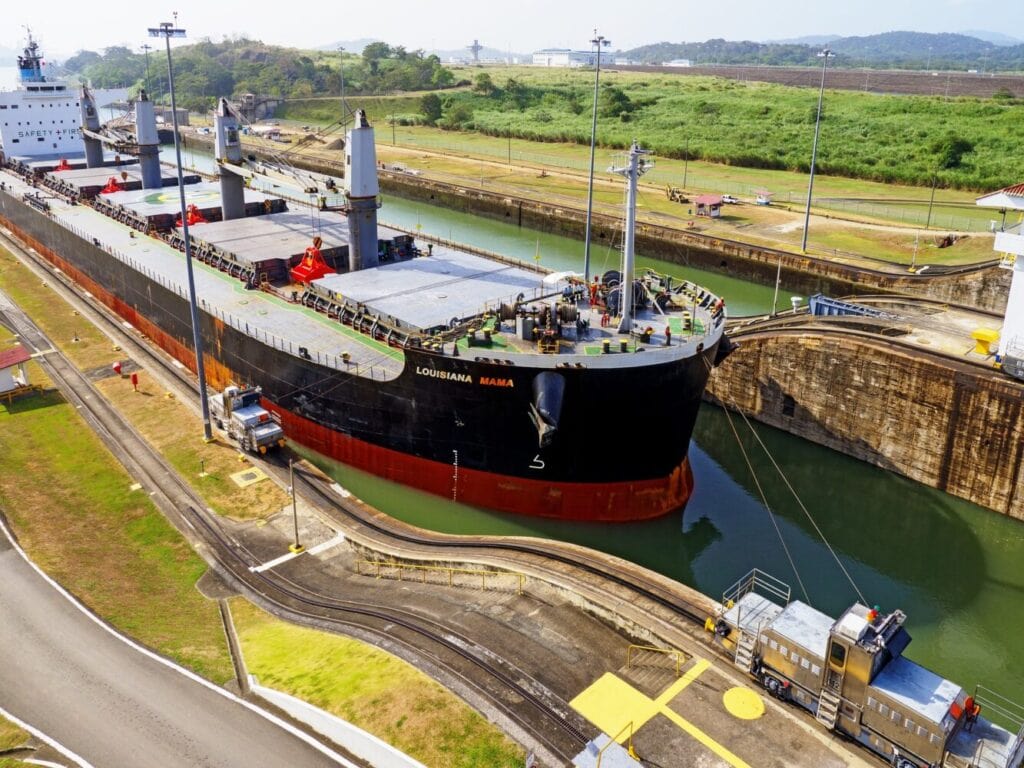
Panama’s attractions span history, culture, and nature often within easy reach of one another. The country’s signature site, the Panama Canal, can be experienced at the Miraflores Visitor Center in Panama City or the Agua Clara Locks near Colón. Visitors can watch massive cargo ships navigate the locks and learn about the canal’s history at interactive exhibits.
The Casco Viejo district is a UNESCO World Heritage Site filled with restored colonial architecture, boutique hotels, churches, and rooftop bars. It’s the cultural heart of the capital and best explored on foot.
Nature lovers shouldn’t miss the San Blas Islands, an archipelago of over 300 islands governed by the Guna people. Trips here offer turquoise waters, white sand beaches, and authentic cultural encounters. On the Pacific coast, Coiba National Park is a UNESCO-listed marine reserve ideal for diving and snorkelling with whale sharks and manta rays.
In the highlands, Boquete is a haven for hikers, coffee enthusiasts, and adventure seekers. The town serves as a base for climbing Volcán Barú and exploring cloud forest trails like the Lost Waterfalls. On the Caribbean side, Bocas del Toro combines vibrant nightlife with natural beauty, from Red Frog Beach to Starfish Beach.
Tickets for popular attractions can sell out in high season, so pre-booking is advised. Our Attraction Ticket Apps guide shows you how to secure entry in advance and skip long queues: a must for making the most of your Panama travel guide itinerary.
Suggested Itinerary
Panama rewards travellers who move around. Distances are short enough to combine multiple regions in one trip, but each area feels distinct, so a well-paced 7-day itinerary gives you a strong mix of city, culture, islands, and highlands without feeling rushed.
Day 1 – Arrival in Panama City
Arrive at Tocumen International Airport and transfer into the city. Once settled, head straight to Casco Viejo. Spend the afternoon exploring its plazas, churches, and colonial streets, then ease into the trip with a rooftop drink overlooking the skyline. Keep this first evening light; the humidity and travel time can catch you off guard.
Day 2 – Canal & City Highlights
Start early at the Miraflores Locks, where you can watch cargo ships pass through one of the world’s most important engineering projects. From there, head to the Amador Causeway for wide ocean views and a more relaxed pace. In the afternoon, walk or cycle part of the Cinta Costera, then return to the old town or downtown for dinner.
Day 3 – San Blas Islands Escape
Leave early for the San Blas Islands, one of the most unique parts of the country. Expect turquoise water, white sand, and a much slower pace of life. Spend the day snorkelling, relaxing, and experiencing Guna culture. This can be done as a long day trip, but staying overnight gives a far better feel for the islands.
Day 4 – Into the Highlands (Boquete)
Fly or travel to Boquete, a complete contrast to the coast. The air is cooler, the scenery greener, and the pace slower. Use the afternoon to settle in, explore the town, and visit a coffee farm or local café this is one of Panama’s best food and drink regions.
Day 5 – Nature & Adventure
This is your active day. Hike trails such as the Pipeline Trail, visit waterfalls, or take part in a canopy or zip-line experience. Boquete is one of the best places in Panama for outdoor activities, but it also works well at a slower pace if you prefer relaxed exploring and coffee tastings.
Day 6 – Caribbean Shift (Bocas del Toro)
Travel onward to Bocas del Toro, where the atmosphere changes again. Expect island life, water taxis, and a more social, beach-focused vibe. Spend the evening by the water with fresh seafood and a more laid-back Caribbean feel.
Day 7 – Island Hopping & Return
Use your final full day to explore. Visit beaches such as Red Frog Beach, snorkel around nearby islands, or take a boat tour through Dolphin Bay. From here, either return to Panama City or continue your trip depending on your onward plans.
If you have more time, this itinerary expands easily. You can add Santa Catalina for surfing and diving, spend longer in San Blas for a deeper cultural experience, or include El Valle de Antón for volcanic landscapes closer to the capital.
The key to Panama is balance. Too much time in one place and you miss what makes the country special. Move a little, vary your scenery, and you will get far more out of the experience.

Events, Festivals, Seasonal Highlights & Annual Events
Panama’s calendar is rich with cultural celebrations, music festivals, and seasonal events that add extra colour to any trip. The dry season (December–April) is the most popular time to visit, offering clear skies and ideal conditions for beaches, hiking, and festivals.
Carnival (February/March) is the largest party of the year, featuring parades, music, water fights, and dancing. Las Tablas on the Azuero Peninsula is the epicentre, but Panama City, Santiago, and other towns host their own vibrant celebrations.
Semana Santa (Holy Week) in March or April brings religious processions across the country, most notably in towns like Los Santos and Penonomé.
Independence Month (November) packs multiple public holidays into one month, including Separation Day (Nov 3) and Flag Day (Nov 4). Expect parades, patriotic music, and cultural events nationwide.
Other notable events include the Panama Jazz Festival (January), attracting world-class musicians; the International Film Festival Panama (April); and the Festival del Cristo Negro in Portobelo (October), a major pilgrimage and cultural gathering.
Travellers planning to coincide with these events should book accommodation and transport well in advance, especially during Carnival and Independence Month.
For more on annual celebrations, see our Event Pages index, where we detail major festivals and cultural highlights across the world, including Panama’s must-see occasions.
Where & What to Eat
Panama’s cuisine is a melting pot of Indigenous, Afro-Caribbean, Spanish, and North American influences, resulting in a diverse and flavourful dining scene. Whether you’re sampling street food at a bustling market or enjoying fine dining in a rooftop restaurant, there’s something to satisfy every palate.
Must-try dishes include sancocho, a comforting chicken and root vegetable soup considered the national dish, and ropa vieja, shredded beef in a tomato-based sauce served with rice and plantains. Seafood is a highlight thanks to Panama’s dual coastlines try ceviche de corvina (sea bass ceviche) at Panama City’s Mercado de Mariscos or grilled snapper in coastal towns.
Street food culture thrives, with vendors selling empanadas, tamales, and chicheme (a sweet corn drink). Local markets, like those in Boquete and El Valle de Antón, also offer fresh tropical fruits and snacks perfect for on-the-go travellers.
For restaurant recommendations, Degusta Panama is the country’s most popular dining app, offering reviews, menus, and online booking for hundreds of restaurants. It’s particularly useful in Panama City, where dining options range from casual fondas to international fusion eateries.

App availability and prices vary by country. Some of these may not appear in your local App Store or Google Play.
Using Degusta can help you secure tables at popular venues during high season, explore neighbourhood dining scenes, and discover hidden gems across the country.
Nightlife
Panama’s nightlife is as varied as its landscapes, with something for every taste, from sophisticated rooftop bars overlooking the city skyline to beachfront parties on island shores.
In Panama City, the historic Casco Viejo district is the centre of the action. Restored colonial buildings house craft cocktail lounges, salsa clubs, and live music venues. Rooftop bars here are perfect for sundowners with panoramic views of the city and bay. The Amador Causeway offers a more relaxed vibe, with open-air bars and restaurants lining the waterfront.
Bocas del Toro is famous for its casual, backpacker-friendly party scene. Beach bars and hostels on Isla Colón host themed nights, live music, and late-night dancing, often spilling out onto the sand. In contrast, Boquete offers a quieter evening experience, with wine bars, microbreweries, and occasional live jazz performances catering to locals and expats.
Most venues open late, with peak hours starting after 10 pm. Dress codes vary, casual attire is fine for beach towns, but upscale city venues may require smart-casual. Cover charges are common for clubs, especially when live music or DJs are featured.
Whether you’re enjoying a laid-back drink by the water or dancing until sunrise, Panama’s nightlife offers memorable experiences for every kind of traveller.

Cultural Norms & Etiquette
Panamanians are generally warm, informal, and welcoming to visitors, but understanding a few local customs can help you make a positive impression and navigate social situations smoothly.
Greetings vary depending on the setting. A handshake is common in business or formal situations, while friends and acquaintances may greet with a light kiss on the cheek. Eye contact is valued as a sign of respect and sincerity.
Dress standards are generally modest. In cities, people tend to dress neatly, especially in shopping centres, restaurants, and churches. Beachwear is appropriate at the coast but should not be worn away from the beach. Visiting religious sites requires covered shoulders and knees.
Time is flexible in Panama. Social events often start later than scheduled, and being 10–15 minutes late is not unusual. However, business and transport services tend to run more punctually.
Dining etiquette is relaxed, but tipping 10% is customary in restaurants (sometimes included in the bill). Rounding up taxi fares is appreciated.
Photography is generally fine, but always ask permission before photographing people, particularly in Indigenous communities. Some groups, like the Guna, may request a small fee for photographs.
Public displays of affection are common in cities but less so in rural areas. While Panama City is relatively LGBTQ+ friendly, rural areas can be more conservative, so discretion is advised.
By showing courtesy and patience, you’ll find that locals are eager to share their culture and help you enjoy your Panama vacation to the fullest.
Where to Stay
Panama offers a diverse range of accommodation, from budget hostels to luxury resorts. Choosing where to stay depends on your itinerary and travel style.
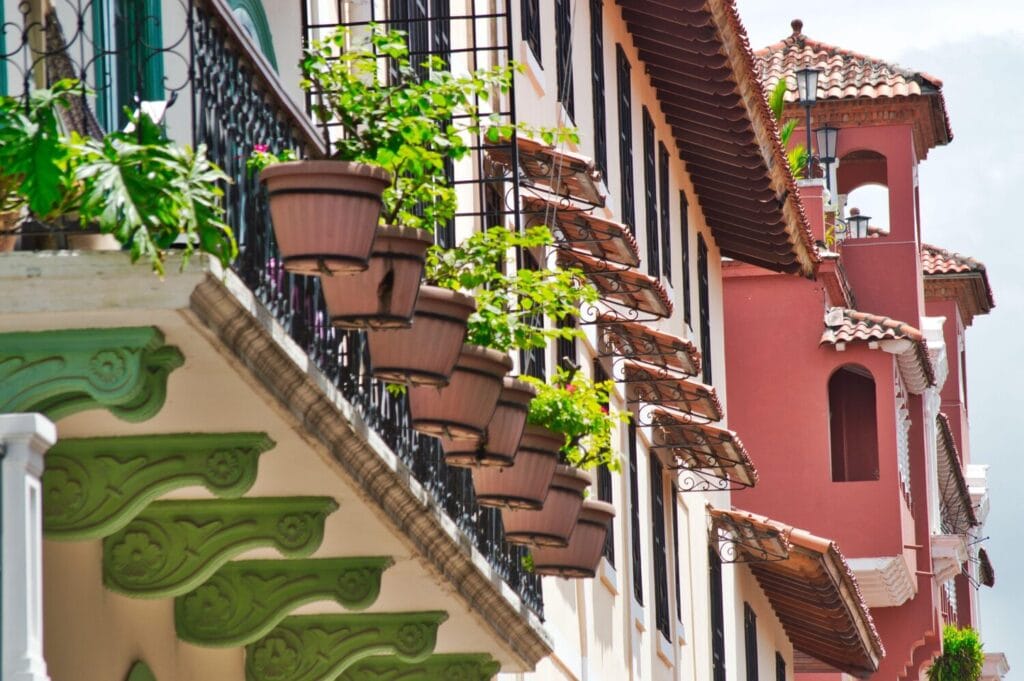
Panama City has everything from international chain hotels to boutique properties in Casco Viejo. The modern downtown offers convenience for business and shopping, while the historic quarter provides charm and easy access to nightlife.
Boquete caters to eco-tourists and adventure travellers, with options like coffee estate lodges, wellness retreats, and mountain-view guesthouses. Bocas del Toro offers overwater bungalows, beachfront cabins, and lively hostels for those seeking nightlife.
In more remote areas, accommodation can be basic but rewarding, such as rustic cabins in the San Blas Islands or surf lodges in Santa Catalina. Booking ahead is essential during high season and around major festivals.
For finding and reserving the right property, see our Hotel Booking Apps guide. These tools allow you to compare prices, read verified reviews, and secure stays across Panama, from city suites to secluded beach huts.
Local Accommodation Options
The table below highlights a handful of standout properties across different regions, styles, and budgets to give you a starting point.
| Property Name | Location | Style & Highlights | Price Range (USD) |
|---|---|---|---|
| American Trade Hotel | Panama City, Casco Viejo | Luxury boutique in restored colonial building; rooftop pool, fine dining | $250–$400 |
| The former Selina (Bocas del Toro) | Isla Colón, Bocas del Toro | Waterfront social hostel with co-working space; now under new management and listed under several names, so book by address | $25–$90 |
| Finca Lérida Coffee Estate & Lodge | Boquete, Chiriquí | Historic coffee plantation with eco-lodges, nature trails | $150–$220 |
| Hotel Santa Catalina | Santa Catalina, Veraguas | Beachfront hotel ideal for surfers and divers | $80–$150 |
| Azul Paradise | Bastimentos Island, Bocas del Toro | Overwater bungalows with direct lagoon access | $250–$350 |
| The Haven Wellness Hotel | Boquete, Chiriquí | Wellness retreat with spa and yoga facilities | $100–$160 |
Major International Hotel Chains in Panama
If you would rather stick to a brand you already trust, the table below shows which major international hotel chains have a presence in the country.
| Hotel Chain | Present in Panama? | Number of Properties | Locations |
|---|---|---|---|
| Marriott | Yes | 10+ | Panama City, Playa Bonita, Tocumen |
| Hilton | Yes | 6 | Panama City, Balboa, Garden Inn |
| IHG (InterContinental, Crowne Plaza) | Yes | 4 | Panama City (InterContinental Miramar, Crowne Plaza) |
| Accor | Yes | 2 | Novotel Panama City |
| Radisson | Yes | 2 | Panama Canal, Decapolis |
| Hyatt | Yes | 3 | Panama City, Albrook |
| Wyndham | Yes | 6 | Ramada Plaza, Tryp by Wyndham |
| Best Western | Yes | 2 | Panama Zen Hotel, Plus Zen |
| Choice Hotels | Yes | 5+ | Panama City, Colón, Chitré, Cerro Punta (Radisson & Faranda brands) |
Toilets & Accessibility
In major cities and tourist areas, public toilets in Panama are generally clean and functional, though in rural and remote locations facilities may be basic or nonexistent. Most shopping centres, airports, and modern hotels provide well-maintained restrooms, but smaller cafés or roadside stops may not.
Public toilets are available in malls, transport hubs, and major parks, though you may encounter a small fee for entry. Carry tissues and hand sanitiser, as supplies aren’t always replenished. In restaurants and cafés, facilities are usually for customers only, and some require a code or token.
Accessibility in Panama varies widely. In Panama City, newer buildings, hotels, and the Metro system have wheelchair-friendly entrances, lifts, and accessible restrooms. However, sidewalks can be uneven, and ramps are not always built to standard. In smaller towns and rural areas, accessibility features are limited. Advance communication with hotels, transport providers, and tour operators is highly recommended for travellers with mobility needs.
To make finding clean facilities easier, especially when on the move, the Flush App is a useful companion. It lists public toilets worldwide, with filters for wheelchair access and free facilities.

App availability and prices vary by country. Some of these may not appear in your local App Store or Google Play.
By planning ahead and using tools like Flush, you can navigate Panama’s public toilet landscape with greater ease, making your Panama vacation more comfortable.

Weather & Best Time to Visit
Panama enjoys a tropical climate year-round, with consistently warm temperatures and two main seasons: the dry season (mid-December to April) and the rainy season (May to November).
The dry season is the most popular time for visitors, offering sunny days ideal for beach trips, hiking, and festivals like Carnival. Expect higher prices and greater demand for hotels and tours, especially in Panama City, Boquete, and Bocas del Toro.
The rainy season brings daily showers, usually in the afternoon, while mornings remain bright. Landscapes are lush, rivers run full, and there are fewer tourists, making it a great time for budget-conscious travellers. On the Caribbean coast, rainfall can be more frequent year-round, particularly in Bocas del Toro.
Average temperatures in lowland areas range from 24–32°C (75–90°F), while highland towns like Boquete and El Valle de Antón are cooler, with averages between 15–26°C (60–79°F). Humidity can be high, particularly on the coasts, so lightweight, breathable clothing is essential.
If you’re visiting for outdoor activities, timing matters. Whale watching in the Pacific is best from July to October, turtle nesting season runs from March to September in certain coastal regions, and birdwatching is excellent year-round.
By aligning your travel dates with your preferred activities and Panama’s seasonal patterns, you can make the most of your trip, whether you prioritise sunny skies or fewer crowds.
eSIMs & Connectivity
Staying connected in Panama is straightforward, with reliable mobile coverage in cities and most tourist areas. Urban centres like Panama City, David, and Bocas del Toro enjoy strong 4G networks, while rural and island regions may experience slower speeds or occasional dropouts.
Two main providers dominate the market: Tigo and +Movil. All offer prepaid SIMs, which can be purchased at airports, malls, or authorised retailers. A passport or ID is often required for registration. Prepaid plans are inexpensive and include generous data allowances, but purchasing a SIM can take time upon arrival.
For travellers who want to avoid queues or language barriers, eSIMs offer a faster, more convenient option. With an eSIM, you can activate your mobile plan before leaving home, connect instantly upon arrival, and avoid swapping physical SIM cards.
Airalo is one of the most trusted global eSIM providers, offering Panama-specific and regional Latin America plans. Panama plans currently start at around $19.50 USD for 3 days of unlimited data, with longer packages up to 30 days available. Activation is done through the app, and you can top up as needed without visiting a store.

App availability and prices vary by country. Some of these may not appear in your local App Store or Google Play.
Religious Customs
Panama is a religiously diverse country, though Roman Catholicism is the predominant faith, followed by a significant Evangelical Christian population. Smaller communities of Jews, Muslims, Hindus, and Buddhists also live in the country, primarily in urban centres.
Religious festivals and traditions play an important role in Panamanian culture. Semana Santa (Holy Week) in March or April is observed nationwide, with processions, special church services, and temporary closures of some businesses. In October, the Festival del Cristo Negro in Portobelo draws thousands of pilgrims to honour the Black Christ statue.
When visiting churches or religious sites, modest dress is expected, shoulders and knees should be covered. While photography is often allowed, it’s courteous to ask permission before taking pictures inside a place of worship.
Indigenous communities may blend Christianity with traditional spiritual practices. Visitors should be respectful and follow the lead of local guides when attending ceremonies or entering sacred spaces.
Public religious displays are common, such as roadside shrines or processions through city streets. Participating as an observer is welcomed, but it’s important to maintain a respectful distance during formal rituals.
By showing sensitivity to religious customs, travellers can better understand the cultural fabric of Panama and deepen their connection with the communities they visit.

Laws, Safety & Warnings
Panama is generally safe for tourists, particularly in popular destinations like Panama City’s Casco Viejo, Boquete, and Bocas del Toro. However, as with any destination, taking sensible precautions will help ensure a trouble-free trip.
Safety tips:
- Avoid walking alone in poorly lit or less-touristy areas at night, especially in parts of Colón and Panama City suburbs.
- Keep valuables out of sight, and avoid displaying expensive jewellery or electronics.
- Use ride-hailing apps like Uber rather than hailing taxis on the street.
- Be alert to petty theft in crowded areas such as markets, bus terminals, and festivals.
Natural hazards include heavy rains in the wet season (May–November), which can cause flooding and landslides, especially in rural areas. Coastal travellers should be aware of strong currents in some swimming areas, and check local advice before entering the water.
Legal notes:
- Possession of drugs, including cannabis, is strictly illegal and carries severe penalties.
- Random ID checks by police are legal; carry a photocopy of your passport and entry stamp page.
- Drunk driving is taken seriously, with heavy fines and potential jail time.
- In protected areas such as national parks and Indigenous territories, permits may be required for access.
Health and insurance:
Tap water is safe to drink in Panama City and some towns like Boquete, but bottled or filtered water is recommended in rural and coastal areas. Travellers should ensure they have comprehensive travel insurance covering medical treatment, theft, and cancellations.
For recommendations on digital tools to manage your cover, see our Travel Insurance Apps guide, which includes options for storing policy documents, emergency contacts, and medical records in one secure place.
By staying aware of your surroundings, respecting local laws, and preparing for the unexpected, you can focus on the rich experiences Panama offers, from historic sites to wild landscapes, with peace of mind.

Rupert’s Handy Travel Tips
From the Panama Canal to Bocas del Toro’s islands, the right apps will keep your travels in Panama smooth and flexible. Here are a few to make the most of your trip:
- Use transport apps in Panama City: Pair Uber with the Metro de Panamá app to move quickly between districts.
- Get a Metrobus card: Load it with credit and use transit apps to track buses across the city and suburbs.
- Plan domestic flights: Apps from Air Panama or Copa Airlines are essential for reaching islands and remote areas.
- Stay connected with an eSIM: Mobile signal can dip in rural or island regions; download maps before you go offline.
- Check surf and weather apps: Crucial for beach plans on both the Pacific and Caribbean coasts, where conditions change quickly.
- Book tours and ferries ahead: Apps like Bookaway or local ferry apps help secure spots for Canal tours and Bocas transfers.
Want to meet the reindeer behind our travel tips? Find out more in our page Who is Rupert?.




Frequently Asked Questions
u003cstrongu003eDo I need a visa to visit Panama?u003c/strongu003e
Most nationalities, including those from the EU, UK, US, Canada, and Australia, can enter Panama visa-free for up to 90 days. Border officials can also ask you to show at least 1,000 US dollars in funds, or a credit card in your own name, so keep one to hand. There is a 40 US dollar departure tax as well, but it is normally included in the price of your air ticket, so most travellers never pay it separately at the airport. Always check the latest entry requirements before you travel, as policies can change.
u003cstrongu003eIs the Panama Canal worth visiting?u003c/strongu003e
Absolutely. The canal is one of the world’s great engineering marvels. The Miraflores Visitor Center in Panama City and the Agua Clara Locks in Colón offer the best viewing and interpretive experiences.
u003cstrongu003eIs Panama safe for solo travellers?u003c/strongu003e
Yes, Panama is considered one of the safer countries in Central America. Exercise common sense, avoid walking alone at night in unfamiliar areas, and use ride-hailing apps rather than unlicensed taxis.
u003cstrongu003eCan I drink the tap water?u003c/strongu003e
In Panama City, Boquete, and some larger towns, the tap water is safe to drink. In rural or coastal areas, it’s best to stick to bottled or filtered water.
u003cstrongu003eWhat currency is used in Panama?u003c/strongu003e
The official currency is the Panamanian Balboa (PAB), but U.S. dollars are used for all practical purposes. Balboa coins are interchangeable with U.S. coins.
Further Reading & Related Travel Guides
If you are planning a trip to Panama City, these guides cover the transport, day trips, and flights you will need to piece together a smooth itinerary. Start with the Panama Canal Day Trip from Panama City guide, covering everything you need to know about visiting the canal, including the Miraflores Locks, the visitor centre, and how to time your visit to see ships passing through.
From there, the Best Day Trips from Panama City guide rounds up the top excursions within easy reach of the capital, from the canal itself to the San Blas Islands, rainforest tours, and beach escapes. If the islands are calling, the dedicated Panama City to San Blas Islands guide covers transport options, travel times, and what to expect on the journey out.
Getting into the city matters just as much as deciding where to go next. The Panama City Airport to City Centre guide breaks down the easiest ways to travel from Tocumen International Airport using the metro, taxis, Uber, and private transfers. And if Copa Airlines is bringing you into the country, the Copa Airlines Guide explains its routes, fleet, Panama City hub, and the overall travel experience.