
Budapest to Vienna: Train, Bus & Travel Options Explained
Travelling between Budapest and Vienna is one of the most popular routes in Central Europe. The two capitals sit only a few hundred kilometres apart and are connected by fast rail lines, international buses, and major highways.
For most travellers, the journey is quick, comfortable, and surprisingly affordable. Direct trains run throughout the day, buses provide low-cost alternatives, and driving between the cities is straightforward thanks to well-maintained motorways.
Because both cities are major transport hubs, the route is also well integrated into the wider European rail network. This makes the journey especially convenient for travellers using Interrail passes or continuing onward to destinations such as Prague, Munich, or Bratislava.
When comparing the options, trains usually offer the fastest and most convenient travel experience, while buses provide the lowest prices. The best choice depends on your budget, schedule, and whether you plan to travel onward through Europe.
This Budapest to Vienna travel guide explains the main transport options, typical journey times, and practical tips for making the trip smoothly.
Budapest to Vienna Distance and Travel Time
Budapest and Vienna are separated by a distance of roughly 240 kilometres, making the journey short enough to complete comfortably in a single afternoon.
Thanks to modern rail infrastructure and direct motorway connections, travelling between the cities is quick and reliable by several different transport options.
| Transport | Typical Travel Time | Typical Price |
|---|---|---|
| Train | Around 2h 30m | €20–€60 |
| Bus | Around 3h | €10–€30 |
| Car | Around 2h 30m | Fuel + tolls |
Trains generally provide the fastest and most comfortable way to travel, especially for visitors staying in city centres. Rail services run frequently throughout the day and depart from major stations with good public transport connections.
Buses are usually the cheapest option, although journeys take slightly longer and departure points may be located outside the historic centre.
Driving can be convenient for travellers exploring the region, but it involves motorway toll requirements and parking considerations in Vienna, which can add time and cost to the journey.
Budapest to Vienna by Train
For most travellers, taking the train is the easiest and most comfortable way to travel between Budapest and Vienna. Modern services run several times per day and connect the two capitals directly in roughly two and a half hours.
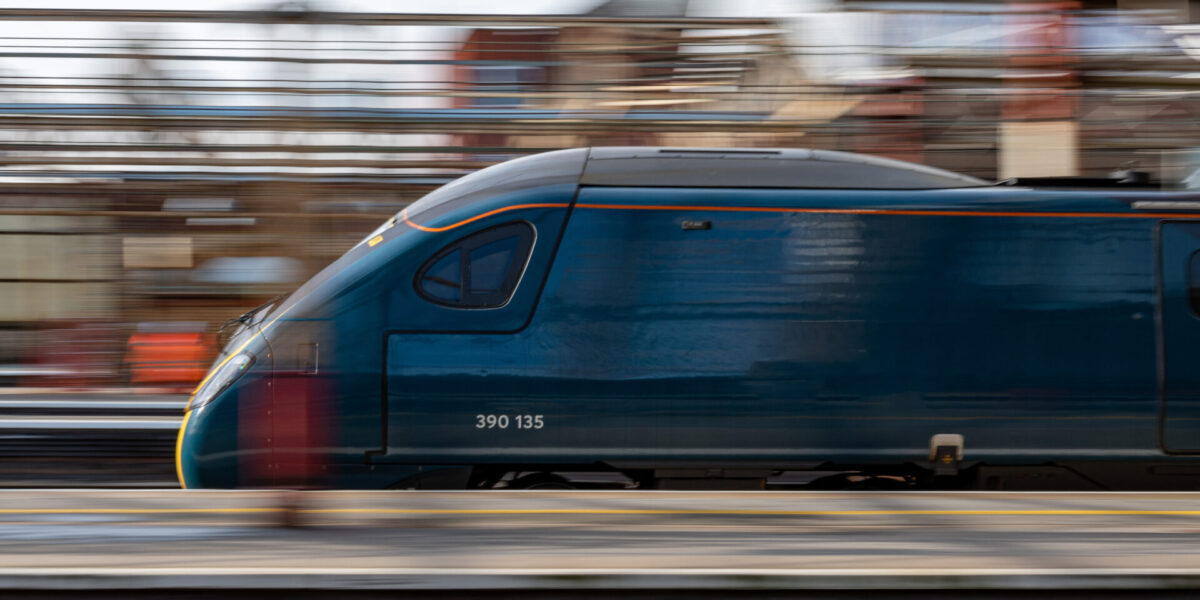
The main trains on this route are Railjet and EuroCity services, operated jointly by Hungarian and Austrian railways. These trains offer comfortable seating, onboard catering, and spacious luggage areas.
Because both cities have centrally located railway stations, trains are particularly convenient for visitors staying in the historic districts. Passengers can often travel directly between city centres without needing airport transfers or long bus rides.
Trains are also well suited for travellers continuing through Europe. From Vienna, rail connections extend toward Salzburg, Munich, Prague, and many other destinations across the continent.
Budapest Train Stations for Vienna
Most international trains to Vienna depart from Budapest Keleti station, the city’s largest railway hub. This station is easily reached by metro lines M2 and M4, making it convenient for travellers staying in central districts.
Some services also depart from Budapest Kelenföld, located on the western side of the city. This station can be reached using metro line M4.
Vienna Arrival Stations
Trains arriving from Budapest typically stop at Wien Hauptbahnhof, Vienna’s modern central station. From here, passengers can transfer easily to metro lines, trams, and regional trains.
Some services also stop at Wien Meidling, another important railway station connected to Vienna’s public transport network.
Using an Interrail Pass Between Budapest and Vienna
Travelling between the two capitals is fully covered by Interrail passes, making the route especially popular with rail travellers exploring Central Europe.
Most direct trains on this route are operated by Railjet or EuroCity services, and Interrail pass holders can simply board using a valid travel day. In most cases, seat reservations are optional, although they may be recommended during busy periods or peak travel seasons.
The journey usually takes around two and a half hours, making it one of the shortest international rail trips in the region. This allows travellers to move easily between Hungary and Austria without complicated transfers.
Interrail users can activate the journey through the Rail Planner app, which records travel days and shows available services along the route. The app also displays platform information and connection details.
For additional details about Interrail passes and European rail travel, travellers can check the official Interrail website:
Because trains run frequently between the two cities, Interrail travellers enjoy excellent flexibility when planning their journey, whether travelling directly or continuing onward across Europe
Train Ticket Prices and Booking
Train tickets between Budapest and Vienna can vary significantly in price depending on how early you book and the type of ticket selected. Travellers who purchase tickets in advance often find the best deals, particularly on popular Railjet services running between the two capitals.
Advance fares sometimes start from around €20, while flexible tickets bought on the day of travel can cost considerably more. Flexible fares allow passengers to board any eligible train that day, which can be useful if travel plans are uncertain or you want the freedom to catch an earlier or later service.
Most travellers now book rail tickets using train booking apps, which make it easy to compare prices, check departure times, and reserve seats in just a few minutes. Apps such as Trainline and Omio are particularly useful for this route because they display services from multiple European rail operators in one place. This allows travellers to compare schedules, ticket prices, and journey times quickly before choosing the best option.
Railjet trains offer comfortable seating, luggage storage, onboard catering, and both standard and first-class cabins, making them one of the most pleasant ways to travel between Hungary and Austria.
Seat reservations are not always compulsory on the Budapest–Vienna route, but they are recommended during busy travel periods, especially in summer or around major holidays when trains can fill up quickly.
Travellers using an Interrail pass can check services and add journeys using the Rail Planner app, which shows live schedules and allows travellers to track their travel days directly from their phone.
For many travellers, using a ticket booking app is the simplest way to organise rail travel between Budapest and Vienna, allowing you to secure the best fares and avoid queues at the station.
Budapest to Vienna by Bus
Travelling by bus is often the cheapest way to travel between Budapest and Vienna, although journeys typically take a little longer than trains.
Most services take around three hours, depending on traffic and the number of stops along the route. While buses may be slower, they often provide very competitive prices, especially when booked in advance.
The largest operator on this route is FlixBus, which runs frequent services throughout the day. RegioJet also operates some international coach routes in the region.
Modern long-distance buses are generally comfortable and include air conditioning, onboard Wi-Fi, power outlets, and luggage storage. Seats are usually reserved automatically when booking.
Budapest Bus Departure Points
Most international buses depart from Népliget bus station, located in the southern part of Budapest. The station is connected to the city by Metro Line M3, making it relatively easy to reach from the centre.
Vienna Bus Stations
In Vienna, buses usually arrive at the Vienna International Bus Terminal (VIB) or other central transport hubs. From there, travellers can continue their journey using Vienna’s metro, tram, or suburban rail system.
For travellers prioritising price over speed, buses can offer a very economical way to travel between the two cities.
Compare Tickets with BusBud

Budapest to Vienna by Car
Driving between Budapest and Vienna can be a convenient option for travellers exploring multiple destinations across Central Europe.
The journey follows major motorways for most of the route. Drivers typically travel west from Budapest along the M1 motorway, which connects to Austria’s A4 motorway leading directly into Vienna.
Under normal traffic conditions, the drive takes around two and a half hours, although delays can occur near major cities or during holiday periods.
Travellers should be aware that Austria requires motorway vignettes, which are toll stickers that must be purchased before driving on Austrian motorways. These can be bought at petrol stations near the border or online in advance.
Parking in Vienna’s historic districts can be limited, and many areas operate short-term parking zones. For this reason, many visitors choose to park at hotels or use park-and-ride facilities outside the city centre.
Driving can be useful for travellers planning to visit destinations such as Bratislava or the wine regions of eastern Austria along the way.
Budapest to Vienna as a Day Trip
Because the journey between Budapest and Vienna is relatively short, visiting Vienna as a day trip from Budapest is entirely possible.
Early morning trains typically depart Budapest around 06:00, arriving in Vienna before 09:00. This allows visitors to spend most of the day exploring the Austrian capital before returning on an evening train.
With roughly 10–12 hours available, travellers can comfortably visit several major attractions. Popular highlights include St Stephen’s Cathedral, the Hofburg Palace, Schönbrunn Palace, and Vienna’s historic café culture.
However, many travellers find that Vienna deserves more time than a single day allows. Spending at least one or two nights in the city provides a more relaxed experience and allows visitors to explore beyond the main historic centre.
For those on tight itineraries, though, the short travel time makes a Budapest–Vienna day trip one of the most convenient international excursions in Europe.
Scenic Stops Between Budapest and Vienna
Although many travellers go directly between the two capitals, the route between Budapest and Vienna passes through several interesting towns and historic regions. If you have extra time, breaking the journey can add a completely different dimension to the trip.
One of the most popular stops is Bratislava, the capital of Slovakia. Located roughly halfway between the two cities, Bratislava offers a charming historic centre, a hilltop castle overlooking the Danube, and a compact old town that can easily be explored in a few hours. Because trains run frequently between all three cities, it is easy to pause your journey here before continuing onward to Vienna.
Another interesting stop is Győr, a historic Hungarian city known for its colourful Baroque architecture and quiet riverside squares. The town sits along the rail corridor between Budapest and Vienna and is often overlooked by travellers rushing between the two capitals.
Travellers planning to explore multiple destinations along the route often find that rail travel offers the most flexibility. Using a train booking app such as Trainline or Omio makes it easy to check intermediate stops and adjust travel plans if you decide to spend a few hours exploring another city along the way.
For visitors who prefer to keep things simple, however, the direct journey between Budapest and Vienna remains one of the fastest and easiest international trips in Central Europe.
Travel Apps for the Budapest–Vienna Route
Several travel apps can make the journey between Budapest and Vienna much easier to plan and manage.
For rail travel, apps such as Trainline and Omio allow travellers to search routes, compare ticket prices, and purchase tickets directly from their phone. These apps display services from multiple European rail operators, which makes them particularly useful when travelling across borders.
Travellers using Interrail passes should also install the Rail Planner app, which shows train schedules, tracks travel days, and provides route planning tools across the European rail network.
Navigation apps can also help when arriving in a new city. Google Maps provides reliable public transport directions in both Budapest and Vienna, including metro, tram, and bus routes.
Having these apps installed before travelling makes it much easier to check departure times, manage tickets, and navigate unfamiliar transport systems.

Rupert’s Handy Travel Tips
If you’re travelling between Budapest and Vienna, here are a few helpful tips to make the journey smoother:
- Book train tickets a few weeks in advance for the lowest prices.
- Railjet trains are usually the fastest and most comfortable services on this route.
- If you’re travelling with Interrail, try to take an early train to maximise sightseeing time.
- Vienna Hauptbahnhof has excellent metro and tram connections, making it easy to reach the city centre quickly.
- If you have spare time, consider stopping in Bratislava, which sits directly between the two capitals.
Want to meet the reindeer behind our travel tips? Find out more in our page Who is Rupert?.
Frequently Asked Questions About Travel Between Budapest and Vienna
What is the fastest way to travel between Budapest and Vienna?
The fastest option is usually the direct Railjet train, which takes around two and a half hours and runs several times per day.
Is there a high-speed train between Budapest and Vienna?
While the trains are not classified as high-speed in the same way as some European routes, Railjet services operate modern fast trains that provide quick and comfortable connections between the two capitals.
Can you travel between Budapest and Vienna using Interrail?
Yes. The route is fully covered by Interrail passes, and most trains do not require compulsory seat reservations.
Is it possible to visit Vienna as a day trip from Budapest?
Yes. Early morning trains and late evening return services make it possible to spend a full day exploring Vienna before returning to Budapest.
Further Reading & Related Travel Guides
Planning a trip to Budapest or exploring more of Hungary? These guides cover transport, major attractions, day trips and travel planning to help you make the most of your visit.
Getting Around Budapest
Navigate the underground network → Budapest Metro Guide
Compare transport options from the airport → Budapest Airport Transfers Guide
Explore the city with a sightseeing bus → Budapest Hop-On Hop-Off Bus Tours Guide
Budapest Attractions & Experiences
Discover the Hungarian Parliament building → Budapest Parliament Tours Guide
See Budapest from the Danube → Budapest River Cruises Guide
Relax in Hungary’s famous thermal spas → Budapest Thermal Baths Guide
Decide whether the city pass is worth it → Budapest Card Guide
Explore Beyond the Capital
Find the best excursions outside the city → Best Day Trips from Budapest
Visit Hungary’s second largest city → Debrecen Travel Guide
Travel across Hungary by rail → Interrail Hungary Pass Guide
Last Updated
March 2026
Affiliate Disclosure
This page contains affiliate links. If you click through and make a purchase or booking, we may earn a small commission at no extra cost to you. This helps support our work and allows us to continue providing detailed, independent travel advice. We only recommend apps and services we personally use or have verified as high-quality.