
Why Budapest Is Famous for Its Thermal Baths
Budapest is often called the “City of Spas”, and for good reason. Beneath the city lies a remarkable network of natural hot springs that have supplied warm mineral water for centuries. These springs feed dozens of public bathhouses, many of which are still operating today.
The tradition of bathing here stretches back to Roman times. Later, during the Ottoman period, elaborate bathhouses were built across the city using domed architecture and stone pools. Several of those historic baths still exist today, giving visitors the rare chance to experience centuries-old bathing culture in the same buildings used hundreds of years ago.
What makes the experience unique is the variety available. Some bathhouses feature large outdoor pools where steam rises into the winter air, while others focus on elegant indoor spas filled with mosaics, columns, and stained glass. Many complexes include saunas, steam rooms, plunge pools, and relaxation areas.
Another reason travellers seek out the Budapest thermal baths is the atmosphere. These places are not just wellness facilities; they are also social spaces. Locals gather to relax, chat, or even play chess in the warm water, creating an environment that feels very different from modern spa resorts.
For visitors, the experience can be both relaxing and memorable. Spending a few hours soaking in mineral-rich waters after a day exploring the city is often described as one of the highlights of any trip to Budapest.
The Best Thermal Baths in Budapest
Several historic bathhouses operate across the city, each with its own character and atmosphere. While locals may have their personal favourites, a few baths stand out as the most popular for travellers visiting Budapest.
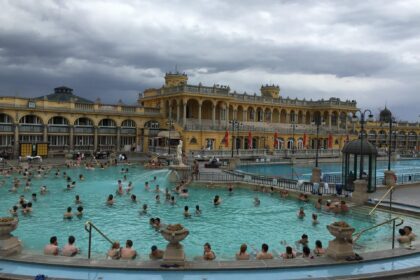
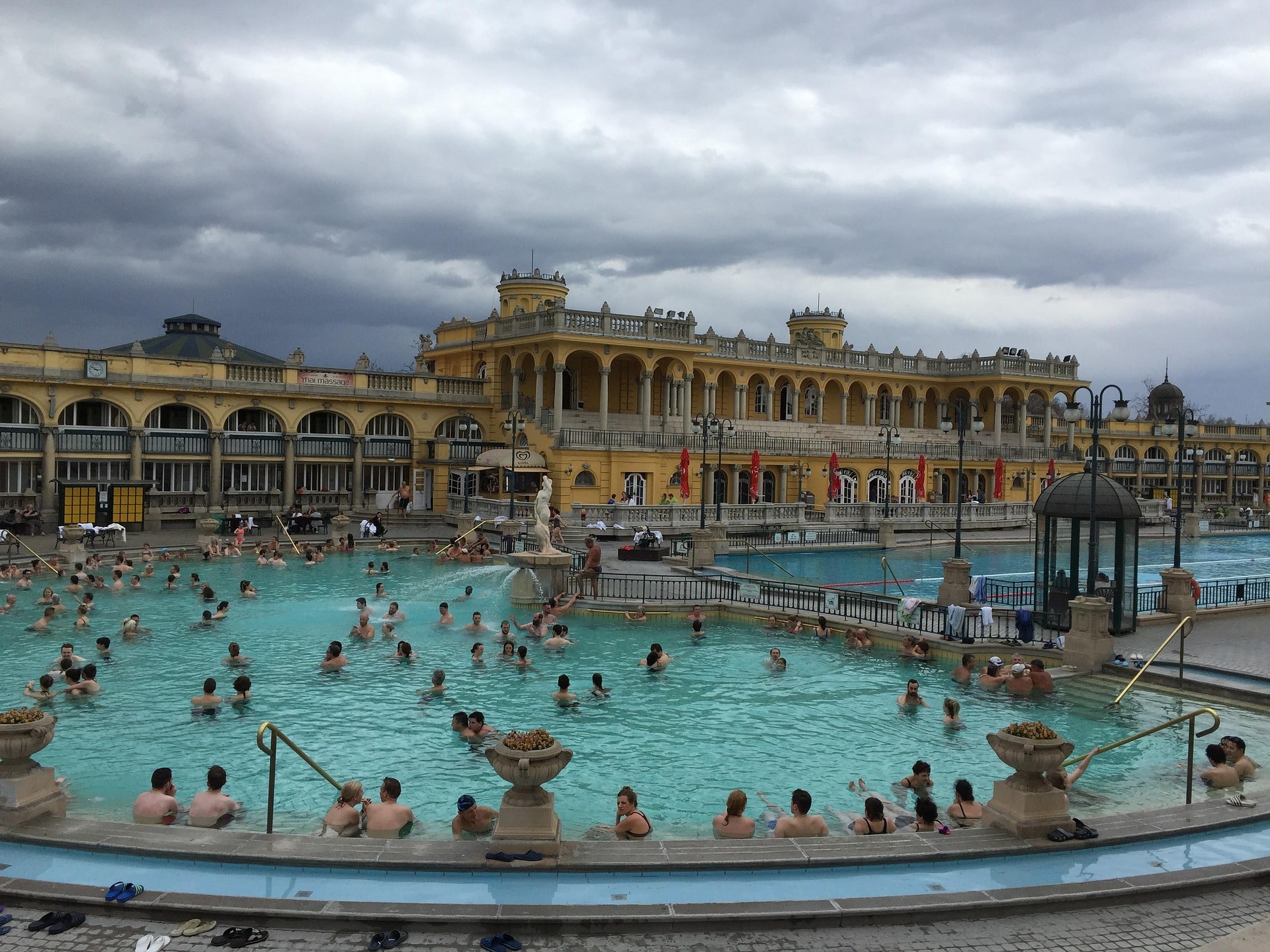
The most famous is Széchenyi Thermal Bath, located in City Park. This enormous complex is one of the largest spa facilities in Europe and is instantly recognisable thanks to its bright yellow Neo-Baroque buildings. The outdoor pools are the highlight here, where visitors can relax in warm water while surrounded by historic architecture.
Another iconic location is Gellért Thermal Bath, which sits beside the Danube near Gellért Hill. This bathhouse is known for its beautiful Art Nouveau design, featuring colourful mosaics, vaulted ceilings, and decorative tiles. The atmosphere feels more refined than some other bath complexes, making it a favourite among travellers looking for an elegant setting.
For something more historic, many visitors choose Rudas Thermal Bath. Parts of this complex date back to the Ottoman era, and its central dome and stone pool create a distinctive atmosphere. One of the biggest attractions today is the rooftop thermal pool, which offers sweeping views across the Danube and the city skyline.
Finally, there is Lukács Thermal Bath, which tends to attract more locals than tourists. Its reputation comes from its long association with therapeutic bathing and wellness treatments. Visitors who prefer a quieter experience often find Lukács to be a welcome alternative to the busier spas.
Each bath offers a slightly different experience, but they all showcase the tradition that makes the Budapest thermal baths such an important part of the city’s identity.
Széchenyi vs Gellért vs Rudas: Which Bath Should You Visit?
Choosing between the city’s most famous bathhouses can be difficult, especially if you only have time to visit one. Each location offers a different style of experience, and the best choice often depends on what you want from your visit.
| Bath | Style | Best For | Atmosphere |
|---|---|---|---|
| Széchenyi | Large outdoor pools | First-time visitors | Lively |
| Gellért | Art Nouveau spa | Architecture lovers | Elegant |
| Rudas | Ottoman bathhouse | Historic experience | Unique |
Széchenyi is usually the first choice for travellers. The huge outdoor pools are iconic, and the atmosphere is lively throughout the day. Visitors often spend hours moving between warm pools, saunas, and relaxation areas.
Gellért appeals to those who appreciate architecture and historic interiors. The mosaic halls and decorative tiles give the entire complex a more refined atmosphere, and many visitors describe it as one of the most beautiful bathhouses in Europe.
Rudas offers something different. The central Ottoman pool beneath a stone dome creates a dramatic setting, and the rooftop thermal pool provides one of the most unusual spa views in the city.
Whichever bath you choose, the experience remains the same at its core: relaxing in naturally heated mineral water while surrounded by historic architecture.
Thermal Bath Etiquette and What to Expect
Visiting a historic bathhouse can feel unfamiliar at first, particularly if you have never experienced European thermal baths before. Fortunately, the process is straightforward once you understand the basics.
First, swimwear is required in most areas of the baths. While some older facilities once operated with traditional bathing customs, modern bathhouses now expect visitors to wear standard swimming attire.
After entering the complex, guests typically receive a wristband that acts as both a locker key and access pass. Depending on the ticket purchased, you may receive either a locker in a shared changing room or a private cabin for changing and storing belongings.
Before entering the pools, it is customary to shower. This helps maintain water cleanliness and is standard practice in most spa environments across Europe.
The water itself is naturally heated by underground springs and usually ranges between 34°C and 40°C depending on the pool. Visitors often move between pools of different temperatures, allowing the body to adjust gradually.
It is also common to see people relaxing quietly in the water rather than swimming laps. The atmosphere is generally calm and social, with many visitors spending time chatting, soaking, or simply enjoying the warm mineral water.
For travellers new to the experience, the most important thing to remember is simple: take your time and enjoy the atmosphere. The baths are designed for relaxation rather than speed, and a slower pace is part of what makes them special.
How to Buy Budapest Thermal Bath Tickets
Buying tickets for the Budapest thermal baths is straightforward, but planning ahead can make the experience smoother. Popular bathhouses often become busy, especially during weekends and summer months, so booking in advance is usually the safest option.
Most bath complexes offer several ticket types. The standard entry ticket allows access to the main pools, saunas, and relaxation areas. Visitors can usually choose between a locker ticket or a private cabin ticket. Lockers are the more economical option, while cabins provide a small private changing space that many travellers prefer.
Additional upgrades are often available. These can include spa treatments, massages, or wellness packages that combine bathing with relaxation therapies. Some baths also offer fast-track entry, which can save time during peak hours.
Tickets can be purchased directly at the bathhouse entrance, but queues sometimes form at the busiest locations. For travellers who prefer to plan ahead, reserving tickets online is often easier. Platforms such as GetYourGuide allow visitors to compare ticket options and reserve entry times before arriving.
This approach can be especially helpful during peak travel seasons. Arriving with a confirmed ticket removes uncertainty and allows you to focus on enjoying the baths rather than waiting in line.
Best Time to Visit the Budapest Baths
The experience of visiting a thermal bath can change significantly depending on the time of day. While the baths operate throughout the day, some hours are noticeably quieter than others.
Morning is often the most peaceful period. Arriving shortly after opening usually means fewer crowds, making it easier to move between pools and enjoy the atmosphere without interruptions. Early visits are particularly appealing for travellers who want a relaxed spa experience before exploring the rest of the city.
Afternoons tend to be the busiest. Tour groups and day visitors arrive during this period, which can make the most famous bathhouses feel crowded. However, the lively atmosphere can also add to the social character of the baths.
Evenings offer a completely different setting. As daylight fades, the pools become quieter and the lighting creates a more atmospheric environment. Many visitors enjoy soaking in warm water while the city lights appear around them.
Winter visits can be especially memorable. Outdoor pools remain warm even during colder months, and the sight of steam rising from the water in the cold air creates one of the most distinctive experiences in Budapest.
Because the baths remain open throughout the year, travellers can usually find a comfortable time to visit regardless of the season.
Budapest Bath Parties (Sparty)
One of the most unusual events in Budapest takes place inside the thermal baths themselves. Known locally as “Sparty”, these night-time bath parties combine music, lighting effects, and thermal pools to create a unique nightlife experience.
The events are typically held at Széchenyi Thermal Bath, where the large outdoor pools provide the perfect setting for a lively evening gathering. Music, DJ performances, and colourful lighting transform the historic bath complex into something entirely different from its daytime atmosphere.
These events attract a younger crowd and are especially popular during the warmer months. Visitors often describe them as part spa experience and part nightclub, offering a distinctive way to experience one of the city’s most famous attractions.
Because of their popularity, tickets for bath parties often sell out well in advance. Travellers interested in attending usually need to book early to secure entry.
While not everyone will enjoy the party atmosphere, it remains one of the more unusual cultural experiences available in the city. For visitors looking for something different from traditional nightlife, the bath parties provide a memorable alternative.

Rupert’s Handy Travel Tips
Visiting the famous Budapest thermal baths for the first time? Rupert has a few practical tips to help you enjoy the experience:
- Bring flip-flops or pool sandals. Bath complexes are large and you may walk between several pools.
- Arrive early if possible. The most popular baths become much busier later in the day.
- Try several pools. Temperatures vary, so moving between them helps you enjoy the experience more comfortably.
- Don’t rush the visit. Spending two or three hours relaxing in the warm water is completely normal.
Want to meet the reindeer behind our travel tips? Find out more in our page Who is Rupert?.
Further Reading & Related App Guides
Planning a trip to Budapest or exploring more of Hungary? These guides cover transport, major attractions, day trips and travel planning to help you make the most of your visit.
Getting Around Budapest
Navigate the underground network → Budapest Metro Guide
Compare transport options from the airport → Budapest Airport Transfers Guide
Explore the city with a sightseeing bus → Budapest Hop-On Hop-Off Bus Tours Guide
Travel between two Central European capitals → Budapest to Vienna Travel Guide
Budapest Attractions & Experiences
Discover the Hungarian Parliament building → Budapest Parliament Tours Guide
See Budapest from the Danube → Budapest River Cruises Guide
Decide whether the city pass is worth it → Budapest Card Guide
Explore Beyond the Capital
Find the best excursions outside the city → Best Day Trips from Budapest
Visit Hungary’s second largest city → Debrecen Travel Guide
Travel across Hungary by rail → Interrail Hungary Pass Guide
Last Updated
March 2026
Travel information, opening hours, ticket prices, and spa policies can change over time. This Budapest thermal baths guide is reviewed regularly to ensure the information remains accurate for travellers planning their visit.
Affiliate Disclosure
This page contains affiliate links. If you click through and make a purchase or booking, we may earn a small commission at no extra cost to you. This helps support our work and allows us to continue providing detailed, independent travel advice. We only recommend apps and services we personally use or have verified as high-quality.