Reviewed by our editorial team Updated
Discover Metz: France’s Golden Stone City
Often overlooked by visitors heading to Strasbourg or Luxembourg, Metz is one of eastern France’s most elegant and surprising cities. Built from distinctive golden Jaumont stone, its streets glow with warm honey-coloured tones, earning Metz a reputation as one of the country’s most beautiful yet underrated destinations. Add in a magnificent Gothic cathedral, world-class modern art, riverside parks and over 3,000 years of history, and it’s easy to see why the city deserves far more attention.
Metz occupies a unique position close to the borders of Germany, Luxembourg and Belgium, and that international influence can be seen throughout the city. Over the centuries it has been Roman, French and German, leaving behind a fascinating blend of architectural styles, cultures and traditions that make every walk through the city feel like a journey through European history.
Despite its rich heritage, Metz feels wonderfully relaxed. Much of the historic centre is pedestrian-friendly, with elegant squares, leafy parks, riverside paths and independent cafés all within easy walking distance. Whether you’re admiring medieval buildings, exploring contemporary galleries or simply watching boats glide along the river, Metz has a calm atmosphere that encourages visitors to slow down and explore.
Whether you’re interested in history, architecture, art, gardens or discovering one of France’s hidden gems, Metz offers more than enough attractions to fill a memorable city break.
Visit Saint-Étienne Cathedral
Towering above the historic centre, Saint-Étienne Cathedral is the undisputed symbol of Metz and one of the greatest Gothic cathedrals in Europe. Nicknamed “The Lantern of God”, it possesses the largest area of stained glass of any cathedral in France, filling its vast interior with extraordinary colours throughout the day.
Construction began during the thirteenth century, eventually creating a masterpiece that combines soaring vaulted ceilings, graceful stone columns and more than 6,500 square metres of stained glass. Walking inside, visitors are immediately struck by the sheer height of the building and the constantly changing light filtering through windows created across several centuries.
Among the highlights are the stunning modern stained-glass windows designed by Marc Chagall, whose colourful artwork blends beautifully with much older medieval glass. The combination of traditional Gothic architecture and twentieth-century artistic innovation creates one of the cathedral’s most distinctive features.
Spend time exploring both the interior and exterior. The richly carved façade, flying buttresses and elegant towers are impressive from every angle, while stepping inside offers one of the most memorable architectural experiences anywhere in eastern France.
Best for two or three nights. The widest choice of rooms, with filters for free cancellation and included breakfast.
View staysBest for families, or any stay past about four nights. A kitchen and a washing machine start paying for themselves.
Browse rentalsBest for double-checking. Runs the same search across several booking sites so you are not leaving money behind.
Compare pricesExplore the Centre Pompidou-Metz
Standing in striking contrast to the medieval streets nearby, the Centre Pompidou-Metz is one of France’s leading museums of modern and contemporary art. Opened in 2010 as the first major branch of Paris’s famous Centre Pompidou, it has quickly become one of Metz’s biggest attractions and a landmark in its own right.
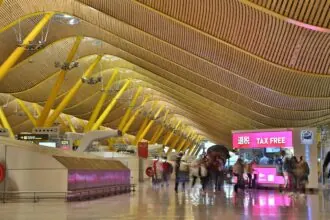
Designed by internationally acclaimed architects Shigeru Ban and Jean de Gastines, the building immediately captures attention with its spectacular sweeping roof, inspired by the shape of a traditional woven Chinese hat. The innovative timber structure and vast open galleries make the museum as fascinating architecturally as the exhibitions it houses.
Inside, visitors can explore a constantly changing programme of temporary exhibitions featuring works by many of the world’s greatest modern artists, including Picasso, Matisse, Kandinsky, Miró and numerous contemporary creators. Unlike a traditional museum with a permanent collection, each visit offers something different, making it worth returning to even if you’ve visited before.
Even if modern art isn’t normally your first choice, the building itself is reason enough to visit. Combined with its excellent exhibitions and panoramic terraces overlooking the city, the Centre Pompidou-Metz is one of the defining attractions of modern Metz.
Wander Around Place Saint-Louis
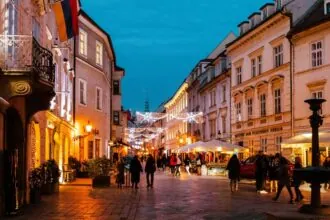
Few places capture the character of Metz quite like Place Saint-Louis. Dating back to the Middle Ages, this beautiful square was once the commercial heart of the city, where wealthy merchants traded goods arriving from across Europe. Today it remains one of Metz’s most atmospheric locations, lined with elegant arcaded buildings, inviting cafés and independent restaurants.
The architecture immediately stands out. Tall stone buildings with covered walkways reflect both French and Italian influences, creating a setting unlike almost anywhere else in the country. Many of the façades still display medieval details, while colourful shutters, outdoor terraces and flower displays add warmth and character throughout the year.
Take time to sit beneath the historic arcades with a coffee and simply watch the city go by. The square has retained its role as a gathering place for local residents, making it feel authentic rather than simply a tourist attraction.
Whether you’re visiting during a lively market, enjoying an evening meal or simply wandering through on your way to another attraction, Place Saint-Louis perfectly showcases the elegance and rich history that make Metz one of France’s most underrated cities.
Visit the Temple Neuf
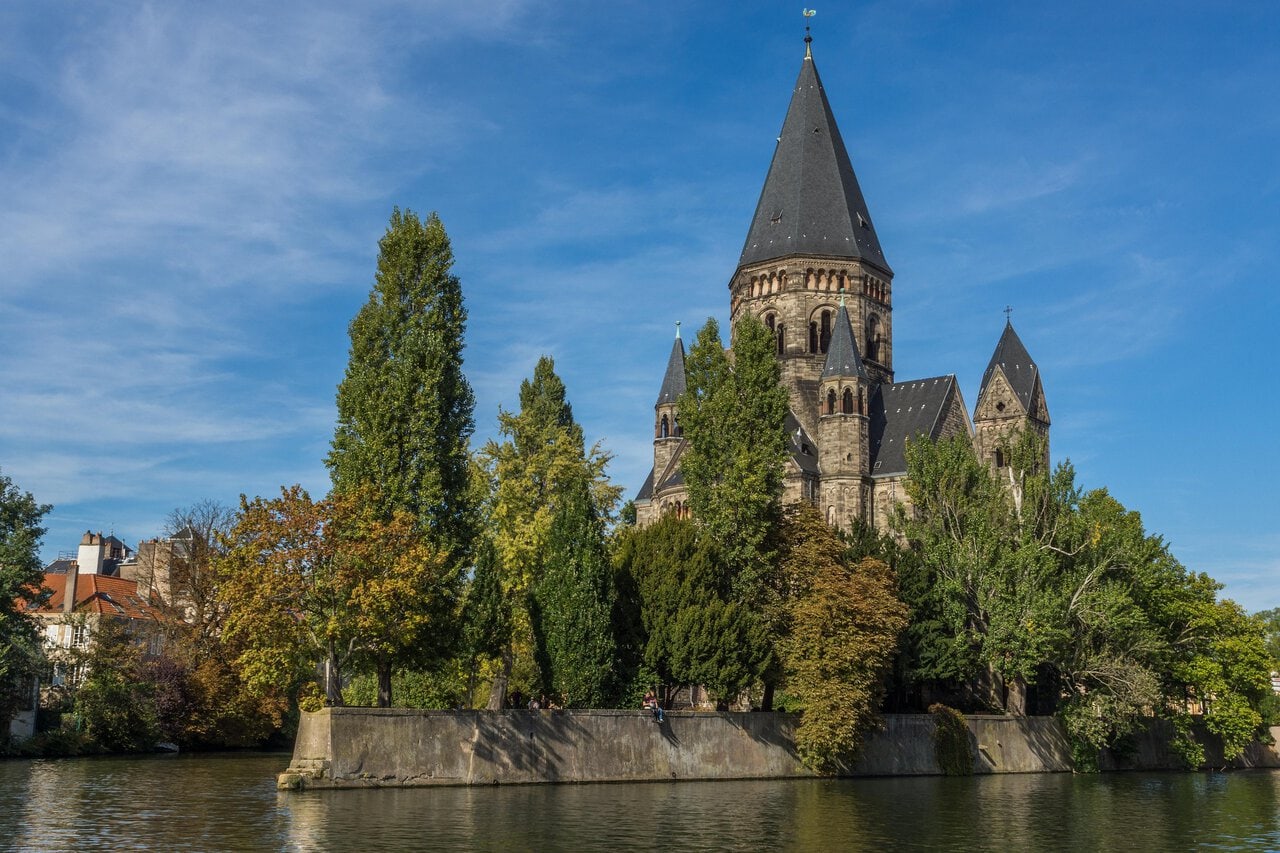
Standing proudly on Île du Petit-Saulcy, surrounded by the waters of the Moselle River, the striking Temple Neuf is one of Metz’s most recognisable landmarks. Although many visitors assume it is a medieval church, the building actually dates from the early twentieth century, when Metz formed part of the German Empire.
Constructed between 1901 and 1904, the temple was built in a bold Neo-Romanesque style using the city’s distinctive golden Jaumont stone. Its elegant tower and commanding riverside position have made it one of the most photographed buildings in Metz, particularly when reflected in the calm waters surrounding the island.
The interior is surprisingly simple, allowing the impressive stone architecture and peaceful atmosphere to take centre stage. Throughout the year the temple also hosts organ recitals, concerts and cultural events, giving visitors another reason to step inside beyond admiring the architecture.
Even if you simply walk around the outside, the Temple Neuf offers some of the finest riverside views in the city and perfectly illustrates Metz’s unique blend of French and German heritage.

Walk Along the Moselle and Seille Rivers
One of the greatest pleasures of visiting Metz is exploring its beautiful network of rivers. The Moselle and Seille weave their way through the city, creating attractive islands, tree-lined promenades and peaceful walking routes that provide a welcome contrast to the historic streets.
Well-maintained footpaths follow much of the waterfront, passing elegant bridges, landscaped gardens and quiet picnic areas where locals gather throughout the year. Along the way you’ll enjoy constantly changing views of Saint-Étienne Cathedral, the Temple Neuf, historic stone buildings and colourful reflections shimmering across the water.
The rivers have shaped Metz for centuries, supporting trade, transport and the city’s impressive defensive system. Today they offer a much gentler experience, with pleasure boats replacing merchant vessels and riverside cafés providing ideal places to pause and enjoy the scenery.
Whether you’re taking an early morning stroll, enjoying a leisurely afternoon walk or watching the sunset over the water, the riverside paths are among the most relaxing places to spend time in Metz.
Explore the Imperial Quarter
One of the most distinctive parts of Metz is the impressive Imperial Quarter, developed during the period when the city formed part of the German Empire between 1871 and 1918. Rather than hiding this chapter of its history, Metz celebrates it through an extraordinary collection of architecture that gives the city a unique character unlike anywhere else in France.
Wide boulevards are lined with magnificent public buildings, grand villas and elegant apartment blocks displaying influences ranging from Neo-Romanesque and Neo-Gothic to Art Nouveau and German Historicism. Every street reveals elaborate stone carvings, decorative balconies, impressive towers and beautifully preserved façades constructed from the city’s famous Jaumont stone.
The area also includes the spectacular Metz-Ville railway station, frequently described as one of the most beautiful railway stations in Europe. Its monumental architecture, imposing clock tower and richly decorated interior demonstrate the ambition with which the district was planned.
Walking through the Imperial Quarter feels very different from exploring the medieval centre, offering visitors a fascinating insight into the city’s complex history and its changing identity over the centuries.
Discover Porte des Allemands
Among the finest surviving medieval fortifications in France, the impressive Porte des Allemands is one of Metz’s true historic treasures. Built between the thirteenth and fifteenth centuries, this remarkable fortified bridge once protected one of the main entrances into the city.
Unlike a simple gateway, the structure combines towers, defensive walls, bridges and gatehouses into a formidable military complex spanning the Seille River. Walking across it today, it’s easy to imagine guards watching over the approaches while merchants and travellers entered the city beneath its imposing stone towers.
Recent restoration work has opened much of the monument to visitors, allowing you to walk through the towers and enjoy elevated views over the surrounding rivers, parks and historic streets. Information panels explain how the fortifications evolved as military technology changed, helping bring centuries of history to life.
Combined with a walk along the nearby riverside paths, the Porte des Allemands provides one of the most rewarding experiences in Metz and offers a fascinating glimpse into the city’s medieval defences.
Best for long or awkward journeys. Builds one itinerary out of separate flights.
View flightsBest for anyone whose home plan charges by the megabyte abroad. Pay a fixed price up front.
Check eSIMsBest if you would rather not work out the transport on arrival. Book it now and forget it.
View transfersVisit the Musée de la Cour d’Or
For anyone wanting to understand the remarkable history of Metz, the Musée de la Cour d’Or is an essential stop. More than simply an art museum, it brings together Roman archaeology, medieval treasures and fine art under one roof, allowing visitors to trace the city’s story from ancient times to the modern era.
The museum occupies a fascinating collection of historic buildings, including the remains of Roman baths, medieval granaries and elegant Renaissance structures. Walking through the galleries often feels like exploring the city itself, with each section revealing another chapter in Metz’s long and varied past.
Among the highlights are beautifully preserved Roman mosaics, sculptures, everyday artefacts and archaeological discoveries that illustrate the importance of ancient Divodurum Mediomatricorum, as Metz was known during the Roman Empire. Elsewhere you’ll find religious art, medieval carvings, historic armour and paintings by leading European artists, giving the museum an impressive breadth rarely found outside France’s largest cities.
Allow at least a couple of hours for your visit, as the collections are extensive and reward those who take their time. For history lovers, it is undoubtedly one of the finest museums in eastern France.
Relax in the Esplanade Gardens
Just a short walk from the historic centre, the beautiful Esplanade Gardens provide one of the most peaceful green spaces in Metz. Created during the nineteenth century, these landscaped gardens overlook the Moselle River and offer a welcome escape from the city’s busy streets.
Wide tree-lined avenues, colourful flowerbeds and expansive lawns make the gardens a favourite place for both locals and visitors. Throughout the warmer months you’ll find families enjoying picnics, students relaxing beneath the trees and visitors taking a break after exploring the nearby cathedral and museums.
One of the highlights is the excellent viewpoint across the river towards the surrounding districts, while several sculptures and monuments scattered throughout the park add further interest as you wander. The gardens are particularly attractive during spring, when thousands of flowers come into bloom, and again in autumn, when the mature trees turn vibrant shades of gold and orange.
Whether you’re looking for somewhere to enjoy lunch, read a book or simply rest your feet after sightseeing, the Esplanade Gardens are one of Metz’s most enjoyable outdoor spaces.
Explore the Covered Market (Marché Couvert)
Food lovers shouldn’t miss the impressive Marché Couvert de Metz, one of the largest and oldest covered markets in France. Housed inside a grand nineteenth-century building constructed from the city’s distinctive Jaumont stone, the market has been at the heart of local life for generations.
Inside you’ll discover stalls overflowing with fresh fruit and vegetables, artisan breads, regional cheeses, charcuterie, pastries, seafood and locally produced wines. It’s the perfect place to experience the flavours of Lorraine, while also observing everyday life away from the city’s main tourist attractions.
Many traders specialise in traditional regional products, making this an excellent place to sample local delicacies or pick up edible souvenirs. Small cafés and eateries within the market also provide an opportunity to enjoy freshly prepared dishes using ingredients sourced directly from neighbouring stalls.
Located just behind Saint-Étienne Cathedral, the market is easy to include in your sightseeing itinerary and offers an authentic glimpse into Metz beyond its famous landmarks.
Visit the Opera-Theatre of Metz
Overlooking the elegant Place de la Comédie, the Opera-Theatre of Metz is one of the city’s architectural highlights and holds the distinction of being the oldest working opera house in France. Opened in 1752, it has welcomed audiences for more than 270 years and continues to host an impressive programme of opera, ballet, classical music and theatre performances.
The graceful Neoclassical façade reflects the prosperity of eighteenth-century Metz, while the richly decorated interior creates an atmosphere of timeless elegance. Even if you’re not attending a performance, the building is worth admiring from outside as part of a walk around the surrounding square.
The theatre occupies a particularly attractive setting on the edge of the river, with the nearby Temple Neuf and tree-lined waterfront providing one of the city’s most photogenic areas. During the evening, when the historic buildings are illuminated, the square becomes one of the most atmospheric places in Metz.
If your visit coincides with a performance, attending a concert or opera here is a memorable way to experience one of France’s most historic cultural venues while adding another dimension to your visit to Metz.
Discover the German Quarter Architecture
One of the most fascinating aspects of Metz is the remarkable collection of buildings constructed during the period when the city formed part of the German Empire between 1871 and 1918. Rather than attempting to erase this chapter of its past, Metz has embraced it, creating one of the most architecturally diverse cities in France.
As you walk through the streets surrounding the Imperial Quarter, you’ll notice an extraordinary variety of styles. Grand civic buildings stand alongside elegant townhouses displaying influences from Neo-Gothic, Neo-Romanesque, Art Nouveau and German Historicism. Richly carved façades, decorative balconies, elaborate rooflines and distinctive towers reflect the confidence and ambition with which this district was designed.
Perhaps the finest example is the magnificent Metz-Ville railway station, frequently ranked among the most beautiful stations in Europe. Nearby streets reveal equally impressive buildings that many visitors overlook, despite representing one of the most complete collections of German imperial architecture outside Germany itself.
Exploring this area provides a fascinating contrast with the medieval centre, highlighting how Metz has continually reinvented itself while preserving the legacy of every era in its history.
Explore Fort Queuleu
On the eastern edge of the city stands Fort Queuleu, a powerful reminder of Metz’s long military history and one of its most significant historical sites. Built during the late nineteenth century as part of the extensive ring of fortifications surrounding Metz, the fort later became associated with one of the darkest chapters of the Second World War.
During the German occupation, sections of the fort were used by the Gestapo as an internment and interrogation centre for members of the French Resistance and political prisoners. Today, memorials and guided tours tell the stories of those imprisoned here, ensuring that this important history is never forgotten.
Walking around the fort allows visitors to appreciate the impressive scale of its military architecture, with thick defensive walls, underground passages and carefully designed earthworks demonstrating the engineering techniques of the period. Information panels explain both its original defensive role and its later wartime history.
Although quieter than many of Metz’s central attractions, Fort Queuleu provides a moving and thought-provoking experience for visitors interested in military history, the Second World War and the resilience of the people of Lorraine.
Best if you would rather spend the money on the trip than on the room. Compare hostels by location and rating.
Search hostelsBest arranged before you fly rather than after. Covers claim handling, plus lounge access on eligible delays.
Explore AirHelp+Best for a day with a suitcase and nowhere to put it. Find a storage point near where you already are.
View storageVisit the New Temple Gardens and Love Island
Surrounding the beautiful Temple Neuf is one of the most picturesque parts of Metz. The landscaped gardens and the nearby Île du Petit-Saulcy, sometimes affectionately known as Love Island, provide a peaceful escape just a few minutes from the bustling city centre.
Shaded pathways wind between mature trees, colourful flowerbeds and riverside lawns, while elegant bridges connect the island with the surrounding districts. The combination of the Temple Neuf, the flowing Moselle River and the city’s honey-coloured stone buildings creates some of the finest scenery in Metz.
This area is particularly popular with photographers, especially during the early morning, when the river is perfectly still, or at sunset, when the warm light reflects beautifully from the temple and surrounding trees. It’s also a favourite spot for locals enjoying picnics, reading beside the water or simply taking a leisurely stroll.
Whether you’re looking for somewhere to relax between sightseeing or searching for one of Metz’s most beautiful viewpoints, the gardens around the Temple Neuf are well worth exploring.
Walk the Medieval Ramparts of Metz
Although much of Metz has evolved over the centuries, substantial sections of its medieval ramparts still survive, offering visitors the chance to follow the city’s ancient defensive line. Combined with the rivers and fortifications, these walls help explain why Metz was regarded as one of Europe’s strongest fortified cities for hundreds of years.
Walking sections of the surviving ramparts takes you past watchtowers, defensive walls and gateways that once protected the city from invading armies. Along the route you’ll enjoy excellent views across the Seille River, the Porte des Allemands and some of the quieter historic neighbourhoods that many visitors never reach.
Interpretation panels explain how the fortifications developed from the Middle Ages through to later military expansions, helping bring centuries of conflict and engineering innovation to life. The route is largely flat and easy to follow, making it suitable for most visitors.
Combining the ramparts with the nearby riverside walks creates one of the most enjoyable self-guided routes in Metz, blending history, architecture and scenery into a single leisurely walk through one of eastern France’s most underrated cities.
Taste Lorraine Cuisine
No visit to Metz is complete without sampling the rich flavours of Lorraine, a region renowned for its hearty cuisine, exceptional pastries and locally produced wines. Influenced by both French and German culinary traditions, Lorraine’s food reflects the unique history and geography of eastern France.
The region’s most famous speciality is undoubtedly quiche Lorraine. Unlike many modern variations found around the world, the traditional recipe is beautifully simple, combining smoked bacon, eggs and cream inside a crisp pastry case. Served warm in cafés and traditional brasseries throughout Metz, it’s a must-try during your visit.
Another local favourite is potée lorraine, a comforting slow-cooked dish featuring pork, sausages and seasonal vegetables, while lovers of sweet treats should look out for the famous mirabelle plum. Grown extensively across Lorraine, these small golden plums appear in tarts, jams, desserts and even the region’s celebrated Mirabelle eau-de-vie.
Although Champagne lies just to the west, Lorraine also produces excellent wines from the nearby Moselle Valley, making a local wine the perfect accompaniment to a traditional meal. Whether you’re dining in a historic restaurant overlooking Place Saint-Louis, enjoying lunch beside the river or browsing the Marché Couvert, exploring Lorraine’s cuisine is one of the highlights of visiting Metz.

Metz Through the Ages: Roman, French and German
Few cities in France have experienced such a fascinating succession of cultures as Metz. Founded more than 3,000 years ago, the city has been shaped by Celtic tribes, the Roman Empire, the Holy Roman Empire, France and Germany, with each civilisation leaving a lasting mark on its architecture, culture and identity.
During Roman times, Divodurum Mediomatricorum was one of the largest cities in Gaul, boasting baths, temples, theatres and bustling markets. Many archaeological discoveries from this period can still be seen in the Musée de la Cour d’Or, while traces of Roman engineering continue to emerge beneath the modern streets.
The medieval period transformed Metz into one of Europe’s wealthiest trading cities, resulting in magnificent churches, fortified gates and elegant public squares. Later, following the Franco-Prussian War, the city became part of the German Empire, leading to the construction of the grand Imperial Quarter, the impressive railway station and many of the monumental buildings that still define Metz today.
Walking through Metz is therefore like travelling through European history. Roman remains stand alongside Gothic masterpieces, medieval streets merge into elegant German boulevards, and contemporary landmarks such as the Centre Pompidou-Metz demonstrate that the city continues to evolve while respecting every chapter of its remarkable past.
The Best Views and Photo Spots in Metz
With its glowing Jaumont stone, elegant rivers and magnificent historic buildings, Metz is one of the most photogenic cities in eastern France. Whether you’re photographing medieval streets or contemporary architecture, you’ll find countless memorable viewpoints throughout the city.
One of the finest locations is the area surrounding the Temple Neuf, where the church rises dramatically from Île du Petit-Saulcy. From the nearby bridges and riverside paths you’ll capture beautiful reflections in the Moselle River, particularly during the early morning or at sunset, when the golden stone appears even richer in colour.
The steps and square outside Saint-Étienne Cathedral provide another essential stop. The intricate Gothic façade, towering stained-glass windows and surrounding historic buildings create one of France’s most impressive architectural scenes. Meanwhile, Place Saint-Louis offers colourful arcades, elegant cafés and lively street scenes that perfectly capture the atmosphere of the old city.
Don’t overlook the views from the Esplanade Gardens, the riverside beside the Porte des Allemands or the striking architecture surrounding the Centre Pompidou-Metz. Together they showcase the remarkable diversity that makes Metz such a rewarding city for photographers.
Hidden Corners of Metz
While the cathedral and Centre Pompidou-Metz attract most visitors, some of Metz’s greatest pleasures are found away from the main tourist routes. Quiet medieval lanes, secluded riverside paths and peaceful courtyards reveal a more intimate side of the city that many visitors never discover.
Take time to wander the smaller streets around Place Saint-Louis, where beautifully restored houses, artisan workshops and tucked-away cafés create a wonderfully authentic atmosphere. Nearby, narrow bridges crossing the Seille River lead to peaceful corners where the sounds of the busy city quickly fade away.
The riverside paths surrounding the Moselle also reward those willing to explore a little further. Here you’ll find shaded benches, historic stone bridges and unexpected viewpoints looking back towards the cathedral, often without another visitor in sight.
Sometimes the best way to experience Metz is simply to slow your pace. Leave the main squares behind, follow the river or turn down an unfamiliar street, and you’ll soon discover why this elegant city remains one of France’s most underrated destinations.

Rupert’s Handy Travel Tips
Planning a visit to Metz? Here are a few practical tips to help you experience the city’s architecture, museums, rivers and distinctive Franco-German heritage:
- Begin at Saint-Étienne Cathedral: Visit earlier in the day when the changing sunlight illuminates the cathedral’s enormous collection of stained glass, including the colourful windows designed by Marc Chagall.
- Explore beyond the medieval centre: The Imperial Quarter and Metz-Ville railway station reveal an entirely different side of the city, shaped by the period when Metz formed part of the German Empire.
- Check the exhibitions before visiting: The Centre Pompidou-Metz does not rely on one permanent display, so look at the current exhibition programme before deciding how much time to allow.
- Follow the rivers on foot: The paths beside the Moselle and Seille connect several of the city’s most attractive landmarks, including the Temple Neuf, Porte des Allemands and surviving medieval ramparts.
- Allow more than a few hours: Metz is compact, but combining the cathedral, Centre Pompidou, Musée de la Cour d’Or, Imperial Quarter and riverside walks can comfortably fill two days.
Want to meet the reindeer behind our travel tips? Find out more in our page Who is Rupert?.




Frequently Asked Questions
How many days should you spend in Metz?
One full day is enough to see the main highlights, but two days gives you time to visit the museums, explore the riverside, discover the Imperial Quarter and enjoy the city’s relaxed atmosphere.
Is Metz worth visiting?
Absolutely. Metz combines a spectacular Gothic cathedral, world-class modern art, beautiful riverside walks, fascinating Franco-German history and elegant architecture, making it one of the most underrated city breaks in France.
What is Metz famous for?
Metz is best known for Saint-Étienne Cathedral, the Centre Pompidou-Metz, its distinctive golden Jaumont stone architecture and its unique blend of Roman, French and German heritage.
Can you explore Metz on foot?
Yes. The historic centre is compact, and most of the city’s major attractions, museums, squares and riverside paths are within comfortable walking distance of one another.
When is the best time to visit Metz?
Late spring, summer and early autumn generally offer the best weather for exploring the city, enjoying outdoor cafés and walking along the Moselle and Seille rivers.
What local food should I try in Metz?
Be sure to try quiche Lorraine, dishes featuring Mirabelle plums, regional cheeses and local wines from the nearby Moselle Valley.
Is the Centre Pompidou-Metz worth visiting?
Yes. Even if you’re not usually interested in modern art, the spectacular architecture, changing exhibitions and panoramic views make it one of the city’s standout attractions.
Why is Metz Cathedral called the Lantern of God?
The nickname comes from the cathedral’s extraordinary 6,500 square metres of stained glass, the largest area of stained glass in any cathedral in France, which fills the interior with colourful natural light.
Further Reading
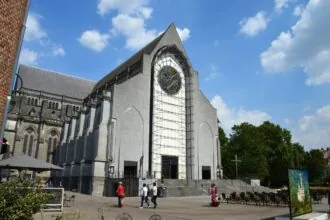
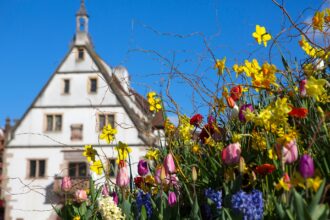
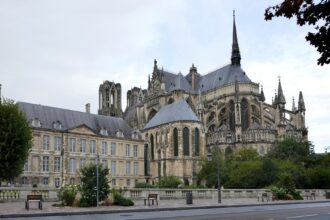
Continuing through the Grand Est? Our Visiting Reims guide covers the birthplace of Champagne and its magnificent royal cathedral, just over an hour away, while our Day Trips from Strasbourg guide covers Colmar, Riquewihr and the fairytale wine villages of Alsace.
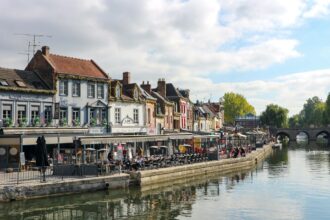
Exploring more of Northern France? Our Visiting Lille guide and Visiting Amiens guide cover two more of the region’s finest historic cities.