Reviewed by our editorial team Updated
Discover the Heart of French Flanders
Lille is one of France’s most underrated cities. Sitting just a short distance from the Belgian border, it combines elegant Flemish architecture, grand French boulevards, outstanding museums and one of the country’s best food scenes into a destination that’s perfect for a weekend break or longer stay. Rich in history yet wonderfully modern, Lille offers something for every type of traveller.
The city has occupied a strategic position for centuries and has belonged to Flanders, Burgundy, Spain and France, with each leaving its mark on the architecture, culture and traditions you’ll encounter today. As you wander through the streets you’ll notice colourful Flemish townhouses standing alongside grand French civic buildings, creating a character unlike anywhere else in the country.
Lille is also remarkably easy to explore on foot. The compact city centre links together beautiful squares, lively shopping streets, peaceful parks and world-class museums, while an excellent Metro, tram and bus network makes reaching attractions further afield equally straightforward.
Whether you’re interested in history, architecture, art, food, shopping or simply soaking up the atmosphere from a pavement café, Lille offers more than enough to fill several memorable days.
| Looking for… | Best Place | Time Needed | Best For |
|---|---|---|---|
| Historic streets | Vieux Lille | 2–3 hours | First-time visitors |
| Architecture | Grand Place & Vieille Bourse | 1–2 hours | Photography |
| Art | Palais des Beaux-Arts | 2–3 hours | Museum lovers |
| Best views | Lille Belfry | 45–60 mins | Panoramic photos |
| Parks | Citadel & Parc de la Citadelle | 2–3 hours | Families & walkers |
| Markets | Wazemmes Market | 1–2 hours | Food lovers |
| Shopping | Rue de Béthune & Vieux Lille | 2–4 hours | Retail therapy |
| Modern culture | Gare Saint Sauveur | 1–2 hours | Contemporary art |
Wander Through Vieux Lille (Old Lille)
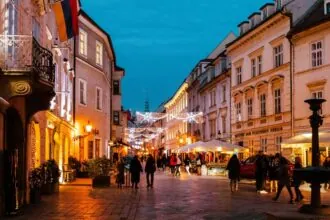
The best place to begin your visit is Vieux Lille, the city’s beautifully preserved historic quarter. Its maze of cobbled streets, colourful Flemish buildings and elegant boutiques creates one of the most attractive old towns in northern France and perfectly showcases Lille’s unique blend of French and Belgian influences.
As you wander through the narrow streets you’ll discover beautifully restored seventeenth and eighteenth-century houses decorated with ornate brickwork, carved stone details and brightly coloured shutters. Every corner reveals another inviting café, artisan chocolate shop, independent boutique or traditional estaminet serving classic dishes from French Flanders.
One of the joys of Vieux Lille is that it rewards aimless exploration. While there are plenty of famous landmarks, some of the area’s greatest pleasures come from simply following whichever street catches your eye. Hidden courtyards, charming squares and tucked-away galleries appear throughout the district, making it one of the most photogenic parts of the city.
The atmosphere changes throughout the day. Mornings are ideal for quiet walks and bakery visits, afternoons bring shoppers and sightseers, while evenings see restaurants and wine bars come alive as locals gather to enjoy one of Lille’s excellent dining scenes.
Best if you want daily housekeeping and a front desk. Filter by area first, then by price.
Check availabilityBest for longer stays. Whole apartments and houses, so you are not eating out three times a day.
View rentalsBest as a last check before booking. Compares Lille hotel rates across several sites in one search.
Compare ratesExplore the Grand Place
Officially known as Place du Général de Gaulle, Lille’s Grand Place has been the city’s principal gathering place for centuries. Surrounded by magnificent historic buildings, bustling cafés and elegant shopping streets, it remains the natural heart of Lille and the perfect place to begin exploring the city.
Dominating the square is the impressive Column of the Goddess, commemorating Lille’s resistance during the Siege of 1792. Around it stand some of the city’s most recognisable buildings, including the magnificent Vieille Bourse, the Grand Garde and a collection of elegant Flemish-style façades that reflect Lille’s rich architectural heritage.
Throughout the year the square hosts festivals, concerts, seasonal markets and public celebrations, ensuring there’s almost always something happening. During the festive season it becomes the centrepiece of Lille’s famous Christmas Market, while summer brings outdoor cafés filled with locals enjoying the atmosphere.
Whether you’re meeting friends, admiring the architecture or simply watching the world go by with a coffee, the Grand Place captures the vibrant character of Lille better than anywhere else.
Save Money with the Lille City Pass
If you’re planning to visit several of Lille’s museums and attractions, the Lille City Pass can offer excellent value. Available as a 24, 48 or 72-hour pass, it provides free entry to more than 20 attractions across Lille and the surrounding metropolitan area, making it one of the easiest ways to explore the city while keeping costs down.
The pass includes admission to many of Lille’s most popular sights featured in this guide, including the Palais des Beaux-Arts, Hospice Comtesse Museum, Villa Cavrois, Charles de Gaulle’s Birthplace, the Belfry of Lille Town Hall and LaM – Lille Métropole Museum of Modern, Contemporary and Outsider Art. Depending on the option you choose, you can also join a guided walking tour of Vieux Lille or a 75-minute panoramic bus tour.
One of the biggest advantages is that the pass also includes 24 hours of unlimited travel on Lille’s Metro, trams and buses, making it easy to move between attractions without buying separate transport tickets. If you’re staying for two or three days and intend to visit several museums, the savings can quickly add up.
The City Pass also provides discounted admission to attractions beyond Lille, including the Louvre-Lens, Wellington Quarry in Arras, the Boves d’Arras and the Dunkirk Maritime and Port Museum, making it a worthwhile option if you’re planning some of the day trips featured elsewhere on AppSavvyTraveller.
The pass must be collected from the Lille Tourist Office at Palais Rihour before you begin using it. Keep in mind that many museums are closed on Tuesdays, so it’s worth planning your itinerary in advance to get the best value from your pass.
Visit the Palais des Beaux-Arts
The magnificent Palais des Beaux-Arts de Lille is one of France’s greatest art museums and ranks second only to the Louvre in Paris for the size and importance of its collections. Housed inside an impressive Belle Époque building, it is an essential stop for anyone with an interest in art, history or architecture.
The museum’s galleries feature masterpieces by some of Europe’s greatest artists, including Rubens, Van Dyck, Goya, Delacroix, Monet, Rodin and Picasso. The collection spans several centuries, allowing visitors to trace the development of European art from the Renaissance through to the modern era.
One of the museum’s most fascinating features is its collection of enormous relief models of fortified towns. These incredibly detailed military models were commissioned by Louis XIV and provide a remarkable insight into the engineering and strategic planning of seventeenth-century France.
Allow at least two or three hours for your visit, and check the opening times before setting out, as the Palais des Beaux-Arts de Lille is closed on Tuesdays. Between the outstanding permanent collections, temporary exhibitions and magnificent architecture, the Palais des Beaux-Arts easily ranks among the finest museums anywhere in France.
Climb the Belfry of Lille Town Hall
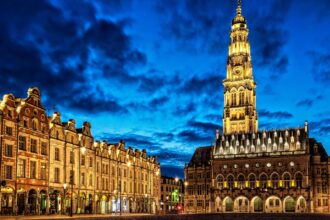
Rising high above the city skyline, the Belfry of Lille Town Hall offers the finest panoramic views in Lille. Standing at 104 metres, it is the tallest civic belfry in northern France and, together with other historic belfries across Belgium and France, has been recognised as a UNESCO World Heritage Site.
Completed in the 1930s following the destruction of the original town hall during the First World War, the Art Deco tower has become one of Lille’s defining landmarks. Visitors can take a lift most of the way to the top before climbing a short flight of steps to the observation platform.
The reward is spectacular. On a clear day you can look across Vieux Lille, the city’s elegant boulevards, the surrounding countryside and even into Belgium. It’s also one of the best places to appreciate the distinctive mix of Flemish and French architecture that makes Lille so unique.
Whether you visit on your first day to get your bearings or save it until later in your stay, the belfry is one of Lille’s must-see attractions and a dream location for photographers.
Walk Around the Citadel and Parc de la Citadelle
Just a short stroll from the historic centre lies Lille Citadel, one of the greatest military fortresses ever built. Constructed in the seventeenth century under the orders of Louis XIV and designed by the legendary military engineer Sébastien Le Prestre de Vauban, the star-shaped fortress remains one of the finest examples of military architecture in Europe.
Although the citadel itself is still used by the French Army and cannot generally be explored independently, its impressive walls, gates and defensive earthworks can be admired from the surrounding parkland. Walking around the exterior provides an excellent appreciation of Vauban’s extraordinary engineering and the strategic importance of Lille throughout history.
Encircling the fortress is the beautiful Parc de la Citadelle, the city’s largest green space. Popular with walkers, runners and cyclists, the park features tree-lined avenues, lakes, picnic areas and quiet woodland paths that offer a peaceful escape from the busy city centre.
The park is also home to Lille Zoo, one of the most visited zoos in France, making this area particularly popular with families. Entry is no longer free for everyone: admission is now charged, with free entry kept for residents of Lille, Hellemmes and Lomme holding a Pass Lille & moi. Whether you’re interested in history, nature or simply looking for somewhere to relax, the Citadel and its surrounding park deserve several hours of your itinerary.
Discover La Vieille Bourse
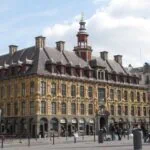
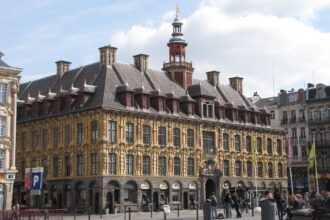
Few buildings capture the spirit of Lille quite like La Vieille Bourse (The Old Stock Exchange). Built between 1652 and 1653, this magnificent complex of 24 Flemish Renaissance houses surrounds one of the city’s most beautiful courtyards and is widely regarded as Lille’s architectural masterpiece.
Originally constructed as a meeting place for merchants trading textiles and other valuable goods, the building reflects the prosperity Lille enjoyed during the seventeenth century. Intricate carvings, decorative columns, gilded details and elaborate façades make it one of the finest examples of Flemish architecture anywhere in France.
Step through one of the archways into the central courtyard and you’ll often find a lively second-hand book market, where collectors browse shelves filled with rare books, vintage prints, old maps and postcards. During warmer months, locals also gather here to play chess, creating an atmosphere that feels wonderfully authentic and timeless.
Whether you’re admiring the ornate architecture from the outside or spending time exploring the courtyard within, La Vieille Bourse is one of Lille’s most iconic landmarks and an essential stop on any visit.
Best for long or awkward journeys. Builds one itinerary out of separate flights.
View flightsBest if you want maps and messaging working the moment you switch your phone on.
See eSIM plansBest when public transport has stopped, or when you are travelling with children and bags.
Book a transferSee More of Lille on a Guided Bus Tour
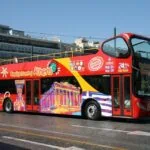
Although Lille is a wonderfully walkable city, a 75-minute panoramic bus tour is an excellent way to get your bearings and discover parts of the city that many visitors never reach on foot. Travelling in a comfortable convertible minibus, the tour combines live sightseeing with audio and video commentary in nine languages, making it ideal for first-time visitors wanting an overview before exploring in more detail.
The route passes many of Lille’s best-known landmarks, including the Grand Place, Old Stock Exchange (Vieille Bourse), Opera House, Chamber of Commerce, Citadel, Porte de Paris, Town Hall and its UNESCO-listed Belfry. As the tour also ventures into some of Lille’s more modern districts, it provides a broader perspective of the city than you would gain by staying solely within Vieux Lille.
Tours depart from the Lille Tourist Office at Palais Rihour and last around 75 minutes. With commentary available in multiple languages, it’s a relaxing way to learn about Lille’s history, architecture and development without spending the entire day on your feet. It’s particularly useful if you’re only visiting Lille for a day or want to decide which attractions you’d like to return to later.
Please note that the tour does not operate on 1 January, 1 May, the first weekend of September or 25 December. As places can fill quickly during weekends and the Christmas Market, it’s worth booking in advance where possible.
Browse Wazemmes Market
For an authentic taste of everyday life in Lille, head to the famous Wazemmes Market, one of the largest and liveliest street markets in France. Taking place on Tuesday, Thursday and especially Sunday mornings, the market attracts thousands of shoppers from across the region.
Rows of colourful stalls fill the surrounding streets, selling everything from fresh fruit and vegetables to artisan cheeses, seafood, flowers, clothing, spices and household goods. The atmosphere is energetic, with traders calling out their latest offers while locals browse for the week’s groceries alongside visitors soaking up the experience.
Food lovers will find plenty to tempt them, including freshly baked bread, regional cheeses, cured meats, pastries and traditional specialities from French Flanders. Street food vendors also offer an excellent opportunity to enjoy a quick lunch while exploring the market.
Even if you don’t plan to buy anything, Wazemmes Market is worth visiting simply for its atmosphere. It’s one of the best places to experience the multicultural character of modern Lille and see a side of the city that many tourists miss.
Discover Villa Cavrois, a Modernist Masterpiece
Just 20 minutes from Lille city centre, Villa Cavrois is one of northern France’s most remarkable houses and a hidden gem for anyone interested in architecture, design or twentieth-century history. Designed by celebrated French architect Robert Mallet-Stevens, the villa was built between 1929 and 1932 for the wealthy industrialist Paul Cavrois and is widely regarded as one of the finest examples of modernist architecture in Europe.
Unlike the ornate Flemish buildings found in Vieux Lille, Villa Cavrois embraces clean lines, geometric shapes and innovative design. Mallet-Stevens described it as a “modern castle”, creating a luxurious family home filled with cutting-edge features that were decades ahead of their time. Visitors can explore the beautifully restored reception rooms, bedrooms and terraces while learning about the villa’s fascinating history, from its glamorous beginnings to years of abandonment before being rescued and restored by the French state.
The villa is located in Croix, just outside Lille, and is easy to reach by car or public transport, making it an excellent half-day excursion if you’ve already explored the city centre. The surrounding landscaped gardens are also worth exploring and provide a peaceful contrast to the busy streets of Lille.
Admission is free for visitors under 18, EU citizens under 26 with valid photo ID, and for everyone on the first Sunday of January, February, March, November and December, as well as during the European Heritage Days held each September. For all other visitors, it’s worth booking an entrance ticket in advance, particularly during weekends and holiday periods, as visitor numbers are controlled. Please note that the villa is closed on Mondays, 1 January, 1 May and 25 December.
Visit Hospice Comtesse Museum
Hidden within the heart of Vieux Lille, the Hospice Comtesse Museum offers one of the city’s most fascinating journeys into the past. Founded in 1237 by Jeanne of Flanders as a hospital for the poor, the beautifully preserved complex has been transformed into a museum showcasing more than 700 years of Lille’s history.
As you explore the former hospital, you’ll walk through peaceful courtyards, historic wards, elegant reception rooms and a traditional Flemish kitchen, all carefully restored to reflect different periods of the building’s long history. Original furniture, paintings, tapestries, ceramics and religious artefacts help recreate daily life within medieval and Renaissance Lille.
The museum is also an excellent place to learn about the city’s Flemish roots. Exhibits explain how Lille developed into one of Europe’s wealthiest trading centres and illustrate the customs, traditions and craftsmanship that shaped the region for centuries.
Despite its central location, the museum is often quieter than Lille’s larger attractions, making it an ideal place to escape the crowds while discovering one of the city’s most important historic buildings.
Explore Lille Cathedral
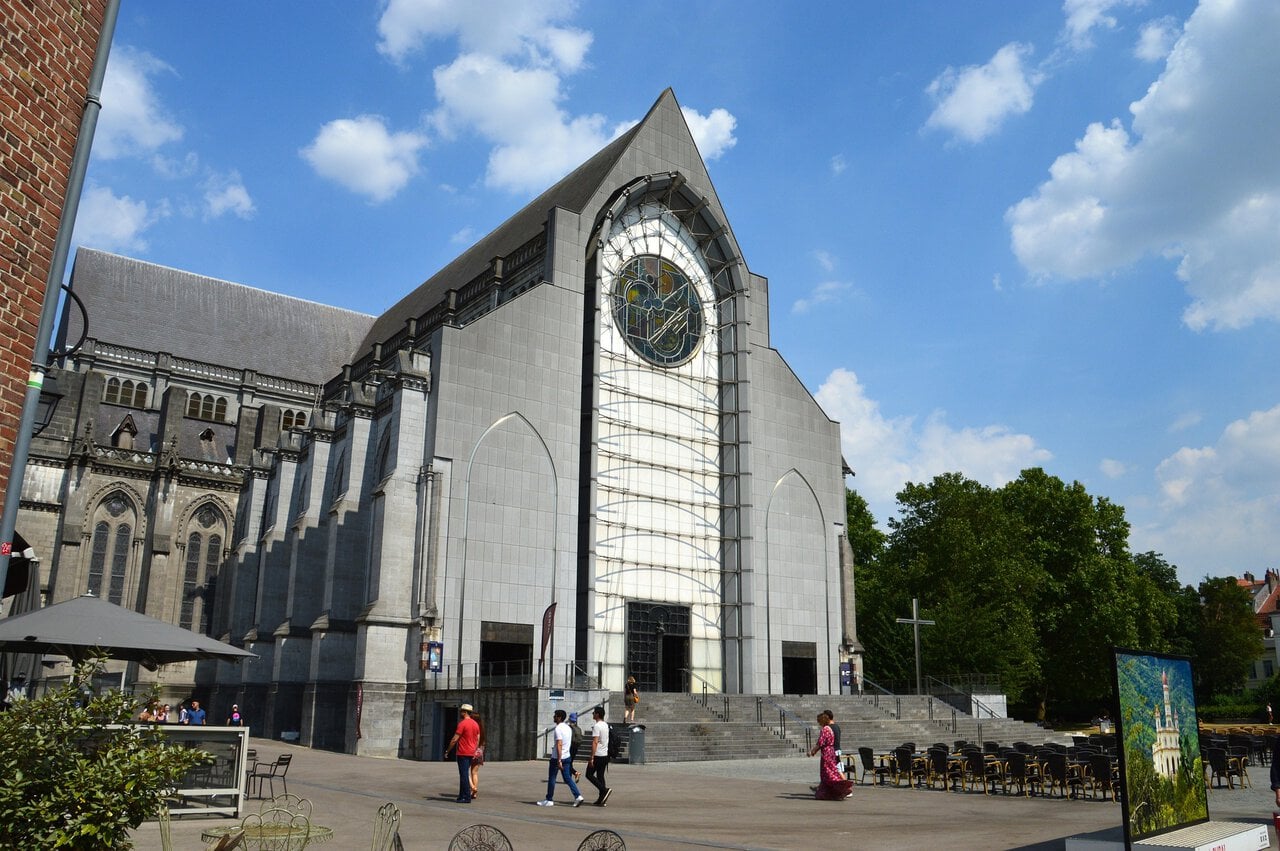
Standing proudly in the centre of Vieux Lille, Notre-Dame-de-la-Treille Cathedral is unlike any other cathedral in France. Construction began in 1854, but the building was not finally completed until 1999, creating a remarkable blend of Neo-Gothic architecture and striking modern design.
The cathedral’s most distinctive feature is its extraordinary translucent marble façade, which glows with changing shades of white, gold and pink as daylight passes through the stone. At night, clever illumination transforms the front of the building into one of Lille’s most impressive architectural sights.
Inside, the soaring nave combines traditional Gothic proportions with contemporary artwork, modern stained glass and minimalist design elements. The result is a calm, peaceful space that feels very different from the richly decorated medieval cathedrals found elsewhere in France.
Whether you’re interested in architecture, photography or simply looking for a quiet place to pause during your visit, Lille Cathedral is one of the city’s most distinctive landmarks and well worth exploring.
Discover Gare Saint Sauveur
One of Lille’s most successful regeneration projects is Gare Saint Sauveur, a former freight railway station that has been transformed into one of the city’s leading cultural venues. Instead of trains and warehouses, the site now hosts art exhibitions, concerts, film screenings, festivals and family events throughout the year.
The vast industrial buildings have retained much of their original character, creating an atmosphere that blends Lille’s industrial heritage with contemporary creativity. Temporary exhibitions change regularly, so every visit offers something new, while outdoor spaces often feature public art installations, food stalls and places to relax during the warmer months.
The complex also includes cafés, bars and open spaces that attract both locals and visitors. Even if there isn’t a major exhibition taking place during your visit, it’s an enjoyable place to wander and experience a more modern side of Lille beyond its historic streets.
For travellers interested in culture, photography or contemporary art, Gare Saint Sauveur provides an excellent contrast to the city’s medieval architecture and historic museums.
Best if you would rather spend the money on Lille than on the room. Compare hostels by location and rating.
Search hostelsBest arranged before you fly rather than after. Covers claim handling, plus lounge access on eligible delays.
Explore AirHelp+Best for the gap between checking out and your train. Drop bags at a shop or hotel nearby and carry on.
Store your bagsVisit the Birthplace of Charles de Gaulle
History enthusiasts should make time for the Birthplace of Charles de Gaulle, one of Lille’s most important historical attractions. The future French president and wartime leader was born here in 1890, and the beautifully preserved house now offers an intimate glimpse into his early life and family background.
The museum has carefully recreated the home as it would have appeared during the late nineteenth century, with period furniture, family possessions, photographs and personal objects helping bring the story of one of France’s most influential figures to life. Walking through the elegant rooms provides a fascinating insight into the environment that shaped the young Charles de Gaulle long before he became leader of the Free French Forces during the Second World War.
Interactive displays and exhibitions also explore his political career, military service and lasting legacy, making the museum interesting even for visitors who know little about modern French history.
Located in Vieux Lille, the house is easy to include while exploring the surrounding historic streets and offers another compelling reason to spend time discovering this beautiful part of the city.
Walk Along Rue de Béthune and Lille’s Shopping District
If you enjoy shopping, street performers and lively city-centre atmosphere, Rue de Béthune is one of Lille’s busiest and most enjoyable streets. Running between the Grand Place and Place de la République, this wide pedestrian avenue forms the heart of the city’s main shopping district and is always full of activity.
Along the street you’ll find a mixture of international brands, French fashion retailers, department stores, independent cafés and bakeries, making it an ideal place to browse whether you’re looking for souvenirs or simply soaking up the atmosphere. Side streets branching off Rue de Béthune reveal smaller boutiques and specialist shops, offering a pleasant contrast to the larger chains.
The surrounding area is equally attractive, with elegant nineteenth-century architecture sitting alongside modern shopping centres. Throughout the year, the streets host seasonal decorations, markets and public events, while musicians and entertainers add to the lively atmosphere.
Even if shopping isn’t your priority, Rue de Béthune is well worth exploring as it links many of Lille’s principal attractions and perfectly captures the city’s vibrant character.
Explore LaM – Lille Métropole Museum of Modern, Contemporary and Outsider Art
Located in nearby Villeneuve-d’Ascq, just a short Metro and bus journey from the city centre, LaM is one of France’s leading museums of modern, contemporary and outsider art. Surrounded by sculpture gardens and open parkland, it offers a completely different experience from the historic museums found in central Lille.
The museum houses an outstanding collection featuring works by internationally renowned artists including Picasso, Braque, Modigliani, Miró, Klee and Léger, alongside one of Europe’s finest collections of Art Brut, or outsider art. The galleries are spacious and thoughtfully designed, allowing visitors to appreciate each work without feeling crowded.
Outside, sculptures are displayed throughout the landscaped grounds, encouraging visitors to continue exploring beyond the museum itself. Temporary exhibitions ensure there’s always something new to discover, even for returning visitors.
Whether you’re passionate about modern art or simply looking for a different perspective on Lille’s cultural scene, LaM is well worth the short journey from the city centre.

Take a Boat Trip Along Lille’s Waterways
Many visitors don’t realise that Lille can also be explored from the water. Boat cruises along the River Deûle and the city’s historic canals provide a relaxing way to discover a different side of Lille while learning about its industrial heritage and ongoing regeneration.
Several operators offer guided sightseeing cruises, with commentary explaining how the waterways helped transform Lille into one of northern Europe’s most important trading centres. As you glide through the city you’ll pass converted warehouses, modern developments, green riverbanks and impressive engineering works that most visitors never see on foot.
The cruises also provide excellent views of landmarks such as the Citadel, riverside parks and former docklands that have been transformed into attractive leisure areas. Depending on the operator, trips usually last between 60 and 90 minutes, making them easy to fit into a day’s sightseeing.
For anyone wanting a more relaxing activity after exploring Lille’s museums and historic streets, a boat trip offers a refreshing change of pace and a unique perspective on the city.
Visit Lille’s Christmas Market
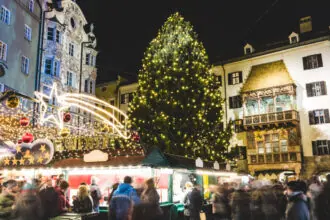
If you’re visiting between late November and the end of December, don’t miss Lille’s Christmas Market, one of the largest and most festive in northern France. Centred around Place Rihour, with celebrations extending into the Grand Place, it transforms the city into a magical winter destination.
More than 90 wooden chalets line the market, selling everything from handmade gifts and Christmas decorations to regional food, mulled wine and artisan crafts from across France and Europe. The scent of roasted chestnuts, waffles and festive treats fills the air, while live music and seasonal entertainment add to the atmosphere.
One of the highlights is the enormous Ferris wheel on the Grand Place, offering spectacular views across Lille’s illuminated rooftops and festive lights. Families can also enjoy seasonal attractions, while cafés and restaurants throughout the city serve warming winter specialities inspired by the traditions of French Flanders.
Whether you’re shopping for unique Christmas gifts or simply enjoying the festive atmosphere with a hot chocolate or glass of mulled wine, Lille’s Christmas Market is one of the finest seasonal events in northern France and a wonderful time to experience the city.
Taste the Flavours of French Flanders
One of the highlights of visiting Lille is discovering the distinctive cuisine of French Flanders. Influenced by both French and Belgian traditions, the city’s food is rich, comforting and full of character, making it one of the country’s most rewarding destinations for food lovers.
One dish every visitor should try is Carbonade Flamande, a slow-cooked beef stew prepared with Belgian beer, onions and herbs before being served with crispy frites. Another regional favourite is Welsh, a surprisingly hearty dish consisting of bread topped with ham before being covered in melted cheese made with beer and finished with an egg. It may not look elegant, but it’s a true Lille classic.
You’ll also find excellent moules-frites, traditional Flemish potjevleesch, artisan cheeses, freshly baked pastries and countless cafés serving waffles and homemade desserts. The city’s bakeries are particularly impressive, with many producing regional specialities alongside classic French pastries.
To experience the city’s food culture at its best, visit one of Lille’s traditional estaminets. These welcoming restaurants specialise in regional recipes, local beers and generous hospitality, offering an authentic taste of northern France that differs noticeably from the cuisine found elsewhere in the country.

Lille Through the Ages: Flemish, Burgundian and French
The unique character of Lille comes from its remarkable history. Over the centuries the city has belonged to the County of Flanders, the Duchy of Burgundy, the Spanish Netherlands and finally France, with every period leaving a lasting impression on its architecture, traditions and identity.
During the Middle Ages, Lille became a wealthy trading centre famous for textiles and commerce. Elegant merchants’ houses, impressive guild buildings and bustling market squares reflected its prosperity, many of which still survive in Vieux Lille today.
In the seventeenth century, the city was captured by Louis XIV, who commissioned the military engineer Vauban to construct the formidable Citadel that still dominates the western side of the city. Later centuries brought industrial growth, transforming Lille into one of France’s most important manufacturing centres while preserving much of its historic core.
Walking through Lille today means travelling through more than 1,000 years of European history. Medieval streets stand beside grand French boulevards, Flemish façades overlook elegant squares and modern cultural venues occupy former industrial buildings. Few cities illustrate the changing history of Europe quite as vividly as Lille.
The Best Views and Photo Spots in Lille
With its colourful Flemish architecture, elegant public squares and historic landmarks, Lille offers countless opportunities for memorable photographs.
For panoramic views, nothing beats climbing the Belfry of Lille Town Hall. From the observation platform you’ll enjoy spectacular views across the rooftops of Vieux Lille, the city’s modern districts and, on clear days, even into neighbouring Belgium.
At street level, the Grand Place is one of the city’s most photogenic locations. Surrounded by magnificent historic buildings, lively cafés and the elegant Vieille Bourse, it perfectly captures the atmosphere of Lille. Early morning provides the best opportunity to photograph the square before it becomes busy.
The charming streets of Vieux Lille are equally rewarding, with colourful houses, cobbled lanes, flower-filled balconies and hidden courtyards appearing around almost every corner. For something different, head to the riverside around the Citadel or take a boat cruise along the River Deûle, where you’ll enjoy unique perspectives that many visitors never experience.
Whether you’re using a professional camera or simply your phone, Lille is one of those cities where almost every street seems to offer another perfect photograph.
Hidden Corners of Lille
While the Grand Place and Vieux Lille attract most visitors, some of Lille’s greatest charms lie away from the busiest tourist routes. Exploring without a strict itinerary often leads to the city’s most memorable discoveries.
Wander beyond the main shopping streets and you’ll uncover quiet courtyards hidden behind impressive gateways, narrow cobbled lanes lined with independent boutiques and peaceful squares where locals gather far from the busiest attractions. Many of these areas preserve the authentic atmosphere of old Lille and reward those willing to explore a little further.
The quieter paths surrounding the Citadel and the River Deûle also provide a welcome escape. Here you’ll find leafy walkways, historic bridges and tranquil waterside views that feel surprisingly peaceful considering you’re only a short walk from the city centre.
Sometimes the best way to experience Lille is simply to slow down. Leave the map in your pocket, turn down an unfamiliar street and allow yourself to discover hidden cafés, artisan workshops and beautiful architecture that many visitors walk straight past. It’s these unexpected moments that often become the highlights of a visit to one of France’s most captivating cities.

Rupert’s Handy Travel Tips
Planning a visit to Lille? Here are a few tips to help you make the most of your time in the capital of French Flanders:
- Start in Vieux Lille: The historic centre is compact and walkable, making it the perfect place to begin exploring the city’s Flemish architecture, cafés and boutiques.
- Book the Belfry in advance: Tickets for the UNESCO-listed Belfry are limited, especially during weekends and holidays, so reserve your slot early if you want the best views.
- Visit Wazemmes Market on Sunday: The market is at its busiest and most atmospheric on Sunday mornings, with hundreds of stalls selling local food, fresh produce and regional specialities.
- Use Lille as a base: Lille has excellent rail connections, making it easy to take day trips to Arras, Bruges, Ghent, Ypres, Brussels and other destinations across northern France and Belgium.
Want to meet the reindeer behind our travel tips? Find out more in our page Who is Rupert?.




Frequently Asked Questions
How many days should you spend in Lille?
Two to three days is ideal for most visitors. This gives you enough time to explore Vieux Lille, visit the museums, enjoy the local food scene and even take a day trip to Belgium or elsewhere in northern France.
Is Lille worth visiting?
Absolutely. Lille combines beautiful Flemish architecture, outstanding museums, excellent food, lively markets and a fascinating history, making it one of the most rewarding city breaks in France.
What is Lille famous for?
Lille is famous for its Old Town (Vieux Lille), the magnificent Vieille Bourse, the Palais des Beaux-Arts, its Flemish heritage, traditional estaminets and one of France’s largest Christmas Markets.
Can you explore Lille on foot?
Yes. Most of Lille’s major attractions are located within a compact city centre, making it easy to explore on foot. The Metro, tram and bus network also make travelling further afield simple.
When is the best time to visit Lille?
Late spring, summer and early autumn offer pleasant weather for sightseeing, while late November and December are perfect if you want to experience Lille’s famous Christmas Market.
What local food should I try in Lille?
Don’t miss Carbonade Flamande, Welsh, Potjevleesch, moules-frites, regional cheeses, artisan beers and delicious Flemish desserts served throughout the city.
Is Lille good for shopping?
Yes. From international brands along Rue de Béthune to independent boutiques in Vieux Lille and the bustling Wazemmes Market, Lille is one of northern France’s best shopping destinations.
Can you visit Belgium from Lille?
Yes. Lille is ideally located for day trips to Bruges, Ghent, Brussels, Ypres, Kortrijk and Tournai, with excellent rail connections making international travel quick and straightforward.
Further Reading
Planning your itinerary? Our Lille Airport Transfers guide covers getting into the city, while our Day Trips from Lille guide covers Bruges, Ghent, Ypres, Arras and more within easy reach.
Exploring more of northern France? Our Visiting Amiens guide covers a rewarding neighbouring city, while our Calais Ferry Port Guide and Dover to Calais Ferry Guide cover crossing the Channel.
Travelling further afield in France? Our French Night Trains from Paris guide and Carte Avantage France guide cover rail travel and discounts, while our Train Booking Apps guide will help you book journeys with confidence.