Reviewed by our editorial team Updated
Welcome to Burgundy’s Historic Capital
Elegant, sophisticated and steeped in history, Dijon is one of France’s finest city break destinations. Best known as the historic capital of Burgundy, the city combines magnificent medieval architecture, world-famous gastronomy, outstanding museums and some of the world’s most celebrated vineyards, all within a wonderfully walkable historic centre.
Although many people know Dijon simply for its famous mustard, there’s far more waiting to be discovered. Grand palaces built by the powerful Dukes of Burgundy stand alongside half-timbered houses, impressive churches and lively public squares, while colourful markets and traditional restaurants celebrate some of the finest food and wine found anywhere in France.
Dijon is also recognised as part of the UNESCO World Heritage-listed Climats of Burgundy, reflecting the region’s extraordinary wine-making heritage. It’s the perfect base for discovering the vineyards of the Côte de Nuits and Côte de Beaune, while the city itself offers enough attractions to comfortably fill several days.
Whether you’re interested in history, architecture, fine art, wine, food or simply soaking up the atmosphere of one of France’s most beautiful cities, Dijon offers something to suit every traveller.
This guide brings together the very best things to do in Dijon, helping you experience the highlights of this unforgettable Burgundian city.
| Attraction | Time Needed | Admission | Best For |
|---|---|---|---|
| Palace of the Dukes of Burgundy | 1-2 hours | Courtyards free; Musée des Beaux-Arts inside separately | History and architecture lovers |
| Musée des Beaux-Arts | 2-3 hours | Free (permanent collections) | Art and culture lovers |
| Philippe le Bon Tower | 45 minutes (climb and views) | Paid, guided tour with limited numbers | Panoramic views and photography |
| Notre-Dame de Dijon | 30-45 minutes | Free | Gothic architecture and the lucky owl |
| Les Halles Market | 1 hour | Free to browse | Food, wine and local produce |
| International City of Gastronomy and Wine | 2-3 hours | Paid entry for exhibitions and tastings | Food and wine experiences |
| Maison Maille | 30-45 minutes | Free to browse; tastings available | Mustard lovers and souvenirs |
| Jardin Darcy | 30-60 minutes | Free | Relaxing and families |
Follow Dijon’s Famous Owl Trail
One of the most enjoyable ways to discover Dijon is by following the city’s famous Owl Trail (Parcours de la Chouette). Rather than moving directly from one attraction to the next, this self-guided walking route encourages visitors to explore hidden streets, beautiful squares and historic landmarks while learning about the city’s fascinating past.
The trail is marked by small bronze owl symbols embedded into the pavements, leading visitors around approximately 22 of Dijon’s most important sights. Information panels along the way explain the history of each location, making the route suitable whether you’re visiting independently or simply looking for a relaxed introduction to the city.
The trail takes in many of Dijon’s best-known attractions, including the Palace of the Dukes of Burgundy, Notre-Dame de Dijon, elegant medieval streets, impressive churches and charming hidden courtyards that many visitors would otherwise miss.
Its name comes from the tiny carved stone owl on the exterior of Notre-Dame de Dijon, one of the city’s best-loved symbols. According to local tradition, touching the owl with your left hand while making a wish is said to bring good luck, and you’ll often see visitors queuing patiently to continue the centuries-old custom.
Because the route links together so many attractions, the Owl Trail provides an excellent way to orientate yourself while discovering the history, architecture and atmosphere that make Dijon one of France’s most rewarding cities to explore on foot.
Best for a short trip. Compare rooms by neighbourhood, price and guest rating before you book.
Compare hotelsBest for groups who want one address and separate bedrooms rather than three hotel rooms.
See holiday homesBest if you have already picked a hotel. Checks the big booking sites for the same room and shows who is cheapest.
Check dealsVisit the Palace of the Dukes of Burgundy
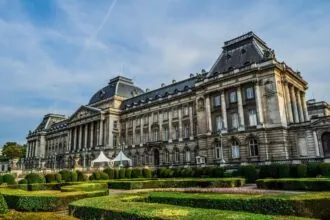
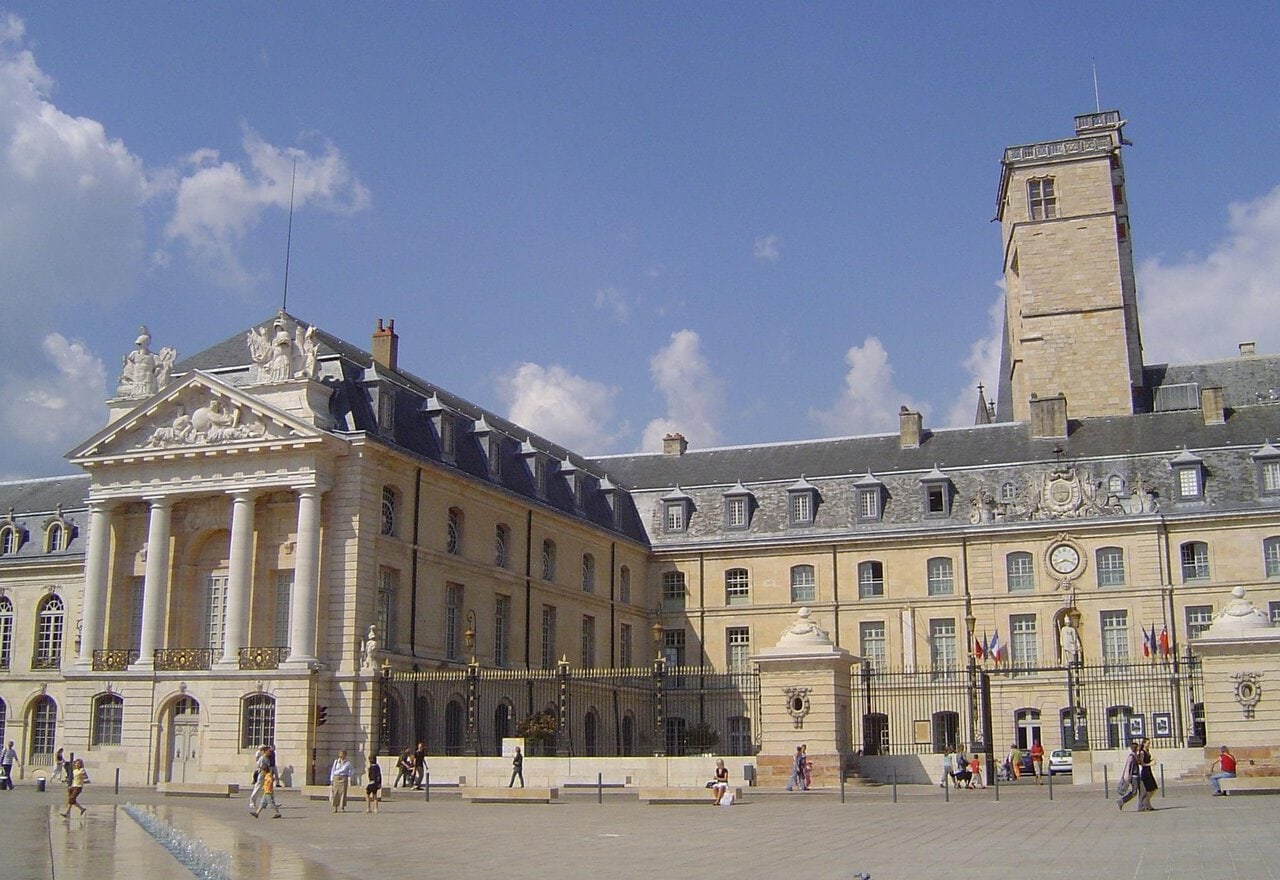
Dominating the historic centre, the magnificent Palace of the Dukes of Burgundy stands as the greatest reminder of Dijon’s remarkable past. During the fourteenth and fifteenth centuries, the powerful Dukes of Burgundy ruled one of Europe’s wealthiest territories from here, transforming Dijon into a political, artistic and cultural centre that rivalled many royal capitals.
Today the enormous palace complex remains the city’s most important landmark. Its elegant courtyards, grand façades and beautifully restored interiors reveal the extraordinary wealth and influence once enjoyed by the dukes, while later additions reflect centuries of architectural development.
Walking through the palace complex allows visitors to appreciate everything from medieval defensive structures to graceful classical buildings. The spacious Place de la Libération, directly outside, provides one of the city’s finest views of the palace and is lined with cafés where you can admire the architecture while enjoying a coffee or leisurely lunch.
The palace is also home to the outstanding Musée des Beaux-Arts, making it easy to combine several attractions during a single visit.
Whether you’re fascinated by French history, architecture or simply looking for the city’s most impressive landmark, the Palace of the Dukes of Burgundy is an essential stop during any visit to Dijon.
Climb the Philippe le Bon Tower
Rising above the rooftops of Dijon, the impressive Philippe le Bon Tower offers the finest panoramic views in the city. Built during the fifteenth century for Philip the Good, Duke of Burgundy, the tower originally formed part of the ducal palace and remains one of the best-preserved medieval towers in France.
Reaching the summit involves climbing more than 300 steps, but the effort is richly rewarded. From the viewing platform you’ll enjoy spectacular 360-degree views across Dijon’s historic centre, with its colourful tiled roofs, elegant church spires and surrounding Burgundian countryside stretching into the distance.
The climb itself is fascinating, taking visitors through narrow spiral staircases and historic rooms while guides explain the tower’s role in Burgundy’s powerful medieval court. Numbers are limited on each tour, helping preserve the historic structure while ensuring a much more enjoyable visitor experience.
On a clear day it’s possible to appreciate just how compact Dijon really is, with many of its principal attractions visible from above. It’s also one of the best places to understand the city’s remarkable blend of medieval, Renaissance and classical architecture.
For photographers, history enthusiasts and anyone looking for the very best viewpoint in Dijon, Philippe le Bon Tower is an experience not to be missed.
Explore the Musée des Beaux-Arts
Housed within the magnificent Palace of the Dukes of Burgundy, the Musée des Beaux-Arts de Dijon is one of France’s oldest and finest art museums. Founded in 1787, it occupies a series of beautifully restored historic rooms that are attractions in their own right, making it a highlight for visitors interested in both art and history.
The museum’s collection spans almost 2,000 years, taking visitors from Ancient Egypt through the Middle Ages, the Renaissance, and into the world of modern and contemporary art. Masterpieces by renowned European artists sit alongside sculptures, decorative arts and archaeological treasures, ensuring every gallery offers something different.
Perhaps the museum’s greatest treasures are the spectacular Tombs of the Dukes of Burgundy. These magnificent medieval monuments, carved from marble and alabaster, are considered among the finest funerary sculptures in Europe. The intricate procession of tiny mourning figures, known as the Pleurants, is an extraordinary example of fifteenth-century craftsmanship and remains one of Dijon’s most famous works of art.
The museum has been extensively renovated in recent years, creating spacious galleries filled with natural light while carefully preserving the historic palace surroundings. Better still, permanent collections are free to visit, making this one of the very best cultural experiences in Dijon.
Whether you’re an enthusiastic art lover or simply curious to explore one of France’s finest regional museums, the Musée des Beaux-Arts deserves several hours of your time.

Browse the Famous Les Halles Market
To experience the authentic flavours of Burgundy, head to Les Halles de Dijon, one of the most celebrated indoor food markets in France. Located in the heart of the city, this beautiful nineteenth-century market hall is a paradise for anyone who enjoys food, wine and local produce.
The market’s striking iron structure was inspired by the designs of Gustave Eiffel, whose engineering legacy can be seen throughout France. Beneath its elegant roof you’ll find dozens of independent traders selling everything from artisan cheeses and freshly baked bread to seasonal vegetables, charcuterie, pastries, seafood and, of course, the region’s famous mustard.
Walking through the market is a feast for the senses. The aromas of fresh bread, roasted coffee, herbs and regional specialities fill the air, while colourful displays of local produce tempt visitors at every turn. Friendly stallholders are often happy to explain the origins of their products and recommend regional delicacies worth trying.
Look out for Burgundian favourites including Époisses cheese, pain d’épices (traditional gingerbread), Noisettes de Bourgogne, locally cured meats and bottles of world-famous Burgundy wines. Many visitors also pick up picnic supplies before exploring the city’s parks and historic squares.
The market is at its liveliest on Tuesday, Thursday, Friday and especially Saturday mornings, when local residents fill the aisles alongside visitors from around the world. Arriving early gives you the best atmosphere and the widest choice of produce.
Sample Burgundy Wines on a Guided Tour
No visit to Dijon would be complete without discovering the wines that have made Burgundy famous across the globe. Sitting at the northern gateway to the prestigious Côte de Nuits and Côte de Beaune, Dijon is perfectly positioned for exploring one of the world’s greatest wine regions.
Guided wine tours depart directly from the city and take visitors through rolling vineyards, picturesque villages and historic wineries that have been producing exceptional wines for centuries. Along the way you’ll learn how Burgundy’s unique combination of soil, climate and centuries of tradition creates wines that are recognised among the finest anywhere in the world. The Bureau Interprofessionnel des Vins de Bourgogne, the region’s official wine body, sets out how the appellations are ranked, from regional wines up to Premier and Grand Cru.
Most tours visit several wineries, where knowledgeable winemakers explain the production process before leading visitors through professionally guided tastings. You’ll have the opportunity to sample elegant Pinot Noir reds and world-famous Chardonnay whites while learning how subtle differences in location create remarkably different flavours.
Many excursions also visit beautiful wine villages such as Gevrey-Chambertin, Vosne-Romanée, Nuits-Saint-Georges, Meursault or Puligny-Montrachet, names that are legendary among wine enthusiasts. Even visitors with little previous knowledge of wine often find these tours one of the highlights of their trip to Burgundy.
The scenery is equally spectacular. Endless rows of vineyards stretch across gently rolling hills, while charming stone villages and centuries-old wine estates create landscapes recognised as part of the UNESCO World Heritage-listed Climats of Burgundy.
If you’re looking for an authentic Burgundian experience that combines history, beautiful countryside, local culture and exceptional wines, a guided wine tour is one of the very best activities you can enjoy from Dijon.
Visit Notre-Dame de Dijon
Standing in the heart of the historic centre, Notre-Dame de Dijon is one of the city’s most recognisable landmarks and an outstanding example of thirteenth-century Gothic architecture. Although modest in size compared with some of France’s great cathedrals, its beautifully detailed façade and remarkable history make it one of Dijon’s must-see attractions.
The church is instantly recognisable thanks to its extraordinary western façade, decorated with more than 50 carved gargoyles that appear to watch over the surrounding streets. Although many are nineteenth-century restorations, they add tremendous character to one of the city’s most distinctive buildings.
Inside, visitors will find soaring Gothic arches, elegant stained-glass windows and a peaceful atmosphere that provides a welcome escape from the bustling streets outside. The church has been an important place of worship for more than 700 years and remains an active part of Dijon life today.
However, the feature that attracts the most visitors is surprisingly small. Carved into one corner of the church is the famous stone owl, the symbol that inspired Dijon’s celebrated Owl Trail. According to local tradition, gently touching the owl with your left hand while making a wish is said to bring good luck. Whether or not you believe the legend, it’s become one of the city’s best-loved traditions and a photograph that many visitors make a point of capturing.
Combining architecture, history, local legend and one of Dijon’s most famous traditions, Notre-Dame de Dijon is an essential stop on any walking tour of the city.
Best for finding routes the airlines do not sell as a single ticket. Combines carriers to bring the fare down.
Search flightsBest if you want maps and messaging working the moment you switch your phone on.
See eSIM plansBest after a long flight or a late landing. Price agreed before you travel, and no taxi queue.
Check transfersWalk Through Dijon’s UNESCO Historic Centre
The historic heart of Dijon is one of the finest preserved medieval city centres in France. Its elegant streets form part of the UNESCO World Heritage-listed Climats of Burgundy, recognising the city’s importance as the historic capital of one of the world’s greatest wine regions.
Exploring the centre on foot is one of the true pleasures of visiting Dijon. Around almost every corner you’ll discover beautifully preserved half-timbered houses, grand Renaissance mansions, hidden courtyards, colourful tiled roofs and atmospheric cobbled streets that have changed remarkably little over the centuries.
The district is wonderfully compact, allowing visitors to wander without any real plan. Independent bookshops, artisan chocolate makers, traditional mustard boutiques and inviting cafés sit beside centuries-old churches and historic buildings, creating a city that feels both vibrant and authentic rather than simply historic.
Many of Dijon’s finest landmarks, including the Palace of the Dukes of Burgundy, Notre-Dame de Dijon, Les Halles, Place François Rude and Place de la Libération, are all connected by pleasant pedestrian streets, making the city exceptionally easy to explore.
Take your time and don’t be afraid to leave the main streets. Some of Dijon’s greatest treasures are hidden down quiet alleyways where ornate stone doorways, medieval towers and elegant courtyards reveal themselves unexpectedly. For photographers and architecture lovers, the UNESCO-listed centre is one of France’s most rewarding urban landscapes.
Discover the Museum of Burgundian Life
If you’d like to understand what everyday life in Burgundy was really like, the Museum of Burgundian Life (Musée de la Vie Bourguignonne) is one of the city’s most fascinating attractions.
Housed inside a beautifully restored seventeenth-century monastery, the museum tells the story of Burgundy’s people, traditions and customs through an extensive collection of everyday objects, recreated interiors and historical displays. Rather than focusing on kings and nobles, it celebrates the lives of ordinary people who helped shape the region over the centuries.
Visitors can wander through faithfully reconstructed shops, homes, classrooms and workshops, discovering how families lived, worked and celebrated important occasions from the nineteenth century onwards. Traditional clothing, toys, furniture, tools and household items help bring Burgundy’s history vividly to life.
One of the museum’s strengths is its accessibility. Displays are thoughtfully presented and easy to understand, making it enjoyable whether you’re travelling as a couple, with children or exploring independently.
Allow around one to two hours to explore the galleries properly. For anyone interested in social history, local traditions or the everyday culture of Burgundy, this museum offers a fascinating insight into a side of Dijon that many visitors never discover.
Visit the International City of Gastronomy and Wine
One of Dijon’s newest attractions is also one of its most exciting. The International City of Gastronomy and Wine (Cité Internationale de la Gastronomie et du Vin) celebrates everything that has made French cuisine and Burgundy wines famous around the world.
Built on the site of a former hospital, this impressive cultural complex combines interactive exhibitions, wine experiences, cookery demonstrations, restaurants, artisan food shops and tasting areas, creating an attraction that appeals to food lovers of every kind.
Visitors can explore exhibitions explaining the history of French gastronomy, discover why the traditional French gastronomic meal has been recognised by UNESCO, and learn about the techniques, ingredients and traditions that continue to influence chefs around the world.
Wine naturally plays a starring role. Interactive displays explain Burgundy’s famous vineyards, while guided tastings and workshops introduce visitors to some of the region’s finest wines. Beginners and experienced enthusiasts alike will find plenty to enjoy, with knowledgeable staff helping explain everything from grape varieties to food pairings.
Several excellent restaurants and cafés are located within the complex, making it easy to continue your culinary journey after exploring the exhibitions. Whether you choose a gourmet meal, a wine tasting or simply browse the specialist food shops, it’s one of the best places in Dijon to experience the flavours of Burgundy.
For anyone interested in food, wine, French culture or unforgettable culinary experiences, the International City of Gastronomy and Wine is an essential stop.
Taste Dijon Mustard at Maison Maille
No product is more closely associated with Dijon than its world-famous mustard, and there’s no better place to discover its history than Maison Maille.
Founded in 1747, Maille has been producing mustard for almost three centuries, earning an international reputation for exceptional quality and traditional craftsmanship. Its elegant Dijon boutique is much more than a shop; it’s an experience that allows visitors to discover how one of France’s most famous condiments became known across the globe.
Inside you’ll find an astonishing range of mustards, from the classic Dijon mustard to flavoured varieties infused with truffle, Chablis, honey, green peppercorns, herbs and seasonal ingredients. Friendly staff are often happy to explain the differences between each variety and offer tastings before you decide which to take home.
Many visitors are surprised to learn that traditional Dijon mustard is defined by its production method rather than where it’s made. Visiting Maison Maille helps explain the fascinating history behind this iconic product while giving you the opportunity to sample authentic recipes prepared using centuries of expertise.
Whether you’re looking for a unique souvenir, a gift for a food lover or simply curious to discover one of Burgundy’s greatest culinary traditions, Maison Maille is one of the most enjoyable stops in Dijon.
Relax in the Beautiful Jardin Darcy
Just a short walk from Dijon-Ville railway station, Jardin Darcy is one of the city’s most attractive public parks and a wonderful place to begin or end a day of sightseeing. Created in the nineteenth century, it was the first public garden established in Dijon and remains a favourite meeting place for both local residents and visitors.
Wide tree-lined avenues, colourful flowerbeds, ornamental lawns and elegant fountains create a peaceful setting that feels surprisingly tranquil despite its central location. Throughout the year you’ll find people enjoying picnics, reading beneath the trees or simply taking a break from the bustling city centre.
One of the park’s most famous residents is the impressive white polar bear sculpture by celebrated French animal sculptor François Pompon. The statue has become one of Dijon’s most recognisable landmarks and is a favourite photo stop, particularly for families.
The garden is also home to attractive ponds, decorative planting and shaded benches where you can relax before continuing your exploration of the city. During the warmer months, the park bursts into colour, while autumn brings spectacular displays of golden leaves.
Whether you’re arriving by train or simply looking for a peaceful green space in the heart of Dijon, Jardin Darcy is a delightful place to spend an hour.
Walk Along the Canal de Bourgogne
For a completely different perspective on Dijon, head to the peaceful Canal de Bourgogne. Stretching for more than 240 kilometres across the region, this historic waterway was completed in the nineteenth century to connect the River Yonne with the River Saône, creating an important transport link through Burgundy.
Today the canal is far quieter, making it one of the city’s most relaxing places for a walk or cycle ride. Tree-lined towpaths follow the gently flowing water, where colourful narrowboats and pleasure cruisers glide peacefully through a series of historic locks.
Walking beside the canal offers a welcome escape from the busy historic centre. The atmosphere is wonderfully calm, with birdsong replacing city traffic and reflections of trees dancing across the water. Cyclists also enjoy the excellent paths, which form part of a wider network of scenic routes through Burgundy.
The canal is particularly beautiful during spring and autumn, when colourful flowers or golden foliage line the banks, creating excellent opportunities for photography.
Whether you’re looking for a gentle stroll, a scenic picnic or simply somewhere to slow down and enjoy Burgundy’s peaceful countryside atmosphere, the Canal de Bourgogne is well worth visiting.
Best if you would rather spend the money on the trip than on the room. Compare hostels by location and rating.
Search hostelsBest arranged before you fly rather than after. Covers claim handling, plus lounge access on eligible delays.
Explore AirHelp+Best if your room is not ready yet. Left luggage booked in advance, so you are not hunting for a locker.
Check storageEnjoy Traditional Burgundian Cuisine
No visit to Dijon would be complete without sampling the rich and comforting flavours of Burgundian cuisine. This region has earned a worldwide reputation for exceptional food, combining outstanding local produce with recipes that have been perfected over generations.
One of Burgundy’s most famous dishes is Bœuf Bourguignon, where tender beef is slowly braised in rich Burgundy red wine with onions, mushrooms and herbs until it becomes wonderfully tender. Another local favourite is Coq au Vin, traditionally prepared using the region’s excellent wines.
Cheese lovers should look out for the famous Époisses de Bourgogne, one of France’s most distinctive cheeses, together with creamy Brillat-Savarin and other regional specialities. Dijon is also renowned for its pain d’épices, a delicious spiced gingerbread that has been produced here since the Middle Ages.
Of course, no culinary visit would be complete without tasting authentic Dijon mustard, which appears in everything from traditional sauces and salad dressings to marinades and regional recipes. Pair your meal with a glass of Pinot Noir or Chardonnay from nearby vineyards and you’ll be enjoying one of France’s classic food and wine combinations.
Whether you choose a Michelin-starred restaurant, a traditional bistro, or a family-run brasserie tucked away in the Old Town, discovering Burgundy’s remarkable cuisine is one of the true highlights of visiting Dijon.
Visit During the Christmas Market or Burgundy Wine Festival
Dijon is a wonderful destination throughout the year, but visiting during one of its major festivals adds another layer to the experience. Seasonal events fill the historic streets with music, food, markets and celebrations, giving visitors an opportunity to experience Burgundy’s traditions at their very best.
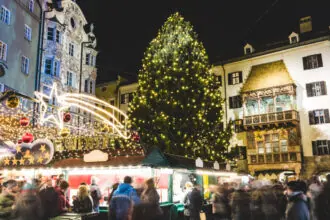
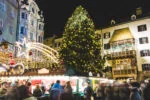
During December, the city centre transforms for the popular Dijon Christmas Market. Wooden chalets line the historic squares, selling artisan gifts, regional delicacies, handmade decorations and warming festive treats. Illuminated streets, festive music and beautifully decorated buildings create a magical atmosphere that’s perfect for an evening stroll.
Wine lovers may prefer to visit during one of Burgundy’s famous wine festivals or harvest celebrations. Throughout the year, local producers host tasting events, vineyard open days and food festivals where visitors can sample some of the world’s finest wines while meeting the people who produce them.
The city also hosts cultural festivals, concerts and outdoor performances during the warmer months, with historic squares providing spectacular settings for live entertainment. Cafés and restaurants spill onto the pavements, adding to the lively atmosphere that makes Dijon such an enjoyable place to explore.
If your travel dates are flexible, checking the local events calendar before you arrive can make your visit even more memorable, allowing you to experience Dijon at its most vibrant while celebrating the food, wine and traditions that have made Burgundy famous around the world.

Rupert’s Handy Travel Tips
Dijon’s historic centre rewards slow exploration, so here are my top tips for making the most of Burgundy’s capital.
- Follow the owls: The small bronze owl markers set into the pavement make it easy to navigate the Owl Trail without a map, and touching the stone owl on Notre-Dame with your left hand is said to bring good luck.
- Time your market visit: Les Halles is liveliest on Tuesday, Thursday, Friday and especially Saturday mornings, so arrive early for the best atmosphere and produce.
- Book ahead for the tower: Numbers on the Philippe le Bon Tower climb are limited, so reserve your slot in advance, particularly in the summer months.
- Reserve your wine tour early: Guided tours into the Côte de Nuits and Côte de Beaune vineyards get booked up quickly, so plan ahead rather than leaving it to the day.
- Wear comfortable shoes: The historic centre is wonderfully walkable, but its cobbled streets are much easier going in sturdy, comfortable footwear.
Want to meet the reindeer behind our travel tips? Find out more in our page Who is Rupert?.




Frequently Asked Questions
What is Dijon famous for?
Dijon is famous for its world-renowned mustard, outstanding Burgundy wines, magnificent Palace of the Dukes of Burgundy, beautiful medieval streets and its rich culinary heritage. It is also the historic capital of the Burgundy region.
Is Dijon worth visiting?
Absolutely. Dijon combines UNESCO-listed heritage, exceptional museums, outstanding food, world-famous wine and elegant architecture, making it one of the finest city break destinations in France.
How many days do you need in Dijon?
A full day is enough to see the main attractions, but two to three days allows you to explore the museums, enjoy Burgundy’s restaurants and take a wine tour into the surrounding vineyards.
Can you explore Dijon on foot?
Yes. The historic centre is wonderfully compact, and most of the city’s major attractions are within easy walking distance of one another.
What is the Owl Trail in Dijon?
The Owl Trail (Parcours de la Chouette) is a self-guided walking route linking around 22 of Dijon’s most important landmarks. It’s marked by bronze owl symbols set into the pavements throughout the city.
Is Dijon a good base for visiting Burgundy’s vineyards?
Yes. Dijon is one of the best places to stay when exploring the famous vineyards of the Côte de Nuits and Côte de Beaune, with numerous guided wine tours departing directly from the city.
What local food should I try in Dijon?
Don’t miss Dijon mustard, Bœuf Bourguignon, Coq au Vin, Époisses cheese, pain d’épices and, of course, a glass of authentic Burgundy wine.
When is the best time to visit Dijon?
Spring and autumn offer pleasant temperatures and vineyard scenery, while summer brings lively outdoor cafés and festivals. December is an excellent time to experience the city’s popular Christmas Market.
Further Reading
Dijon sits on one of France’s busiest high-speed rail corridors, making it easy to combine with other stops. Our guide to Things to Do in Lyon covers the next major city just over an hour away by TGV, while travellers heading further south may also enjoy our guide to Things to Do in Grenoble in the foothills of the French Alps.
If you’re planning to explore more of the country by rail, it’s worth checking whether the Carte Avantage France could reduce the cost of onward journeys, or looking into an Interrail France Pass if Dijon is just one stop on a wider trip around France.