Reviewed by our editorial team Updated
Where the Alps Meet the City
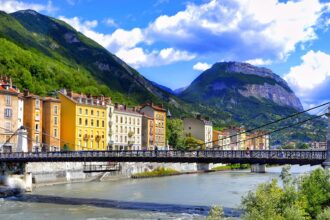
Surrounded by dramatic mountain scenery, Grenoble is one of France’s most distinctive destinations. Often referred to as the Capital of the Alps, the city sits at the meeting point of the Vercors, Chartreuse and Belledonne mountain ranges, creating spectacular views in almost every direction. Few European cities combine such an attractive historic centre with immediate access to world-class outdoor adventures.
Despite its reputation as a gateway to the mountains, Grenoble has far more to offer than simply hiking and skiing. The city boasts a beautifully preserved Old Town, fascinating museums, bustling food markets, riverside promenades and one of France’s most iconic cable cars, all wrapped within a lively university atmosphere that keeps the streets buzzing throughout the year.
Whether you’re visiting in the height of summer, when cyclists and walkers head into the surrounding Alps, or during the winter ski season, Grenoble provides an excellent base for exploring southeastern France. At the same time, its compact city centre makes it easy to discover on foot, with many of the major attractions located within a short walking distance of one another.
This guide brings together the very best things to do in Grenoble, helping you experience its rich history, outstanding museums, spectacular viewpoints and unforgettable Alpine setting.
| Attraction | Time Needed | Admission | Best For |
|---|---|---|---|
| Bastille Cable Car (Les Bulles) | Short return ride | Paid ticket at the lower station | Iconic first views of the city |
| Bastille Fortress | 1-2 hours | Free to explore (cable car ticket separate) | History and panoramic views |
| Old Town | 1-2 hours | Free to wander | Shopping, cafes and atmosphere |
| Place Grenette | 30-45 minutes | Free | People-watching and a coffee stop |
| Musée de Grenoble | At least 2 hours | Entry fee applies | Art lovers |
| Saint-Laurent Archaeological Museum | Around 1 hour | Entry fee applies | Roman history and archaeology |
| Halles Sainte-Claire Market | 30-45 minutes | Free to browse | Local produce and Alpine cheeses |
| Petit Train de Grenoble | Around 45 minutes | Paid ticket | Families and first-time visitors |
| Museum of the Resistance and Deportation | 1-2 hours | Entry fee applies | Modern history |
| Parc Paul Mistral | 1 hour or more | Free | Relaxing and picnics |
| Vercors Mountains day trip | Half day to full day | Varies by activity/tour | Hiking and outdoor adventure |
Ride the Famous Bastille Cable Car
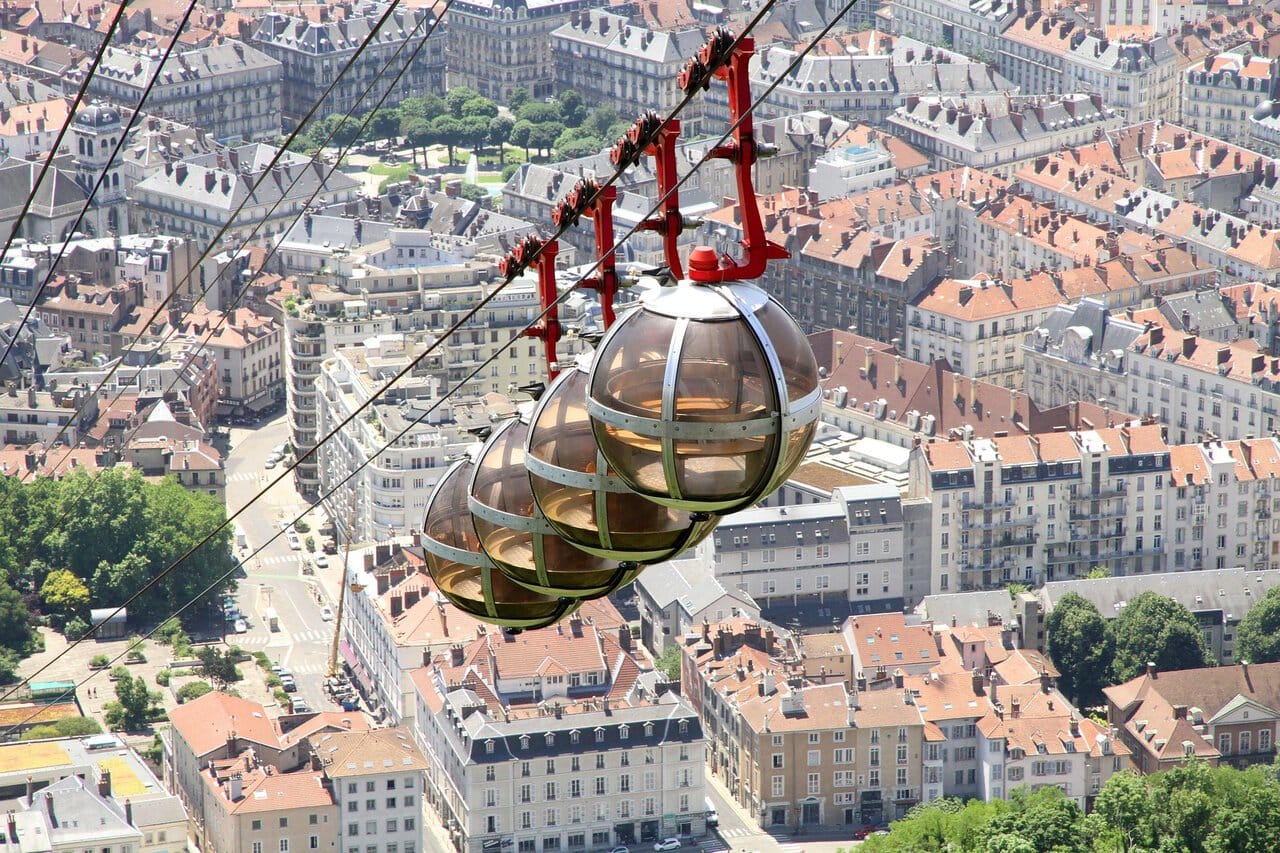
No visit to Grenoble is complete without riding the city’s famous Bastille Cable Car, known locally as Les Bulles because of its distinctive spherical glass cabins. Opened in 1934, it was one of the world’s first urban cable cars and remains the city’s most recognisable attraction.
The journey begins on the banks of the Isère River, just a few minutes’ walk from the Old Town. As the cabins climb steeply above the rooftops, you’ll enjoy increasingly spectacular views across Grenoble, the surrounding valleys and the snow-capped peaks beyond. Even the short journey is an unforgettable experience and one of the best introductions to the city.
The panoramic views become even more impressive after arriving at the summit. From the viewing terraces you can clearly see the surrounding Chartreuse, Vercors and Belledonne mountain ranges, giving you a real appreciation of why Grenoble is regarded as the gateway to the French Alps.
The cable car operates throughout most of the year, with services running regularly during the day. Tickets can be purchased at the lower station, although it’s worth checking current fares and operating hours on the official Bastille cable car site in advance, particularly outside the main tourist season.
Whether you’re visiting for just a few hours or several days, the Bastille Cable Car is the one attraction that every visitor should experience.
Best for two or three nights. The widest choice of rooms, with filters for free cancellation and included breakfast.
View staysBest for groups who want one address and separate bedrooms rather than three hotel rooms.
See holiday homesBest as a last check before booking. Compares Grenoble hotel rates across several sites in one search.
Compare ratesExplore the Bastille Fortress
At the top of the cable car you’ll find the impressive Fort de la Bastille, a vast hilltop fortress overlooking Grenoble from more than 470 metres above sea level. Although defensive structures have occupied this strategic position for centuries, much of the fortress visible today dates from the nineteenth century, when it formed part of France’s mountain defences.
Today the fortress is one of Grenoble’s most popular attractions, not because of military history alone, but because it offers some of the finest views anywhere in the Alps. Walking along the old ramparts reveals breathtaking panoramas across the city, surrounding valleys and the dramatic mountain ranges that stretch towards the horizon.
There’s far more to see than just the viewpoints. Visitors can explore tunnels, defensive walls, exhibition spaces and historic buildings while learning how the fortress protected Grenoble for generations. Information boards explain the site’s fascinating military history, while several cafés provide the perfect place to relax with a drink while enjoying the scenery.
Numerous walking trails also begin from the Bastille, allowing visitors to continue into the surrounding hills if they have more time. Whether you choose a short stroll or a longer hike, the area offers countless opportunities for photography and enjoying Grenoble’s remarkable natural setting.
The Bastille Fortress perfectly combines history, spectacular scenery and outdoor adventure, making it one of the highlights of any visit.
Wander Through Grenoble’s Old Town
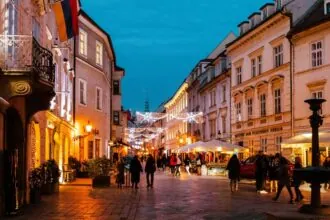
Back in the city centre, Grenoble’s Old Town provides a wonderful contrast to the dramatic mountain scenery above. Narrow cobbled streets, colourful façades, lively squares and elegant historic buildings create an atmosphere that’s both welcoming and full of character.
Many of the streets are pedestrianised, making it easy to explore at a relaxed pace. Around every corner you’ll discover independent boutiques, artisan bakeries, traditional cafés and inviting restaurants serving local Alpine specialities. The area is particularly enjoyable during the morning, when cafés spill onto the pavements and local markets begin trading.
The Old Town is also home to several important historic landmarks, including beautiful churches, elegant townhouses and charming public squares that have changed little over the centuries. Looking up from almost anywhere, you’ll catch glimpses of the surrounding mountains framed between the buildings, constantly reminding you of Grenoble’s extraordinary location.
As evening approaches, the district becomes even livelier as students and local residents gather in the bars and restaurants around the city’s historic streets. Whether you’re shopping, enjoying a leisurely meal or simply wandering without a destination, Grenoble’s Old Town is one of the city’s greatest pleasures and the perfect place to soak up its unique atmosphere.
Visit the Bustling Place Grenette
At the very heart of Grenoble lies Place Grenette, one of the city’s oldest and liveliest public squares. For centuries this has been a place where local people have gathered to shop, meet friends and celebrate important events, and today it remains one of the best places to experience the city’s everyday atmosphere.
Surrounded by elegant historic buildings, the square is filled with cafés, restaurants, terraces and independent shops, making it an excellent place to pause during a day of sightseeing. Whether you’re enjoying a morning coffee, a leisurely lunch or simply watching the world go by, Place Grenette perfectly captures the relaxed rhythm of life in Grenoble.
The square is particularly attractive during the evening, when restaurant terraces fill with diners and the surrounding streets come alive with locals and visitors. Throughout the year it also hosts seasonal events, markets and festive decorations, making every visit slightly different.
Because of its central location, Place Grenette is also an excellent starting point for exploring the Old Town, with many of Grenoble’s principal attractions just a short walk away.
For first-time visitors, spending a little time here provides an excellent introduction to the city’s welcoming atmosphere.

Discover the Outstanding Musée de Grenoble
Art lovers shouldn’t miss the exceptional Musée de Grenoble, widely regarded as one of France’s finest art museums outside Paris. Its impressive collection spans more than 700 years of artistic history, making it one of the city’s true cultural highlights.
The museum houses masterpieces by internationally celebrated artists including Picasso, Monet, Renoir, Matisse, Gauguin, Rubens, Zurbarán, Kandinsky, Warhol and many others. The breadth of the collection means there’s something to interest every visitor, whether you prefer Renaissance paintings, Impressionism, Modern Art or contemporary works.
The galleries are spacious, bright and thoughtfully arranged, allowing visitors to explore at a comfortable pace without feeling overwhelmed. Temporary exhibitions regularly bring important international collections to Grenoble, ensuring there’s often something new to discover.
Outside, the museum is surrounded by attractive sculpture gardens overlooking the Isère River, providing a peaceful place to relax after your visit.
Allow at least two hours to appreciate the collection properly. Whether you’re an enthusiastic art lover or simply curious to see one of France’s leading museums, the Musée de Grenoble is well worth including in your itinerary.
Visit the Fascinating Saint-Laurent Archaeological Museum
One of Grenoble’s most unusual attractions is the Saint-Laurent Archaeological Museum, where visitors can travel through almost 2,000 years of history beneath a remarkable historic church.
Located across the Isère River from the Old Town, the museum has been built around one of France’s most important archaeological sites. Excavations uncovered layers of churches, cemeteries and settlements dating from the Roman period, allowing visitors to walk through centuries of history in a single visit.
The museum’s innovative design carefully preserves the archaeological remains while making them easy to understand through interactive displays, lighting and informative exhibits. Ancient tombs, foundations, mosaics and religious artefacts reveal how Grenoble developed from a small Roman settlement into the thriving Alpine city it is today.
The adjoining Church of Saint-Laurent is itself a remarkable monument, with architectural features spanning multiple historical periods. Together, the church and museum create one of the most fascinating historical experiences in southeastern France.
For anyone interested in archaeology, Roman history or the early development of European cities, this is one of Grenoble’s hidden treasures.
Explore the Halles Sainte-Claire Market
To experience the authentic flavours of Grenoble, head to the lively Halles Sainte-Claire, the city’s historic covered food market. Located close to the Old Town, it’s one of the best places to discover the produce, cheeses and specialities that define the cuisine of the French Alps.
Inside the elegant nineteenth-century market hall you’ll find stalls overflowing with artisan cheeses, freshly baked bread, pastries, seasonal fruit and vegetables, locally produced honey, cured meats, handmade chocolates and regional wines. The quality is exceptional, with many traders sourcing their produce directly from nearby farms and mountain villages.
The market is also a wonderful place to sample local delicacies. Don’t miss opportunities to try famous Alpine cheeses such as Bleu du Vercors-Sassenage, Saint-Marcellin and Tomme de Savoie, alongside traditional charcuterie and freshly prepared specialities.
Even if you’re not shopping, the market is full of character. Friendly traders, colourful displays and the wonderful aromas of fresh produce make it an enjoyable place simply to wander. Many visitors pick up picnic supplies before heading to one of Grenoble’s riverside parks or viewpoints.
For food lovers, Halles Sainte-Claire offers one of the most authentic experiences in Grenoble and provides a delicious introduction to the rich culinary traditions of the French Alps.
Best if you can move a day either way. Shows how the fare to Grenoble changes across the month.
Compare flightsBest if you want maps and messaging working the moment you switch your phone on.
See eSIM plansBest if you would rather not work out the transport on arrival. Book it now and forget it.
View transfersRide the Petit Train Tourist Train
If you’d like to discover Grenoble without spending the entire day on foot, the Petit Train de Grenoble offers a relaxing and enjoyable introduction to the city. Popular with first-time visitors, families and anyone wanting an overview before exploring independently, the road train passes many of Grenoble’s best-known landmarks while providing fascinating commentary along the way.
Departing from the city centre during the main tourist season, the train winds through the historic Old Town, past elegant squares, attractive shopping streets and important monuments before continuing along parts of the Isère River. Throughout the journey you’ll learn about Grenoble’s history, its role as the Capital of the Alps, and the famous mountains that surround the city.
One of the biggest advantages of the Petit Train is that it allows you to appreciate the layout of Grenoble before deciding which attractions you’d like to revisit later on foot. It’s also an excellent option for visitors with limited mobility or anyone looking for a more relaxed sightseeing experience.
The open-sided carriages provide excellent views and plenty of opportunities for photographs, while the leisurely pace allows you to admire Grenoble’s attractive architecture and lively streets without feeling rushed.
For many visitors, the Petit Train is the perfect way to begin exploring Grenoble before continuing to attractions such as the Bastille Cable Car, Place Grenette or the Musée de Grenoble.
Visit the Museum of the Resistance and Deportation
One of Grenoble’s most thought-provoking attractions is the Museum of the Resistance and Deportation of Isère. This outstanding museum tells the powerful story of the French Resistance during the Second World War, focusing particularly on the courageous role played by the people of Grenoble and the surrounding Alpine region.
Through photographs, personal testimonies, original documents and interactive displays, visitors gain a moving insight into life under occupation, the work of resistance fighters and the sacrifices made by ordinary citizens who risked everything to oppose Nazi rule.
Grenoble occupies a special place in French history. The nearby mountains provided natural shelter for resistance groups, while the surrounding villages became important centres of clandestine activity. The museum explains these events with sensitivity and detail, helping visitors understand why the region played such a significant role during the war.
Rather than simply displaying artefacts, the museum encourages visitors to reflect on themes including freedom, democracy, human rights and the importance of remembering the past.
For anyone interested in modern history, this is one of Grenoble’s most important museums and provides valuable context to the city’s remarkable heritage.
Relax in Parc Paul Mistral
If you need a break from museums and historic streets, Parc Paul Mistral is the perfect place to unwind. Covering more than 20 hectares, it’s Grenoble’s largest urban park and provides a beautiful green space in the heart of the city.
Wide tree-lined paths wind through open lawns, ornamental gardens and peaceful picnic areas where local residents come to relax throughout the year. The park is particularly popular during the warmer months, when families, joggers, cyclists and students gather to enjoy the sunshine against the spectacular backdrop of the surrounding Alps.
Dominating the skyline is the impressive Tour Perret, a reinforced concrete observation tower built for the 1925 International Exhibition of Hydropower and Tourism. Although restoration work occasionally affects access, it remains one of Grenoble’s most recognisable landmarks and an important symbol of the city’s innovative past.
The park also contains sports facilities, playgrounds and plenty of shaded seating areas, making it an excellent place to pause before continuing your sightseeing. Looking up from almost anywhere, you’ll be rewarded with magnificent views of the mountains rising beyond the trees.
Whether you’re enjoying a picnic, taking a leisurely stroll or simply relaxing with a coffee, Parc Paul Mistral offers a welcome contrast to the busy streets of the city centre.
Take a Day Trip into the Vercors Mountains
While Grenoble itself has plenty to offer, one of the city’s greatest advantages is its immediate access to the spectacular Vercors Regional Natural Park. Less than an hour from the centre, you’ll find dramatic limestone cliffs, deep gorges, traditional Alpine villages and some of the most breathtaking scenery anywhere in southeastern France.
The Vercors is a paradise for walkers, cyclists, wildlife enthusiasts and anyone who enjoys the outdoors. Hundreds of kilometres of trails cross forests, alpine meadows and mountain ridges, ranging from gentle family walks to challenging full-day hikes with unforgettable panoramic views.
If you prefer a more relaxed experience, organised guided tours depart from Grenoble and visit many of the region’s highlights, including scenic mountain roads, spectacular viewpoints and charming villages where traditional Alpine life continues much as it has for generations. These tours often include opportunities to sample local cheeses, charcuterie and other regional specialities while learning about the area’s fascinating history.
During the winter months, the Vercors transforms into a popular destination for skiing, snowshoeing and cross-country skiing, while summer brings opportunities for canyoning, rock climbing, paragliding and mountain biking.
For visitors wanting to experience the true beauty of the French Alps, a trip into the Vercors Mountains is one of the most memorable excursions you can make from Grenoble and perfectly complements a visit to the city itself.
Discover the Flavours of the French Alps
Grenoble’s location between the mountains and the Rhône Valley has created a distinctive culinary tradition that’s quite different from the rest of France. Here you’ll find a delicious combination of Alpine specialities, fresh local produce and hearty mountain dishes that are perfect after a day of sightseeing or outdoor adventures.
One of the region’s most famous dishes is gratin dauphinois, which originated in the historic province of Dauphiné surrounding Grenoble. Made with thinly sliced potatoes, cream and garlic, it’s one of France’s best-loved comfort foods and appears on menus throughout the city.
Cheese also plays a starring role in local cuisine. Look out for Bleu du Vercors-Sassenage, a creamy blue cheese produced in the nearby mountains, together with Saint-Marcellin, Tomme de Savoie and other Alpine favourites. Many traditional restaurants serve generous sharing platters featuring regional cheeses, cured meats and freshly baked bread.
Grenoble is equally famous for its walnuts. Protected by AOP status, Noix de Grenoble are considered among the finest in the world and appear in everything from salads and desserts to oils, cakes and artisan chocolates. They’re one of the city’s most popular souvenirs and can be found in delicatessens and markets throughout the Old Town.
For a truly authentic experience, choose one of the traditional bistros, mountain inns or family-run restaurants tucked away in the historic centre. Many specialise in seasonal dishes prepared with locally sourced ingredients, while nearby cafés provide the perfect setting to enjoy coffee and pastries while watching daily life unfold beneath the surrounding mountains.
Whether you’re sampling regional cheeses, enjoying a traditional gratin dauphinois or discovering the famous Grenoble walnuts, exploring the local food scene is one of the most enjoyable things to do in the city.
Visit During Grenoble’s Festivals and Christmas Market
There’s never a bad time to visit Grenoble, but planning your trip around one of the city’s festivals or seasonal events adds an extra dimension to your stay. Throughout the year, the streets, parks and public squares host celebrations that reflect both Grenoble’s rich history and its modern, youthful atmosphere.
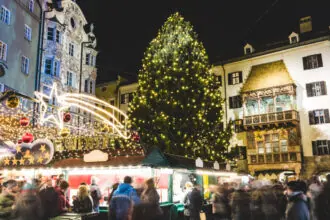
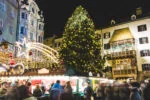
During the festive season, the Grenoble Christmas Market transforms the city centre into a magical winter destination. Traditional wooden chalets fill the main squares, selling artisan gifts, regional food, handcrafted decorations and warming seasonal drinks. Twinkling lights, festive music and beautifully decorated streets create a wonderfully welcoming atmosphere that’s popular with both locals and visitors.
Throughout the summer, Grenoble hosts numerous music festivals, outdoor concerts, cultural celebrations and sporting events, many of which take advantage of the city’s spectacular mountain backdrop. Public squares become performance venues, while parks fill with food stalls and family-friendly activities.
The city also celebrates its strong connection with the mountains through various outdoor and adventure festivals, showcasing everything from climbing and skiing to cycling and environmental conservation. These events attract visitors from across France and beyond, adding to Grenoble’s lively international atmosphere.
If your travel dates are flexible, checking Grenoble’s events calendar before you visit can make your stay even more memorable. Experiencing the city during one of its many festivals offers a wonderful opportunity to see local traditions, enjoy regional food and immerse yourself in the unique culture of the French Alps.

Rupert’s Handy Travel Tips
Grenoble’s Alpine setting means weather, opening hours and cable car access can all shift quickly, so here’s what I’d want to know before exploring the city.
- Book the cable car early: Les Bulles gets busy on sunny days and weekends, so ride first thing in the morning to avoid queues at the lower station.
- Wear proper footwear: The Bastille ramparts and any onward trails involve uneven, steep ground, so comfortable walking shoes make a real difference.
- Give the Musée de Grenoble enough time: Its collection deserves at least two hours, so visit earlier in the day if you have other sights planned.
- Try the local walnuts: Pick up a bag of AOP-protected Noix de Grenoble at Halles Sainte-Claire market for one of the best edible souvenirs in the city.
- Check the events calendar: The Christmas Market and summer festivals can transform a visit, so it’s worth timing your trip around them if your dates are flexible.
Want to meet the reindeer behind our travel tips? Find out more in our page Who is Rupert?.




Frequently Asked Questions
What is Grenoble famous for?
Grenoble is famous for its spectacular Alpine setting, the iconic Bastille Cable Car, the historic Bastille Fortress, outstanding museums and its reputation as the Capital of the French Alps. It’s also an important university city and a gateway to some of France’s best skiing and mountain scenery.
Is Grenoble worth visiting?
Absolutely. Grenoble offers a wonderful combination of historic streets, excellent museums, mountain views, riverside walks and easy access to the surrounding Alps. Whether you’re interested in culture, history or outdoor adventures, there’s plenty to see and do.
How many days do you need in Grenoble?
A full day is enough to visit the city’s main attractions, but two to three days allows time to explore the museums, ride the Bastille Cable Car, enjoy the surrounding mountains and take a day trip into the Vercors or Chartreuse.
Can you visit the Bastille Fortress without hiking?
Yes. The Bastille Cable Car provides quick and easy access to the summit, allowing visitors of all ages to enjoy the spectacular views without making the steep climb on foot.
What is the best museum in Grenoble?
The Musée de Grenoble is widely regarded as the city’s finest museum, thanks to its outstanding collection of works by artists including Picasso, Monet, Matisse, Renoir and Kandinsky. History enthusiasts should also visit the Saint-Laurent Archaeological Museum and the Museum of the Resistance and Deportation.
Is Grenoble a good base for exploring the Alps?
Yes. Grenoble is one of the best gateways to the French Alps, with excellent access to the Vercors, Chartreuse and Belledonne mountain ranges. It’s an ideal base for walking, cycling, skiing, snowshoeing and scenic mountain drives.
What local food should I try in Grenoble?
Don’t miss gratin dauphinois, Noix de Grenoble (Grenoble walnuts), Bleu du Vercors-Sassenage, Saint-Marcellin cheese and other traditional Alpine dishes served in the city’s restaurants and markets.
When is the best time to visit Grenoble?
Spring and autumn offer comfortable temperatures and clear mountain views, while summer is ideal for hiking and festivals. Winter is perfect for combining a city break with skiing in the nearby Alpine resorts.
Further Reading
If you’re flying into the region, our guide to Grenoble Airport to Grenoble City Centre covers the transfer options into town, while anyone heading straight to the slopes should see our guide to Grenoble Airport to Ski Resorts for getting from the airport into the mountains.
Grenoble also makes a great springboard for exploring the wider Alps, so take a look at our guides to Things to Do in Annecy and Things to Do in Lyon, two of the region’s most popular neighbouring cities.